
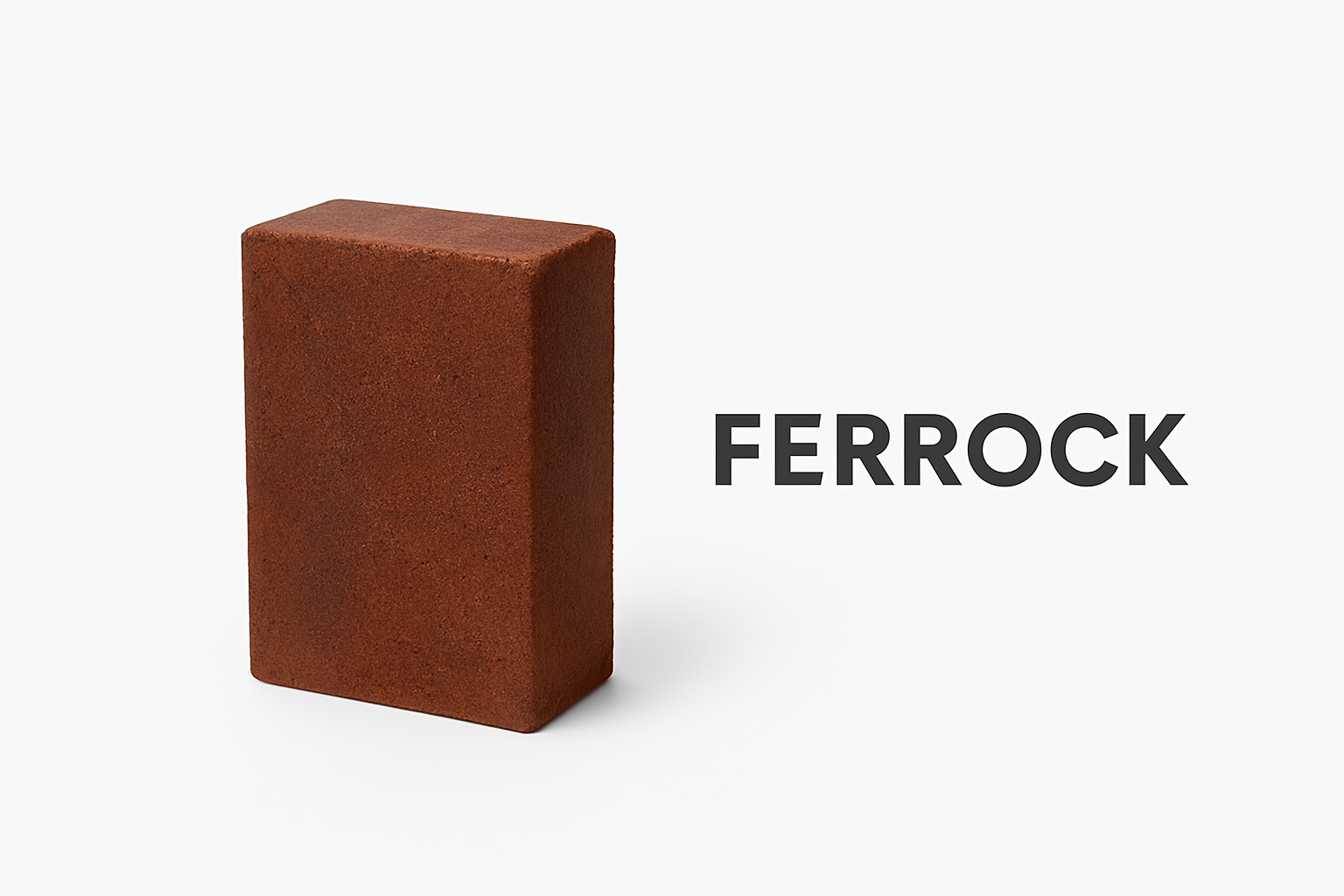
My Experience Using Ferrock Blocks in Construction
You stay too long on one job, you gain experience. Then you get sick and tired of the same old methods. You start poking around for something new, or at least not as boring. Routine kills it sometimes for us builders. Anyway, I found this stronger, tougher, easier-on-the-planet stuff called Ferrock.
Honestly, Ferrock had come up in conversations before, but I never took it seriously. Glad I finally did. Let’s break down why. You might actually start using it right away. Once I learned it hardens by absorbing CO₂, I had to try it in the real world.
For a broader primer on where it fits among today’s materials, see a complete tour of building materials or jump to a deeper explainer on Ferrock as a carbon-storing concrete alternative.
Why I Chose Ferrock
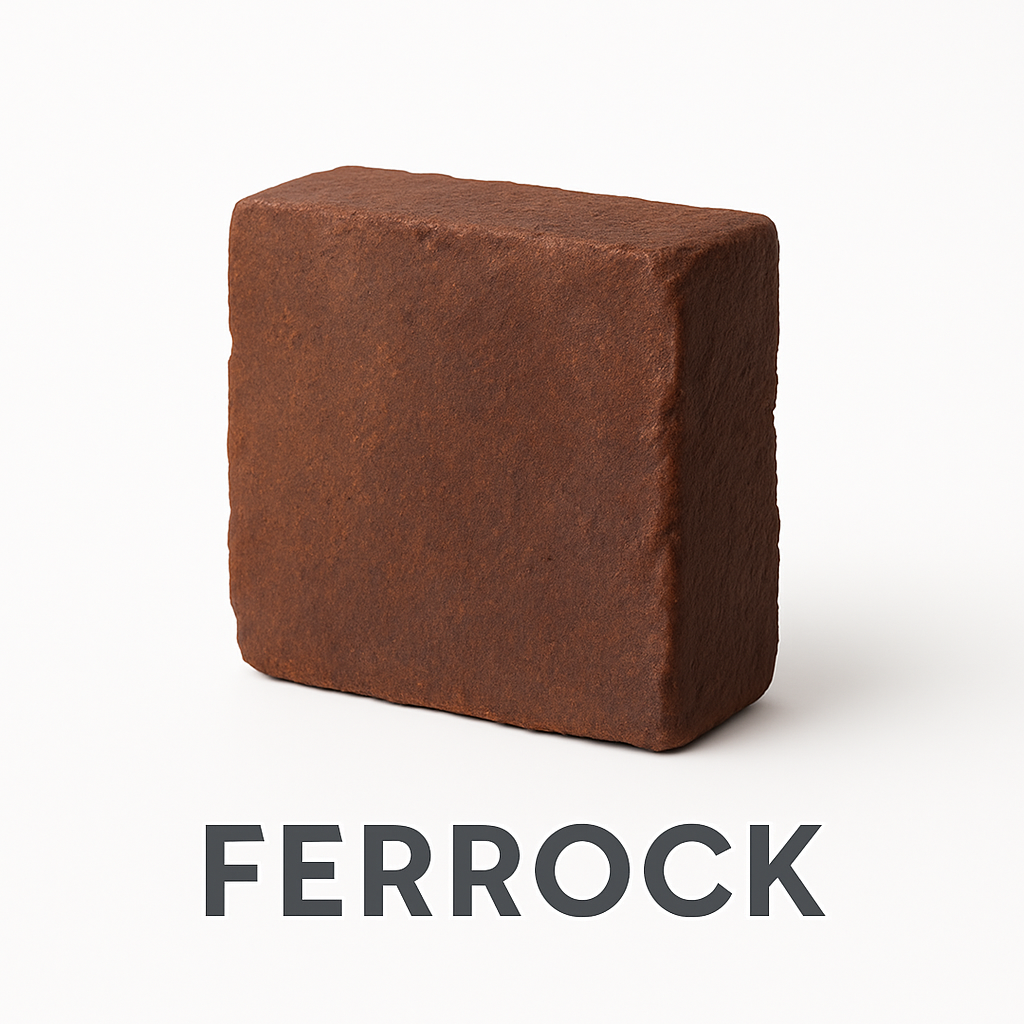
I’m always hunting for mixes that add strength without adding guilt. Ferrock is made from recycled steel dust and other byproducts. On paper, it promised high compressive strength, crack resistance, and a curing process that actually locks away carbon. That combination—performance plus sustainability—was the hook.
I first handled a Ferrock sample at a trade event. It looked like standard concrete, but the rep explained it was actively reacting with CO₂. That single detail reframed the material for me—not just “less bad,” but potentially net good in the right curing setup. If you’re weighing options across greener mixes, these types of sustainable materials (with costs and trade-offs) are a useful foil.
Research and First Tests
Before committing, I did the homework: lab data, case notes, and calls with builders who had actually poured the stuff. I made a few bench-top batches to understand the feel. Ferrock wants a tighter tolerance than everyday concrete—particularly how evenly you distribute steel dust and fine pozzolans through the binder. A mechanical mixer helps; more on that in the “How-To” below.
In parallel, I revisited fundamentals to make sure I was judging Ferrock fairly against the baseline. If you need a quick refresher on the big families of materials and where they belong, this structural materials overview is a clean checkpoint.
MUST READ
For a practical systems lens on specifying low-impact assemblies, I recommend The Whole Building Handbook. Short on fluff, long on details you’ll actually use.
Hands-On: Mixing, Molding, and Curing
Dialing in the Mix
My early batches taught me two things: (1) precision matters, and (2) slightly wetter made workability saner without sacrificing finish. Ferrock’s fresh-state feel is thicker—more paste-like—than a typical concrete of similar slump. I ran several small tubs, logged ratios, and watched how the material behaved over 24–72 hours.
Vibration during placement was non-negotiable. A few seconds of tapping or a quick pass with a palm sander against the mold walls purged micro-voids and gave me crisp edges. If you want a broader context for why this matters, skim the step-by-step on materials selection—it frames “mix discipline” as a design decision, not a chore.
Playing with Shapes
I poured standard blocks, thin pavers, and a few fussy molds with sharp returns. Ferrock took the geometry well, held arrises, and didn’t blister. The density and low entrapped-air made the demolded surfaces read tight, almost polished even before any finish grind.
The CO₂ Cure
This is where Ferrock separates from cement hydration. I let some pieces cure in ambient shop air and others in a DIY CO₂ tent (a sealed plastic wardrobe box with controlled gas injection). The chambered samples reached handling strength faster and developed a subtly tougher “shell.” If you’re new to climate-positive materials generally, a quick scan of which sustainable materials are changing practice gives helpful perspective.
RECOMMENDED TOOL
For QA in damp shops and outdoor curing, a simple moisture check keeps surprises down. I use the General Tools Moisture Meter—basic, affordable, and good enough for spot checks.
Abuse Testing (My Favorite Part)
After a full cure, I stacked weight until failure on sample cubes. Even my thinner tiles lived through loads that would have snapped similar concrete pieces. I dropped blocks off a bench, smacked them with a framing hammer, and ran improvised freeze–thaw cycles (soak overnight, freeze, thaw, repeat). The damage stayed cosmetic—tiny marks rather than structural cracks.
I also cast a few pieces with embedded steel rod to simulate more demanding assemblies. The combination—dense matrix plus reinforcement—felt like a legit path for higher-load components. For a quick primer on when reinforcement actually makes sense in small projects, this foundation materials guide gives practical thresholds to watch.
The Project Trial: A Small Garden Wall
1) Base Prep
Ferrock blocks are heavy. I opted for a compacted gravel bed with a geotextile underlay for drainage and stability. Laser level for the win—kept courses honest and saved me from chasing small compound errors. If you work a lot with envelopes and need a refresher on how wall systems tie together, this exterior wall sheathing overview is a good adjacent read.
2) Casting the Blocks
I batched, poured, vibrated, and staged the molds to cure. Watching the color and surface change during CO₂ exposure is oddly satisfying. My kids called it “breathing stone.”
3) Stacking and Alignment
The blocks seat well—little chipping, clean faces. Mortar application felt more controlled because edges stayed intact. At one point I dropped a block from waist height; it shrugged it off with a scuff.
4) Finishing
I sealed the wall for added weather insurance and capped it with reclaimed wood for contrast. Sealing isn’t mandatory for Ferrock, but it buys you a margin in harsh climates. For more on envelope durability mindsets, the house sheathing “what pros don’t repeat” guide has a similar philosophy.
FIELD PICK
Anchoring canopy posts or light structures near masonry? The Simpson Strong-Tie Deck Tension Tie Kit is compact, code-tested, and tidy once installed.
Lessons Learned (So You Don’t Burn Time)
- Measure like a chemist. Ferrock rewards tight ratios. Don’t eyeball; weigh.
- Use vibration. Even simple tapping drives out air and yields denser, cleaner blocks.
- Control your cure. If you can add CO₂ exposure (carefully and safely), do it. Faster strength gain, tougher skin.
- Plan the weight. Ferrock pieces are dense—set your handling and base accordingly.
- Experiment. Try interlocking shapes, thin sections, or embedded rod where needed.
If you’re mapping materials for a sustainable scope, this short “what sustainable materials are” explainer helps frame the whole decision tree.
How Ferrock Stacked Up Against Other “Green” Options
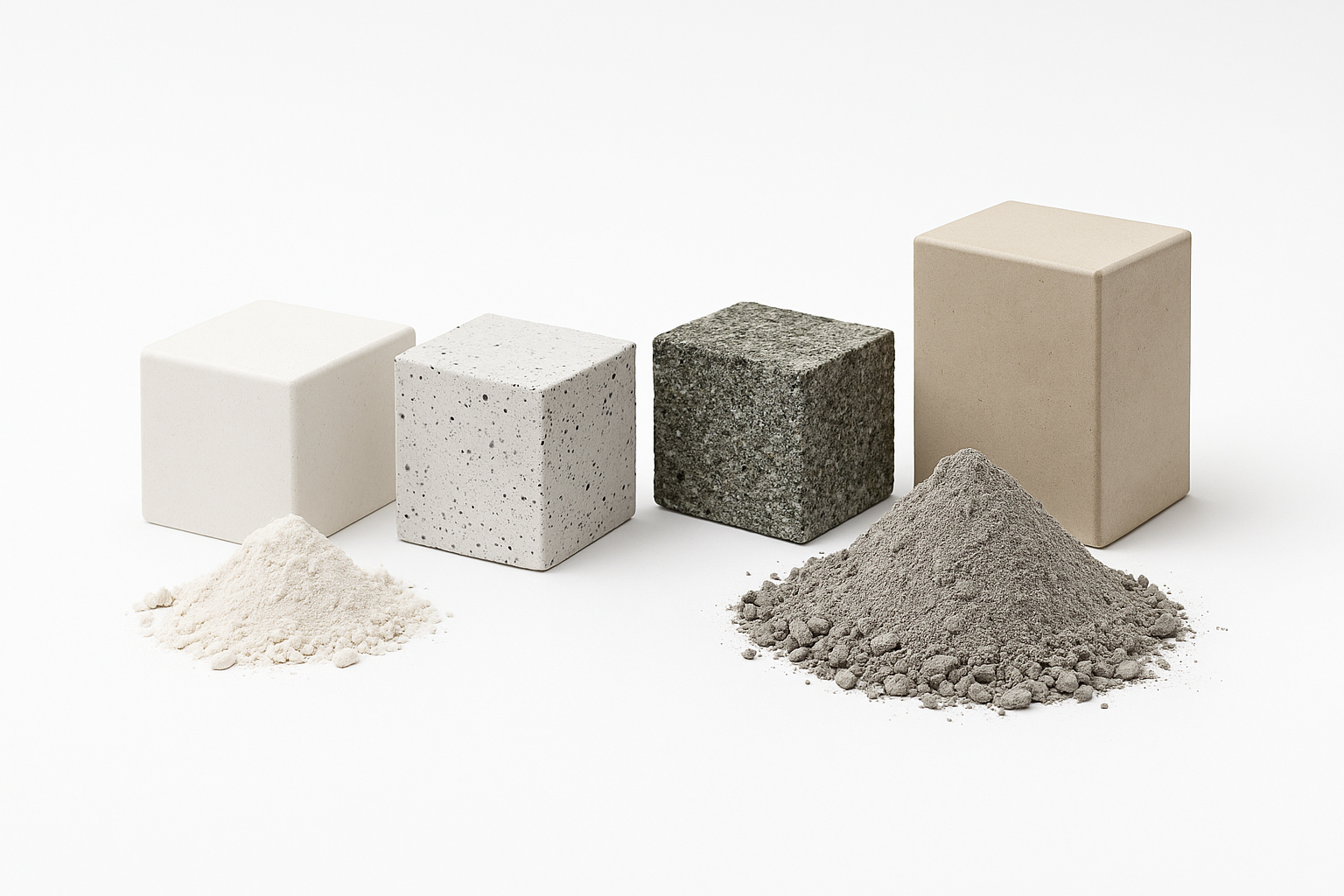
I trialed a few alternatives so I wasn’t just sold on a story:
- Hempcrete — phenomenal for insulation and vapor openness, but not a structural load-bearer in my use case.
- Rammed earth — gorgeous mass and thermal lag, but the moisture-window and labor profile clashed with my timeline.
- Geopolymer concrete — strong and lower-carbon, yet the chemistry and curing routine were less forgiving on a small shop schedule.
- Recycled plastic bricks — creative reuse with good early strength; long-term thermal and temperature-exposure questions kept me cautious.
I kept circling back to Ferrock for its balance of strength + carbon story + workability. For a zoom-out comparison across the sustainable spectrum, this roundup on what works and what fails in green materials is blunt and helpful.
MUST READ
If you want the philosophy that sparked many low-impact specs, Cradle to Cradle will tune how you judge materials beyond strength numbers.
How to Make Your Own Ferrock (Shop Scale)
Safety first: Use eye protection, gloves, a respirator for fine powders, and follow all local codes and material SDS guidance.
Materials
- Steel dust (recycled source, clean and consistent grading)
- Reactive fines (silica flour and/or finely crushed recycled glass)
- Magnesium chloride (the common binder salt in many shop recipes)
- Water (clean, measured precisely)
- CO₂ access (ambient air works; controlled exposure accelerates and can improve surface toughness)
Tools
- Mechanical mixer (paddle or spiral)
- Rigid molds (poly or melamine with release)
- Basic vibration (rubber mallet, tapping, or a small external vibrator)
Process (Overview)
- Prep & weigh. Pre-weigh all powders for consistency. Keep a log.
- Dry blend. Steel dust + fines until the color is uniform.
- Activate. Add a dissolved magnesium chloride solution gradually while mixing.
- Tune workability. Add water in small increments to reach a thick but pourable paste.
- Place & vibrate. Fill molds in lifts and vibrate lightly to remove air.
- CO₂ cure. Cover or tent for controlled exposure; avoid high wind and extreme temperature swings during early hours.
- Finish & test. De-mold when safe, let cure through, and perform simple crush/impact checks on sacrificial samples.
If you’re collecting ingredients for multiple trials, park this bigger context piece on sustainable material examples—handy for substitutions and adjacent experiments.
RECOMMENDED TOOL
Keep your test runs organized with a simple project log: The Home Renovation Planner—nothing fancy, just helps you track ratios, temps, and cure notes.
Costs: What I Spent vs. What I Saved
My wall’s material bill ran ~15% higher than a comparable concrete build. But the mix’s durability (less patching) plus using fewer blocks for the same performance cut labor and long-tail maintenance. Netting everything, I’m comfortable saying I saved ~25% overall. Depending on your jurisdiction, there may also be incentives for recycled content or carbon-storing assemblies.
For a broader financial lens when comparing alternatives, read this sustainable materials roundup and then cross-check specific renewable material options for rebates or credits.
FAQ
Builder-Level Questions I Get About Ferrock
1) Why pick Ferrock over typical concrete?
The short version: better crack behavior in my tests, excellent edge retention, and a curing chemistry that’s carbon-negative when done right. If you want a technical primer to ground that decision, this “what are building materials?” cheat sheet helps frame performance vs. impact.
2) Is it tricky to work with?
It’s less forgiving on ratios than bagged concrete mixes. Precise dosing and consistent mixing are the difference between “great” and “why is this crumbly?” Once you get your shop rhythm, it’s straightforward.
3) Can I make it myself?
Yes—at small scale. See the “How-To” above and respect safety and SDS guidance for every input. Keep meticulous notes so you can repeat wins and avoid chasing flukes.
4) What about cold climates and water exposure?
My freeze–thaw cycles didn’t produce structural issues. For exposed assemblies, I still like a breathable sealer to help with grime and salts. If envelope durability is your focus, this roof sheathing and details guide shares the same durability mindset.
5) Is it ready for big projects?
With the right supply chain and QA, yes—especially for blocks, pavers, panels, and certain precast components. For DIY or small shops, start with pilot pieces, then step up.
MUST READ
If you want a concise, policy-aware intro to sustainability thinking that pairs well with materials practice, try Sustainability (MIT Press Essential Knowledge). Clear, fast, and helps you argue specs with stakeholders.
Closing: Where Ferrock Belongs
Ferrock isn’t a magic bullet—nothing is. But as a high-strength, carbon-storing option for blocks, pavers, panels, and small structural elements, it’s earned a place in my kit. Start with a low-risk pilot, document everything, and scale with confidence. If you’re mapping a full palette for a project, this snapshot on best-practice materials selection keeps the bigger picture in view.