
Sustainable Building Materials: Concrete, Timber, and More Explained
Materials decide how sustainable a building really is. You can argue about solar panels or HVAC systems, but if you pour carbon heavy concrete, pick poor insulation, or install finishes that fail in ten years, you have locked in waste for decades.
I have seen projects where a simple material swap cut embodied carbon by 25 percent. I have also seen houses with hempcrete or rammed earth walls stay cooler in summer and warmer in winter while reducing energy bills. What mattered was not labels or promises but the ability to build with these materials reliably.
Below is how concrete and alternative systems are being used in real projects. The focus is on what worked, what failed, and what it took to get results.
Green, Eco-Friendly, and Sustainable — All the Same, With Different Labels
People throw around three terms: green building materials, eco-friendly building materials, and sustainable building materials. They all point to the same idea: products that cut energy use, waste, or emissions compared to standard options.
The differences are in tone, not meaning. “Green” is the loose marketing word. “Eco-friendly” shows up more in consumer and DIY spaces. “Sustainable” is what architects, engineers, and codes prefer because it ties to lifecycle and durability.
In practice, they overlap so much that you can treat them as one category. What matters is performance, not the label.
Sustainable Building Starts With Three Core Materials
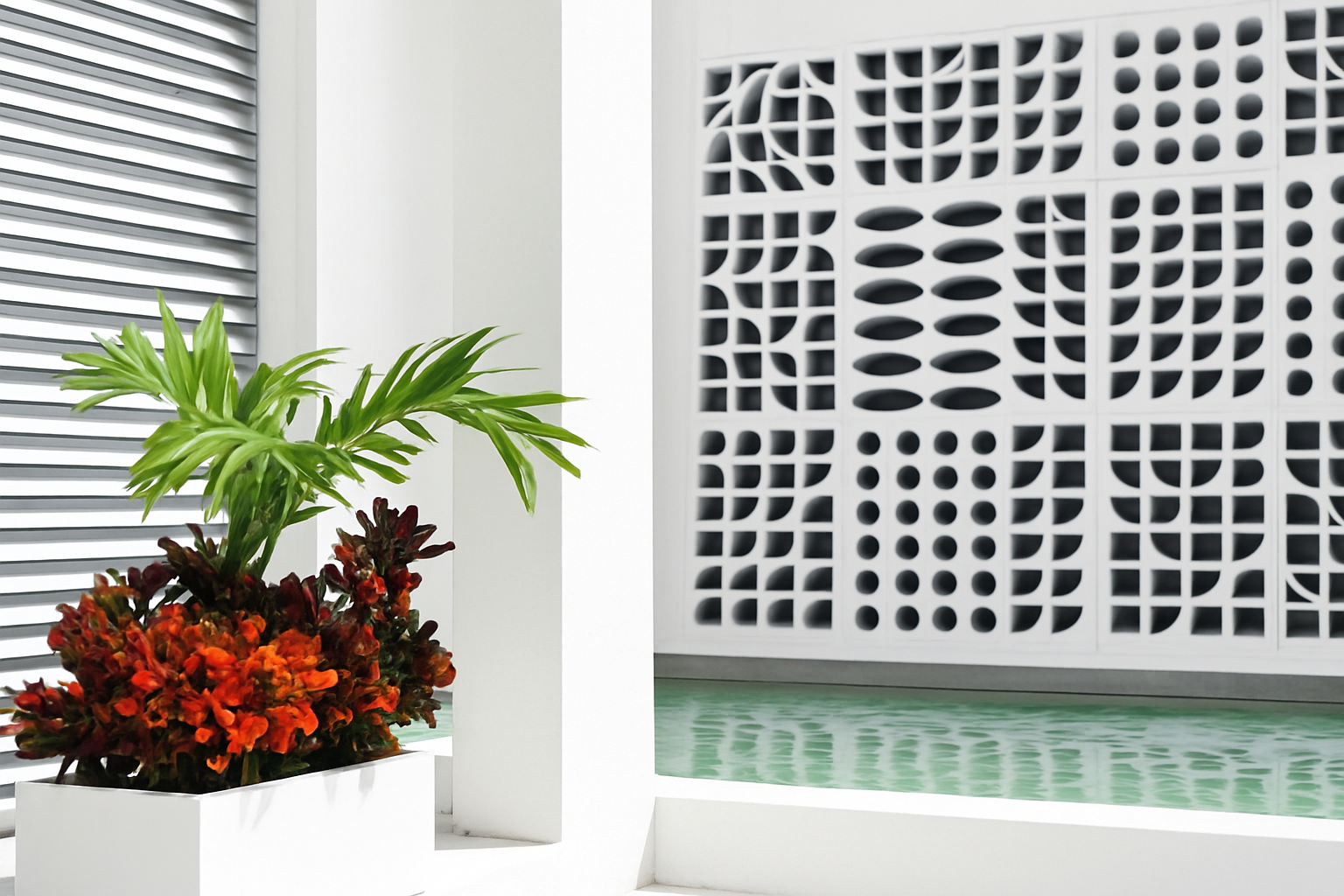
Playa del Carmen architecture using geometric breeze blocks and natural stone with tropical planting and a water feature for passive cooling and sustainable design.
The backbone of sustainable construction is the set of materials every project leans on. Structure, enclosure, and finishes make up most of the footprint, and the choices here shape everything else. These are not decorative swaps. They are the heavy hitters that decide embodied carbon, durability, and long-term operating cost.
For clarity, we break them into three groups. Concrete and its alternatives come first because cement production is one of the largest single sources of carbon in construction. Steel follows, since it anchors high-rise frames, infrastructure, and reinforcement. Timber and bio-based products close the section, offering renewable and carbon-storing options where structure and finishes overlap.
Each group is expanded with examples of proven substitutions and tested approaches:
-
Concrete and Alternatives such as low-carbon mixes, hempcrete, and rammed earth.
-
Steel and Structural Materials including recycled-content steel, reinforced concrete durability, and new eco block products.
-
Timber and Bio-Based Products like certified timber, straw bale, and rapidly renewable plant-based materials.
These three pillars define the starting point for any sustainable building conversation. Get them right, and the rest of the project has room to succeed.
Concrete and Alternatives as Green Building Material

Why Concrete Still Matters
Concrete is one of the biggest sources of building emissions. Cement alone is responsible for close to eight percent of global CO₂. The only way to keep using it without blowing the carbon budget is to bring in supplementary materials like fly ash, slag, or calcined clay. These mixes cut the footprint and still perform if curing and scheduling are managed properly.
Where Alternatives Fit In
Hempcrete is drawing attention for its thermal and moisture buffering qualities. It is not a structural replacement for reinforced concrete, but as infill or insulation it works. Rammed earth and compressed earth blocks are also proving viable. In one North American project, stabilized rammed earth walls reached 24 MPa compressive strength while keeping interior temperatures steady.
What Projects Have Shown
A mid rise housing job used a mix with forty percent slag and fly ash. Strength gain was slower at first, but a mock up pour eased resistance on site. Carbon dropped by roughly thirty percent. A rural house built with hempcrete reduced heating loads and kept humidity stable, though drying times stretched the schedule. Rammed earth walls in a school project performed well once insulation was added. Without it, winter comfort was poor.
Where It Goes Wrong
High SCM mixes specified without planning for slower curing, which delayed trades.
Hempcrete and earth walls installed without moisture protection, leading to mold in wet climates.
Calcined clay hauled from too far away, wiping out carbon savings.
What It Demands in Practice
PLC and SCM mixes usually add zero to three percent at bid. Hempcrete costs more in labor until crews gain skill. Rammed earth can be cost effective when soils are local. Two extra design meetings with engineers and suppliers often made the difference. Mock ups prevented surprises. Tools were basic: supplier data sheets, strength tests, and moisture meters.
A foreman summed it up on site:
“When we used the SCM mix, stripping formwork took longer, but trades liked the finish once we adapted.”
Another crew lead on hempcrete said:
“The walls need patience. The air inside feels different, but drying is slow.”
How to Use It Well
Start with SCMs available locally before chasing exotic binders. Run a mock up pour before approving any new mix. Keep hempcrete and rammed earth to non load bearing roles unless codes allow otherwise. Protect walls with overhangs and proper detailing. Build curing time into the schedule.
Steel and Structural Materials
Why the Production Route Matters
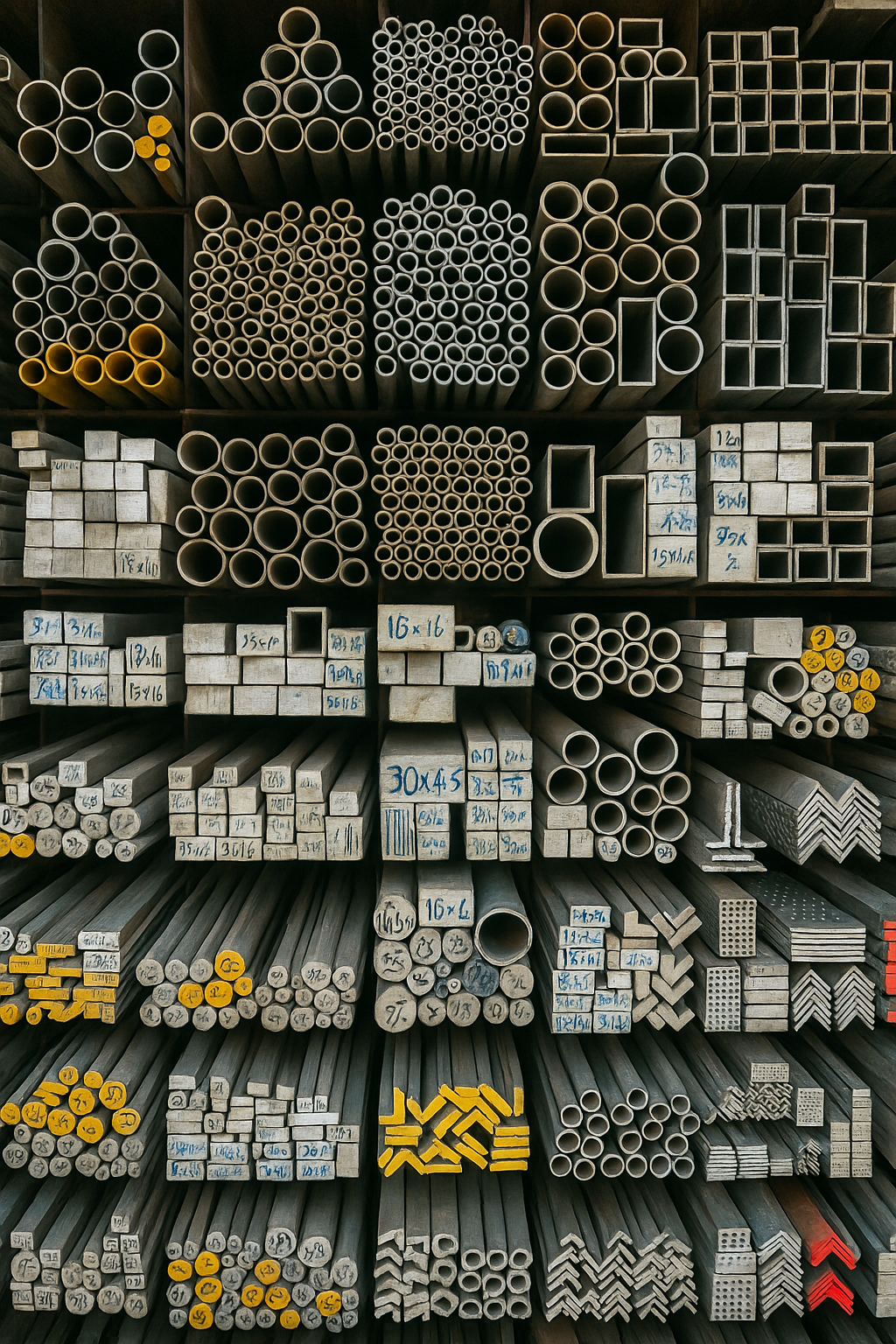
Steel is one of the most recycled materials in construction, but not all steel is equal. Electric arc furnace production with high recycled content can cut emissions by more than half compared to basic oxygen furnace steel. Reinforcement adds another layer. If durability and exposure are ignored, cracking and spalling show up early, wasting money and materials. Sustainability here is as much about service life as it is about recycled content.
What Projects Have Shown
On a commercial build, we specified steel from an electric arc furnace with eighty percent recycled content. The mill provided certificates, performance was unchanged, and procurement cost stayed flat. In another case, a high rise concrete frame cracked within ten years because cover depth and mix design were not matched to freeze thaw conditions. Repairs ran into six figures. A civic project tested carbon neutral eco blocks as infill. The blocks performed well, but delays in shipping wiped out some of the carbon savings.
Where Teams Go Wrong
Assuming steel is sustainable just because it is recyclable. If the production route is not specified, emissions can double.
Reinforced concrete drawn without care for cover depth, bar spacing, or exposure class.
Chasing new products without checking supply chain and shipping distances.
What It Demands
Electric arc furnace steel with certificates is usually cost neutral if sourced early. Left late, premiums of five to ten percent appear. Designing concrete for durability can add slight cost upfront but saves major repairs later. Procurement takes more time because certificates and durability data must be checked. Tools are simple: mill certificates, life cycle sheets, durability charts.
Lessons from the Ground
“The steel came with paperwork attached. When the GC saw no extra cost, there was no argument.”
“Fixing cracks after ten years cost more than getting the cover depth right on day one.”
Using It Well
Name the production route in the spec and require recycled content backed by documents. Pair steel with durability design for concrete. Trial new structural products in a single wall or panel before scaling. These steps cost little compared to the risk of failure.
Timber and Bio Based Products
Why Timber Works When It’s Done Right
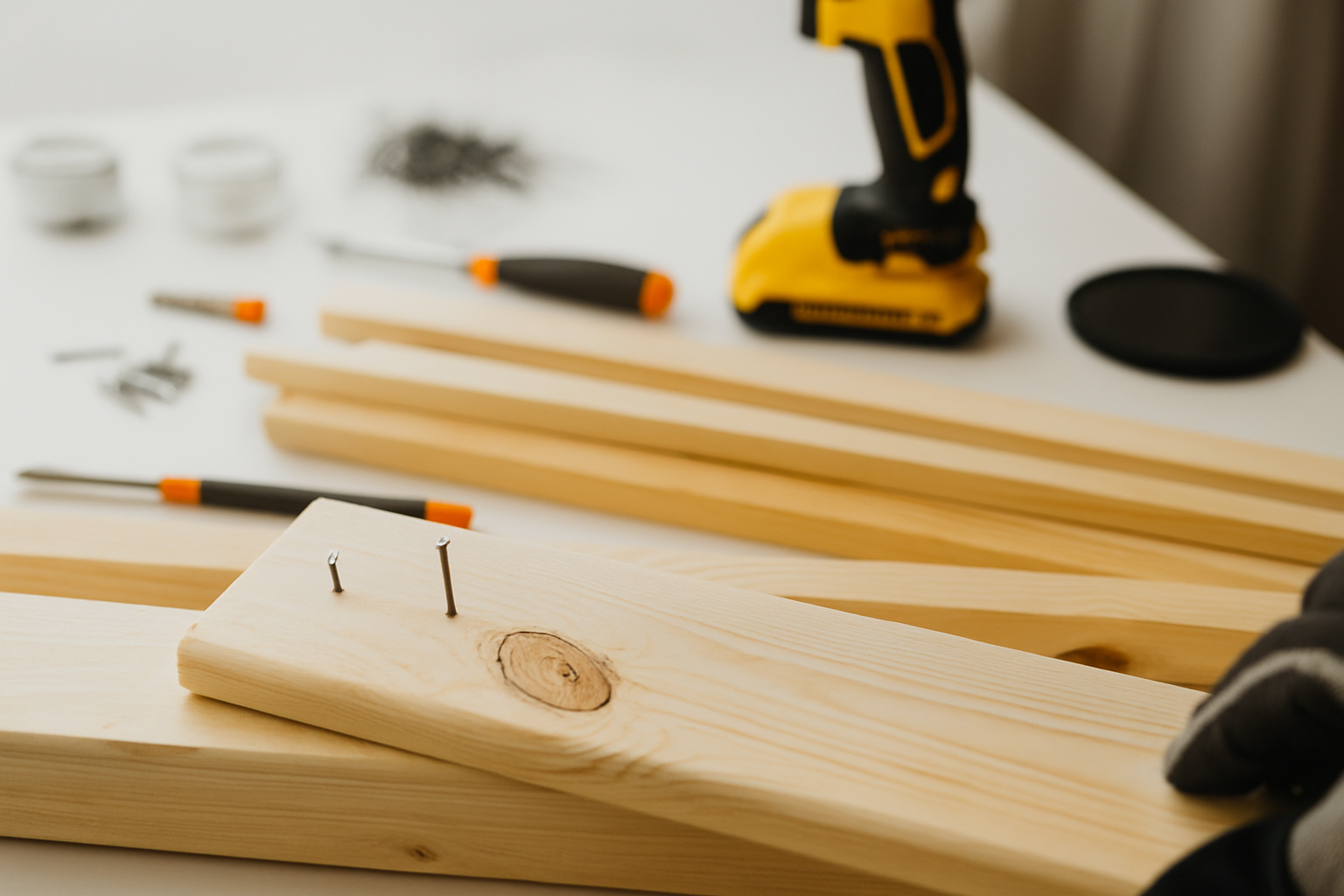
Timber stores carbon and reduces site noise. Cross laminated panels and glulam beams have proven their strength on mid rise projects. The real difference is in the planning. Fire protection and acoustics must be solved during design, not left for construction.
What Projects Showed on the Ground
On a six storey residential frame, timber panels cut almost a month off the schedule compared to concrete. Material cost went up by five percent, but the faster program balanced the budget. In a school retrofit, clay plaster with hemp lime backing created rooms that held steady humidity and softened sound. Teachers noticed the comfort. The drawback was slower curing which delayed finishes.
Where Crews Struggle Most
A community center went with straw bale infill using a crew with no experience. Walls warped, moisture was trapped, and remediation cost more than the build itself. Another project treated timber joints like steel. By the time engineers corrected it, redesign burned weeks. Both cases showed what happens when bio based products are treated like generic substitutes.
What It Demands in Practice
Mass timber often adds three to seven percent to the upfront budget, but lighter foundations and shorter schedules recover much of that. Clay plaster, cork, or reclaimed timber finishes can swap directly for vinyl or gypsum board with little cost change. The real demands are training, time for curing, and strict moisture control. Certification matters too. Without FSC or PEFC approval, carbon claims carry little weight.
How to Use It Well
Keep spans in timber’s comfort zone. Mix with steel or concrete where loads require it. Schedule sessions to lock in fire and sound strategies early. Protect walls from moisture until the building is sealed. Test bio based products in a single bay or room before scaling across a project.
Insulation and Thermal Control
After structure, insulation and airtightness do the most work in cutting a building’s lifetime energy use. Walls, roofs, and floors act as the shell, and the way that shell is insulated determines heating and cooling demand for decades. High R values on paper mean little if the assembly leaks air or traps moisture. The field proof comes from blower door tests and seasonal performance, not marketing claims.
This section covers two connected areas. First are the insulation products themselves such as cellulose, cork, mineral wool, sheep’s wool, and rigid panels that can be installed with low impact. Second are the wall and roof systems that support them, from cavity insulation to roof coverings and assemblies tested for air sealing and thermal continuity.
Handled well, insulation and airtightness cut bills, reduce emissions, and make interiors more comfortable. Handled poorly, they lead to drafts, condensation, and expensive fixes later.
Eco Friendly Insulation Options
Not every insulation choice has to come from foam or fiberglass. Cellulose, cork, mineral wool, and even sheep’s wool are now used in homes and offices. These products are renewable, often recycled, and safer to handle. Rigid panels also have sustainable versions, giving designers more than one route. The question is not only R value, but how well the insulation is installed, how it resists moisture, and how it ages over decades.
Cellulose
Shredded newsprint treated for fire and pests, cellulose is one of the easiest eco friendly insulation swaps. It can be blown into walls or attics, and crews familiar with fiberglass can usually handle it without new training. It performs well if installed to the right density but sags if left loose. Costs are usually neutral with fiberglass.
Cork
Cork boards come from the bark of cork oak trees, which regrow after harvest. The boards are renewable, vapor open, and resistant to rot. They cost more upfront but last longer and improve acoustic comfort. Best used in walls or floors where durability matters.
Mineral Wool
Made from spun rock or slag, mineral wool is not bio based but it is highly recyclable and durable. It resists fire, insects, and moisture. Installation is similar to fiberglass batts, but density makes it heavier. Costs are slightly higher but comfort and fire safety are major wins.
Sheep’s Wool
Renewable, non toxic, and naturally fire resistant, sheep’s wool insulation is popular in small residential projects. It regulates humidity and improves indoor comfort. Drawbacks are higher cost and supply availability, which limit large scale use.
Rigid Insulation
Rigid insulation boards are essential where continuous coverage is needed, such as exterior walls or under roof membranes. Traditional foam boards carry a heavy carbon footprint, but there are sustainable versions. Wood fiber, cork, and recycled rigid panels give similar performance with lower impact. Installation is straightforward, but thickness and detailing at edges decide whether thermal bridges are eliminated.
Sustainable Wall and Roof Systems
Insulation only works if the wall and roof assemblies are designed to support it. Cavity wall insulation, continuous layers across the roof, and systems that prevent thermal bridging make the real difference. Testing for airtightness and planning thermal continuity are what separate a high performing envelope from one that looks good in specs but leaks in reality.
Eco Roof Insulation vs Foams
Roofs are where insulation failures hurt the most. Conventional spray foams give high R values but carry chemical and disposal issues. Eco alternatives such as cork boards, wood fiber panels, or mineral wool slabs are heavier but safer and more durable. They pair well with green roofing systems and flat roof assemblies. The choice depends on load capacity and detailing, but long term performance often favors mineral or plant based boards over petrochemical foams.
Finishes, Cladding, and Envelopes
The envelope sets how a building ages, how much maintenance it needs, and how it feels to the people inside. Finishes and cladding carry most of the wear and tear, so choosing durable, healthy, and low impact products is as important as getting the structure right.
In this section, we look at two sides. Exterior systems such as cladding, façades, and siding decide durability, water resistance, and carbon load. Interior finishes such as plaster, linoleum, recycled tiles, natural paints, and non toxic coatings decide air quality and comfort. Ceilings and roofing systems overlap both, influencing energy use, acoustics, and longevity.
Together, these materials shape daily experience while driving long term performance. Good choices keep costs stable, reduce waste, and extend service life. Poor ones mean early replacement and higher maintenance, which erase any sustainability claims.
Exterior Materials
Sustainable Cladding Systems
Timber, recycled composites, and metal are the main players. Certified timber siding is renewable and warm in appearance, but it must be detailed with rainscreens to avoid rot. Recycled composite boards give consistent performance with low maintenance, though color and texture options can feel manufactured. Recycled metal cladding lasts decades, resists fire, and is easy to recycle again. Upfront cost is higher, but service life often makes it cheaper in practice.
Sustainable Façade Products
Façade panels from fiber cement with recycled content, terracotta, or bio based composites can cut embodied carbon compared to traditional systems. Ventilated façades improve thermal performance and extend durability. The trick is balancing performance with supply chain — some advanced composites are still niche and have long lead times.
Eco Friendly Siding and Wall Materials
Reclaimed brick, lime render, and low carbon block are all options. Brick reclaimed from demolition sites carries strong aesthetic and durability but needs sorting and cleaning. Lime render and plaster are breathable, reducing trapped moisture. Low carbon blocks with recycled aggregates cut footprint but must be sourced close to site to avoid hauling costs.
Interior Finishes
Clay Plaster, Linoleum, Recycled Tiles
Clay plaster regulates humidity and adds a tactile finish. It is slower to cure but gives interiors a distinct comfort. Linoleum, made from linseed oil and natural fillers, is tough and comes in tiles or sheets — a direct swap for vinyl with far better sustainability. Recycled tiles, whether ceramic or glass, can be installed like conventional tile and give a high durability finish with low new material demand.
Natural Paints and Coatings
Lime wash, casein paint, and plant based coatings reduce VOCs and improve indoor air quality. They need more coats and careful surface prep but avoid chemical off gassing. On public projects, natural coatings help meet wellness standards as well as sustainability goals.
Healthy and Non Toxic Finishes
Solid timber flooring, cork, and wool carpets are healthier than synthetic carpets or laminates. They last longer if maintained and do not release microplastics into the environment. Costs can be higher upfront, but maintenance and replacement cycles are stretched, saving money over decades.
Roofing and Ceilings
Roofs and ceilings do more than close a building. They decide how well it handles weather, how comfortable it feels inside, and how much noise or heat passes through. A roof that leaks air or water destroys efficiency, and ceilings that use toxic or weak finishes undermine the whole envelope. Choosing the right systems here sets the tone for durability and comfort.
Sustainable Flat Roof Materials
Flat roofs take a beating from water, UV, and temperature swings. PVC membranes dominate the market but carry a heavy footprint. Alternatives such as EPDM, TPO, and newer bio based membranes offer similar performance with fewer emissions. Recycled content metal sheets are another reliable option. Long term value comes from durability — the roof that lasts thirty years without replacement is the most sustainable choice.
Eco Friendly Roofing Sheets and Membranes
Metal roofing with high recycled content remains one of the most proven sustainable options. Aluminum and steel panels can be recycled indefinitely and often outlast asphalt shingles by decades. For membranes, suppliers now offer EPD verified products that cut embodied carbon. Installation quality is critical — a poorly sealed seam cancels any material advantage.
Green Roofing Systems and Technologies
Vegetated roofs improve stormwater management, extend membrane life, and reduce heat island effect. They add weight and demand careful drainage detailing, but in urban projects they pay back through reduced cooling demand and better site water control. Some clients see them as high maintenance, yet with proper design they become one of the most effective envelope upgrades.
Acoustic Ceiling Tiles from Sustainable Sources
Ceilings set indoor sound comfort as well as air quality. Mineral fiber and recycled content tiles now dominate sustainable options. Some panels incorporate natural fibers or wood wool, which improve acoustics and are free of formaldehyde binders. Costs run slightly higher, but durability and healthier interiors justify the shift.
The envelope sets how a building feels and how long it lasts. Durable cladding, breathable renders, and recycled façades reduce maintenance and cut carbon. Interior finishes like clay plaster, linoleum, and natural paints improve comfort and air quality. Roofing and ceilings carry both energy and acoustic performance, and poor choices here cost decades of extra bills and repairs.
The lesson is simple: finishes and envelopes are not decoration. They are long term performance layers. Pick materials that age well, protect the structure, and stay healthy for the people inside.
Emerging and Innovative Options
Sustainable construction is shifting fast. New products arrive every year promising lower carbon, faster build times, or smarter performance. Some are worth adopting now. Others are better tested on pilots before betting a whole project on them. This section walks through the innovations that are showing up most often in current jobs.
New Sustainable Materials in Architecture
Manufacturers are releasing panels, composites, and binders designed to cut embodied carbon. Many are certified with environmental product declarations, but field data is still thin. When these materials are used, mock ups and small trials are critical. Architects who specify them early often find contractors hesitant until performance is proven.
Modern Alternative Materials like Nexii and Modular Composites
Nexii panels and similar modular composites promise lower carbon footprints and quicker installation. They reduce waste and speed enclosure, which can shave weeks off a schedule. The trade off is supply chain. These systems are not yet widespread, so delivery delays can undermine their value.
Carbon Neutral Building Blocks and Regenerative Materials
Products branded as carbon neutral blocks, hemp based panels, or regenerative claddings are moving from niche to mainstream. They store carbon or offset it through sourcing and manufacturing. Performance is generally solid, but the certification methods vary. Designers should check what “carbon neutral” means in each case before putting it in the spec.
BREEAM and LEED Certified Materials
Certification programs are helping filter which products actually meet sustainability claims. BREEAM and LEED certified materials have verified life cycle data, which makes it easier to defend choices in client meetings. The drawback is paperwork. Documentation adds time and can frustrate contractors, but it gives a baseline that prevents greenwashing.
Smart Eco Panels and SIP Systems
Structural insulated panels and newer “eco panels” combine structure and insulation into one system. They cut site labor and improve airtightness if installed carefully. When detailed well, they improve both speed and energy performance. On rushed jobs, however, poor sealing around joints can undo the benefits.
Affordable and Low-Cost Alternatives
Sustainability often gets treated as a premium upgrade, but some of the best gains come from simple, affordable swaps. Many eco friendly materials cost the same as their conventional counterparts when sourced locally. Others reduce labor or maintenance, which balances out the price difference.
Alternative Materials for Low-Cost Housing
Compressed earth blocks, lime plasters, and bamboo reinforcement have all been used successfully in affordable housing. They cut cost while improving comfort, but they require proper detailing to avoid moisture issues. These materials work best where local labor already knows the techniques.
Cheap but Durable Eco Friendly Materials
Linoleum instead of vinyl, cellulose instead of spray foam, and recycled metal roofing instead of asphalt shingles are simple substitutions. They add little or no cost while extending durability. The trick is sticking with products already stocked in the market, avoiding exotic imports that eat up savings.
Cost-Effective Substitutes for Brick, Plasterboard, and Traditional Wood
Stabilized soil blocks can replace brick where clay soils are available. Clayboard and hemp panels offer alternatives to plasterboard that improve indoor air quality. Engineered bamboo and FSC plywood are cost effective substitutes for traditional lumber in many regions. Each has quirks, but none requires an entirely new workforce.
Best Swaps that Reduce Carbon without Raising Cost
The clearest wins are low carbon cement blends, cellulose insulation, recycled tile, and reclaimed timber finishes. Each one drops embodied carbon and typically matches or beats the price of standard materials. The key is specifying them early so procurement teams can lock supply without premium pricing.
Closing Note
Affordable sustainability is about smart substitutions, not new trades. If the crew already knows how to install it and the supplier can deliver locally, the job stays on budget.
Recycling and Circular Construction
Construction generates some of the largest waste streams on the planet. Every demolition and new build produces mountains of debris, yet many of those materials can go straight back into new projects. Recycling and reuse are not just environmental moves. They also cut tipping fees, lower procurement costs, and give clients a story that holds up under scrutiny.
Recycled Aggregates, Brick, and Timber
Concrete rubble crushed into aggregates is already used in slabs on grade, road bases, and non-structural pours. Reclaimed brick adds character and reduces embodied carbon, but cleaning and grading it takes time. Reclaimed timber is popular for finishes and flooring. The cost is often lower than new hardwoods, but supply is inconsistent unless sourced from local demolition programs.
Sustainable Recycled Building Blocks and Panels
Manufacturers are now producing blocks and wall panels with high recycled content. Some use recycled glass, plastic waste, or industrial by-products as fillers. Performance varies, but many match conventional blocks in strength and durability. The barrier is certification — engineers want documented test data before signing off.
Circular Economy Practices from Industry Leaders
Large suppliers like Holcim and Nexii are piloting circular economy programs. These include take-back schemes where panels or blocks can be disassembled and reused in new projects. On site, it means designing for disassembly — screws instead of glue, mechanical fixings instead of permanent adhesives. Contractors who adopt this early report smoother remodels and less waste at the landfill.
Zero Waste Building Material Strategies
Full zero waste is rare, but strategies that move in that direction are becoming common. Separating site waste into clear bins with weight tickets helps track real diversion rates. Coordinating with recyclers before demolition secures outlets for concrete, metal, and timber. Even simple measures like reusing pallets and packaging cut costs while reducing waste.
Closing Note
Circular construction is less about exotic new products and more about discipline. Specify recycled content where codes allow, plan for reuse, and enforce waste tracking on site. Done consistently, it saves money while shrinking the footprint of each job.
Regional and Climate-Based Approaches
No building material is sustainable everywhere. Climate, local supply chains, and cultural practices decide whether a choice actually works. Importing “green” products from across the globe often cancels the carbon savings. Using materials unsuited to local weather leads to failures that erase any benefit. The smartest decisions come from aligning materials with climate and sourcing them close to site.
Sustainable Materials for Hot and Humid Climates
In humid zones, breathable walls are critical. Lime plaster, clay finishes, and ventilated façades allow moisture to move instead of trapping it. Timber must be treated or detailed with rainscreens to avoid decay. Roof insulation needs to pair with reflective surfaces to reduce heat gain. Imported foams often fail because they trap condensation, creating mold.
Natural Building Materials for Cold Climates
Cold regions demand mass and airtightness. Rammed earth with insulation layers, straw bale with tight detailing, and triple glazed windows hold heat effectively. Mineral wool performs better than foams in freeze-thaw cycles. Timber works well if moisture is controlled, but details like roof overhangs and base flashing must be generous.
Local vs Imported Sustainable Options
Transport distance is often overlooked. A “green” product shipped 2,000 kilometers may carry more carbon than a local alternative with average performance. Reclaimed brick, local stone, and regional timber typically outperform imported products once delivery is factored. The best practice is to set a sourcing radius in specifications and hold suppliers to it.
Traditional Ecological Building Supplies
Many regions already have long-tested ecological materials. Adobe in dry climates, bamboo in tropical zones, and turf or sod in northern settings all worked for centuries before industrial products arrived. When adapted to modern codes, these materials perform well and connect projects to local identity. Crews are often familiar with them, reducing training time.
Closing Note
Climate-appropriate design and local sourcing are non-negotiable for true sustainability. Pick assemblies that crews know, materials that are available close to site, and details that fit the weather. This avoids costly mistakes and makes sustainability durable instead of decorative.
Programs and Certification
Sustainable building claims carry weight only when they are backed up. Programs like LEED and BREEAM give structure to those claims by requiring documentation, product testing, and life cycle assessments. Certifications are not a replacement for field performance, but they help separate real products from marketing. Clients often ask for them, and suppliers use them to prove credibility.
LEED Certified Building Materials
LEED remains the most widely recognized system in North America. Materials that carry LEED points usually come with Environmental Product Declarations (EPDs), recycled content certificates, or low VOC testing. Specifying LEED-ready products makes it easier to meet project targets without last minute substitutions. The challenge is the paperwork, which adds time during procurement.
BREEAM Materials and Audits
BREEAM dominates in Europe and is expanding elsewhere. It requires material audits, waste tracking, and performance baselines. Products certified under BREEAM come with strong environmental data, but achieving credits demands careful coordination. Contractors often underestimate the site audits, which can delay approvals if documentation is incomplete.
Certified Green Building Products and Companies
Beyond LEED and BREEAM, many regions have local certification systems. FSC and PEFC certify timber. Cradle to Cradle certifies products across multiple categories. Using these certifications strengthens specifications and gives clients confidence that materials perform as advertised.
Life Cycle Assessment and EPD Use in Materials
Life Cycle Assessment (LCA) measures the full environmental impact of a product, from raw extraction to disposal. EPDs are the industry standard documents that summarize those results. On site, they are only useful if baselines are set — otherwise teams collect stacks of PDFs with no clear outcome. When tracked against targets for concrete, steel, and envelope performance, LCAs help keep the project accountable.
Closing Note
Certification programs bring credibility, but they also bring bureaucracy. They are most effective when used to back up real choices already made for durability and carbon reduction. Use them as tools, not as the goal.
Closing
The most sustainable building materials are not always the newest or most marketed. They are the ones that balance durability, carbon, cost, and local supply. A low carbon concrete mix that holds up for decades is more valuable than an experimental product that fails in five years. Reclaimed timber or recycled steel often outperform exotic imports once transport is factored in.
Sustainability is not about chasing perfect solutions. It is about stacking practical moves: tune concrete mixes, source recycled steel, commission airtight envelopes, and choose finishes that last. Every step trims waste, cuts bills, and reduces impact.
Future work will lean on regenerative systems, carbon neutral blocks, and assemblies designed for disassembly. But right now, the wins come from using proven materials well and making sure they are built into the job with discipline.
Not flashy, but it works.
FAQ
What are the most sustainable building materials right now?
Low carbon concrete mixes, recycled steel, FSC timber, cellulose insulation, cork, and reclaimed finishes are leading. They are available at scale and perform well on site.
Are sustainable materials always more expensive?
Not always. Many swaps are cost neutral if sourced early, like portland limestone cement mixes or cellulose insulation. Some, like hempcrete or mass timber, can cost more upfront but save money through shorter schedules or lower energy bills.
What mistakes do people make when choosing sustainable materials?
Common errors include ignoring climate fit, assuming all steel is sustainable, and specifying experimental products without checking supply chains. Another big one is failing to plan for airtightness and durability, which erases the gains.
Which insulation is best for green building?
Cellulose is one of the most cost effective. Cork and mineral wool add durability and fire resistance. Sheep’s wool regulates humidity but costs more. The “best” choice depends on local climate and supply.
What are sustainable options for roofing?
Recycled content metal roofing, verified membranes like EPDM or TPO, and vegetated green roofs are strong options. Asphalt shingles are cheap but short lived, which makes them less sustainable.
Do certifications like LEED or BREEAM matter?
They matter for credibility and client trust. They also provide structure for measuring impact. But they should support choices already made for durability and carbon reduction, not drive the design.
How do I apply this on a small residential project?
Start with what you can control: cellulose insulation, recycled finishes, a tuned concrete mix, and a tight envelope. These four steps alone drop energy use and carbon significantly without adding new trades.
How do local climates affect material choice?
Hot, humid climates need breathable walls and reflective roofs. Cold climates need mass, airtightness, and insulation that resists freeze thaw cycles. The same product is not sustainable everywhere.
Are new “carbon neutral” products worth using?
Some are promising, like carbon neutral blocks or bio based panels, but they should be piloted first. Supply chains and certification methods vary. Until field data is clear, use them in smaller roles before betting the whole project.
Can sustainable materials really compete with traditional ones?
Yes, when planned properly. Concrete, steel, and timber are not going away. The difference is in how mixes, sources, and detailing are handled. Proven swaps already exist that keep costs close and performance steady.
Books!
- Green Building Materials by Ross Spiegel
Why you should buy it: Gain a comprehensive understanding of sustainable building materials and their applications. - Eco-House Manual by Nigel Griffiths
Why you should buy it: Learn practical ways to incorporate sustainable materials into your home. - New Bamboo: Architecture and Design – by Marcelo Villegas
Why you should buy it: Learn about the diverse applications and sustainability of bamboo in architecture. - Building with Hemp by Steve Allin
Why you should buy it: Discover the benefits and methods of using hemp in construction. - Sustainable Steel Buildings by Alan Blanc
Why you should buy it: Gain insights into using steel for eco-friendly construction projects. - Glass Houses by Phaidon Phaidon Editors
Why you should buy it: Explore the artistic and functional uses of glass in sustainable design. - Reclaimed Wood: A Field Guide – by Klaas Armster
Why you should buy it: Learn how to incorporate reclaimed wood into your projects. - Rammed Earth Construction by David Easton
Why you should buy it: Understand the principles and techniques of building with rammed earth. - Straw Bale Building by Chris Magwood
Why you should buy it: Learn the techniques and benefits of building with straw bale. - Timber Architecture by Andrew Lawrence
Why you should buy it: Learn about the applications and sustainability of laminated timber. - The Bioplastics Handbook by David Grewell
Why you should buy it: Explore the applications and sustainability of bioplastics in construction. - The Green Building Revolution by Jerry Yudelson
Why you should buy it: Learn about the principles and examples of green building practices. - Passive House Details by Donald B. Corner, Jan C. Fillinger, Alison G. Kwok
Why you should buy it: Gain a deep understanding of the Passive House standard and its applications. - Sustainable Materials, Processes and Production by Rob Thompson
Why you should buy it: Understand the processes and benefits of using sustainable materials in construction.
References & Citations