
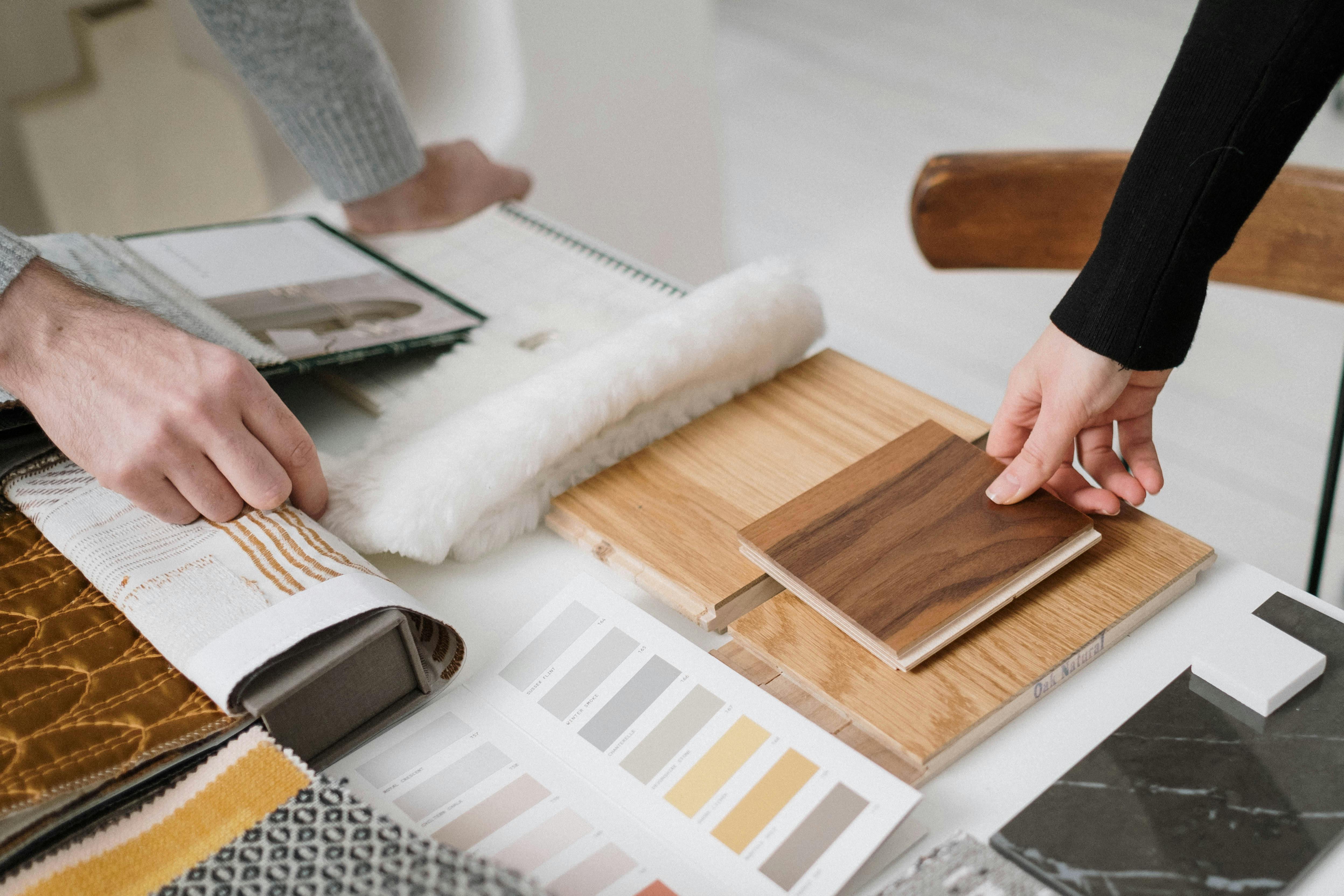
Material Choices That Make a Real Difference
When you pick the right materials, your project lasts longer, costs less over time, and looks—and feels—exactly how you want. Get sloppy, and you’ll be fixing leaks, cracks, or worse down the road.
Materials Selection: Strategies for Sustainable Architectural Design, and Sustainability
The principles of materials selection to create designs that are durable, cost-effective, and environmentally friendly.
Why It Matters
Your material picks decide:
-
Durability (How long will it actually last?)
-
Cost (Upfront savings can mean big bills later)
-
Feel (Solid stone or flimsy panel changes everything)
Who Benefits
-
Designers & Architects get the look and performance they need.
-
Builders cut callbacks and extra work.
-
Homeowners & DIYers avoid costly mistakes.
What This Covers
-
Core Trade-Offs → Strength vs. weight, upfront cost vs. upkeep
-
Real Examples → From century-old brick to carbon-neutral concrete
-
Quick Checks → How to vet materials for budget, lifespan, and green impact
Simple Rule: Define your goals first—lifespan, budget, eco-impact—then choose materials that match. That’s all it takes to build smart.
Related
- Sustainability
- Understanding Building Materials
From Foundations to Finishes: The Power of Building Materials
Get expert insights on choosing materials that balance durability, sustainability, and design for your construction goals.
Materials That Hold Up

Master the art of materials selection with tips on sustainability, strength, and efficiency for projects across multiple disciplines.
Material choices decide if your building lasts 5 years or 50. Cheap fixes cost you time, money, and headaches. The right picks keep you ahead of repairs.
Why It Matters
-
Fewer Repairs — Tough materials slash maintenance calls.
-
Lower Bills — Durable, efficient components cut energy use.
-
Smarter Footprint — Recycled or low-carbon options shrink your impact.
The Downside of Cutting Corners
-
Leaky Seals & Cracks — Cheap panels and poor joints give you constant headaches.
-
Rising Costs — Early replacements and wasted labor add up fast.
-
Unhappy Occupants — Drafts, noise, and wear show up in every corner.
What to Remember
-
Set Clear Goals — Define lifespan, budget, and eco-targets before you choose.
-
Vet Samples — Feel the weight, check the specs, ask tough questions.
-
Plan Maintenance — A small extra spend now avoids big bills later.
-
Talk to Experts — When you’re not sure, call a materials pro.
One real job: an office swapped standard glazing for high-performance glass and stopped 80% of its seal failures. That’s the difference materials make.
Must Read
- The Architect’s Handbook of Professional Practice - by The American Institute of Architects
- Materials for Sustainable Sites by Meg Calkins
The Fundamentals of Materials Selection
Materials Selection Basics: What Really Matters
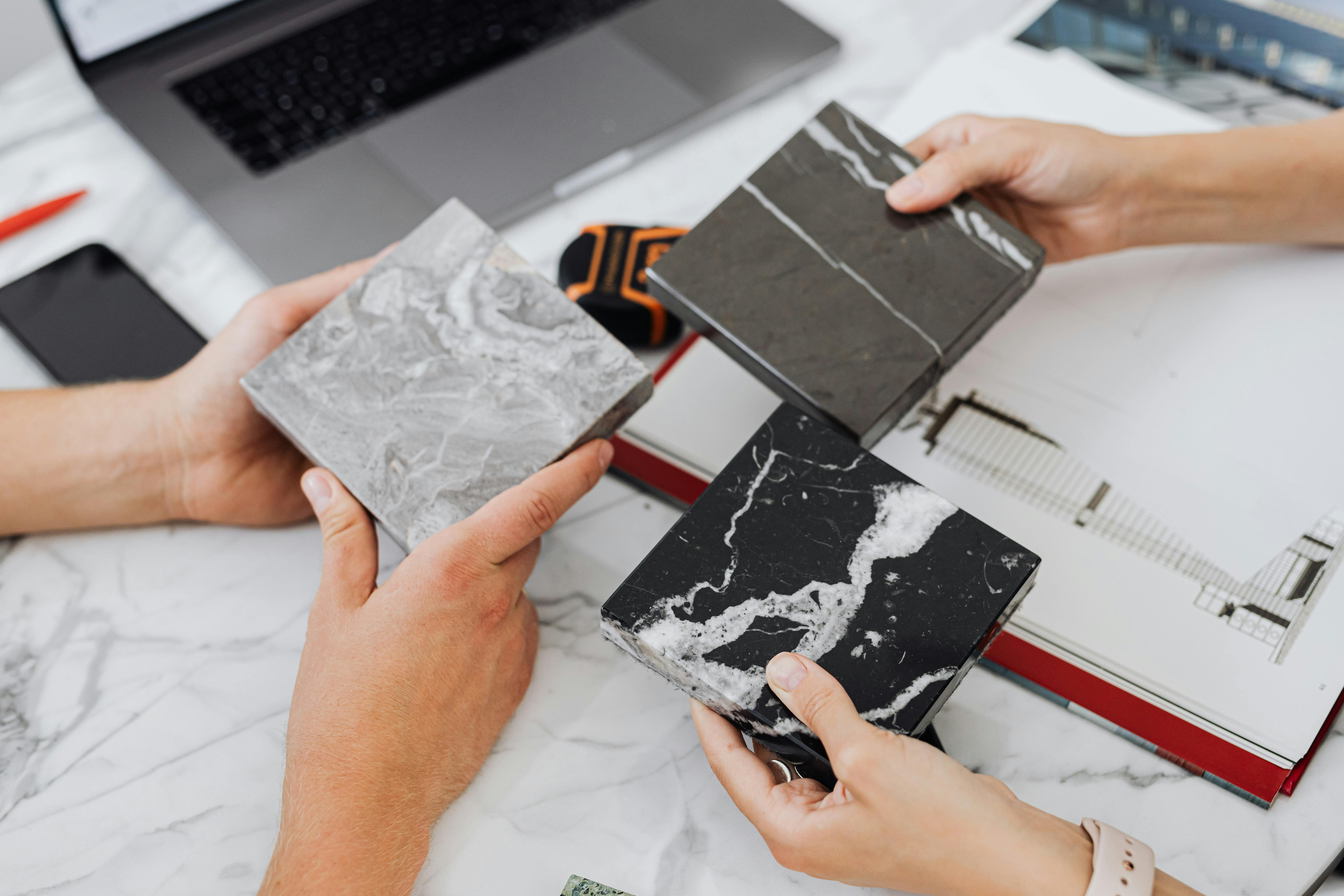
Material choices shape a project’s lifespan, cost, and environmental impact. This guide breaks down the core steps to evaluate properties, cost, and sustainability—so you build smarter, not harder.
1. Know the Material Properties
Every project demands different strengths.
Imagine using untreated steel in a seaside pavilion—corrosion would be nonstop. Instead, pick stainless steel or aluminum for salty air. Always ask:
● How much load must it carry?
● How will it age under weather or wear?
● Does its appearance match the design?
2. Balance Looks with Function
Glass walls look stunning but often need extra insulation.
Concrete gives you strength and thermal mass but can feel heavy or cold.
Choose materials that pull their weight and fit the aesthetic:
● If you need sleek lines and decent R-values, consider insulated glass units.
● If you want texture and warmth, go for board-formed concrete with a clear sealer.
3. Factor in Environmental Impact
Cheap materials can cost the planet.
Bamboo flooring and recycled steel cut waste and carbon.
Look for certifications (like FSC for wood) and check:
● What’s the embodied carbon?
● Can it be recycled or reused?
● How far did it travel to get here?
4. Calculate True Cost
A low sticker price can mean high upkeep:
● Low-grade paint chips and peels, leading to repeated touch-ups.
● Natural stone looks great but needs regular sealing.
Instead, spend a bit more on weather-proof paint or engineered stone, and you’ll save on labor and materials down the road.
5. Follow a Simple Decision Process
▪ Set your goals: lifespan, budget, and green targets.
▪ Gather samples: feel the weight, check the finish, compare specs.
▪ Run the numbers: upfront cost vs. maintenance vs. replacement.
▪ Ask the pros: material suppliers and engineers spot hidden pitfalls.
When you nail material selection from the start, you avoid leaks, cracks, and surprise costs. Choose with care, and your building will thank you for decades.
See also: Building Construction Illustrated by Francis D.K. Ching
Materials Selection: Optimizing Durability and Cost
The principles of materials selection to create designs that are durable, cost-effective, and environmentally friendly.
Why Longevity Matters in Architecture
Building to last isn’t a trendy slogan—it’s the difference between a solid investment and endless headaches. Durable materials and proper installation save you money, time, and reputational risk.
1. Durability Pays Off
Cheap materials cost more later. A leaky façade or rotting deck means constant repairs—and irate occupants. Quality choices lock in performance:
-
Homeowner wins → Higher resale value and fewer repair bills.
-
Architect wins → Proven track record for reliable buildings.
-
Example: Frank Lloyd Wright’s Fallingwater still stands after 85 years thanks to reinforced concrete and local stone, despite constant water flow beneath it.
2. Materials That Outlast Trends
Pick proven performers, not buzzwords:
-
Reinforced concrete → Unmatched compressive strength. Think Marina Bay Sands podium, which sits solid after decades of use.
-
Treated timber → Pressure-treated or naturally rot-resistant species (like cedar or larch) hold up in damp climates—see the Saginaw Forest Observatory boardwalk in Michigan.
-
Natural stone → Granite or limestone façades on the New York Public Library have needed minimal touch-ups in over a century.
-
Composite panels → Fiber-reinforced polymers on structures like the Munich Olympic Stadium roof combine light weight with longevity.
3. Installation Is Half the Battle
Even the toughest materials fail if installed poorly:
-
Foundation prep → A stable, well-compacted base prevents settlement cracks—learned the hard way on many DIY patios.
-
Joint detailing → Flashing and sealants around windows and doors stop water intrusion that rots framing. The Sydney Opera House uses custom stainless-steel flashing to protect its concrete shells.
-
Skilled craftsmanship → A misaligned steel beam can introduce stress points. On a recent residential retrofit, adjusting one beam by ¼ inch eliminated ceiling cracks.
4. Built to Last—A Real Case Study
The Sydney Opera House (completed 1973) proves that bold design and durability can coexist. Its ceramic tile shell and reinforced concrete podium required:
-
Early collaboration between engineers and tile manufacturers
-
Rigorous wind and salt-spray testing
-
Detailed maintenance plan (tiles replaced at scheduled intervals, not on failure)
Result: an icon that still demands admiration—and minimal structural fixes—after 50 years.
5. What to Focus On Today
-
Climate fit → Salt air? Use stainless steel or marine-grade aluminum.
-
Usage level → High traffic calls for terrazzo or polished concrete flooring.
-
Maintenance plan → Set schedules for sealing, repainting, and inspections.
-
Supplier vetting → Don’t buy off-brand. Check track records and warranties.
Bottom Line: Think past ribbon-cutting. Choose materials and installation methods with 50-year horizons, not just initial budgets. Buildings that last are buildings that pay you back—in safety, savings, and legacy.
Sustainability Challenges in Real-Life Construction Projects
- Lifecycle Assessment: The Key to Sustainable Material Choices
What Are the Most Sustainable Materials for Modern Architecture?
Top Eco-Friendly Building Materials You Should Consider
Summary:
- Sustainable Options: Cross-laminated timber, recycled steel, and low-VOC finishes.
- Lifecycle Assessment: How to measure a material’s true environmental impact.
- Real-World Insights: Challenges and successes from projects using reclaimed materials.
In-Depth Look:
Practical Tips for Integrating Sustainability into Material Selection
Sustainability in Material Selection: Sustainability isn’t just a buzzword in architecture—it’s a necessity. Every material choice carries weight, impacting the environment, a project’s longevity, and how the space ultimately serves its users. Whether it’s choosing cross-laminated timber for its renewability or recycled steel for its durability, sustainable materials are reshaping modern design.
Let’s dive into real examples, practical tips, and insights on how to make sustainability a core part of your material selection process.
1. What Are the Most Sustainable Materials for Modern Architecture?
Sustainable materials are those that minimize environmental harm, whether through their sourcing, manufacturing, or lifecycle.
- Cross-laminated timber (CLT): Known for its renewability, CLT is a game-changer for modern skyscrapers, offering strength comparable to steel. Projects like Mjøstårnet in Norway showcase its potential.
- Recycled steel: Strong, durable, and infinitely recyclable, it’s a top choice for framing buildings with minimal environmental impact.
- Low-VOC finishes: Paints and sealants with low volatile organic compounds are healthier for both occupants and the planet.
2. How Does Material Selection Impact the Environment?
The wrong material choices can lead to resource depletion, higher energy use, and increased carbon emissions. For example:
- High-carbon materials like concrete contribute heavily to greenhouse gases. Choosing alternatives like rammed earth or fly ash concrete can significantly reduce a project’s footprint.
- Local sourcing minimizes transportation emissions. Using materials native to your project’s region isn’t just eco-friendly—it also often blends beautifully with the environment.
3. Top Eco-Friendly Building Materials You Should Consider
Here are some materials making waves in sustainable architecture:
- Bamboo: A rapidly renewable material that’s strong and flexible, ideal for flooring and structural elements.
- Hempcrete: Made from hemp fibers, this lightweight material offers excellent insulation and is carbon-negative.
- Recycled plastics: From decking to tiles, repurposed plastics are reducing waste while offering durable design options.
4. Sustainability Challenges in Real-Life Construction Projects
While sustainability is a goal, challenges arise:
- Cost barriers: Materials like bamboo or CLT can initially cost more than traditional options.
- Availability: Not all sustainable materials are accessible in every region.
- Learning curve: Some builders may be unfamiliar with working with newer materials, like hempcrete or recycled composites.
Example: In a recent project, a developer struggled to source enough reclaimed wood for an office interior. By mixing reclaimed wood with FSC-certified timber, they achieved the desired aesthetic without compromising sustainability goals.
5. Lifecycle Assessment: The Key to Sustainable Material Choices
Lifecycle assessments (LCAs) evaluate a material’s environmental impact from production to disposal.
Steps to Conduct an LCA:
- Identify potential materials: Consider options like recycled steel or rammed earth.
- Assess energy use: How much energy is consumed in manufacturing and transport?
- Evaluate end-of-life scenarios: Can it be recycled, reused, or safely disposed of?
Tip: Tools like SimaPro or GaBi can simplify LCAs for complex projects.
6. Practical Tips for Integrating Sustainability into Material Selection
- Start with local materials: They reduce transportation emissions and often come with a smaller carbon footprint.
- Look for certifications: FSC for wood, Cradle to Cradle for overall sustainability, and LEED points for green building.
- Mix old and new: Blend reclaimed materials with modern ones to achieve a balance of sustainability and innovation.
Example: One architect combined salvaged bricks with new low-carbon mortar, creating a structure that honored the past while embracing the future.
Wrapping It Up: Materials That Shape the Future
Sustainability in material selection isn’t just about the environment—it’s about creating better spaces. Thoughtful choices reduce waste, cut emissions, and result in buildings that stand the test of time.
Here’s the key takeaway: whether it’s through small steps, like switching to low-VOC paints, or bold moves, like designing an entire structure out of CLT, every decision counts. Sustainability isn’t a limitation; it’s an opportunity to innovate and build something truly remarkable.
Now’s the time to explore, experiment, and rethink what’s possible—because the future of design starts with the materials we choose today.
Why Material Aesthetics Matter in Modern Architecture
Summary:
Pairing Textures: Creating Visual and Tactile Harmony
- Combining Textures: How to pair materials for visual and tactile appeal.
- Color Palettes from Nature: Using wood, stone, and clay for timeless designs.
- Architectural Trends: Modern applications of classic materials like brick and terracotta.
In-Depth Look:
Aesthetic Considerations in Materials: Materials are more than just structural components—they’re the face of a design. In modern architecture, aesthetics play a huge role in creating spaces that resonate emotionally while maintaining functionality. Whether it’s the cool, sleek finish of polished concrete or the warm, rustic feel of reclaimed wood, materials define a building’s character.
Here’s a deeper look at how thoughtful material choices enhance aesthetics and elevate design.
Practical Tips for Balancing Aesthetics and Functionality in Design
1. Why Material Aesthetics Matter in Modern Architecture
A building’s materials set the tone for its personality. Imagine a minimalist home with large glass panels and exposed steel—it immediately feels modern and sleek. Contrast that with a cozy, timber-clad cabin that exudes warmth and nostalgia.
Example from Experience: I worked on a library project where we used a mix of glass and wood. The glass brought in natural light, while the wood softened the look, making it feel inviting instead of sterile. That balance made all the difference in how people experienced the space.
2. Pairing Textures: Creating Visual and Tactile Harmony
Texture is often overlooked but is key to creating depth in design. Pairing contrasting textures, like rough stone and smooth metal, can add interest and complexity.
- Smooth and Rough: Combine polished concrete floors with exposed brick walls for an industrial vibe.
- Soft and Hard: Pair plush fabrics in interiors with sleek marble or timber finishes to balance comfort and structure.
Pro Tip: Run your hand over a material sample. If it feels pleasant to touch, it’s likely to create a welcoming atmosphere when used in your design.
3. Natural Color Palettes: Timeless Inspiration from Earthy Materials
Nature provides some of the most enduring color schemes. Think about the neutral tones of sandstone, the deep greens of marble, or the warm reds of terracotta. These colors ground a design and ensure it doesn’t feel dated.
- Wood: Adds warmth and coziness, whether light oak or dark walnut.
- Stone: Offers sophistication, from pale limestone to dramatic black slate.
- Clay: Terracotta brings a rustic yet refined look, perfect for Mediterranean or contemporary spaces.
Real Example: In a recent renovation, we used reclaimed terracotta tiles for a patio. The earthy tones paired beautifully with modern black-framed windows, creating a space that felt both timeless and fresh.
4. Reviving Classics: Brick, Terracotta, and Their Modern Applications
Classic materials are making a comeback, but with a twist.
- Brick: No longer limited to exteriors, exposed brickwork is now a popular choice for feature walls in industrial and contemporary designs.
- Terracotta: Used not just for roofing but also for cladding and decorative screens, adding texture and warmth to modern facades.
Example from the Field: I collaborated on an urban office project where we used perforated terracotta tiles for shading. Not only did they reduce heat gain, but they also cast beautiful patterns of light inside, blending aesthetics with functionality.
5. Practical Tips for Balancing Aesthetics and Functionality in Design
- Start with the function: A material might look stunning, but does it perform well in the intended environment? For example, marble is beautiful but prone to staining, so it’s not always ideal for kitchens.
- Blend materials mindfully: Too many contrasting materials can create visual chaos. Stick to two or three that complement each other.
- Prioritize maintenance: Highly aesthetic materials like polished metals or glass require regular upkeep. Ensure your client is on board before committing.
Tip: Create mock-ups with actual samples. Seeing and feeling the materials together helps avoid costly mismatches later.
Final Thoughts: The Art of Material Aesthetics: Choosing the right materials is both an art and a science. It’s about finding that sweet spot where beauty meets practicality. The right combination of textures, colors, and finishes doesn’t just make a building look good—it makes it feel right.
Here’s what I’ve learned: design isn’t just about following trends. It’s about creating spaces that feel meaningful and lasting. So whether you’re blending rustic charm with modern minimalism or experimenting with bold textures, remember—materials are your palette, and architecture is your canvas. Use them thoughtfully.
Steps in the Materials Selection Process
Summary:
Setting Clear Project Goals for Material Selection
- Define Project Goals: Balancing budget, design, and functionality.
- Evaluate Material Options: Researching durability, availability, and sustainability.
- Test and Verify: Mock-ups, lab tests, and small-scale applications.
- Finalize and Source: Choosing suppliers and ensuring quality control.
In-Depth Look:
Practical Tips for a Streamlined Material Selection Process
Choosing the right materials can make or break a project. It’s not just about picking something that looks good—it’s about ensuring the material aligns with the design, budget, sustainability, and functionality. Here’s a real-world breakdown of the material selection process with practical tips from the field.
Researching and Evaluating Material Options
1. Setting Clear Project Goals for Material Selection
The first step is to define what you want the material to achieve. Are you prioritizing aesthetics, durability, sustainability, or cost? Often, it’s a combination.
- Example: For a high-traffic office space, durability and ease of maintenance might outweigh aesthetic considerations. In contrast, a luxury home project might prioritize premium finishes over longevity.
- Pro Tip: Make a list of must-haves and nice-to-haves. This clarity helps prevent compromise on critical factors.
2. Researching and Evaluating Material Options
Once the goals are clear, dive into the research. Look at how materials perform in similar projects, their cost, and their environmental impact.
- Durability: Materials like quartz countertops are virtually scratch-proof and stain-resistant, ideal for kitchens.
- Sustainability: Reclaimed wood is excellent for eco-friendly projects but may require more prep work.
- Availability: Imported materials might have longer lead times and higher shipping costs.
Case Example: In one project, we considered terrazzo flooring for its durability but found that locally sourced polished concrete was faster to procure and fit the budget better.
3. Testing Materials for Performance and Compatibility
This is where mock-ups and small-scale applications come into play. Testing ensures the material performs as expected under real conditions.
- Mock-ups: Test finishes, like paints or tiles, in a controlled setting to see how they react to light and wear.
- Lab Tests: For structural materials, lab tests can confirm properties like load-bearing capacity or fire resistance.
- Field Testing: Apply a small sample on-site to evaluate compatibility with other materials and the environment.
Real Tip: Always test new materials for their maintenance needs. We once tested a natural stone countertop in a commercial kitchen, only to discover it required frequent sealing—something the client wasn’t prepared for.
4. Making the Final Choice and Ensuring Quality
Once testing is complete, finalize the materials and source them from reliable suppliers.
- Verify Suppliers: Request samples and certifications, especially for eco-friendly materials like FSC-certified wood.
- Bulk Ordering: Ensure enough materials are ordered in one batch to avoid mismatched lots.
- Quality Control: Inspect deliveries on-site to confirm they match the agreed specifications.
Pro Insight: For a residential project, we sourced tiles directly from a factory to cut costs but had to invest time inspecting each batch for color consistency—an issue with hand-glazed tiles.
5. Practical Tips for a Streamlined Material Selection Process
- Start Early: Researching and testing materials takes time, so begin during the design phase.
- Involve the Team: Include contractors and engineers in discussions to avoid clashes during installation.
- Document Everything: Keep records of samples, test results, and supplier communications to avoid disputes.
- Stay Flexible: Have backup options in case of delays or supply shortages.
Tip from Experience: During a commercial renovation, a shipment of glass panels was delayed. Because we had a pre-approved alternate supplier, we avoided costly downtime and kept the project on track.
Final Thoughts: The Power of Smart Material Choices: Material selection isn’t just a step in the process—it’s the backbone of a project’s success. When done right, it ensures the building not only meets its goals but exceeds expectations in durability, aesthetics, and sustainability.
The key takeaway? Be thorough, test everything, and never underestimate the value of having a backup plan. Material selection is where experience and attention to detail truly pay off, shaping spaces that last and perform beautifully.
Types of Materials Selection Processes
Understand how the right building materials can transform projects, enhancing their lifespan, environmental impact, and beauty.
Selecting the right materials is a cornerstone of successful architecture, engineering, and design projects. Here, we break down the various types of materials selection processes to guide professionals in making informed choices.
Material Selection Methods
1. Performance-Based Selection
This method focuses on the specific requirements a material must meet, such as strength, durability, or thermal resistance.
Example:
In designing a bridge, engineers might prioritize materials like high-strength concrete or weather-resistant steel to ensure longevity under heavy loads and harsh conditions.
Tips:
- Clearly define performance metrics.
- Use simulations or lab tests to verify material suitability.
Interesting Fact:
Performance-based selection is often used in aerospace engineering, where materials must withstand extreme temperatures and stress.
2. Cost-Driven Selection
This approach emphasizes budget constraints while ensuring materials meet the minimum project requirements.
Example:
For affordable housing, developers may opt for materials like prefabricated concrete panels or recycled timber to reduce expenses.
Tips:
- Conduct a lifecycle cost analysis to account for maintenance and replacement costs.
- Avoid compromising quality for cost savings.
Key Focus:
Balancing upfront costs with long-term value.
3. Sustainability-Focused Selection
Environmental impact takes center stage in this process. Materials are chosen based on their ecological footprint, recyclability, and energy efficiency.
Example:
Architects designing green buildings often select bamboo, cross-laminated timber, or recycled steel to minimize environmental harm.
Tips:
- Look for certifications like FSC (Forest Stewardship Council) or LEED compliance.
- Consider the embodied energy of materials.
Interesting Fact:
Sustainability-focused selection is gaining momentum, with governments incentivizing eco-friendly construction practices worldwide.
4. Aesthetic-Driven Selection
When design and appearance are paramount, materials are chosen to create a specific look or ambiance.
Example:
Luxury retail stores often use marble or brushed metal finishes to convey elegance and sophistication.
Tips:
- Match materials with the project's overall design theme.
- Consider the interplay of textures, colors, and lighting.
Fun Fact:
Frank Lloyd Wright’s iconic Fallingwater house perfectly demonstrates aesthetic-driven selection, with materials that seamlessly blend into the natural environment.
5. Availability and Supply Chain Considerations
This method prioritizes materials that are readily available and can be delivered on time.
Example:
In remote construction sites, locally sourced stone or timber might be chosen to avoid delays.
Tips:
- Factor in lead times and transportation logistics.
- Work with reliable suppliers to ensure consistency in quality and delivery.
Practical Insight:
Global supply chain disruptions during the COVID-19 pandemic highlighted the importance of considering material availability in project planning.
Closing Thoughts: Understanding these different materials selection processes can make a significant difference in project outcomes. By aligning material choices with performance, cost, sustainability, aesthetics, and availability, you can create designs that are practical, innovative, and impactful.
Got a unique method or experience to share? Let us know—we’d love to hear how you’re navigating the world of materials selection!
Why Imitating Material Choices in Other Projects Can Be a Costly Mistake
It’s tempting to replicate material choices from other projects, especially when they’ve turned out beautifully. However, blindly imitating these decisions without considering the unique requirements of your own project can lead to unexpected costs, delays, and even long-term failures. Here’s why:
1. Different Projects, Different Needs
No two projects are identical. A material that works in one environment may fail in another.
- Example: A high-end marble used in a residential foyer may look stunning but could be a disaster in a busy commercial lobby where wear and tear is higher.
- Reality Check: Materials must align with the project’s function, location, and user demands.
2. Climate and Environmental Factors
Materials react differently to varying climates. What works in a dry environment might deteriorate quickly in a humid or coastal setting.
- Example: Wood cladding may perform well in an arid climate but could warp or rot in a humid region unless treated with expensive coatings.
- Real Tip: Always evaluate materials for local weather conditions, including temperature fluctuations, UV exposure, and moisture levels.
3. Budget Mismatches
A material used in a luxury project may far exceed the budget for a mid-range or commercial build.
- Example: Imported tiles that looked great in a showcase home might blow the budget when ordered in bulk for a large office building.
- Pro Insight: Choose materials that balance aesthetic appeal with cost efficiency, and always account for installation expenses.
4. Installation Challenges
Not all contractors are experienced with specialty materials. This can lead to errors or increased labor costs.
- Example: Installing terrazzo flooring requires specific expertise, and a poorly executed installation can result in cracks and uneven surfaces.
- Lesson Learned: If your team lacks the experience for a particular material, you may face costly reworks or delays.
5. Maintenance Misalignment
Some materials require specific maintenance practices, which may not align with your project’s intended use.
- Example: A glossy lacquered finish used in a high-profile hotel might not be practical for a daycare, where durability and ease of cleaning are essential.
- Real Advice: Factor in maintenance costs and demands before committing to a material.
6. Supplier Variations
Materials sourced from different suppliers can vary significantly in quality, even if they appear the same.
- Example: Two batches of reclaimed wood might differ in density, color, and finish, leading to inconsistencies in the final product.
- Practical Tip: Always inspect and approve materials before large-scale use.
Real-Life Example: A Costly Mistake in Action
A corporate client once insisted on using a custom glass façade they’d seen in another building. However, their site faced higher wind loads, and the glass panels started showing stress cracks within a year. Retrofitting stronger glass panels not only disrupted operations but also added unplanned costs of over $100,000.
Takeaway: Tailor Material Choices to Your Project
Imitating material choices might seem like a shortcut, but it often leads to costly surprises. Always evaluate materials based on your project’s specific requirements, such as function, budget, climate, and long-term performance. Thoughtful, informed decisions upfront will save money, time, and headaches down the line.
Why Material Choices Matter in Modern Design
Materials are the backbone of modern architecture. They dictate how a building functions, feels, and interacts with its environment. A sleek glass façade might flood a space with light, while warm timber accents can make even the most minimalist designs feel inviting.
Modern design is all about thoughtful decisions—balancing aesthetics with sustainability, performance, and innovation.
Let’s break down how the right material choices elevate design from good to exceptional, with real examples and practical tips along the way.
The Impact of Material Selection on Modern Architecture
1. Defining the Identity of Modern Architecture
Modern architecture thrives on clean lines, open spaces, and innovative forms. Materials are what bring these concepts to life. Take exposed concrete—it’s raw, honest, and minimalist. It allows architects to strip away ornamentation and highlight the structure itself. For instance, Tadao Ando’s Church of the Light in Japan uses concrete to create a serene, meditative space that feels as much about light and shadow as it does about physical structure.
Example Tip: When designing modern spaces, think beyond traditional materials. Explore combinations like glass and steel to create dynamic contrasts or embrace timber for warmth in minimalist interiors.
2. Pushing the Boundaries of Innovation
Modern design isn’t about playing it safe—it’s about exploring new possibilities. Materials like translucent concrete or graphene-based coatings allow architects to challenge conventions. For example, Herzog & de Meuron’s Elbphilharmonie in Hamburg uses a custom-curved glass façade, blending artistry with cutting-edge engineering.
Why It Works: These innovative materials don’t just look striking; they also solve problems. Translucent concrete lets natural light in while maintaining privacy, and graphene coatings enhance durability without adding weight.
3. Sustainability as a Cornerstone
Sustainability is non-negotiable in modern design, and material choices are at the heart of it. Modern architects are turning to options like cross-laminated timber (CLT) for skyscrapers, as seen in the Mjøstårnet tower in Norway, the tallest timber building in the world. It’s not just eco-friendly—it also creates a warm, inviting aesthetic.
Pro Insight: Reclaimed materials like salvaged bricks or recycled metal add character to projects while reducing environmental impact. Plus, they tell a story, giving a building a layer of history and meaning.
4. Enhancing Human Experience Through Materials
Materials shape how people feel in a space. Smooth, polished surfaces like marble exude luxury, while textured finishes like rammed earth connect occupants to nature. For modern homes, architects often mix materials—think a living room with exposed brick, sleek glass panels, and soft timber flooring—to create a balanced, welcoming vibe.
Example: Foster + Partners’ Bloomberg Headquarters in London uses natural stone for its façade, creating a modern yet grounded aesthetic that reflects the surrounding cityscape.
5. Tailoring Materials to Climate and Context
The best modern designs embrace their surroundings. Material choices tailored to the local climate enhance both performance and visual harmony. In arid regions, architects use sun-reflective materials like light-colored concrete or solar control glass. In humid areas, they turn to naturally moisture-resistant materials like teak or treated bamboo.
Case Study: The Pearl Academy of Fashion in Jaipur, India, uses a perforated façade to cool the building naturally, blending traditional jali patterns with modern design principles.
The Big Takeaway: In modern architectural design, materials aren’t just a supporting act—they’re the main stage. They define the look, feel, and sustainability of a project while pushing creative boundaries. Whether it’s choosing a cutting-edge material for its innovation or a traditional one for its timeless appeal, every choice should serve a purpose.
Great modern design starts with thoughtful material choices. It’s not just about what a building is made of—it’s about how those materials work together to tell a story, solve problems, and leave a lasting impression.
Real-Life Applications of Cutting-Edge Materials
Balancing Innovation with Practicality in Material Choices
Innovation in Material Selection
Emerging Technologies in Building Materials
Summary:
- Emerging Technologies: Self-healing concrete and translucent wood.
- Smart Materials: How thermochromic and photovoltaic materials enhance functionality.
- Practical Applications: Examples of innovative materials in recent projects.
In-Depth Look:
Smart Materials: The Future of Functional Design
Innovation in Material Selection: The architecture and construction industries are constantly evolving, with new materials pushing the boundaries of design and functionality. These innovations not only enhance performance but also address environmental and practical challenges, reshaping the way we build.
Revolutionizing Construction: The Role of Innovative Materials
1. Revolutionizing Construction: The Role of Innovative Materials
Innovative materials are transforming the way architects and engineers think about design. Beyond aesthetics, these materials bring improved performance, sustainability, and adaptability to modern projects.
- Self-Healing Concrete: Designed to seal cracks when exposed to water, reducing maintenance costs and extending the lifespan of structures.
- Translucent Wood: A lightweight, sustainable alternative to glass, combining aesthetics with energy efficiency.
Experience Insight: On a public infrastructure project, self-healing concrete reduced repair costs for a bridge exposed to constant weather stress, saving significant resources over the years.
2. Emerging Technologies in Building Materials
Emerging materials are solving long-standing challenges in construction.
- Graphene-Infused Concrete: Stronger, lighter, and more sustainable, it reduces the amount of cement required, lowering carbon emissions.
- Aerogels: Extremely lightweight and highly insulating, perfect for energy-efficient buildings.
- Recycled Plastic Composites: Offering durability and flexibility, these materials reduce waste while performing well in structural and non-structural applications.
Example: A recent eco-friendly housing project utilized graphene-infused concrete, cutting material usage by 20% and significantly improving the structure’s carbon footprint.
3. Smart Materials: The Future of Functional Design
Smart materials adapt to environmental conditions, enhancing both energy efficiency and user experience.
- Thermochromic Materials: Change color with temperature, useful for reducing solar heat gain in glass facades.
- Photovoltaic Panels: Integrated into building materials like shingles or facades to generate renewable energy seamlessly.
- Shape-Memory Alloys: Used in dynamic shading systems or adaptive structures to improve energy performance.
Pro Tip: In a high-rise project, integrating photovoltaic glass allowed for renewable energy generation without sacrificing the sleek modern design.
4. Real-Life Applications of Cutting-Edge Materials
Innovative materials aren’t just concepts—they’re being used in real projects worldwide.
- Self-Healing Concrete in Highways: The Netherlands piloted this material on a stretch of highway, reducing downtime for repairs.
- Translucent Wood in Residential Projects: Scandinavian architects are incorporating translucent wood into window designs, blending warmth with energy efficiency.
- Thermochromic Glass in Office Buildings: Adaptive windows in a New York office tower helped reduce cooling costs by 30% during summer months.
Case Insight: A recent museum project in Japan featured aerogel insulation in its glass facades, ensuring art preservation by maintaining a stable internal environment without heavy HVAC reliance.
5. Balancing Innovation with Practicality in Material Choices
While innovative materials are exciting, they must be practical and cost-effective for widespread adoption.
- Challenges: High upfront costs, limited availability, and lack of skilled labor for installation can hinder adoption.
- Solutions: Partnering with suppliers early and training teams on new technologies can help integrate these materials seamlessly.
Example: In one mixed-use project, initial plans for smart glass were reconsidered due to budget constraints. Instead, the team opted for a hybrid approach, using thermochromic materials in key areas while maintaining affordability elsewhere.
Final Thoughts: Building the Future with Innovation
Innovative materials are reshaping what’s possible in architecture and construction. From self-healing concrete that cuts maintenance costs to photovoltaic panels that integrate sustainability into design, the future of building materials is bright and full of potential.
The key to success lies in balancing these groundbreaking options with practical considerations like budget, availability, and ease of implementation. As these materials become more accessible, they promise to redefine how we design, build, and live—bringing us closer to smarter, more sustainable, and more inspiring structures.
Maintenance Matters: Saving Long-Term Costs with the Right Materials
Affordable Aesthetics: High-End Design on a Budget
Balancing Budget and Quality: Key Considerations
Cost-Efficiency Without Compromise
Summary:
- Budget-Friendly Strategies: Prioritizing materials that save on maintenance costs.
- Case Study: Achieving high-end aesthetics with affordable options.
In-Depth Look:
Cost-Efficiency Without Compromise
Lessons from Real-World Projects: Cost-Efficiency in Action
Achieving cost-efficiency in a project doesn’t mean sacrificing quality or aesthetics. With smart material selection and a focus on durability, you can create stunning designs that stay within budget while delivering long-term value. Let’s explore practical strategies and real-world examples.
Smart Strategies for Cost-Efficient Material Selection
1. Smart Strategies for Cost-Efficient Material Selection
Cost-efficiency starts with planning. Knowing where to invest and where to save can make all the difference.
- Prioritize Durability: Opt for materials that require minimal maintenance, such as pre-finished wood or composite decking.
- Local Sourcing: Choose materials readily available in your region to avoid shipping costs and delays.
- Reuse and Repurpose: Salvaged materials like reclaimed wood or bricks often come at a fraction of the cost while adding character to your project.
Example: In a commercial renovation, using locally sourced polished concrete floors reduced costs by 25% compared to imported tiles.
2. Balancing Budget and Quality: Key Considerations
Choosing cheaper materials can lead to higher long-term expenses if they need frequent repairs or replacements.
- Mid-Range Solutions: Products like laminate flooring offer a balance between affordability and durability.
- Multi-Functional Materials: Choose options like insulated panels that serve multiple purposes, reducing overall costs.
- Avoid False Savings: Spending less upfront on substandard materials often leads to higher repair costs later.
Real Insight: In a school project, premium-grade aluminum windows were chosen over cheaper PVC, saving on replacement costs over a 20-year lifespan.
3. Maintenance Matters: Saving Long-Term Costs with the Right Materials
Maintenance expenses can add up quickly, so selecting low-maintenance materials is critical for cost-efficiency.
- Paint-Free Exteriors: Materials like fiber-cement siding eliminate the need for frequent repainting.
- Weather-Resistant Options: Composite decking resists rot and fading, reducing upkeep in outdoor projects.
- Protective Coatings: Sealants and finishes can extend the lifespan of natural materials like wood and stone.
Pro Tip: During a hospitality project, using UV-resistant outdoor furniture saved the client significant costs in refinishing and replacement over five years.
4. Affordable Aesthetics: High-End Design on a Budget
Creating luxurious spaces doesn’t always require premium materials.
- Imitation Finishes: Products like luxury vinyl tiles mimic the look of stone or hardwood at a fraction of the cost.
- Layering Techniques: Combining cost-effective base materials with premium accents can elevate the overall look.
- Pre-Fabricated Components: Modular systems often reduce both material and labor costs while maintaining a high-end feel.
Case Study: A residential project achieved a marble-inspired bathroom design by using quartz countertops and porcelain tiles, cutting costs by 40% without sacrificing elegance.
5. Lessons from Real-World Projects: Cost-Efficiency in Action
Successful projects often demonstrate how strategic decisions lead to cost savings.
- Example: A mixed-use development used salvaged timber for decorative ceiling beams, blending sustainability with budget efficiency.
- Example: A retail space utilized LED lighting and reflective ceiling materials to reduce energy costs and enhance the interior ambiance.
- Example: A small home renovation incorporated second-hand materials for kitchen cabinetry, achieving a custom look at half the price.
Final Thoughts: Balancing Cost and Value
Cost-efficiency isn’t about cutting corners—it’s about making thoughtful choices that prioritize value. By focusing on durable, low-maintenance materials and leveraging smart design techniques, you can achieve stunning results without breaking the bank.
The takeaway? Think long-term, explore creative solutions, and remember that affordability doesn’t mean compromising on quality or style. With the right approach, you can have it all: beauty, functionality, and cost-efficiency.
How Materials Influence Health and Well-being
Summary:
Health and Well-Being Through Material Choices
- Indoor Air Quality: The impact of low-VOC and non-toxic materials.
- Thermal Comfort: How insulation and materials affect indoor environments.
- Case Study: A residential project where material choices improved living conditions.
In-Depth Look:
Why Health Matters in Material Selection
Lessons from Real-World Projects: Healthier Homes with Smarter Materials
Material selection isn’t just about aesthetics or durability; it’s about creating spaces where people thrive. From the air we breathe to the comfort we feel, materials play a crucial role in shaping indoor environments that support health and well-being.
1. Why Material Choices Impact Health and Well-Being
Health should always be a priority in material selection. Poor choices can lead to harmful environments, while thoughtful selections can improve overall quality of life.
- Indoor Air Quality: Materials releasing toxins contribute to respiratory issues, allergies, and long-term health problems.
- Thermal Regulation: Poor insulation can cause temperature fluctuations that affect comfort and energy use.
- Mental Well-Being: Materials like wood or stone can evoke calm and connection to nature.
Example: A modern office designed with low-emission materials and natural finishes significantly reduced employee sick days and improved overall productivity.
2. Improving Indoor Air Quality with Safer Materials
Indoor air quality can be compromised by volatile organic compounds (VOCs), which are often found in paints, adhesives, and sealants.
- Low-VOC Options: Look for certified low-VOC or zero-VOC products.
- Natural Alternatives: Use materials like natural wool carpets or untreated wood to minimize airborne chemicals.
- Ventilation: Pair material choices with good ventilation strategies to maintain fresh air.
Practical Tip: For a renovation project, replacing vinyl flooring with cork or bamboo significantly reduced indoor air pollutants, leading to improved comfort for occupants.
3. Thermal Comfort: How Materials Shape Living Environments
Temperature regulation is key to comfort. Materials like insulation, flooring, and window treatments play a huge role in keeping spaces livable.
- Efficient Insulation: Wool, hemp, and recycled materials can provide superior thermal properties without introducing allergens.
- Thermal Mass: Materials like concrete or stone help regulate temperatures by absorbing and releasing heat slowly.
- Smart Windows: Double-glazed windows with low-emissivity coatings can reduce heat loss in winter and block heat gain in summer.
Real Insight: In a coastal home, using reclaimed wood with natural insulating properties created a more stable indoor climate, reducing reliance on HVAC systems.
4. Biophilic Design: Boosting Mental Health Through Natural Elements
Biophilic design emphasizes incorporating natural materials to create a connection with nature.
- Wood: Warm and inviting, wood enhances a sense of comfort and relaxation.
- Stone: Adds grounding and timeless appeal to interiors.
- Plants: Living walls or indoor plants improve air quality while promoting mental well-being.
Example: A healthcare facility integrated natural wood finishes and green walls, which patients reported made the environment feel more welcoming and less clinical.
5. Lessons from Real-World Projects: Healthier Homes with Smarter Materials
Case Study: In a residential project, synthetic carpeting was replaced with natural wool carpets and walls were repainted with zero-VOC paint. The family reported fewer allergy symptoms, better sleep quality, and an overall sense of comfort.
Key Takeaways:
- Prioritize health when selecting materials for high-traffic or living spaces.
- Test for allergens and VOC levels before installation.
- Consider materials that require minimal chemical treatment or synthetic components.
Final Thoughts: Prioritizing People in Material Choices
Materials are more than just structural—they shape the lives of those who live and work in the spaces we design. Thoughtful choices in materials can transform a project into a healthier, more comfortable, and uplifting environment.
Here’s the bottom line: prioritize indoor air quality, thermal comfort, and natural elements. The result is a space that not only looks good but feels good—a place where health and well-being truly thrive.
Dos and Don’ts of Material Selection
Selecting materials is a balancing act that requires careful consideration of multiple factors. Following best practices and avoiding common mistakes can save you from unnecessary costs and headaches.
Practical Tips: Balancing Aesthetics, Budget, and Functionality
1. Dos: Essential Steps for Effective Material Selection
- Understand Your Project’s Needs: Define clear goals regarding durability, sustainability, and aesthetics.
- Research Material Properties: Evaluate strength, maintenance requirements, and environmental impact.
- Test Before Committing: Use samples or mock-ups to assess material compatibility and appearance in real settings.
Example: In a high-traffic retail space, opting for wear-resistant laminate flooring instead of delicate hardwood reduced maintenance and extended durability.
2. Don’ts: Common Pitfalls to Steer Clear Of
- Skipping Long-Term Costs: Avoid choosing cheap materials that lead to higher maintenance expenses later.
- Neglecting Installation Expertise: Using specialty materials without skilled labor can result in poor outcomes.
- Overlooking Safety Standards: Some materials may look great but fail to meet fire resistance or load-bearing requirements.
Insight: A project that ignored fire-rated drywall regulations faced costly reinstallation after failing inspection.
3. Considering Climate: Why Local Context Matters
- Temperature Tolerance: Materials that crack in freezing temperatures or warp in humidity can fail prematurely.
- Wind and UV Resistance: Coastal areas require corrosion-resistant metals and UV-protected finishes.
- Rain and Flood Resilience: Materials like treated wood or elevated concrete are ideal for flood-prone areas.
Real-World Example: A beachside villa used marine-grade aluminum for window frames to withstand salt corrosion.
4. Compatibility Checks: Ensuring Materials Work Together
- Structural Integrity: Pair materials that can handle similar loads and stresses.
- Finish Matching: Ensure paint, sealants, and adhesives are compatible with base materials.
- Thermal Expansion: Materials with differing expansion rates can cause cracks or separation.
Pro Tip: In a residential build, combining steel beams with wood finishes required careful thermal compatibility checks to prevent warping.
5. Practical Tips: Balancing Aesthetics, Budget, and Functionality
- Mix High and Low-End Materials: Use premium finishes in focal areas and cost-effective options elsewhere.
- Plan for Maintenance: Choose materials that align with the user’s ability to maintain them.
- Focus on Versatility: Materials like engineered wood or composite panels can adapt to various design needs.
Common Mistakes and Their Solutions
Even seasoned professionals encounter challenges with material selection. Learning from these common mistakes can help you avoid costly missteps and deliver successful projects.
Lessons from Industry Failures
1. Choosing Looks Over Performance
- Mistake: Prioritizing aesthetics at the expense of functionality.
- Solution: Always evaluate materials based on durability and suitability for the intended application.
Example: A glossy tile used in a high-traffic outdoor space became dangerously slippery when wet, requiring a costly anti-slip coating later.
2. Ignoring Material Testing and Mock-Ups
- Mistake: Relying solely on supplier specs without testing materials in real conditions.
- Solution: Request samples and conduct small-scale tests for wear, color consistency, and compatibility.
Case Study: A restaurant project used an untested natural stone countertop that absorbed stains quickly, resulting in customer complaints and expensive replacement.
3. Overlooking Local Building Codes
- Mistake: Using materials that fail to meet safety or environmental regulations.
- Solution: Review codes and consult with local authorities during the planning phase.
Real Insight: A developer’s choice of non-compliant roofing materials delayed project completion by three months due to regulatory red tape.
4. Mismatched Material Lifespans
- Mistake: Combining materials with vastly different wear rates, leading to uneven aging or early failure.
- Solution: Align material durability with the project’s overall lifespan and maintenance expectations.
Example: A composite decking paired with untreated wood railings led to frequent repairs for the railings while the deck remained intact.
5. Lessons from Industry Failures
- Mistake: Using innovative materials without adequate training or resources for installation.
- Solution: Invest in training for your team or hire specialists when dealing with advanced materials.
Case Study: An energy-efficient glass installation project failed when untrained workers cracked multiple panels during fitting, doubling costs.
Final Thoughts: Mastering Material Choices
Making the right material decisions involves careful planning, thorough research, and a focus on long-term performance. By avoiding common pitfalls and learning from real-world examples, you can ensure your project not only looks great but stands the test of time.
The takeaway? Prioritize functionality, test thoroughly, and always consider the unique demands of your project. These steps will save you time, money, and headaches while delivering results you can be proud of.
Materials Selection: A Comprehensive Guide for Every Industry
Get insights into materials selection tailored to industries like construction, product design, and engineering for better performance and sustainability.
In Focus: The Materials Selection Process
Why It Matters
The materials selection process isn’t just a checklist; it’s a strategic approach to ensure the success of your project. From defining goals to sourcing high-quality materials, every step impacts the final outcome.
Steps to Success
- Define Your Goals: Consider the scope of your project. Are you focused on sustainability, cost-efficiency, or creating a standout aesthetic?
- Research Material Options: Look into the properties, durability, and environmental impact of each choice. Use trusted sources and case studies to inform your decision.
- Test for Compatibility: Whether through mock-ups or lab tests, ensure your materials work well together and perform as expected in your climate.
- Finalize and Source: Partner with reputable suppliers to secure the best materials within your budget.
Practical Tip
In a recent urban housing project, we collaborated with multiple suppliers to source sustainable materials. Rigorous testing of samples ensured consistency in quality, and by sourcing locally, we reduced transportation costs and environmental impact.
This approach saved the project significant time and money while meeting all design goals.
Focusing on the process ensures your choices align with the project's vision and constraints, leading to better results every time.
Final Thoughts
Picking the right materials isn’t just another step in architectural design—it’s what makes a project truly come together.
Think about it: the materials you choose affect everything from how long the structure lasts to how it feels and looks.
And hey, it’s not all about going green (though that’s a big part of it); it’s about creating spaces that work for people and the planet.
From choosing sustainable options like bamboo or reclaimed wood to considering long-term durability and cost, every decision adds up.
I’ve seen projects where smart material choices saved clients from major headaches down the road—like avoiding constant repairs or even rethinking entire designs.
FAQ
Material Selection in Architecture
- Why is material selection important in architecture? Material selection affects a building's structural integrity, energy efficiency, environmental impact, and aesthetic appeal. Choosing suitable materials ensures the building meets design and performance requirements.
- What factors should architects consider when selecting materials? Architects should consider sustainability, durability, cost, availability, aesthetics, and the material's environmental impact. Additionally, factors like local climate, building function, and maintenance requirements are crucial.
- How does sustainability influence material selection? Sustainable materials reduce environmental impact through low embodied energy, recyclability, and minimal resource depletion. Using such materials contributes to eco-friendly building practices.
- What are some examples of sustainable building materials? Examples include bamboo, recycled metal, rammed earth, and sustainably sourced timber. These materials are renewable, have low environmental impact, and often enhance building performance.
- How can architects stay informed about new materials and technologies? Architects can attend industry conferences, participate in workshops, subscribe to architectural journals, and engage with professional organizations to stay updated on advancements in materials and technologies.
Related
If you’re curious about sustainable insulation options, don’t stop at cardboard. There’s a wide world of eco-friendly insulation materials to explore.
From wool and hemp to recycled denim and even mushroom-based insulation, the possibilities are endless.
Insulation
- Sustainable Insulation That Saves Energy and Cuts Costs
Learn about insulation solutions that are cost-effective and eco-friendly. - Natural Insulation Materials: Types, Benefits, and Practical Tips
A guide to natural insulation materials and their practical applications. - Rockwool Blown Insulation: Benefits, Costs, and Installation Made Simple
Understand the advantages and usage of Rockwool insulation. - How Does Mineral Wool Handle Fire?
Insights into the fire-resistance properties of mineral wool. - Loose Fill Mineral Wool Insulation: What It Is and Why It Works
A breakdown of the benefits and functionality of loose-fill mineral wool. - Hemp Insulation: Why Are Builders Switching to It?
Explore why hemp insulation is gaining traction in the construction industry. - Is Cardboard a Good Insulator? Pros, Cons, and Practicality
Evaluate the effectiveness of cardboard as an insulation material. - Can Mineral Wool Insulation Double as a Soundproofing Solution?
Discover how mineral wool serves both insulation and soundproofing needs.
Comparisons
- Hemp Insulation vs. Rockwool: Which Insulation Wins for Your Home?
A comparison of hemp and Rockwool insulation for residential use. - Hemp Insulation vs. Fiberglass: Which is Safer for Your Home?
Compare the safety features of hemp and fiberglass insulation.
Natural Building Materials
- Natural Building Materials: A Comprehensive Guide for Builders and Students
The world of natural materials and their applications in construction. - Hemp Building Materials Explained: Uses, Benefits, and Cost Breakdown
Understand the role of hemp in sustainable construction. - Hempcrete: The Green Revolution in Construction
Explore how hempcrete is paving the way for eco-friendly construction practices.
Guides and How-To
- How to Make Hempcrete: A Step-by-Step Guide for Beginners
A detailed guide for creating and using hempcrete in projects. - The Complete List of Building Materials: Key Types and Their Applications
An extensive guide to the materials used in modern construction.
Sustainability Trends
- Sustainable Materials: Which Ones Are Revolutionizing Construction?
A look at innovative materials leading the shift toward sustainability. - Sustainable Architecture: Building with Bamboo
Highlighting bamboo's role in sustainable design.
Product Reviews
- Hemp Insulation Companies: Best Providers, Costs, and Benefits Across the USA
A review of leading hemp insulation providers in the U.S.
Market Trends
- Why Are Some States All In on Hemp?
Insights into the growing popularity of hemp across the U.S. - Prefab Homes vs. Traditional Construction: Which is Better for Your Budget?
Comparing prefab and traditional construction methods in terms of cost and efficiency.
Recommended Books
- The Architect’s Handbook of Professional Practice - by The American Institute of Architects. A comprehensive resource covering various aspects of architectural practice, including material selection.
- Materials for Sustainable Sites by Meg Calkins: This book provides detailed information on sustainable material choices for construction projects.
- Building Construction Illustrated by Francis D.K. Ching: An illustrated guide that covers building materials and construction methods.
Resources
- American Institute of Architects (AIA) – Material Selection & Specification: This resource provides guidelines on environmentally preferable product selection and specification practices. AIA Content
- AIA – Healthier Materials Protocol: A guide offering practical methods and tools to navigate healthier material choices in design and construction. American Institute of Architect
- AIA – Framework for Design Excellence: Design for Resources: This framework emphasizes sustainable material sourcing and selection to minimize environmental impact. American Institute of Architects
Suggested Tools for Further Exploration
Exploring innovative tools can enhance material selection processes. Here are some recommended resources:
BuildingGreen
Provides comprehensive resources on sustainable design and material selection. BuildingGreen
American Institute of Architects (AIA)
Offers guidelines and protocols for healthier material choices., American Institute of Architects
ArchDaily
Features articles on specifying materials in architectural projects. ArchDaily
Material Selection Platforms
Assist in balancing aesthetics and durability in architecture. Society Interiors Design
Sustainable Building Materials
Guides on selecting eco-friendly materials for construction. Breathe