
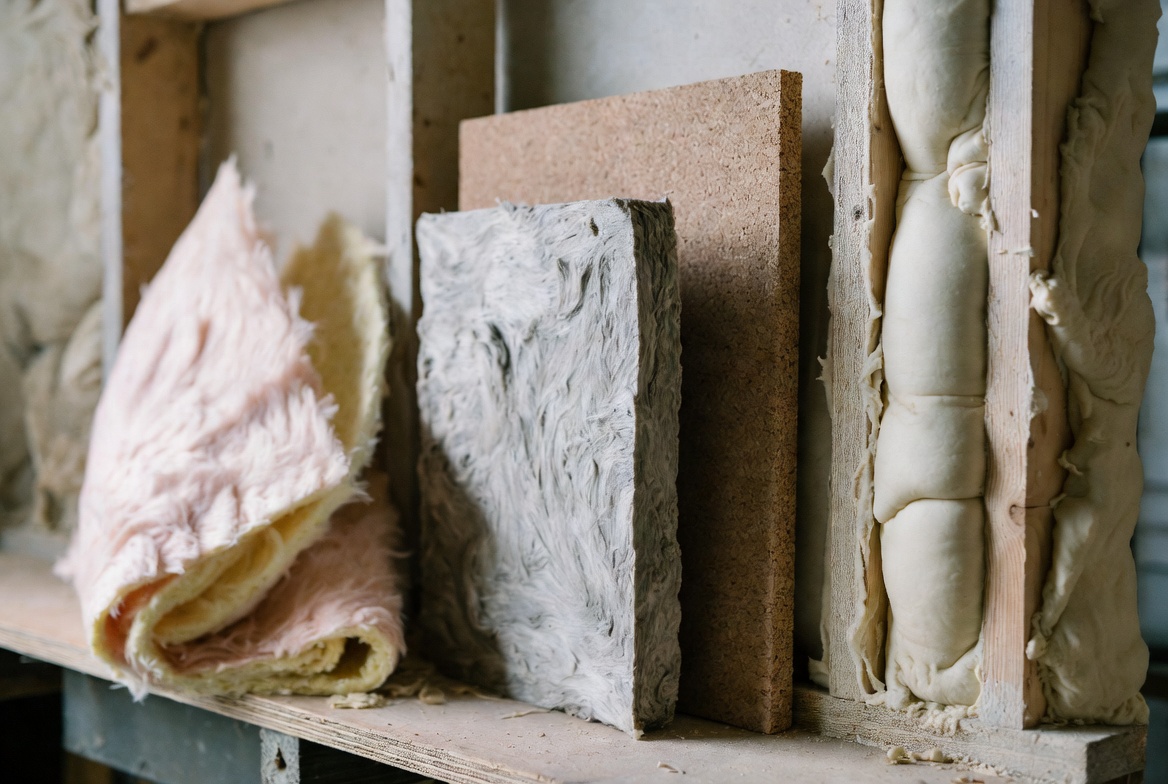
Sustainable insulation includes materials like cellulose, sheep’s wool, cork, hemp, recycled cotton, and other lower-impact options used to reduce heat loss and heat gain in a building.
Not all of those materials work the same way, and not all of them belong in the same places. Some are a better fit for attics and framed walls. Some handle moisture better. Some need more thickness to reach the same thermal target. Cost, fire requirements, drying potential, and installation quality all change the answer.
This guide breaks down the main sustainable insulation options, where they tend to work best, and what to watch before choosing one. If you want the wider material picture first, see sustainable materials. If you want to compare plant- and fiber-based options more closely, go next to Natural Insulation Materials: Types, Benefits, and Practical Tips.
What This Covers
- What makes an insulation material more sustainable than a standard option.
- The main sustainable insulation types used in homes and light construction.
- Where these materials tend to fit best in walls, attics, floors, and roofs.
- The trade-offs around cost, moisture, thickness, safety, and durability.
What Is Sustainable Insulation?
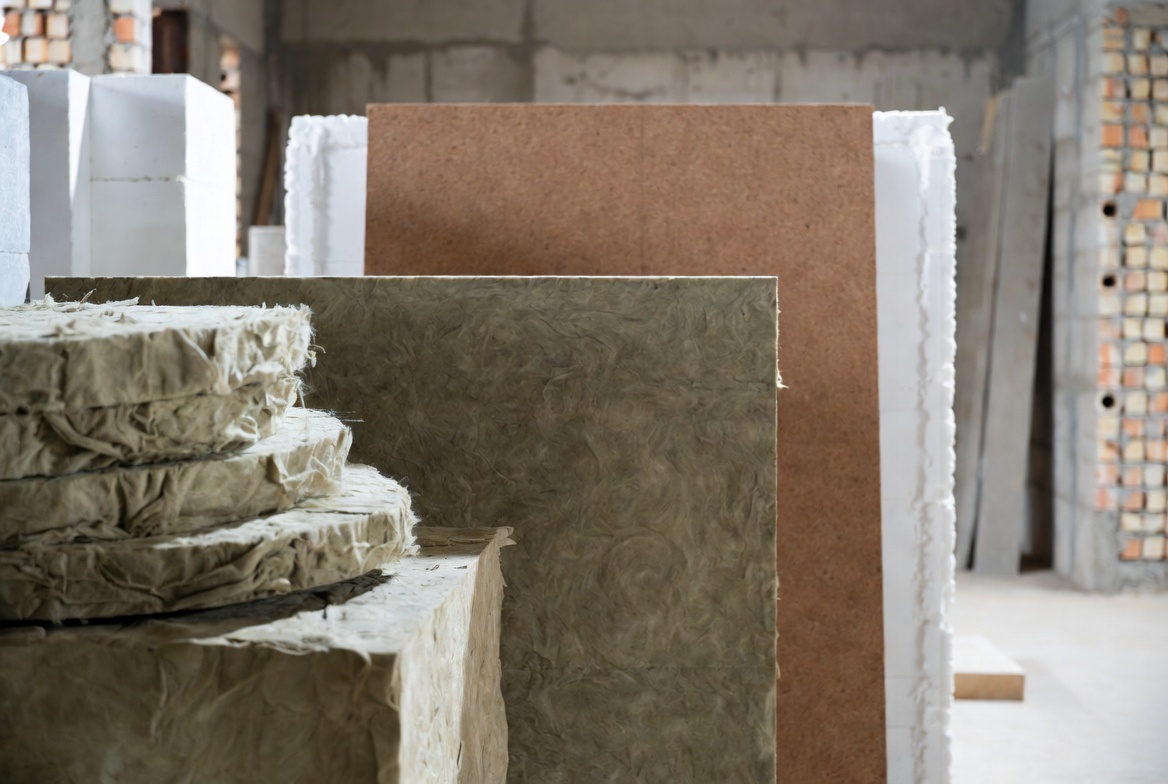
Sustainable insulation usually refers to insulation materials made from renewable, recycled, low-toxicity, or lower-impact resources. That can include recycled paper, sheep’s wool, cork, hemp, recycled cotton, and some recycled plastic products.
But “sustainable” does not mean the same thing in every conversation. For one project, it may mean high recycled content. For another, it may mean low embodied carbon, fewer petrochemicals, better indoor-air quality, or a material that can biodegrade at end of life. A product can be greener in one sense and weaker in another.
That is why this category is worth slowing down for. A strong sustainable-insulation choice is not just one with a good story behind it. It also has to suit the wall, roof, floor, or attic where it is going.
Why People Choose Sustainable Insulation
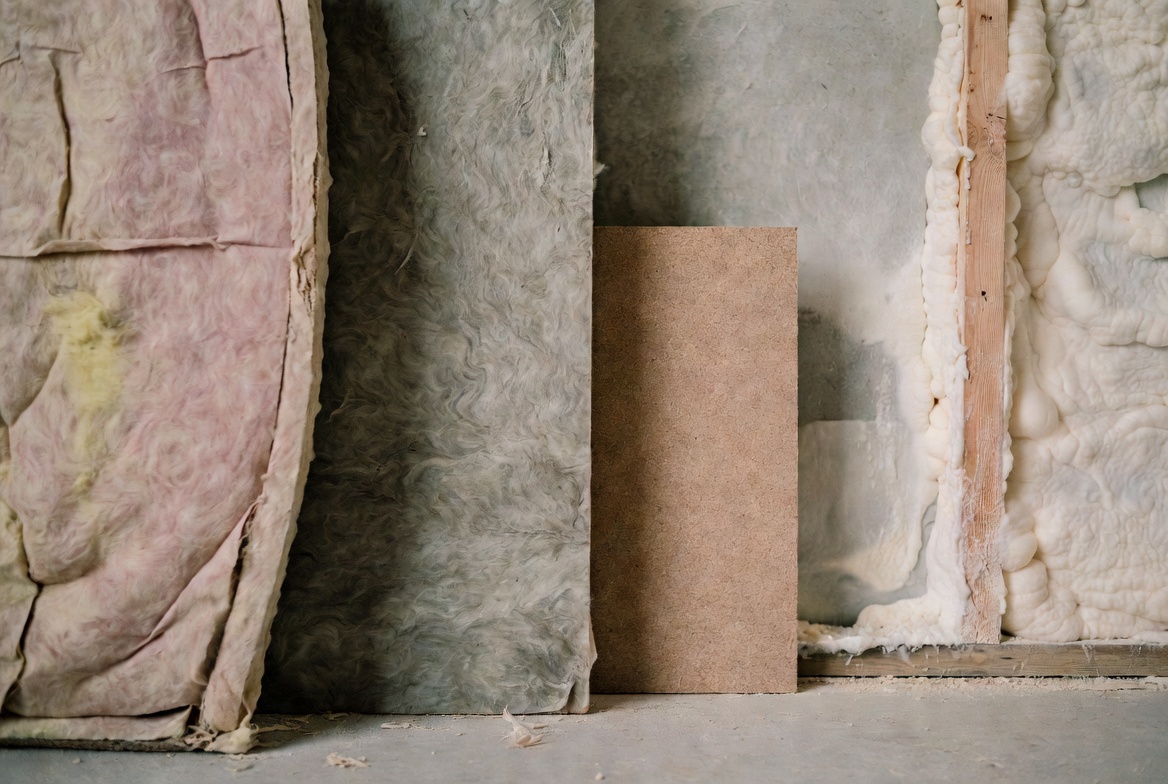
The appeal is not hard to understand. Done well, sustainable insulation can reduce heat loss, cut cooling demand, and lower the environmental footprint of the assembly at the same time.
- Lower environmental impact: many products use renewable or recycled feedstocks and avoid some of the heavier manufacturing footprint tied to conventional options.
- Energy savings: insulation still does the same basic job here as anywhere else. Keep heat where you want it and the mechanical system has less work to do.
- Health and handling: some natural or recycled products are less irritating to install and may be preferred where occupants want lower-toxicity material choices.
- Acoustic value: dense fiber-based products often help with sound control as well as thermal performance.
- Durability in the right assembly: some sustainable insulation materials hold up very well when moisture, compression, and detailing are handled correctly.
The catch is that no insulation wins every category. Some greener materials need more thickness. Some cost more. Some are great in framed walls and less convincing in below-grade work. That is normal. The point is to match the material to the job.
Types of Sustainable Insulation Materials
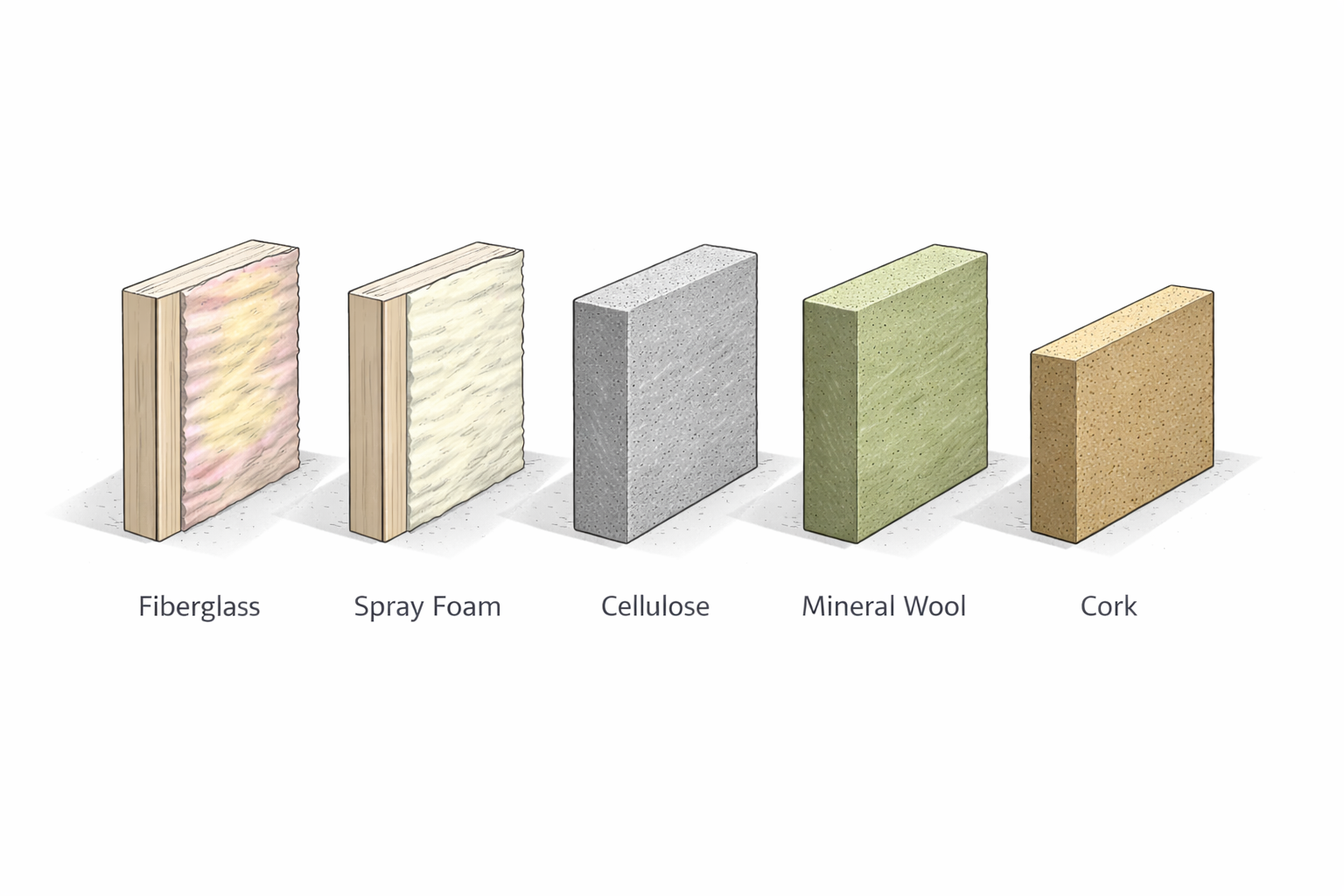
The main options are not all equal, but most of them make sense somewhere.
1. Sheep’s Wool Insulation
Often sold as eco wool insulation, sheep’s wool is one of the better-known natural insulation products. It is renewable, biodegradable, and valued for its ability to buffer moisture without losing all usefulness immediately.
- Usually good for: walls, ceilings, lofts, and some timber-frame assemblies.
- Main strengths: moisture buffering, decent thermal performance, low-irritant handling compared with some conventional products.
- Watch for: price, availability, and making sure the product is appropriate for the cavity depth and local conditions.
2. Recycled Cotton Denim Insulation
Recycled cotton or denim insulation is typically made from reclaimed fabric and treated for fire resistance. It is easy to understand why people like it: recycled content, softer handling, and decent acoustic performance.
- Usually good for: interior walls, attics, and some retrofit cavities.
- Main strengths: recycled content, sound absorption, less irritating to handle than fiberglass.
- Watch for: thickness, availability, and making sure moisture management is not being ignored just because the product sounds safer.
3. Cellulose Insulation
Cellulose is one of the most common sustainable insulation choices because it is widely available and made largely from recycled paper. In loose-fill or dense-pack form, it can be a strong option for attics and closed cavities.
- Usually good for: attics, walls, and some floors.
- Main strengths: recycled content, broad availability, strong coverage in irregular spaces.
- Watch for: settling, moisture exposure, and poor installation density.
If the question is simply which sustainable option is easiest to justify on both cost and availability, cellulose is often high on the list.
4. Cork Insulation
Cork is harvested from cork oak bark, which makes it renewable when managed properly. It is one of the more appealing options for people who want a durable natural material that also helps with sound.
- Usually good for: floors, walls, ceilings, and selected retrofit conditions.
- Main strengths: renewable source, good acoustic value, decent moisture resistance compared with some other natural materials.
- Watch for: cost and making sure the assembly still makes sense thermally at the thickness available.
5. Hemp Insulation
Hemp insulation gets attention for good reason. It is plant-based, breathable, and one of the better-known natural insulation materials in current discussion. It is especially attractive in assemblies where moisture behavior and lower-impact materials matter.
- Usually good for: framed walls, roofs, and floors in breathable assemblies.
- Main strengths: renewable source, moisture tolerance, lower-impact positioning.
- Watch for: thickness requirements, cost, and how it compares with more common products in your local market.
Worth knowing: if hemp is your main decision point, the next stop is Hemp Insulation: Why Are Builders Switching to It?.
6. Recycled Plastic Bottle Insulation
Some insulation products are made using recycled PET plastics. The environmental case here comes mostly from diverting waste and reusing material that would otherwise stay in the waste stream.
- Usually good for: walls, attics, and selected roof or ceiling applications.
- Main strengths: recycled content, lower irritant handling in some products, useful way to reclaim plastic waste.
- Watch for: product-specific performance differences and not assuming recycled plastic automatically means better all-around performance.
7. Straw Bale Insulation
Straw bale sits at the more specialized end of the category. It can deliver strong thermal performance in the right wall system, but it is not a drop-in substitute for standard cavity insulation.
- Usually good for: natural building walls and thicker custom assemblies.
- Main strengths: agricultural byproduct use, high insulation potential in thick walls.
- Watch for: wall thickness, detailing, moisture management, and project type. This is not the default answer for a typical retrofit.
Where Sustainable Insulation Works Best in a Home
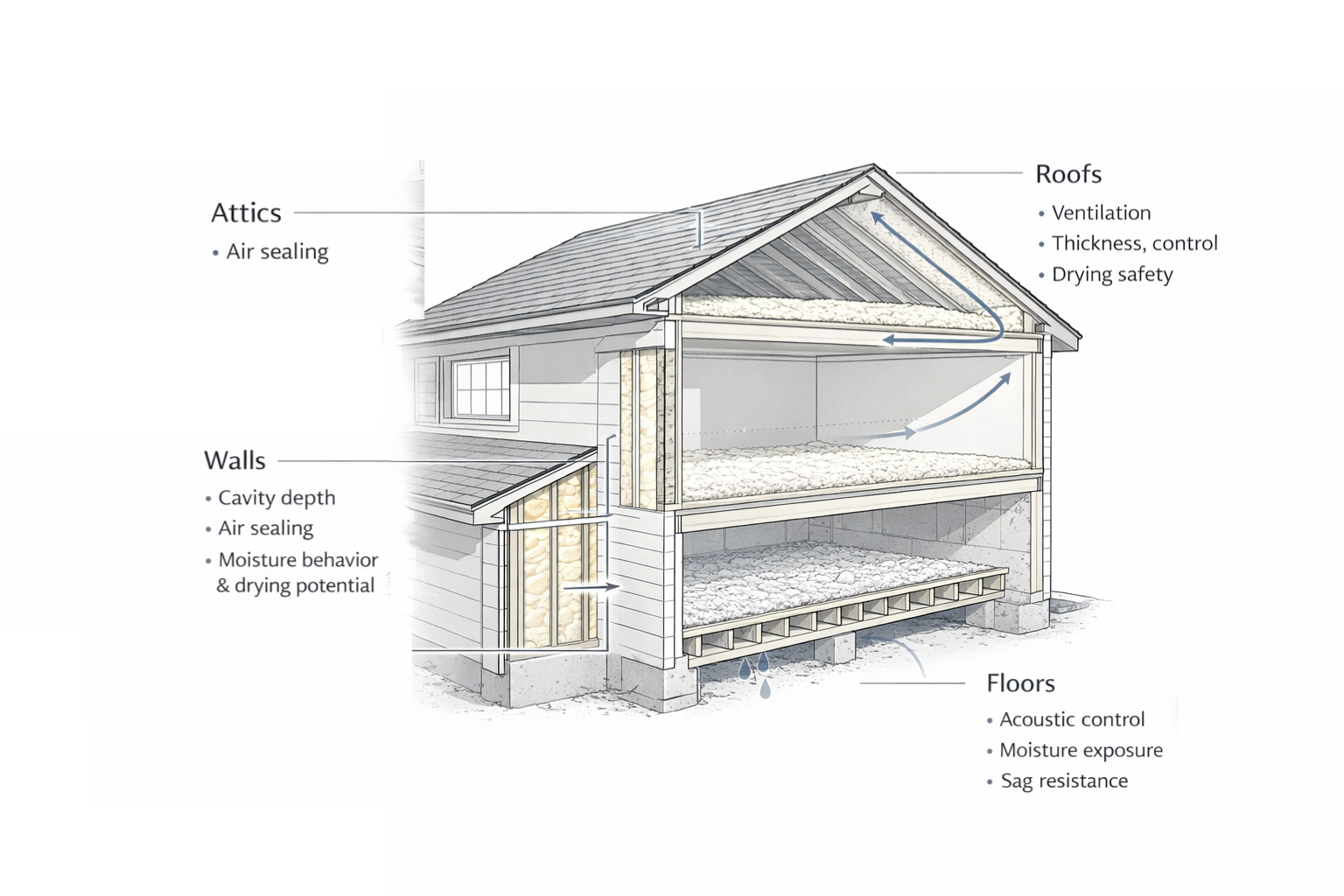
Walls
Walls are where a lot of sustainable insulation products make the most sense. Hemp, recycled cotton, cellulose, and sheep’s wool all show up here. The big question is not just R-value. It is cavity depth, air sealing, moisture behavior, and how the wall dries.
Attics
Attics are often one of the easiest places to justify sustainable insulation because cellulose and wool-type products can work well there. The main mistake is skipping air sealing first. A leaky attic plane with more insulation is still a leaky attic plane.
Floors
Floors can be a good fit for cork or hemp in the right assemblies, especially where acoustic performance also matters. Underfloor conditions, moisture exposure, and sag resistance matter more than the material story alone.
Roofs
Sustainable insulation can work in roofs, but roof assemblies are less forgiving. Ventilation, thickness, condensation control, and climate matter a lot here. A material that feels appealing on environmental grounds can still be the wrong call if the roof cannot dry safely.
How to Choose the Best Sustainable Insulation
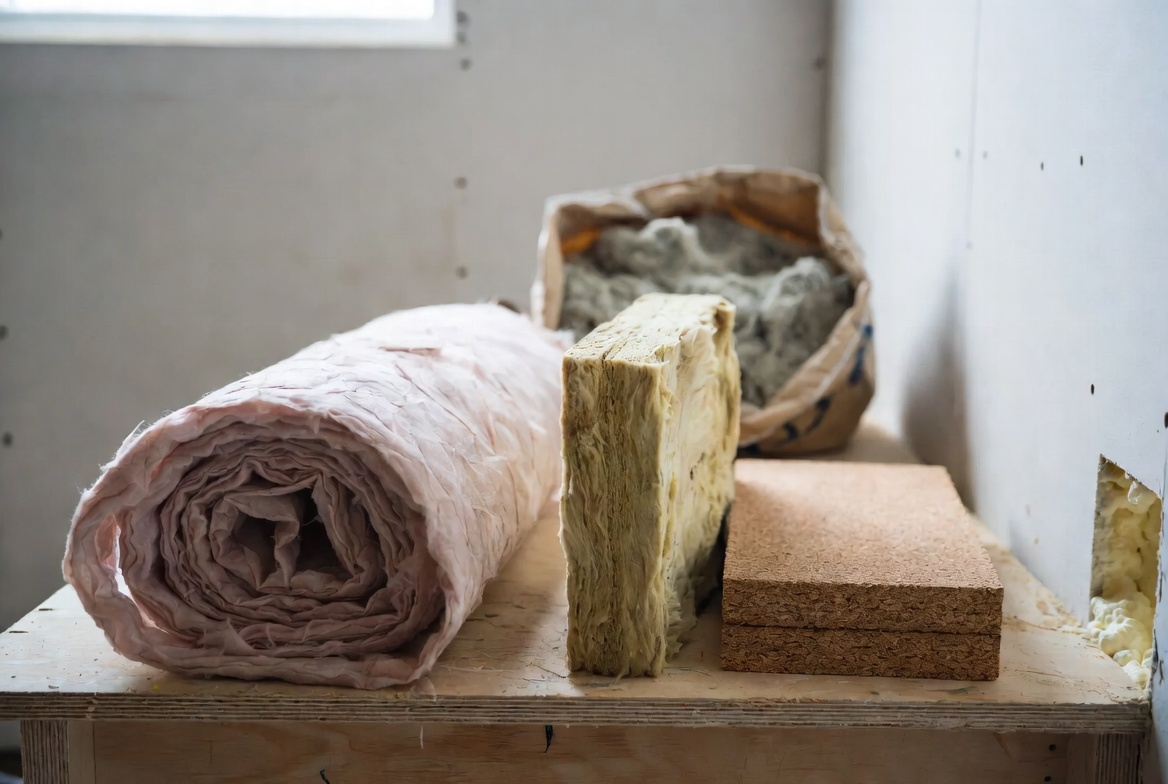
This is where most of the bad choices happen. People ask for the greenest material before they ask the simpler question: what does this assembly need?
- Check the thermal target: not every sustainable insulation product gives you the same performance per inch.
- Check moisture behavior: walls, roofs, and below-grade zones do not all tolerate moisture in the same way.
- Check fire and code requirements: a lower-impact material still has to satisfy the safety and finish requirements of the job.
- Check space: some natural and recycled products need more thickness than high-performance foam products.
- Check cost honestly: first cost matters, but so do durability, replacement risk, and energy savings over time.
One more thing: if the choice is drifting toward safety and indoor-air quality first, What is the Safest Insulation to Use? is the better next read.
What to Watch For
Sustainable insulation can be excellent. It can also be oversold.
- Do not buy the story and ignore the assembly. Moisture wins that argument every time.
- Do not assume natural means maintenance-free. Some products need careful detailing to perform well long term.
- Do not assume greener means highest R-value. Many sustainable materials trade peak thermal efficiency for lower impact, lower toxicity, or moisture buffering.
- Do not ignore installation quality. Gaps, compression, and weak air sealing still ruin performance here just as they do with conventional products.
What To Read Next
If you are still narrowing the options, the best next page depends on what you are trying to solve.
- Natural Insulation Materials: Types, Benefits, and Practical Tips — the best next read if you want the wider field of plant- and fiber-based insulation in one place.
- Hemp Insulation: Why Are Builders Switching to It? — useful if hemp is the main product you are comparing.
- What is the Safest Insulation to Use? — helpful if health, fire, fibers, or handling risk is the first filter.
- Is Cardboard a Good Insulator? — worth reading if you are comparing improvised or low-cost insulation ideas against purpose-made materials.
- Materials Selection: Best Practices for Architectural Design and Sustainability — a stronger next step if the question is bigger than insulation and you are weighing sustainable material choices across the project.
That is usually the better way to use a page like this. Start broad here. Then move into the branch that matches the job in front of you.
FAQ
What is sustainable insulation?
Sustainable insulation is insulation made from renewable, recycled, lower-impact, or lower-toxicity materials. Common examples include cellulose, sheep’s wool, cork, hemp, recycled cotton, and some recycled plastic products.
What is the best sustainable insulation?
There is no universal winner. Cellulose is often one of the easiest to justify on cost and availability. Hemp and sheep’s wool are strong options where breathability and lower synthetic content matter. Cork is appealing where durability and acoustic value matter too.
What is the greenest type of insulation?
That depends on what you mean by greenest. Some people prioritize recycled content, which favors cellulose. Others prioritize renewable natural sources, which puts cork, hemp, or sheep’s wool in the conversation. The right answer depends on both the material and the assembly.
What is the healthiest type of insulation?
Many people prefer sheep’s wool, cork, hemp, or recycled cotton when indoor-air quality and lower irritant handling matter. But “healthiest” still depends on fire treatment, installation quality, moisture control, and the rest of the wall or roof build-up.
Is cellulose insulation sustainable?
Yes. Cellulose is widely considered one of the more sustainable mainstream insulation products because it is made largely from recycled paper and can perform well in attics and closed cavities when installed properly.
Is wall insulation sustainable?
It can be. Wall insulation becomes a sustainable choice when the material has lower impact and the assembly is detailed well enough to avoid moisture problems, early failure, or wasted energy.
What is the best natural insulation?
The most common answers are sheep’s wool, hemp, and cork. Each has strengths. Wool is valued for moisture buffering. Hemp is popular in breathable assemblies. Cork is durable and useful where sound reduction matters too.
What is the most common type of insulation?
Fiberglass is still the most common insulation in many residential and commercial buildings because it is cheap, available, and familiar. That does not automatically make it the best fit for a sustainable or health-first project.