
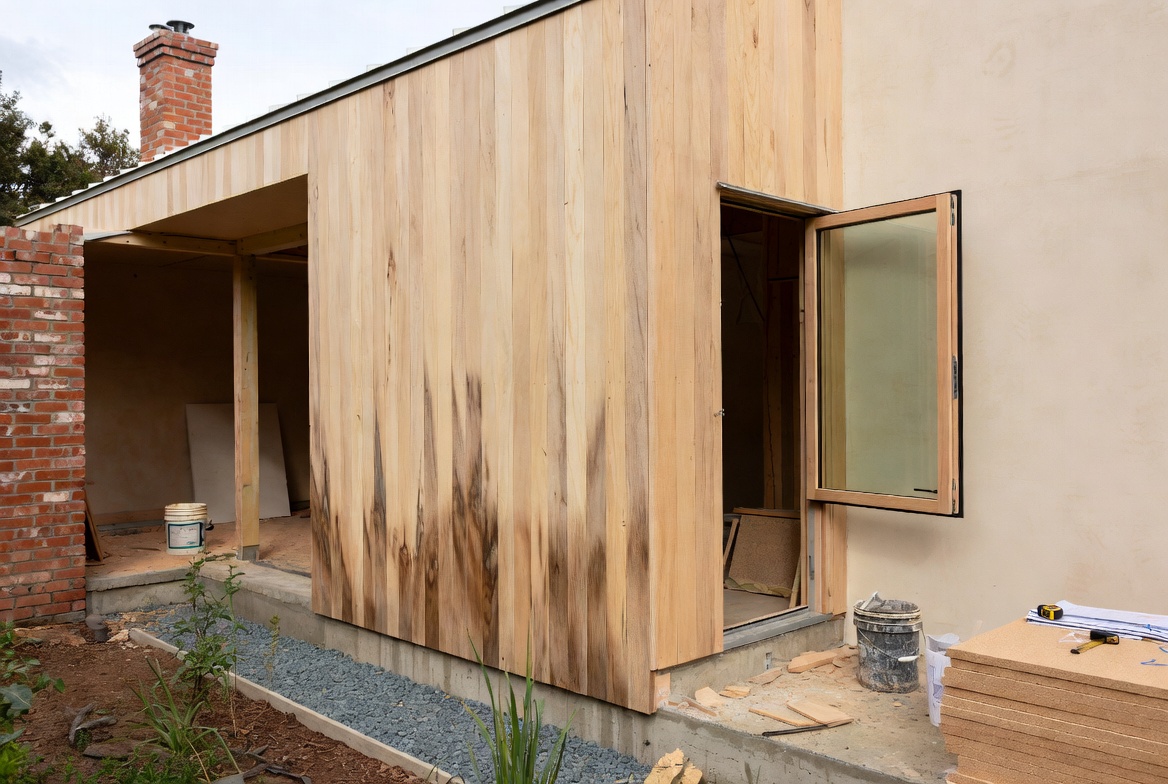
Sustainable house materials sound simple right up until you have to choose them for an actual house.
That is when the clean story breaks. The wall has to dry. The roof has to last. The insulation has to cut energy use without setting up a moisture problem. The siding has to survive your weather, not just look good on a sample board. And the “green” product still has to be available, code-accepted, repairable, and installed by people who know what they are doing.
A lot of advice gets fuzzy right there. It turns the whole subject into a list of nice-sounding materials—hemp, cork, recycled plastic, mycelium, low-carbon concrete, natural insulation—without spending enough time on where those materials belong, where they do not, and what usually matters more.
The useful question is not What is the greenest material? It is this: which materials make a house cheaper to run, healthier to live in, easier to maintain, and less wasteful over the long haul?
The answer is usually more practical than trendy. Better insulation. Better air sealing. Fewer thermal bridges. Less unnecessary concrete. Durable cladding in the right climate. Low-emission interior products. Reuse where it is worth the labor. Good detailing almost everywhere.
That is the lane this page stays in.
What Makes a House Material Sustainable in Practice
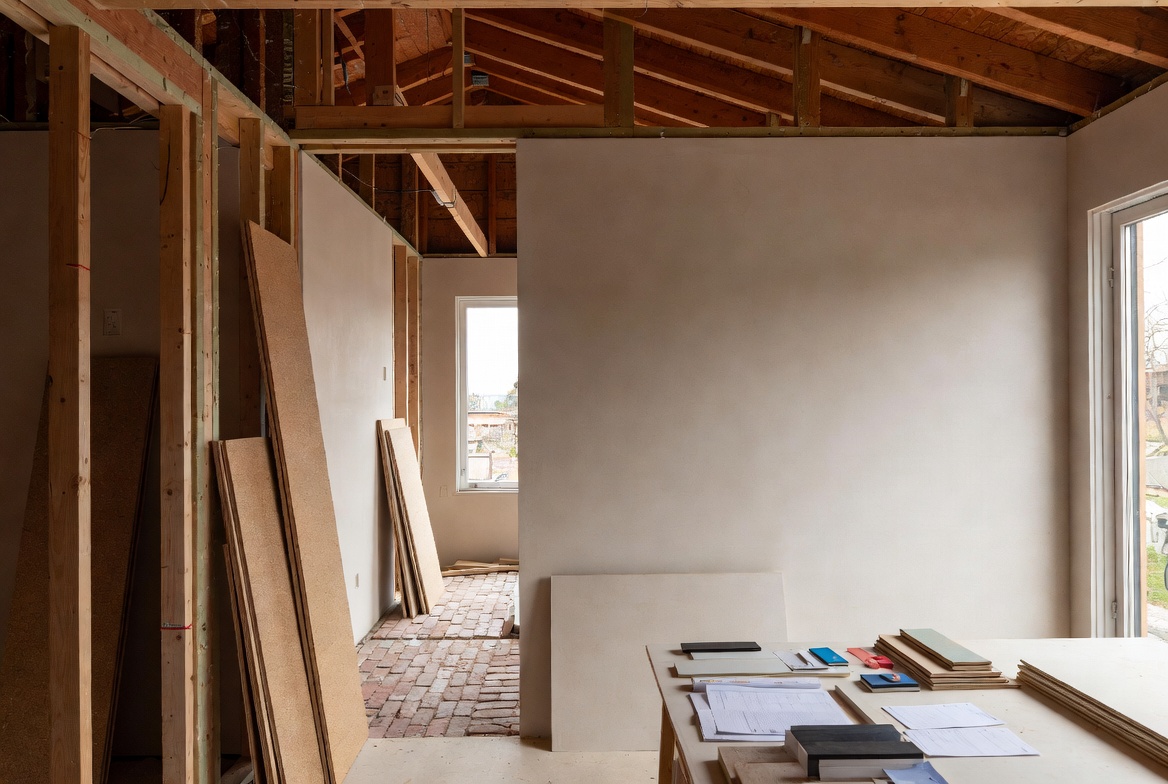
A material is not sustainable just because it is recycled, natural, renewable, or sold with a green label.
In a house, the standard is tougher than that.
- Does it lower operational energy use?
- Does it help the assembly manage moisture safely?
- Does it last without constant maintenance drama?
- Can it be repaired instead of ripped out?
- Does it keep indoor air cleaner instead of dirtier?
- Is its embodied carbon meaningfully lower, or just marketed that way?
- Can local crews install it well?
Miss two or three of those and a supposedly eco-friendly material can become an expensive detour.
Also Useful. For the bigger picture behind the language, What Are Sustainable Materials? and Sustainable Building Materials: What Works and What Fails are better foundation reads than most product roundups.
The Order That Matters Most
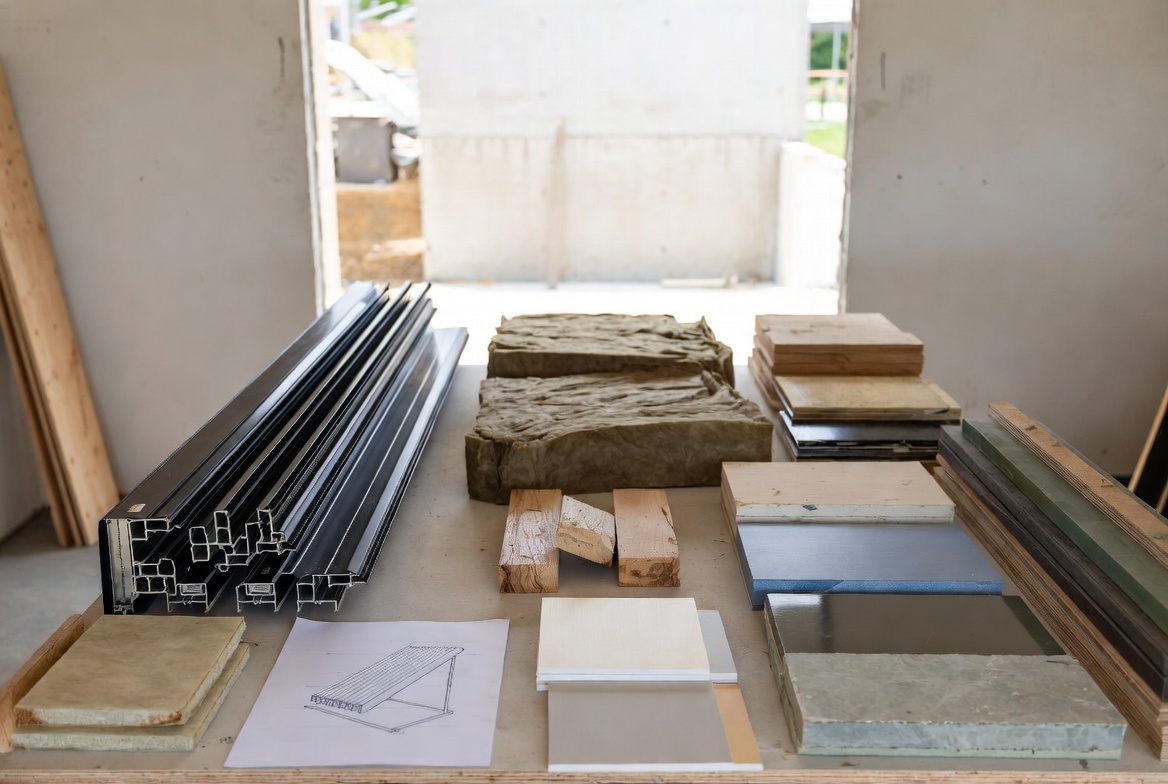
People often shop sustainable materials in the wrong order. They start with what they can see first. The decisions that matter most usually sit deeper in the assembly.
| Priority | Why It Matters Most | Better Long-Run Move | Common Hype Move |
|---|---|---|---|
| 1. Water and drying | Wet assemblies fail early no matter how green the brochure sounds | Drainage plane, flashing, rainscreen logic, climate-aware wall design | Eco finish on a wall that cannot dry |
| 2. Insulation and airtightness | This is where comfort and energy bills shift the most | Good insulation, reduced thermal bridging, controlled ventilation | Expensive cladding over a weak envelope |
| 3. Structural efficiency | Use less high-impact material before chasing miracle substitutes | Smarter framing, right-sized structure, less unnecessary concrete | Overbuilt heavy systems sold as forever solutions |
| 4. Indoor air quality | A tight house with dirty materials is not a healthy house | Low-emission finishes, compliant wood products, balanced ventilation | “Natural” materials with no attention to emissions |
| 5. Visible finish materials | Still important, just not the thing that should drive the whole house | Salvage, reuse, durable finishes where they earn their place | Spending the whole budget on surface character |
A Practical Assembly That Usually Beats the Trendier One
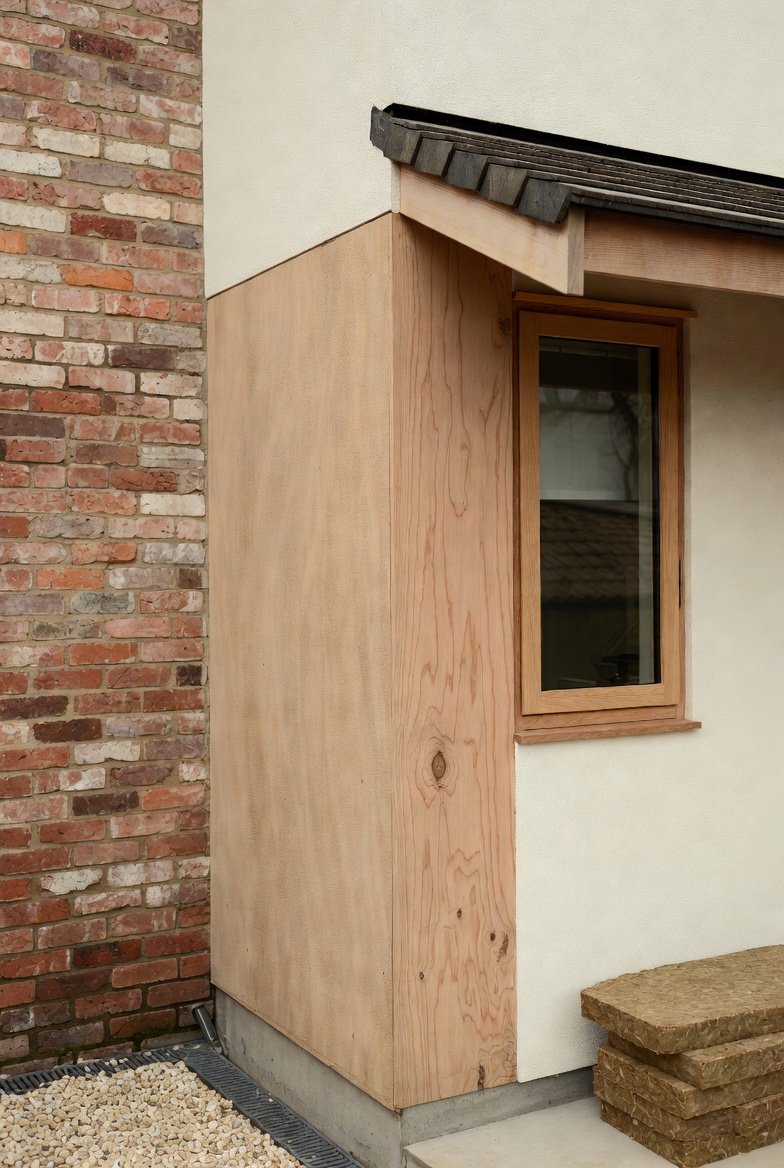
For a lot of houses, the smarter sustainability move is not a flashy wall system. It is a boring wall system done well.
Think efficient wood framing. Dense-pack cellulose or mineral wool in the cavity. Exterior continuous insulation where climate and dew-point control justify it. A clear air barrier. A drainage plane that is easy to read in the field. A rainscreen when the cladding and exposure want one. Siding chosen for the weather it has to survive, not the image board it looked good on. Low-emission finishes inside. Controlled ventilation so the house can stay tight without turning stale.
That wall does not sound exciting. It usually outperforms the exciting one.
It cuts energy demand. It handles moisture better. It is easier to repair later. And local crews are far more likely to build it correctly on the first try.
This Part Matters. The material logic behind that stack gets clearer once you break it apart into Sustainable Wood, Sustainable Insulation That Saves Energy and Cuts Costs, and Exterior Wall Sheathing: Thickness, Materials, and What Actually Works.
The Materials That Keep Earning Their Place
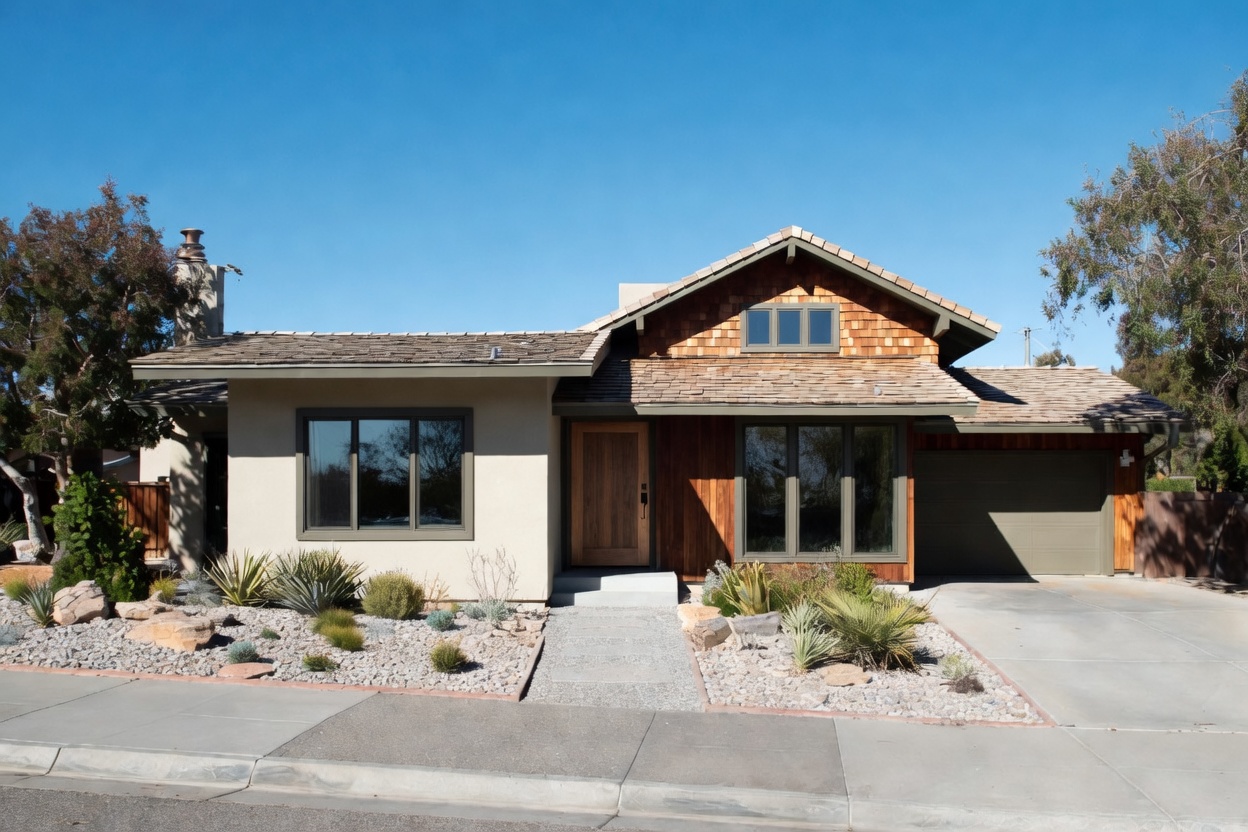
The sustainable materials that show up again and again in durable, lower-drama houses are not always the ones with the best branding.
| Material or System | Long-Run Verdict | Why It Keeps Earning a Place | What To Watch |
|---|---|---|---|
| Dense-pack cellulose or mineral wool | Strong default | Good thermal performance, broad availability, fewer gimmicks | Still needs solid air sealing and moisture-safe detailing |
| Advanced wood framing | Underrated | Uses less lumber, reduces waste, opens more room for insulation | Needs competent layout and framing discipline |
| Lower-carbon concrete strategies | Smart where concrete is unavoidable | Foundation and slab carbon can drop through mix design and material efficiency | Do not let “green concrete” distract from overpouring |
| Well-detailed wood cladding or fiber-cement siding | Climate-dependent winners | Both can last well when detailed for water, sun, and maintenance | Wrong climate choice erases the advantage quickly |
| Cool or reflective roofs | Useful in the right climate | Can reduce heat gain in hot, sunny regions | Not a universal answer in every cold-climate house |
| Panelized high-performance walls | Promising, crew-sensitive | Excellent airtightness and thermal continuity when installed well | Joint detailing and site execution matter a lot |
| Salvage and reuse | Excellent in the right places | Saves material, cuts waste, adds character without faking it | Best where labor and inconsistency are manageable |
| Exotic eco products sold as universal answers | Usually over-marketed | Some are useful, but many are still specialist products | Installer skill, code path, availability, and maintenance |
Insulation: The Boring Winners Are Still the Winners
If you care about energy-efficient materials for a house, insulation deserves more attention than trendier finish products do.
That is because insulation and air leakage shape the daily performance of the house. Comfort. Heating bills. Cooling bills. Condensation risk. Mechanical sizing. Noise. All of it.
Cellulose
Dense-pack cellulose remains one of the best-value choices in residential work. It uses recycled paper content, performs well when installed properly, and fits ordinary wood-framed construction without reinventing the whole house.
Mineral Wool
Mineral wool is one of the more practical insulation choices when you need fire resistance, moisture tolerance, and good thermal performance without a lot of drama. It works well in walls, roofs, and continuous exterior insulation strategies.
Wood Fiber and Other Natural Fiber Insulations
These are worth watching and can make sense in some projects, especially where vapor-open assemblies and lower-plastic material palettes matter. They are still less universal in North American residential work than cellulose and mineral wool.
Foam Has a Place, But Not Everywhere
High-performance foam products can solve hard detailing problems. They can also be oversold as the answer to every wall and roof. In practice, they are usually better used surgically than ideologically.
Related Reading. Sustainable Insulation That Saves Energy and Cuts Costs and Natural Insulation Materials are the better branch pages when you want to compare the trade-offs more closely.
Structure: Use Less First, Then Substitute Smarter
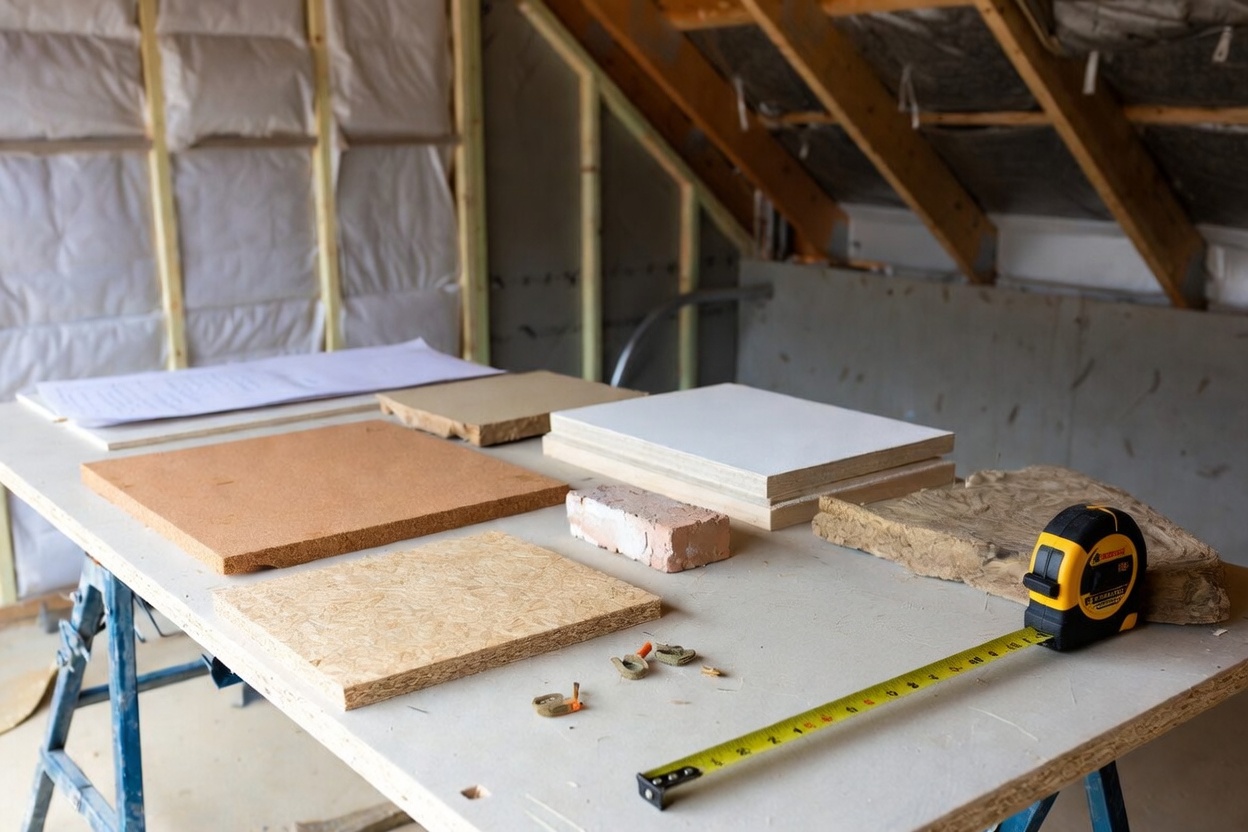
This is where a lot of sustainable-material advice gets upside down.
People jump straight to exotic substitutions before asking a simpler question: can the house use less material and still do the job well?
Advanced Framing
Advanced framing is not glamorous, but it is one of the more convincing long-run moves in wood-framed housing. It reduces lumber use and waste while creating more room for insulation. On many houses, that is a cleaner sustainability gain than chasing one boutique wall product.
Wood Framing
Sustainably sourced wood remains one of the strongest mainstream structural materials for homes because it is familiar, repairable, relatively light, and lower in embodied impact than many heavier alternatives. That does not make every wood product equally good. It does mean wood framing remains hard to beat for ordinary residential construction when it is detailed well.
Before you move on, Sustainable Wood is the better place to sort out sourcing, performance, and where wood still clearly beats heavier options.
Mass Timber
Mass timber deserves the attention it gets in larger buildings. For many ordinary detached houses, though, better framing, better insulation, and less concrete will move the needle sooner than turning a standard house into a structural showcase.
Foundations: Less Concrete Usually Beats Magical Concrete
Foundations are where “eco house materials” talk often gets vague fast.
Concrete is carbon-intensive. That part is straightforward. What gets skipped is the first move, which is using only as much concrete as the site and structure actually need.
For many houses, the smarter sequence looks like this:
- reduce unnecessary foundation volume
- avoid overbuilding the footing and slab
- use lower-carbon cement options where they are locally available and well supported
- make the foundation durable enough that it does not need early repair
That often does more than romanticizing a specialty foundation material local crews do not know and local officials do not love.
Read This Next. Sustainable Concrete Alternatives and Alternative Foundation Materials are the right next reads when the conversation moves past ordinary slabs and footings.
Siding: Durability First, Virtue Second
Sustainable exterior siding gets oversimplified all the time.
There is no single best eco-friendly house siding. The right answer changes with rain, sun, freeze-thaw, insects, wildfire exposure, salt air, maintenance tolerance, and whether you are building for resale or long-term use.
The blunt version is still the best one: the sustainable siding is the one that lasts well in your climate without demanding constant rescue work.
Wood Siding
Wood can be one of the strongest siding choices when it is well sourced, well detailed, and honestly maintained. It also punishes neglect.
Fiber-Cement
Fiber-cement earns its place in wet climates, fire-prone regions, and harder-use houses because it is durable and relatively low-drama in service. It does not win on every metric. Long life still matters.
Brick and Masonry Veneer
Brick lasts. It also carries more embodied impact and more assembly weight. That means it should be used because it makes sense for durability, architecture, or local context—not because it automatically sounds sustainable.
Good siding choices usually sit right beside good wall detailing. Exterior Wall Sheathing and Methods of Sustainable Construction are worth reading together once cladding starts affecting the whole wall.
Roofing: Climate Changes the Answer More Than Trend Does
Roofing is another place where energy-efficient materials get treated too generically.
In hot, sunny climates, reflective roofing and cool roofs can reduce heat gain and help lower cooling demand. In colder climates, that benefit shrinks and winter trade-offs matter more.
That does not make cool roofs hype. It just makes them climate tools instead of moral badges.
Metal roofing can be a strong long-run move when longevity, fire resistance, recyclability, and low maintenance matter. Asphalt shingles remain common because they are cheap and familiar, not because they are the long-run sustainability winner.
One More Thing. Roof performance is rarely just about the top layer. Roofing Materials List and Exterior Roof Sheathing help explain why the assembly matters as much as the finish.
Indoor Materials Matter More Than Many Green Lists Admit
A tighter house with dirty indoor materials is not a healthy house.
This is where sustainable materials need to include emissions, not just embodied carbon. Paints, adhesives, sealants, cabinets, subfloor panels, and composite wood products all shape indoor air quality.
Low-VOC paints and adhesives matter. So do compliant composite wood products and more careful choices around cabinetry and built-ins. That part gets overlooked whenever the conversation stays stuck on insulation and siding alone.
Just do not make the classic mistake: tightening the house carefully, then skipping mechanical ventilation. A healthier material palette works best with controlled air exchange, not wishful thinking.
What Still Feels Too Early for Most Houses
Some materials are promising. That is not the same as being the best choice for most houses right now.
Hemp and Hempcrete
Interesting. Worth tracking. Good fit for some projects. Still not the default answer for ordinary North American residential construction, especially where builder familiarity, schedule, cost, and local code comfort all matter.
Hemp Building Materials Explained and Hempcrete are better stand-alone reads if that is the branch you want to follow.
Ferrock and Other Carbon-Capture Stories
These are interesting research and specialty-market conversations. They are not yet the material base most houses will rely on. The temptation is to confuse an exciting material story with a mature residential supply chain.
Ferrock Concrete is worth reading in that spirit.
Recycled Plastic Bricks and Similar Products
Again: interesting, sometimes useful, often over-romanticized. Fire performance, creep, detailing, thermal movement, code acceptance, and connection logic matter more than the headline.
Recycled Plastic Bricks is a good example of where curiosity is useful but blind enthusiasm is not.
A Lower-Hype Material Stack That Makes Sense for Many Houses
If you forced this down to a practical shortlist for a lot of new houses, it would look something like this:
- efficient wood framing, often with some level of advanced framing
- dense-pack cellulose or mineral wool as the default insulation conversation
- airtightness taken seriously, followed by balanced ventilation
- lower-carbon concrete choices where concrete is unavoidable
- siding chosen for the climate, not for trend language
- roofing chosen for climate, durability, and maintenance tolerance
- low-emission interior materials
- reuse and salvage where visible value is high and detailing is manageable
That is not flashy. That is why it works.
Questions Worth Asking Before You Buy Any Green Material
- What problem is this material solving better than a standard assembly?
- What climate is it happiest in?
- What happens if it gets wet?
- How long is the service life, and what maintenance does it want?
- Is there a local crew that installs it well?
- Is it low-emission indoors?
- Is the embodied carbon data transparent, or just marketing copy?
- Can it be repaired in 10 or 20 years without ripping half the assembly apart?
Those questions will save more money than another trend roundup ever will.
FAQ
What are the most sustainable house materials for long-run performance?
Usually the materials that reduce energy use, handle moisture well, last a long time, and do not make indoor air worse. That often means better insulation, better framing efficiency, lower-carbon concrete strategies, durable siding for the local climate, and lower-emission interior materials.
What is the best eco-friendly insulation for homes?
There is no single universal winner, but cellulose and mineral wool are two of the strongest mainstream choices because they combine availability, strong performance, and fewer gimmicks. Wood fiber and other natural insulation products can also make sense in the right assemblies.
Are natural house building materials always better?
No. Natural does not automatically mean durable, low-emission, affordable, or climate-appropriate. Moisture safety and long-run maintenance still decide a lot.
Is reclaimed material always the greener choice?
Not always, but often in the right places. Reuse and salvage can be excellent for visible finish materials and selected structural or architectural elements. The labor and inconsistency still need to make sense for the project.
What matters more: embodied carbon or energy efficiency?
Both matter. For most ordinary houses, the smarter move is not to pick one and ignore the other. Start with a durable, efficient envelope, then reduce embodied carbon where practical through material efficiency, lower-carbon substitutions, and reuse.
What is the biggest mistake people make with eco house materials?
Letting the material story outrun the building science. A house that stays wet, leaks air, or traps pollutants is not saved by a pretty sustainability label.
Bottom Line
The most sustainable materials for a house are rarely the loudest ones.
They are the ones that keep the house dry, cut energy demand, last a long time, avoid unnecessary replacement, and do not make indoor air worse. They are the ones local crews can build well. They are the ones that still make sense after the trend cycle moves on.
So yes—pay attention to natural materials, renewable products, lower-carbon concrete, greener insulation, and salvage. Just do it in the right order.
Start with the envelope. Respect moisture. Reduce material waste before chasing miracle substitutes. Buy durability where the house will punish weakness. Then let the more experimental ideas earn their place instead of assuming they already have.
Official Sources
U.S. Department of Energy: Insulation Materials
U.S. Department of Energy: Where to Insulate a Home
U.S. Department of Energy: Air Sealing Your Home
U.S. Department of Energy: Whole-House Ventilation
U.S. Department of Energy: Advanced House Framing
U.S. Department of Energy: Cool Roofs
U.S. EPA: VOCs and Indoor Air Quality
U.S. EPA: Formaldehyde Emission Standards for Composite Wood Products
U.S. Forest Service: Wood Innovations and Mass Timber
U.S. Forest Service: Wood as a Sustainable Building Material