

Why Consider Alternatives to Traditional Concrete?
Concrete has been the default for more than a century. Cheap, strong, reliable. But cement—the binder inside it—accounts for nearly 8% of global CO₂ emissions. On site, concrete cracks, traps heat, and is expensive to maintain once it fails. Builders, designers, and clients are now asking for options that cut carbon, last longer, and often save budget in the long run.
This is not theory. You can already specify and order tested materials that change the math. Hempcrete, geopolymer, Ferrock, recycled blocks, and more. Each comes with trade-offs such as cost, sourcing, maintenance that need to be clear before you commit. This field guide breaks them down.
Why Rethink Traditional Concrete?
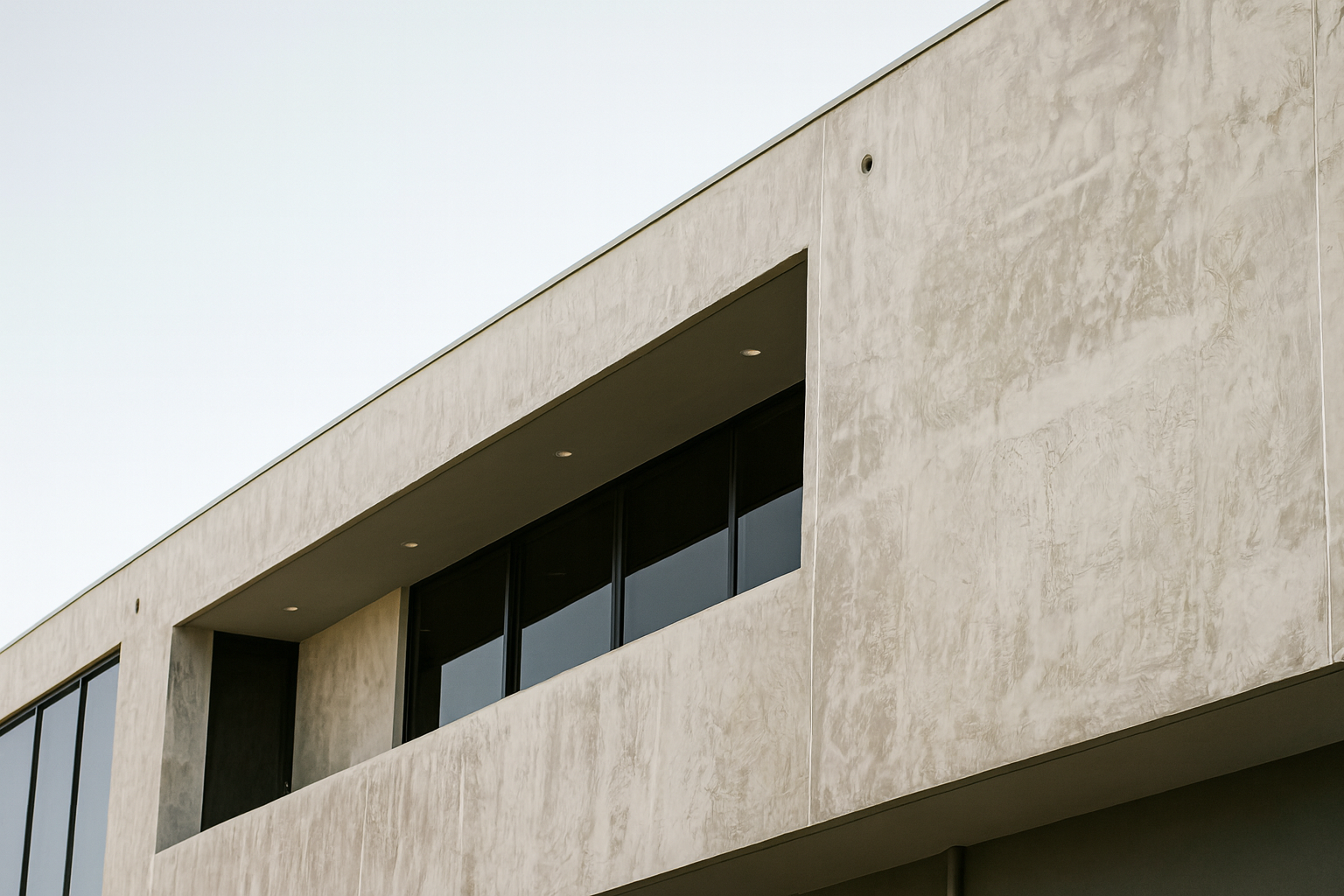
Concrete works. But its environmental cost is heavy—especially cement kilns that run at 1,400°C and burn through fossil fuel. Every cubic yard poured adds up. If you’ve been on a job site in summer, you’ve also seen how much heat a slab radiates. Urban heat islands aren’t an abstract problem—they’re sidewalks you can’t walk on barefoot. That’s why the shift is happening fast.
Why It’s Time to Rethink Traditional Concrete
High carbon footprint. Cement is energy-intensive and dirty to make.
Heat absorption. Concrete surfaces push indoor and outdoor temperatures up.
Durability limits. Cracking, freeze-thaw cycles, spalling, and expensive repairs are common.
The better question is not “Why change?” but “Which option makes sense for this site, budget, and client?”
Low-Carbon Cement Substitutes
Cement is the most damaging ingredient in traditional concrete. Cut or replace it, and you lower emissions right away. Three front-runners are already proving themselves in homes, infrastructure, and research builds.
Hempcrete
Hemp fibers mixed with lime. Breathable, lightweight, and carbon-negative. Hemp absorbs CO₂ as it grows, and the lime binder keeps locking it in. Great for walls, insulation, and small residential builds.
Best use: Passive houses, warm climates, garden studios.
FIELD PICK: Hempcrete Blocks – Pre-cast blocks that speed up site work and deliver real insulation.
Geopolymer Concrete
Made with fly ash or blast furnace slag—industrial waste that otherwise sits in landfills. Geopolymers resist fire, chemicals, and salt water far better than standard mixes.
Best use: Infrastructure, bridges, coastal builds, industrial floors.
Ferrock
Made from recycled steel dust. Absorbs CO₂ as it cures. Stronger than Portland concrete once set. Still scaling up, but already used in slabs and flooring.
Best use: Driveways, patios, workshops, heavy-use commercial flooring.
WORKBENCH PICK: The Sustainable Use of Concrete – Technical reference if you need specs to back these calls.
Innovations and Next-Gen Materials
Most of the alternatives above are proven on site. But research and pilot projects keep pushing new options. These aren’t yet common in daily builds, but they point to where concrete is heading.
Self-Healing Cement
Mixed with capsules or bacteria that seal cracks when water seeps in. Cuts long-term maintenance and extends service life. Still limited to pilot projects and academic work, but promising for bridges and infrastructure.
Biodegradable Cement
Formulated to break down over time without toxic waste. Useful for temporary builds, disaster relief, or structures planned for replacement. Early stage, not yet mainstream.
Recycled Plastic Concrete
Plastic waste is shredded and used in the mix. Reduces landfill, lightens the product, and improves insulation. Strength limits keep it for non-structural walls and panels for now.
Woodcrete
Wood fibers bonded with cement. Lighter, insulating, and better acoustics than standard block. Works in walls, floors, and roofs. Already used in Europe but less common in North America.
Energy-Harvesting Concrete
Uses piezoelectric additives to generate electricity under pressure. Imagine a road surface that powers lights as cars drive. Still in labs, but a glimpse of future infrastructure.
Budget-Friendly Alternatives to Concrete
Not every project needs a full pour. Sometimes clients just want durable, fast, and cheap. These materials hit those marks without hauling in 30 cubic meters of mix.
Gravel. Still the king of low cost. Perfect for paths, drives, and patios. Drainage is built-in. Minimal maintenance beyond the odd rake.
Recycled Rubber Pavers. Made from old tires. Soft underfoot, slip-resistant, and easy to install. Best use: gyms, play areas, and outdoor patios.
Compressed Earth Blocks (CEBs). Soil mixed with a stabilizer, pressed under force. Stronger than it looks. In many eco-builds, CEBs replace thousands of dollars of block and insulation.
FIELD PICK: Compressed Earth Block Press Handbook – Practical manual for builders going off-grid or low-carbon.
Eco-Friendly Hollow Block Options
Standard hollow concrete blocks carry the same cement problem. These substitutes keep the function but cut the carbon.
Timbercrete. Cement blended with sawdust. Lighter, easier to cut, and offers thermal insulation.
Ashcrete. Fly ash replaces cement content. Cuts emissions and adds strength for wall and foundation use.
Mycelium Blocks. Bio-grown using fungi and ag waste. Fully compostable and innovative. Great for temporary structures and experimental projects.
Substitutes for Other Concrete Applications
Concrete shows up everywhere. Driveways, footings, slabs, even curing blankets. You do not always need a truckload of Portland mix to get performance. These are the swaps that have worked on real jobs.
Driveways
- Gravel. Cheapest and fastest to install. Scrape, compact, spread. Drainage is instant. Maintenance is just raking and top up every few years.
- Grasscrete. A concrete grid with open pockets where grass grows through. Cuts heat, soaks up stormwater, and can be mowed like lawn. Works for clients who need a “green driveway” to pass local codes.
- Permeable pavers. Interlocking blocks that let water pass between joints. Perfect for sites with stormwater restrictions or when you are aiming for LEED points.
WORKBENCH PICK: Permeable Pavement Design Manual. Clear enough for contractors and useful when you have to document for city review.
Foundations
- Rammed earth. Soil compacted in lifts. Heavy thermal mass. Needs tight formwork and sometimes stabilizers. I have seen it replace concrete footings in dry regions and hold up well.
- Stabilized soil. Local soil blended with lime or a small amount of cement. Cheaper than a full pour. Field proven in places like Africa and South Asia and slowly moving into small North American builds.
FIELD PICK: Rammed Earth Construction Guide. Good reference for soil prep and compaction specs.
Concrete blankets
- Insulated covers made from composite or recycled fibers. They keep pours alive through cold nights and protect slabs when heaters are not practical. I have used them on winter sites where a full tent was impossible.
Best use: curing slabs in cold weather and protecting footings from frost.
WORKBENCH PICK: Insulated Concrete Curing Blanket. The standard gear most contractors carry for winter pours.
Costs and Lessons from Real Jobs
Specs look neat in a table. On site the bills and failures decide if it was worth it. These are numbers and outcomes from projects I have been part of.
- Living walls that bleed money. A client wanted a twelve foot green wall. Install quote was five thousand. Maintenance came in at twelve thousand a year. We cut it. Budget went into bigger operable windows and trees outside. Staff were happier. Energy bills dropped.
- Rammed earth wall on budget. Forty thousand went into soil prep and compaction. Saved sixty thousand in block and finish. Five years later it is load bearing, stable, and needs no repaint or patching.
- Ferrock slab. Upfront cost was about twenty percent higher than a normal mix. It absorbed CO₂ while curing and after five winters it has fewer cracks than the old slab next to it. Worth the trial.
- Permeable driveway. Installed for ninety five hundred Canadian. Asphalt would have been seventy eight hundred. The difference came back in lower stormwater fees and a resale premium. Long game win.
What to Use and When
There is no single material that can replace concrete everywhere. The choice depends on the site, the budget, and the goals.
If the budget is tight, gravel, compressed earth blocks, and recycled rubber pavers usually carry the job without adding unnecessary cost. When the priority is cutting carbon, hempcrete, Ferrock, and geopolymers are the serious options. If raw strength is the concern, Ferrock and geopolymers hold their ground. For insulation, timbercrete and hempcrete outperform cheap block. And if the aim is testing innovation, mycelium blocks and ashcrete are the ones people are experimenting with.
On site, the patterns are clear. Hempcrete and mycelium show up as the most sustainable. Ferrock and geopolymers remain the most durable. Gravel, rubber pavers, and earth blocks win the budget game. Timbercrete and hempcrete handle insulation better than most. Ferrock and mycelium stand out as the most innovative.
Concrete is not going away. The smarter move is to keep it in the places where its unmatched strength still matters and replace it everywhere else we’ve been pouring it by habit. That shift saves money, lowers carbon, and leaves us with better buildings to live and work in.
Closing Notes: Picking What Actually Works

Concrete is not gone. It is still strong, cheap, and trusted. But the field has moved. You now have mixes and substitutes that can do the same work with lower carbon and sometimes better performance. The real call is knowing when to stick with standard concrete and when to move to a smarter option.
If you are working small and want breathable walls, Hempcrete is the cleanest pick. For strength and fire resistance, Geopolymer Concrete carries the load. If durability and carbon capture matter, Ferrock makes sense. On the budget side, gravel and Compressed Earth Blocks keep costs down without cutting corners, while Timbercrete and Ashcrete are still gaining ground for insulation.
Field lessons keep it blunt. Hempcrete walls perform well in mild climates but need cover in wet zones. Ferrock slabs survive forklifts without spalling. Geopolymer pours better in hot weather than in freezing conditions. Gravel still rules for cheap driveways. Rubber pavers go soft underfoot but fade in sun. Mycelium blocks excite clients but remain experimental, better for temporary or show projects than permanent walls.
Clients always ask for clarity. Here’s the pattern that holds: hempcrete and mycelium win on sustainability, Ferrock and geopolymer win on durability, gravel and earth blocks win on budget, Timbercrete and hempcrete handle insulation, and Ferrock with mycelium still lead innovation. None of this is theory—it’s what survived after bills came due and clients lived in the space.
Most failures trace back to chasing spectacle or skipping upkeep. A green wall that bleeds twelve thousand a year in maintenance is not sustainable. A permeable driveway that costs more up front but pays back in stormwater savings and resale value is. Small planning choices become big costs or big wins later.
Concrete will stay in the mix. The smarter move is to keep it where its unmatched strength matters and replace it everywhere else we’ve been pouring it out of habit. That shift saves money, cuts carbon, and gives better buildings to live and work in. The future is not magic materials—it is better calls on site.
Recommended
The Sustainable Use of Concrete by Koji Sakai and Takafumi Noguchi. Clear look at how to cut the footprint without losing performance.
Hempcrete Blocks. Pre-formed blocks that work for small builds. Fast to lay and easy to test in practice.
FAQ
-
Are concrete alternatives as strong as standard concrete?
-
Geopolymer and Ferrock often test stronger than Portland cement mixes. Hempcrete and Timbercrete are lighter and best for non-structural walls.
-
Which option is cheapest?
-
Gravel and compressed earth blocks cost less than most pours. Rubber pavers can be cheap upfront but need replacement faster.
-
Can I use these in cold climates?
-
Geopolymer can handle freeze–thaw with the right mix. Hempcrete needs protection from water. Ferrock is stable once cured.
-
Do they meet code?
-
Some do, some still face testing hurdles. Always check local standards. Hempcrete often passes as insulation, not structure. Geopolymer is getting approvals faster now.
-
Which is best for DIY?
-
Gravel and rubber pavers for quick paths. Hempcrete blocks for small sheds. Ferrock and geopolymer need proper mixing and skill.