
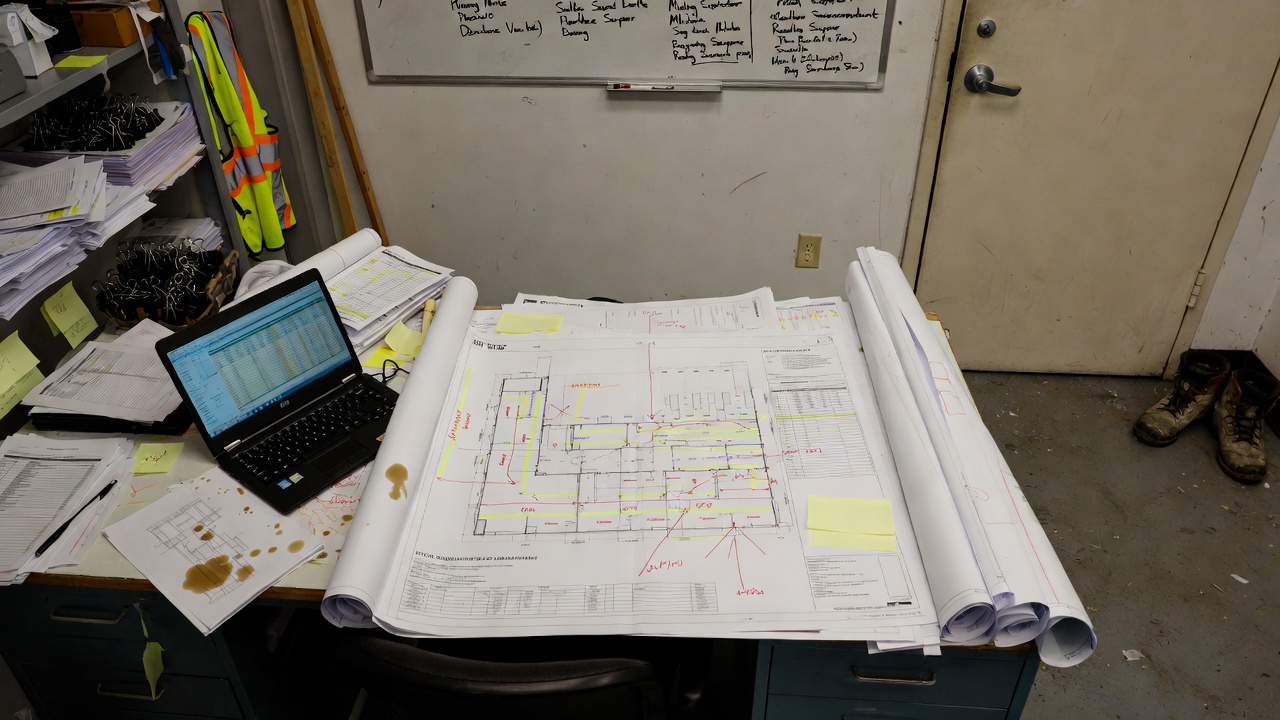
Preconstruction planning is where the project still has room to correct itself.
Once work starts, small misses get expensive fast. A scope gap becomes a change. A loose schedule turns into stacked trades and overtime. A material decision left floating too long becomes a lead-time problem. A site access issue that looked manageable on a plan becomes a daily labor drag.
The job here is straightforward: get scope, budget, schedule, procurement, site logistics, and team decisions aligned before the field has to absorb the confusion.
If you want the broader lead-in first, project development is the right companion page. This article stays with the planning phase between design intent and construction execution.
What Preconstruction Planning Covers
Preconstruction planning is the contractor-side and team-side work that happens before full construction starts.
On a typical building job, that includes:
- scope review
- budget alignment
- schedule development
- procurement strategy
- trade packaging and bid planning
- site logistics
- constructability review
- permit and submittal planning
- risk tracking
- handoff into operations
Some firms split that work across estimating, preconstruction, operations, and executive leadership. Some keep most of it under one precon lead. The org chart changes. The work does not.
What This Phase Is Trying to Prevent
Preconstruction planning is there to keep the project from discovering obvious problems too late.
That includes scope gaps between trades, budget drift during design, long-lead materials missed too long, poor site access, weak phasing, underpriced temporary work, slow owner decisions, and field teams inheriting a job that only looked coordinated because nobody forced the hard questions early.
That is also where early builder involvement pays off. Pricing, logistics, schedule logic, and document review are all cheaper to adjust in precon than after mobilization.
The First Job: Lock the Scope Before You Chase the Number
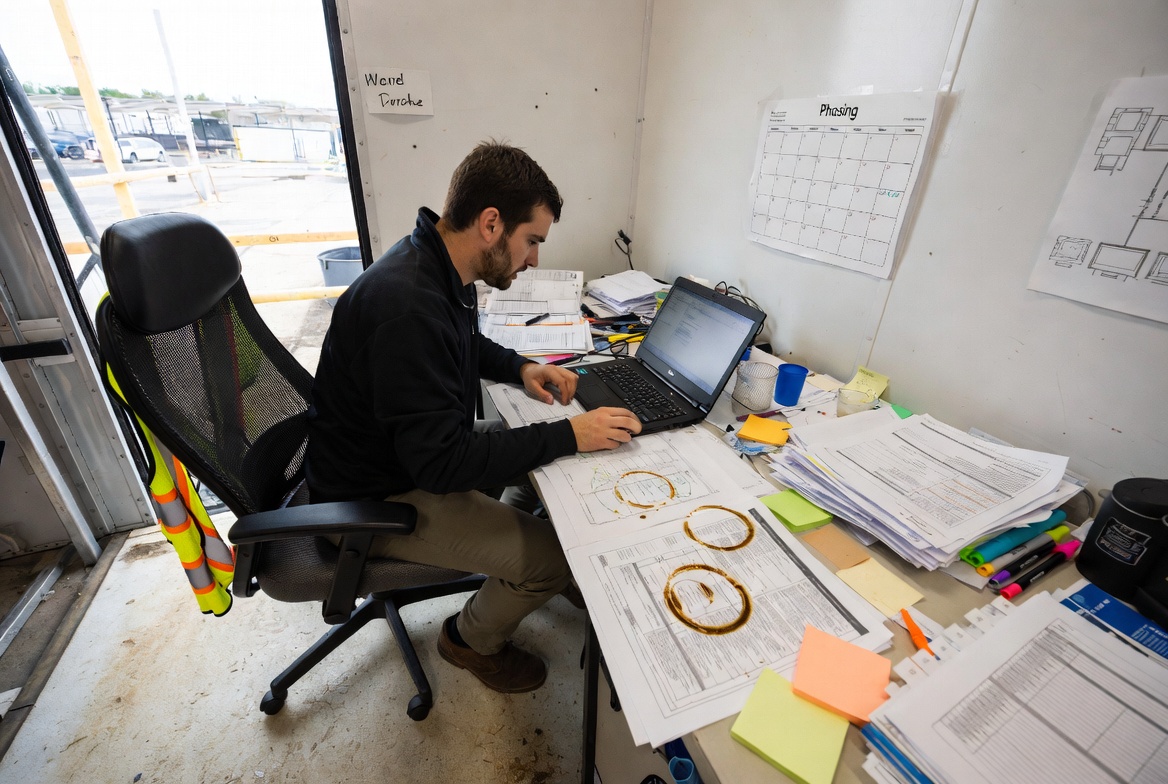
Budgeting early is normal. Budgeting without scope discipline is where the trouble starts.
A preconstruction plan has to answer what is in, what is out, what is still unresolved, and what is being carried as an allowance or alternate. Without that, the estimate is just a placeholder with better formatting.
This is where trade boundaries need blunt review. Blocking, penetrations, temporary protection, testing, patching, delegated design, startup, utility fees, permit support, cleanup, winter conditions, and temporary works all have a way of floating into someone else’s number unless the team writes them down clearly.
If the cost side still feels loose, read cost planning before the budget starts pretending to be settled.
Then Build the Schedule Like a Construction Tool
A preconstruction schedule should do more than hit a target completion date.
It needs to reflect how the job will be built: permitting, design releases, procurement milestones, trade sequence, inspections, temporary works, utility coordination, owner decisions, and the site constraints that affect access and labor.
Weak schedules often look complete because they have dates. Strong schedules show logic. They show what has to happen first, what can overlap, what cannot, and what breaks if one package slips.
That matters because schedule trouble becomes cost trouble quickly. Lost sequence turns into stacked trades, extended general conditions, overtime, equipment conflicts, and labor inefficiency. If you want the schedule side in more depth, planning and scheduling is the next useful page.
Site Planning Starts Earlier Than Many Teams Think
Site logistics should not wait for mobilization.
Access roads, crane locations, deliveries, laydown space, temporary power, fencing, hoisting paths, worker parking, occupied-building constraints, weather exposure, drainage, and soil conditions all belong in preconstruction planning.
This is one of the easier places to lose money quietly. A site that looked serviceable on the plan set can become a labor drag every day if the team did not think through access, storage, sequencing, and equipment movement before work started.
On ground-up work, that usually overlaps with site prep and groundwork and with soils and site investigation. If the site is weak, wet, tight, sloped, occupied, or partially constrained, the planning phase needs to behave like that is true.
Procurement Is Part of Planning, Not a Separate Emergency
Long-lead items, bidder coverage, scope letters, alternates, substitutions, and release dates belong in the preconstruction plan.
A lot of procurement mistakes do not look serious at first. A curtain wall package goes out one week later than it should. Switchgear is assumed available on standard lead times. Structural steel pricing is carried from a market check instead of live trade coverage. Substitutions are discussed casually but never documented as a procurement path with dates, approvals, and fallback options.
Then the project starts, and the team is making expensive schedule decisions to recover procurement time it never protected in the first place.
The bidding side matters too. Construction bid process and construction tendering strategy both sit inside strong precon work, not outside it.
Contingency Needs a Job
Early in a project, cost uncertainty is wide. As design decisions get made and risks are reduced, that range tightens.
That is why contingency matters most at the beginning and should be released carefully as specific uncertainties are resolved. A good preconstruction plan does not just carry contingency. It explains what that money is protecting against and what needs to happen before part of it can be released.
Without that discipline, contingency turns into a soft place to hide underbought scope, late decisions, and design drift.
Submittals, Safety, and Quality Need Early Structure
The planning phase should not stop at budget and schedule.
Before the job starts moving, the team should know which submittals are critical path, which materials need early approval, which inspections can stop work if they are missed, and which safety conditions affect sequence, access, or temporary works.
That includes ordinary items people push too late: equipment cut sheets, delegated shop drawings, temporary shoring plans, traffic control requirements, test reports, mockups, and early code or permit reviews that can hold release packages.
If that side of the process is loose, quality management and inspection process are not later-phase topics. They belong in precon.
Who Needs to Be in the Room
The short answer is more than estimating.
Strong preconstruction planning usually needs input from estimating, operations, field leadership, procurement, the design team, key trade partners, and the owner-side decision-makers who can settle scope and timing issues before they drift.
The field piece matters more than many teams admit. If the superintendent or operations PM has not had a serious look at sequence, access, labor assumptions, temporary works, and site logistics, the planning phase is missing the part that has to build it.
This is also where projects either get faster or get noisier. The right people in the room early usually means fewer heroic fixes later.
What Good Deliverables Look Like
A solid preconstruction phase should leave behind more than meeting notes and a budget recap.
Useful outputs usually include:
- a control budget tied to scope and assumptions
- a schedule with milestone logic, release dates, and procurement timing
- a bid and buyout plan
- a site logistics outline
- a risk register or issue log
- a list of unresolved design decisions with deadlines
- a preconstruction checklist for turnover into operations
On a better-run job, those are not generic PDFs. They are working documents with names, dates, and decisions attached to them.
Worth Knowing. If you want that phase-by-phase view, preconstruction checklist works well alongside this article.
Where Preconstruction Planning Usually Goes Sideways
Most failures are familiar.
The schedule gets built too early and never rebuilt honestly. The dates survive. The logic does not.
The budget is treated like certainty before the drawings deserve it. That usually means allowances are doing too much work.
Operations comes in late. The project may be estimated cleanly but still be awkward to build.
Long-lead materials are discussed but not truly released. Everyone assumes someone else is pushing the package.
Trade scope gaps stay fuzzy. Those almost always return during buyout or field coordination.
Owner decisions do not get deadline pressure. Then the team keeps moving while key selections are still floating.
The Handoff Matters More Than the Meetings
A good preconstruction phase ends with a clean transfer into project execution.
That means the operations team inherits a job with clear budget logic, documented assumptions, known risks, procurement priorities, and unresolved issues called out plainly instead of buried in old meeting minutes.
If that handoff is weak, the project manager and superintendent start by reverse-engineering decisions that should already be settled.
This is where project management workflow becomes more than an organizational chart. It becomes risk transfer.
FAQ
What is preconstruction planning?
It is the planning phase before construction starts where the team aligns scope, budget, schedule, procurement, logistics, risk, and responsibilities so the field is not solving preventable problems later.
What is included in a preconstruction plan?
Usually scope review, budget alignment, schedule logic, bidder strategy, procurement timing, site logistics, risk tracking, early submittal planning, and handoff into operations.
Who leads preconstruction planning?
It varies by firm. It may be led by a preconstruction manager, estimator, project executive, or contractor-side PM, but stronger plans still pull in operations, field input, design input, and owner decisions early.
Why does preconstruction planning matter so much?
Because many of the most expensive project problems begin as cheap planning misses: scope gaps, late procurement, weak sequencing, unclear site logistics, and owner decisions that drift too long.
Is preconstruction planning the same as estimating?
No. Estimating is a major part of it, but preconstruction planning is broader. It also covers schedule, logistics, procurement, risk, quality planning, and turnover into operations.
What To Do Next
Preconstruction planning is where the project gets honest about what it costs, how it will be built, what still is not resolved, and which risks can still be handled cheaply.
Done well, it makes the job feel calmer later because the hard questions were asked at the right time. Done badly, it delays confusion until labor, schedule, and procurement are all expensive at once.
- Preconstruction planning is the right next read if the real problem is not the tender itself, but how the project is being packaged before procurement starts.
- Construction project development helps if you want the bigger sequence around feasibility, design maturity, procurement route, and contract formation.
- Construction planning and scheduling matters once the bid phase starts colliding with milestones, release dates, and how the work will actually be sequenced after award.