
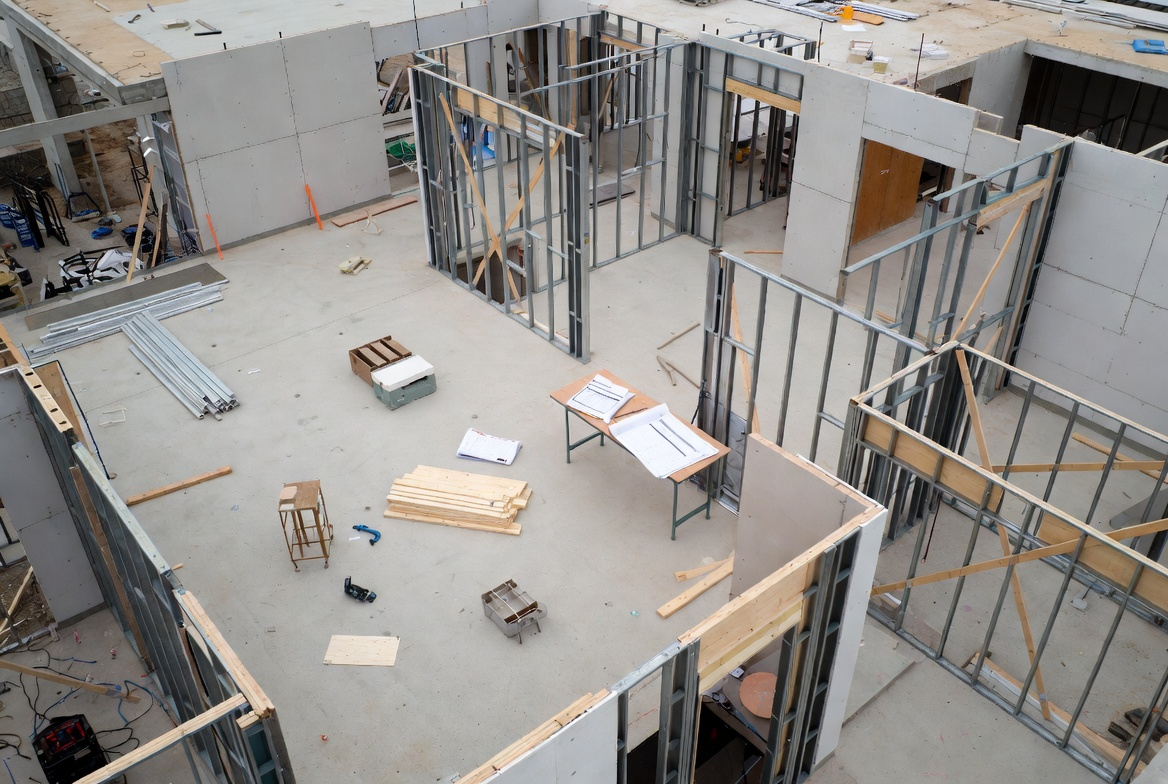
Read enough punch lists, contractor threads, and homeowner complaints and the pattern gets old fast. The paint usually is not the real problem. The pretty tile usually is not either. It is the hidden layer nobody checked when it was still open.
Wrong flashing. Bad slope. Waterproofing covered too early. The right product installed the wrong way. A submittal approved too quickly. A wall closed before anyone bothered to look hard at what was inside it.
That is construction quality management in plain English. Catch the miss before it gets buried.
Good jobs do this quietly. Bad jobs wait until the final walk and act surprised that the expensive finishes are sitting on top of cheap mistakes.
If you want the wider management picture first, start with construction project management workflow, preconstruction planning, and planning and scheduling. This page stays on the quality layer itself: how it works, where it starts, what it actually controls, and why projects drift when nobody owns it properly.
On This Page
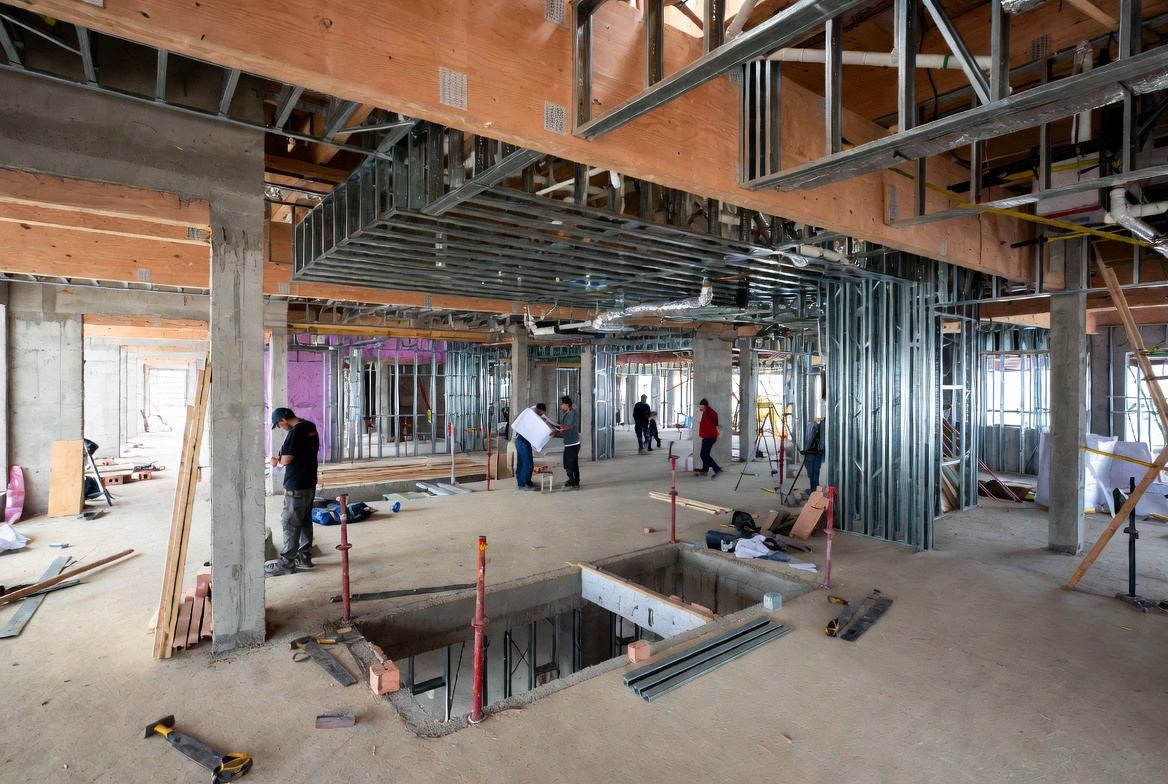
- what construction quality management actually includes
- how quality control and quality assurance differ
- why quality starts before field work begins
- how submittals, mockups, testing, and inspections fit together
- where projects usually fall out of spec
- what to check every week if you want fewer late surprises
Most Teams Start Looking Too Late
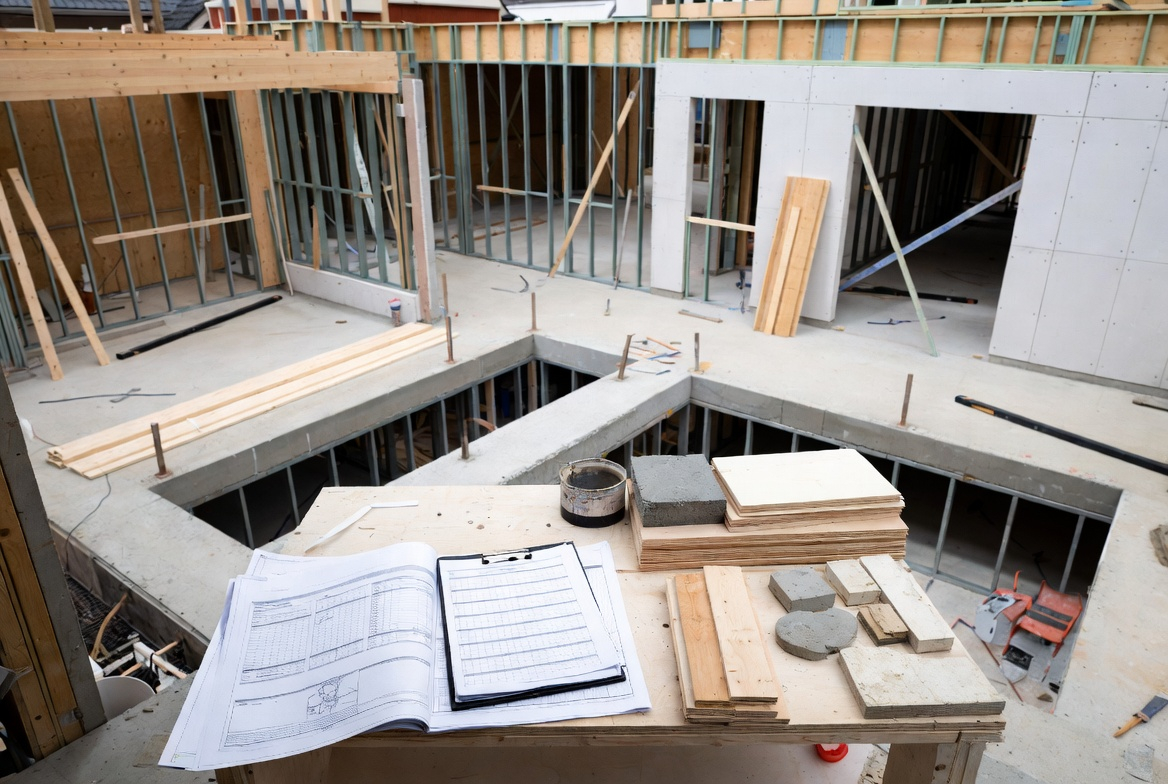
A lot of teams treat quality like something you verify near the end.
Too late.
By then the cheap-fix window is gone. Drywall is up. Tile is set. Roofing is buried. Equipment is live. Whatever should have been corrected three weeks ago now costs real money.
Quality starts earlier, when the work is still mostly decisions. Scope. Tolerances. Submittals. Sequencing. Testing. Hold points. Who checks what, and when. That is why this topic sits right beside construction document set parts, blueprints basics, and standards library, not just beside the punch list.
What This Job Is Really Doing
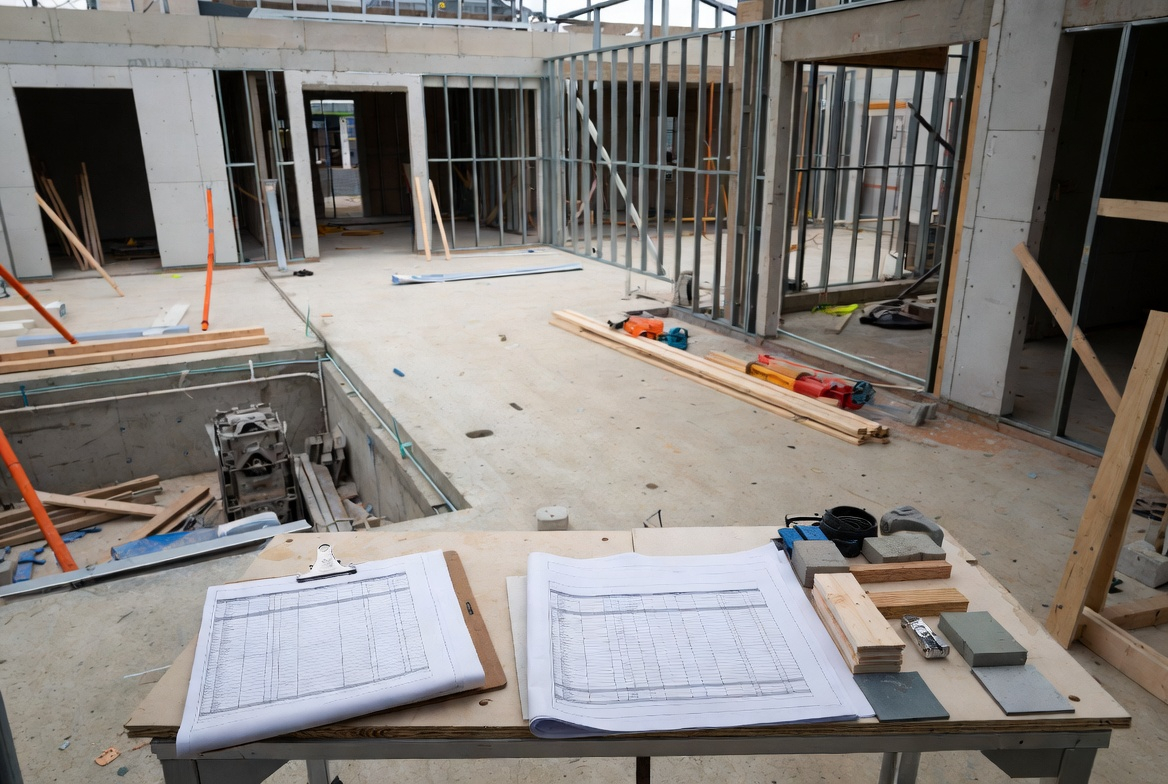
In practice, construction quality management is the system that keeps the finished work aligned with the contract requirements.
Not just the drawings. Not just what somebody remembers from the kickoff meeting. The actual contract requirements: drawings, specifications, approved submittals, testing requirements, mockups, tolerances, and performance expectations.
That usually includes:
- reviewing drawings and specs for quality risk before work starts
- checking submittals, samples, and product data before materials get installed
- setting inspection and testing points before the work is covered
- verifying layout, substrate readiness, and tolerances in the field
- documenting deficiencies and confirming they were actually fixed
- carrying testing, commissioning, and closeout checks through turnover
| Phase | What gets controlled | What usually goes wrong if it is weak |
|---|---|---|
| preconstruction | spec review, submittal planning, testing requirements, responsibilities, hold points | scope gaps, wrong products ordered, weak coordination, vague acceptance standards |
| early field work | layout, substrate readiness, tolerances, sequencing, preparatory checks | misalignment, buried defects, repeated mistakes, rework |
| active construction | follow-up inspections, testing, mockups, documentation, corrective action | defects spread across large areas, failed inspections, substitution drift |
| closeout and turnover | deficiency tracking, commissioning, manuals, training, final verification | rough turnover, missing paperwork, systems that look done but do not perform |
QC and QA Are Not the Same Thing
These two get mashed together all the time, and honestly, that is where some jobs start getting sloppy.
Quality control is the contractor-side system for controlling the work. That means submittals, inspections, testing, documentation, and correction.
Quality assurance is the owner, architect, engineer, construction manager, or agency-side verification that the QC system is doing what it is supposed to do and that the finished work meets the contract.
Simple version:
- QC controls the work.
- QA checks that the control system is real and the final result holds up.
When that line gets blurry, the usual argument starts. The contractor thinks the inspector is running the job. The owner thinks an occasional site walk replaces an actual QC process. It does not.
Before the First Crew Shows Up, a Lot Is Already Decided
A lot of spec failures are already baked in before anyone unloads material.
The preconstruction side usually includes:
- identifying definable features of work
- mapping required submittals and approval timing
- identifying mockups, samples, and tests
- assigning quality responsibilities across trades
- checking coordination between drawings, specs, and product requirements
- setting inspection rhythm and hold points
This is where good teams catch the quiet problems. Missing blocking. Incompatible membranes. Wrong fasteners. Bad transitions. Unrealistic sequence. Test scopes nobody budgeted time for.
It also ties straight into project data basics and cost control. Weak quality management becomes a money problem fast.
Three Checks Save You From Repeating the Same Mistake All Over the Job
On real projects, quality usually holds up when the team stops thinking about one final inspection and starts thinking about repeated checks.
Preparatory Check
Before the work starts, review the drawings, specs, approved submittals, materials, tools, tolerances, tests, and site conditions. Make sure the area is actually ready.
Initial Check
Once the first section starts, inspect it closely. This is where you catch the bad install habit before it repeats all the way down the building.
Follow-Up Check
Keep checking while the work continues. A lot of projects do one decent first-day review, then nobody comes back until the finish is already on.
That is how the same mistake shows up forty times.
Submittals and Mockups Save More Jobs Than People Admit
A submittal is not just paperwork. It is where the project decides what is actually going into the building.
Wrong product data. Missing accessories. Incompatible sealants. Performance criteria that do not match the spec. Those problems usually show up here first, if anyone is actually looking.
Samples and mockups do the same kind of work. They turn abstract requirements into something the team can judge before the full installation starts.
This matters most on:
- cladding and waterproofing assemblies
- windows and doors
- roofing edges and transitions
- concrete finishes and tolerances
- tile, millwork, and finish packages
- specialty systems with multiple manufacturers involved
If submittals get waved through and mockups get treated like decoration, the field ends up solving the problem at full scale.
Inspections Matter, but They Are Not the Whole System
Inspections matter. They just do not replace quality management.
A failed inspection can expose a problem. It does not magically build the system that should have prevented the problem in the first place.
That is why the field loop has to stay tighter:
- inspect before the work is concealed
- inspect at hold points, not just at the end
- tie site observations back to the spec and approved submittals
- document corrections clearly
- verify the correction, not just the promise
Keep construction inspection process beside this page. Inspections work better when the quality system around them is already defined.
Some Failures Look Fine Right Up Until They Do Not
Construction quality is not only visual.
Some of the ugliest failures come from systems that looked finished but never performed properly. Air leakage. Water intrusion. Controls that do not talk to each other. Equipment that starts up but does not run the way the owner was promised.
That is where testing and commissioning come in.
Good teams plan for:
- materials testing where the spec requires it
- field testing tied to definable work
- startup verification
- functional performance testing
- issues logs and deficiency tracking
- training and turnover documentation
For the envelope and systems side, use building envelope commissioning checks with this topic. If performance cannot be shown, the argument usually comes back later.
Where Jobs Drift Out of Spec
Construction quality management usually breaks down in familiar ways:
- specs copied in without real review
- submittals approved too fast
- tolerances ignored until finish work starts failing
- no mockup for a high-risk assembly
- inspections timed after the work is already covered
- substitutions made without checking system compatibility
- trade sequencing that damages completed work
- punch lists treated like the first serious quality review
The common thread is simple. Nobody owned the checks early enough.
What to Look at on a Weekly Quality Walk
- which definable features of work are starting next
- whether submittals, samples, and approvals are actually in place
- what hidden work is about to disappear behind finishes
- which deficiencies are still open
- whether testing and inspection dates are lined up
- whether delivered materials match approved submittals
- whether field changes or substitutions have drifted away from the contract
- whether the quality log is current and useful, not just full
The Part That Gets Missed
Quality management is not mainly about catching bad work.
It is about making less bad work possible in the first place.
That is the shift. The best quality manager is usually not the person writing the most aggressive deficiency memo at the end. It is the person who stopped the same mistake from spreading across the whole job.
FAQ
What is construction quality management?
It is the system used to keep construction work aligned with the drawings, specifications, approved submittals, required tests, and owner performance expectations from preconstruction through turnover.
What is the difference between quality control and quality assurance?
Quality control is the contractor-side process for controlling the work. Quality assurance is the owner, architect, engineer, construction manager, or agency-side process for verifying that the QC system and final work are meeting the contract requirements.
When should quality management start?
Before field work starts. It should begin during preconstruction with document review, submittal planning, testing requirements, responsibilities, and hold-point planning.
Are inspections enough to keep a project in spec?
No. Inspections are one part of the system. They do not replace submittal review, preparatory checks, follow-up inspections, testing, documentation, and corrective-action tracking.
What are the biggest quality risks on most jobs?
Weak submittal review, buried defects, poor sequencing, unverified substitutions, tolerance drift, and late checking after the work is already concealed.
Why do mockups matter so much?
Because they let the team judge appearance, detailing, workmanship, and system compatibility before the full installation begins. They are much cheaper than learning at full scale.
What should be checked before a definable feature of work starts?
Drawings, specs, approved submittals, field measurements, substrate readiness, materials, tools, testing requirements, and the surrounding work that has to be complete first.
How does commissioning fit into quality management?
Commissioning verifies and documents that systems and assemblies are installed, tested, and performing as intended. It is part of the quality process, especially for systems, controls, and high-risk envelope work.
Final Notes
Construction quality management is not glamorous work. It is mostly discipline. Timing. Documentation. Repeat checks. Clear judgment.
Still, that is the layer that decides whether a project quietly meets spec or spends the last month fighting over things that should have been caught much earlier.
If the documents are clear, the submittals are controlled, the checks happen at the right time, and the testing is treated like real work, the project gets calmer fast. If those pieces stay loose, the field usually solves it the expensive way later.