
Pre-construction is the work that happens before construction starts. It covers site checks, budget planning, design coordination, permits, tendering, scheduling, and the agreements that decide who is doing what before the first pour.
A lot of project trouble starts here, not in the field. Scope stays vague. Drawings move faster than the budget. Permit strategy is thin. A contractor is brought in without a clear pre-construction role. Then the site ends up paying for decisions that should have been settled earlier.
This guide explains what pre-construction actually includes, what services matter most, which agreements are worth locking down before the build, what costs belong in the planning stage, and what people keep getting wrong.
What This Guide Covers
- What pre-construction means
- The core services that usually belong in the phase
- The agreements that matter before a construction contract is signed
- How pre-construction costs should be structured
- Residential vs commercial differences
- The recurring mistakes that make projects harder than they need to be
What Pre-Construction Actually Is
Pre-construction is the stage between the first serious project idea and the start of field work. It is where the team tests the site, defines the scope, builds the budget, develops the early design, plans the approvals, and decides how the job will move into procurement and construction.
It is not just paperwork. It is the part of the project where the team still has the most leverage. Once the site is active, the options narrow fast. Changing the wrong thing later is usually slower and more expensive than deciding it properly here.
Most pre-construction work includes some mix of:
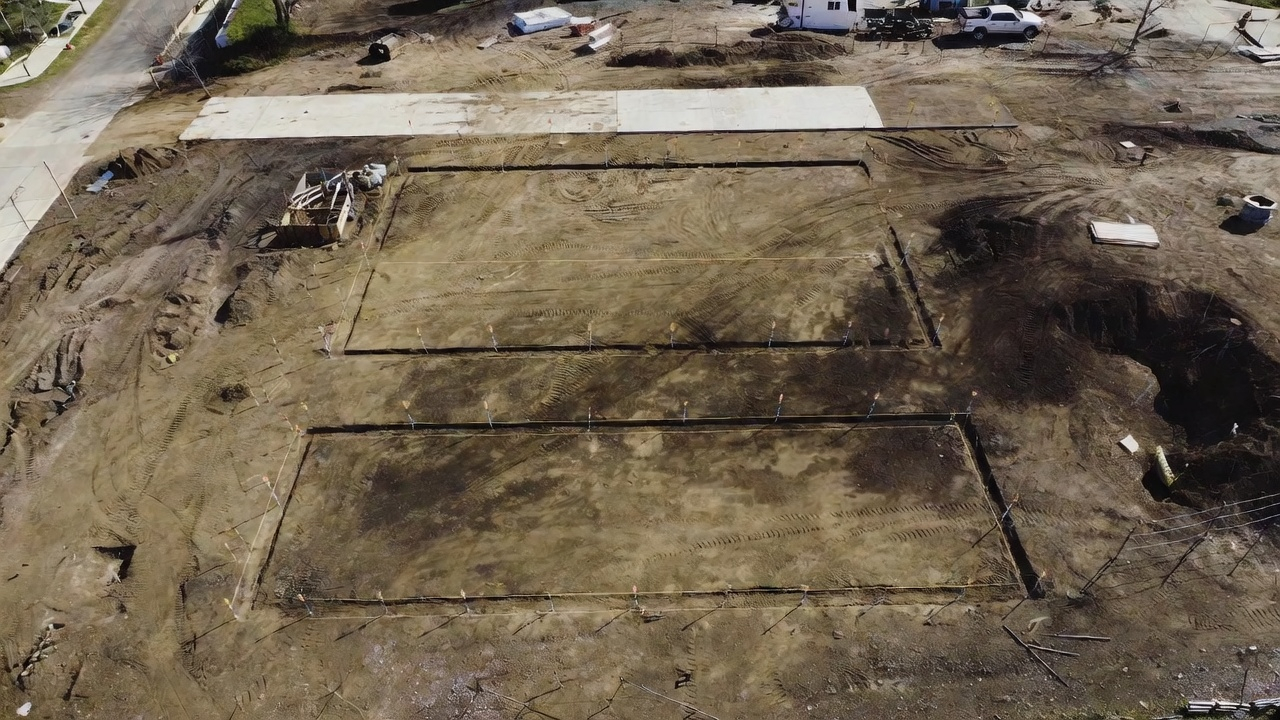
- site review and due diligence
- survey, geotechnical, and utility checks
- budget planning and cost checks
- design development and coordination
- permit and approval strategy
- tendering or contractor selection
- schedule and phasing setup
- pre-construction agreements and team roles
Before you move on: if the site itself is still the main unknown, site prep and groundwork is the right companion page. If the bigger issue is the project path from idea to build, construction project development sits just upstream of this stage.
What Pre-Construction Is Supposed to Do
The goal is not to make the project feel official. The goal is to make it workable.
A solid pre-construction phase should do four things well:
- make the scope clearer
- make the budget more honest
- make the approvals and procurement path more predictable
- make responsibilities harder to misunderstand later
That sounds basic. It is. That is why it matters.
Weak pre-construction phases usually fail in ordinary ways. The site conditions are taken too lightly. The budget is treated as a comfort number instead of a live limit. The agreement language is vague. The permit path is treated like one checkbox. The contractor is expected to “help with pre-con” without a proper scope, fee structure, or handoff into the main contract.
Then the field starts and everyone acts surprised by problems that were visible weeks earlier.
Core Pre-Construction Services
Not every project needs the same pre-construction package. A simple house on a straightforward site is not the same as a commercial building with multiple consultants, phased approvals, and a longer tender path. Still, the main service categories are familiar.
| Service | What It Does | What People Get Wrong |
|---|---|---|
| Site review and due diligence | Checks access, utilities, soils, drainage, setbacks, and basic feasibility | Assuming the lot is “fine” because it looks buildable |
| Survey and geotechnical work | Establishes boundaries, levels, and ground conditions | Skipping it or doing it too late, then redesigning around surprises |
| Budget planning and cost checks | Tests whether the scope still fits the money | Carrying one early number too long while the design grows |
| Design coordination | Aligns architecture, structure, services, and constructability | Letting the drawings move without enough cost or scope control |
| Permit strategy | Maps submissions, reviews, and approval sequence | Treating permits like a final step instead of a planning issue |
| Tendering or contractor selection | Sets up pricing, comparison, and team selection | Bidding incomplete documents and calling the result market feedback |
| Schedule and phasing | Builds the first serious timeline for approvals, procurement, and start | Setting dates before long-lead items and authority timelines are tested |
Also useful: construction planning and scheduling becomes important as soon as pre-construction starts turning scope into dates.
Do This Instead of This
| Do This | Instead of This | Why It Is Better |
|---|---|---|
| Test the site early with real survey and ground information | Rely on assumptions until the design is already moving | Ground problems get more expensive, not cheaper, as the project advances |
| Keep checking cost as the design develops | Wait until tender to find out whether the project still fits the budget | Late cost correction usually means redesign under pressure |
| Write pre-construction deliverables clearly | Use vague language like “support” or “advice as needed” | Clear deliverables make scope, fee, and responsibility easier to manage |
| Map the permit path during planning | Treat approval timing like a generic admin step | Approval drag often controls the real project start date |
| Use a real pre-construction agreement | Rely on emails, verbal promises, or a loose letter of intent | The job needs a defined scope before the main contract is signed |
Key Agreements to Lock In Before You Build
Before construction starts, the project needs more than good intentions. It needs written agreements that define scope, fees, deliverables, risk, and the path into the main construction contract.
The exact contract labels vary by market. Some teams say PCA. Some say PCSA. Some use a letter of intent or heads of terms during negotiation. The label matters less than the structure underneath it, but the structure matters a lot.
| Agreement Type | Best Use | What It Should Lock Down | Common Mistake |
|---|---|---|---|
| Pre-Construction Agreement (PCA) | Early planning work before the main build contract | Scope, fee, deliverables, responsibilities, transition to the next contract | Treating it like a casual holding document |
| Pre-Construction Services Agreement (PCSA) | More formal pre-construction services, often on larger or more structured projects | Defined services, milestones, review path, fee basis, liabilities, information ownership | Leaving deliverables broad and expecting the team to “figure it out” later |
| Letter of Intent / Heads of Terms | Short interim alignment while the full contract is still being finalized | Temporary scope, basic roles, timing, limited authority to proceed | Using it too long and letting it act like the real contract |
The detail that gets missed here is not usually the title of the agreement. It is the weak wording inside it.
Watch for phrases like “as needed,” “support services,” “general assistance,” or “to be confirmed later.” Those phrases feel flexible. In practice they often mean scope fights, invoice fights, or responsibility fights once the project gets stressed.
A stronger pre-construction agreement should define:
- what services are included
- what is excluded
- who owns which deliverables
- how fees are billed
- what schedule the pre-construction work is following
- how the project transitions into the main build contract
- what happens if the job does not move forward
This part matters: the draft already had one useful internal destination here, so keep it. Inside a PCSA Contract: Terms, Clauses, and Cost Mistakes to Avoid.
FIELD PICK
Legal Guide to AIA Contracts
A practical legal reference for contract language, responsibilities, and pre-construction risk.
What Pre-Construction Costs Actually Cover
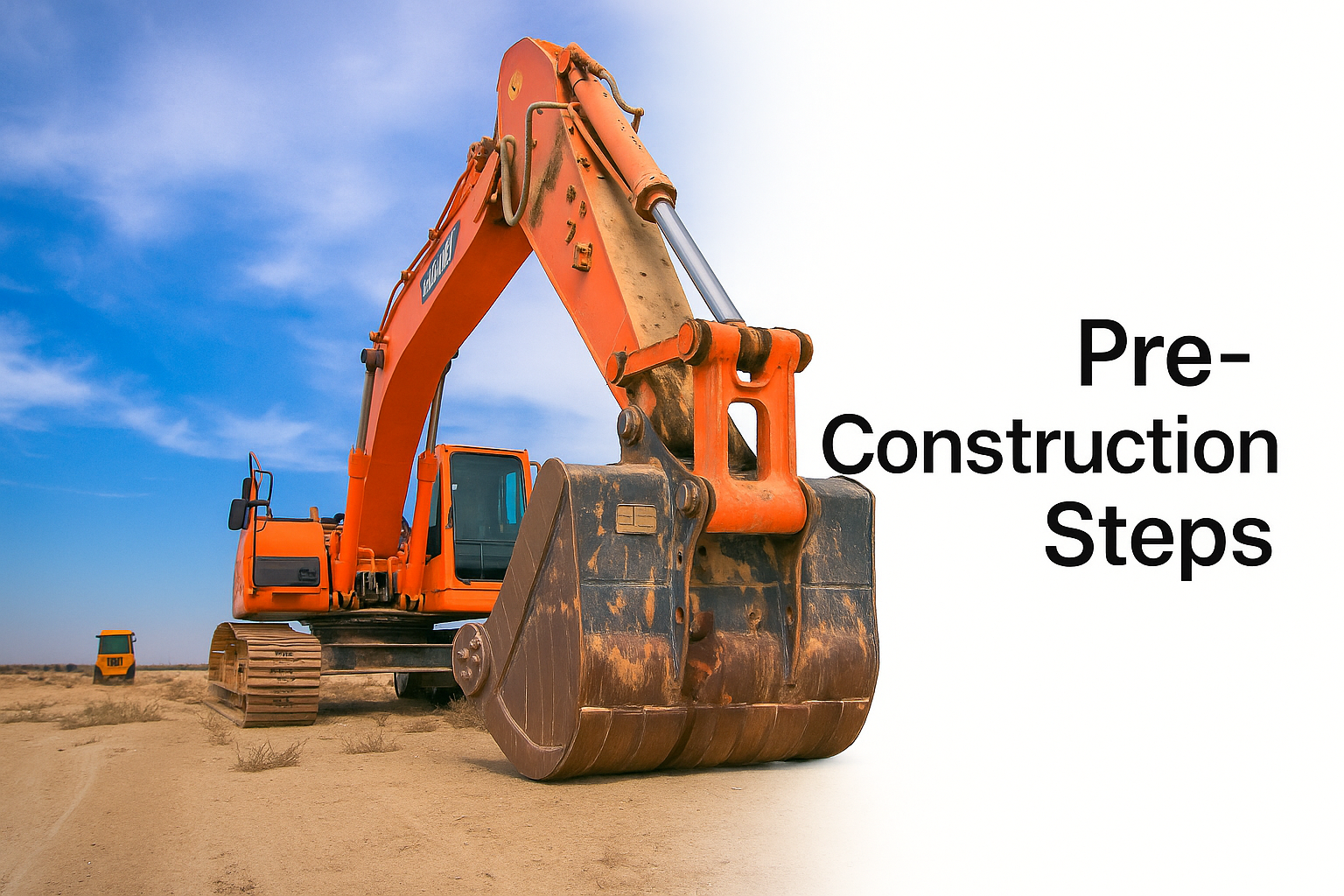
The weakest part of your old draft was the fake-clean international cost tables. They looked useful, but they were too broad to trust.
Pre-construction costs vary too much by region, project type, design complexity, consultant team, and approval path for one neat global rate chart to do honest work. The better way to structure this section is by cost bucket, not by pretend universal numbers.
| Cost Bucket | What It Usually Includes | What Pushes It Up |
|---|---|---|
| Site and due diligence | survey, geotechnical work, utility checks, site investigations | slope, drainage issues, poor soils, access constraints, extra testing |
| Design and consultant fees | architecture, structure, MEP, specialty reviews | custom scope, coordination intensity, difficult code or system requirements |
| Permits and approvals | application fees, intake costs, specialist submissions, review coordination | multiple authorities, phased submissions, revised applications |
| Cost planning and estimating | budget studies, cost checks, value engineering, tender pricing support | custom design, repeated redesign, unclear scope, complex procurement |
| Legal and contract setup | pre-construction agreements, review of terms, insurance coordination | multi-party deals, unusual liability, weak draft agreements that need cleanup |
That structure is more honest because it shows where the money is really going. A project with a flat, clean lot and simple local approvals is not paying for the same pre-construction work as a project with retaining walls, difficult servicing, consultant-heavy coordination, and a longer permit path.
Related reading: cost control matters once pre-construction spending turns into live budget management and scope discipline.
Residential vs Commercial Pre-Construction
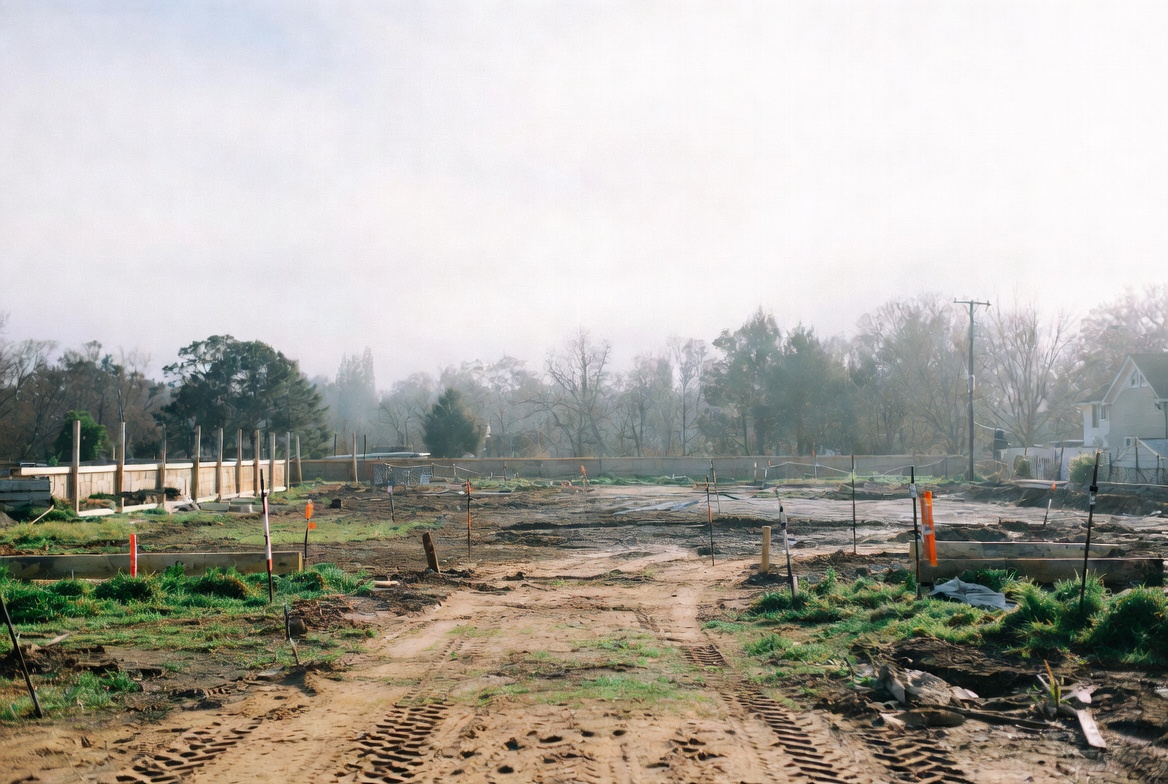
The core logic is similar on both sides. The weight and structure are not.
| Issue | Residential | Commercial |
|---|---|---|
| Team structure | Often smaller and more owner-led | Usually broader, with consultants, PMs, and more formal review paths |
| Documentation | Can range from simple to moderately technical | Usually heavier, more layered, and more contract-driven |
| Pre-construction agreement style | Often simpler, but still needs defined scope | Usually more formal and more detailed |
| Permit path | Often narrower, but still risky if taken lightly | Usually more complex and more dependent on submission sequencing |
| Budget pressure | Often tied to personal financing and finish creep | Often tied to approvals, schedule, servicing, and commercial commitments |
Residential projects are not automatically simpler. They are often just simpler on paper. A custom house on a difficult site can carry plenty of pre-construction complexity. Commercial work usually makes that complexity more visible earlier.
What People Get Wrong About Pre-Construction
A few mistakes keep repeating.
- “We can sort it out later.” Later usually means under more pressure, with fewer cheap options left.
- “Pre-con is just paperwork.” It is scope control, cost control, permit planning, and risk control.
- “The contractor can just price it.” Not cleanly, if the drawings and scope are still too soft.
- “The permit will just take however long it takes.” That is not a strategy. The approval path has to be mapped.
- “The agreement is fine.” If the services, fees, or deliverables are vague, it probably is not fine.
The detail that gets missed most often is this: pre-construction is not valuable because it feels organized. It is valuable because it makes later decisions less expensive.
A Practical Step-by-Step Pre-Construction Sequence
- Confirm the project brief, goals, and budget range
- Review site conditions, access, utilities, survey, and ground risk
- Build the first serious budget and test it against the scope
- Start design coordination with the right consultants early enough
- Map permits, approvals, and review path before dates get announced
- Choose the pre-construction agreement structure and define deliverables
- Prepare tendering or contractor selection strategy
- Set the first realistic schedule for approvals, procurement, and construction start
Read this next: pre-construction steps you need to know is the better follow-up if you want the sequence broken down more tightly.
What To Do Next
Preconstruction planning is the right next read if the problem is not one service or one contract, but the whole setup of the job before procurement starts.
Construction project management workflow helps once the question shifts from early setup to how information, approvals, procurement, and field release move through the job.
Construction inspection process matters once the project leaves planning and starts colliding with field readiness, approvals, and acceptance sequence.
FAQ
What is pre-construction?
Pre-construction is the phase before field work begins. It includes site checks, budgeting, design coordination, permit planning, procurement setup, scheduling, and the agreements that organize the project before construction starts.
What are pre-construction services?
They usually include site review, surveys, geotechnical work, budgeting, estimating, design coordination, permit strategy, tendering support, scheduling, and contract setup. The exact list depends on the project.
What is the difference between a PCA and a PCSA?
The labels vary by market, but both are used to define pre-construction work before the main build contract begins. The more important question is not the label by itself, but whether the agreement clearly defines services, fees, deliverables, exclusions, and the transition into the next contract stage.
Why does pre-construction matter so much?
Because this is the stage where scope, budget, permits, consultant input, procurement strategy, and responsibilities can still be shaped before the site gets expensive. Weak decisions here usually cost more later.
Is pre-construction only for large projects?
No. Smaller residential jobs still benefit from real pre-construction work. The scale is different, but the logic is the same: check the site, test the budget, define responsibilities, and plan the approval and build path before work starts.
What usually goes wrong in pre-construction?
Site conditions get assumed instead of checked, budgets stay tied to early guesses, permit strategy is too thin, agreements are too vague, and the contractor is expected to help with pre-construction without a clear scope or fee path.
How much should you spend on pre-construction?
There is no single universal number that works across all projects. The better question is whether the money is being spent on the right things: site certainty, design coordination, budgeting, approvals, and contractual clarity. Cheap pre-construction often becomes expensive construction.
When does pre-construction end?
Usually when the project has enough design, approvals, scope clarity, procurement structure, and contract control to move into construction cleanly. The exact handoff point depends on the delivery method and project type.