
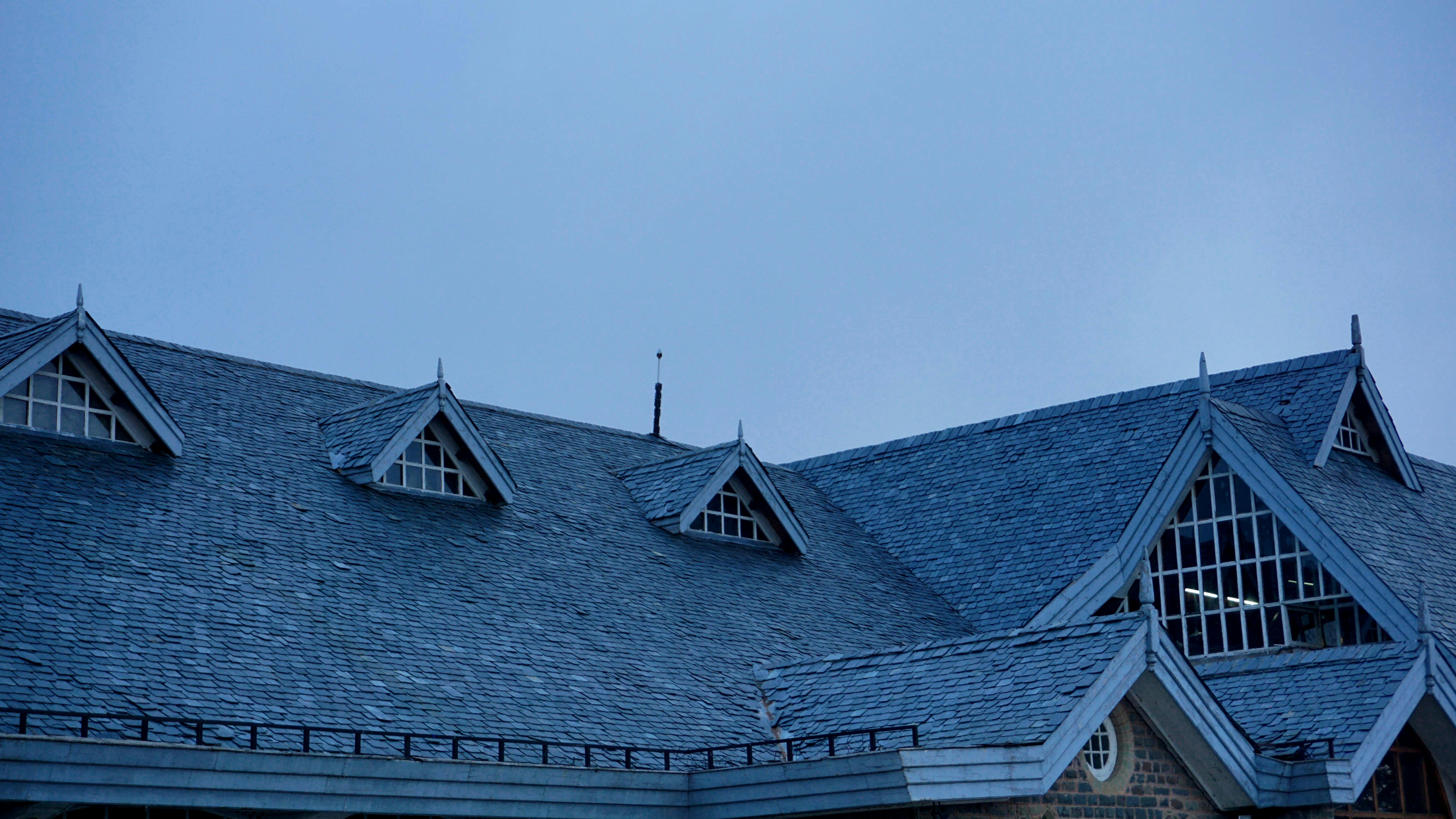
How to Incorporate Hip and Gable Roofs in One Design
The Best of Both Worlds: Hip and Gable Roof Combinations
Quick Summary - Hip and Gable Roof Combo: A Guide to Stylish Roofing
Hip and gable roof combinations are one of the smartest, most practical roof designs used in residential architecture today.
Below, we'll cover what they are, why they matter, how to design them right, and what to avoid. If you’re planning a new build, renovation, or trying to avoid costly mistakes, this guide will walk you through the benefits, the headaches, and everything in between—in simple, plain English.
What Is a Hip and Gable Roof Combo?
Let’s start super simple.
- Gable Roof: Two sloping sides that meet at a ridge, forming a triangle on each end.
- Hip Roof: All sides slope downward to the walls, usually at a gentle angle.
- Combo (Hip + Gable): Mixes both styles. You might see a hip roof with gable ends, or a gable roof with hip extensions.
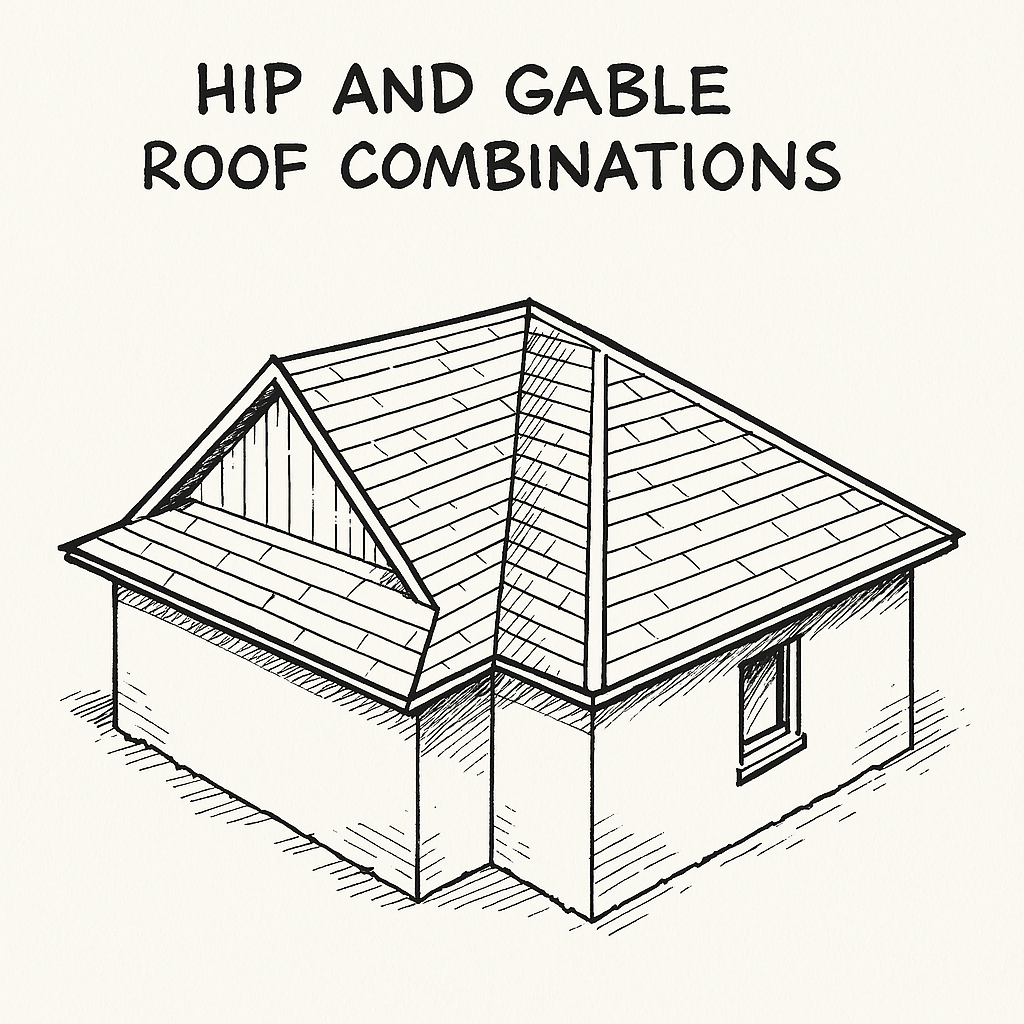
Image: A detailed architectural hand sketch illustrating the integration of hip and gable roof styles.
Basically: You get the strength and wind resistance of a hip roof with the attic space and simplicity of a gable. It’s like peanut butter and jelly—better together.
Why Combine Hip and Gable Roofs? Pros, Cons, and Ideas
Designing with Hip and Gable Roofs: A Practical Guide
Why Combine Hip and Gable Roofs?
Here’s why you’d do it (and why I’ve done it on projects):
- More attic space (gable parts)
- Better ventilation options
- Good wind resistance (hip parts)
- Visual appeal
- Rain runoff is more efficient
- Allows for more complex home shapes
Where You’ll See These Most
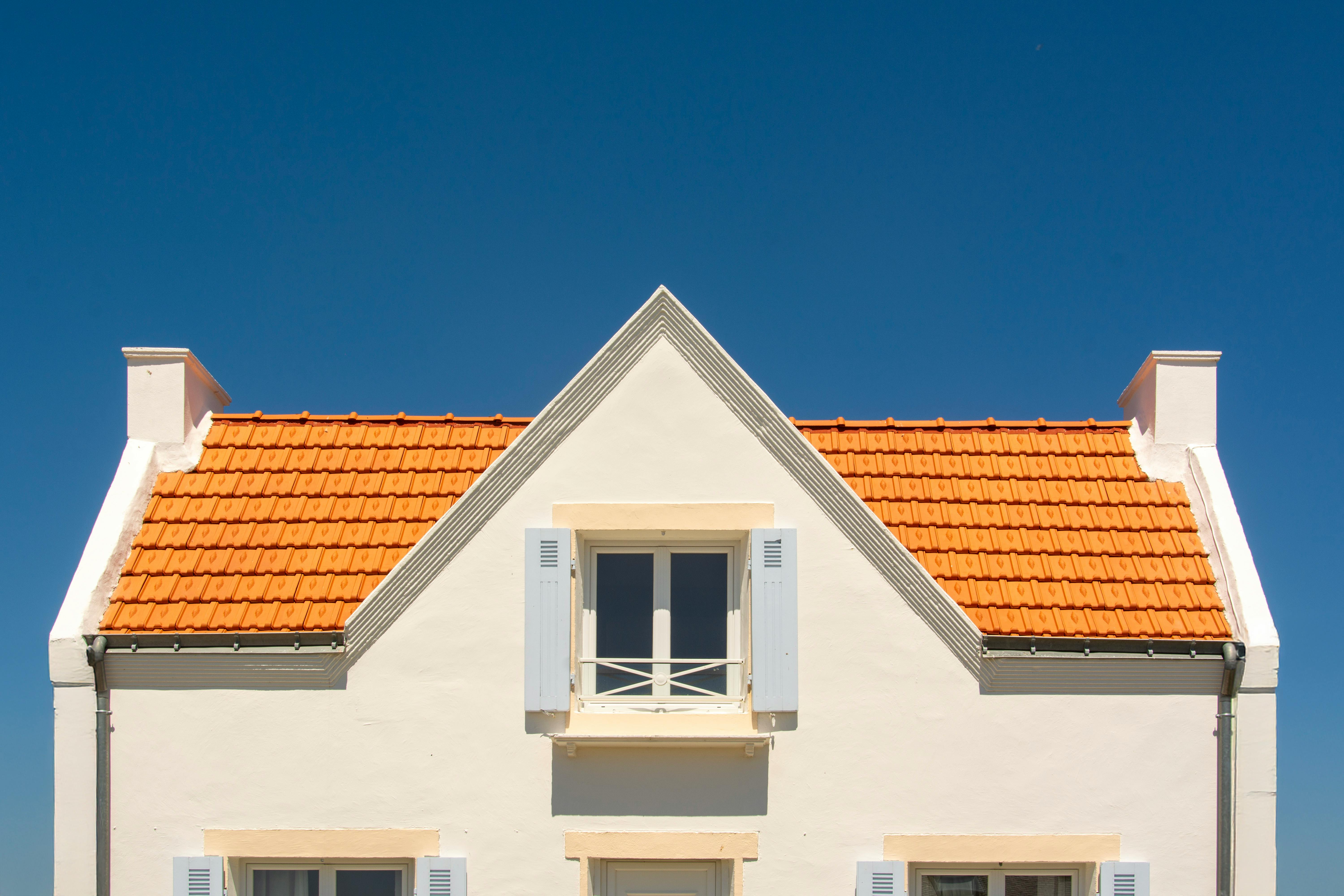
Image: A picturesque home featuring a hip and gable roof with orange tiles, showcasing both beauty and structural functionality in residential design.
- Modern suburban homes
- Split-levels and ranch-style houses
- Homes in hurricane zones (like Florida or Texas)
- Custom builds where people want both curb appeal and performance
Real-World Mistakes I’ve Seen (So You Can Avoid Them)

Image: A modern brown house designed with a combination of hip and gable roof styles, demonstrating functional and aesthetic roof architecture.
- 🚫 Unbalanced rooflines
- One gable too big? It looks off and ruins the whole house vibe.
- 🚫 Bad transitions between hip and gable
- This is where leaks love to happen. Flashing must be perfect.
- 🚫 No roof overhang
- Gables need a little flare to protect siding and windows. Skipping that = big regret.
- 🚫 DIY framing without professional input
- A combo roof is not easy to frame. Bring in an expert or risk structural issues.
✅ What to do instead:
- Use clear proportion rules.
- Hire a roof designer or get engineered plans.
- Ask for extra weatherproofing at all connection points.
Hip and Gable Roof Combinations: Versatility in Architecture
What Makes It So Functional?
Here’s what makes hip and gable combinations such a hit with pros:
▪ Wind-Resistant Edges:
- Hip sides deflect wind better than flat gables.
▪ Room for Vents & Dormers:
- Gables give you space to add venting and even attic windows.
▪ Ideal for Larger Footprints:
- Need to build wide? Gables and hips help break up the mass without looking boxy.
▪ Easier Gutter Layouts:
- The slope directs rain to predictable areas. Less pooling = less repair.
Types of Hip and Gable Roof Designs
- Hip Roof with Gable Ends (Dutch Gable)
- Hip all around, with small gables at the front/back.
- Adds curb appeal.
- Gable Roof with Hip Extensions
- Looks mostly gable but has hips at the ends.
- Common in modern ranch homes.
- Complex Combo Roof
- Multiple gables and hips depending on the layout of the house.
- You’ll need an experienced framer.
Design Tips from the Field
- Stick to symmetry. One oversized gable can throw everything off.
- Use contrasting materials. Bricks, shakes, or board-and-batten look great under gables.
- Break up long walls with gables. Adds character without much extra cost.
- Watch roof pitch. Too steep = expensive. Too shallow = water problems.
How Much Does It Cost?
- Basic Combo Roof:
- $9,000 – $20,000 (for a 1,500 to 2,000 sq ft home)
- High-End Custom:
- $25,000+ with complex framing, dormers, and premium shingles
- Extra Costs to Plan For:
- Framing labor (it’s not basic)
- Flashing and waterproofing details
- Roof design drawings
🧠 Pro Tip: Always ask for itemized roofing quotes. Combo roofs take longer to install.
Materials That Work Best
▪ Asphalt Shingles: Affordable and flexible for weird shapes ▪ Metal Roofing: Great for hips—low maintenance and wind-resistant ▪ Cedar Shakes: Adds character, especially under gables ▪ Clay or Concrete Tiles: Only if your roof framing can handle the weight
Pros and Cons
✅ Pros:
- Stronger against storms
- Adds design interest
- Better attic and ventilation options
🚫 Cons:
- Harder to build (more joints = more labor)
- Needs precise flashing
- Can be more expensive
In Focus: What Most People Get Wrong
They try to DIY or use cookie-cutter plans.
Combo roofs need custom attention. Even professional builders sometimes mess up ridge alignment or drainage paths.
✅ Instead, do this:
- Get your roof designed by someone who understands structure.
- Make sure your HVAC, framing, and insulation plans all work with your roofline.
- Ask for energy modeling if possible (hip roofs can trap heat).
FAQs About Hip + Gable Roofs
1. Are hip and gable roofs good for cold climates?
- Yes, if designed right. Make sure snow doesn’t pool in valleys.
2. Can I use solar panels on them?
- Totally. Just work with your installer to find the best slope.
3. Will they make my house more expensive to insure?
- Nope. Hip parts may even lower insurance in high-wind zones.
4. Are they good for additions?
- Yes, especially if you're blending a new gable section into an old hip roof.
5. Can I use this combo on a one-story house?
- Absolutely. It works great on ranch homes.
What to Learn (and What to Skip)
✔ Learn from:
- Real roofers
- People who’ve built custom homes
- Renovation forums and walkthroughs
✖ Avoid:
- Pinterest-only research
- Generic YouTube tutorials
- Roofers who say "this is just a regular install"
Must-Know Books on Roof Design
Best Seller Recommendation
"Graphic Guide to Frame Construction (For Pros by Pros)"
Why It’s a Favorite:
- Explains everything from trusses to tricky eaves
- Great visuals
- Solid for both students and homeowners
✅ Covers roof types, materials, framing ✅ Easy to follow, with photos and diagrams ✅ Real-world examples and site details
Final Thoughts
If you’re serious about building or renovating and want a roof that looks great, performs well, and can handle the elements—a hip and gable combo is a smart move.
It’s not a beginner design. But with good planning, honest budgeting, and a solid crew, you’ll get something that holds up beautifully and won’t need fixing every year.
So don’t rush it. Plan it right. Trust your gut (and your roofer).
Related
Roof Types and Styles
-
Flat Roofing Materials: Complete Guide for Homeowners and Builders
-
Saltbox Roof Construction and Framing: Materials, Tools, and Techniques
-
Why Choose a Low-Pitched Roof? Pros, Cons, and Design Insights
-
Hammer Beam Roofs: Types, Designs, and Real-World Applications
-
Japanese Style House Exterior: Materials, Rooflines, and Details
Roof Structure Components
— Beams and Ties
-
Roof Tie Beams: How They Support and Reinforce Building Structures
-
Ridge Beams: Function, Design, and Installation in Roof Framing
— Bracing Systems
— Gable-Specific
Roof Trusses
-
Roof Truss Details: Types, Connections, and Installation Tips
-
Residential Roof Trusses Explained: Types, Design, and Common Mistakes
-
Roof Trusses: Types, Design, and Installation Guide
-
Mistakes to Avoid with Timber Roof Trusses (and How to Get It Right)
Roofing Materials and Systems
-
Ecofriendly Roofs Explained: Materials, Benefits, and Real-Life Examples
-
Erie Metal Roofs Reviews: What You Need to Know Before You Buy
Waterproofing and Drainage
— Foundation & Basement
-
Basement Water Issues: Causes, Fixes, and Waterproofing Solutions
-
Foundation Waterproofing: Protecting Your Investment
-
Stem Wall Foundation Repair Tips: Cracks, Waterproofing, and Costs
— Sealants & Materials
Educational & Guides
-
Introduction to Roof Structures: The Backbone of Every Building
-
Free Roof Structures Courses: Master Every Aspect of Roof Design
Sustainability & Insulation
Special Roof Applications
Official References & Building Codes
- IRC 2021 (International Residential Code) – Roof design, framing spans, wind resistance
- FEMA Wind Retrofit Guidelines – Great for hip roof reinforcements
- NRCA Roofing Manuals – National standard for detailing, flashing, waterproofing
📌 Check your local code enforcement office for region-specific wind/snow load guidelines.