
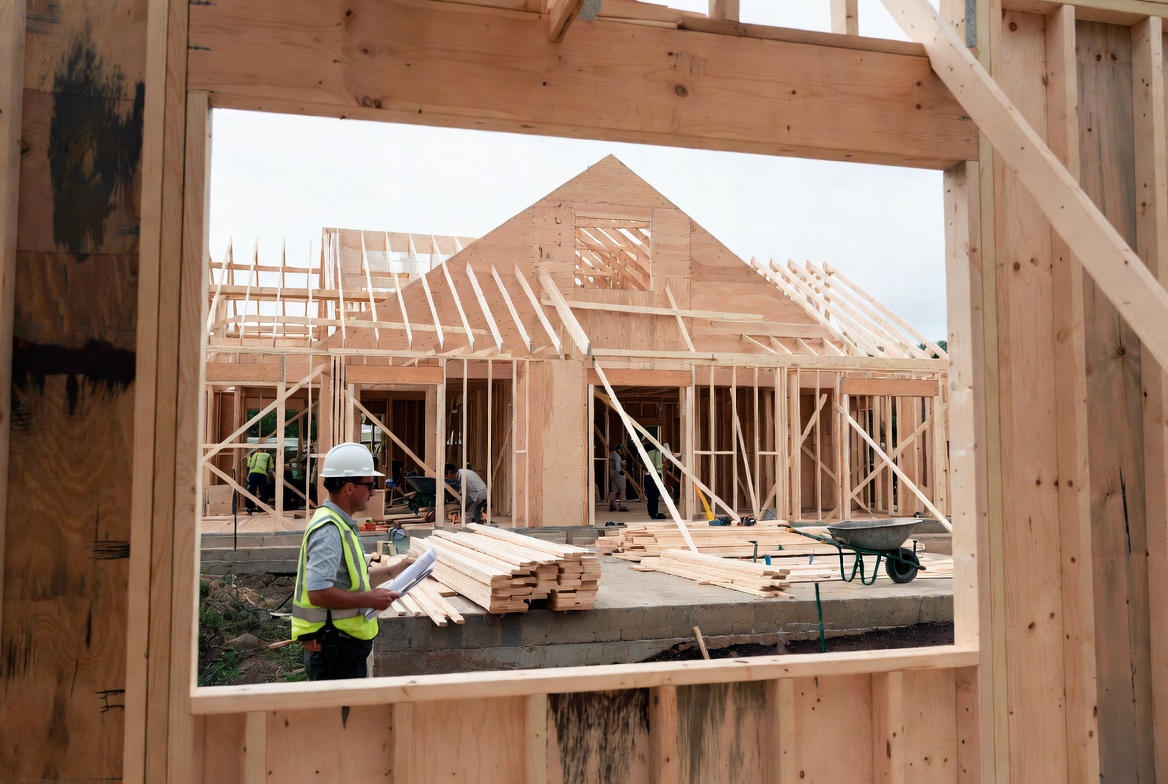
Construction management sounds clean in a classroom. In the field, it is not clean at all. Schedules slip. Materials miss. Drawings conflict. Owners change direction midstream. Inspectors catch something late. Trades blame each other. The job still has to move.
This guide sticks to the questions people usually ask first: what construction management actually is, what a construction manager does, how CM compares to a GC, what the role costs, and whether it is a good path to get into.
If you want the broader foundation first, start with construction management fundamentals, construction project management, and construction management overview.
What Is Construction Management?
Construction management is the coordination of a project from preconstruction through handover. That includes planning, budgeting, scheduling, procurement, field coordination, quality control, safety oversight, and closeout.
The simple definition is easy. The hard part is that all of those pieces move at the same time. A delay in submittals turns into a procurement delay. A procurement delay turns into labor resequencing. A resequencing issue turns into overtime, claims, or rework. Good construction management is mostly about preventing that chain reaction.
What Does a Construction Manager Actually Do?
- Review scope before the job gets priced or bought out badly.
- Help build the schedule around real site conditions and trade sequence.
- Track procurement, submittals, RFIs, and long-lead items.
- Coordinate the owner, architect, engineers, superintendent, and trades.
- Monitor cost, changes, billing, and forecast exposure.
- Watch quality, inspections, and handover requirements before they turn into closeout pain.
If you want the workflow side broken out more clearly, the best follow-ups are construction project management workflow, preconstruction planning, and construction planning and scheduling.
What Is the Main Goal of Construction Management?
The main goal is not just to finish the building. Plenty of badly managed projects finish.
The real goal is to deliver the agreed scope safely, on time, within cost expectations, and at a quality level that does not create a second round of problems after turnover.
What Are the Main Functions of Construction Management?
- Planning: figuring out sequence, staffing, access, and constraints before the field hits them.
- Scheduling: managing critical path, inspections, lead times, and trade overlap.
- Cost control: tracking estimate drift, changes, commitments, and forecast risk.
- Quality control: catching bad work early, before it gets buried or multiplied.
- Safety: tying hazard control to actual site conditions, not just paperwork.
- Communication: keeping decisions current, documented, and visible to the right people.
If cost and quality are the part you care about most, see cost control, cost planning, and quality management.
What Are the Main Stages of Construction Management?
- Preconstruction: scope review, estimating, scheduling, procurement strategy, and permit planning.
- Mobilization: site setup, staffing, temporary works, and first deliveries.
- Construction: trade coordination, inspections, quality checks, and daily problem-solving.
- Monitoring and Control: schedule updates, cost tracking, documentation, and change management.
- Closeout and Handover: punch list, testing, turnover documents, and final owner signoff.
For the phase logic behind that, go to building construction phases, project development, and preconstruction checklist.
What Is the Difference Between Construction Management and Project Management?
Project management is the broader discipline. It applies across industries. Construction management is project management shaped by field conditions: site logistics, code inspections, weather, trades, procurement, and install sequence.
That difference matters. A software project manager may never think about laydown space, crane time, inspection windows, cure time, or whether the wrong hardware package just stalled a door schedule across three floors. A construction manager does.
CM vs GC: What Is the Difference?
A general contractor is usually responsible for building the work. A construction manager may advise the owner, coordinate process, review constructability, manage cost and schedule, or in some contract structures take on delivery responsibility as well.
The real answer depends on the contract model. Titles alone do not tell you enough.
If you are trying to understand delivery and bidding, these companion pages make more sense than forcing all of it onto this one: construction bid process, construction project management, and construction tendering strategy.
What Are the Common Types of Construction Management?
The two main ones people usually mean are agency CM and CM at risk.
- Agency CM: the construction manager advises and coordinates on behalf of the owner, but does not usually carry the same delivery risk as the builder.
- CM at Risk: the construction manager gets involved early and takes on more responsibility for cost and delivery, often under a guaranteed maximum price structure.
That changes who controls what, who carries risk, and how changes get handled when the documents are incomplete.
What Makes a Construction Project Go Sideways?
Usually not one dramatic thing. It is a stack of ordinary failures:
- scope gaps that nobody priced properly
- late design decisions
- poor submittal flow
- long-lead items identified too late
- bad trade sequencing
- weak field supervision
- owner changes after procurement or installation
Most project trouble looks boring at first. That is why it gets missed.
What Are the Biggest Success Factors?
- a clear scope
- a realistic schedule
- early procurement discipline
- good field leadership
- fast decisions when drawings and site reality collide
- honest cost forecasting before the overrun becomes obvious to everyone else
How Do You Fix a Failing Project?
First, stop treating it like a motivation problem. Failing jobs usually need a reset in logic, not a speech.
- Find the actual root cause.
- Rebuild the schedule around current reality, not the original promise.
- Separate critical work from noise.
- Lock decision deadlines and responsibility.
- Re-price the recovery honestly.
- Increase field coordination where the breakdown is happening.
- Report plainly, without softening the problem.
Recovery plans fail when they are just prettier versions of the same unrealistic schedule.
What Are the Most Important Site Management Priorities?
- Safety: because once the site is unsafe, every other metric gets worse.
- Logistics: access, laydown, deliveries, equipment movement, and crew flow.
- Trade sequence: getting work installed in the right order, with enough room to do it properly.
- Quality: catching problems before they disappear behind finishes.
- Inspection readiness: not discovering missing requirements when the inspector is already on site.
On jobs with messy site conditions, early groundwork and site planning matter more than people think. For that side, see site prep and groundwork, site preparation basics, and soils, foundations and site investigation.
What Skills Do You Need to Be Good at Construction Management?
- Scheduling judgment: not just using scheduling software, but understanding what truly controls the job.
- Cost awareness: knowing where money leaks out before the monthly report makes it obvious.
- Drawing and spec literacy: being able to read the documents and spot missing coordination.
- Communication: direct, clear, documented, and timely.
- Problem-solving: practical decisions under field pressure.
- Leadership: getting the owner, consultants, field staff, and trades moving in the same direction.
If you need more background on drawings and technical coordination, start with blueprints basics, construction document set parts, and inspection process.
Is Construction Management a Good Career?
Yes, if you like responsibility, pressure, coordination, and practical problem-solving. No, if you want predictable quiet work with long uninterrupted focus. Construction management is usually deadline-driven, interruption-heavy, and built around decisions that affect money, safety, and schedule.
What Degree Is Best for Construction Management?
A construction management degree is the most direct route, but it is not the only one.
- Construction management: strongest direct fit for PM, estimator, field engineer, and superintendent-track roles.
- Civil engineering: useful for infrastructure, technical depth, and firms that value engineering-heavy backgrounds.
- Architecture: useful when design coordination and document interpretation are a bigger part of the role.
- Building science or architectural technology: useful for envelope, systems, detailing, and performance-focused work.
If your main question is education and entry path, go next to construction management bachelor’s, construction course list, construction and engineering courses, and architecture and construction careers.
Can Engineers Move Into Construction Management?
Yes. They often do well, especially when they already read drawings well and understand technical systems. The gap is usually field coordination, procurement, contract administration, and site sequencing. Those are learned through exposure, not theory alone.
What Is the Future of Construction Management?
The real shift is not just more technology. It is better information earlier.
That means tighter preconstruction, stronger BIM coordination, better tracking of submittals and procurement, more prefabrication, cleaner field data, and more pressure to prove quality, commissioning, and lifecycle value instead of just initial completion.
Sustainability is part of that too. Material choices, procurement strategy, envelope performance, commissioning, and waste reduction all land inside management decisions long before the building opens.
If that angle matters, continue with sustainable construction methods, sustainable procurement, and eco-friendly construction.
Detail People Miss
A lot of beginners think construction management is mostly about staying organized. That is too shallow.
The real job is decision timing.
Good managers get the important decisions made before the field runs into them. Bad projects wait until labor is on site, materials are wrong, or work is already installed. That is when a normal coordination issue turns into overtime, change orders, claims, demolition, or ugly owner meetings.
Quick FAQ
What Is Scope in Construction Management?
Scope is the exact work the project is supposed to deliver, including responsibilities, exclusions, systems, and standards. Most change disputes start where scope was assumed instead of defined.
What Does Construction Management Cost?
Construction management cost depends on project size, complexity, delivery model, and what the construction manager is actually responsible for. Some charge a fixed fee. Some charge a percentage of construction cost. Some work hourly in an advisory role. CM-at-risk structures are different again because the risk and responsibility are different.
Small, simple jobs may not need a full construction management layer. Larger or more coordination-heavy projects often justify the fee because schedule control, procurement timing, and fewer mistakes in the field can protect far more money than the fee itself.
How Do Construction Managers Charge for Their Services?
The common structures are fixed fee, percentage fee, hourly consulting, or a broader project delivery fee tied to the contract model. The important thing is to understand what is actually included: preconstruction help, estimating, scheduling, site coordination, procurement oversight, closeout, or full delivery responsibility.
Is a Construction Manager Worth the Cost?
Often yes on projects with a lot of moving parts. Not because the fee makes the project cheaper on paper, but because good coordination can prevent late decisions, procurement misses, weak sequencing, rework, and avoidable change-order fights. On a very small or straightforward job, that extra layer may not pencil out the same way.
What Are the Main Hazards in Construction?
The four that keep coming back are falls, struck-by incidents, electrocution, and caught-in or caught-between hazards. Good management ties safety to actual site conditions and sequence, not just forms.
Who Is Involved in a Construction Project?
Usually the owner, architect, engineers, project manager or construction manager, superintendent, general contractor, subcontractors, suppliers, inspectors, and sometimes commissioning or quality specialists.
What Is Construction Planning?
Construction planning is the work of mapping sequence, labor, access, procurement, inspections, safety, and timing before the job starts tripping over itself.
What Is Higher Than a Project Manager?
Depending on the company, that may be senior project manager, project executive, operations manager, director, program manager, or vice president.
Where to Go Next
If this page answered the FAQ side but you need the deeper version, go to construction management fundamentals, construction project management, project management workflow, planning and scheduling, cost control, and quality management.