

Overview of Architecture Education
Architecture Education: What It Really Takes to Learn This Craft
To learn architecture is to learn how space affects life—and how to design with that in mind.
Over the years, I’ve seen students go from lost in their first sketch to designing real buildings that solve real problems.
That shift? It takes more than talent. It takes good teaching, hard work, and knowing what actually matters.
Why Architecture Education Matters
Architecture is about use!
It shapes how people work, move, connect—even how they feel. A good school can teach you how to design spaces that do all that.
A bad one? You'll come out with nice renderings and no clue how buildings actually work.
This Guide: Real Insights
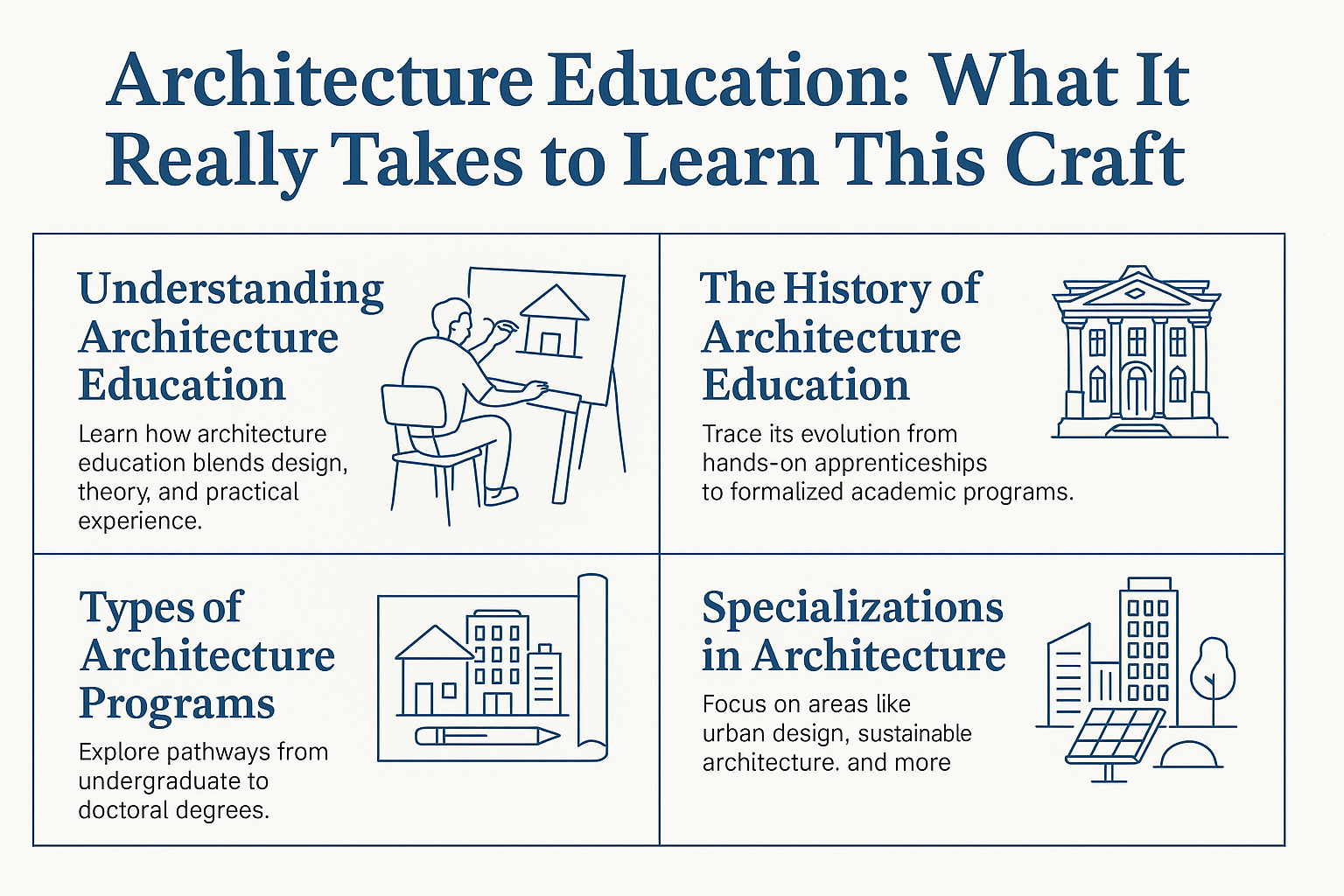
You won’t find sugarcoating here. Just a clear breakdown of:
-
What architecture school really teaches you
-
Which programs are worth your time
-
How studio work, internships, and tech shape your future
-
What trends actually matter (and which are just noise)
If you’re just getting started—or figuring out your next move—this guide will help you cut through the confusion.
Let’s get into it.
History of Architecture Education
Early Development!
Where Architecture Education Began—and How It Got Here

Learning by Doing (The Old Way)
Before degrees and fancy studios, architects learned one way: by watching and building.
In ancient Greece and Rome, if you wanted to be an architect, you didn’t go to class—you found a master and got to work. You carved stone. Drew lines. Messed up. Learned. That’s how knowledge passed down: apprenticeship, not lectures.
Same thing in medieval times. Guilds kept the craft alive. You weren’t just learning to build—you were proving you could. No diploma. Just your work.
That system?
Still echoes today—especially in studio culture, mentorship, and the idea that real learning happens by doing.
When Things Got Formal
Fast forward to the Renaissance. That’s when people started putting architecture into books—and schools.
The big one?
École des Beaux-Arts in Paris. Opened in the 1600s. Game changer.
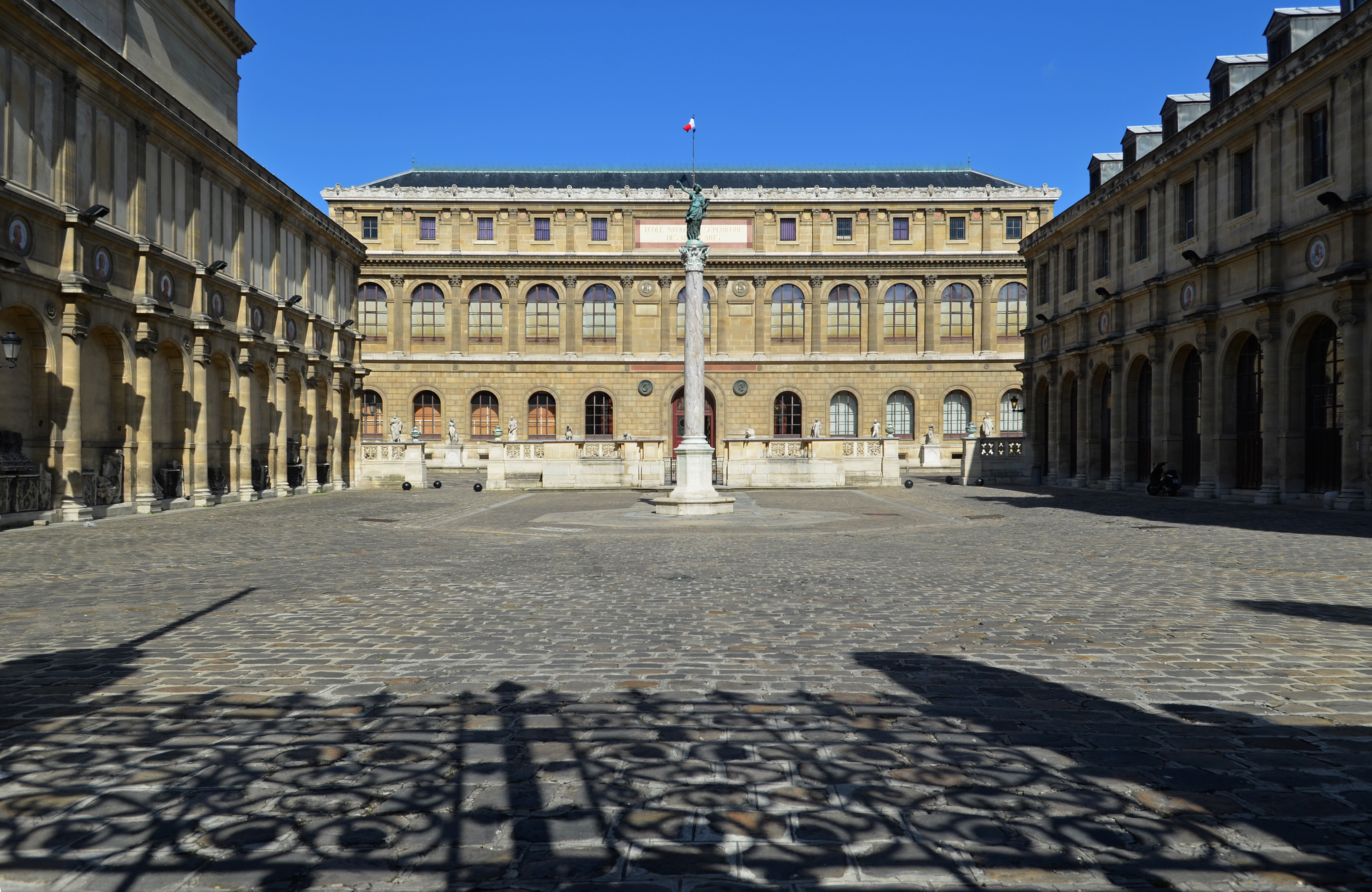
It mixed art and science—drawing, geometry, structure, perspective. If you graduated from there, you didn’t just design buildings. You knew how to think like an architect.
Beaux-Arts thinking spread. First Europe, then the world.
Universities everywhere started teaching architecture using this model. It became less about guilds, more about curriculums, critiques, and credentials.
What That Means Today
That mix of old-school and institutional learning built the system we know now:
-
Studio-based programs where feedback matters more than grades
-
Degrees that balance design, structure, and sustainability
-
A field that still respects the craft, but now speaks the language of tech, climate, and code
Architecture school has changed—but the bones are the same.
You still learn by making mistakes, solving problems, and pushing design until it works.
And that’s why it matters.
Not because it’s tradition—but because it works.
See also: [Introduction to History of Architecture] — A solid starting point for understanding how architectural thinking began.
Must Read
📘 The Architecture Reference & Specification Book – Julia McMorrough
Why it matters: A go-to guide for real-world work—codes, materials, dimensions, and standards, all in one compact book.
What’s inside:
● Quick-access specs
● No theory—just usable data
● Perfect for sketches, details, and site work
Types of Architecture Programs
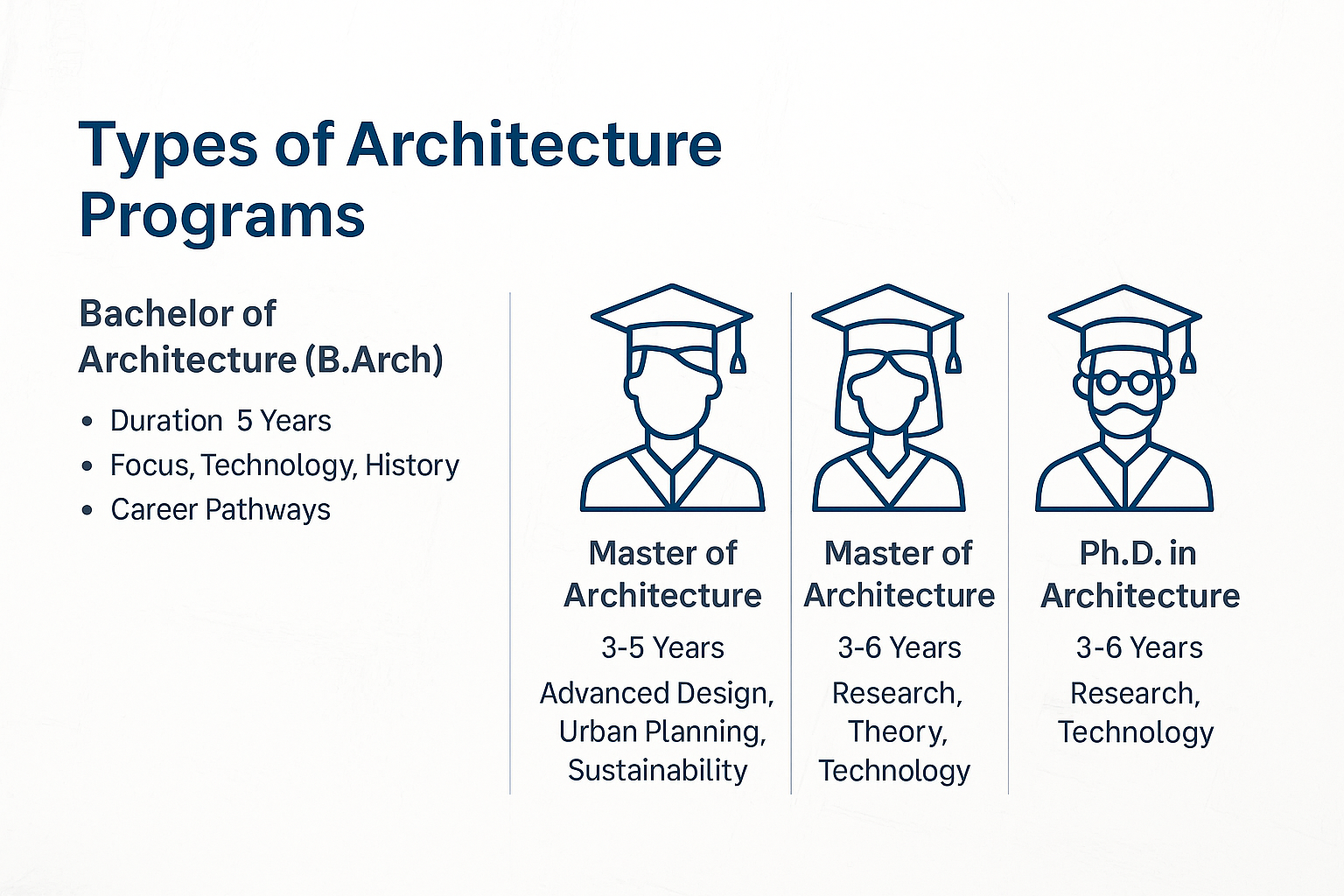
Undergraduate Degrees
Bachelor of Architecture (B.Arch) – A 5-year professional degree focused on design, technology, and studio practice. It's your ticket to licensure in most regions.
BA or BS in Architectural Studies – More academic than technical. These 3-4 year programs cover history, culture, and theory. Good if you’re unsure about committing to the design track or planning a pivot into urban planning or heritage conservation.
BSc in Architecture – Offered mainly in the UK and Europe, these combine technical training with a design foundation and often require follow-up with a master's to qualify for licensure.
→ Tip: If you love drawing and problem-solving, lean toward B.Arch. If you're curious about the broader ideas around buildings, consider BA/BS options.
Graduate Programs
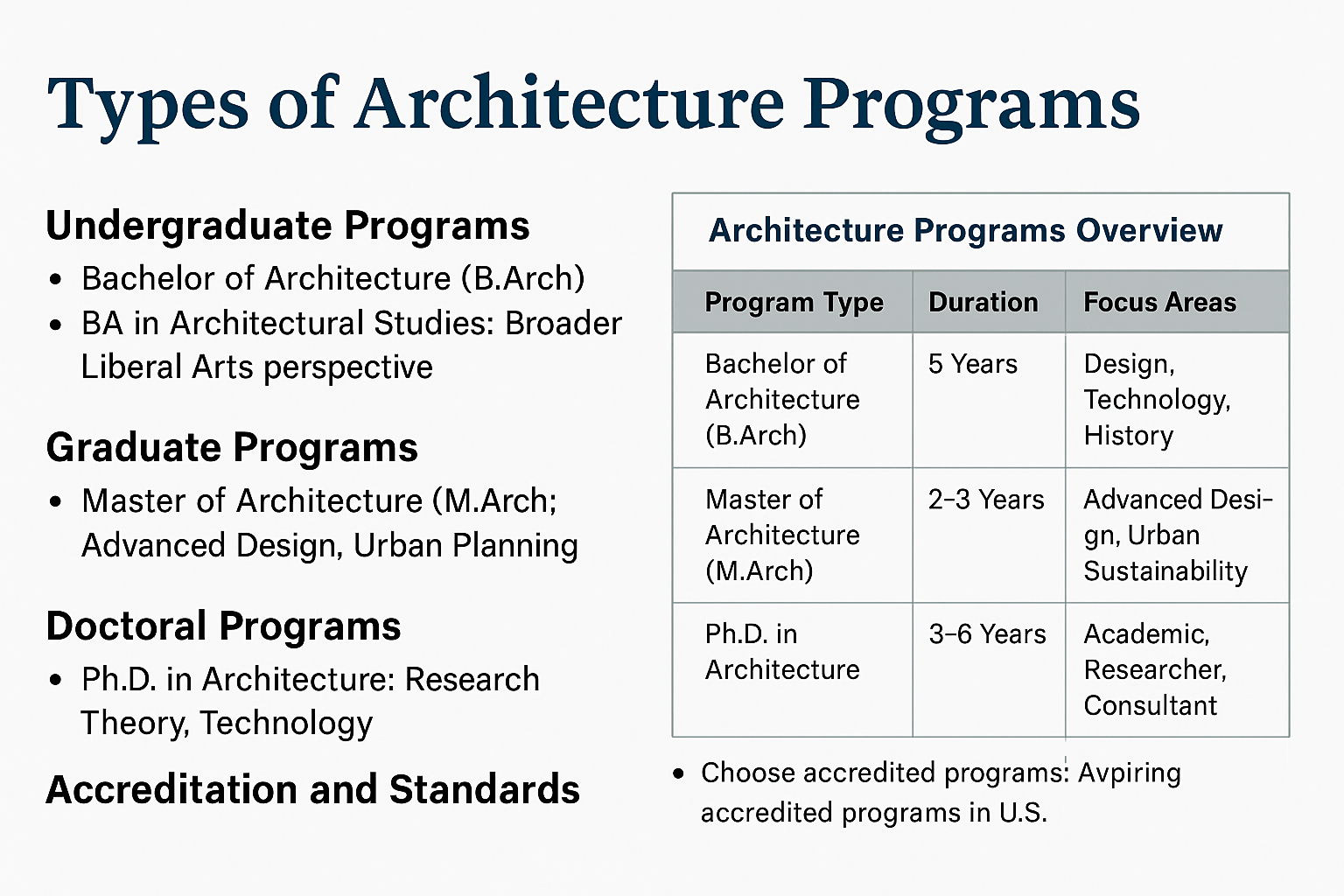
Master of Architecture (M.Arch) – Required for licensure in many countries if you don’t hold a B.Arch. It’s also where most students develop a unique design voice. Specializations range from parametric design to community architecture.
M.Sc. in Architecture / Architectural Studies – Research-heavy and often non-professional. Great for those wanting to explore tech, theory, or policy.
Master of Urban Design (MUD) – Focuses on shaping cities. Ideal if you're drawn to public space, infrastructure, or large-scale planning.
Master of Landscape Architecture (MLA) – Bridges natural systems with human needs. Good fit for those passionate about green infrastructure, ecology, or outdoor design.
Master of Interior Architecture / Interior Design (MIA/MID) – Explores spatial design on a smaller scale—often more focused on experience and materiality.
→ Case Study: A colleague’s M.Arch thesis reimagined a flood-damaged town with modular, resilient housing. It earned a national design award.
→ Tip: Match the program to your interests—and research the school’s studio culture, lab access, and partnerships with firms.
Doctoral Programs
Ph.D. in Architecture / Architectural History / Urbanism – Long-term research programs (3–6+ years). Great for academic or think-tank careers. Common topics include:
▪ Sustainable materials and lifecycle design
▪ Urban resilience and climate change
▪ AI and computational design
▪ Preservation and critical theory
Doctor of Design (D.Des) – Less theoretical than a Ph.D. but still research-focused. Aimed at professionals looking to develop innovative design solutions with real-world impact.
→ Example: One student I mentored used AI to analyze pedestrian flow in dense cities, then fed that data into a parametric design model. The work got picked up by a global design consultancy.
Accreditation Matters
Don’t skip this. Accreditation affects your ability to get licensed or pursue postgraduate study.
▪ USA – Look for NAAB-accredited programs
▪ Canada – CACB (Canadian Architectural Certification Board)
▪ UK – RIBA Part 1/2/3 structure
▪ Europe – ENACA or national equivalents
▪ Global – Many top-tier programs list mutual recognition with international bodies
→ Tip: Without accredited education, you may face more exams, longer paths to licensure, or even rejection from certain firms.
Quick Overview Table
| Program Type | Duration | Focus Areas | Career Pathways |
|---|---|---|---|
| Bachelor of Architecture (B.Arch) | 5 Years | Design, Tech, History | Entry Architect, CAD Designer |
| BA/BS in Arch. Studies | 3–4 Years | History, Theory, Liberal Arts | Grad School, Heritage, Criticism |
| BSc in Architecture | 3 Years | Technical, Structural, Design Basics | M.Arch Pathway, Design Assistant |
| M.Arch | 2–3 Years | Advanced Design, Studio Practice | Licensed Architect, Urban Designer |
| M.Sc./MA in Architecture | 1–2 Years | Research, History, Computational Design | Policy, Researcher, Analyst |
| MLA / MUD / MID | 1.5–3 Years | Landscape, Urban Systems, Interiors | Specialist Roles, Public Sector |
| Ph.D. / D.Des | 3–6 Years | Original Research, Theory, Systems Design | Academic, Consultant, Author |
A smart path starts with the right program. Architecture isn’t just a profession—it’s a way of thinking, building, and solving problems. Choose wisely.
Key Components of Architecture Education
Studio-Based Learning: Where It All Happens
The studio is the beating heart of architecture school.
It’s where theory meets chaos, where big ideas turn into buildings (or crash and burn—then get rebuilt better). There’s no back row here. It’s all doing.
In studio, you're not memorizing facts. You’re:
- Designing under pressure
- Presenting to brutal critics
- Solving problems that have no right answers
Real Story: One of my best studio groups had to redesign a library in a flood-prone zone.
The challenge? Make it flood-resilient and welcoming. They tested waterproof materials, reimagined vertical circulation, and even designed a public rooftop terrace that doubled as a safe zone.
That’s what real studio is—messy, inspiring, tough.
→ Why it matters: Studio teaches what no lecture can—how to think like an architect.
Technical + Theoretical Courses: Brains Behind the Beauty
Behind every beautiful drawing is a wall section, and behind every wall section is an engineer ready to yell at you. That’s why you need both sides:
Technical: How materials behave, how loads transfer, how walls breathe. Theoretical: Why certain buildings move us, what makes form meaningful, how culture shapes space.
Example: In one sustainable systems class, a student proposed a passive cooling strategy for a desert school. The result? A real-world design that used earth tubes, wind catchers, and thermal mass—not air conditioners.
→ Takeaway: Design is the tip of the iceberg—this is the structure underneath.
Internships + Field Work: Real Work, Real Stakes
You can only learn so much in studio. At some point, you need to:
- Send a late-night email to a pissed-off contractor
- Redline a plan while someone waits to pour concrete
- Sit in on client meetings where the budget just got slashed
Real Example: A student I mentored landed at a firm doing civic projects. She spent 6 months helping design a transit hub—and learning how to defend her work to engineers, planners, and clients. Nothing teaches like getting pushed.
→ Why it matters: The office is the real-world filter. It teaches you the soft skills, fast.
Capstone Projects + Theses: Your Architecture, Your Voice
This is where it all comes together—your big idea, your name on it, and no excuses.
A capstone isn’t just another project. It’s:
- Deep research
- Iteration after iteration
- Public critique in front of faculty, peers, and maybe future employers
Standout Story: One student reimagined a decommissioned mall into a mixed-use civic hub. The thesis included 3D-printed models, augmented walkthroughs, and data-backed urban research. It was bold, personal, and grounded. Exactly what a final project should be.
→ Why it matters: It’s not just a grade. It’s your first full statement as a future architect.
Architecture Specializations That Matter
Urban Design
Good cities don’t just happen. Urban design is about the spaces between buildings—plazas, streets, parks, and how people move and live in them.
- Skills: Zoning, transit integration, community engagement
- Think: Sustainable neighborhoods, 15-minute cities
Landscape Architecture
More than lawns and gardens. This is where ecology meets infrastructure.
- Skills: Site grading, stormwater design, native planting
- Think: Wetland restoration, green roofs, coastal resilience
Sustainable Design
This isn’t a trend—it’s survival.
- Skills: Passive systems, embodied carbon analysis, energy modeling
- Think: Net-zero schools, adaptive reuse, circular construction
Historic Preservation
Bridging the past with the present.
- Skills: Materials forensics, adaptive reuse, heritage law
- Think: Restoring brutalist civic buildings without erasing history
Digital Design + Tech
Push the limits—computational tools, smart systems, data-driven space.
- Skills: BIM, parametric tools, AR/VR, AI
- Think: Responsive facades, generative design, immersive planning tools
Quick Visual Recap
| Component | What It Covers | Why It’s Key | Real Example |
|---|---|---|---|
| Studio | Design-based, iterative, critique-heavy | Builds creative problem-solving | Community center on a floodplain |
| Tech + Theory | Structures, materials, history, systems | Grounds design in logic and context | Passive school design for desert climate |
| Internships | Firm work, field visits, project roles | Teaches soft skills + real-world constraints | Transit hub intern experience |
| Capstone/Thesis | Independent, integrated design challenge | Synthesizes all education into one bold project | Mall-to-hub adaptive reuse proposal |
| Specializations | Urban, landscape, tech, heritage, sustainability | Allows architects to go deep where it matters most | From wetland parks to AR classrooms |
This is what real architecture education looks like:
- No fluff
- No copy-paste designs
- Just focused training for people ready to build the future
The tools are here. What you make with them is up to you.
Related: Architecture Program Specializations and Concentrations
Specializations Within Architecture
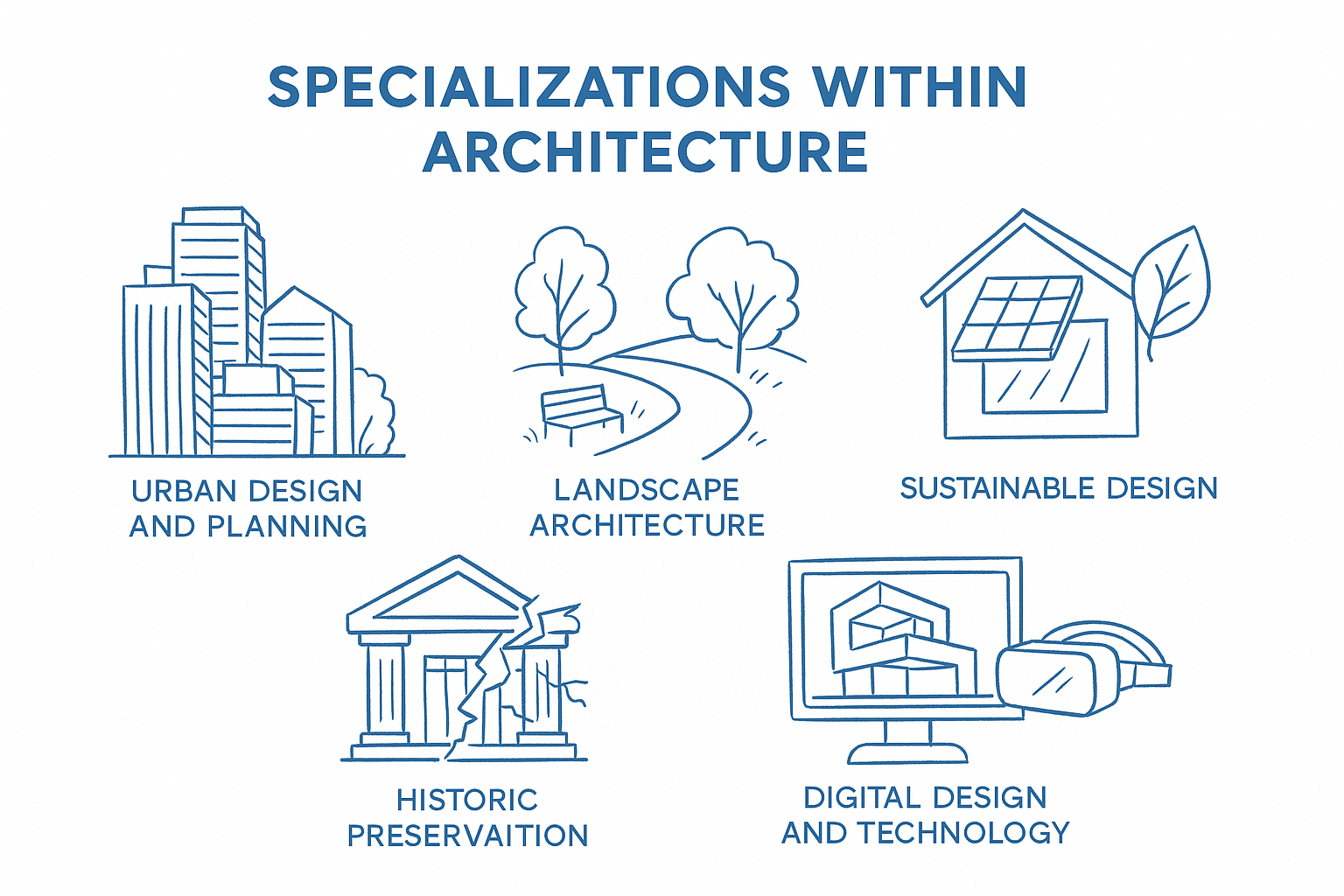
Where design meets the real world
Urban Design & Planning
Shaping cities—not just buildings.
Urban design zooms out. It’s not about one building—it’s about the blocks, parks, plazas, and everything in between. This is where architecture meets planning, policy, and people.
What it’s really about:
▪ Connecting people through walkable streets and transit
▪ Designing public spaces that feel alive, not just legal
▪ Fixing broken neighborhoods without wiping them clean
Career paths:
City planner, public realm strategist, infrastructure designer.
What to learn:
Community engagement. Zoning. Density. Public impact. Not just fancy renders—real strategy.
Landscape Architecture
Designing the in-between spaces that matter.
Parks. Trails. Courtyards. Playgrounds. These aren’t just filler—they're the lungs of a city. Landscape architects make nature part of how we live.
Key skills:
▪ Site reading (what the land wants)
▪ Drainage, grading, and ecology
▪ Spatial design that grows with time
Real impact:
Turning a concrete lot into a climate-resilient park. Blending native species with human needs. Creating healing gardens for hospitals.
Sustainable Design
Making buildings that give back.
This isn’t a trend—it’s survival. Architects in this field build with less, reuse more, and design for the long haul.
Where it’s going:
▪ Net-zero buildings that power themselves
▪ Passive heating, cooling, and lighting
▪ Bio-based materials and modular reuse
What makes it hard?
You can’t just add green at the end. You have to build it into the DNA of your design.
Historic Preservation
Restoring memory—not just masonry.
Old buildings aren’t dead weight. They tell stories. The job here is to protect them—and make them work for today.
What it takes:
▪ Deep historical knowledge
▪ Technical restoration know-how
▪ Legal and cultural sensitivity
It’s not copy-paste. Every project is a balancing act: update the plumbing, save the plaster.
Careers:
Preservation architect, conservation planner, heritage site consultant.
Digital Design & Computational Architecture
When code meets construction.
This is where tech-savvy minds reinvent the design process. Less drafting, more scripting. Less sketch, more simulation.
Tools of the trade:
▪ Rhino + Grasshopper
▪ BIM (like Revit, ArchiCAD)
▪ AR/VR walkthroughs + real-time rendering
What it unlocks:
▪ Parametric façades that respond to sunlight
▪ Smart fabrication directly from the model
▪ Wild forms that couldn’t be built 10 years ago
If you like:
Coding, gaming, simulation, automation—you might belong here.
Visual Summary
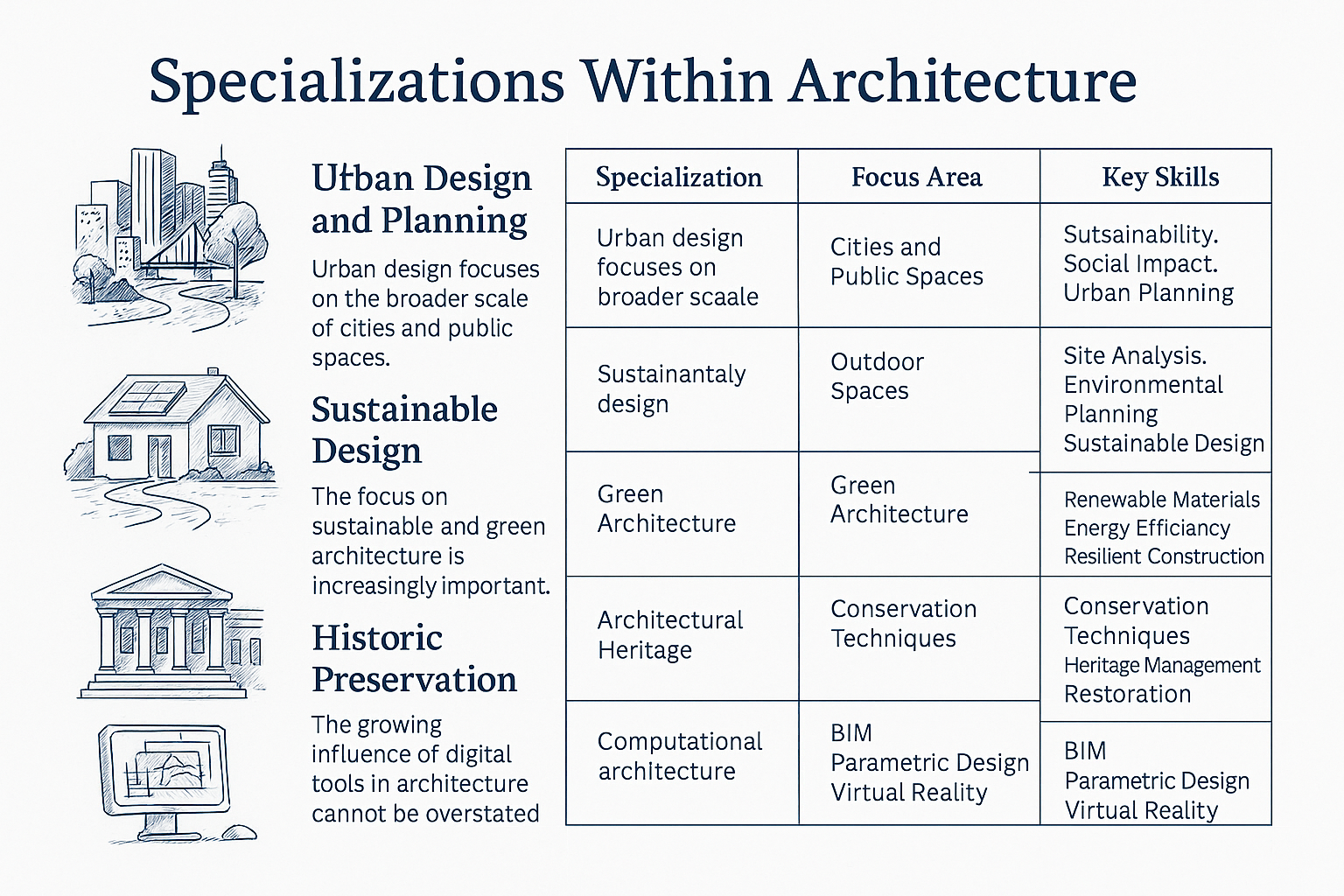
| Specialization | What It Focuses On | Key Skills | Career Roles |
|---|---|---|---|
| Urban Design & Planning | City systems, public realm | Zoning, human behavior, urban flow | Urban planner, city designer, policy consultant |
| Landscape Architecture | Outdoor space & land use | Grading, planting, environmental planning | Landscape architect, park designer |
| Sustainable Design | Eco-conscious building | Passive systems, renewables, green detailing | Sustainability consultant, green architect |
| Historic Preservation | Old buildings, heritage renewal | Restoration, documentation, adaptive reuse | Conservation architect, restoration specialist |
| Digital Design & Tech | Advanced modeling & workflows | BIM, scripting, simulation, fabrication tools | Digital architect, BIM manager, tech lead |
Bottom line?
Architecture isn’t one-size-fits-all. Each specialization opens a new lens. Choose based on what problem you want to solve—not just what software you know.
Current Trends in Architecture Education
📘 The Architecture of Happiness – Alain de Botton
Why read it: Shows how buildings shape our emotions and well-being. Thoughtful, sharp, and easy to digest.
What’s inside:
● Real-world examples
● Design tips that prioritize human experience
● A fresh take on why architecture matters
Where an Architecture Degree Can Take You
Architecture isn’t a one-road profession. Some take the firm route. Others pivot. Today’s grads can shape cities, run businesses, or design policy. Here’s what the real paths look like.
Working in a Firm: The Classic Route
Most grads start here—designing homes, towers, campuses, public buildings. It’s where you learn the system and build your name.
The steps:
-
School: B.Arch or M.Arch from an accredited school
-
Work hours: Complete the AXP (Architectural Experience Program) under licensed architects
-
License: Pass the Architect Registration Exam (ARE)
After that? You choose your lane—maybe sustainable housing, heritage sites, or high-rise offices.
Real Story:
One of my students designed passive solar homes in northern Ontario. His firm didn’t just cut emissions—they slashed heating bills for families. That’s architecture making a dent.
Things to Watch:
-
Juggling clients and codes
-
Project delays
-
Budget battles
Beyond the Blueprint: What Else You Can Do
Architecture gives you skills—design, systems thinking, negotiation, problem-solving. That opens doors outside the studio.
Construction Management
● You run the site.
● Coordinate teams.
● Solve real-time problems.
Skills: Fast thinking, people skills, grit
Challenge: You own the delays.
Real Estate Development
● You find the land.
● You fund it.
● You guide the vision.
Skills: Market sense, finance, negotiation
Challenge: Big risks. Big wins.
Academia + Research
● Teach the next wave.
● Dig deep into topics like AI, sustainability, housing equity.
Skills: Writing, public speaking, critical thinking
Challenge: Grants, tenure track, admin politics
Urban Policy + Government Work
● Influence zoning, planning, and public works
● Shape cities with data-backed design
Skills: Policy fluency, communication, ethics
Challenge: Red tape
Tip: Want one of these? Add credentials—like PMP (Project Management Professional) or a real estate license. They help.
Going Solo: Freelancing or Starting Your Own Studio
This is the route for the bold. You’re the boss—but also the accountant, the marketer, and the last line of defense when something breaks.
What it takes:
-
Business Sense: Proposals, invoicing, contracts
-
Marketing Muscle: Build a brand, earn referrals
-
Thick Skin: Rejections happen. So does scope creep.
Real Story:
A colleague started his own firm from his basement—just him and a table. Five years later, his work’s in Dwell. His trick? Knowing when to say no, and how to say yes with impact.
Biggest Risk: Cash flow.
Biggest Perk: Creative control.
Architecture Career Paths at a Glance
| Path | What You Do | Skills You Need | What Gets in the Way |
|---|---|---|---|
| Traditional Practice | Design buildings, meet clients, manage teams | Design, codes, communication | Regulations, budget pressure, tight timelines |
| Construction Management | Run job sites, manage contractors, fix issues fast | Leadership, time management, contracts | Site chaos, delays, stress |
| Real Estate Development | Plan, fund, and build new properties | Finance, market research, vision | Market swings, financial risk |
| Academia & Research | Teach, write, explore theories and new tech | Research, public speaking, deep focus | Limited funding, publishing pressure |
| Freelance/Entrepreneur | Manage your own clients and projects | Design + biz skills, client management | Unstable income, burnout |
Final Word:
You don’t have to be the architect drawing in a studio forever. Your skills can shape cities, shift policy, or start a movement. It’s up to you how big you want to build.
Challenges and Opportunities in Architecture Education
Breaking Barriers: The Real Challenges and Open Doors in Architecture Education

The Cost Problem—and How to Tackle It
Let’s be blunt: architecture school isn’t cheap. Between tuition, supplies, modeling tools, printing, and software licenses, costs pile up fast.
But there are ways to level the playing field:
● Scholarships – Merit-based and need-based aid from schools, foundations, or associations like the AIA and RIBA
● Grants – Government or private funds that don’t require repayment
● Fellowships – For students working on research, innovation, or social impact
● Work-Study – Paid campus jobs related to your field of study
Real Win: One of my top students funded 90% of her degree through three small scholarships, a grant, and a modeling studio job on campus. She later mentored others to do the same.
Quick Tip: Start early. Apply for everything you qualify for. Small amounts add up fast.
The Profession Is Shifting—Education Has to Keep Up
Architecture isn’t static—and neither should be the way it’s taught. Here’s what’s reshaping the game right now:
1. Sustainability Is Now Mandatory
Programs are embedding green building standards, LEED training, and circular design from year one. You’ll learn to design for future resilience, not just present function.
2. Tech Is No Longer Optional
BIM (like Revit), Rhino/Grasshopper, and AI-assisted drafting are becoming baseline skills. Programs are adapting—but some faster than others.
3. Think Beyond Borders
The best programs now build in global perspectives: study abroad, international studio competitions, and cross-cultural design research. Because today’s architects work everywhere.
Tip: Ask if the school has VR labs, AI coursework, or cross-discipline projects. These will matter more than GPA once you graduate.
What the Future of Architecture Education Looks Like
Here’s what’s actually coming, not buzzwords:
● Experience Over Exams
Curriculums are shifting toward hands-on studio immersion, real-site design challenges, and field-based feedback—not abstract theory or rigid lectures.
● Cross-Disciplinary Is the New Normal
Students are increasingly working alongside peers in urban planning, civil engineering, social work, and even climate science to solve complex problems.
● Virtual Design Environments
VR isn’t just for gaming. Expect more design-through-experience education where students walk through digital buildings before breaking ground.
Example: At a recent design sprint I helped run, students from three departments co-developed a flood-resistant modular housing system for a coastal town. The result? A proposal that got actual funding.
Practical Financial Aid at a Glance
| Type | What It Covers | Why It Helps | Pro Tip |
|---|---|---|---|
| Scholarships | Merit-based aid from schools or private orgs | Lowers costs without debt | Apply to 5+ sources early, tailor each one |
| Grants | Need-based support for tuition/living | Doesn’t require repayment | Review government & institutional offers |
| Fellowships | Research or project-based funding | Boosts CV, funds big ideas | Show impact and align with sponsor goals |
| Work-Study | Part-time paid roles tied to school | Earn while learning, often in design-related jobs | Don’t overbook—keep project time safe |
| Loans | Repayable funds with interest | Last-resort filler for gaps | Know your terms. Borrow only what’s essential |
More resources
Trusted, legit resources that help students manage the cost of architecture school:
▪ AIA Scholarships & Grants
▪ RIBA Student Support
▪ NAAB Accredited Program List (USA)
▪ NCARB Licensing Roadmap
▪ ScholarshipsCanada.com (for Canadian students)
Real Advice for Making It in Architecture School (From Admissions to Survival)
Getting In: How to Stand Out
Build a Portfolio That Tells a Story
→ Show range, not repetition: Mix hand sketches, digital, physical models, and something personal.
→ Depth over quantity: 3–5 solid projects with process + evolution > 15 average ones.
→ Curate it like a designer: Use clean layouts, white space, and consistent fonts. No clutter.
Bonus: Include failed concepts if they show how you adapted. That’s what real design is.
Crush the Interview
→ Be ready to explain why you made every design decision.
→ Mention a specific course, studio, or professor you’re excited about—do your homework.
→ Be confident, not cocky. Authentic curiosity lands better than bragging.
Letters That Actually Help
→ Pick people who know your thinking, not just your grades.
→ Send them a short doc with your goals + projects so they can write something personal.
→ Pro tip: Architects > generic teachers for design credibility.
Once You’re In: How to Survive and Excel
Time Management Is Your Survival Skill
→ Use the “1–4–1” rule: 1 hour to plan, 4 hours to build, 1 hour to revise.
→ Studio isn’t everything—don’t fail structures or theory just to overbuild a model.
→ Sleep. Seriously. Design isn’t better when you’re fried.
Learn to Take (and Give) Critique
→ Feedback isn’t personal. If it stings, it’s probably valid.
→ Get in the habit of reviewing your classmates’ work—your eye sharpens faster that way.
Talk to Your Professors Like Humans
→ Ask questions early—don’t ghost for 5 weeks then panic.
→ If a prof gives unclear instructions, clarify before the final crit.
→ Respect their time, but don’t be shy. They want to help students who show initiative.
Skill Up: Tools and Tactics That Actually Matter
Master Software in Year 1
→ Focus on Revit, Rhino, Adobe Suite, and SketchUp first. Add Grasshopper or Enscape later.
→ Don’t wait for classes—use free YouTube tutorials, Udemy, or DesignMorphine.
→ Build 1–2 personal side projects just to test your tools.
Learn Outside the Classroom
→ Join an AIA student chapter or something like Architecture Lobby.
→ Go to public lectures, open crits, design nights—even if you’re tired.
→ Ask for internships even if they’re unpaid early on—exposure > cash in year one.
Turning Professors Into Allies
Be Direct About Expectations
→ At the start of every studio, ask: What do you care about most—process or product?
→ Turn in on time—even if it's not perfect. They notice effort more than polish.
Speak Up in Class
→ Ask real questions, not filler ones. Mention a building, a book, a material. It shows you care.
→ If you’re lost? Admit it. The best feedback comes when you’re open.
Keep in Touch After You Graduate
→ One email per year with a quick life update keeps that door open.
→ You’ll need references for jobs, grad school, or maybe a lecture invite one day.
Your Architect School Survival Checklist
- Tight, personal portfolio
- Learn Rhino/Revit before second year
- Ask for feedback weekly
- Apply to at least 3 scholarships
- Start building your network in year one
- Respect your profs—but talk to them like collaborators
- Sleep. Eat. Hydrate. It’s design, not a deathmatch
Where This All Leads: What You’re Really Signing Up For
Yes, architecture school can be pressure, deadlines, late nights, and real-world problem-solving.
You’re not just learning to design buildings. You’re learning to think critically, communicate ideas, and shape environments that affect lives.
Whether you start with a B.Arch, BA in Architecture, or jump into a M.Arch or PhD, the path you carve will depend on how deep you want to go and what kind of problems you want to solve—climate, housing, cities, materials, or policy.
✔ You'll fail sometimes
✔ You'll grow constantly
✔ You'll learn things no one can teach in a book
You’ll grind in studios, get grilled in crits, and come out thinking differently about space and society. And that’s the point.
There’s no single “architect” mold anymore.
You could design towers. Or public housing. Or code generative forms. Or run a design-build firm. Or become the professor you wish you had.
Just know this:
You won't leave the same person you were when you walked in. And that's the real win.
FAQs
Most Googled Questions About Architecture Education (Yes, really!)
1. Architecture Degrees
What is the difference between B.Arch and M.Arch?
B.Arch is a 5-year undergraduate professional degree. M.Arch is a graduate-level degree for those with a prior design background or switching into architecture.
Can I become an architect without a B.Arch?
Yes, if you have a non-professional bachelor's degree, you can still pursue a NAAB-accredited M.Arch to qualify for licensure.
How long does it take to become an architect?
Typically 7–10 years: 5 for B.Arch or 4+2 for BA + M.Arch, plus internship and licensure exams.
What is a professional degree in architecture?
A degree accredited by NAAB (or equivalent) that qualifies you to pursue licensure (e.g., B.Arch or M.Arch).
Is architecture a STEM degree?
In many countries, yes. The U.S. classifies it as a STEM degree under the CIP code 04.0902, due to its technical and problem-solving components.
2. Getting Into Architecture School
What do architecture schools look for in a portfolio?
Creativity, process thinking, and presentation. They want original work—drawings, models, photography, or even sculpture.
Do I need to be good at math to study architecture?
Basic geometry and algebra are important, but design thinking and spatial awareness matter more.
Are architecture entrance exams hard?
Depends on the country. In the U.S., there’s no formal entrance exam, but some regions (like India or parts of Europe) require design-based tests.
How competitive is architecture school?
Top-tier schools are highly competitive. A strong portfolio and clear design interest are crucial.
What GPA do I need for architecture school?
Most U.S. programs prefer a GPA of 3.0+, but strong portfolios can outweigh average grades.
3. Cost and Financial Aid
Is architecture school expensive?
Yes. Expect high tuition, material costs, and software expenses. It’s one of the costlier professional programs.
Are there scholarships for architecture students?
Yes. Try AIA, RIBA, local architecture foundations, and school-specific awards.
How much does an M.Arch cost?
Anywhere from $25,000 to $70,000+ depending on the institution and location.
Can I work while studying architecture?
Yes, but it’s tough. Studio work is time-intensive. Part-time jobs or internships with flexible hours are best.
Are student loans worth it for architecture?
Depends on your career goals and where you study. Aim to minimize debt with aid and scholarships.
4. What You Learn in Architecture School
What is a design studio in architecture?
It’s the core of the curriculum—a hands-on environment where you create design projects and get critiques.
Do you need to know how to draw?
Basic drawing helps, but schools teach both manual and digital skills from day one.
What software do architecture students use?
AutoCAD, Rhino, Revit, SketchUp, Adobe Creative Suite, and sometimes Grasshopper, ArchiCAD, or Enscape.
What are the hardest classes in architecture school?
Structures, building systems, and studio critiques. Time management is often the biggest challenge.
Is there a lot of theory or mostly design?
Both. Expect history, theory, environmental systems, and hands-on design to all play major roles.
5. Career and Jobs
What jobs can I get with a degree in architecture?
Architect, urban designer, BIM specialist, construction manager, set designer, or even UX designer.
Do all architecture graduates become architects?
No. Many shift into related fields: real estate, design research, digital fabrication, or policy.
What is the average salary of an architect?
Varies by location and experience. In the U.S., around $65k–85k annually starting out. Senior architects can earn $100k+.
Can I work abroad with an architecture degree?
Yes, but licensure rules vary. Some degrees transfer easily; others require additional certification.
What are non-traditional careers for architecture grads?
Exhibition design, architectural writing, game design, sustainability consulting, or product design.
6. Internships and Licensing
How many internship hours do I need?
In the U.S., 3,740 hours under the AXP (Architectural Experience Program) are required before licensure.
What is the AXP (Architectural Experience Program)?
A structured internship program in the U.S. managed by NCARB, documenting your practical training.
How do I get licensed as an architect?
Earn a professional degree, complete AXP hours, and pass the ARE exam.
What is the ARE exam?
The Architect Registration Examination—6 divisions covering all core practice areas in architecture.
Do I need a license to work in architecture?
To call yourself an "architect" legally and sign drawings—yes. But unlicensed grads can work under licensed architects.
7. Specializations and Advanced Paths
What is urban design?
The planning and design of cities, districts, and public spaces. It blends architecture, landscape, and policy.
What is computational architecture?
A specialization using algorithmic thinking and tools like Grasshopper or generative design to solve complex problems.
Can architects specialize in sustainability?
Yes. Green building, LEED certification, passive design, and climate-responsive architecture are in-demand areas.
Is landscape architecture the same as architecture?
No. It’s a separate discipline focused on outdoor environments, ecology, and land planning.
Should I get a Ph.D. in architecture?
Only if you're interested in academic research, teaching, or advancing specific theoretical or historical aspects of the field.
Must-Read Books for Architecture Students (Bestsellers)

1. 101 Things I Learned in Architecture School – Matthew Frederick
Why it’s worth it:
This cult favorite breaks down architecture’s core ideas into clear, bite-sized insights. It’s not just for beginners — even seasoned architects keep it on their desks for clarity and reminder.
🟦 Quick-read. Visual. Practical.
View on Amazon
2. The Architecture Reference & Specification Book – Julia McMorrough
Why it matters:
Everything from material tolerances to egress rules in one place. No fluff. This is the book you’ll keep reaching for when sketching or detailing real projects.
🟦 A working architect’s cheat sheet.
View on Amazon
3. Architecture: Form, Space, and Order – Francis D.K. Ching
Why it’s a staple:
This is the visual language of architecture. Ching’s drawings are universal. If you’re struggling with form, proportion, or how to think spatially — this book will help decode it all.
🟦 Timeless, beautifully drawn, concept-driven.
View on Amazon
4. Thinking Architecture – Peter Zumthor
Why it's different:
A poetic look into the mind of a master architect. It’s not about blueprints — it’s about why buildings matter, how they feel, and what they whisper. Great for studio motivation.
🟦 Inspiring, emotional, raw.
View on Amazon
5. The Eyes of the Skin: Architecture and the Senses – Juhani Pallasmaa
Why serious students read it:
Goes beyond vision. This book explores how architecture affects touch, sound, memory, and atmosphere — and how good design connects to the body and mind.
🟦 Deep, short, unforgettable.
View on Amazon
Affiliate Notice: Some of the links in this guide are affiliate links, which means we may earn a commission if you click through and make a purchase. This comes at no additional cost to you and helps support our ability to provide high-quality content. Thank you for your support!
Related
- Architecture Schools: What to Know Before Choosing a Program
- What Is a Bachelor of Architecture (B.Arch)? Understanding This Essential Degree
- Master’s Degree in Architecture (M.Arch)
Architecture Education & Design Programs
Core Architecture Education
-
Architecture Colleges
Accredited schools offering B.Arch, M.Arch, and PhD programs. -
Best Architecture Colleges in the World
Global leaders in architectural education and research. -
Top Architecture Universities Worldwide
Renowned for design studios, faculty, and industry partnerships. -
Postgraduate Degrees in Architecture
M.Arch, MUD, MLA, and other advanced programs for specialization. -
Interior Architecture Education
Programs that blend spatial design with architecture fundamentals.
Online & Distance Learning
-
Architecture Distance Learning
Online platforms offering accredited or certificate-based architecture programs. -
Architecture Correspondence Courses
Flexible online or mail-based courses for remote learners. -
Architectural Design Courses Online
Courses focusing on foundational and advanced design skills. -
Landscape Architecture Courses Online
Design training focused on sustainable outdoor spaces and ecology. -
Sustainable Architecture Courses
Green building practices, passive design, LEED certification.
Specialized Architecture Courses
-
Architectural Drafting Courses
Technical training in plans, sections, construction details. -
Architectural Visualization Courses
Learn rendering, animation, and digital presentation tools. -
Architectural Project Management Courses
Training for running real-world projects—from contracts to delivery. -
Interior Design + Architecture Courses
Hybrid programs linking interior experience with building form. -
Classical Architecture Courses
Focused study on Greco-Roman and Renaissance architectural principles. -
Residential Architect Degrees
Programs that emphasize small-scale and single-family housing design. -
Architectural Engineering Education
Structural and systems-focused education for building professionals.
Continuing Education & Licensure Support
-
Architect Continuing Education
CEU options for maintaining licensure and deepening practice. -
NCARB Continuing Education
U.S.-based licensure, AXP hours, and ARE prep support. -
Architectural Record CEU Courses
Free CE-eligible courses from an industry-leading journal.
Notable Architect Educational Paths
-
Frank Gehry Education
-
Frank Lloyd Wright Education
-
Zaha Hadid Education
-
Buckminster Fuller Education
Explore how iconic architects learned—and where they studied.
Global Architecture Education
-
Architecture Colleges Abroad
Options for studying architecture internationally. -
Best B.Arch Colleges in the World
Highly ranked undergraduate architecture programs. -
International Architecture Colleges
Programs with cross-cultural design and global practice focus. -
Architecture Courses in Polytechnic Institutes
Applied design and construction-based training at tech colleges.
Bonus: Alternative & Intro Pathways
-
Architect Without Degree
Paths into the profession via apprenticeship, certification, or licensing alternatives. -
Architectural Designer Education
For those pursuing design roles without full licensure. -
TVET Colleges Offering Architecture
Vocational and technical programs with hands-on design training. -
Brightwood Architecture Education
Career-focused architectural courses (U.S.-based). -
Architecture Appreciation Courses
For beginners and enthusiasts—learn to read, critique, and understand good design.
Architecture Resources That Actually Help
Professional Organizations That Matter
These aren’t just membership cards. They offer career tools, mentorship, job boards, and standards you’ll actually use.
-
AIA – American Institute of Architects
Licensure resources, continuing education, and emerging professional programs. -
RIBA – Royal Institute of British Architects
Ideal for UK-based or international architects. Offers recognized qualifications, competitions, and design policy resources. -
RAIC – Royal Architectural Institute of Canada
For students or professionals working in or moving to Canada. Offers CPD, awards, and a solid job board. -
NCARB – National Council of Architectural Registration Boards
Manages the Architectural Experience Program (AXP) and ARE exams in the U.S. -
NAAB – National Architectural Accrediting Board
Check this if you’re picking a school—it ensures your degree is valid for licensure.
Architecture Scholarships & Financial Support
Studying architecture isn’t cheap. These resources help you avoid student debt traps:
-
ARCHITECTURE FOUNDATION Scholarships (UK)
Funds and supports underrepresented architecture students. -
AIA Scholarships and Grants
Annual awards for undergraduate and graduate students in the U.S. -
RAIC Scholarships (Canada)
Several awards for students in accredited Canadian architecture programs. -
Archinect’s Funding Section
Constantly updated list of scholarships, competitions, and design awards worldwide. -
Fastweb Architecture Scholarship List
Searchable database for U.S.-based students.
Online Learning That Doesn’t Waste Your Time
Get smarter, not bored. These platforms offer quality learning—whether you’re still in school or already designing.
-
ArchitectureCourses.org: Learn Architecture for Free
Real studio-style lessons, project ideas, and design challenges—no tuition, no gatekeeping. Built to help you grow as a designer, no matter where you start. -
MIT OpenCourseWare: Architecture
Real studio lectures and assignments from one of the world’s top schools—free. -
LinkedIn Learning – Architecture Courses
Useful for brushing up on Revit, AutoCAD, Rhino, and portfolio skills. -
Harvard GSD Public Lectures (YouTube)
Get insights from the world’s top minds in architecture and design.