
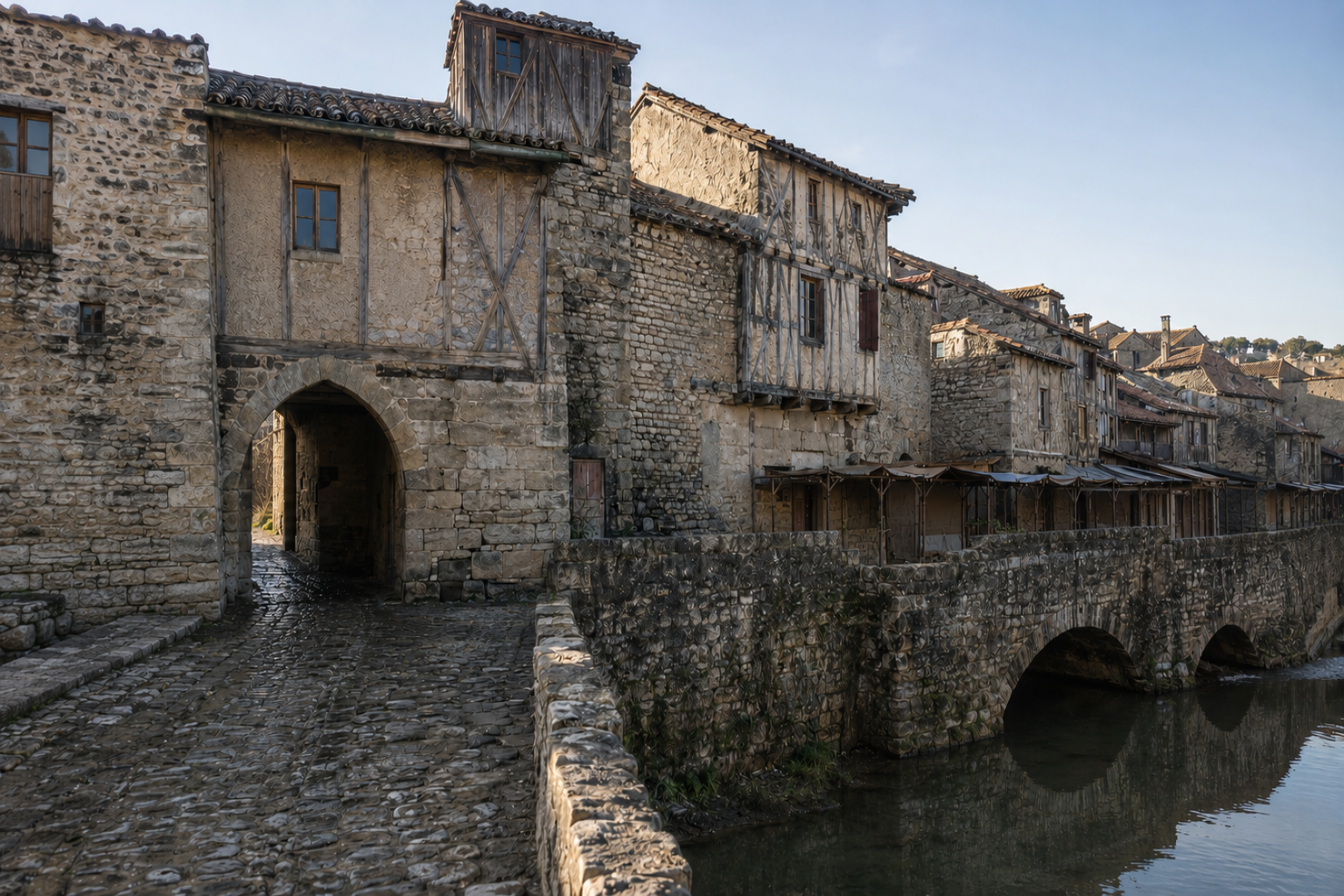
Medieval buildings were made for hard conditions. Walls had to resist weather, attack, fire, rot, and time. Gates had to control movement. Roofs had to shed rain before water reached the structure. Towns had to fit trade, storage, animals, workshops, houses, bridges, and defense into tight ground.
The useful way to study medieval architecture is to start with pressure. What did the building need to survive? What did it protect? Where did people enter? Where did water go? What material was nearby? What kept failing and getting repaired?
Medieval architecture was never one clean style. It changed by region, material, climate, wealth, and danger. A stone castle in Scotland, a timber house in a market town, a bridge tower in France, a courtyard mosque in Cairo, and a mud-brick landmark in Mali all belong to the wider medieval story because each one solved a building problem with the tools and materials available at the time.
What Medieval Buildings Had to Do
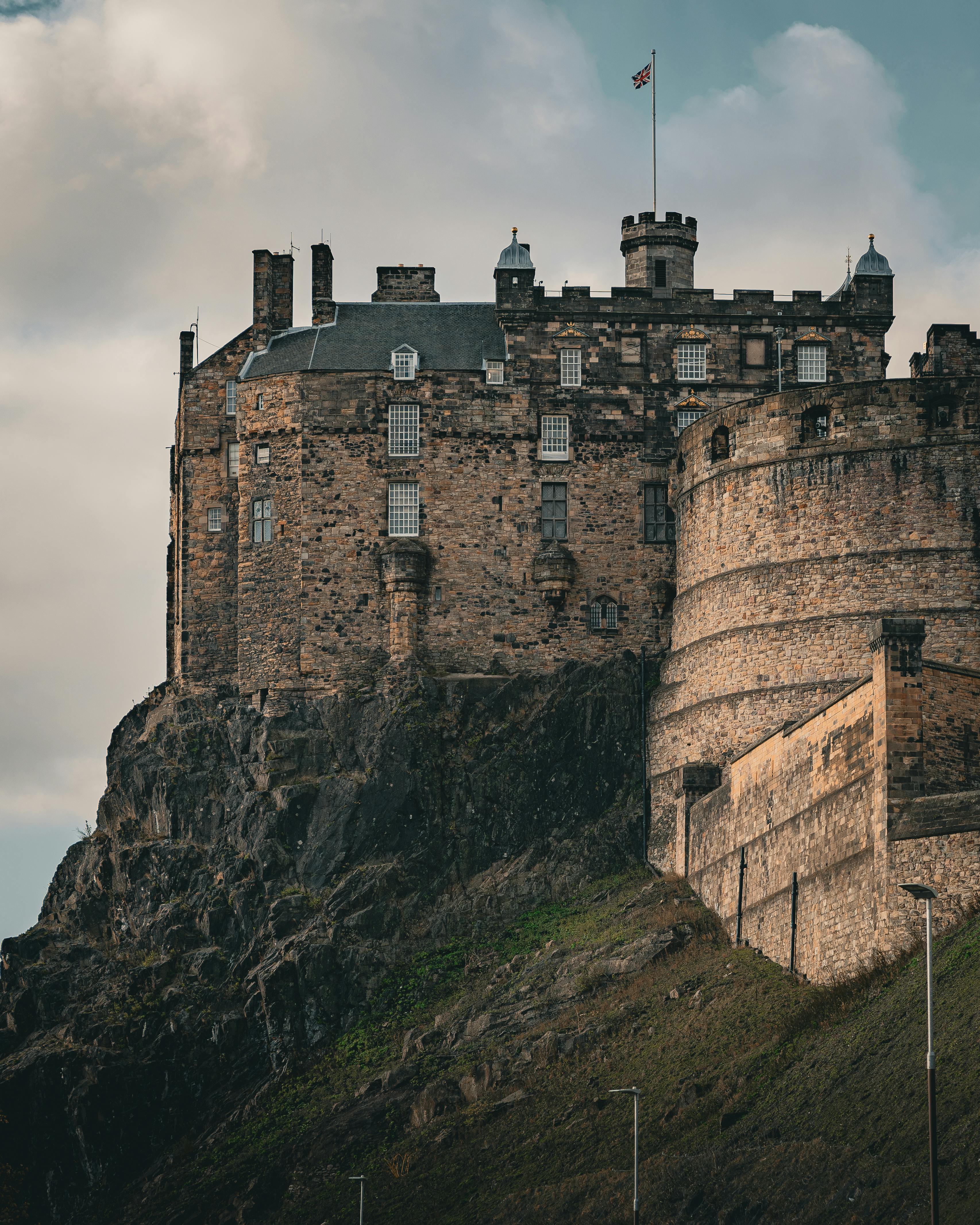
Medieval architecture was practical before it was decorative. A building that looked impressive but failed in rain, fire, siege, or daily use was a weak building. Good medieval builders understood that mass, height, openings, routes, and materials all had consequences.
A wall carried weight, kept weather out, slowed attack, and marked power. A gate worked as a checkpoint. A bridge could control trade, tolls, movement, and defense. A house had to store goods, handle smoke, resist damp, and adapt as families, animals, and workshops changed.
| Building problem | Medieval response | What to look for |
|---|---|---|
| Attack or unrest | Walls, towers, narrow entries, raised sites | Gatehouses, turns, ditches, wall walks |
| Heavy roofs and floors | Stone walls, arches, timber frames, vaulting | Thick masonry, buttresses, beam pockets |
| Rain and rot | Steep roofs, lime mortar, repairs, overhangs | Roof changes, patched joints, water stains |
| Trade and crowding | Market squares, bridges, town halls, mixed-use houses | Shops below, living above, narrow lanes |
| Heat and sun | Courtyards, shade, thick walls, water features | Arcades, inward-facing plans, shaded circulation |
The Main Periods Without the Textbook Fog
Medieval architecture is usually placed between the 5th and 15th centuries. That is a long span, so the buildings did not all look the same. Early medieval buildings were heavier and more defensive. High medieval buildings became more ambitious and technically refined. Late medieval buildings became more regional, urban, and detailed.
| Period | What changed | What you usually see |
|---|---|---|
| Early Middle Ages | Post-Roman building habits mixed with local defense needs | Thick walls, small openings, rounded arches, simple keeps |
| High Middle Ages | Stronger towns, better masonry, larger halls, more complex structures | Pointed arches, taller interiors, better planned castles and bridges |
| Late Middle Ages | More regional character, richer civic buildings, more domestic comfort | Timber houses, town halls, palaces, detailed stone and brickwork |
Castles Were Movement Machines
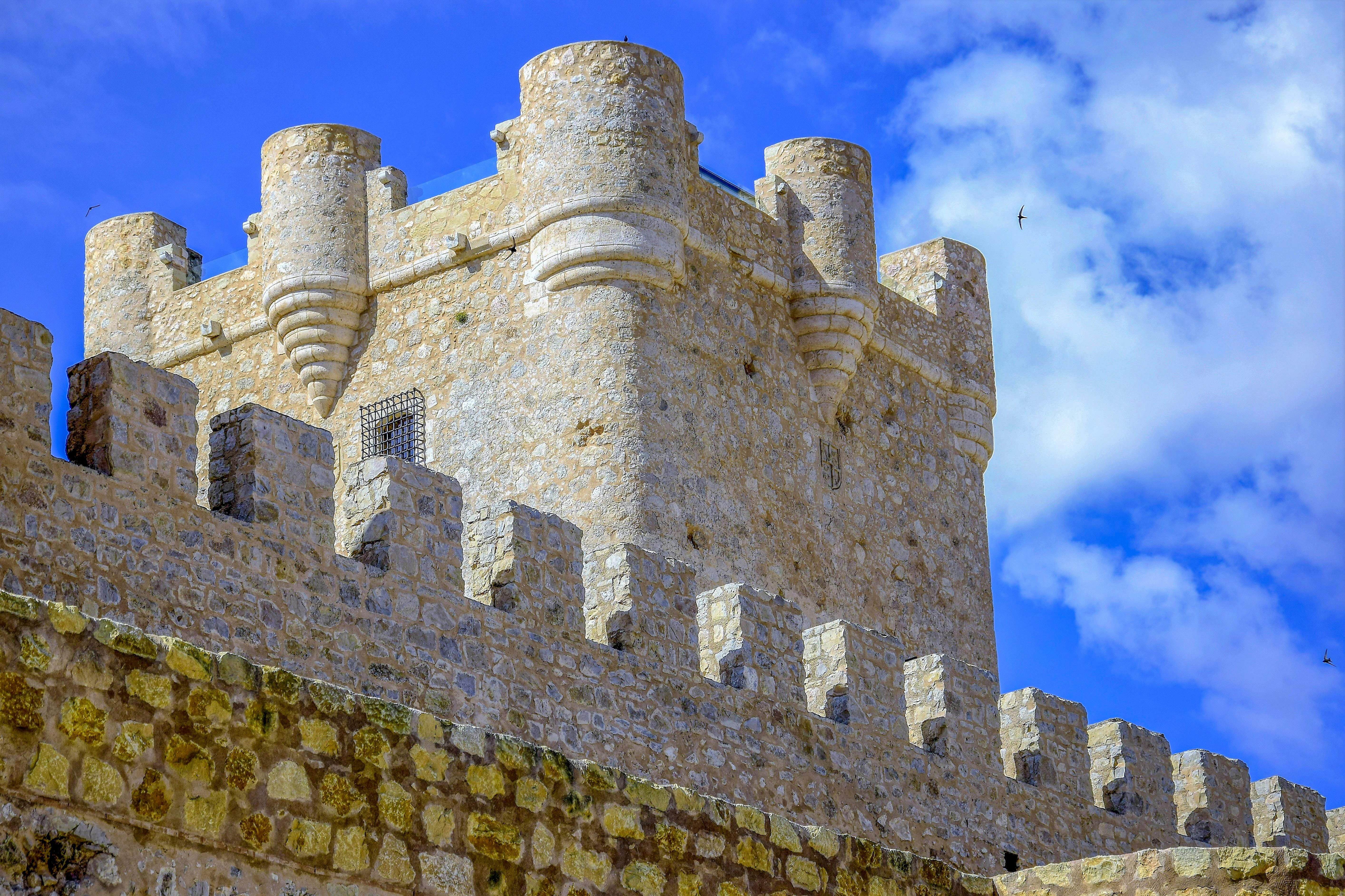
A strong castle was not strong because it looked dramatic from far away. It was strong because it controlled movement. The attacker had to cross open ground, reach a ditch or moat, approach a gate, pass through a narrow opening, turn under pressure, enter a courtyard, and still face more walls before reaching the safest core.
This is why a castle plan matters more than the postcard view. The plan decided who could enter, how fast they could move, where they became exposed, and how defenders could watch them from above. A wall without a good entrance sequence was weaker than it looked.
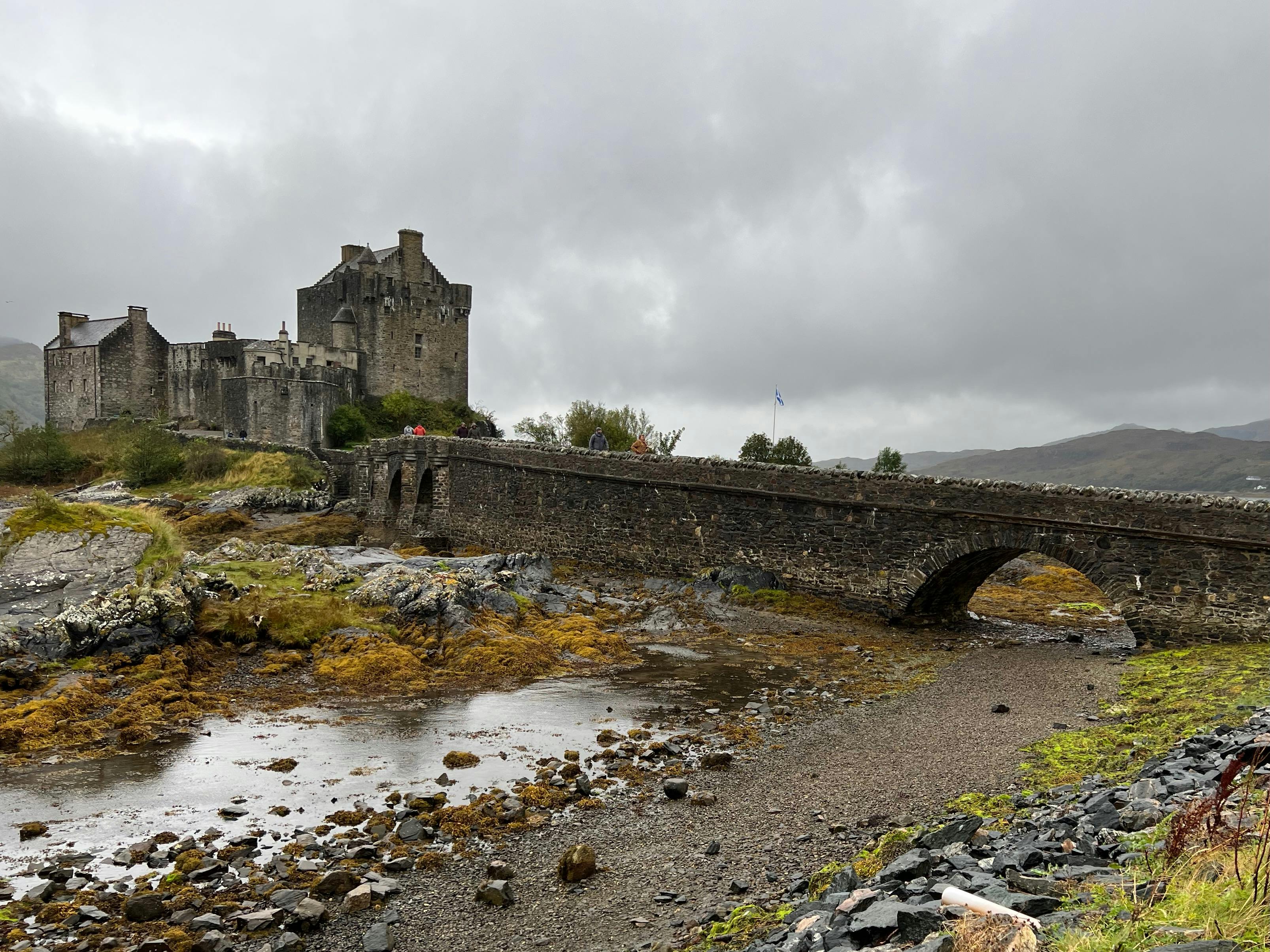
The main parts of a castle had jobs. The outer wall slowed attack. Towers gave height and wider views. The gatehouse protected the most vulnerable opening. The bailey held work, storage, animals, and daily movement. The keep acted as the strongest inner point, not because every castle used it the same way, but because the safest zone had to be deeper inside the plan.
For a closer look at keeps, baileys, towers, gatehouses, and defense routes, the natural next page is medieval castles.
Towns, Bridges, and Gates Mattered Too
Medieval architecture was much bigger than castles. Towns were architectural systems. Walls controlled the town edge. Gates controlled trade and security. Bridges connected markets and roads. Town halls showed civic power. Workshops and houses filled the streets between them.

A bridge could decide where a settlement grew. A gate could decide who paid tolls. A market square could pull workshops, storage, inns, and public buildings into one busy center. Medieval streets often look irregular today, but that does not mean they were random. They followed property lines, slopes, walls, old paths, water routes, and the pressure of trade.
The best medieval towns were dense working places. A shop might sit below a living space. Storage might be tucked behind the main room. A workshop might open directly to the street. Upper floors sometimes projected over narrow lanes because land inside the walls was valuable.

Medieval Houses Were Practical First
Medieval houses are often romanticized, but most were practical, crowded, and repaired often. The building had to handle heat, smoke, damp, storage, food work, sleeping, trade, and sometimes animals. It also had to be built with what was nearby.
In timber regions, builders used framed walls with infill panels. In stone regions, walls were heavier and openings were smaller. In towns, houses often mixed work and living. A front room might serve customers. A rear space might store goods. Upper rooms might hold beds, textiles, tools, or supplies.
The biggest risks were fire and water. Timber burned. Thatch burned. Damp reached walls from the ground. Smoke stained interiors. Roof leaks damaged beams. Once a beam pocket rotted or a wall leaned, repair became part of the building’s life.
The house story is different from the castle story. It is about daily use, materials, heat, smoke, storage, repairs, and the way ordinary buildings shaped streets. For that angle, read medieval houses.
Materials Shaped the Architecture
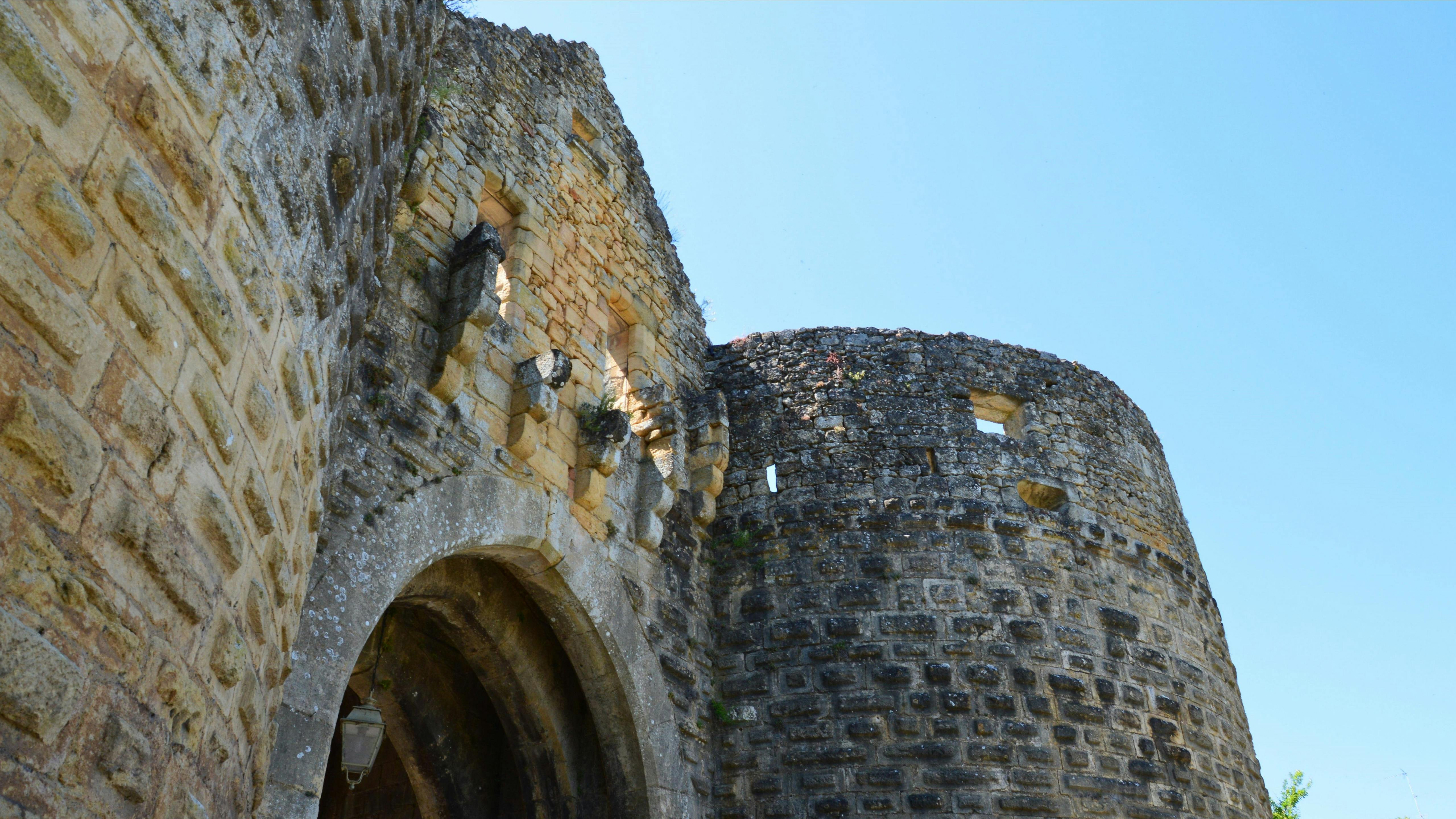
Medieval form came from material limits. Stone made strong walls, but it was slow, heavy, and expensive. Timber was faster and more flexible, but it burned and rotted. Brick helped towns grow where good stone was scarce. Earth and mud-brick worked well in the right climate, but they demanded maintenance. Lime mortar held masonry together while allowing walls to breathe and move.
| Material | Why builders used it | What went wrong |
|---|---|---|
| Stone | Strong, durable, fire resistant, good for walls and towers | Heavy, slow to quarry, hard to move, vulnerable at joints |
| Timber | Fast to frame, good for roofs, floors, houses, scaffolds | Fire, rot, insects, movement as wood dried |
| Brick | Repeatable, useful in towns and regions without good stone | Quality depended on firing, clay, and workmanship |
| Earth or mud-brick | Local, thick, good thermal mass in hot climates | Needs regular surface repair and rain protection |
| Lime mortar | Flexible and breathable for masonry walls | Slow curing, weather sensitive, often needs repointing |
| Iron | Useful for gates, hinges, grilles, straps, ties | Rust can split stone or weaken connections |
Materials also shaped appearance. Thick stone walls created deep window openings. Timber frames created visible grids. Brick allowed pattern and repetition. Earth architecture needed projecting timber, repair sticks, or protective surface work. These details came from how the building was made and maintained.
Islamic Medieval Architecture Changed the Story
The medieval world was connected by trade, conquest, scholarship, migration, and craft knowledge. Islamic medieval architecture belongs inside that story. It brought powerful lessons in courtyards, shade, geometry, water, surface pattern, urban enclosure, and structural control.

A courtyard mosque, for example, works through enclosure and climate as much as symbol. Thick outer walls protect the edge. Arcades create shade. Courtyards organize people and air. Water points help mark the center of use. Surface pattern can make large walls feel ordered without relying on heavy carved figures.
The Ibn Tulun Mosque in Cairo is useful to study because its massing, courtyard, arcades, and urban scale are clear. The Al-Azhar Mosque belongs to the same wider study of medieval Islamic urban architecture. The Alhambra shows another side: palace, court, water, defense, surface craft, and controlled views working together.

The Great Mosque of Djenné adds another lesson: maintenance can be part of the architecture. Its mud-brick construction depends on periodic repair. That does not make it weak. It shows a different building logic, where local earth, community labor, climate, and surface renewal are built into the life of the structure.
For the wider topic, use Islamic architecture as the support page. This medieval hub only needs to show how mosque architecture, courtyard planning, material craft, and geometric surfaces changed the medieval building story.

Arches, Vaults, Walls, and Roofs
Medieval engineering was force management. Builders had to move weight from roof to wall to ground. The more ambitious the span, the more carefully they had to handle outward thrust, settlement, and weak points around openings.
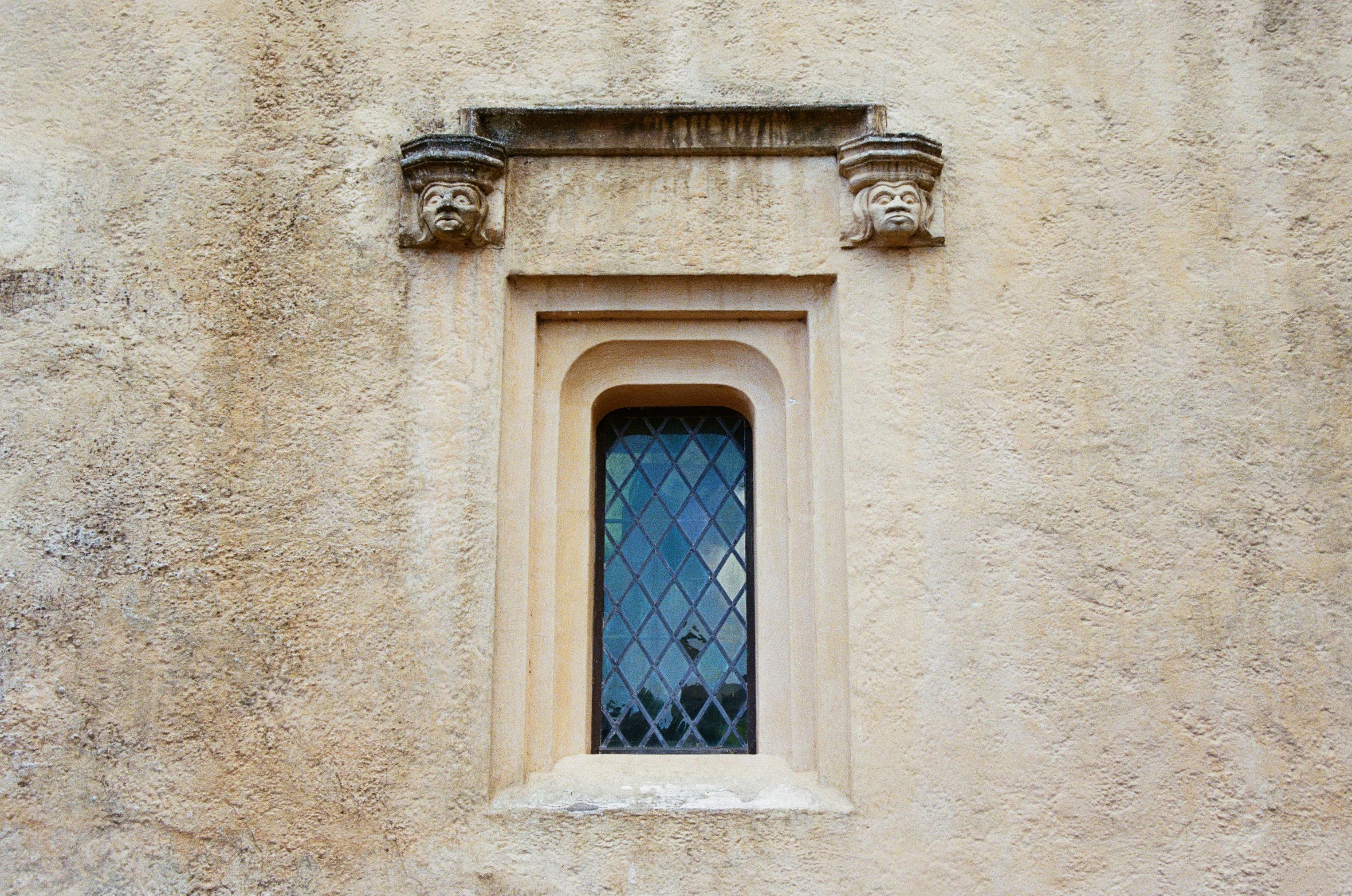
A rounded arch pushes load down and outward. A pointed arch can handle different spans and heights more flexibly. A rib vault organizes ceiling loads through ribs instead of treating the whole surface as one heavy mass. A buttress receives sideways force and sends it down to the ground.
These features are often described as style, but their first job was structural. They made taller walls, larger openings, and wider interiors possible. They also created maintenance problems. If water entered the roof, if mortar joints failed, or if thrust moved in the wrong direction, cracks and settlement followed.
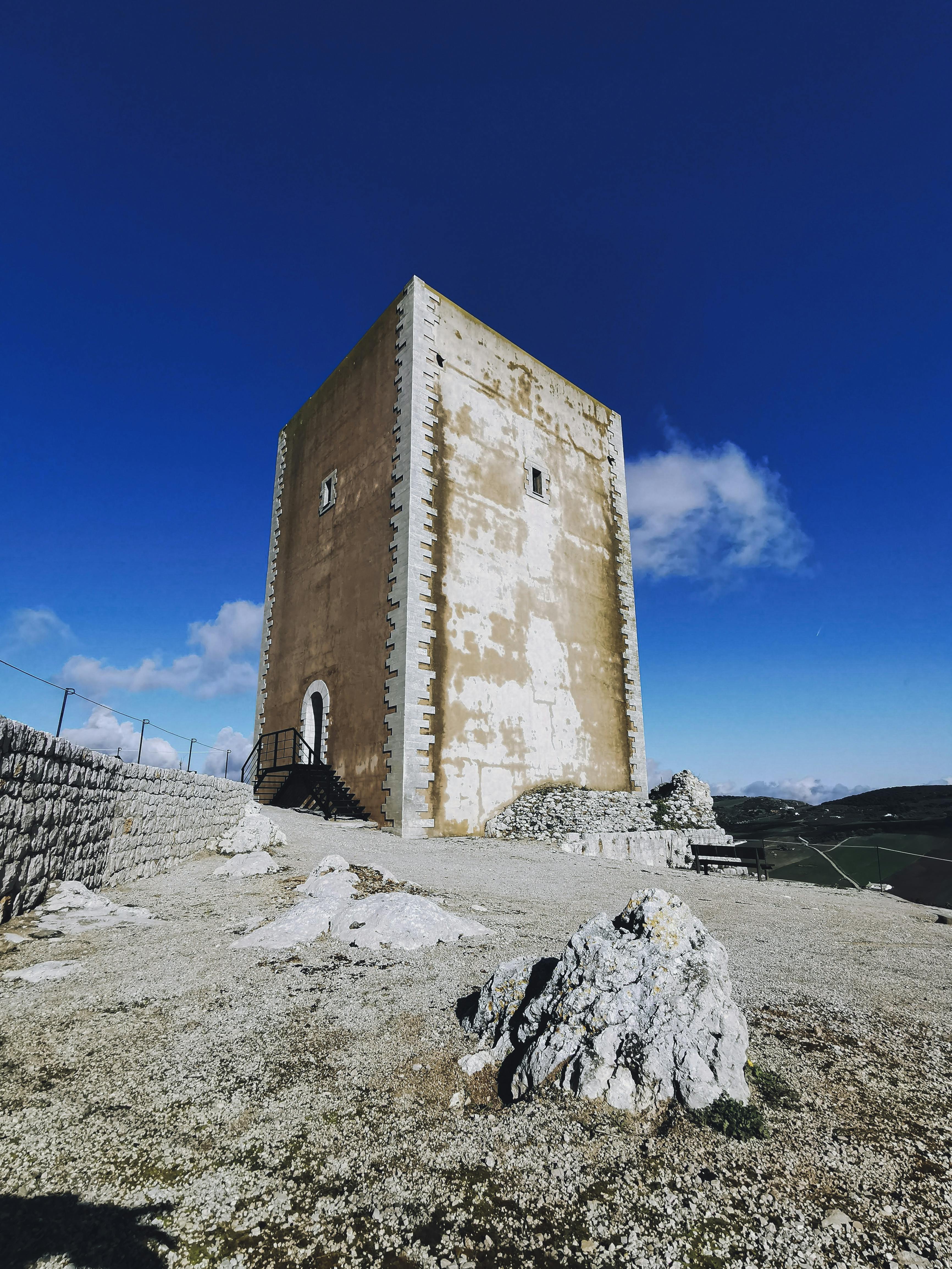
For the technical side, medieval engineering should cover arches, vaults, walls, bridges, scaffolding, timber roofs, lime mortar, quarrying, and failure points in more detail.
Medieval Buildings Were Always Being Repaired
The most useful thing to remember is this: medieval buildings were not frozen originals. They were repaired, patched, raised, cut open, blocked up, rebuilt, and restored across centuries.
Roofs failed first. Water entered through weak coverings, broken edges, bad flashings, and damaged gutters. Once water reached timber, rot followed. Once joints opened in masonry, water carried lime away. Iron ties rusted and expanded. Walls leaned. Foundations settled. Windows changed. Openings were blocked. New roofs met old walls badly. Later owners made buildings look older, cleaner, grander, or more “medieval” than they had been before.
That repair history matters because it changes how you read the building. A wall may show three different periods of stone. A tower may have a later roof. A gate may have been widened for carts. A timber frame may carry replacement panels. A bridge may have new parapets on old piers.
This is where medieval architecture becomes more interesting than style labels. The building is a record of use, failure, repair, weather, and money.
How to Read a Medieval Building
When you look at a medieval building, start with questions that reveal the plan and the pressure behind it.
- Where is the main entrance? The entrance usually shows the security logic.
- What is protected first? Goods, people, rulers, water, animals, records, or trade routes?
- Where does water go? Roof pitch, drains, stains, and repairs tell the truth.
- What material is local? Stone, timber, brick, earth, and lime usually reflect place.
- Which parts carry load? Thick walls, arches, piers, buttresses, and beam pockets reveal structure.
- What was repaired later? Patches, blocked openings, roof changes, and new joints expose the building’s life.
- What controls movement? Gates, bridges, stairs, lanes, courtyards, and turns show power.
This method works better than memorizing a list of features. A pointed arch matters. A tower matters. A thick wall matters. But each one matters most when you understand the problem it solved.
Examples Worth Studying
A few medieval buildings and places are especially useful because they show different parts of the story.
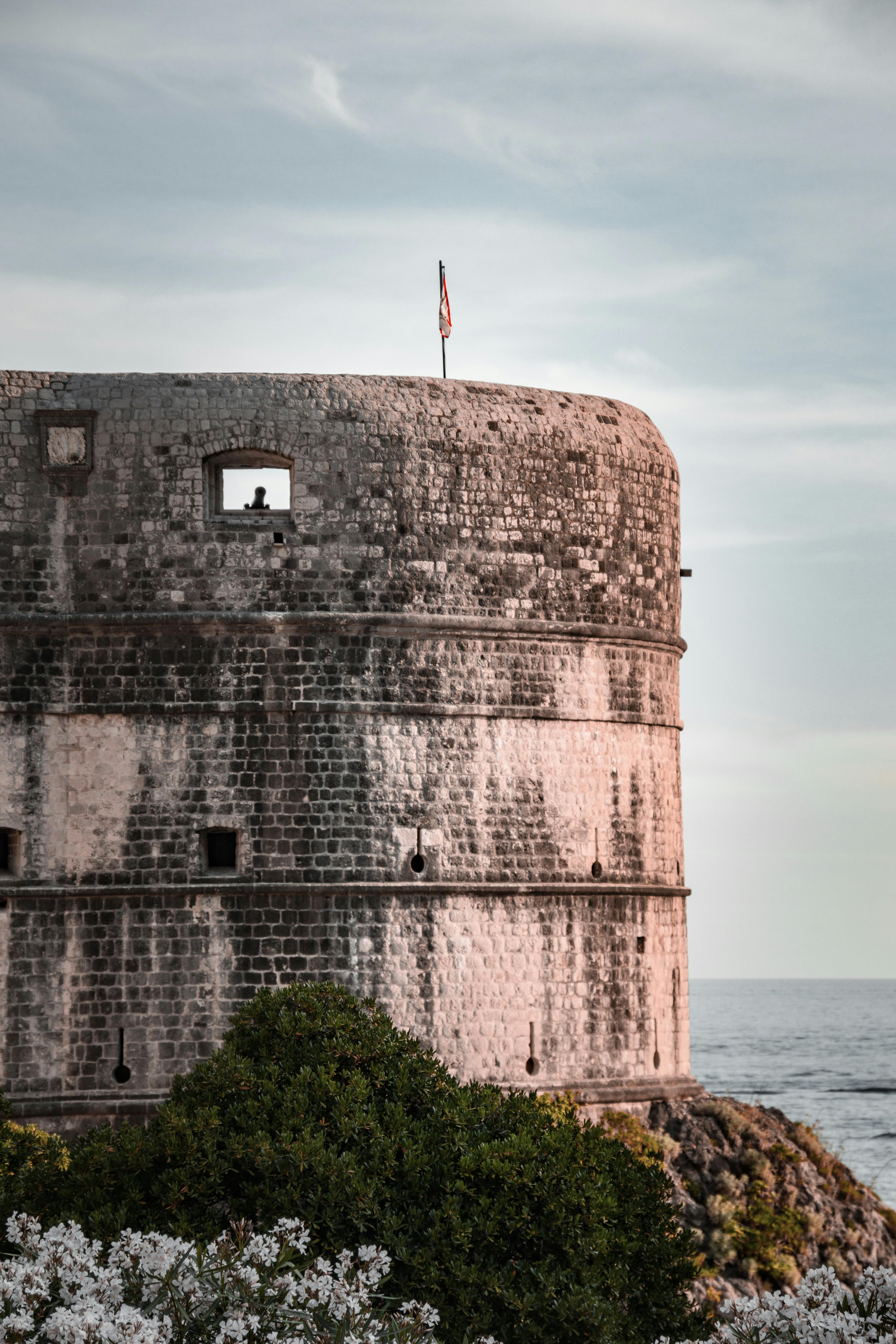
- Tower of London: fortress power, stone mass, and layered use over time.
- Carcassonne: walled town planning, gates, towers, and restoration problems.
- Alhambra: palace, fortress, courtyard, water, and Islamic surface craft.
- Ibn Tulun Mosque: courtyard planning, massing, shade, and urban scale.
- Great Mosque of Djenné: earth construction, climate response, and maintenance culture.
- Himeji Castle: movement control, approach sequence, and defensive planning.
- Palazzo Vecchio: civic power, tower form, and fortress-like urban government architecture.
- Pont Valentré: bridge architecture, towers, crossing control, and trade movement.
What Medieval Architecture Still Teaches
Medieval architecture still matters because it explains how buildings respond to pressure. It shows how structure, weather, movement, power, labor, and material limits shape design. It also shows why old buildings are rarely pure. They are layered. They carry repair, damage, adaptation, and changing use.
A medieval building is more than a historical object. It is a construction lesson. It shows what thick walls can do, why water is dangerous, how entrances control behavior, how materials age, and how much of architecture is maintenance over time.
The lesson is not to copy medieval forms. The lesson is to understand why they took those forms in the first place.
FAQ
What makes architecture medieval?
Medieval architecture usually refers to buildings from roughly the 5th to the 15th centuries. The clearest signs are thick masonry, controlled entrances, arches, towers, timber roofs, fortified edges, civic halls, bridges, courtyard planning, and strong regional material differences.
Were medieval buildings only castles?
No. Castles are the most famous examples, but medieval architecture also includes houses, market buildings, town halls, bridges, walls, gates, palaces, mosques, workshops, and fortified towns.
Why were medieval walls so thick?
Thick walls carried heavy loads, resisted attack, helped with fire separation in some cases, and made small openings safer. They also worked with the material limits of stone and lime mortar.
How did Islamic architecture influence medieval design?
Islamic medieval architecture influenced the wider medieval world through courtyards, shade, water planning, horseshoe arches, geometry, tile, plasterwork, domes, and advanced spatial organization in cities, palaces, and mosques.
Why did medieval buildings need so much repair?
Water, frost, settlement, fire, rot, rust, and changing use all damaged medieval buildings. Roofs, timber, mortar joints, drains, and openings often needed repeated repair.
What materials were used most?
Common materials included stone, timber, brick, clay, earth, lime mortar, plaster, thatch, tile, and iron. The material usually depended on local geology, climate, cost, labor, and transport.
What is the easiest way to understand a medieval building?
Follow movement and water. Find the entrance, the protected core, the route through the site, the roof slope, the drainage path, and the repaired areas. Those clues explain more than decorative labels.
Read Next
For castle plans, gates, towers, keeps, and defense routes, read Medieval Castles.
For arches, vaults, buttresses, bridges, and load paths, read Medieval Engineering.
For ordinary homes, timber frames, hearths, storage, and daily use, read Medieval Houses.
For courtyard mosques, geometry, shade, water, and Islamic surface craft, read Islamic Architecture.