

Image: A medieval neighborhood in Saint Émilion, France, featuring well-preserved stone houses and cobblestone streets that transport visitors to the past.
Medieval Home Design: From Peasant Cottages to Noble Houses
There’s something irresistibly magical about medieval houses. Whether it's the sturdy stone walls, the steeply pitched roofs, or the sense of history embedded in each beam, these homes captivate us, blending both charm and resilience.
As an architect with a fascination for historical design, I’ve always been drawn to the homes of the Middle Ages. Over time, I’ve studied their evolution, structure, and most importantly, how to adapt their unique features into modern homes.
From the Medieval Merchant Houses to the Medieval Tudor House, these designs offer practical, sustainable, and aesthetically timeless solutions for modern living.
So, let’s study the history and architecture, exploring how these medieval marvels can inspire our homes today.
Related: Medieval Manor to Modern Mansion: Medieval Design in Today’s Architecture
The History of Medieval Houses
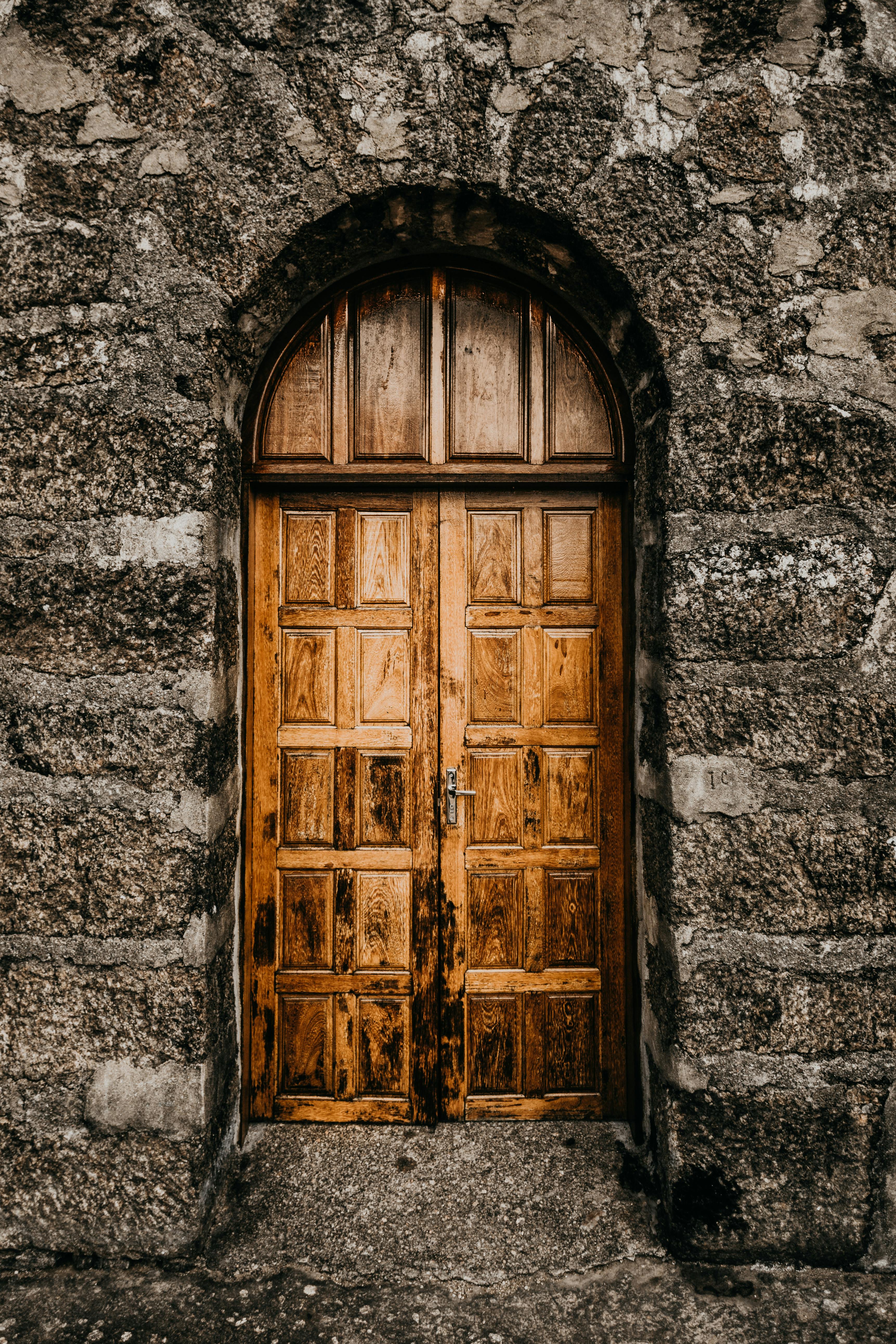
Image: A brown wooden door embedded in a stone wall exterior, showcasing medieval architectural features with a focus on traditional, durable materials.
Medieval homes were a reflection of status, region, and function. From small thatched cottages to sprawling manor estates, the design of medieval houses helped lay the foundation for modern residential architecture.
You’ll see traces of their structure, material use, and layout in today’s rural homes, townhouses, and even eco-friendly cabins.
What These Houses Tell Us
-
Architecture mirrored social class—the higher your status, the bigger and sturdier your home.
-
Most homes were built with regional materials—timber in forests, stone where available.
-
Despite their age, many structural concepts—open hearths, loft spaces, courtyard planning—still appear in design today.
The Evolution of Medieval Castles
Medieval castles were power statements. Over centuries, their form evolved alongside political needs, warfare, and construction technology.
Early Castles: Motte-and-Bailey
-
Quick to build, made mostly of wood
-
Featured a raised keep (the motte) and an enclosed yard (the bailey)
-
Basic defense, but vulnerable to fire and time
The Rise of Stone Castles
-
By the 12th century, stone replaced timber for most castles
-
Added towers, massive outer walls, moats, and drawbridges
-
Served both defensive and residential purposes for lords and royalty
-
The keep (main tower) became the stronghold and visual centerpiece
Medieval Architecture Timeline
| Century | Key Developments |
|---|---|
| 9th–10th c. | Rise of early wooden settlements, peasant homes, and first motte-and-bailey castles |
| 11th c. | Norman Conquest boosts stone construction; timber-framed townhouses emerge |
| 12th c. | Castles transition to stone, introducing towers, battlements, and fortified gates |
| 13th c. | Manor houses expand in scale; cities begin dense townhouse planning |
| 14th–15th c. | High Gothic influence grows; homes become more decorative; castles evolve into residences as warfare tech changes |
| Late 15th c. | Castles decline as fortresses; many become early stately homes |
Types of Medieval Houses

Image: A timeline illustrating the history of medieval houses, detailing significant changes in style and structure from early to late medieval periods.
Medieval Homes: From Simple Cottages to Grand Manors
When we talk medieval houses, we're talking centuries of creativity, practicality, and style. Each type reveals something about how people lived, worked, and viewed the world back then—and many of these ideas still shape how we design homes today.
Let’s explore the variety, from humble cottages to elegant townhouses and fortified manor houses.
Peasant Cottages: Small, Cozy, and Practical
These were the most common houses—and they worked beautifully.
-
Built from wattle-and-daub (a mix of mud, straw, and timber).
-
Typically one room with a central fire for cooking, warmth, and family gathering.
-
Thatched roofs insulated from cold winters and hot summers.
-
Often surrounded by small herb and vegetable gardens.
Today’s tiny houses and off-grid cabins often take inspiration from their simplicity.
Townhouses & Merchant Homes: Medieval Urban Living
As trade blossomed, medieval towns boomed—and the houses went upward.
-
Multi-story homes, often with shops on street-level and living quarters above.
-
Jettied floors (those charming overhangs) maximized living space on crowded streets.
-
Built with timber framing, filled with stone, brick, or plaster for fire safety.
-
Lead-glass windows provided natural light and status symbols of wealth.
Think of these as the original mixed-use urban developments.
Longhouses: The Family and Animal Home Combo
Common in colder climates—especially in Northern Europe—these homes literally sheltered everyone under one roof.
-
Long, narrow buildings with family quarters at one end, animals at the other.
-
Built from timber, sod, and sometimes stone.
-
A large central fire warmed the whole structure.
-
Functional and durable, these structures stood for generations.
A smart, practical approach that still influences sustainable home designs today.
Manor Houses: Luxury Homes of the Middle Ages
These were the upscale mansions of medieval life, and they weren't shy about it.
-
Built from stone or heavy timber, often with fortifications like moats and gatehouses.
-
Had multiple wings, grand halls, and sometimes even private chapels.
-
Servant areas, kitchens, and administrative offices were all included.
-
Lavish decorations like tapestries, carved beams, and painted murals were common.
They were the original countryside retreats—places to show off wealth, power, and taste.
Medieval Villas & Country Houses: Comfort Meets Prestige
These homes bridged rural estates and urban luxury:
-
Owned by wealthy merchants or lesser nobles.
-
Elegant, comfortable layouts inspired by both manor and townhouse styles.
-
Often featured landscaped gardens, orchards, and fishponds.
-
A precursor to the modern weekend getaway or suburban estate.
Tudor Houses: Iconic Style, Lasting Appeal
Late-medieval homes with undeniable charm, still loved today.
-
Timber-framed exteriors with bold black-and-white contrast.
-
Steep roofs, multiple chimneys, and intricate brickwork.
-
Cozy interiors with wooden beams, brick fireplaces, and decorative glass windows.
-
Often set close together, creating charming medieval streetscapes.
Many are still inhabited today, blending historical character with modern comforts.
Medieval Farmhouses & Barn Conversions
Medieval farms were practical, durable, and full of character:
-
Large, sturdy barns and outbuildings alongside the main farmhouse.
-
Thick stone or timber walls and high-pitched roofs for storage and insulation.
-
Often repurposed today as beautiful, spacious family homes or vacation rentals.
Forest Huts & Hermitages: Tiny and Off-Grid
For monks, hunters, or woodsmen who preferred solitude:
-
Small, isolated dwellings made from logs, mud, or stone.
-
Typically just big enough for one or two people.
-
Built with local materials and meant to blend into their surroundings.
These medieval "tiny homes" show that simplicity never goes out of style.
Why Medieval Homes Still Inspire Us
-
They were resourceful—built from local, sustainable materials.
-
Design choices focused on functionality, warmth, and community.
-
Their timeless style still influences modern rural, cottage, and sustainable home designs today.
Architectural Features and Design Elements
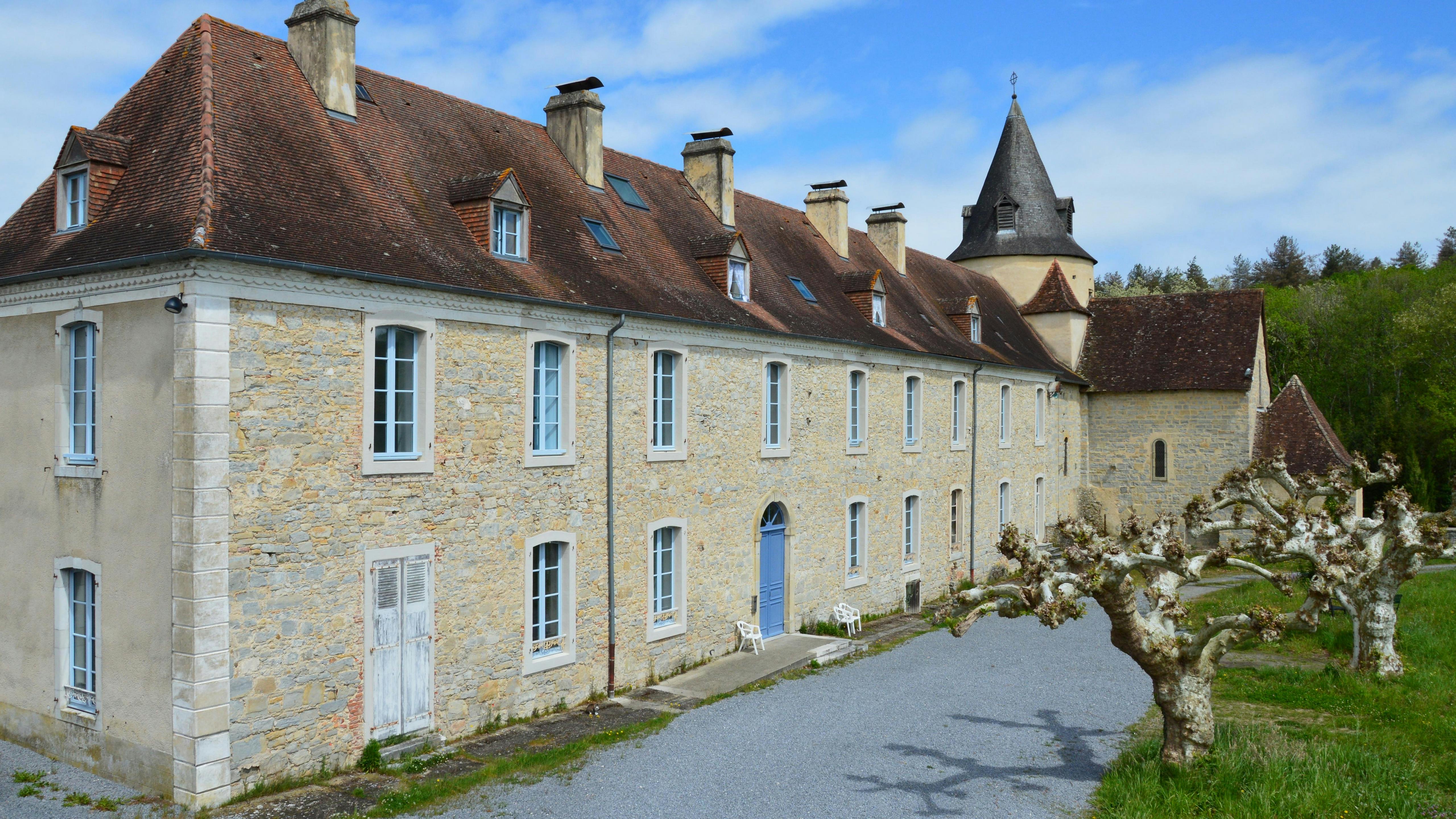
Image: A view of the medieval Abbey of Sauvelade in France, an example of Romanesque architecture with historical significance dating back to the 12th century.
Discover the different types of medieval houses, from humble cottages to noble manors.
Materials
The materials used to construct medieval houses were sourced locally and varied by region. In England, timber and thatch were popular, while medieval stone houses dominated in areas with abundant stone quarries. Medieval Tudor Houses are famed for their half-timbered walls, while houses in Spain and Italy used sun-baked bricks and clay tiles.
- Materials: Medieval houses were primarily constructed with wood, stone, and thatch. In regions with abundant forests, timber framing was common, while stone was favored in areas with strong quarries. The materials used were local, making these homes sustainable by today’s standards.
- Layout and Structure: Most medieval homes, particularly medieval peasant homes and cottages, featured open layouts. The lack of interior walls made the central hearth essential for heat and cooking. In wealthier homes like medieval manor houses, rooms were divided for different functions, from large halls for entertaining to private bedchambers.
- Roofing: Thatched roofs were common in rural areas, providing excellent insulation. Wealthier homes would use tiled roofs, and some medieval townhouses incorporated slate.
- Windows and Doors: Medieval windows were small and often lacked glass, instead featuring wooden shutters. In higher-end homes, leaded glass windows became a status symbol. The front door often faced the street in medieval townhouses, allowing easy access to the marketplace.
Structural Elements
Key elements of medieval house architecture include:
- Timber Frames: A hallmark of medieval houses, timber frames provided both support and aesthetic appeal. Large wooden beams were often left exposed.
- Thatched Roofs: Made from reeds or straw, thatched roofs were common in rural homes and gave a charming, rustic appearance.
- Stone Foundations and Walls: In wealthier homes, stone provided both insulation and protection. Medieval stone houses offered defense against the elements and potential invaders.
Interior Design
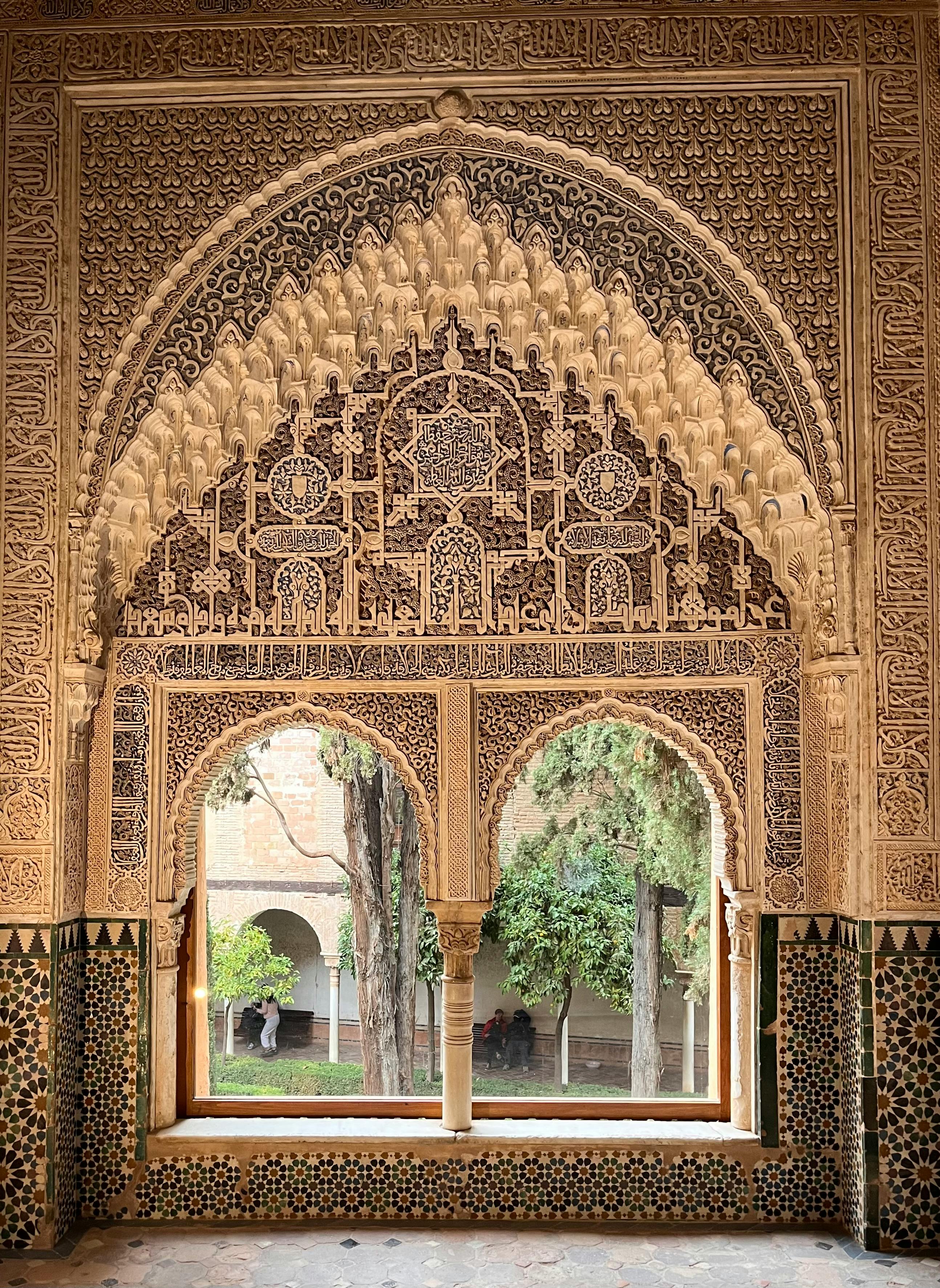
Image: Interior wall in Granada adorned with an ornate Moorish mosaic, representing the elegance and precision of medieval Islamic architectural design.
- Open Hearths: Central to medieval home design was the hearth. It provided heat, light, and a place to cook. Fireplaces didn’t appear until later.
- Lofts and Sleeping Spaces: Most medieval homes didn’t have multiple rooms; instead, they often had a loft or upper sleeping area for privacy.
- Medieval Gardens: Gardens were not just for beauty—they were essential for growing food and medicinal herbs. Medieval herb gardens were a staple of the time.
In Focus: How Medieval Homes Changed the Way We Live
Forget what you’ve seen in movies—medieval homes weren’t just dark huts or gloomy castles. They were clever, practical, and surprisingly comfortable spaces that reshaped our understanding of everyday life.
Here’s why medieval home design matters more than you might think:
-
Practical Innovation:
Medieval architects pioneered the concept of functional zoning—separating spaces for cooking, sleeping, working, and storage. They figured out smart layouts, like central hearths to heat entire homes efficiently. -
Sustainability & Local Materials:
Long before sustainability was trendy, medieval builders relied strictly on local, renewable resources. Timber, thatch, wattle-and-daub, and stone weren’t just economical—they were environmentally friendly. -
Community & Privacy:
Medieval towns balanced tight-knit community living with emerging concepts of privacy and personal space. Narrow townhouses allowed dense populations but also individual privacy—a layout we still copy today. -
Adaptive Reuse & Durability:
Homes were built to last generations. Thick stone walls and sturdy timber frames ensured structures survived centuries, often adapting from one use to another—a lesson in sustainable architecture.
The medieval approach to building was about smart, human-centered design. Next time you step into a cozy cottage or admire a charming townhouse, thank medieval ingenuity for laying the groundwork.
Islamic Medieval Homes: The Hidden Influence on European Architecture
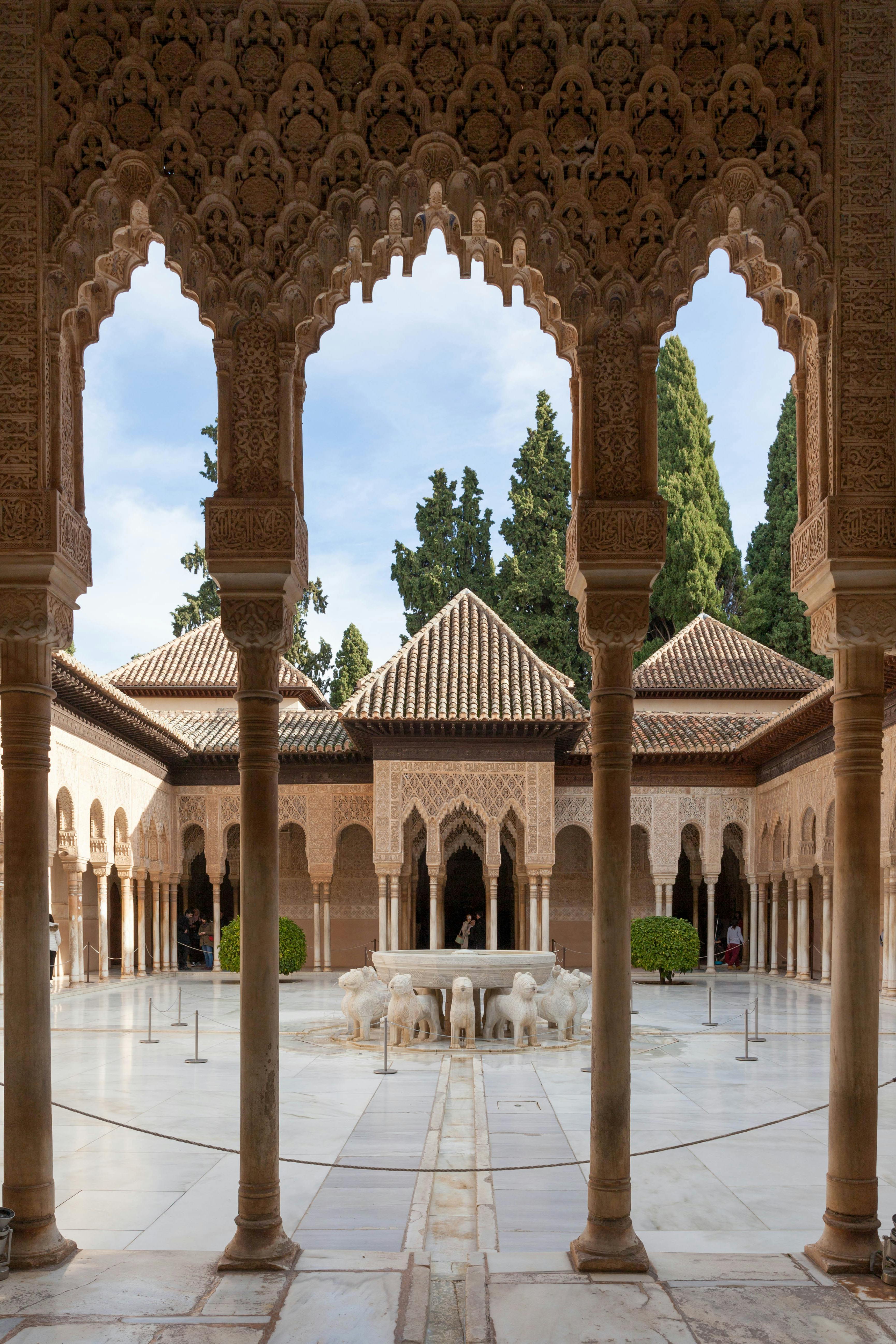
Image: Ornate arches in a historic Moorish building in Granada, Spain, highlighting eastern architectural elegance and medieval design traditions.
Here's something most architecture histories skip: medieval Islamic homes didn't just inspire buildings in the Middle East—they profoundly shaped European architecture, too. And hardly anyone talks about it.
During the medieval period, Islamic architecture introduced ideas that were miles ahead:
-
Courtyard Designs:
Central courtyards provided natural cooling, privacy, and family gathering spaces. European homes gradually adopted this concept—think Spanish patios or Italian piazzas. -
Decorative Tilework & Arches:
Complex geometric patterns, horseshoe arches, and intricate tilework traveled across the Mediterranean. The beautiful Moorish designs of Southern Spain, especially Andalusia, showcase this lasting legacy. -
Interior Comfort & Functionality:
Islamic homes prioritized comfort through intelligent layouts, shade structures, and ventilation strategies. Europeans noticed—and incorporated these ideas into their own manor houses and urban homes. -
Garden Culture:
The idea of ornamental gardens—now central to European villa life—was largely influenced by medieval Islamic landscapes, bringing water features, symmetrical plantings, and sensory design into the mainstream.
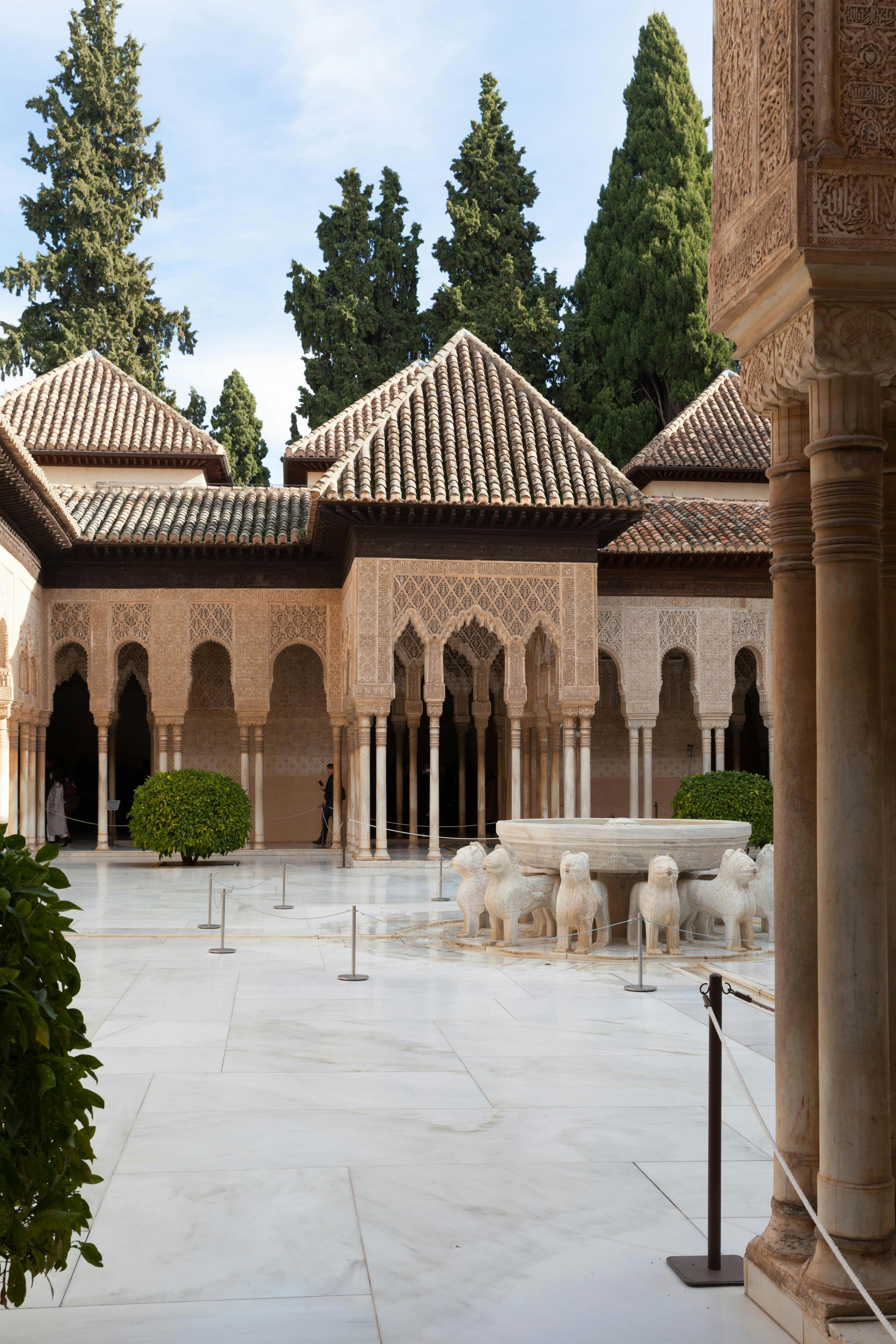
Image: A different angle of Moorish arches in Granada, Spain, revealing intricate medieval detailing and eastern architectural beauty.
It's a huge influence that's still underrecognized. But once you notice it, you’ll see medieval Islamic touches everywhere—in European villas, gardens, urban courtyards, and even modern architecture.
Adapting Medieval House Styles to Modern Homes
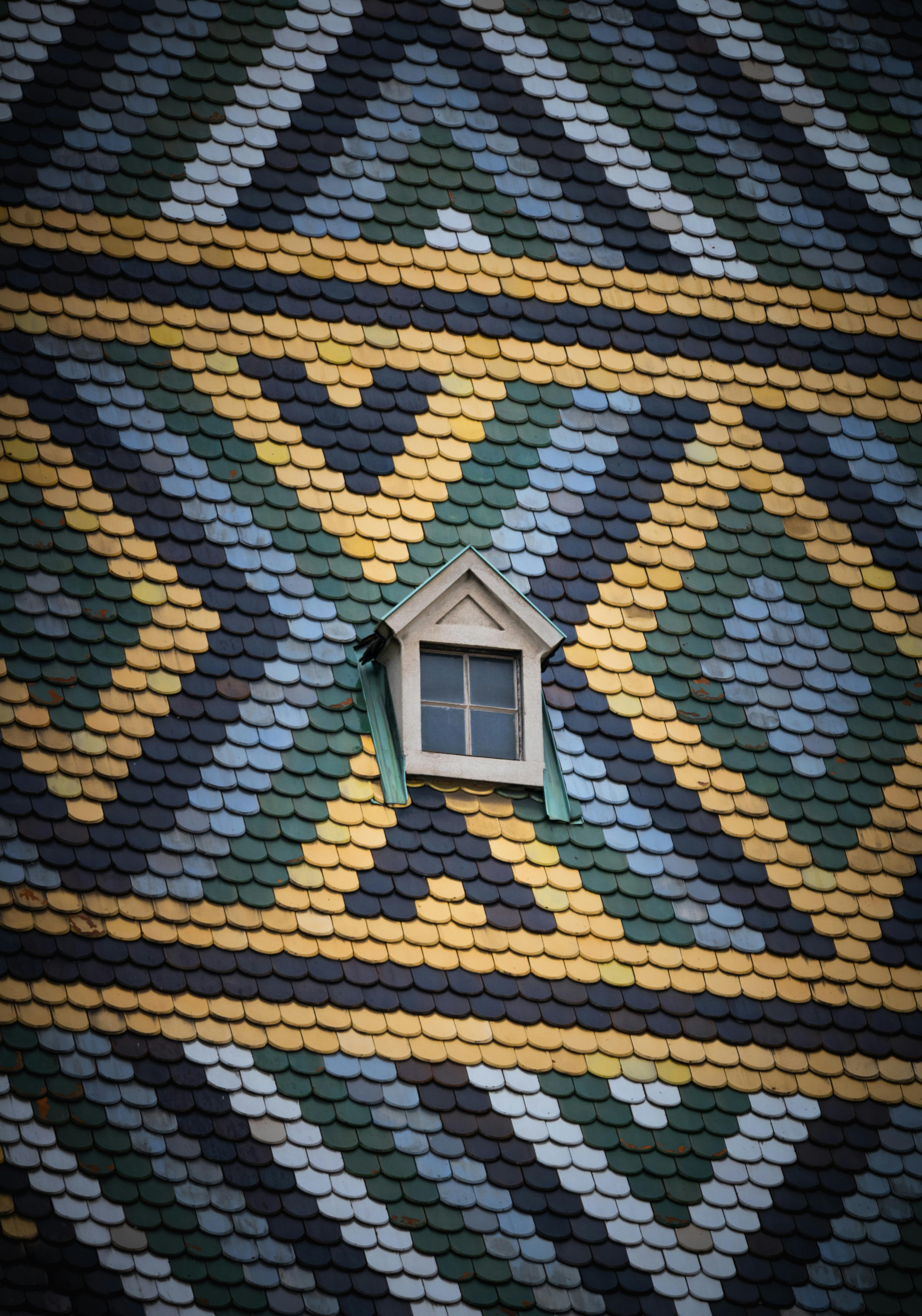
Image: A window with a vibrant, colorful tile roof in Vienna, Austria, illustrating the fusion of medieval and modern house styles in European architecture.
See how medieval house styles like peasant cottages and noble manors are influencing modern architectural design. Gain insight into the structural, aesthetic, and cultural elements that make medieval homes timeless.
Learn how to incorporate medieval design elements into modern homes for timeless charm and character.
Modern homeowners are increasingly drawn to the timeless elegance and sustainability of medieval architecture. Whether you’re looking to build a medieval-style cottage or integrate historical elements into a contemporary home, here are some ways to bring medieval charm into the 21st century:
Medieval architecture was incredibly adaptive to the resources available in different regions. Here are some of the defining features:
How to Integrate Medieval Design Into Modern Homes
Incorporating elements of medieval architecture into modern homes is easier than you might think. The key is blending old-world charm with contemporary comfort. Here are a few ideas:
- Exposed Timber Beams
One of the most iconic features of medieval houses, exposed timber beams can add a rustic and historical feel to any home. Whether you’re building new or renovating, incorporating timber-framed ceilings or walls provides instant medieval flair. - Stone Accents
Many medieval homes, particularly medieval stone houses, utilized stone for durability and insulation. Adding stone walls or stone fireplaces to a modern home creates a sense of permanence and historical continuity. - Courtyards and Gardens
Medieval gardens were essential to daily life, providing food and medicinal herbs. A medieval herb garden can be recreated in your own backyard with raised beds, stone pathways, and period-appropriate plants like lavender, rosemary, and thyme. - Thatched Roofs
While not common in modern architecture, thatched roofs are making a comeback in eco-friendly homes. Thatched roofs offer excellent insulation and a unique aesthetic that connects the home to the earth. - Open Hearths and Fireplaces
Central fireplaces were essential in medieval homes for both warmth and cooking. Incorporating a large, open fireplace in your home can act as a focal point while offering a functional source of heat during colder months.
Medieval House Projects from My Experience
As an architect with a passion for historical design, I’ve had the opportunity to work on several projects inspired by medieval houses.
One of my favorite projects involved designing a modern manor house with elements borrowed from medieval architecture. We used reclaimed timber beams to create a grand hall, complete with a stone fireplace that acted as the focal point of the home.
Another project was a medieval-style cottage in the countryside. Here, we focused on sustainability—using eco-friendly thatching materials and incorporating solar panels in a way that didn’t disrupt the historical aesthetic.
The Medieval Houses That Influenced Sustainable Architecture
What many people don’t know is that medieval houses were incredibly sustainable. Built using locally sourced materials, they were naturally insulated and designed to be energy-efficient long before modern technology existed.
- Natural Ventilation: Medieval homes were designed to stay cool in the summer and warm in the winter using natural ventilation methods. High ceilings and strategically placed windows allowed for air circulation.
- Sustainable Materials: Many medieval homes were made from natural, renewable materials like wood, thatch, and stone—materials that are making a comeback in today’s green architecture movement.
- Self-Sufficiency: Medieval gardens were a necessity for survival, growing vegetables, herbs, and medicinal plants. Today, many homeowners are returning to the concept of the medieval garden as a way to reduce food costs and live more sustainably.
This historical connection to sustainability is one of the reasons I often incorporate medieval design elements into eco-conscious projects. It’s a perfect blend of form and function.
The Overlooked Role of Medieval Gardens in Architecture
One of the most fascinating—and often overlooked—aspects of medieval homes is the role of the medieval garden.
These gardens were not just for beauty or leisure; they were an essential part of daily life. From providing herbs for medicine to fresh vegetables for meals, these gardens were highly functional.
What many don't realize is how medieval gardens influenced the design of homes. Houses were often built around or adjacent to gardens, incorporating outdoor spaces into the daily flow of life.
This tradition has carried into modern home design, where open-air courtyards and garden spaces are integrated into the layout.
Medieval herb gardens, in particular, were used for more than just cooking. Herbs like rosemary, lavender, and chamomile were planted for their medicinal properties.
Today, you can create your own version of a medieval garden, using raised stone beds and historically accurate plants.
Reflecting Medieval Taste and Design Through Architecture: A Window Into the Middle Ages
One of the most fascinating aspects of medieval houses is how their design and architecture reflected the tastes, cultural values, and societal needs of their era.
These homes were much more than simple dwellings; they were expressions of the economic status, technological advancement, and local resources available during the Middle Ages.
1. Reflecting the Medieval Hierarchy
In medieval society, architecture was a direct reflection of social status. The structure and design of a medieval house could indicate whether its owner was a peasant, a merchant, or a noble.
While peasants lived in simple, functional homes made of wattle and daub, nobility resided in grand manor houses and castles, reflecting wealth, power, and prestige.
- Peasant Homes: These were basic and built for functionality. Their small, single-room layouts reflected the humble means of their occupants, while their natural materials (like timber, thatch, and mud) showcased a connection to local resources and sustainable practices.
- Merchant Houses: These urban dwellings were more elaborate, multi-storied, and typically had a workshop or store on the ground floor. Their complex, timber-framed designs reflected the rising middle class and the economic boom of medieval towns.
- Noble Houses: The nobility’s homes were grander, constructed with stone and featuring spacious interiors, private rooms, and extensive gardens. These medieval manor houses not only served as residences but also as administrative centers for estates, symbolizing both economic power and governance.
2. Craftsmanship and Local Materials
The design of medieval houses was heavily influenced by the availability of local materials and craftsmanship.
Regional variations were significant; homes in forested areas featured timber framing, while stone houses were more common in regions abundant with quarries.
- Timber Frame and Thatched Roofs: Timber was abundant in northern Europe, and homes reflected this with the use of half-timbering (visible wooden beams and filled-in spaces). Thatch, made from reeds or straw, was used for roofing due to its insulation properties.
- Stone Walls: In areas where stone was readily available, homes incorporated stone walls, which provided better protection and insulation. This was especially true in noble homes and manors where defense was a priority, given the tumultuous nature of medieval times.
3. Functional Design: Defense Meets Comfort
Medieval homes, especially those of the wealthier classes, often had to balance comfort with defense. Medieval manor houses and castles were designed not only as luxurious residences but also as strongholds capable of withstanding sieges or attacks.
- Small Windows: The windows in medieval houses were small and often lacked glass, as it was expensive and rare. Smaller windows also helped with defense by making it more difficult for attackers to break in.
- Thick Walls: The thicker the walls, the better insulated and more defensible a home was. This was particularly true of stone homes and castles, where walls could be several feet thick.
4. Aesthetic Choices in Medieval Architecture
Interestingly, medieval design wasn’t just about practicality; there was a distinct aesthetic at play. Gothic influences, even in smaller homes, introduced verticality and pointed arches, particularly in urban centers where medieval merchants lived. This aesthetic, with its pointed arches and soaring lines, evoked a sense of reaching toward the divine, even in domestic architecture.
- Arches and Vaults: The use of pointed arches and vaults in wealthier homes mirrored the styles found in larger Gothic structures, such as cathedrals. These design elements not only provided structural integrity but also added a sense of grandeur.
5. Environmental Adaptations
A lesser-known fact about medieval house design is how well these structures were adapted to their environments. Medieval architecture incorporated sustainable practices, often using natural resources like wood and stone. Homes were positioned to take advantage of natural light, and medieval herb gardens were carefully planned to support a self-sustaining lifestyle.
- Passive Heating and Cooling: Thick stone walls helped retain heat in winter and cool in the summer, a design principle that modern architects continue to draw from.
- Medieval Gardens: Adjacent to homes, medieval gardens served both aesthetic and practical purposes. They provided food, herbs, and medicinal plants, helping families live sustainably long before "green" design became a buzzword.
New Insight: The Role of Social Rituals and Entertaining in Medieval Home Design
One eye-opening truth about medieval homes that’s rarely discussed is how their designs were shaped by social customs and rituals.
Medieval noble houses were often designed with large rooms or halls intended for hosting feasts, gatherings, and important meetings.
These spaces were critical for maintaining social status and exercising power, as hosting prominent figures and community members was central to medieval life.
In contrast, peasant homes—though simpler—also reflected a communal way of life. The hearth was the focal point, where meals were prepared, and families gathered.
This focus on communal living persists in many modern designs where open-plan kitchens and living areas encourage social interaction.
Medieval Castles as Homes
Key Architectural Features
The strength and beauty of a medieval castle lie in its architectural details. The design of these castles evolved with warfare techniques and the need for stronger defenses.
1. Curtain Walls and Towers
The curtain walls of a medieval castle were its first line of defense. Built with thick stone, they were designed to withstand direct attacks. Towers were often integrated into these walls, providing vantage points for archers and soldiers.
2. Moats and Drawbridges
The medieval castle moat was not just for decoration; it was a key defensive feature designed to prevent enemy forces from easily reaching the walls. Drawbridges connected the castle to the outside world and could be raised during an attack.
3. Keeps and Great Halls
The keep was the fortified residence of the lord, often located at the heart of the castle. Inside, the great hall served as the social hub where feasts and important meetings took place. These massive, often elaborately decorated rooms were essential for the life of the castle.
4. Battlements and Arrow Slits
The battlements or crenellations on top of the castle walls provided cover for defenders, allowing them to shoot arrows while staying protected. Arrow slits, narrow vertical openings in the walls, were designed to allow archers to fire at invaders while being shielded.
FAQ
1. What materials were medieval houses made from?
Medieval houses were typically built with locally sourced materials such as timber, stone, wattle and daub, and thatch for roofing. Wealthier homes often incorporated stone, while poorer homes used wood and mud.
2. How did medieval houses stay warm?
Medieval homes relied on open hearths for warmth. The central fireplace was essential, as it provided both heat and a place for cooking. Wealthier homes often had additional hearths in private rooms.
3. Can I build a modern house inspired by medieval architecture?
Absolutely! Many modern homes incorporate elements like exposed timber beams, stone walls, and open fireplaces to evoke a medieval feel. You can also use sustainable materials like reclaimed wood to mirror medieval construction methods.
4. What is a medieval garden, and how can I create one?
A medieval garden was essential for growing food and medicinal herbs. To create one, use raised beds, stone pathways, and plant period-appropriate herbs like rosemary, thyme, and sage.
5. What is the difference between a medieval cottage and a medieval manor house?
A medieval cottage was typically a small, simple structure built for peasants, while a medieval manor house was a grand estate designed for nobility. Cottages were usually made from timber and thatch, whereas manors were built from stone and timber.
Best Books
The English Mediaeval House
Author: Margaret Wood
Why Read It: Considered a foundational text on medieval domestic architecture in England, this book offers detailed analyses of various house types, from peasant cottages to noble residences. It's praised for its comprehensive coverage and insightful commentary.
Monmouthshire Houses
Authors: Sir Cyril Fox & Lord Raglan
Why Read It: This three-volume series provides an in-depth study of building techniques and house plans in Monmouthshire from the 15th to 17th centuries. It's a seminal work for understanding regional variations in medieval domestic architecture.
Early Medieval Architecture
Author: Roger Stalley
Why Read It: This book offers a comprehensive overview of architectural developments from the early medieval period, focusing on structural innovations and stylistic evolutions across Europe. It's well-regarded for its scholarly yet accessible approach.
Medieval Architecture: European Architecture 600–1200
Author: Howard Saalman
Why Read It: Covering a broad geographical area, this book examines the diversity of medieval architecture, highlighting regional styles and the socio-political factors influencing architectural design during this period.
The Medieval Fortress: Castles, Forts, and Walled Cities of the Middle Ages
Authors: J.E. Kaufmann & H.W. Kaufmann
Why Read It: Focusing on military architecture, this book explores the design and function of fortifications throughout the medieval period, providing detailed illustrations and analyses of various structures.
Town Houses of Medieval Britain
Author: Anthony Quiney
Why Read It: This work delves into the architecture of urban dwellings, examining how townhouses evolved in response to economic and social changes. It's a valuable resource for understanding the intersection of domestic life and urban development.
Islamesque: The Forgotten Craftsmen Who Built Europe's Medieval Monuments
Author: Diana Darke
Why Read It: This book sheds light on the often-overlooked influence of Islamic art and architecture on Europe's medieval structures, offering a fresh perspective on cultural exchange during the Middle Ages.
Architecture and Affect in the Middle Ages
Author: Paul Binski
Why Read It: Exploring the emotional and sensory experiences of medieval architecture, this book provides insights into how buildings were perceived and interacted with during their time.
Medieval Architecture, Medieval Learning
Authors: Charles M. Radding & William W. Clark
Why Read It: This interdisciplinary study connects architectural developments with contemporary intellectual movements, offering a holistic view of the medieval period's cultural landscape.
These books offer a range of perspectives on medieval architecture, from technical analyses to cultural interpretations. Depending on your specific interests—be it domestic structures, fortifications, or the broader societal context—these resources can provide valuable insights into the architectural heritage of the Middle Ages.
Related - Medieval Houses: A Quick Guide
General Concepts
Basics of medieval home design, layout, and construction methods.
-
Medieval Homes
-
Medieval House Styles
-
Medieval Townhouses
-
Medieval Style Houses
Types of Medieval Houses
Different medieval house styles, from humble to grand.
-
Medieval Peasant Homes (Simple, practical, single-room dwellings)
-
Medieval Cottages (Rural homes built with local timber and thatch)
-
Medieval Merchant Houses (Urban homes combining shops and living spaces)
-
Medieval Manor Houses (Luxurious rural estates for the nobility)
-
Medieval Noble Houses (Grand homes of wealthy aristocrats)
-
Medieval Tudor Houses (Late medieval timber-framed homes)
-
Medieval Stone Houses (Durable homes built from stone, often fortified)
-
Early Medieval Houses (Basic early medieval structures, typically wood and wattle-and-daub)
Gardens and Plants
Plant life and gardens essential to medieval daily life.
-
Medieval Gardens (Designed gardens with ornamental and useful plants)
-
Medieval Herb Gardens (Specialized gardens growing medicinal herbs)
-
Medieval Plants (Common plants used for food, medicine, and decoration)
Historical Houses from Earlier Periods
Houses from periods before medieval times.
-
Stone Age Houses (Early homes constructed from stone, animal skins, and natural shelters)
-
Bronze Age Houses (More advanced houses with timber, stone, and basic metalworking)