

Image: Exterior white wall of Topkapi Palace in Istanbul featuring arched details and traditional Ottoman architectural elements.
16th-Century Architecture: Beyond the Classics
Why the 16th Century Was a Game-Changer for Architecture
If you are familiar with architecture history, you already know the 16th century was a game-changer for architecture.
How so?
Well, this was the era when buildings began to tell stories — and that's real architecture.
For example, it was now not just about who lived in them, or what level of social status they had. It became more about the ideas, ambitions, and creativity of the time.
This gradually reflected the whole society in general. Everyone applied that spirit in their own home, according to their abilities and financial possibilities. Just like nowadays.
This is part of our extensive courses covering five centuries of architecture styles and history.
Architecture Became More Important Than Technology

In other words, making just shelter wasn’t enough anymore. Human advances and ambitions grew too.
Just like technology moved forward, but architecture was even more important — it's about dwellings, where we spend most of our time. It's a first priority, like food or water.
How the 16th Century Bridged the Old and the New
After spending years exploring the ins and outs of architectural history, we can’t help but be fascinated by how the 16th century bridged medieval traditions and modern innovations.
Think of it as the moment architecture went from just being functional to becoming something exceptional — when design became an expression, even art.
Real Examples: Italian Villas and Ottoman Palaces

Image: Dolmabahçe Palace in Istanbul situated along the Bosphorus, known for its elegant waterfront architecture and historic significance.
Picture an Italian villa with symmetrical courtyards, creating balance and grandeur. Or an Ottoman palace filled with intricate designs that blended different cultural influences at once.
These were beautifully structured and bustling places, but you must always look deeper than just the look.
For example, study how they reflected their time and how the architects behind them embraced bold ideas and new techniques to stand out, not just copy old formulas.
Architects Took Big Risks — and Changed Everything
Obviously, the architects weren’t about playing it safe. They experimented with new materials, redefined classical principles, and introduced features we still admire today. And that's exactly how you get great architecture.
Why Seeing Beyond the Surface Matters in Architecture
When you study and look at architecture from a different perspective, that’s what separates you from the regular eye.
In this profession, you must always look beyond the appearance.
That’s how, in our case, you will reach the conclusion yourself — that from Europe to the Middle East, the 16th century was a masterclass in pushing boundaries while still staying rooted in real craftsmanship.
What’s Next: Exploring the Standout Features of 16th-Century Architecture
Down below, we’ll explore what made 16th-century architecture so iconic — its standout features, clever innovations, and worldwide influence.
From sprawling villas to bustling urban landmarks, there’s a lot to unpack.
Let’s, as we agreed, with an architect’s expert eyes, look at how this remarkable era still inspires architects and designers today.
Does it really? How? Why? Any examples to prove it?
All down below.
Key Styles of 16th-Century Architecture
The 16th century was a turning point in architectural design, blending classical influences with bold new ideas. From the symmetry and elegance of Renaissance villas to the intricate details of Mannerist facades, this era was all about experimentation and innovation.
Across Europe and beyond, architects pushed boundaries, creating styles that were as diverse as they were groundbreaking.
Let’s explore the key styles that defined this transformative century.
1. Renaissance Architecture: Balance and Beauty

- Defining Features: Symmetry, geometry, and classical proportions dominated Renaissance design.
- Materials and Techniques: Builders used stone, marble, and terracotta to create facades and interiors that exuded luxury.
Example: Villa Farnese (Italy), with its circular courtyard and harmonious layout, epitomizes Renaissance ideals.
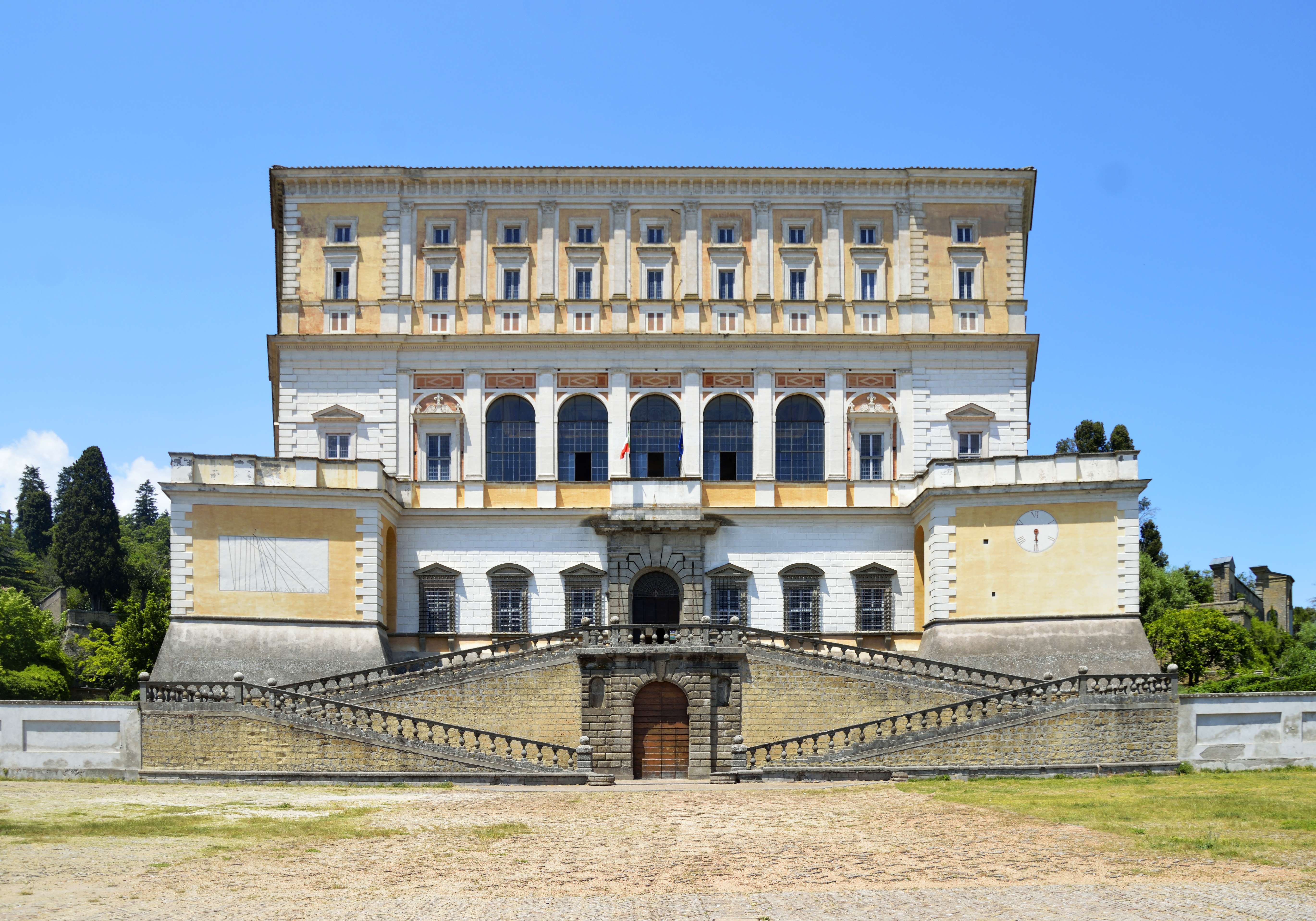
Image: Villa Farnese, also called Villa Caprarola, is a grand pentagonal mansion located in Caprarola, Northern Lazio, known for its Renaissance architecture.
- Pro Tip: If you’re inspired by Renaissance style, focus on symmetry and understated elegance. Think balanced windows and doors framed by clean lines.
2. Mannerism: Breaking the Rules
- Defining Features: Exaggerated proportions, unexpected elements, and playful designs.
- Materials and Techniques: Stucco became a popular medium for intricate decorations.
- Example: Palazzo del Te (Mantua, Italy), where the architect deliberately used optical illusions to challenge traditional norms.
- Why It’s Interesting: Mannerism allowed architects to experiment, paving the way for more daring designs in later centuries.
3. Ottoman Palatial Architecture

Image: Exterior view of Dolmabahçe Palace in Istanbul, showcasing its ornate architecture and grand neoclassical design
- Defining Features: Grand domes, expansive courtyards, and intricate tilework.
- Materials and Techniques: Use of Iznik tiles, marble, and wood for elaborate details.
Example: Topkapi Palace (Istanbul) served as both a political center and a luxurious residence.
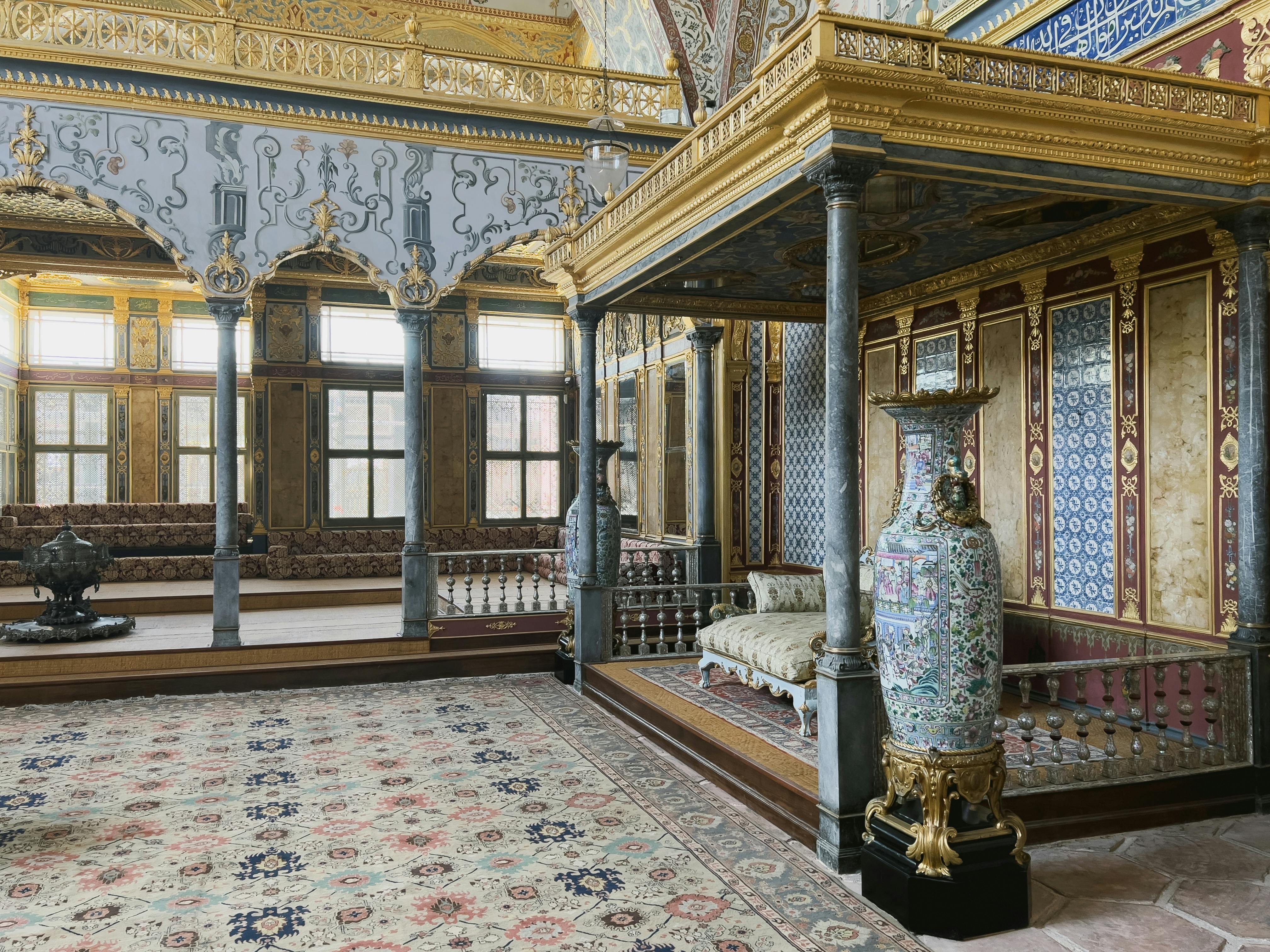
Image: Interior of a room in Istanbul's Topkapi Palace, featuring intricate tilework, gilded details, and traditional Ottoman design elements.
- Pro Tip: Notice the emphasis on blending indoor and outdoor spaces, a hallmark of Ottoman design.

Image: Ornate entrance gate of Dolmabahçe Palace in Istanbul, featuring intricate stone carvings and grand architectural details.
4. Plateresque: Ornate Spanish Grandeur
- Defining Features: Highly detailed facades resembling intricate silverwork.
- Materials and Techniques: Carved stone combined with Gothic and Renaissance elements.
- Example: University of Salamanca’s facade in Spain is a masterpiece of this style.
- Why It Stands Out: The Plateresque style showcased Spain’s Golden Age, reflecting wealth and cultural pride.
5. Timber-Framed Urban Architecture
- Defining Features: Exposed wooden beams, steep roofs, and compact designs.
- Examples: Townhouses in Germany and England, such as the Tudor-style homes of Stratford-upon-Avon.
- Pro Tip: Timber framing was an economical and practical solution for densely populated urban centers.
Global Influences on 16th-Century Architecture

What amazes me about 16th-century architecture is how interconnected it was, even in an era without modern communication. Each region adapted and innovated based on its culture, materials, and needs. The result? A blend of styles that tell the story of human ambition and creativity.
Let’s see how different regions made their mark:
- Italy: Renaissance ideals spread from Italy across Europe, setting the tone for the century’s architectural identity.
- Spain and the Americas: As Spanish explorers colonized the Americas, they brought Plateresque and Renaissance styles with them.
- Middle East and Asia: The Ottoman Empire and Mughal India fused local traditions with grand designs, such as Humayun's Tomb in Delhi.
- Northern Europe: Timber-framed buildings became staples of urban life in regions like England, Germany, and Scandinavia.
Details: Global Influences
Italy: The Renaissance Powerhouse
Italy set the tone for the century, with its focus on balance, proportion, and classical revival. When I visited the Piazza del Campidoglio in Rome, I was struck by how every angle seemed meticulously planned. It's not just about aesthetics—it’s about creating spaces that feel harmonious and monumental.
Spain and the Americas: Carrying the Torch Overseas
Spain took Renaissance ideals and infused them with local flavor, especially in the Americas. Seeing the Plateresque facades in Salamanca is one thing, but realizing that similar ornate designs were being applied to colonial buildings halfway across the globe? That’s architectural globalization in its infancy.
The Ottoman Empire and Mughal India: Fusion of Grandeur and Tradition
The Ottoman Empire brought its signature domes, minarets, and intricate tile work into the 16th century, blending functionality with unmatched beauty. When I visited Humayun’s Tomb in Delhi, I could see how Mughal architects embraced symmetry and gardens to create spaces that felt almost spiritual, without relying solely on religious symbolism.
Northern Europe: Timber-Framed Practicality Meets Style
Traveling through England and Germany, I’ve always admired the timber-framed houses in towns like Rothenburg ob der Tauber. These buildings weren’t just homes; they were showcases of craftsmanship, with exposed wooden beams and thoughtful urban integration. Scandinavia’s interpretation focused more on simplicity but didn’t skimp on charm.
What It All Means
What stands out about this era is how architects weren’t just building for the present—they were creating for posterity, setting standards that still inspire today. When you see a Renaissance-inspired façade or an intricately planned courtyard in a modern home, it’s like these 16th-century architects are still whispering their secrets
Key Innovations in 16th-Century Architecture
- Use of Perspective and Proportion
- Ornamentation and Facades
- Integration of Indoor and Outdoor Spaces
- Material Innovation
- Purposeful Urban Planning
16th-Century Key Innovations
The 16th century completely changed architecture.
Architects weren’t playing it safe. They experimented, pushed boundaries, and created spaces that felt new and alive.
Here’s a clear look at the key ideas that defined this bold period:
1. Perspective and Proportion
Renaissance architects didn’t just build structures — they created experiences.
Using precise mathematics, they designed spaces where everything felt intentional.
Walk through the Piazza del Campidoglio in Rome, and you’ll see how every angle and view was carefully planned — it’s like stepping inside a painting.
Why It Worked: Perspective created flow, making spaces feel larger and more connected.
Modern Influence: Urban planners today still study symmetry and alignment from this era.
2. Ornamentation and Detail
Facades became works of art.
Instead of plain exteriors, buildings were layered with carvings, stucco, and hand-crafted designs.
At Villa d’Este, for example, the delicate stucco work turns simple walls into artwork.
Why It Mattered: These elements weren’t just decoration — they symbolized creativity, wealth, and status.
Modern Reminder: Great design speaks through small details.
3. Indoor Meets Outdoor
Architects blurred the lines between indoors and outdoors.
Courtyards, terraces, and open-air spaces became essential parts of design.
Standing in an Ottoman courtyard, you can feel how air, light, and space all work together — making everything feel alive.
Why It Changed Things: Comfort and connection to nature became part of architectural thinking.
Modern Influence: Open-plan homes and outdoor living spaces owe a lot to this innovation.
4. Material Innovation
New materials and smarter building methods pushed architecture forward.
In Northern Europe, timber-framed houses combined beauty with durability.
In Italy, marble and stucco were refined for lighter, more ornate construction.
Example: Germany’s old timber-framed towns still look like something out of a storybook — beautiful and built to last.
Why It Mattered: Materials started to balance strength, artistry, and function.
5. Purposeful Urban Planning
Cities moved from chaotic clusters to organized, thoughtful spaces.
Public areas, streets, and marketplaces were designed to make daily life flow better.
Venice’s canals, for example, weren’t just for travel — they shaped how the city lived and moved.
Why It Lasted: Combining beauty and function became the model for city design — and still is today.
Takeaway
The 16th century wasn’t just about building walls — it was about creating vision.
Architects mixed old ideas with bold new ones, designing structures that still amaze us today.
Whether it’s a perfectly laid-out city square or the delicate details on a villa, their work feels fresh even now — because they weren’t copying; they were innovating.
The more you study this era, the more you realize how deeply it shaped the way we live and build today.
How 16th-Century House Architecture Shaped Lives and Reflected Society
In the 16th century, house architecture reflected more than the need for shelter. It showed wealth, embraced new ideas, and adapted to the cultural shifts shaping society.
Design choices, materials, and layouts all carried meaning, tied to the priorities and ambitions of the time.
Why Homes Took the Shapes They Did
The Renaissance Shift
The Renaissance brought a new way of thinking that naturally spread into architecture. Homes were shaped by ideas of order, proportion, and balance inspired by classical ideals.
Example: Italian villas featured symmetrical layouts and carefully planned courtyards.
Why It Matters: Families saw their homes as reflections of their identity. Balanced design meant intellect, taste, and social standing.
Global Trade and Influence
Trade routes expanded, bringing exotic materials like mahogany and fine textiles into Europe. This new access shaped home designs, allowing people to display wealth and global reach through their surroundings.
Example: Spanish homes used intricate tile work influenced by Moorish craftsmanship, blending different cultures under one roof.
Why It Happened:
This was the Age of Exploration. Travel and trade were changing how people built and decorated their homes.
Evolving Social Structures
The growing middle class in England and across Europe demanded homes that matched their new aspirations. They wanted practical living spaces, but with details that once belonged only to nobility.
Example: Tudor-style houses in England used decorative half-timbering, combining function with bold style.
What Changed:
Homes became a visible sign of ambition and upward movement in society.
Key Features That Defined 16th-Century Homes
Symmetry and Proportion
Architects aimed for balance and visual harmony. Symmetry ruled layouts both inside and out.
Example: Villas in Tuscany used central courtyards framed by columns, making every view intentional.
Courtyards and Outdoor Integration
In warmer climates, courtyards became a central part of living space. They allowed air circulation, natural light, and privacy without losing connection to nature.
Why It Worked:
Courtyards created comfortable, natural-feeling environments, still private but open to the outdoors.
Innovative Materials
Builders relied heavily on local materials, shaping regional styles naturally.
-
England: Timber-framed houses used local woods to create the classic Tudor look.
-
Italy: Marble and stucco made homes lighter, brighter, and more elegant.
-
Spain: Terracotta tiles and stucco, with strong Moorish influences, defined the Spanish style.
Decorative Details
Homes became personal canvases for design and craft. Carved wood panels, colorful tiles, and detailed plasterwork turned ordinary walls into statements.
Example: In Spain, Plateresque homes featured intricate stucco designs that blended architecture with sculpture.
Real Examples That Left a Mark
Villa Barbaro (Italy)
Designed by Andrea Palladio, Villa Barbaro is a model of symmetry and Renaissance ideals. It blended living space with agricultural function — groundbreaking for its time.
What Stood Out:
The frescoed interiors reflected not just wealth, but cultural and intellectual depth.
Hardwick Hall (England)
Built by Bess of Hardwick, this home featured large glass windows — a true luxury at the time.
Why It’s Important:
Glass technology was advancing, and Hardwick Hall showed how homes could now embrace openness and light.
Spanish Colonial Homes (Americas)
These homes adapted European styles to new environments, using local materials like adobe.
Takeaway:
Good design adapted to any setting, combining Renaissance ideas with local realities.
How These Homes Influenced Everyday Life
New Ways to Entertain
Grand dining rooms and open courtyards made homes centers for social life.
Modern Tip:
Open kitchens and outdoor spaces today trace back to these early ideas.
Showcasing Status
Details like decorative chimneys, carved doors, and grand facades made homes powerful symbols of status.
Example:
Venetian merchants filled their homes with balconies and sculptures to show their success.
Improved Comfort
Features like glazed windows and built-in fireplaces made homes warmer, lighter, and more livable.
What We’ve Noticed:
Visiting Tudor homes today shows how even small innovations, like better heating, made a huge difference in daily life.
Takeaway
What we’ve learned from studying 16th-century homes is simple:
They were never just places to live. They were reflections of ambition, identity, and creativity — shaped by trade, technology, and rising social movements.
From the symmetrical courtyards of Italy to the half-timbered houses of England, every design choice told a bigger story.
And what’s exciting is how many of those ideas still shape the way we build and live today.
The Global Influence of Muslim and Arab Design
While Europe was embracing Renaissance ideals, the Islamic world was already pioneering architectural techniques and influencing global design in ways that continue to inspire.
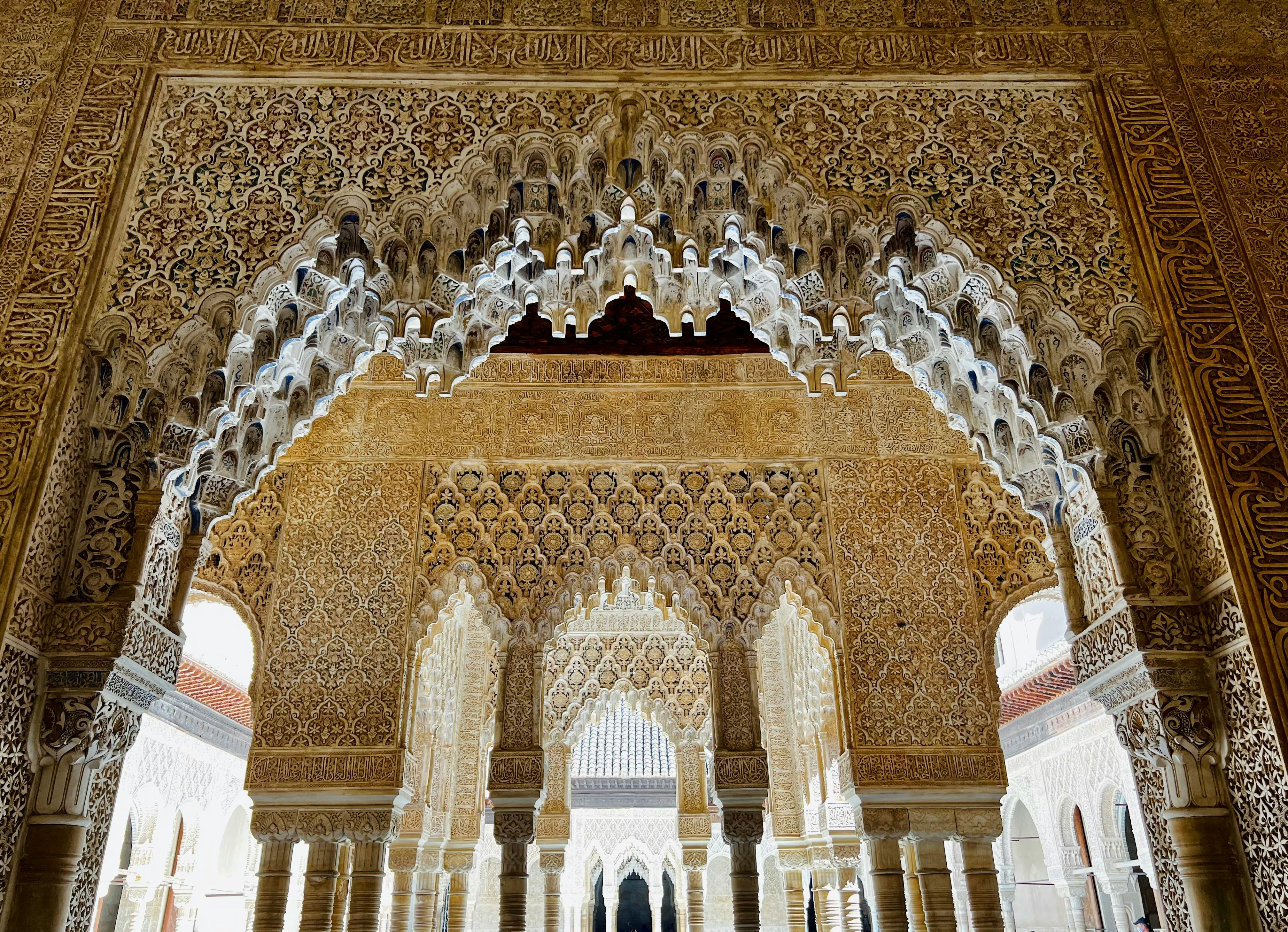
Image: Intricate Islamic architectural ornamentation on the walls and ceiling of a mosque in Granada, Spain, reflecting the influence of Al-Andalus design
Why Homes Looked the Way They Did
- Islamic and Arab Architectural Genius The 16th-century Islamic world led the way in sophisticated design, with homes that prioritized privacy, comfort, and aesthetics. Courtyards, intricate tile work, and geometric patterns influenced regions from Spain to India.
- Why It Worked: The focus on spatial organization and climate adaptation made these designs practical and beautiful.
- Global Trade and Exchange The Islamic Golden Age had already laid a foundation of architectural knowledge. Trade routes brought materials and ideas from places like Persia, North Africa, and the Ottoman Empire to Europe.
- What Changed: European homes started integrating intricate patterns and decorative elements inspired by Arab designs.
- Cultural and Religious Priorities Homes in the Islamic world centered around courtyards, offering a private space for families while connecting them to nature. This concept deeply influenced Mediterranean and Spanish designs.
- Why It Mattered: The emphasis on harmony and function made these homes timeless and adaptable.
Key Features of 16th-Century Homes: Islamic and European Influences

- Central Courtyards
- Islamic Influence: Homes across the Ottoman Empire, North Africa, and the Middle East featured spacious courtyards. They allowed for natural ventilation, privacy, and a sense of serenity.
- Example: The Alhambra in Spain showcased intricate courtyard designs with water features, inspiring similar layouts in Spanish and Mediterranean homes.
- European Adaptation: Renaissance villas adopted the concept, blending symmetry with the practicality of enclosed spaces.
- Ornate Tile Work and Patterns
- Islamic Mastery: Arab architects perfected tile-making, using vibrant colors and geometric patterns to create visual depth.
- Example: Ottoman homes in Istanbul incorporated Iznik tiles, reflecting light and adding a cooling effect.
- How It Spread: Spain and southern Europe embraced similar decorative tiles, especially in Plateresque homes.
- Arched Doorways and Windows
- Islamic Precision: Horseshoe and pointed arches not only added elegance but also distributed structural loads effectively.
- Example: Homes in Cairo featured mashrabiya windows—wooden lattice screens—that provided shade and privacy.
- European Borrowing: These elements inspired Tudor and Mediterranean-style homes, albeit with less intricacy.
- Domes and Vaults
- Pioneering Design: Domes were used in Ottoman homes not just for grandeur but also to regulate temperature.
- Example: Residences in Istanbul showcased small domes that mirrored larger designs seen in public structures.
- Impact on Europe: The technique influenced vaulted ceilings in Renaissance homes.
Examples of Muslim and Arab Influence on 16th-Century Homes
- Ottoman Homes (Turkey)
- Feature: Homes were designed with an iwan (a vaulted hall open on one side) and elaborate courtyards.
- What Stood Out: The fusion of practicality with opulent detailing, from Iznik tiles to carved wood ceilings.
- Riad Homes (Morocco)
- Feature: These homes revolved around central gardens, with fountains and zellij tiles for decoration.
- Why It’s Unique: Riads were insulated from the harsh desert heat, making them both functional and luxurious.
- Spanish Colonial Homes (Americas)
- Islamic Legacy: The Spanish carried Islamic architectural influences to the New World, integrating courtyards, patterned tiles, and arched designs.
- Example: Early colonial homes in Mexico City show clear traces of Moorish style.
- Mughal Residences (India)
- Innovation: These homes blended Persian symmetry with local materials, featuring gardens and water channels.
- Example: Humayun’s Tomb in Delhi, while primarily a mausoleum, inspired residential layouts with its balance and flow.
How Homes Influenced Lives
- Privacy and Comfort
- Islamic Influence: Homes focused on family privacy, with high walls and enclosed courtyards. This design philosophy influenced Mediterranean homes, prioritizing both security and comfort.
- Social Spaces
- Shared Innovation: Whether it was a shaded courtyard in an Ottoman home or a grand Renaissance dining room, homes were designed to host and impress.
- Status Symbol
- Showcasing Wealth: From intricately carved wooden screens in Arab homes to elaborate plasterwork in Spanish villas, design elements were a way to display wealth and status.
- Climate Adaptation
- Clever Solutions: Techniques like thick walls, shaded courtyards, and ventilation systems made homes more livable.
- What I Saw: Visiting a Riad in Morocco, I noticed how its layout stayed cool even during sweltering heat—a design clearly ahead of its time.
Tips for Incorporating 16th-Century Influences
- Add Geometric Patterns
Incorporate tiles, rugs, or screens with Islamic-inspired designs for visual interest. - Focus on Courtyards
Create an outdoor space that blends nature with privacy—think fountains and greenery. - Experiment with Materials
Use wood, terracotta, or stucco for a timeless, natural look. - Play with Arches
Incorporate arched windows or doorways to add elegance and flow.
Studying these homes, I’ve learned that 16th-century architecture wasn’t just about innovation—it was about adapting designs to reflect culture, environment, and ambition.
Seeing Ottoman courtyards or Spanish tilework in person, it’s clear that these were thoughtful and artistic responses to the needs and values of the time.
Tips for Bringing 16th-Century Influence Into Modern Design
- Symmetry is Key: Start with a balanced floor plan to bring Renaissance harmony into your home.
- Add Ornate Touches: Use decorative tiles or carved wood panels inspired by Plateresque styles.
- Mix Materials: Combine stone, marble, and wood to achieve the timeless appeal of this era.
Tips for 16th-Century Modern Design
- Symmetry is Key
If there’s one thing the 16th century taught us, it’s the beauty of balance. Plan your layout with mirrored spaces or centered focal points, like a fireplace or a grand doorway. This nod to Renaissance harmony creates a space that feels both timeless and organized.
Example: I once helped design a living room with a centered marble coffee table flanked by matching armchairs—it felt effortlessly elegant. - Add Ornate Touches
Small details make a big impact. Think about decorative tiles for a backsplash or intricate carvings on furniture. Plateresque-inspired elements, like filigree patterns or embellished trims, add sophistication without overwhelming the space.
Pro Tip: Go for ornate cabinet knobs or carved molding for a subtle touch of luxury. - Mix Materials
Embrace a variety of textures, such as stone, marble, and rich wood. This mix creates depth and a sense of permanence, echoing the craftsmanship of the era.
Why It Works: Stone and marble are durable yet elegant, while wood adds warmth, creating a perfect balance.
Idea: A wooden dining table with a marble centerpiece can bring this idea to life in a modern way.
These tips show that incorporating 16th-century design doesn’t mean creating a museum-like space—it’s about borrowing the best ideas and making them your own.
Fascinating Facts About 16th-Century Architecture
- Tiles Told Stories
In the Ottoman Empire, tiles weren’t just decorative—they had meaning. Patterns often depicted tulips, carnations, and other flowers, symbolizing beauty, life, and spiritual ideas.
Interesting Detail: In Topkapi Palace, intricate Iznik tiles turned plain walls into vibrant canvases that reflected Ottoman artistic values. - Optical Illusions
Mannerist architects loved to play with the viewer’s perspective. They intentionally distorted proportions or added unexpected elements to challenge traditional Renaissance ideals.
Example: The Laurentian Library staircase by Michelangelo appears grander than it actually is, thanks to its dramatic curves and perspective tricks. - Imported Materials
The Spanish brought back more than gold from the New World—they introduced exotic materials like mahogany and turquoise into their designs.
Fun Fact: Mahogany wood was used in furnishings and paneling, adding a luxurious touch to Plateresque buildings.
Final Thoughts: Why the 16th Century Still Matters
The 16th century marked a real shift in architecture.
It was a time of bold experiments, new ideas, and cultural exchanges that still leave a mark today.
From the grand villas of Italy to the timber-framed homes of Northern Europe, the designs of that era show how architecture moved beyond simple construction and became a real art form.
Next time you see a symmetrical facade, a carved balcony, or intricate tilework, remember where it started.
The 16th century proved that great architecture isn’t an accident — it comes from creativity, vision, and the drive to bring beauty and function together.
FAQs About 16th-Century Architecture
- What are the key styles of 16th-century architecture?
Renaissance, Mannerism, Plateresque, Elizabethan, and Ottoman architectural styles dominated the 16th century. - What made 16th-century architecture unique?
Innovations in symmetry, perspective, and material use defined this period, blending function with beauty. - Which countries led 16th-century architectural developments?
Italy, Spain, England, and the Ottoman Empire were at the forefront of architectural innovations. - How did 16th-century architects influence modern design?
Their emphasis on proportion, integration of indoor and outdoor spaces, and use of materials like stone and wood inspired modern architectural approaches. - What are examples of preserved 16th-century buildings?
The Palazzo Farnese (Italy), Topkapi Palace (Turkey), and Hardwick Hall (England) are iconic examples.
More Guides
1. Renaissance Architecture
Foundations and Core Concepts
-
Renaissance Architecture: Classical influences and the rise of symmetry in design.
-
Characteristics of Renaissance Architecture: Key traits like proportion, symmetry, and geometry.
-
Renaissance Architectural Elements: Arches, domes, columns, pilasters, cornices, balustrades.
-
Renaissance Architecture History: How the Renaissance reshaped architecture.
Design Features and Building Details
-
Renaissance Architecture Features: Major design elements that defined the style.
-
Renaissance Architecture Building Details: Facades, windows, ornamentation techniques.
-
Renaissance Architecture Columns: Classical inspiration and construction methods.
Examples and Famous Structures
-
Renaissance Architecture Examples: Notable works showcasing Renaissance versatility.
-
Renaissance Architecture Famous Buildings: Key structures that changed architectural history.
Planning and House Styles
-
Renaissance Architecture Design: Merging functionality with beauty.
-
Renaissance Architecture House Plans: Residential layouts influenced by Renaissance ideas.
-
Renaissance House Style: Residential architecture styles of the Renaissance Era.
Architectural Drawings and Blueprints
-
Renaissance Architecture Drawing: How drawings influenced modern architecture.
-
Renaissance Architecture Plans: Blueprint styles reflecting Renaissance ideals.
Regional Renaissance Styles
-
Italian Renaissance Architecture: The birthplace and center of the movement.
-
Venetian Renaissance Architecture: Unique blend of styles in Venice.
-
Spanish Renaissance Architecture: Spain’s interpretation of Renaissance design.
-
French Renaissance Architecture: The ornate and symmetrical French version.
-
French Renaissance Style House: French residential architectural traits.
-
Flemish Renaissance Architecture: Renaissance influences in Flanders.
-
Russian Renaissance Architecture: How Renaissance ideas reached Russia.
Phases of Renaissance Architecture
-
Early Renaissance Architecture: The transition from Gothic to Renaissance in the 15th century.
-
Early Renaissance Architecture Characteristics: Key features of the early phase.
-
High Renaissance Architecture: The peak of architectural refinement.
-
High Renaissance Architecture Examples: Masterpieces from the high period.
Revival Movements
-
Neo-Renaissance Style: 19th-century revival of Renaissance ideas.
-
Neo-Renaissance Architecture: How Renaissance elements were incorporated into modern designs.
-
Renaissance Revival Architecture: 19th-century reinterpretations of Renaissance styles.
-
Renaissance Revival Architecture Characteristics: Defining features of Renaissance Revival buildings.
-
Renaissance Revival House Style: Residential designs inspired by the revival movement.
2. Renaissance Art
Core Styles and Themes
-
Renaissance Style: The broader stylistic change in the arts.
-
Renaissance Art Style: Defining traits of Renaissance artwork.
-
Painting in Renaissance Style: Techniques like perspective and realism.
Art and Architecture Together
-
Renaissance Art and Architecture: How the two fields advanced together.
-
Renaissance Painting, Sculpture, and Architecture: Interconnections across disciplines.
Periods and Movements
-
Early Renaissance Style Art: Innovations during the early phase.
-
High Renaissance Painting Examples: Peak artworks of the period.
-
Renaissance Baroque Painting: Transition from Renaissance to Baroque.
-
Renaissance and Baroque Painting: Key differences and influences.
-
Renaissance and Baroque Sculpture: Comparing sculptural styles.
Notable Works
-
Famous Renaissance Paintings: Iconic artworks that shaped the Renaissance.
-
Italian Renaissance Painting Characteristics: What made Italian art unique.
3. Key Figures in Renaissance Architecture and Art
Architectural Masters
-
Filippo Brunelleschi Architecture: His groundbreaking contributions.
-
Brunelleschi Renaissance Dome: The Florence Cathedral Dome.
Important Texts
-
Brunelleschi's Dome Book by Ross King: Story of innovation behind the dome.
-
Andrea Palladio Architecture: Palladio’s lasting influence.
-
Andrea Palladio's Four Books of Architecture: A foundational Renaissance text.
-
Peter Murray's The Architecture of the Italian Renaissance: A comprehensive study.
Multidisciplinary Geniuses
-
Donato Bramante Architecture: A pioneer of High Renaissance design.
-
Michelangelo Buonarroti Architecture: His architectural achievements.
-
Michelangelo Paintings, Sculptures, and Architecture: A look at his complete legacy.
Resources
- British Library
https://www.bl.uk