

How Did Ancient Civilizations Build Without Modern Tech?
Ancient Engineering: What We Still Use Today
Ancient engineers built massive, complex structures using simple tools and smart thinking. From pyramids to aqueducts, they solved real-world problems—many of their ideas still show up in modern construction. Below, we break down the basics and show how these old techniques still matter today.
Introduction to Ancient Engineering
Engineering Without Modern Tools: How Did They Do It?
Long before computers, steel, or CAD software, people were building pyramids, roads, bridges, and cities. It wasn’t luck—it was engineering. Ancient civilizations used brainpower, natural resources, and clever planning to shape the world around them.
We’re talking about more than just temples and tombs. These were high-functioning systems built to solve everyday problems: moving water, moving people, and making structures stand the test of time.
Engineering in the Ancient World: What Did They Build?
Civilizations across the globe—especially in Egypt, Rome, India, and Greece—figured out how to:
● Move water across cities using aqueducts, canals, and gravity
● Build stable foundations using earth knowledge and geometry
● Design large structures like pyramids, domes, or stepwells without cranes or engines
● Plan cities with straight roads, sewage systems, and public gathering spaces
This wasn’t guesswork. It was observation, iteration, and deep understanding of materials like stone, clay, lime, and wood.
What Still Matters Today?
Modern construction didn’t invent everything—it improved on what already worked.
Here’s what we still rely on:
● Hydraulics and water systems from ancient India and Rome still influence irrigation and sewage design.
● Structural load principles developed by Egyptians and Greeks help architects balance weight in today’s buildings.
● Roman concrete and brickwork form the basis of many contemporary materials and layering methods.
Why This Knowledge Still Counts
We keep looking back because these techniques worked—many ancient structures are still standing. Understanding them gives us perspective:
→ Not all progress needs fancy tools.
→ Sometimes, the simplest method is the smartest.
→ Local materials, smart labor, and deep site understanding go further than tech alone.
This intro sets the stage for exploring the specific methods used by ancient cultures—how they engineered greatness without modern machines, and why it still matters now.
Why Are Ancient Construction Methods Still Respected?
Real Lessons from Ancient Egypt, Rome, Greece, and India
Christopher Dunn and the Mystery of the Pyramids

Christopher Dunn is an engineer who offers controversial ideas about Egyptian pyramids.
Who is Christopher Dunn?
-
British engineer known for unconventional theories about ancient technology.
Dunn’s Theory: The Giza Power Plant Hypothesis
-
Suggests the Great Pyramid was designed as a massive energy machine.
-
Claims that pyramid chambers produced power through vibrations and chemical reactions.
Christopher Dunn’s "Lost Technologies of Ancient Egypt"
-
Argues Egyptians used precise machining and advanced tools.
-
Challenges traditional archaeological explanations.
Controversial Interpretations and Ancient Aliens Claims
-
Many archaeologists reject his theories as speculative.
-
Popularity among ancient-alien theorists despite lack of concrete evidence.
Ancient Engineering Explained Simply (No Myths, Just Facts)
From Aqueducts to Pyramids: How Ancient Engineers Solved Real Problems
Ancient Egyptian Engineering Excellence
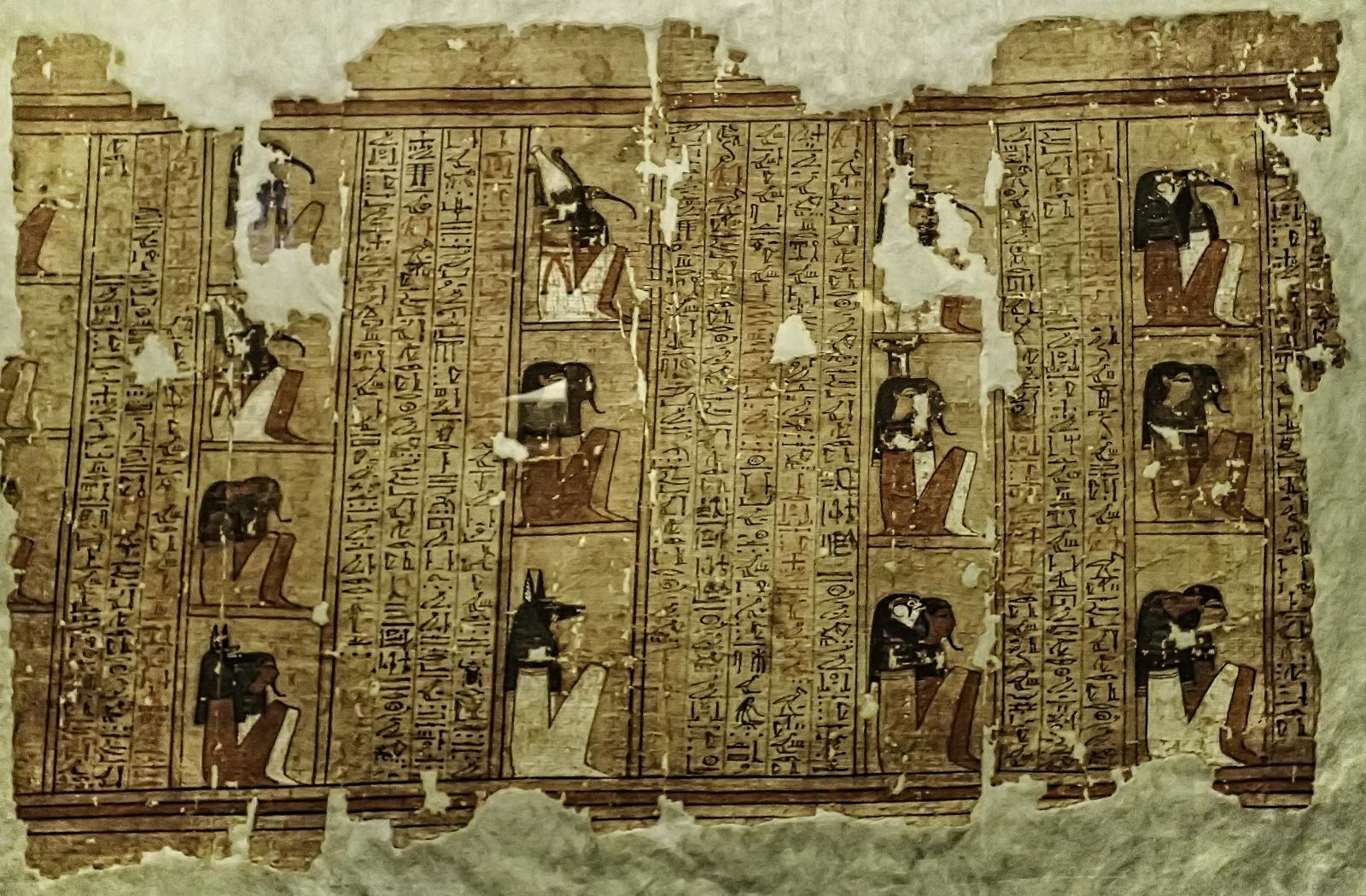
Egyptian engineering set high standards for precision and scale, especially in monumental structures.
Overview of Engineering in Ancient Egypt
-
Egyptians built durable pyramids, temples, and tombs that still exist today.
-
Employed thousands of skilled workers and meticulous planning.
Construction Techniques of Egyptian Pyramids
-
Ramp and lever systems for heavy stone movement.
-
Precise astronomical alignment.
Pyramid Construction Methods (Ramps, Levers, Counterweights)
-
Use of straight ramps, spiral ramps, and counterweight systems.
-
Workers moved massive blocks with ropes, rollers, and sledges.
Papyrus and Hieroglyphics in Construction Records
-
Hieroglyphic inscriptions detailed construction processes.
-
Papyrus scrolls provided logistical management of workers and materials.
Egyptian Building Techniques for Temples and Tombs
-
Intricate carvings, durable stone choices, and structurally sound designs.
-
Examples: Karnak, Abu Simbel, Valley of the Kings.
What Can Modern Builders Learn from Ancient Civilizations?
How the Egyptians, Greeks, Romans, and Indians laid the groundwork for modern structures, tools, and infrastructure.
Engineering Marvels of Ancient Rome

Roman engineers mastered practicality, efficiency, and durability.
Roman Empire Engineering: Overview
-
Extensive roads, aqueducts, bridges, and public buildings across Europe.
-
Practical engineering to serve a vast population.
Famous Roman Engineers and Their Contributions
-
Vitruvius (architectural principles).
-
Apollodorus of Damascus (Trajan’s Market and Forum).
Roman Aqueducts: Engineering and Techniques
-
Gravity-driven aqueducts carried fresh water for miles.
-
Arches, tunnels, and bridges made from durable concrete and stone.
Roman Concrete Construction: Durability Secrets
-
Roman concrete, mixed with volcanic ash, seawater, and lime, has lasted millennia.
-
Remarkably resilient, self-healing properties that modern concrete lacks.
Influence of Roman Techniques Today
-
Modern infrastructure like bridges, dams, and roads owe much to Roman principles.
-
Influence seen in modern urban planning.
Ancient Greek Architectural Engineering
Greek engineering balanced beauty, strength, and proportion.
Key Techniques in Ancient Greek Building
-
Mathematical proportions (Golden Ratio).
-
Column styles (Doric, Ionic, Corinthian).
Case Study: Construction of the Erechtheion
-
Solved challenging terrain with innovative structural supports.
-
Combined religious significance with practical construction methods.
Structural Innovations of Greek Architecture
-
Earthquake-resistant techniques, column design, precise stone cutting.
-
Innovations like entasis (slight column curves for visual perfection).
Ancient Indian Science, Technology, and Engineering
Ancient India contributed significant engineering solutions, mathematics, and scientific discoveries.
Science and Technology in Ancient India (UPSC)
-
Advancements in astronomy, medicine (Ayurveda), and metallurgy.
-
Development of zero, decimal system, and sophisticated mathematics.
Ancient Indian Engineering: A Closer Look
-
Urban planning of Harappa and Mohenjo-Daro.
-
Durable iron and steel production techniques (e.g., Wootz steel).
Examples of Ancient Indian Technology
-
Stepwells for water conservation.
-
Rust-resistant iron pillars (Delhi Iron Pillar).
Primitive Indian Technology: Early Feats
-
Brick-making and pottery techniques.
-
Early agricultural and irrigation methods.
Advanced Techniques in Indian Mechanical Engineering
-
Development of water clocks, precise weighing scales, and metallurgy methods.
Ancient engineering wasn’t crude—it was smart, strategic, and still influences how we build today. Here’s how and why it matters.
"The Ancient Engineers" by L. Sprague de Camp
A classic book offering insights into the capabilities of ancient engineers.
Overview and Key Insights from the Book
-
Details construction techniques from Egypt, Greece, Rome, and China.
-
Emphasizes ancient engineers’ creativity and resourcefulness.
Influence on Modern Understanding
-
Highlighted how ancient methods continue to inspire contemporary solutions.
-
Encouraged historical appreciation of engineering ingenuity.
Techniques in Ancient Construction
How ancient builders achieved large-scale construction without modern tools.
Stone Building Techniques
-
Precision stone cutting and joining without mortar (e.g., Incan masonry).
-
Megalithic structures (e.g., Stonehenge).
Ancient House Building Methods
-
Timber framing, mud-brick walls, and thatched roofs.
-
Climate-adapted designs across cultures.
Primitive and Advanced Techniques Across Cultures
-
Tools and methods adapted specifically to local resources.
-
Cross-cultural similarities in basic construction methods.
Egyptian Building and Construction Techniques
Detailed techniques behind ancient Egyptian structures.
Egyptian Methods in Depth
-
Transportation of massive stones via rivers and canals.
-
Advanced logistics for large labor forces.
Egyptian Architectural Features and Materials
-
Limestone, sandstone, and granite chosen for durability.
-
Precise alignment with astronomical events.
Practical Examples: Temples, Pyramids, Tombs
-
Techniques behind Giza pyramids, Luxor temple, and royal tombs.
Roman Construction Methods and Techniques
Roman methods shaped modern infrastructure.
Key Roman Building Techniques Explained
-
Efficient construction with modular bricks and concrete.
-
Arches and domes for structural strength.
Tools, Materials, and Methods
-
Use of cranes, scaffolding, and durable materials.
-
Roman roads with multiple layers for lasting durability.
Notable Projects
-
Aqueducts, Colosseum, roads, bridges, and amphitheaters.
Remarkable Ancient Construction Projects
Ancient buildings that still fascinate modern architects and historians.
Bibliotheca Alexandrina: Original Insights
-
Ambitious construction and historical significance as a learning center.
Erechtheion: Architectural Challenges
-
Overcoming uneven ground with innovative supports.
Egyptian Pyramid Construction: Egyptology Insights
-
Latest archaeological discoveries about pyramid construction techniques.
Exploring "Impossible Engineering"
Some ancient structures defy simple explanations.
Examining Claims of Advanced Technology
-
Analysis of mysterious sites like Puma Punku, Baalbek.
Ancient Mechanical Engineering Innovations
-
Antikythera Mechanism, ancient gears, and mechanical devices.
Famous Ancient Engineers and Legacy
-
Imhotep, Archimedes, Hero of Alexandria.
Ancient Technologies and Modern Mysteries
Evaluating controversial theories about ancient technology.
Christopher Dunn’s Claims (Ancient Aliens Theories)
-
Critical look at Dunn’s advanced technology claims.
Assessing Lost Technologies
-
Historical and scientific analysis to separate facts from speculation.
Practical Lessons from Ancient Construction
How ancient methods remain useful today.
Old Building Techniques Modern Adaptations
-
Passive solar heating, natural ventilation.
-
Using local materials for sustainability.
Durability and Sustainability Lessons
-
Building for longevity, simplicity, and climate resilience.
Why Some Ancient Techniques Remain Unmatched
-
Ancient methods achieved longevity without modern resources.
Who Was the First Engineer in History
The first known engineer in history was Imhotep. He lived in ancient Egypt around 2650 BCE and worked for the king, Pharaoh Djoser.
Imhotep designed the Step Pyramid at Saqqara, the first large building made from stone. Before this, buildings were made from mud bricks. His idea to use stone was new and changed how people built forever.
He also created early forms of columns and clever ways to hold up heavy roofs. These ideas helped future builders all over the world.
People respected Imhotep so much that, after he died. He is remembered today as the world’s first engineer.
Key Points:
-
Name: Imhotep
-
Lived: Around 2650 BCE in Egypt
-
Famous for: Designing the Step Pyramid
-
Why important: First to use large stone blocks
-
Legacy: Seen as the first engineer in history
Conclusion: What Ancient Engineering Still Teaches Us
Ancient engineers weren’t just builders—they were problem solvers. They worked with what they had, in tough environments, and still managed to create things that have lasted thousands of years. Today, their work isn’t just history—it’s a masterclass in practical design, resource awareness, and durability.
What We Actually Learn from the Past
Too often, we think new means better. But ancient builders proved that simple + smart beats complex + fragile every time.
Here’s what they got right:
● Plan before you build. Ancient projects had incredible site analysis and long-term thinking baked in.
● Use local materials. Whether it was limestone in Egypt or volcanic ash in Rome, they worked with the land, not against it.
● Design for the long haul. They weren’t chasing trends—they were solving needs with permanence in mind.
● Waste was minimal. Tools were limited, so they planned every cut, every stone, every angle.
It’s a mindset modern designers can still learn from: make it work, keep it honest, and build for real life.
What It Means for Architects and Engineers Now
The principles behind ancient engineering are surprisingly modern—just underused.
Instead of relying on technology to fix everything, we can:
● Re-embrace passive systems like ventilation through structure and orientation
● Design with restraint, using fewer materials more effectively
● Build with climate in mind—not just add HVAC after the fact
● Think about people first. Ancient builders created public spaces that felt good to be in. That still matters.
Modern tech is amazing—but if you pair it with ancient thinking, you get stronger, smarter results.
Why Preserving Ancient Sites Still Matters
This isn’t just about admiration. It’s about keeping the knowledge alive.
● Every preserved aqueduct or stepwell is a lesson in flow, slope, and simplicity.
● Every temple or fort shows how form, material, and light shape experience.
● Every old engineering record—on papyrus or stone—holds real solutions we’ve forgotten.
The more we study these works, the more we realize: they weren’t primitive. They were precise.
Preservation isn’t just for archaeologists. It’s for future engineers, planners, and builders who want to make things that last.
Final Thought: Ancient = Smart, Not Obsolete
We can’t copy ancient builders exactly. We have different needs, climates, and materials. But what we can do is bring their mindset back into the conversation.
● Build with purpose.
● Design with what you’ve got.
● Think long term.
That’s what real engineering has always been about—not just making something impressive, but making something that works.
FAQ
1. What is ancient engineering?
Ancient engineering refers to the design and construction methods used by early civilizations to build structures, machines, and infrastructure without modern technology. It encompasses techniques from societies like Egypt, Rome, Greece, and India.
2. How did ancient civilizations move large stones?
They employed tools such as levers, sledges, rollers, and constructed ramps. For instance, the Egyptians used inclined planes and manpower to transport and position massive stones during pyramid construction.
3. Did ancient engineers use mathematics?
Yes, mathematics was integral. The Greeks applied geometry in architecture, while the Romans utilized arithmetic for construction planning. Ancient Indian texts also reveal advanced mathematical concepts used in engineering.
4. What materials were commonly used in ancient construction?
Common materials included stone, mud bricks, wood, and metals like copper and iron. Romans developed concrete, and Egyptians extensively used limestone and granite.
5. How did ancient aqueducts function?
Aqueducts transported water from sources to cities using gravity. They were meticulously designed with a slight downward gradient to maintain water flow over long distances.
6. What is the Antikythera mechanism?
It's an ancient Greek device dating back
Related
Category: Ancient and Classical Architecture & Engineering
1. Ancient Indian Engineering | Smart Designs from 4,000 Years Ago
Clever planning, drainage, and city layouts from ancient Indian cities like Mohenjo-daro.
2. Ancient Roman Architecture: Techniques, Structures, and Impact
Roman innovations like concrete, arches, and road networks that shaped future cities.
3. Urban Planning in Ancient Rome: Roads, Forums, and Aqueducts
How Roman cities were laid out for public use, water access, and traffic flow.
4. Understanding Ancient Architecture: Features, Styles, and Cultural Significance
What buildings from ancient times reveal about the people and values behind them.
5. Ancient Greek Architecture: Foundations, Features, and Influence
Columns, temples, and symmetry that continue to inspire modern design.
6. Ancient Greek Columns: Types, History, and Design Tips
Breakdown of Doric, Ionic, and Corinthian columns and what made each one unique.
7. Ancient Chinese Architecture
Traditional roof styles, materials, and planning principles used in historic China.
8. Ancient Japanese Architecture
Simple forms and natural materials that blended with nature and culture.
9. The Ziggurat at Ur: Ancient Mesopotamian Architecture
Step temples that reveal early religious design and engineering.
10. Technological Advancement and Innovation in Islamic Architecture
How Islamic architects combined science and beauty in historical buildings.
11. Exploring Chinese Architecture: Ancient to Modern
Changes in Chinese architecture from dynastic times to today’s skylines.
12. Design of Ancient Architecture
Core principles in layout, structure, and form from early architecture.
13. Rammed Earth: An Ancient Technique for Modern Sustainable Construction
How compacted soil was used to build strong, eco-friendly walls.
14. Timeline of Building Materials: From Ancient Times to Today
What people used to build, from mud bricks to reinforced concrete.
15. Roman Architecture and Engineering
More focus on bridges, aqueducts, and stadiums from Roman times.
16. Medieval Engineering: Building the Foundations of a New World
Medieval tools and designs that helped shape towns, castles, and cathedrals.
Category: Courses & Learning
17. Construction and Engineering Courses: From Foundations to Advanced Techniques
A look at useful online courses that cover basics to expert-level topics.
18. Free Online Civil Engineering Courses: Certificates, Tools, and Career Tips
Courses that teach you real-world skills and offer certificates.
19. Civil Engineering Free Courses
Another source for free civil engineering resources and training.
20. Methods of Building Construction in Civil Engineering
Key techniques used in civil engineering projects, past and present.
21. Accreditation Standards in Engineering, Landscape, and Interior Design
The standards that give credibility to design and engineering education.
Category: Theory & History
22. Contributions of Muslim and Arab Rule in Medieval India
Science, architecture, and infrastructure developed under Islamic rule.
23. Pointed Arch: Engineering, Design, Types, and Modern Applications
Why the pointed arch mattered in Gothic and later styles.
24. Technology of Gothic Architecture: Engineering, Artistry, and Innovation
How tall cathedrals and stained glass windows were made possible.
25. A Detailed Guide to Architecture Styles: From Ancient to Modern Times
Overview of key architectural styles and what defines each one.
26. Is Architecture Easier than Engineering?
A brief comparison of what each path demands in skills and mindset.