
Roman Architecture and Engineering: From Concrete to Colosseums
The Secrets Behind Roman Durability: Innovation and Ingenuity
Romans built with purpose. Their concrete, arches, and roads carried weight, moved water, and tied cities together. The Colosseum, aqueducts, bridges, and baths show the same approach: solve problems with scale, planning, and durable materials.
Below we will break down what they built, how they built it, and why those methods still matter today.
Roman Architecture and Engineering: Lessons for Modern Builders
Roman architecture and engineering created lasting roads, domes, and concrete systems. See how their designs shaped the world and remain useful today.
Roman Architecture and Engineering: Arches, Domes, and Smart Design
Rome built things to last. Roads. Aqueducts. Concrete domes. Amphitheaters that could hold whole cities. None of it was decoration. It was infrastructure, spectacle, and control. What’s wild is how much of it is still standing.
Studying Roman building isn’t about nostalgia. It’s about learning how they solved problems with the tools they had, and why those solutions kept working centuries after the empire collapsed.
Background and History
Early Influences
Rome didn’t start from zero. The Etruscans taught them the arch and the vault. The Greeks gave them columns, pediments, proportion. Rome didn’t copy. It stripped the ideas down and made them structural. Decorative tricks became systems that could carry weight.
Republican Period (509 to 27 BC)
The Republic was about utility. Roads that could move armies fast. Bridges to hold supply routes. Aqueducts that fed growing towns. Temples and basilicas kept religion and politics in one place. The empire’s skeleton was built here.
Imperial Period (27 BC to 476 AD)
Once emperors took over, ambition exploded. Augustus bragged about turning Rome from brick to marble. The Colosseum, the Pantheon, Trajan’s Forum. Every ruler wanted their name in stone. Concrete made it possible. They poured walls, domes, and vaults on a scale no other culture could match.
You might like: Ancient Greek Architecture: what shaped Western design.
Key Features of Roman Architecture
Concrete Construction
Roman concrete mixed lime, volcanic ash, and rubble. It hardened underwater. It let them build domes and vaults that stone alone could never handle. The Pantheon’s dome still holds the world record for unreinforced concrete. Two thousand years later, nothing cracked it.
Arches and Vaults
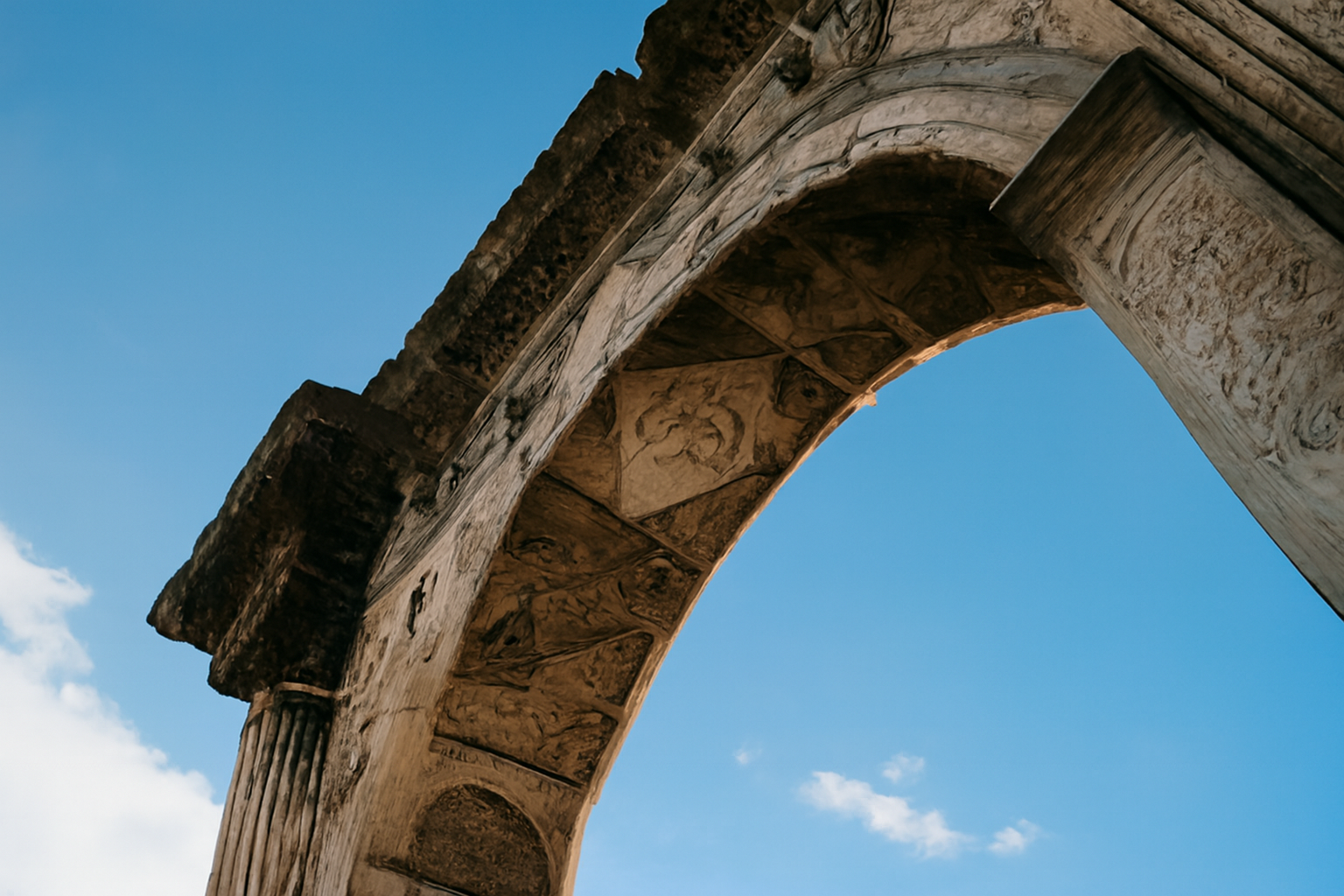
The arch was simple but changed everything. It spread weight evenly, so bridges and aqueducts could stretch across valleys. Stack them and you got barrel vaults. Cross them and you got groin vaults. Big open interiors finally became possible.
Domes and Basilicas
Basilicas started as civic halls for law and trade. Later, Christians copied the form for churches. Domes pushed ceilings into the sky. The Pantheon still feels impossible when you stand under it.
Urban Planning
Roman cities were drawn like grids. Straight roads, forums, public baths, theaters, markets. Everything organized, nothing random. Infrastructure came first, monuments second.
Public Works
Triumphal arches, massive statues, sprawling baths. Not just for show. They were propaganda carved in stone. Proof of power, wealth, control.
Core Characteristics of Roman Building
Durability
They weren’t building for a decade. Concrete, stone, brick — still standing now. You can walk a Roman road and feel how solid it is underfoot. Aqueducts still carry weight. That wasn’t luck, it was material and method.
Innovation
They kept tinkering until things held. Concrete mixes with volcanic ash. Arches that shifted weight perfectly. Vaults that stretched those arches into halls big enough for crowds. Domes that opened space nobody thought possible. Each step came from trial and stubbornness.
Scale was a message. The Colosseum didn’t need 50,000 seats, but they built it anyway. The Pantheon’s dome is over 140 feet across. Bigger than necessary, but that was the point — prove Rome could do what no one else could.
Function is what made it stick. Temples worked as civic centers. Basilicas handled trade and law. Aqueducts weren’t for beauty, they poured water into cities every day. The design wasn’t only about form, it was utility dressed up with order and rhythm.
Harmony mattered. Even when they went huge, proportions stayed clean. Columns aligned, pediments framed, spaces balanced. Eyes followed the order naturally.
And adaptability kept it alive across the empire. Roads cut through British swamps, bridges balanced on Spanish rivers, forts anchored in African deserts. They changed materials and methods to match the ground. That flexibility is why the system spread so far.
Must-Read: "City: A Story of Roman Planning and Construction" by David Macaulay
- In-depth look at Roman city planning and architecture
- Features detailed illustrations and easy-to-understand explanations
- Ideal for anyone interested in history and Roman civilization
- 4.7/5 stars on Amazon, 4.3/5 on Goodreads
Buy it on Amazon now and discover the brilliance behind Roman construction!
Structural Innovations
The Arch
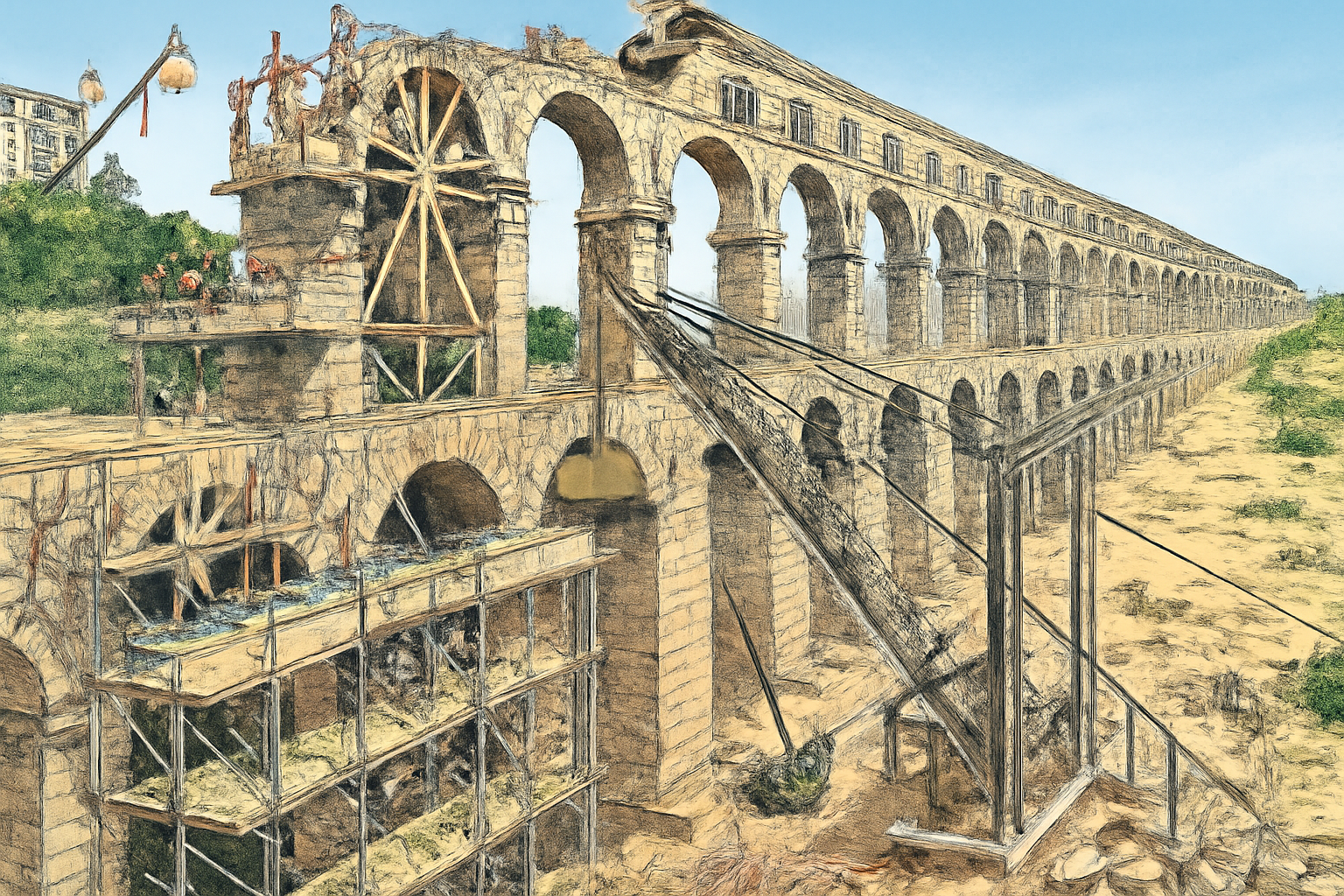
It’s simple but powerful. Arches spread weight, let walls and bridges hold without cracking. Aqueducts didn’t just cross valleys. They vaulted over them. It was a small shift, but it changed everything for Romans.
Vaults
Take those arches, stretch them. Barrel vaults turned long halls into open spaces. Groin vaults opened up even more. Columns stayed out of the way, and you could build bigger, longer, wider. This was expansion — literally.
Domes
The Pantheon’s dome isn’t just architecture, it’s a statement. You don’t just walk in. You tilt your head back, feel the space, and wonder how they did it with no steel. Just concrete, just balance, just sheer ambition.
Basilicas
Roman halls, first for business, then for prayer. The form stayed and turned into Christian churches. But they weren’t just pretty interiors. They were hubs for commerce, politics, law. Efficiency wrapped in clean design.
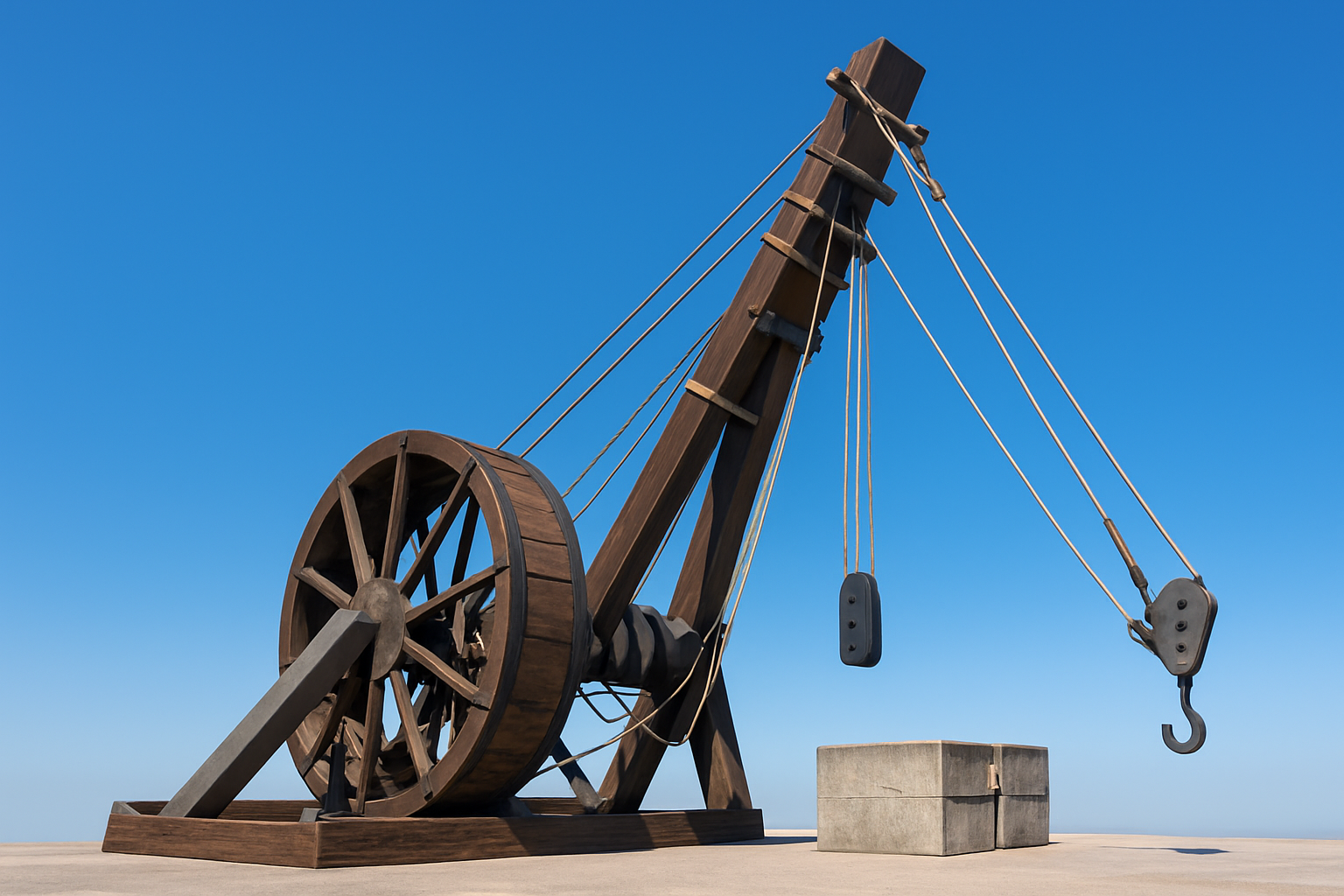
IMAGE: Reconstruction of a 10.4 m (34 ft) Roman Polyspastos in Germany, illustrating ancient lifting technology and Roman engineering ingenuity.
Infrastructure that Held the Empire
Roads
250,000 miles of stone, dirt, and concrete. Not pretty, but they got things moving. The Appian Way was the first, and it went straight through the toughest terrain — hills, swamps, you name it. It wasn’t about making roads fancy. It was about getting things where they needed to be, fast.
Bridges
Built to last. The Alcántara Bridge in Spain still stands today. Roman bridges weren’t just for crossing rivers; they were part of the machine that moved the empire. Arches spread the load, so they didn’t crumble under pressure. Simple. Strong. Effective.
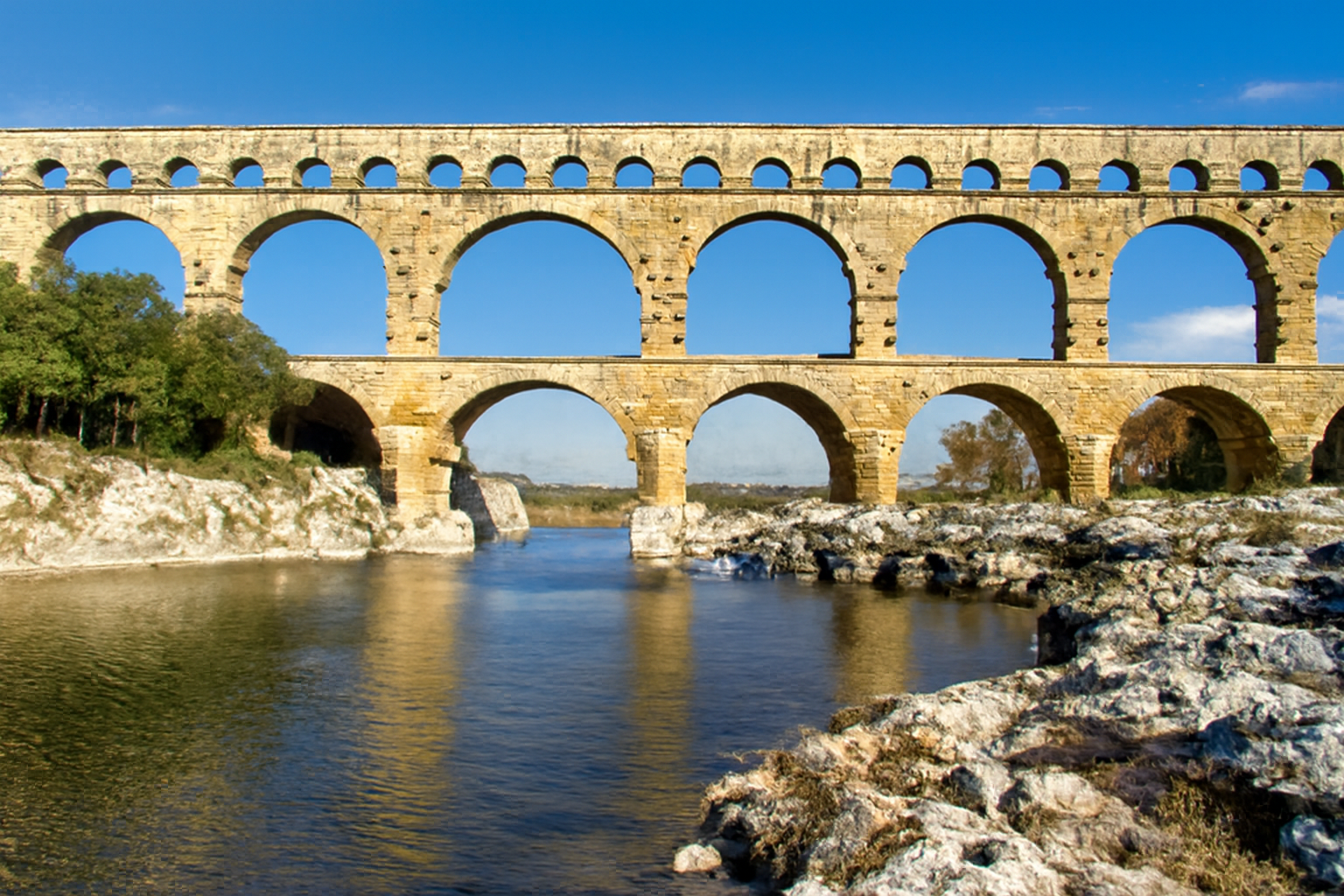
Aqueducts were the veins of the empire. Segovia still stands, Pont du Gard still runs. These weren’t just water channels; they were lifelines. They didn’t cut through valleys for show. They cut through to get water where it needed to be, day in and day out.
Sewers and Baths
Cloaca Maxima in Rome is older than most cities. The Romans built plumbing before anyone else, getting waste out before it could destroy the city. The baths weren’t just hot water and steam; they were where Romans came to meet, talk, relax. Each one was a small town of its own.
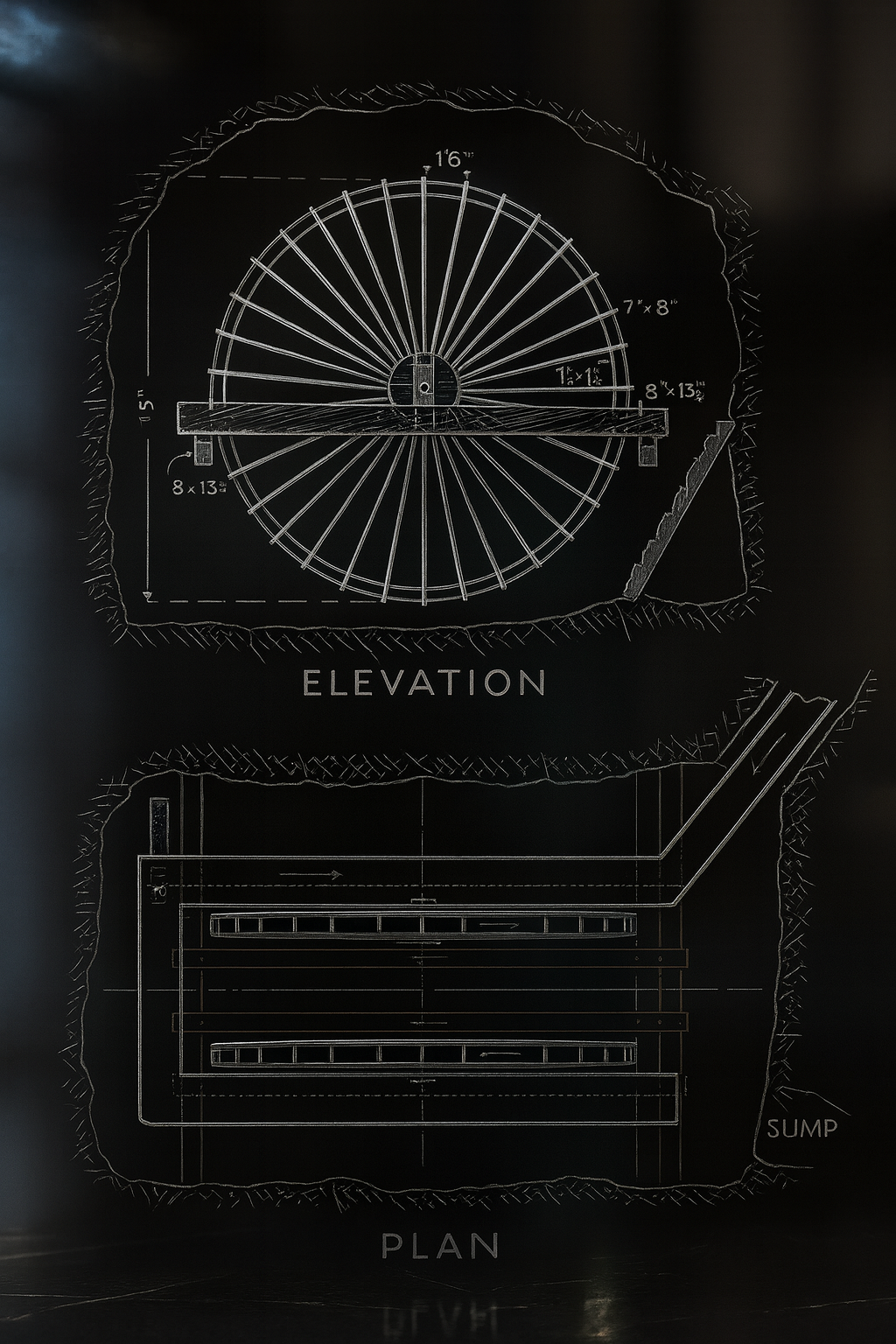
IMAGE: Roman drainage wheel from the Rio Tinto mines, showcasing ancient engineering techniques for water management and mining operations.
You might like: Urban Planning in Rome: how Rome’s grid layout and public spaces shaped its cities.
10 Great Achievements of Roman Engineering
Aqueducts
Water was essential. The Pont du Gard still stands in France, a stone marvel that moved water like no one else could. Romans didn’t just build aqueducts, they built systems. Water from mountain springs to bustling cities. They didn’t wait for the rain. They made it happen.
Roman Roads
You’ve heard of the Appian Way. But there were hundreds of miles like it, cutting across the empire. They didn’t just pave roads for trade. They built a network that made the empire function. Troops, supplies, news — all moved faster. Still, today, parts of these roads are still used.
The Colosseum
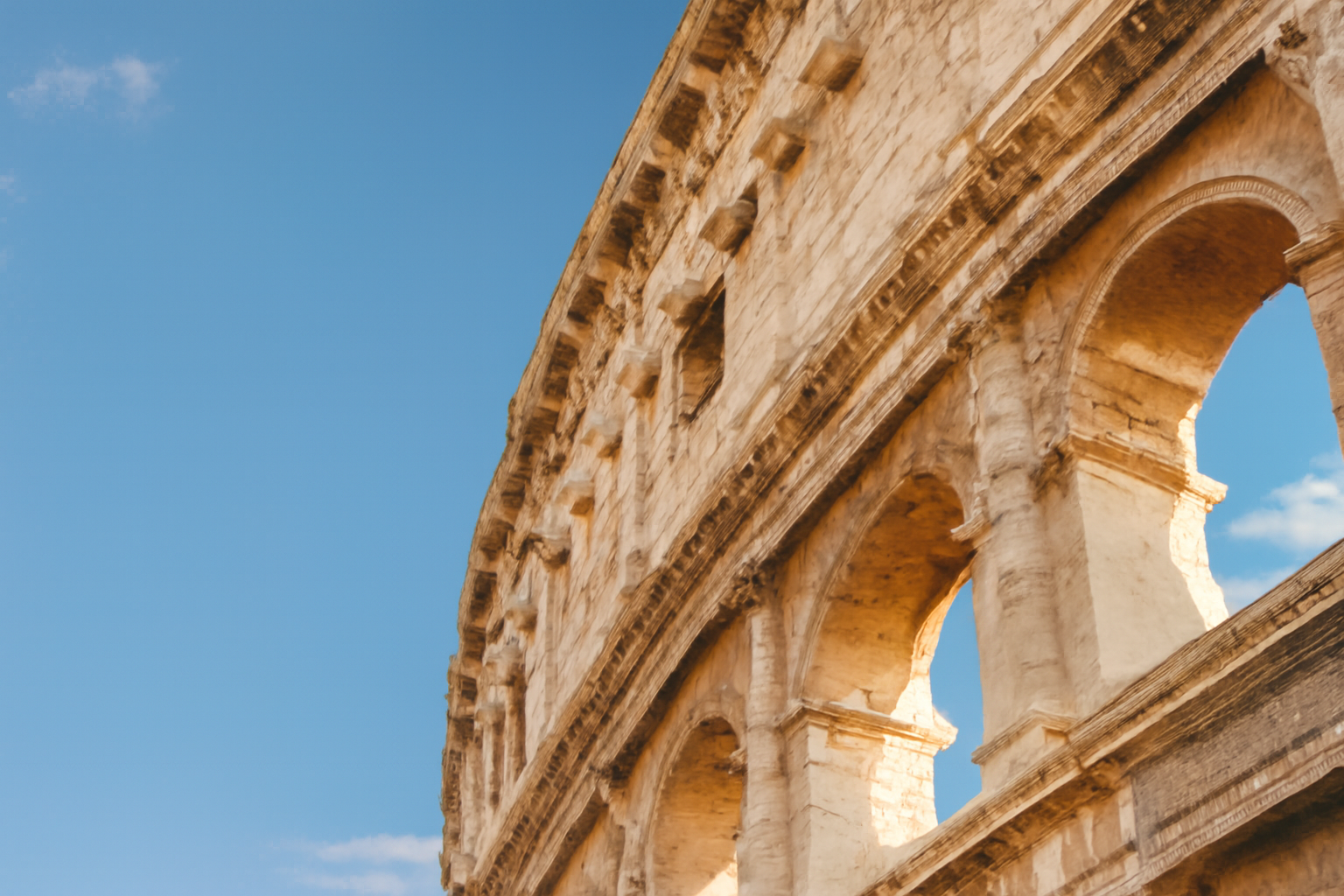
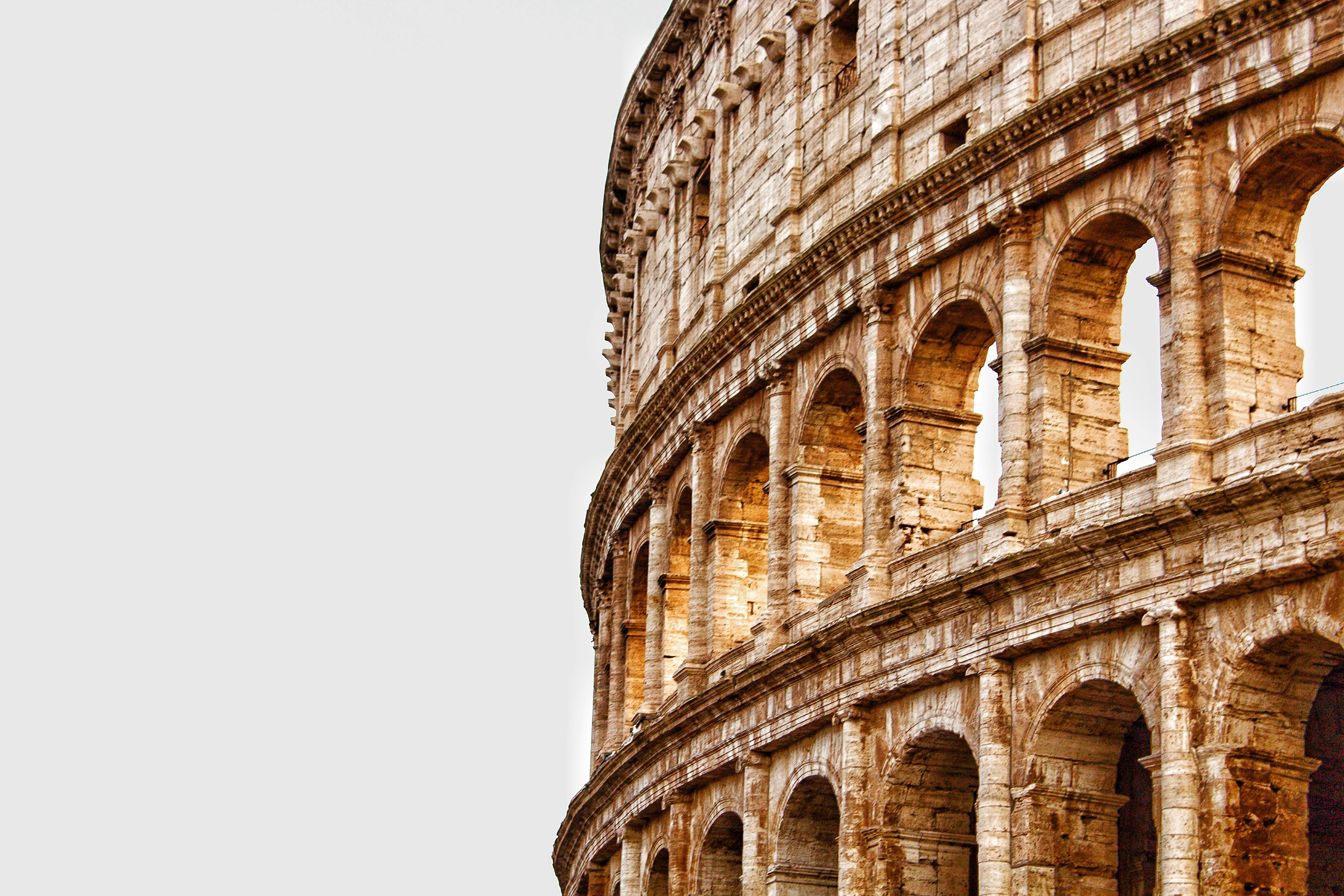
They built this to show off, yeah. But it wasn’t just for gladiators. The Colosseum was a symbol of Roman engineering at its most ambitious. The structure, the design, the sheer scale — it was meant to show Rome’s power, and it still does. Even as ruins, it stands out.
The Pantheon
This wasn’t just another temple. The Pantheon’s dome is a masterpiece of concrete. It’s still the world’s largest unreinforced concrete dome. They didn’t just throw it up for looks; it was meant to last. It’s proof that the Romans got it right from the start.
Bridges
The Alcántara Bridge in Spain? Still standing. Roman bridges were built with arches that could carry the weight of armies and time. They weren’t delicate, but they were strong. Built to last, and they did.

Roman Baths
Caracalla’s baths were massive — not just hot tubs, but whole social spaces. Libraries, gymnasiums, meeting halls. They weren’t just for bathing, they were where people came to relax, work out, talk politics. This wasn’t just plumbing; it was Roman culture in stone.
Trajan's Column
This wasn’t a typical monument. Trajan’s Column tells the story of an emperor’s victory in the Dacian Wars. It’s a scroll in stone, with every detail carved into its length. It’s not just a column; it’s a story that’s still being read.
Hadrian's Wall
The Romans weren’t afraid of building for defense. Hadrian’s Wall marked the edge of the empire in Britain. It was more than a barrier; it was a statement. A literal wall separating Roman civilization from the unknown.
You might like: Hadrian’s Wall
The Circus Maximus
Chariot races were a huge deal. But the Circus Maximus? It was the largest stadium, holding 150,000 people. It was about speed, excitement, and showing off just how big Rome could get. Even now, the size of it is hard to imagine.
The Theatre of Marcellus
This wasn’t just for plays. It was a space where social life happened. A venue to bring together the people. It’s still standing, a bit of Rome’s architectural genius that endured through the centuries.
You might like: Structural Engineering Principles: Understand how structures stay up, from materials to load-bearing systems.
Famous Roman Engineers
Vitruvius
The name’s familiar, right? Vitruvius was the architect who wrote De Architectura, one of the earliest texts on architecture. He didn’t just talk about what buildings should look like. He laid down the principles of proportion, balance, and function. A real thinker who left a mark on centuries of builders.
Marcus Agrippa
Ever hear of the Pantheon? Agrippa built it. He was Emperor Augustus’ right-hand man, a military strategist, and an architect in his own right. His work helped lay out the blueprint of Rome, and without him, you wouldn’t have that iconic dome today.
Apollodorus of Damascus
He didn’t just design things for looks. Apollodorus built bridges that stood the test of time. Trajan’s Bridge over the Danube? His design. He knew how to make the Romans’ grand ideas stay grounded. His work on Trajan’s Forum? Also his. Everything he touched turned into something bigger than life.
Frontinus
When it came to managing water in Rome, Frontinus had it down. He was in charge of the aqueducts and even wrote a whole book about them. If you’ve ever marveled at how the Romans got water into the city — thank him. He wasn’t just a manager, he was a problem-solver.
Sextus Julius Frontinus
He wasn’t just about water, though. Frontinus was also in charge of roads. Keeping them in check, making sure Roman communication moved fast. His work wasn’t glamorous, but without him, the Roman Empire’s infrastructure would’ve been a mess.
Caius Maecenas
Patron of the arts, sure. But Maecenas also knew the value of great engineering. He funded projects like the Mausoleum of Augustus, making sure Rome’s legacy wasn’t just built on culture but also on solid stone and engineering.
Fronto
Siege warfare? Fronto had it covered. He wasn’t just about building the city; he was about defending it. His fortifications made sure Roman borders stayed safe. No fancy statues here. He built to last in a different way.
The Workforce Behind It
Roman Legions as Builders
Roman soldiers didn’t just fight. They built too. Legions were often tasked with constructing roads, forts, and other infrastructure on military campaigns. Roman army camps were often miniature cities, designed with the same precision that would later define Roman urban planning.
Skilled Artisans, Slaves, and Contractors
Rome's labor force was diverse. Skilled artisans were essential for creating the detailed stonework and sculptures that adorn Roman buildings. Slaves and contracted workers did much of the heavy lifting, from hauling materials to constructing massive walls and aqueducts.
Labor at a Massive Scale
What set Rome apart was its ability to mobilize so many workers at once. Tens of thousands worked on a single project, from grand public baths to the Colosseum. This organization of labor allowed Rome to complete monumental structures in record time.
The Downfall
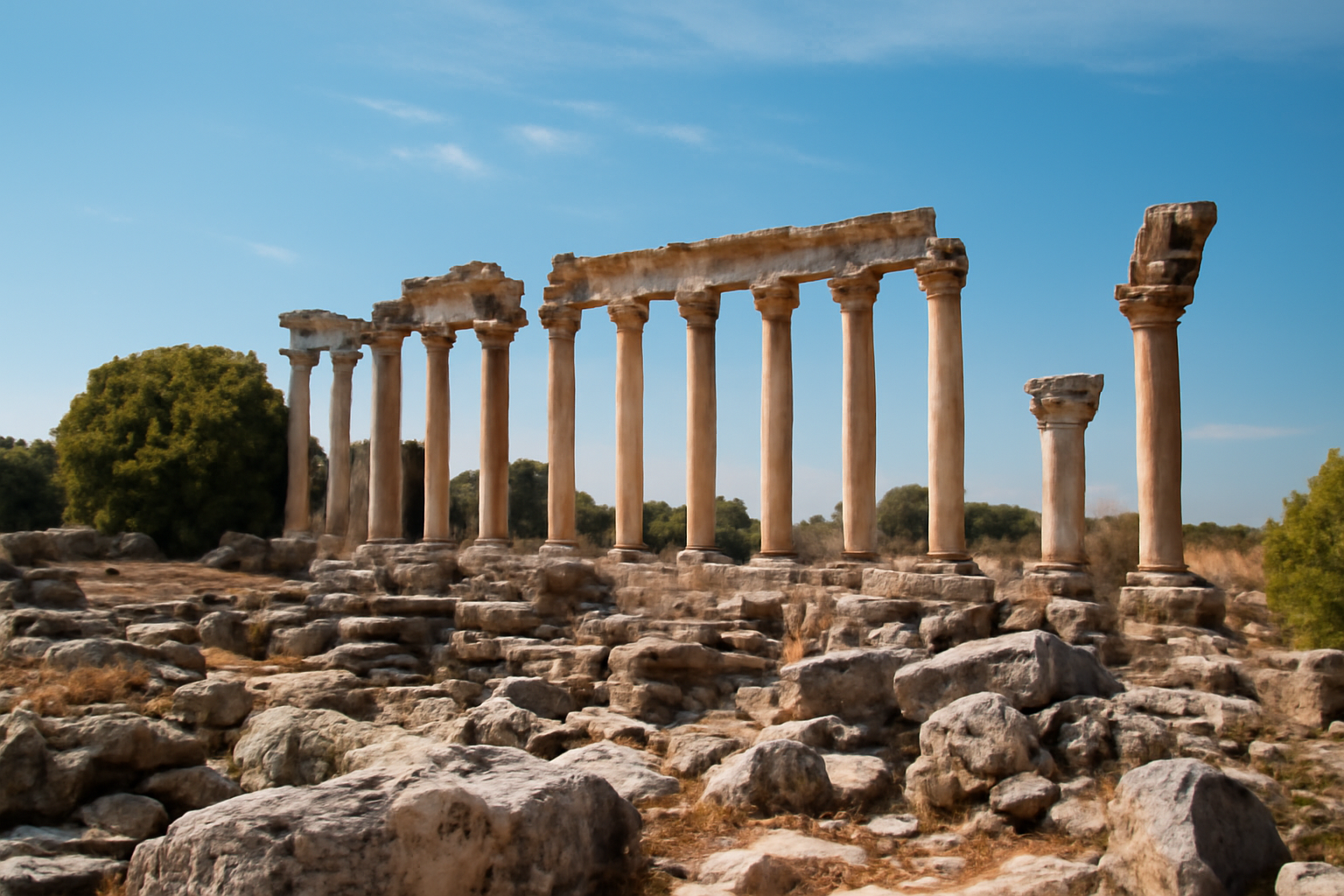
Economic Strain and Political Instability
By the 4th century, Rome was in trouble. Political instability and economic decline hit hard, and funding for grand building projects dried up. The empire’s ability to sustain its monumental construction efforts began to wane as resources were stretched too thin.
Loss of Skilled Labor and Resources
Rome’s military, once its greatest asset, was now fighting wars on multiple fronts. Skilled laborers were in short supply, and the once-thriving industries that fed construction projects began to crumble. Without manpower and materials, the Romans couldn't keep building like they used to.
Decline in Monumental Construction
The grand structures that defined Rome’s empire became less common. After the 4th century, the decline in monumental construction marked the end of an era. The focus shifted from building to surviving as the empire fractured.
Rediscovery and Influence
Renaissance Revival of Roman Forms
Fast forward to the Renaissance, when architects and artists looked back to Roman principles for inspiration. Roman architectural forms, such as the use of domes and columns, were revived in churches, palaces, and public buildings across Europe.
Neoclassical Adoption in Europe and America
By the 18th century, the neoclassical movement took Roman architecture to new places. Think of the U.S. Capitol or the Paris Opera House — both heavily influenced by Roman design principles, especially its monumental scale and the use of columns, arches, and domes.
Modern Engineers Leaning on Roman Principles
Modern engineers still reference Roman construction techniques. Their use of concrete, arches, and vaults laid the groundwork for contemporary structural engineering. Even today, Roman-inspired engineering is the foundation for many of the world’s most iconic structures.
What Would Romans Have Achieved With Modern Tools?
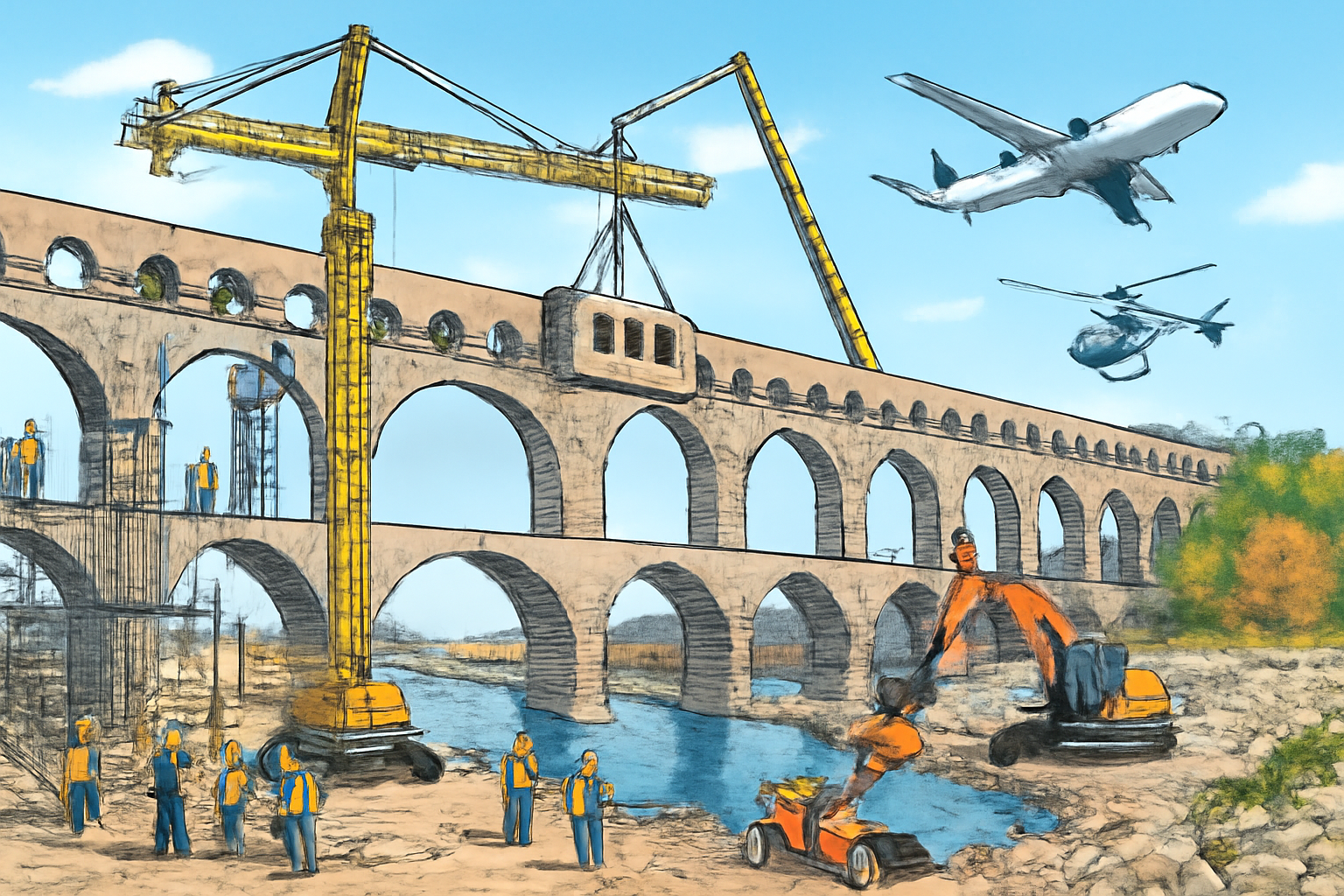
If Romans had today’s tech—cranes, 3D printers, and drones—would they have built faster or better? Let’s break it down:
-
Faster Construction, Bigger Buildings: With modern concrete and cranes, they could’ve built structures like the Colosseum in no time. But would that mean they’d lose the craftsmanship that made their buildings stand out? Maybe.
-
Better City Planning: Imagine Rome with GPS and mapping software. Roads would’ve been straighter, and cities more organized. But would they have cared about green spaces? Probably not as much as we’d hope.
-
Sustainability: The Romans weren’t exactly eco-friendly, but with modern tools, they could’ve made their aqueducts smarter and used solar power for their bathhouses. They probably would’ve adapted faster than we did.
-
Engineering Feats: With new materials, the Romans would have taken their engineering skills even further. Maybe they'd have built aqueducts across seas or invented super-strong bridges. But their simple arches? Still the best.
-
In Reality: Modern tools would’ve helped them build faster, but would they have had the same attention to detail? Probably not. Their genius was in working with what they had, keeping things simple but effective.
So, would they have built like us today? Maybe. But the Romans knew how to make things last, and that’s something modern tools couldn’t replace.
Practical Lessons for Today
Infrastructure Before Ornament
Rome understood something important: infrastructure matters most. Roads, bridges, and aqueducts were the foundation of Roman life, even before grand monuments and decoration. Modern infrastructure should follow this same priority — building functional, lasting systems that serve people.
Long-Lasting Materials Pay Off
Roman concrete? It’s still standing. The Romans knew that the right materials could make structures last for millennia. When constructing today, don’t skimp on quality — use materials that will endure.
Planning as Power
Romans were meticulous planners. Every structure, from the smallest house to the grandest temple, was laid out according to a clear plan. This approach ensured efficiency and success. If you want long-lasting results, take the time to plan and organize.
Roman Architecture vs Romanesque Architecture: What's the Difference?
Roman and Romanesque architecture often get mixed up because of their similar names, but they’re totally different.
Roman Architecture:
Roman architecture is all about the grand, monumental stuff from the Roman Empire—think Colosseum, Pantheon, aqueducts, and roads. They invented concrete, arches, and vaults, which made it possible to build big and strong, like the massive domes of the Pantheon. Their designs were functional and focused on big public works and military infrastructure.
Romanesque Architecture:
Romanesque came later, starting around the 10th century, long after the Romans were gone. It’s more about security and sturdiness, especially in churches and castles. Romanesque buildings had thick stone walls, small windows, and rounded arches. These were practical designs for a Europe that needed stronger, safer buildings—often used in monasteries and churches.
The Differences:
-
When They Happened: Roman architecture came with the rise of the Roman Empire, while Romanesque kicked off in the medieval period, centuries later.
-
What They Focused On: Romans went big and bold with public spaces, while Romanesque was about building secure, strong structures for a more chaotic time.
-
How They Built: Romans perfected concrete and used arches and domes to make buildings like the Colosseum. Romanesque, however, relied on heavy stone walls and smaller spaces.
Bottom Line:
Even though their names are close, Roman and Romanesque are from different times and served different needs. Roman buildings were about innovation and grandeur, while Romanesque was about creating strong, lasting structures during a tougher era.
See also: History of Romanesque Architecture: Origins, Styles, and Influence
Conclusion
Rome’s Real Legacy Was Problem-Solving at Scale
Roman engineers weren’t just artists; they were problem-solvers. Their ability to tackle issues like transportation, water supply, and public spaces set the foundation for modern cities. Their work continues to shape how we design, build, and maintain infrastructure today.
The Methods Matter as Much as the Monuments
The grandeur of Roman monuments gets all the attention, but the methods behind those monuments are just as important. The Roman ability to plan, engineer, and execute on such a massive scale laid the groundwork for everything that followed.
FAQs
1. What materials did the Romans use to build their structures?
The Romans were known for their use of concrete, which was a revolutionary material at the time. They mixed lime, volcanic ash, and rubble to create strong, durable concrete. This allowed them to build massive structures like the Pantheon and aqueducts. They also used stone, brick, and marble for decorative elements and more durable surfaces, especially in public buildings and monuments.
2. How were Roman roads constructed and maintained?
Roman roads were built with several layers for durability. They started with a solid base of large stones, followed by smaller stones and gravel. Then, a layer of sand and finally paving stones were laid on top. The roads were sloped for water drainage, and they had milestones to indicate distances. The Romans also regularly maintained their roads, ensuring they stayed in good condition for military, trade, and public use.
3. What role did aqueducts play in Roman cities?
Aqueducts were essential for bringing fresh water into Roman cities, allowing them to grow and thrive. These structures carried water over long distances using gravity. Aqueducts powered fountains, public baths, and private homes, playing a vital role in maintaining sanitation and public health. Some famous examples include the Pont du Gard in France and the Aqueduct of Segovia in Spain.
4. How did the Romans manage such large-scale projects?
Romans were experts at organizing massive construction projects. They employed a combination of skilled workers, slaves, and contractors to manage the labor force. The Roman military also played a role in building infrastructure like roads and forts. Efficient project management, detailed plans, and proper resource allocation were key to completing monumental structures on time.
5. What are the most famous Roman engineering feats?
Some of the most famous Roman engineering feats include:
-
The Colosseum, known for its massive size and complex structure.
-
Roman aqueducts, which supplied cities with water, like the Pont du Gard.
-
Roman roads, which stretched across the empire, such as the Appian Way.
-
The Pantheon, with its still-standing massive concrete dome.
6. How did Roman engineering influence modern infrastructure?
Roman engineering laid the groundwork for modern infrastructure. Many principles, such as arch construction, vaulting, and the use of concrete, are still used today. Modern bridges, aqueducts, and roads all draw from Roman designs, proving their engineering methods were ahead of their time. Even city planning and the organization of public spaces are influenced by Roman ideas.
7. Why were Roman buildings so durable?
The Romans used high-quality materials and cutting-edge techniques, like their special form of concrete, that have stood the test of time. Their buildings were often built with purpose, designed to last for generations, especially in places with high traffic like forums, baths, and temples. Roman structures were built with a focus on both functionality and longevity.
8. What happened to Roman architecture after the empire’s fall?
After the fall of the Roman Empire, the focus shifted away from large-scale construction to more practical, modest buildings. However, the influence of Roman architecture lived on, particularly through the Byzantine Empire, and later, the Renaissance, when Roman design principles were revived. While monumental construction slowed, many Roman techniques, especially in engineering, were preserved and integrated into later architectural styles.
9. What makes Roman arches so important?
Roman arches are one of their most important innovations. They distributed weight evenly, allowing for much larger and more stable structures. This was essential for the construction of aqueducts, bridges, and amphitheaters. The arch also influenced gothic architecture in the Middle Ages and is still used in modern construction today.
10. What are Roman basilicas, and how were they used?
Roman basilicas were large public buildings used for a variety of functions, including legal proceedings and marketplaces. They were rectangular with an open central area, often lined with columns. After the rise of Christianity, the basilica design was adapted for churches, influencing the design of Christian worship spaces for centuries.
11. How did Roman concrete differ from modern concrete?
Roman concrete, often called opus caementicium, was made with a mixture of lime, volcanic ash, and water, while modern concrete uses cement, water, and aggregate like sand or gravel. What set Roman concrete apart was its durability, and it's one reason so many Roman structures, such as the Pantheon and Colosseum, are still standing today. The secret? Volcanic ash, which helped the concrete harden over time, even underwater.
12. Were Roman engineers also architects?
Yes, many Roman engineers were also architects. They needed to understand both the technical side of construction (such as materials and structures) and the aesthetic elements (such as proportions and design) to create functional and beautiful buildings. Some engineers, like Vitruvius, even wrote guides on both architecture and engineering principles, blending the two fields seamlessly.
13. How did Roman roads contribute to the empire’s expansion?
Roman roads were vital for the expansion and cohesion of the empire. They allowed for quick military movement, trade, and communication across vast distances. Their durability meant that they could withstand traffic and weather for centuries. The extensive network of roads helped keep the Roman Empire unified, as soldiers, messengers, and merchants could travel quickly and efficiently.
14. What was the purpose of Roman baths, and how were they designed?
Roman baths were public spaces for bathing, relaxation, and socializing. They were designed with multiple pools for hot, warm, and cold water. They also included exercise areas, saunas, and even libraries. The design was both practical (for cleanliness and health) and social, offering a place for Romans to meet and discuss business or politics.
15. How did the Romans use public monuments for propaganda?
Roman emperors often used public monuments, like triumphal arches, statues, and columns, to celebrate military victories and reinforce their power. These structures were not just artistic; they served as visual tools to remind the population of the emperor’s achievements and strength. Trajan’s Column, for example, depicted scenes from the Dacian Wars, making history a public spectacle.
16. How did Roman engineers solve problems of urban planning?
Roman engineers and architects developed efficient and highly organized urban layouts. They constructed grid-like street systems, allowing for easy navigation and organized zoning. Public baths, marketplaces, forums, and amphitheaters were carefully integrated into the city design to serve the needs of the population. They also focused on water systems, including aqueducts and sewer systems, ensuring that cities could grow without becoming unsanitary.
17. Why are Roman aqueducts considered an engineering marvel?
Roman aqueducts are considered one of the greatest engineering achievements because they used gravity to move water over long distances, sometimes crossing valleys with massive stone bridges. These aqueducts brought fresh water to cities and supported the Roman way of life. Their precision and durability are unmatched, with some still standing today, showcasing the Romans' expertise in hydraulic engineering.
18. How did the Romans adapt architecture for different climates?
The Romans were able to adapt their architectural designs to the environments they were working in. In cooler regions, they used materials like stone and tile to provide warmth and insulation, while in hot, arid regions, they focused on ventilation and shade, using materials like clay and plaster. Their use of courtyards and open-air spaces helped cool buildings in the Mediterranean climate.
19. How did the Roman Empire influence modern infrastructure?
The Roman Empire set the foundation for modern infrastructure. Their road systems, water supply, and building techniques still influence the design of contemporary cities. Many of today’s highways, water systems, and bridges follow principles developed by Roman engineers. The focus on efficiency and longevity can be traced directly to Roman methods.
20. What role did Roman military engineers play in the empire’s expansion?
Roman military engineers were essential for building fortifications, camps, roads, and bridges, which allowed the Roman army to quickly conquer and control new territories. They designed defensive walls, towers, and fortresses to protect Roman soldiers and keep enemies at bay. Their ability to build quickly and efficiently was a key factor in the empire’s military success.
Related
-
Urban Planning in Rome:
Discover how Rome’s grid layout and public spaces shaped its cities. -
Hadrian’s Wall:
Learn about the engineering behind this Roman frontier landmark. -
Ancient Greek Architecture:
Dive into the iconic structures that shaped Western design. -
Gothic Architecture:
Explore the architectural power of soaring vaults and intricate stonework. -
Renaissance Architecture:
Witness the return to classical ideals in buildings from Florence to Rome. -
Modern Architecture:
From skyscrapers to eco-homes, explore today’s innovative designs. -
Structural Engineering Principles:
Understand how structures stay up, from materials to load-bearing systems.