
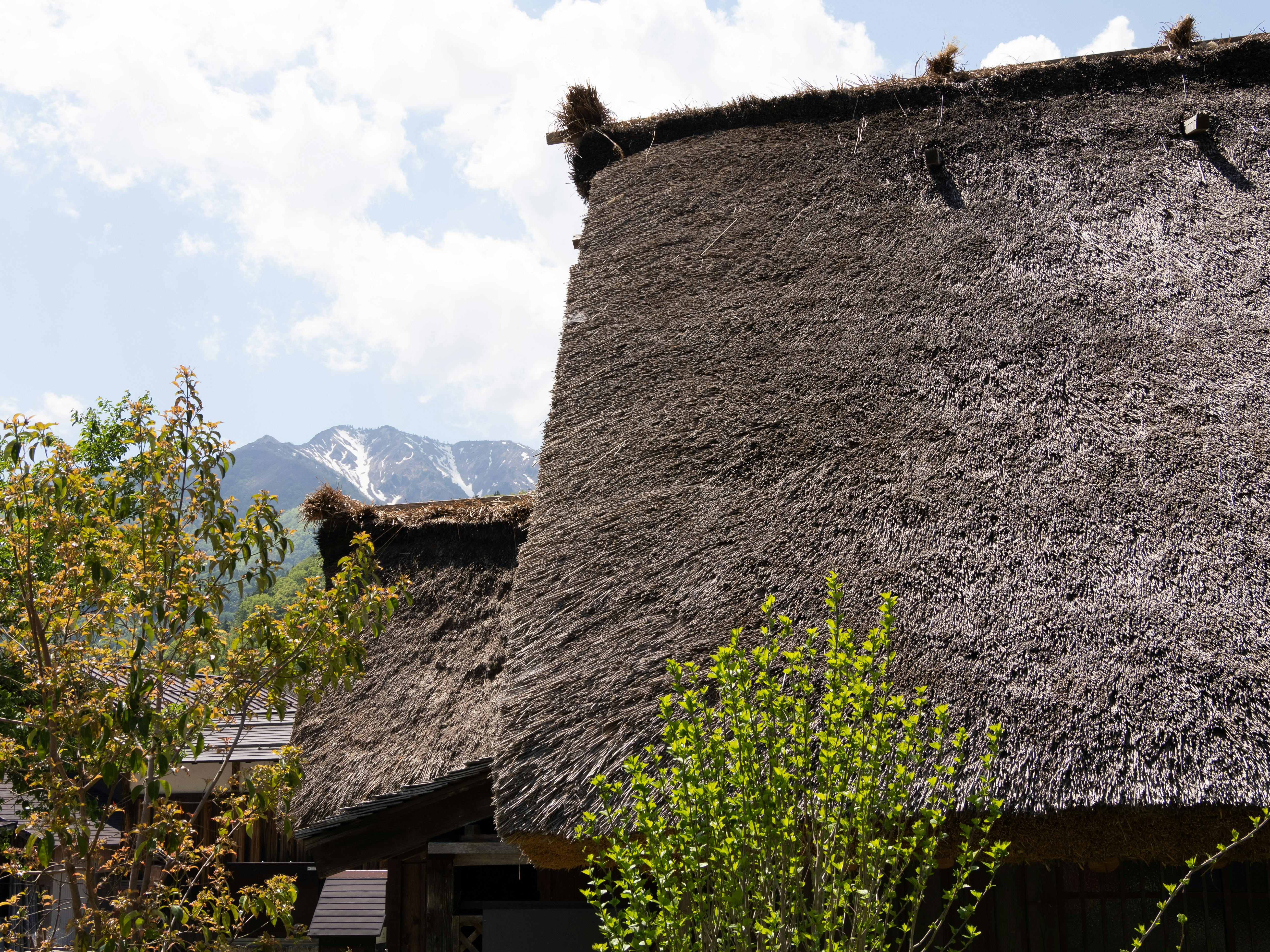
Japanese architecture doesn’t shout. It doesn’t beg for attention. But walk into a centuries-old home, and it feels right. Calm. Balanced. Connected.
So why doesn’t it get more credit?
Compared to the spotlight Western and American styles often receive, Japan’s architectural legacy is underrated—and that’s a miss. The way Japanese design works with nature, uses humble materials, and respects space isn’t just beautiful—it’s brilliant.
Over the years, we’ve worked on projects inspired by these principles. And what surprised us most? The same ideas that guided 400-year-old kominka homes still solve real-world design problems today.
-
Tight urban spaces? Japanese homes nailed that long before micro-apartments were a thing.
-
Natural cooling and heating? Look no further than raised floors and deep eaves.
-
Emotional calm in busy homes? Minimalist layouts with Ma built it in before psychology even had a term for it.
In this guide, we’re not just walking through history—we’re showing how it still works. You’ll see:
-
What shaped Japanese architecture across eras
-
Why materials like clay, paper, and timber held up (and aged beautifully)
-
How Western architects are borrowing ideas—sometimes without even realizing it
-
Real-life design lessons from old homes that still influence today’s builds
Japanese architecture is a quiet, genius "style system" for living better—and it’s time we looked closer.
Let’s get into it. Japan’s architectural history is so much more than just buildings—it’s a completely different way of looking at architecture. It tells a story of culture, innovation, and a unique kind of beauty in every detail. Trust us, it’s worth seeing from this perspective.
Key Periods, Characteristics, and Evolution
Japanese architecture stands apart for its use of natural materials, practical designs, and deep connection to the surrounding environment. Over centuries, it has evolved through innovation and adaptation, shaped by Japan’s culture, resources, and societal needs. Here’s a clear look at its origins, development, and unique characteristics.
Early Origins and Outside Influences
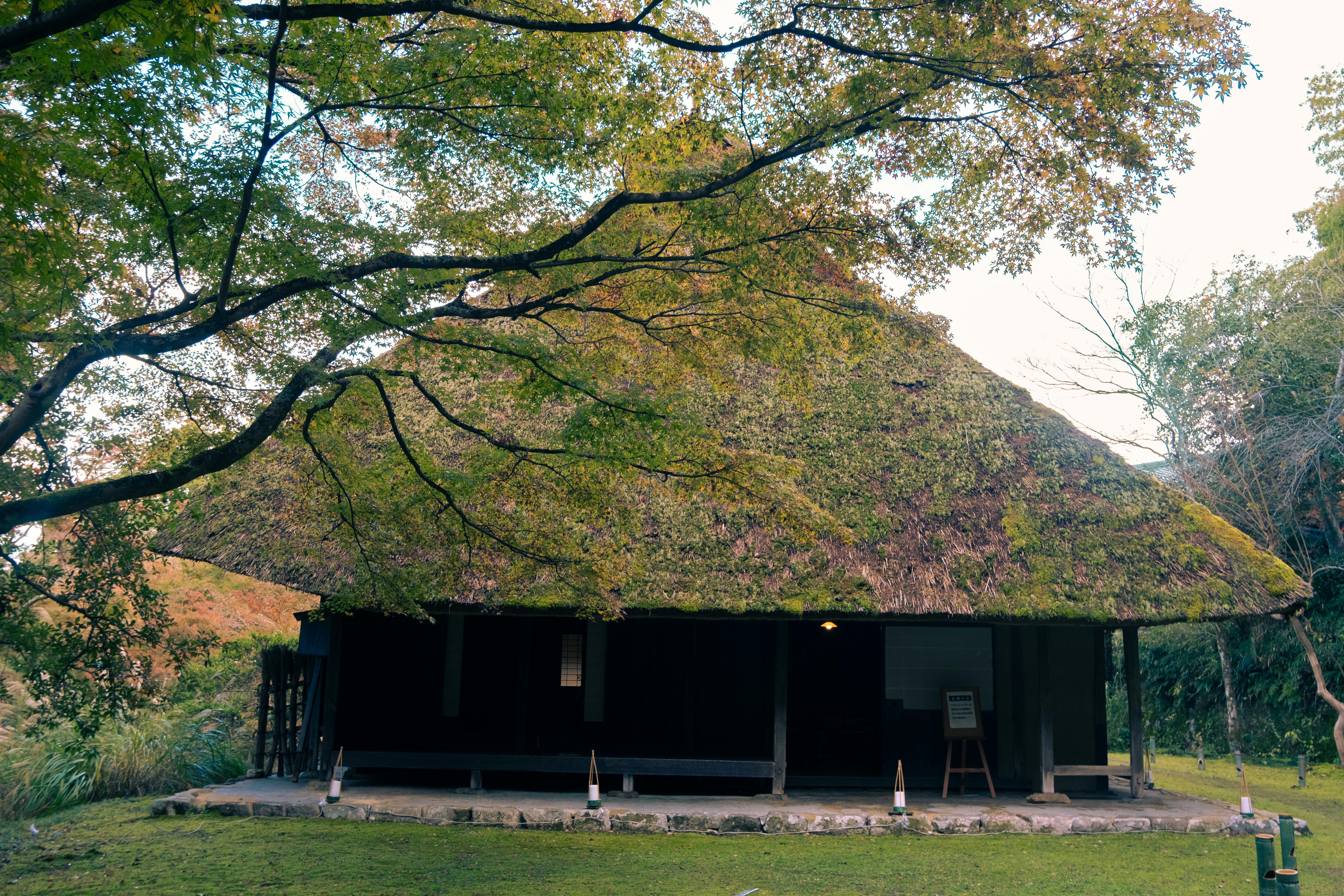
Image: Exterior view of a traditional Japanese hut with a thatched roof in a park in Ayabe, Kyoto, reflecting rustic architectural charm.
Japanese architecture began with simple, practical structures rooted in the country’s natural landscape. Early designs reflected the need for protection from the elements while working in harmony with Japan’s humid climate.
- Before the 7th Century:
- Structures were primarily wooden, with earth foundations and thatched roofs.
- Influences from the Korean Peninsula introduced timber framing and raised floors, helping homes stay dry and ventilated.
- Materials: Builders relied heavily on local resources like wood, bamboo, and straw, which shaped Japan’s distinctive architectural style from the start.
This early focus on wood and natural elements laid the groundwork for the development of Japan’s architectural identity.
Periods of Architectural Transition

Japanese architecture evolved significantly across historical periods, with each era introducing new ideas, materials, and design principles.
- Asuka Period (592–710 CE):
- Builders perfected timber joinery techniques (kigumi), creating structures without nails for durability and flexibility.
- Roof designs featured wide eaves to protect against Japan’s heavy rainfall.
- Heian Period (794–1185 CE):
- Aristocratic mansions, known as shinden-zukuri, showcased sprawling layouts with open interiors and wooden verandas (engawa).
- Spaces were divided with sliding panels, and homes emphasized connection to gardens and outdoor spaces.
- Kamakura and Muromachi Periods (1185–1573 CE):
- Homes became sturdier and more practical, reflecting the influence of Japan’s warrior class.
- Architecture focused on natural materials, clean lines, and functional layouts.
- Azuchi-Momoyama Period (1573–1603 CE):
- This era saw the rise of castle architecture, with strong stone foundations and multi-tiered wooden structures.
- Castles balanced functionality with visual beauty, featuring layered roofs and intricate wooden detailing.
Emergence of Everyday Homes
The Edo Period (1603–1868 CE)
The Edo period marked a shift toward practical residential design, especially for Japan’s growing urban population.
- Minka Homes:
- Designed for farmers, artisans, and merchants, these rural houses were functional, durable, and adaptable.
- Key features included:
- Raised floors for ventilation.
- Sliding doors (fusuma and shoji) for flexible layouts.
- Natural materials like wood, bamboo, and thatch.
- Machiya (Townhouses):
- These urban homes featured narrow facades, inner courtyards, and small gardens to maximize space in crowded towns.
The Edo period’s focus on balance, simplicity, and resourceful design became a cornerstone of Japanese architectural tradition.
Modernization and Western Influence (1868–1945)
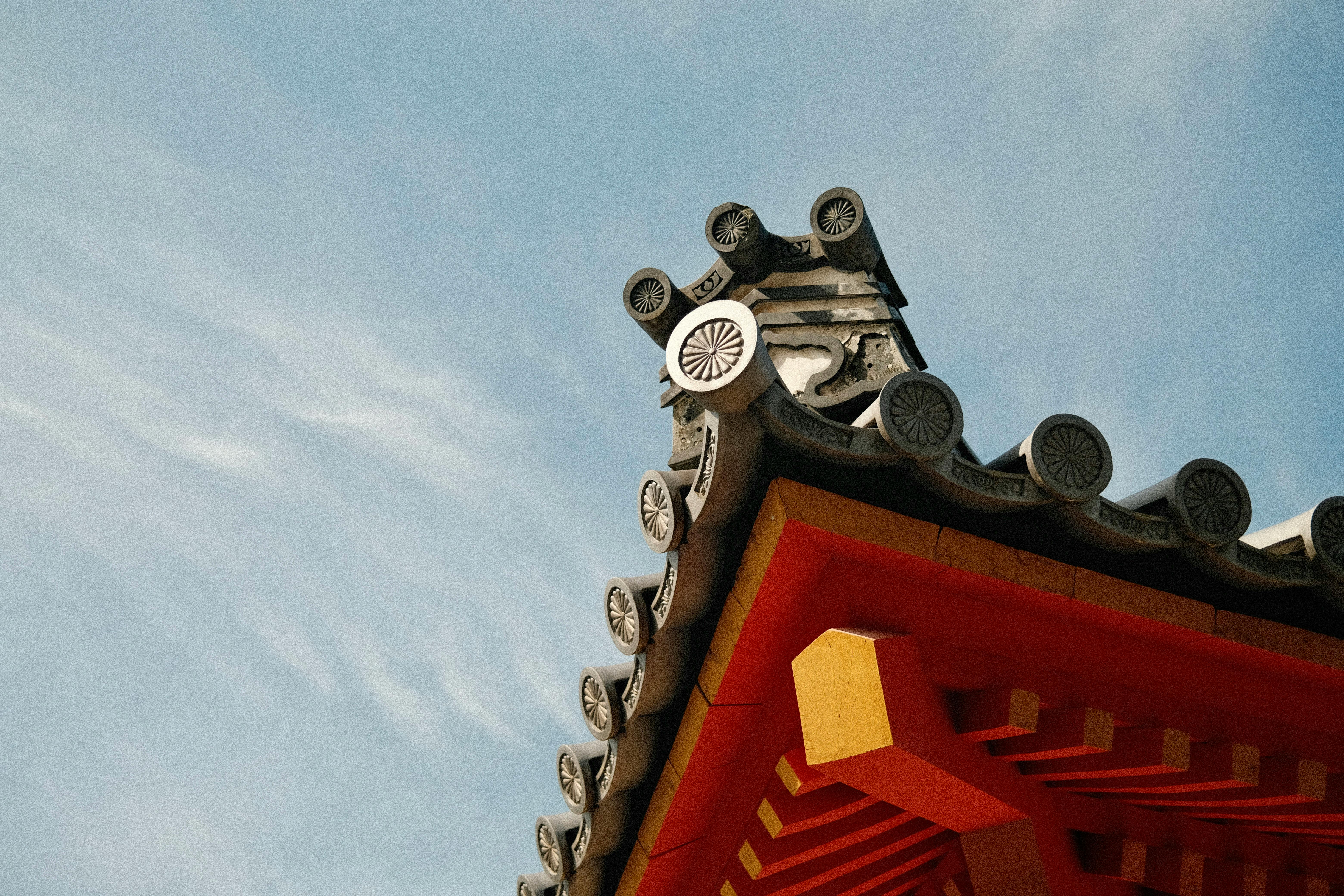
During the Meiji Restoration, Japan rapidly modernized and opened itself to Western ideas, including architecture.
- Materials and Techniques:
- Western materials like brick, stone, and glass began appearing alongside traditional wood.
- Construction techniques from Europe and America reshaped urban architecture, introducing stronger, more permanent structures.
- New Architectural Forms:
- Government buildings, schools, and infrastructure began adopting Western designs, blending them with Japanese craftsmanship.
This period represented Japan’s ability to adapt to new ideas while maintaining its cultural identity.
Post-War Innovation and Modern Architecture (1945–Present)
Following World War II, Japan entered an era of reconstruction and creative experimentation.
- Rebuilding Cities:
Rapid urbanization led to the use of modern materials like concrete, steel, and glass for large-scale buildings and infrastructure. - Architectural Pioneers:
Architects like Tadao Ando and Kenzo Tange redefined Japanese architecture by blending traditional principles with modern design. - Key Characteristics of Modern Japanese Architecture:
- Open layouts with natural light and indoor-outdoor integration.
- Minimalist design that emphasizes clean lines and simplicity.
- Innovative use of materials to create sustainable, functional spaces.
Unique Characteristics
Traditional Japanese architecture reflects practical design choices rooted in cultural values and natural harmony:
- Natural Materials: Wood, bamboo, clay, and paper dominate construction, creating a warm and organic aesthetic.
- Flexible Interiors: Sliding partitions (shoji and fusuma) allow rooms to adapt for different uses.
- Connection to Nature: Verandas (engawa) and large openings integrate homes with the surrounding landscape.
- Climate Adaptation: Raised floors, wide eaves, and thatched roofs address Japan’s humid climate and seasonal changes.
- Craftsmanship: Intricate wooden joinery (kigumi) showcases precision and durability without the need for nails.
Summary
Japanese architecture stands as a testament to adaptability, craftsmanship, and the seamless blending of form and function.
- From simple pit dwellings to sophisticated wooden homes, Japan’s architectural journey has always prioritized practicality and natural beauty.
- Historical periods introduced innovations like raised floors, flexible interiors, and iconic wooden frameworks that continue to influence modern design.
- Even in today’s fast-paced world, Japanese architecture offers valuable lessons in sustainability, simplicity, and harmony with nature.
For more details on Japanese design history and principles, check out our full lesson on Japanese architecture. Curious about Japanese home styles? Visit our guide to Japanese house designs for tips and real-world examples.
If you’re curious about Japanese homes and house styles, be sure to check out our guide on traditional house Japanese designs for more detailed tips and ideas.
And if you want a deeper dive into Japanese architecture as a whole, see our full lesson on Japanese architecture for real-life examples and practical advice.
Timeline
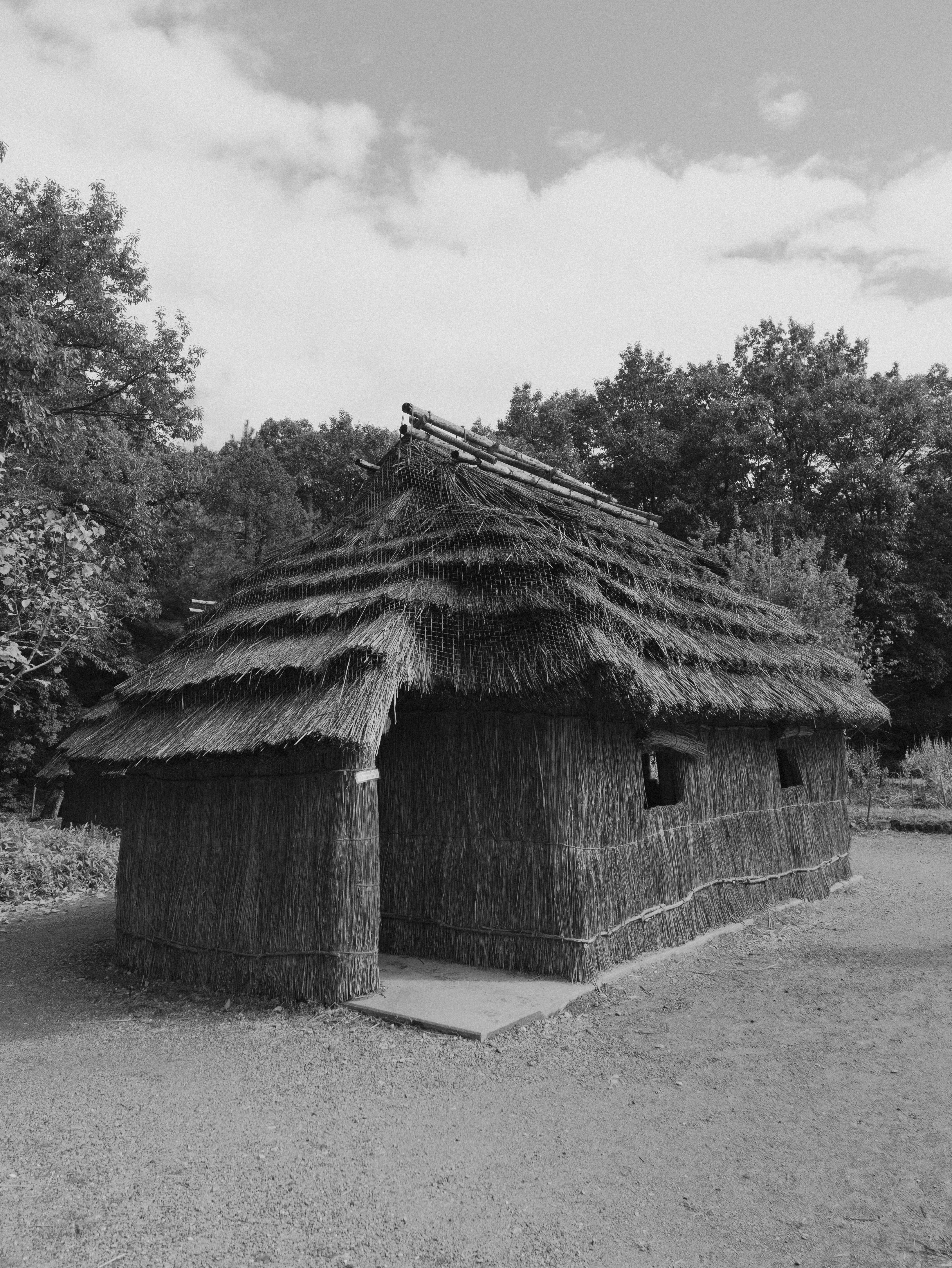
Japanese architecture has a rich history, shaped by innovation, environmental adaptation, and a deep respect for natural materials.
From early pit dwellings to modern design movements, this timeline highlights key periods and architectural advancements.
A Complete Timeline of Japanese Architecture
1. Jomon Period (14,000–300 BCE): The Beginnings of Shelter
- Early settlers built pit dwellings—simple homes with sunken floors and thatched roofs.
- These dwellings were insulated, offering protection from Japan’s harsh winters.
- Homes were circular or oval, reflecting a focus on practicality and survival.
2. Yayoi Period (300 BCE–300 CE): Raised-Floor Structures
- Japan saw advancements in agriculture, leading to the need for granaries and storage buildings.
- Raised floors, supported by wooden posts, were introduced to protect grain and food supplies from moisture and pests.
- This period marked the beginning of Japan’s post-and-beam construction methods, still used today.
3. Kofun Period (300–538 CE): Early Large-Scale Construction
- The Kofun period is known for the construction of keyhole-shaped burial mounds (kofun), which required advanced techniques.
- Stone and earthwork construction were developed, showcasing early engineering skills.
- Residential homes for the ruling elite began incorporating more refined wooden frameworks.
4. Asuka Period (538–710 CE): Emergence of Wooden Frameworks
- Builders perfected the use of wooden joinery techniques like kigumi, interlocking beams without nails.
- Homes became more structured, with distinct living spaces and verandas.
- The development of gabled roofs with wide eaves provided protection from Japan’s heavy rainfall.
5. Nara Period (710–794 CE): Growth of Urban Planning
- Japan’s first permanent capital cities were established, leading to early forms of urban planning.
- Streets were organized in grid patterns inspired by Chinese models, laying the groundwork for later city designs.
- Residential architecture featured wooden homes with tiled roofs and raised platforms for ventilation.
6. Heian Period (794–1185 CE): Aristocratic Mansions and Layouts
- Aristocrats developed shinden-zukuri homes—large, sprawling mansions with open layouts.
- Homes were organized around a central courtyard and connected by wide wooden verandas (engawa).
- Interiors featured sliding partitions and tatami mat flooring, which allowed spaces to be reconfigured easily.
7. Kamakura Period (1185–1333 CE): Fortified Residences and Simplicity
- The rise of the warrior class (samurai) brought a focus on sturdier homes with defensive features.
- Wooden structures emphasized functionality, with thicker beams and stronger frameworks.
- This period refined minimalist design, prioritizing simplicity and durability over decoration.
8. Muromachi Period (1336–1573 CE): Functional Residential Design
- Shoin-zukuri architecture emerged, introducing features like alcoves (tokonoma) for displaying art or scrolls.
- Homes became more practical and compartmentalized, with sliding doors (fusuma) dividing spaces.
- Raised wooden floors became standard to allow for ventilation in humid conditions.
9. Azuchi-Momoyama Period (1573–1603): Focus on Craftsmanship
- Builders paid more attention to intricate wood joinery and decorative details in homes.
- Elevated foundations and multi-tiered roofs became common in residential architecture.
- Homes began blending indoor and outdoor spaces seamlessly with gardens and verandas.
10. Edo Period (1603–1868): Minka and Urban Development
- Minka homes became widespread as residences for farmers, merchants, and artisans. Key features included:
- Engawa: Verandas wrapping around the home.
- Fusuma and Shoji: Sliding doors for adaptable interiors.
- Natural Materials: Use of wood, bamboo, and thatch for durability and simplicity.
- In cities, machiya (townhouses) featured narrow facades and small courtyards due to space constraints.
- Urban planning developed further with organized street grids and the growth of castle towns.
11. Meiji Period (1868–1912): Western Influences and Modernization
- The Meiji Restoration marked a period of industrialization and Western influence in architecture.
- Traditional wooden structures were combined with new materials like brick, glass, and stone.
- Western-style buildings, such as government offices and schools, began appearing alongside traditional Japanese homes.
12. Taisho and Early Showa Periods (1912–1945): Blending Old and New
- Modern architecture began emerging, mixing Western design elements with Japanese traditions.
- Architects experimented with concrete and steel while still maintaining features like sliding partitions and woodwork.
- Urban homes incorporated small gardens and natural materials to preserve harmony with nature.
13. Post-War Reconstruction (1945–1970): Innovation and Functionality
- After WWII, Japan rebuilt quickly with an emphasis on practicality and innovation.
- Prefabrication techniques and modern materials (concrete, steel, and glass) were widely used.
- Residential homes maintained traditional touches, like tatami rooms and wooden elements, but incorporated modern layouts.
14. Modern and Contemporary Era (1970–Present): A Return to Simplicity
- Architects like Tadao Ando and Kenzo Tange began blending traditional Japanese principles with modernist designs.
- Key features of modern Japanese homes:
- Open layouts with natural light.
- Use of concrete alongside wood for a clean, functional aesthetic.
- Integration of indoor and outdoor spaces with large windows and small gardens.
- Innovations like the Nakagin Capsule Tower and minimalist designs reflect Japan’s ability to balance tradition with modern needs.
Summary of Japanese Architectural Evolution
- Early Periods (14,000 BCE–300 CE): Simple pit dwellings and raised floors.
- Classical Periods (794–1603): Aristocratic mansions, wooden frameworks, and multi-functional spaces.
- Edo Period (1603–1868): Rise of rural minka homes and urban machiya townhouses.
- Meiji to Modern Era (1868–Present): Integration of Western materials, post-war reconstruction, and contemporary innovation.
Japanese architecture has continuously evolved while maintaining its deep connection to nature and practical functionality. From rural homes to modern urban structures, its focus on craftsmanship, natural materials, and flexible spaces has left a lasting impact that still inspires architects and homeowners around the world today.
Japanese Architecture Styles

Different types of traditional Japanese houses characterized by tiled roofs, sliding shoji doors, and wooden pillars, all designed in a neutral color palette to reflect simplicity and cultural heritage.
Japanese architecture has developed a range of styles over centuries, each reflecting specific cultural, functional, and environmental needs. Here are some of the most notable traditional styles:
1. Shinden-zukuri
- What It Is: Aristocratic residential architecture from the Heian period (794–1185).
- Key Features:
- Elevated wooden floors to improve ventilation.
- Open, spacious interiors connected by sliding doors (fusuma).
- Wide verandas (engawa) surrounding the home to link indoor and outdoor spaces.
- Rooms arranged around a central courtyard for natural light and airflow.
This style prioritized openness, natural light, and harmony with the surrounding environment, making it ideal for large residences.
2. Shoin-zukuri
- What It Is: A formal architectural style emerging during the Muromachi period (1336–1573), designed for scholarly and official spaces.
- Key Features:
- Built-in desks (shoin): Fixed writing areas along the walls, a symbol of scholarly pursuits.
- Alcoves (tokonoma): Spaces for displaying art, calligraphy, or decorative objects.
- Decorative transoms (ranma): Wooden panels above sliding doors featuring intricate carvings for light and ventilation.
- Modular floor plans with tatami mat layouts for both comfort and practicality.
Shoin-zukuri introduced formal, refined interiors that influenced the design of residential spaces for centuries.
3. Sukiya-zukuri
- What It Is: A residential style originating in the late Muromachi period, known for its focus on craftsmanship and simplicity.
- Key Features:
- Emphasis on natural materials like wood, bamboo, and straw.
- Simple, asymmetrical designs reflecting understated elegance.
- Delicate wooden details with exposed beams and handcrafted joinery.
- Spaces often feature modest interiors with open layouts, soft lighting, and low furnishings.
This style’s focus on craftsmanship and subtle beauty made it adaptable to both rural and urban homes.
4. Machiya
- What It Is: Traditional urban townhouses, primarily seen during the Edo period (1603–1868), built for merchants and artisans.
- Key Features:
- Narrow facades: Designed to optimize space in crowded cities.
- Timber-framed structures: Wooden frameworks that allowed flexibility and durability.
- Interior courtyards: Small garden spaces (tsuboniwa) that brought in natural light and ventilation.
- Sliding doors and partitions: Allowed for multi-purpose rooms and flexible layouts.
Machiya homes blended practicality with aesthetics, offering a solution for compact, urban living while maintaining a connection to nature.
5. Gassho-zukuri
- What It Is: A rural architectural style developed in snowy regions, such as Shirakawa-go.
- Key Features:
- Steeply pitched thatched roofs to shed heavy snowfall efficiently.
- Large, open interiors with multiple levels for living, storage, and workspace.
- Built using wooden frameworks without nails for resilience and flexibility.
- Upper levels often served as storage for farming tools or silk production.
This practical design allowed homes to withstand harsh winter conditions while providing spacious interiors for multi-generational families.
Summary of Japanese Architecture Styles
- Shinden-zukuri: Aristocratic mansions with open layouts and wide verandas.
- Shoin-zukuri: Formal homes with built-in desks, alcoves, and intricate woodwork.
- Sukiya-zukuri: Homes focused on craftsmanship, simplicity, and natural materials.
- Machiya: Urban townhouses with narrow fronts, timber frames, and interior gardens.
- Gassho-zukuri: Rural homes with steep roofs, designed for snowy climates.
These styles reflect Japan’s adaptability, craftsmanship, and emphasis on integrating homes with their natural surroundings—principles that continue to influence architecture today.
Defining Features
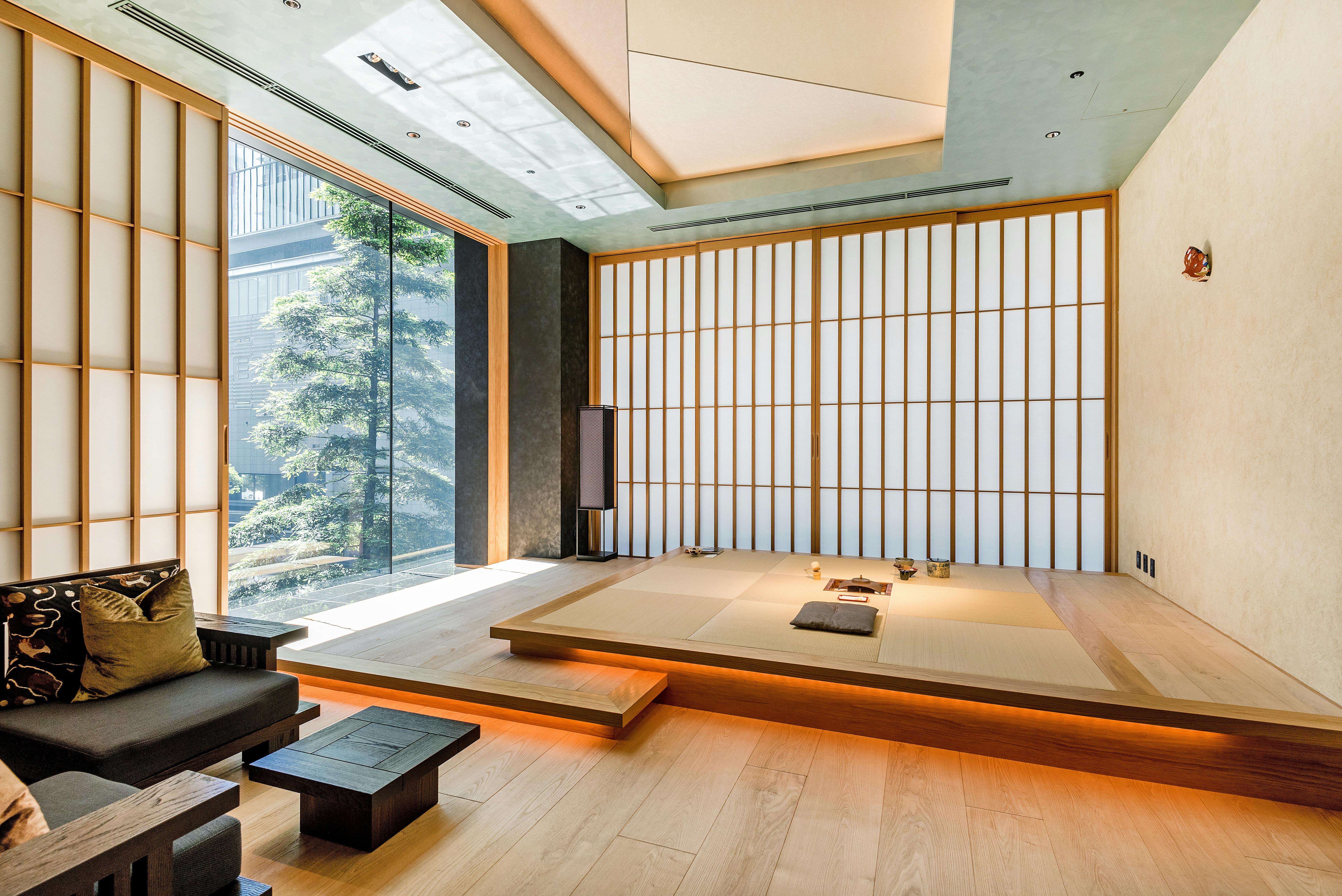
Traditional Japanese architecture is defined by its practical simplicity, seamless connection to nature, and masterful use of natural materials. Here’s what makes it unique:
1. Simplicity and Minimalism
- Spaces are clean, uncluttered, and free of unnecessary decoration.
- The focus is on functionality and creating calm, serene environments.
- The principle of ma (negative space) allows for open, breathable interiors that balance visual harmony.
2. Harmony with Nature
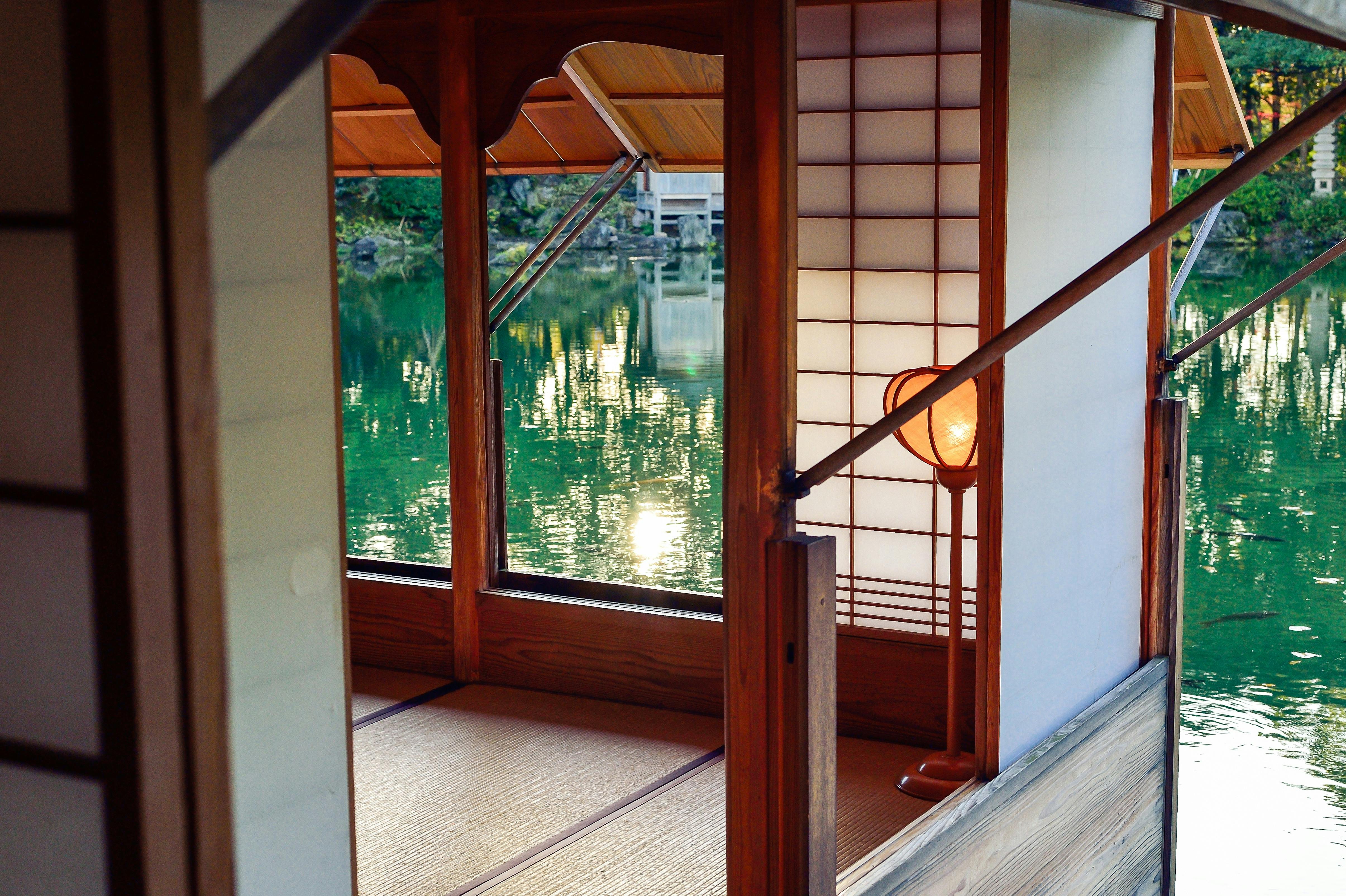
- Traditional Japanese architecture connects seamlessly with the environment.
- Homes often feature verandas (engawa) that act as a bridge between indoors and outdoors.
- Courtyards, small gardens, and natural light enhance the feeling of being part of the landscape.
3. Natural Materials
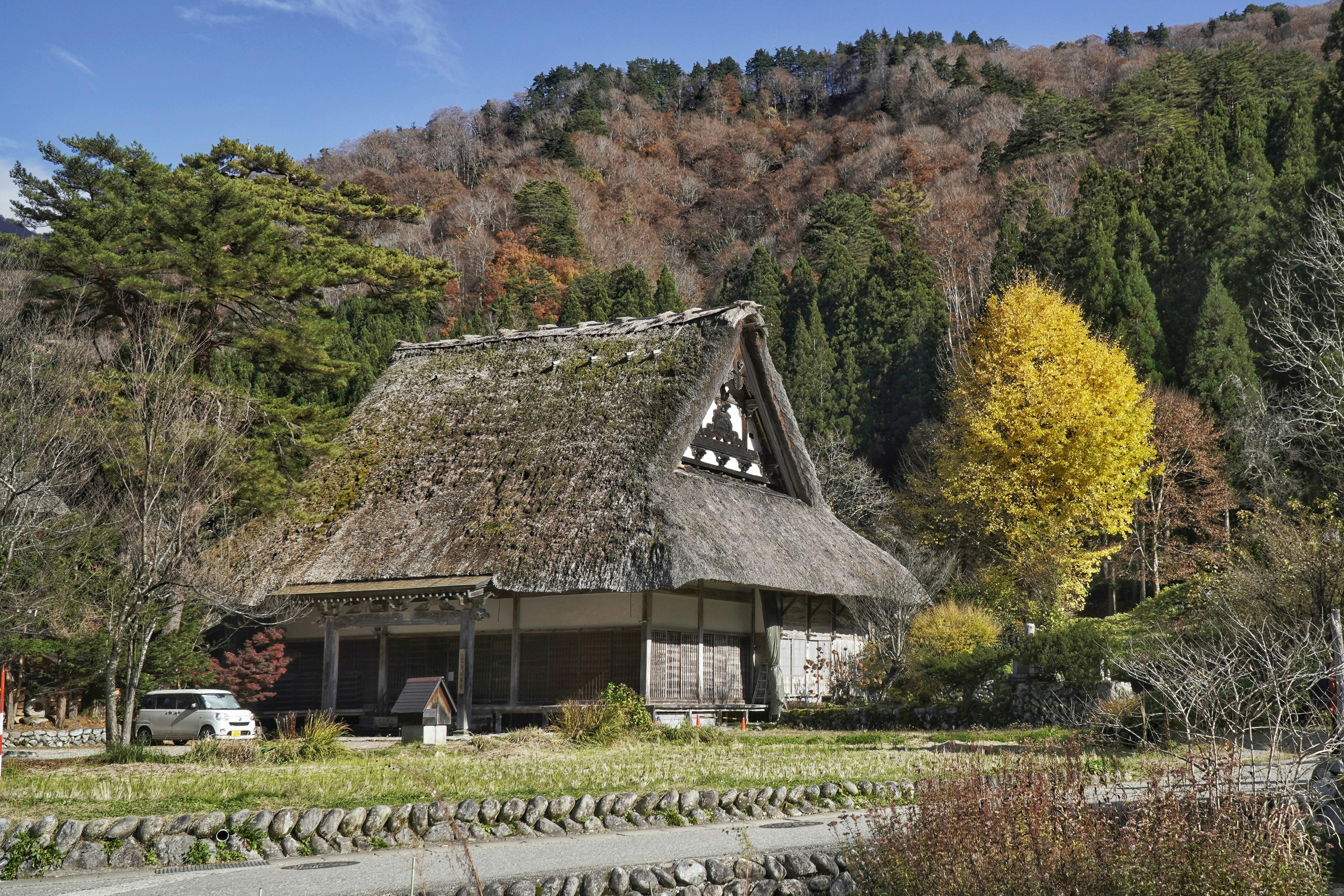
- Japanese builders emphasize natural, locally available materials to create structures that feel organic and warm. Key materials include:
- Wood: Cedar, cypress, and pine are commonly used for beams, floors, and frames.
- Bamboo: Often used for fences, screens, and decorative details.
- Paper (Shoji): Translucent paper screens soften natural light while offering privacy.
- Clay Tiles: Used for roofing to provide both durability and a visually distinct silhouette.
4. Post-and-Beam Structure
- Traditional Japanese buildings rely on wooden posts and beams for support, rather than load-bearing walls.
- This structural system creates flexible interiors with open layouts that can be reconfigured easily.
- The method also provides natural resilience to earthquakes, as wooden joints allow structures to flex instead of breaking.
5. Sliding Doors and Flexible Layouts
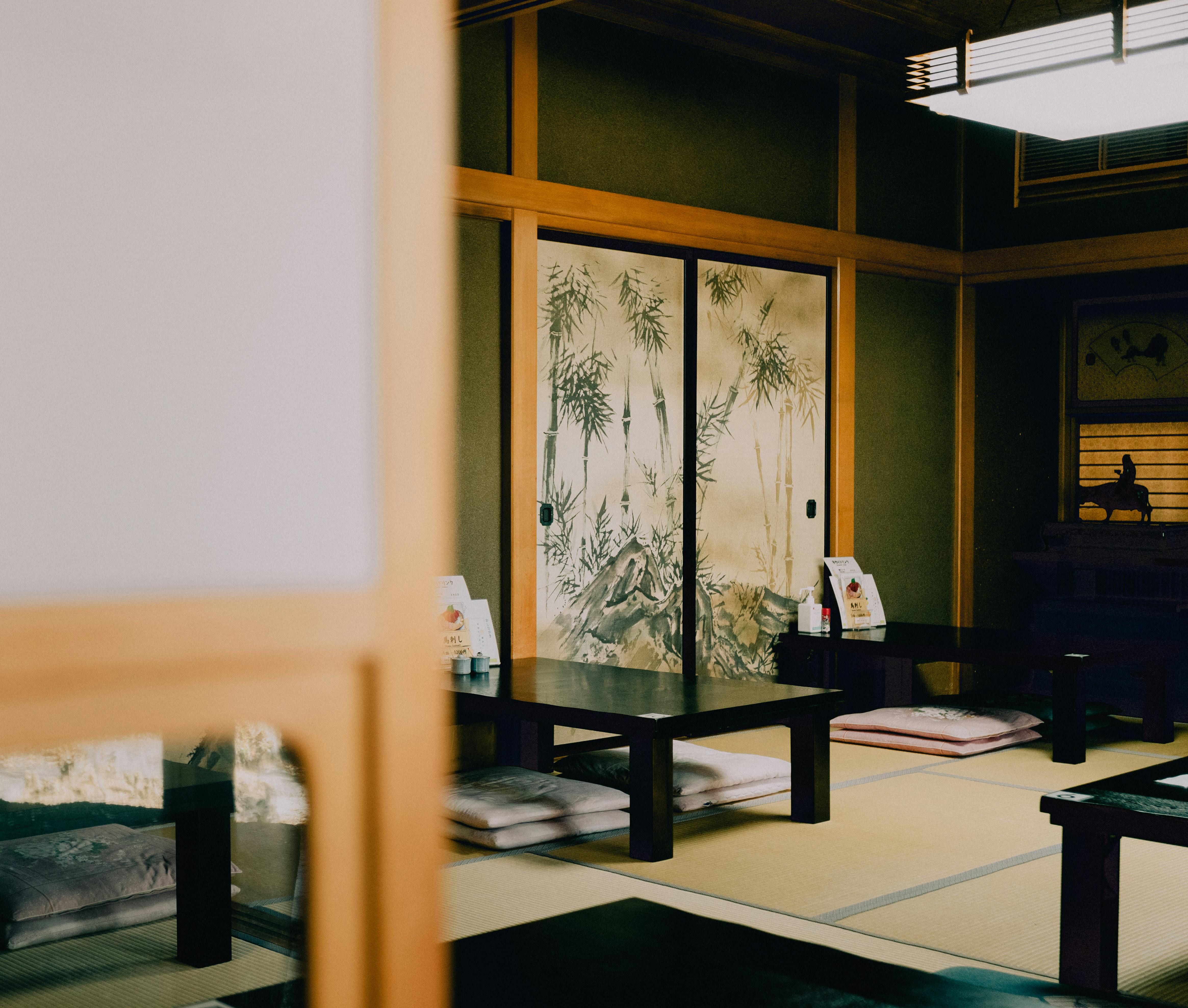
- Shoji screens (made with translucent paper) and fusuma panels (opaque sliding doors) allow spaces to adapt to different functions.
- Rooms can be expanded or divided, creating multi-purpose spaces as needed.
- This flexibility reflects Japan’s resourcefulness and focus on efficient use of space.
6. Tatami Flooring
- Rooms are traditionally covered with tatami mats, made from woven rice straw.
- Tatami provides a soft, natural surface for sitting, walking, and sleeping.
- It also regulates humidity, keeping interiors comfortable throughout the seasons.
7. Gabled and Curved Roofs
- Japanese roofs often feature gabled designs with wide, overhanging eaves to shed heavy rainfall and protect wooden structures.
- The curvature adds aesthetic appeal while serving a functional purpose.
8. Seamless Indoor-Outdoor Flow
- Features like engawa verandas, large sliding doors, and interior courtyards connect the house to its surroundings.
- This design approach encourages a sense of tranquility and reinforces harmony with nature.
Summary of Key Features
Traditional Japanese architecture is a masterclass in simplicity, natural materials, and adaptability. Its defining elements—like sliding doors, wooden frameworks, and seamless connections with the outdoors—reflect a culture deeply rooted in functionality and harmony with the environment.
These principles continue to inspire modern architecture worldwide, offering timeless lessons in creating spaces that are both beautiful and practical.
Modern vs. Traditional
What Really Sets Japanese Homes Apart?
Forget Pinterest aesthetics for a second. Let’s get real about how Japanese homes differ from Western or modern design—not just in how they look, but how they function and feel.
Here’s what actually makes them different:
Mindset: Function vs. Feeling
| Modern Homes | Traditional Japanese Homes |
|---|---|
| Built around objects: couches, TVs, kitchen islands | Built around movement and behavior |
| Prioritize function by room label (living, dining, etc.) | Prioritize use, not labels — rooms change purpose |
| Rooms are filled, decorated, styled | Rooms are framed, softened, edited |
Takeaway: Japanese homes aren’t minimal for the trend — they’re minimal for mental clarity.
Layout Logic: Fixed vs. Flexible
| Modern Layouts | Japanese Layouts |
|---|---|
| Open concept or room-by-room | Modular and reconfigurable |
| Hallways waste space | Engawa acts as both hallway and pause space |
| Rooms are static | Fusuma + tatami = transform on demand |
Takeaway: A single tatami room can be a guest room, dinner space, and morning yoga zone. Modern layouts could use more of that.
Nature Interaction: Separated vs. Integrated
| Modern Builds | Traditional Japanese Builds |
|---|---|
| Treat the outdoors as a backdrop | Treat nature as a co-designer |
| Big windows, but often fixed | Shoji/fusuma create adaptable indoor-outdoor transitions |
| Landscaping is decorative | Gardens are quiet zones for reflection and shade |
Takeaway: A well-placed tree seen through a shoji screen says more than a wall of windows ever could.
Materials: Industrial vs. Organic
| Common Now | Traditional Japanese |
|---|---|
| Drywall, vinyl, synthetic wood | Cedar, clay, bamboo, rice paper |
| Age poorly, need constant fixes | Age beautifully, require thoughtful upkeep |
| Prioritize cost and speed | Prioritize harmony and feel |
Takeaway: Japanese materials aren’t low-maintenance. They’re high-respect.
Built Philosophy: Efficiency vs. Presence
| Most Homes Today | Japanese Homes |
|---|---|
| Built to show and sell | Built to live and reflect |
| Emphasize aesthetics and tech | Emphasize light, mood, and movement |
| Feel full | Feel intentional |
Takeaway: Japanese homes breathe. Every beam, window, and mat has a reason to be there — and a reason not to clutter it.
So How Do You Spot the Difference?
Look for flow — not just between rooms, but between inside and out.
Check for “Ma” — the purposeful space between things.
Listen for silence — the materials, the layout, the lighting… all encourage calm.
Watch the light move — it’s not static. It changes throughout the day, and the home adapts with it.
Modern Japanese Architecture
Modern Japanese architecture is characterized by innovative design, technological advancements, and a fusion of traditional and contemporary elements. Key features include:
- Urban Skyscrapers: Iconic high-rise buildings in urban centers such as Tokyo and Osaka showcase cutting-edge design and engineering.
- Minimalist Aesthetics: Contemporary architects often embrace minimalist aesthetics, emphasizing simplicity, clean lines, and open spaces.
- Sustainable Design: Environmental considerations play a significant role in modern Japanese architecture, with an emphasis on energy efficiency, green building materials, and eco-friendly practices.
- Cultural Continuity: Despite modernization, many architects draw inspiration from traditional Japanese architectural principles, integrating elements such as wood, paper, and natural light into their designs.
- Experimental Structures: Japan is home to experimental architectural projects that push the boundaries of design and engineering, exploring new materials, forms, and spatial arrangements.
Modern Japanese architecture reflects a dynamic interplay between tradition and innovation, with architects continually reimagining and redefining the built environment to meet the evolving needs of society.
Notes!
- Cultural Influences: Traditional Japanese architecture reflects influences from neighboring civilizations such as China and Korea, as well as indigenous cultural practices.
- Natural Materials: Wood, bamboo, paper, and clay are primary building materials, reflecting Japan's abundant natural resources and emphasis on sustainability.
- Aesthetic Principles: Minimalism, asymmetry, and harmony with nature are central tenets of traditional Japanese architecture.
- Functional Design: Architectural spaces are designed to accommodate shifting social dynamics, seasonal changes, and traditional practices such as the tea ceremony.
FAQ
What is the history behind Japanese architecture?
Japanese architecture has evolved over thousands of years, influenced by environmental factors, cultural needs, and neighboring civilizations like China and Korea.
- Jomon Period (14,000–300 BCE):
- Pit-dwelling houses were common. These early structures had sunken floors and thatched roofs to protect against the elements.
- Yayoi Period (300 BCE–300 CE):
- Raised-floor buildings emerged, such as granaries and ceremonial structures, inspired by Korean and Chinese influences.
- Asuka Period (592–710 CE):
- Construction of grand structures. Chinese architectural styles, like tiered roofs and symmetry, were introduced.
- Heian Period (794–1185):
- Aristocratic homes followed the shinden-zukuri style, with open layouts, gardens, and verandas connecting the indoors to nature.
- Kamakura and Muromachi Periods (1185–1573):
- Simpler, sturdier designs emerged. This era prioritized minimalism and functionality.
- Edo Period (1603–1868):
- Minka houses became widespread for farmers, merchants, and artisans, focusing on practicality and natural materials. Castles and tea houses also flourished.
What materials are commonly used in Japanese architecture?
Traditional Japanese architecture relies heavily on natural and sustainable materials:
- Wood: The primary building material for everything from structural beams to walls and furniture.
- Bamboo: Used for fences, screens, and accents.
- Clay Tiles: Common in roofs to provide durability and beauty.
- Paper: Shoji screens use translucent paper to filter light softly into spaces.
- Thatch and Stone: Thatch was used for rural roofs, while stone foundations were essential for castles and shrines.
How did Japanese architecture evolve over time?
- Early Periods: Focused on survival and function with pit dwellings and raised granaries.
- Aristocratic Design: Open, flowing spaces connected to gardens in the Heian period.
- Rural Practicality: The Edo period introduced minka houses for the working class while castles reflected military strength.
- Modern Influence: Post-Meiji period, Western architecture brought brick, stone, and new construction techniques.
When were traditional Japanese houses built?
Traditional Japanese houses, known as minka, evolved over centuries, adapting to different cultural and environmental needs. Here’s a brief timeline:
- Jomon Period (14,000–300 BCE):
Early pit dwellings featured sunken floors and thatched roofs, suited to the hunter-gatherer lifestyle. - Yayoi Period (300 BCE–300 CE):
Raised-floor dwellings emerged, used for both living spaces and granaries. - Asuka Period (592–710 CE):
Grand structures influencing residential design. - Heian Period (794–1185 CE):
Aristocratic mansions (shinden-zukuri) featured elevated floors, verandas, and sliding partitions, emphasizing indoor-outdoor harmony. - Kamakura Period (1185–1333 CE):
Samurai culture introduced sturdier, fortified residences and influenced architectural simplicity. - Muromachi Period (1336–1573 CE):
The rise of minimalist tea houses (chashitsu) and refined garden design. - Edo Period (1603–1868 CE):
Urban machiya (townhouses) emerged, featuring narrow facades, wooden frameworks, and courtyard gardens.
Traditional Japanese houses reflect the cultural and practical needs of each period, blending durability, simplicity, and beauty.
What are the key features of traditional Japanese architecture?
Traditional Japanese architecture stands out for its simplicity, connection to nature, and clever use of natural materials. Here are its defining features:
- Simplicity and Minimalism:
- Clean, uncluttered spaces focused on functionality.
- Open layouts with a balance of ma (negative space) for a calm, airy feel.
- Harmony with Nature:
- Seamless indoor-outdoor flow using verandas (engawa) and sliding doors.
- Courtyards and natural light enhance connection to the environment.
- Natural Materials:
- Wood: Cedar, cypress, and pine for structural elements.
- Bamboo: Used for screens, fences, and accents.
- Paper (Shoji): Translucent screens soften light and provide privacy.
- Clay Tiles: Durable roofing with a distinctive curved silhouette.
- Post-and-Beam Structure:
- Wooden posts and beams, not walls, support the structure.
- Provides open, flexible interiors and natural resilience to earthquakes.
- Sliding Doors and Flexible Layouts:
- Shoji screens (paper) and fusuma panels (opaque) divide rooms.
- Allows spaces to adapt for different uses and improve airflow.
- Tatami Flooring:
- Woven rice straw mats for comfort and humidity regulation.
- Provides a soft, natural surface for sitting and sleeping.
- Gabled and Curved Roofs:
- Wide, overhanging eaves protect against heavy rain.
- Curved rooflines add visual appeal and structural efficiency.
- Seamless Indoor-Outdoor Integration:
- Features like engawa (verandas) and interior courtyards blur the line between inside and outside.
What role does nature play in traditional Japanese architecture?
Nature is central to Japanese architecture, influencing both design and materials:
- Seamless Transitions:
Verandas (engawa), sliding doors, and open layouts allow natural light, airflow, and outdoor views to flow into the home. - Natural Materials:
The use of wood, bamboo, and paper reflects harmony with the environment and reinforces sustainability. - Gardens and Landscapes:
Homes often incorporate gardens or courtyards, creating a tranquil space to enjoy seasonal changes. - Adaptation to Climate:
Overhanging eaves provide shade and protection from rain, while raised floors prevent moisture buildup. - Symbolic Elements:
Minimalist design reflects wabi-sabi, the appreciation of imperfection and the beauty of nature’s transience.