

Engawa architecture redefines living with its seamless integration of indoor and outdoor spaces, creating a modern living room design.
Engawa Architecture: The Key to Blurring Boundaries Between Home and Nature
Why Don’t We Give Japanese Architecture the Credit It Deserves?
Let’s be honest—Japanese architecture doesn’t get the attention it truly deserves, and that’s a shame. Western design ideas often take center stage, while Japanese concepts quietly sit in the background, waiting to be “discovered.” What’s ironic? So many of the trends we claim to have “created” today—like open spaces, biophilic design, minimalism, and sustainable living—have been fundamental parts of Japanese design for centuries.
It’s not that Japanese architecture lacks brilliance. It’s that we, in the West, have been too busy hyping up flashy trends and quick fixes to notice. Call it ignorance, call it oversight—but either way, we’ve missed out on some of the most thoughtful and functional ideas ever designed.
What Makes Japanese Architecture So Relevant Today?

If you’ve ever stepped into a well-designed Japanese space, you know how it feels—calm, connected, and almost effortless. It’s not trying to impress you with opulent chandeliers or oversized rooms. Instead, Japanese design focuses on balance, purpose, and a seamless relationship with nature.
That’s where concepts like Engawa come in.
We’ve been talking about “indoor-outdoor living” like it’s a revolutionary idea. Truth is, the Japanese perfected this balance long before we even put a name to it. An Engawa—a covered verandah that transitions between inside and outside—has been an integral part of Japanese homes for centuries. It’s more than just a design feature; it’s a philosophy. It softens the divide between home and nature, turning the outdoors into a part of your everyday life rather than just something you look at through a window.
Why We Keep Coming Back to Japanese Ideas
Having worked on homes around the world—from cramped urban apartments to sprawling countryside retreats—we’ve experimented with countless design styles. And every single time, Japanese ideas stand out. Why? Because they work.
Here’s the thing: Japanese architecture doesn’t chase trends. It solves real problems—like how to maximize space, bring in light, and create a home that feels warm without being cluttered.
Take Engawa again. We once worked with homeowners who wanted a space that felt connected to their garden but still cozy in the winter. Instead of adding massive sliding glass doors (a common Western move), we introduced an Engawa-inspired design. It became this in-between space—sheltered enough for cool weather but open enough to enjoy the view.
The result? A home that felt grounded, intentional, and at one with its surroundings.
The Quiet Genius of Japanese Simplicity
Western design often defaults to overcomplicating things: bold statements, showy details, and an obsession with making a home look “expensive.” Japanese design takes the opposite approach. It strips away what’s unnecessary and focuses on what really matters.
- A carefully placed window that fills the room with natural light.
- A wooden beam that warms up a minimalist space.
- A layout that flows intuitively, making daily life calmer and easier.
These ideas are subtle, but they’re powerful. And here’s the kicker: they’ve been around for hundreds of years, yet they feel timeless.
Why Are We Only Now Catching On?
Let’s call it what it is—Western architecture often has a short memory. We get excited about rediscovering something old and slap a shiny new label on it like we invented it. Biophilic design? Minimalist interiors? Energy-efficient homes? These have been part of Japanese architecture since forever.
Take sustainability, for example. We act like it’s a new idea, but Japanese builders have been using local, natural materials for centuries—timber, paper, stone—crafted to stand the test of time. They also rely on passive heating and cooling techniques like shaded Engawa corridors and wind-flow ventilation, reducing the need for artificial climate control.
The truth is, there’s nothing “new” about many of today’s celebrated design trends. They’ve been perfected in Japan for generations; we just didn’t pay attention.
How to Bring Japanese Principles Like Engawa Into Your Home

Here’s where things get exciting. You don’t have to live in a traditional Japanese home to incorporate Engawa or other Japanese ideas into your space. It’s about understanding the principles and adapting them in a way that works for you.
- Create Transition Spaces: Think about adding covered verandahs, patios, or shaded walkways that connect your indoor spaces to your garden, yard, or even balcony. An Engawa doesn’t have to be elaborate; it can be as simple as a bench on a sheltered deck.
- Borrow Scenery (Shakkei): Instead of treating the outdoors as “separate,” design your space to frame views of the natural world. Use sliding doors, windows, or open corridors to make the landscape part of your home.
- Focus on Materials: Opt for natural materials like wood, stone, and paper to give your space warmth and texture. They age beautifully and create a sense of calm.
- Let Light and Air Flow: Use screens, open layouts, and thoughtful window placement to invite natural light and ventilation. It’s not just functional—it makes a space feel alive.
- Simplify Your Design: Japanese spaces prioritize function and clarity. Look at your home and ask, “What adds value here?” If something doesn’t serve a purpose, consider letting it go.
Homes That Prove Engawa Works Everywhere
If you still think Engawa is too “traditional” for modern living, let’s look at some real examples:
- Modern Urban Apartment: A sliding glass corridor inspired by Engawa gave the homeowners a sunlit space to drink coffee, surrounded by plants, even in the heart of the city.
- Suburban Family Home: Adding a wooden Engawa-style deck along the living room created a shaded play area for the kids while blending seamlessly into the garden.
- Tropical Retreat: In warmer climates, an Engawa corridor works beautifully as a breezeway, keeping the house cool and connected to the landscape.
The point is, Engawa isn’t locked to a specific place or style. It’s adaptable, practical, and stunningly simple.
Let’s Pay Attention: Bringing It Full Circle
It’s time to face a hard truth—Japanese architecture, and concepts like Engawa, have been quietly solving problems we’re only now “rediscovering.” But what if we gave them the attention they deserve? What if we stopped treating these ideas as novelties and started understanding their real value?
Engawa isn’t just an architectural detail; it’s a philosophy. It teaches us to slow down, to find balance, and to see our homes as part of the world around us, not just isolated boxes. In a time when modern design feels obsessed with impressing, Japanese principles remind us that simplicity and thoughtfulness are where the real magic happens.
But here’s where things get interesting: this isn’t about copying Japan’s traditions. It’s about learning from them. Adapting ideas like Engawa—creating transition spaces, using natural materials, and connecting with nature—fits beautifully into the way we live today. It works in a bustling city apartment, a suburban family home, or a countryside retreat.
So let’s move past the hype of trends and give credit where it’s long overdue. Japanese architecture has been offering solutions—practical, beautiful, and timeless ones—long before we started searching for them.
If you’re building, renovating, or simply rethinking your space, take a page from Japan’s architectural playbook. You don’t need to build a temple or a ryokan to feel the impact of these ideas. A shaded walkway, a carefully framed view, or a connection to your garden might just transform your home into a place that feels alive again.
And maybe, just maybe, it’s time for the West to stop reinventing the wheel and start learning from those who perfected it centuries ago.
Engawa Architecture: Why This Ancient Design Principle Still Inspires Modern Living
Going Deeper: How Engawa Works, Where It Came From, and Why It Matters
Engawa in Focus: A Closer Look at Its History, Purpose, and Modern Use

A real Japanese house featuring an engawa, showcasing how the eaves and design elements keep the foundation and the en area dry after rain.
We’ve talked about the big picture of Engawa—its significance, origins, and why it’s still relevant. Now, let’s get specific.
In the following sections, we’re going deeper into everything Engawa: its history, how it was designed to meet practical needs, and step-by-step insights on incorporating it into modern spaces.
Think of this as the full breakdown—the details, the function, and the ways Engawa can reshape the way you think about your home.
Engawa Explained in Detail: History, Design, and Practical Steps to Apply It
The Origins and Cultural Context of Engawa

Traditional Japanese houses with an engawa—a wooden passageway—running between and joining multiple buildings, highlighting classic architectural harmony.
Engawa: How This Design Concept Began and Why It Still Works
Engawa, at its core, is one of the most thoughtful and functional design features to emerge from traditional Japanese architecture. While its roots go back centuries, the beauty of Engawa lies in its simplicity—transforming an otherwise ordinary space into a quiet, transitional zone that blends the home with its surroundings.
Originally part of Japan’s early wooden homes, Engawa evolved as a practical response to climate, daily life, and cultural values.
The Story Behind Engawa: Practical Roots and Cultural Impact
The Practical Roots of Engawa
In Japan, where summers are humid and winters can be cool, homes traditionally relied on natural materials and thoughtful layouts to stay comfortable. Early wooden homes were built with elevated floors and open corridors that wrapped around the building. These covered walkways—what we now call Engawa—served multiple purposes: they sheltered the home from rain, created shade during hot months, and encouraged airflow to naturally cool the interior.
But Engawa was more than just practical—it was intentional. The space wasn’t treated as leftover square footage. It became a flexible, in-between zone that could adapt to the rhythms of life: a place to rest, gather, or simply observe the world outside.
Imagine this: sitting on an Engawa with a cup of tea in hand, watching the rain softly hit the garden or listening to the hum of summer cicadas. It wasn’t just about function; it was about creating space for quiet moments of connection.
Philosophy of Space: Balance and Intent
The Japanese concept of ma—which can be loosely translated as “negative space” or the space between things—is central to understanding Engawa. In Western design, empty space often feels like something to fill. In Japanese design, space is an element in itself. An Engawa embodies this idea by existing as both a passageway and a pause—a space that isn’t strictly “inside” or “outside” but sits comfortably between the two.
Another key principle is shakkei, or “borrowed scenery.” The Engawa frames the view outside, transforming nature into a living painting. Whether it’s a distant mountain, a carefully designed garden, or even just the trees in a backyard, the space becomes an extension of the natural world beyond the walls.
It’s a reminder that a home isn’t just about its interiors; it’s about the relationship it shares with its surroundings.
Traditional Functions of Engawa: A Multi-Use Space
While it may seem simple, Engawa was designed to meet the diverse needs of daily life:
- A place to rest: In the summer heat, Engawa provided a cool, shaded spot to relax. Families would sit, chat, or nap while enjoying the breeze.
- A space for socializing: Engawa blurred public and private boundaries. Neighbors could stop by and chat without formally entering the home, making it an informal gathering space.
- Observing the world: The Engawa offered a front-row seat to nature. It wasn’t about going outside to “do something”—it was about sitting still and appreciating the small, seasonal details unfolding around you.
In this way, Engawa wasn’t just a corridor or walkway; it was an adaptable space that effortlessly shifted between roles depending on the time of day, the season, or the family’s needs.
A Connection to Nature Through the Seasons
One of the most remarkable qualities of Engawa is how it highlights the changing seasons. Japan’s deep appreciation for seasonal transitions—known as kisetsu—comes to life in these spaces.
- Spring: As cherry blossoms bloom, petals often drift onto the Engawa, creating a scene that feels poetic and alive. Sitting on the Engawa, you’re part of the fleeting beauty of spring.
- Summer: The Engawa provides much-needed shade while allowing air to circulate. It becomes a place to escape the heat, sip iced tea, and listen to the hum of cicadas. The sound and rhythm of summer unfold naturally around you.
- Autumn: Red and golden maple leaves dance across the Engawa as cool breezes flow through. It’s a place to watch the garden transform, a space that makes you slow down and notice each shift.
- Winter: Snow lightly piles up along the edge of the Engawa, creating a beautiful contrast against dark wooden floors. The covered verandah offers protection while keeping you close to the peaceful stillness of winter.
What makes this connection so powerful is its simplicity. Engawa doesn’t demand elaborate design or forced interaction with nature. Instead, it quietly invites you to notice—to pause and take in the sights, sounds, and feelings of each season.
Cultural Values Reflected in Engawa
Engawa reflects core Japanese values that prioritize intentional living, simplicity, and harmony with the natural world:
- Simplicity: Engawa strips away excess and focuses on what matters—a shaded space, a framed view, and a place to connect.
- Harmony: The design doesn’t compete with nature; it complements it. Engawa ensures that the home works with its environment rather than against it.
- Flexibility: Engawa adapts to the needs of the moment. It’s functional but never rigid, a space that feels natural to use in countless ways.
It’s this balance of practicality and thoughtfulness that makes Engawa such a timeless idea.
Why Engawa Still Matters Today
Engawa may have originated centuries ago, but its design principles fit perfectly into modern living.
Today’s homes often feel disconnected—rooms closed off, outdoor spaces underused, and little flow between them. Engawa changes that. It creates a natural bridge between your home and the outdoors, turning empty spaces into areas of purpose and calm.
In a time when we’re constantly looking for balance, Engawa delivers.
Engawa Architecture: Merging Traditional Simplicity With Modern Comfort
Beyond the Basics: The Full Story of Engawa Architecture and How to Use It
Core Design Elements of Engawa Architecture
Engawa Essentials: Materials, Light, and Functionality
- 1. Materiality: Discuss the use of wood, tatami, shoji screens, and natural finishes.
- 2. Transitions: How Engawa creates fluid transitions between indoor and outdoor spaces.
- 3. Light and Shadow: The play of light through the day—Engawa filters sunlight while providing shaded comfort.
- 4. Flexibility: Multi-purpose nature—part verandah, part passage, part living space.
Details: Simple Tips to Add an Engawa Feel to Any Home
Bringing Nature into Your Space with Engawa Principles
1. Materiality
Engawa spaces rely heavily on natural materials to create a warm, organic connection to their surroundings. Wood is the backbone here—whether it’s polished for structure or left raw for texture. Combine this with tatami mats for softness and shoji screens to filter light, and you’ve got a timeless look that feels cohesive.
For a modern take:
- Do this: Use reclaimed wood or natural finishes to keep the aesthetic simple and eco-friendly. Wooden planks that extend from indoors to outdoors can enhance the seamless transition.
- Don’t do this: Avoid over-polishing or using synthetic finishes that clash with the organic vibe. The goal is for the materials to look like they belong—not to scream for attention.
Real-Life Tip: I once worked on a renovation where the client insisted on dark-stained floors that reflected too much light. It completely killed the soft, serene feeling we were aiming for. We swapped it for lighter, natural wood, and suddenly the space felt balanced again. Sometimes, less really is more.
2. Transitions
The magic of an Engawa is in how it blurs the line between inside and outside. It acts like a soft “in-between” space, giving you room to breathe and pause. Picture sliding open a door and stepping onto warm wooden planks with a garden or courtyard in view. That’s the beauty of an Engawa.
Practical Ways to Incorporate It:
- Use sliding doors (shoji or glass) to open up living spaces. The more flexible the opening, the better the flow.
- Extend flooring materials from your interior to the outside to create visual continuity.
- In apartments or tight spaces, even a narrow balcony with wood flooring and potted plants can mimic the feeling of an Engawa.
Do this: If you’ve got a small yard or terrace, plan the Engawa to “borrow” that space visually. Align furniture, add greenery, and make the most of it.
Don’t do this: Avoid blocking the flow with heavy furniture or clutter. The Engawa isn’t meant to feel crowded—it’s meant to feel open and inviting.
Example: I once helped a homeowner turn their cramped patio into a modern Engawa-inspired space. We removed bulky outdoor furniture and added built-in wooden benches with low potted plants. The sliding doors opened onto the bench seamlessly, and suddenly the space felt twice as big.
3. Light and Shadow
Engawa spaces play beautifully with natural light. As sunlight filters through shoji screens or under wide eaves, it creates soft, shifting patterns that make the space feel alive.
Tips for Harnessing Light:
- Install overhangs or eaves to balance light and shade. This helps keep the Engawa cool while letting in enough light to brighten the space.
- Shoji screens or translucent panels work wonders to diffuse light without harsh glare.
- In urban homes, consider frosted glass or sheer curtains for a similar effect.
Do this: Observe how sunlight moves through your space during the day. Plan where you want shadows to fall and how to use them creatively.
Don’t do this: Avoid overly bright artificial lights in your Engawa. They’ll clash with the calm, natural mood the space is meant to create.
Real-Life Tip: A client once added recessed lighting above their Engawa thinking it would make the space “practical” at night. It ended up feeling sterile. We switched to small, warm floor lamps and lanterns that kept the cozy atmosphere intact.
4. Flexibility
What makes the Engawa so special is its multi-purpose nature. It’s not tied to a single use—it can be a walkway, a sitting area, or even an extension of your living room.
Ideas for Modern Homes:
- Add built-in benches or low seating for an informal, relaxed feel. Use cushions that can be easily moved or stored.
- Place a low table or small rug to create a casual hangout spot that still feels intentional.
- Treat it as a transitional zone—somewhere you sip your morning coffee, enjoy a quiet evening, or entertain guests.
Do this: Plan your Engawa so it works year-round. In colder climates, add sliding glass panels to close it off when needed without losing the view.
Don’t do this: Avoid turning it into a cluttered storage space. The Engawa is about lightness and flow, not about dumping extra stuff.
Example: I worked with a family who used their Engawa as a “flex room.” During the day, it was a play space for the kids. At night, it turned into a quiet reading nook for the adults. Adding built-in storage kept toys out of sight when not in use, so the space always felt tidy and purposeful.
The Role of Nature
The Engawa comes alive when paired with natural elements. Whether it’s a garden, courtyard, or even small potted plants, nature is a key part of the experience.
Practical Tips for Adding Nature:
- Frame your Engawa with potted greenery or small water features. Bamboo, ferns, or moss gardens work beautifully in both big and small spaces.
- If you’ve got a view of nearby trees, hills, or even other buildings, use the concept of borrowed scenery (shakkei) to extend the sense of space visually.
- In small homes, consider creating a mini rock garden or a vertical green wall to bring nature into the design.
Do this: Make nature part of the experience. A simple stone basin with running water near your Engawa can create a soothing, meditative atmosphere.
Don’t do this: Avoid overdoing it with oversized plants or too many decorative elements that compete with the space’s simplicity.
Example: A client’s narrow urban home had barely any outdoor space. We added a vertical garden of climbing ivy along the Engawa wall and placed a small stone water feature. Suddenly, the space felt calming, green, and connected to nature—proving that even the smallest touches can make a huge difference.
Final Takeaway: The Engawa is about how a home feels and functions. It’s the kind of design choice that can change how you experience your space, making it feel more open, peaceful, and connected to nature.
Whether you’re working with a large garden or a small balcony, the principles of an Engawa—natural materials, fluid transitions, thoughtful lighting, and a touch of greenery—can transform any home.
Start small, observe how you move through your spaces, and remember: the Engawa is as much about slowing down and enjoying the little moments as it is about beautiful design.
Engawa Architecture: The Ultimate Guide to Mastering Harmony and Space in Design
From Overview to Details: Breaking Down Engawa Design Step by Step
Modern Adaptations of Engawa Architecture
Modern Adaptations of Engawa Architecture
Architects worldwide are breathing new life into Engawa principles, proving that this timeless design still fits perfectly into modern homes. Whether it’s minimalist spaces in Japan or tropical homes in other parts of the world, Engawa-inspired elements are solving real design challenges while enhancing everyday living.
Examples of Modern Homes with Engawa Elements
Case Studies: How Architects Are Reinventing Engawa Spaces
Practical Tips for Adding Engawa-Inspired Features
Case Study 1: Japanese Minimalist Home
Imagine a home where each room flows into an Engawa-like space—a slim verandah running the perimeter. Designed to feel open yet private, this Engawa connects the kitchen, living area, and bedrooms while offering tranquil views of the surrounding garden. The result? Every room feels brighter, more spacious, and deeply connected to nature.
What to Learn:
- Keep materials simple: Light wood, glass sliding doors, and tatami finishes maintain harmony.
- Don’t over-furnish: The Engawa shines best when it’s uncluttered, letting views and light take center stage.
Case Study 2: Western Patio Integration
In this modern home, the Engawa concept blends with an open patio design. Glass panels slide back to dissolve boundaries between the living room and outdoor space, creating a natural flow. By using clean lines and neutral tones, the architect achieves the same calming effect of a traditional Engawa.
What Works Here:
- Borrow scenery: Plan the patio view—gardens, greenery, or even a small fountain can elevate the space.
- Make it functional: Incorporate low benches, movable screens, or floor cushions for extra flexibility.
Pro Tip: If you’re designing for small homes, a slim Engawa-style balcony or terrace can work wonders. It adds depth and makes the space feel larger without major construction.
Case Study 3: Tropical Shaded Breezeway
In hotter climates, Engawa concepts are reinterpreted as shaded breezeways. Here, a wide, overhanging roof shelters an extended walkway that connects indoor rooms while acting as a natural cooling buffer. Wooden decking, lattice screens, and potted plants add texture and softness.
Why It’s Genius:
- Passive cooling reduces the need for air conditioning by letting air circulate naturally.
- The shaded space offers a practical extension of the living area—perfect for morning coffee or evening relaxation.
Why It Still Works
1. Small Spaces
Engawa-inspired features stretch perceived square footage without needing major additions. A slim verandah, balcony, or even a wide hallway with sliding doors can transform tight spaces into more flexible, breathable zones.
2. Sustainability
Engawa naturally cools homes by filtering sunlight and encouraging airflow. Paired with sliding screens or overhangs, this passive design reduces energy use while maintaining comfort. It’s simple, smart, and eco-friendly.
3. Lifestyle Benefits
In today’s fast-paced world, mental calm is priceless. An Engawa-style space creates a moment of pause—a connection to nature and a gentle buffer between indoors and out. Whether it’s used for lounging, passing through, or simply enjoying the changing light, it brings a much-needed sense of balance to modern homes.
Quick Tips to Add Engawa Vibes to Your Space
- Use sliding glass panels or screens to create flexible boundaries.
- Borrow nature—incorporate views of plants, trees, or water features.
- Opt for natural materials like wood, bamboo, and stone.
- Keep it clutter-free: Functionality and simplicity are key.
- In warmer climates, extend shaded outdoor spaces with deep overhangs.
Modern homes don’t need to mimic traditional Engawa perfectly. The beauty of this concept is its flexibility—it adapts to different climates, sizes, and styles. Whether you’re rethinking a patio, creating a breezeway, or just finding new ways to connect your living space to the outdoors, Engawa’s principles can transform how you live.
Incorporating Engawa Principles in Your Own Design
An Engawa is a lifestyle upgrade. Think of it as a way to create pockets of calm in your home, where the lines between indoors and outdoors dissolve. Whether you have a big house with a yard or a cozy apartment in the city, you can embrace this timeless Japanese concept with thoughtful planning.
Here’s how you can make it happen:
Step-by-Step Guide to Adding Engawa Features
-
Assess Your Site
- Why It Matters: The success of an Engawa lies in its relationship with light, views, and spatial flow.
- How to Do It: Spend a day observing how sunlight moves across your home. Identify spots where a veranda or transition space can highlight views or create a natural flow to gardens or patios.
Tip: Avoid placing Engawa features in areas with poor drainage or direct exposure to harsh weather—this can lead to moisture damage or discomfort.
-
Choose the Right Materials
- Why It Works: Natural materials like wood, glass, and stone are key to capturing the traditional feel of Engawa.
- How to Do It:
- Use sliding wooden or glass panels (shoji screens) to blur the boundaries.
- Opt for natural wood flooring for warmth and texture.
- Integrate stone or gravel along the edges to ground the space.
Avoid: Using materials like vinyl or plastic, which disrupt the connection to nature. Stick to finishes that age gracefully over time.
-
Plan Your Transition Spaces
- Where to Start: Focus on areas that already interact with the outdoors, like:
- Living rooms leading to a garden or balcony.
- Entryways that can open up to small courtyards.
- Bedrooms that overlook greenery.
Mistake to Avoid: Don’t overcomplicate the design. Engawa works best when it feels simple and natural.
- Where to Start: Focus on areas that already interact with the outdoors, like:
-
Borrow Scenery
- Why It’s Important: Known as shakkei, or “borrowed scenery,” incorporating views enhances the experience of Engawa.
- How to Do It:
- Frame a beautiful tree, a water feature, or the distant horizon with your Engawa.
- Add potted plants or a small rock garden to replicate the calming effect of nature.
Tip: Even urban homes can borrow scenery—use trellises with climbing plants or hang greenery on walls to create a green outlook.
-
Make It Functional
- Flexibility Is Key: Think of your Engawa as more than just a walkway—it’s an adaptable space.
- What to Add:
- Low wooden benches or floor seating for relaxation.
- Sliding panels to close off the space for privacy when needed.
- Soft lighting to make it usable in the evenings.
Practical Idea: For small homes, a window seat or a narrow wooden ledge can recreate the feel of Engawa without taking up much space.
Practical Tips for Small Homes
Even if you live in an apartment or urban house, you can bring Engawa vibes into your design. Here’s how:
- Use a Balcony or Window Ledge
- Replace heavy barriers with sliding glass panels to open up the view. Add a wooden floor mat or bench, a small potted plant, and you’re good to go.
- Create Mini Gardens
- Use indoor plants or bonsai to bring nature into tight spaces. A small water feature or rock arrangement can act as your Engawa-inspired centerpiece.
- Focus on Transitions
- Place a narrow wooden shelf or floorboard between your living room and balcony to mimic the look and function of Engawa.
- Mistakes to Avoid:
- Cluttering the Space: Keep it simple—Engawa works because of its minimalism.
- Ignoring Functionality: Ensure your transition space has practical elements, like seating or shade, to make it enjoyable year-round.
Why It Works
An Engawa changes how you interact with your home. The natural light, seamless transitions, and intentional design create a space where you can slow down and feel connected to your surroundings. Even in a small apartment, these principles can transform your space into a sanctuary that feels thoughtful and calming.
So, take these steps and make your home more than just a living space—it can be a quiet retreat where nature and simplicity meet, no matter where you live.
Common Misconceptions About Engawa Architecture
- Misconception 1: Engawa is just a porch—explain why it’s much more.
- Misconception 2: It only works in large homes—show how compact homes benefit from Engawa design.
- Misconception 3: Engawa is purely aesthetic—highlight its functional role in energy efficiency and lifestyle.
Real-Life Inspiration: Stunning Homes That Use Engawa
Engawa, the transitional space between indoors and outdoors in Japanese architecture, remains a design feature that perfectly balances functionality and aesthetics.
Here’s a showcase of homes and buildings that use Engawa to create harmony with their surroundings.
Modern Interpretations: Tadao Ando’s Designs
Tadao Ando, one of Japan’s most celebrated architects, has reimagined Engawa in his minimalist, modern homes. His projects often incorporate this space to blur the boundaries between inside and outside while maintaining a deep connection to nature.
Case in Point: The Azuma House (Row House in Sumiyoshi)
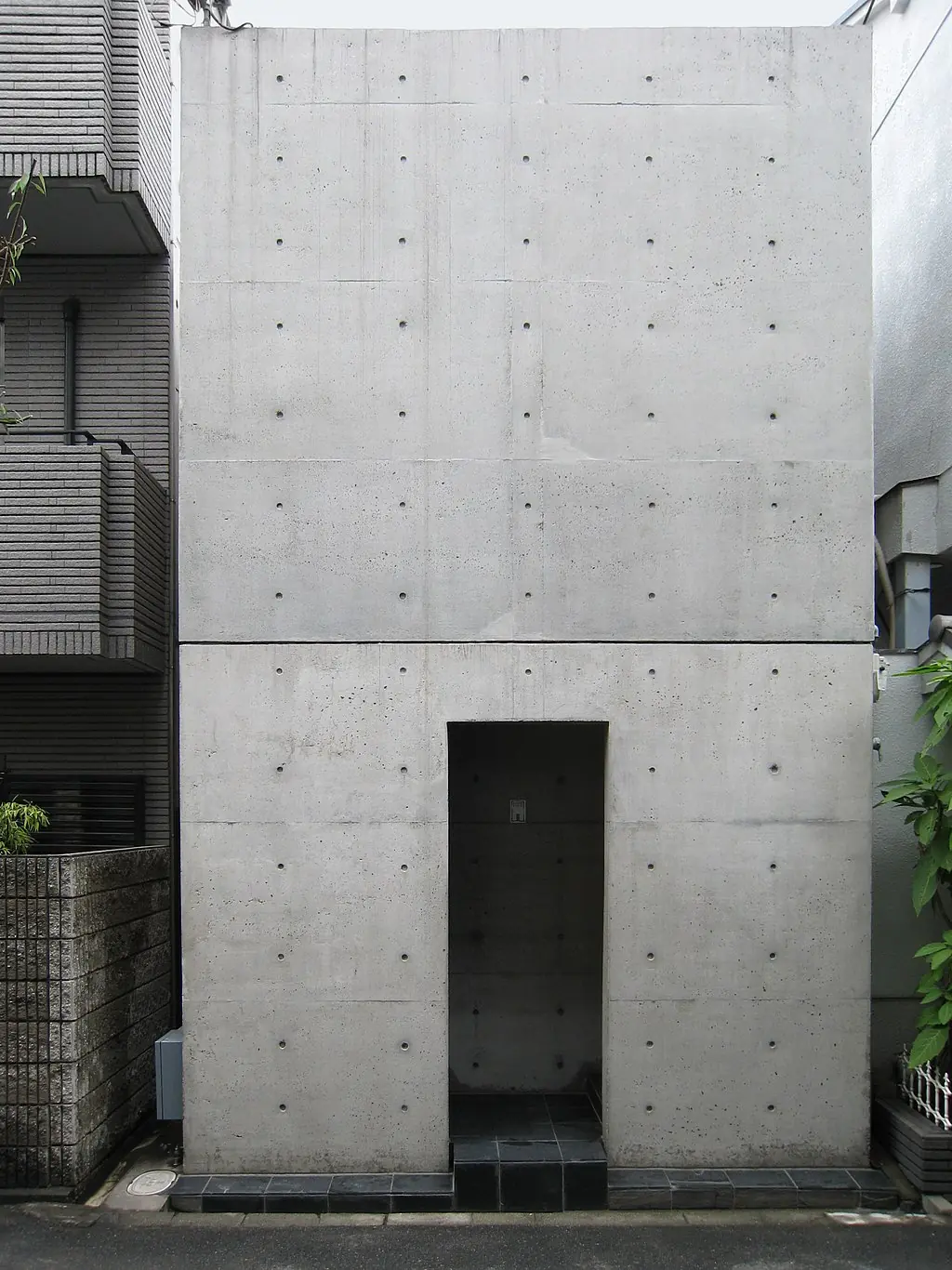
The Azuma House (Row House in Sumiyoshi) features Tadao Ando’s modernist approach with a raw concrete structure, open courtyards, and minimalist design elements.
- What Makes It Special? The design features a central courtyard where Engawa-like walkways connect different sections of the home. Although modern and concrete-based, it retains the tranquility and connection to the outdoors, hallmarks of traditional Engawa.
- Key Takeaway: Even in urban, confined spaces, Engawa principles can create a peaceful retreat by integrating light, air, and greenery.
Restoration of Historical Japanese Homes
Restoring traditional homes, or minka, highlights the enduring beauty of Engawa. These homes often feature wooden walkways that frame gardens or landscapes, offering shade in summer and warmth in winter.
Example: Yoshijima House, Takayama
- What Makes It Special? This restored minka retains its original Engawa, which opens up to a carefully curated Japanese garden. The space encourages contemplation while providing functional ventilation and sunlight access.
- Key Takeaway: Restoring Engawa not only preserves heritage but also shows how adaptable this feature is to modern living.
Contemporary Homes Inspired by Engawa
- Glass Pavilion-Inspired Home
- Features sleek glass panels around the Engawa, modernizing the transition between indoor and outdoor spaces while maintaining its essence.
- Mountain Retreat with Wraparound Engawa
- Set against natural landscapes, this home uses a wide Engawa to serve as a veranda for relaxation, viewing nature, and connecting rooms seamlessly.
- Urban Family Home
- Engawa-like corridors on the ground floor extend into a small garden. This simple addition transforms the flow of the home and introduces nature into a compact space.
Why These Spaces Work
- Blurs Boundaries: Engawa bridges the inside and outside, making small spaces feel expansive.
- Connects with Nature: Whether it’s a view of a lush garden or a minimalist courtyard, the space fosters a serene relationship with the outdoors.
- Multi-Functional: From lounging and entertaining to practical ventilation and seasonal adaptation, Engawa adds flexibility to any design.
Why Engawa Matters in Today’s Architecture
Bridging Tradition with Modern Design Trends
Engawa’s principles fit seamlessly into some of today’s most popular design movements. Biophilic design, which emphasizes connecting people to nature, mirrors Engawa’s seamless flow between indoor and outdoor spaces. Its clean lines and minimalistic aesthetic also align perfectly with modern minimalism—spaces that are intentional, functional, and clutter-free. Beyond aesthetics, Engawa’s flexibility allows homes to adapt to changing needs, making it a timeless addition to modern living.
Addressing Global Needs
Around the world, architecture is evolving to meet deeper human needs. People are prioritizing mental well-being, sustainability, and the timeless beauty that makes a home feel like a sanctuary. Engawa achieves all of this naturally.
- Mental Well-being: Spaces that embrace natural light, fresh air, and greenery have proven benefits for reducing stress and enhancing mood. The Engawa creates a natural retreat where you can pause and unwind, even in a busy urban setting.
- Sustainability: By emphasizing materials like wood and natural finishes, along with improved airflow and lighting, the Engawa aligns with eco-friendly construction goals. It reduces the need for artificial lighting and excessive HVAC usage, naturally improving energy efficiency.
- Timeless Beauty: Trends come and go, but spaces that feel calm, connected, and intentional remain relevant forever. The simplicity of Engawa ensures it blends seamlessly into any architectural style while standing out for its thoughtful design.
The Engawa Effect: Small Choices, Big Impact
Incorporating an Engawa into your home doesn’t mean redesigning your entire space. Even small adjustments—like creating a transitional zone between your living area and garden or adding sliding screens for light control—can transform how you experience your home. It’s a reminder that great design isn’t always about making big statements; sometimes, it’s about the quiet details that improve how we live every day.
Engawa is a design philosophy. It shows us that beauty, functionality, and well-being can coexist effortlessly in a single, thoughtful space.
Facts About Engawa Architecture
- Reveal some surprising insights:
- Engawa spaces can reduce energy consumption through natural ventilation and passive heating.
- In ancient Japan, Engawa often doubled as fire escapes in wooden homes.
- Some Engawa designs can make small homes feel 20-30% larger due to clever spatial transitions.
Best Books to Learn More About Engawa Architecture
- "The Japanese House: Architecture and Interiors" by Alexandra Black
- A visually stunning guide with detailed explanations of traditional Japanese elements, including Engawa.
- "Japan Style: Architecture + Interiors + Design" by Geeta Mehta and Kimie Tada
- A great resource for understanding modern interpretations of Japanese architecture.
- "The Art of Japanese Architecture" by David and Michiko Young
- Breaks down Engawa and other key elements in traditional and modern homes.
- "In Praise of Shadows" by Junichiro Tanizaki
- A must-read on the philosophy behind light, shadow, and spaces in Japanese design.
- "Shakkei: The Borrowed Scenery of Japanese Gardens" by Marc Treib
- Explores the interplay between landscape, design, and Engawa spaces.
Conclusion: Why Engawa Still Matters Today
At its heart, Engawa is about how we live and interact with our spaces. It’s that rare combination of simplicity, function, and beauty that can make even a small corner of your home feel intentional and connected.
When you think about adding Engawa principles, it’s less about copying a style and more about understanding its purpose. It’s creating a spot where sunlight, fresh air, and nature can become part of your day. A space that feels just as calming in a modern home as it does in a traditional Japanese one.
Start with the basics: think about your materials, your views, and how you want the space to feel. Trust me, even small touches—like a well-placed wooden platform or a quiet nook near a garden—can transform the way you experience your home.
In a world where we’re always rushing, Engawa invites us to slow down and enjoy the moment. Whether you’re sipping tea while watching the rain or just taking in a quiet afternoon breeze, that connection to the outside world is something we all need a little more of.
FAQs
1. What is Engawa in Japanese architecture?
Engawa refers to the narrow wooden veranda or transition space that connects the interior of a Japanese home with the outdoors. It’s a place where the boundaries blur, creating a seamless connection between nature and living spaces.
2. How is Engawa different from a traditional porch?
While a traditional porch is often an outdoor extension, an Engawa acts as a bridge between the indoors and outdoors. It’s designed to blend with the surrounding environment and is often enclosed by sliding doors or screens, making it more versatile and functional.
3. Can Engawa design be adapted to modern homes?
Absolutely! Engawa principles can be adapted to modern homes, even in urban settings. You can use balconies, window ledges, or small patios to recreate the effect—emphasizing natural materials, flexible transitions, and a connection to the outdoors.
4. What materials are commonly used in Engawa?
Traditional Engawa spaces are crafted using natural materials like:
- Wood for flooring and framework
- Glass for sliding doors and windows
- Stone or gravel for outdoor extensions
- Bamboo or rice paper for screens
These materials promote harmony and a connection with nature while maintaining simplicity.
5. Is Engawa suitable for small homes or apartments?
Yes, even small spaces can incorporate Engawa principles! For apartments or compact homes, consider:
- Creating window ledges with seating.
- Using modular wooden tiles on balconies.
- Adding plants, soft lighting, and sliding screens to mimic the Engawa effect.
Sources
- The Japan Institute of Architects (JIA)
Explore resources and architectural philosophies, including traditional Japanese architecture. - The Architectural Institute of Japan (AIJ)
Academic research and publications on Japanese architecture, including Engawa’s role in indoor-outdoor harmony. - Ministry of Land, Infrastructure, Transport, and Tourism (Japan)
Official insights on sustainable architecture and heritage preservation practices in Japan.