

Japanese traditional houses were built for climate, light, materials, and daily life.
That is what makes them worth studying. The timber frame, deep eaves, raised floors, sliding partitions, and careful use of space were not style moves added later. They were practical answers to heat, humidity, shifting seasons, tight sites, and the need to make a house feel calm without wasting space.
That is also why the subject keeps pulling architects and designers back in. Not because these houses look serene in photos, but because they solve recurring building problems with restraint, precision, and a clear sense of how people live.
History of Traditional Japanese Homes
The history of traditional Japanese homes stretches across long shifts in climate response, craft, social order, and daily life. The house types changed, but the deeper logic stayed steady: build lightly, let air move, use natural materials well, and make rooms adaptable instead of over-fixed.
Why the History Still Helps
Traditional Japanese houses are not one frozen type. Early pit dwellings, raised-floor structures, rural minka, urban machiya, and more formal aristocratic residences all answered different conditions. What ties them together is not one roof shape or one material. It is the way the building is tuned to weather, use, movement, and maintenance.
Early Beginnings
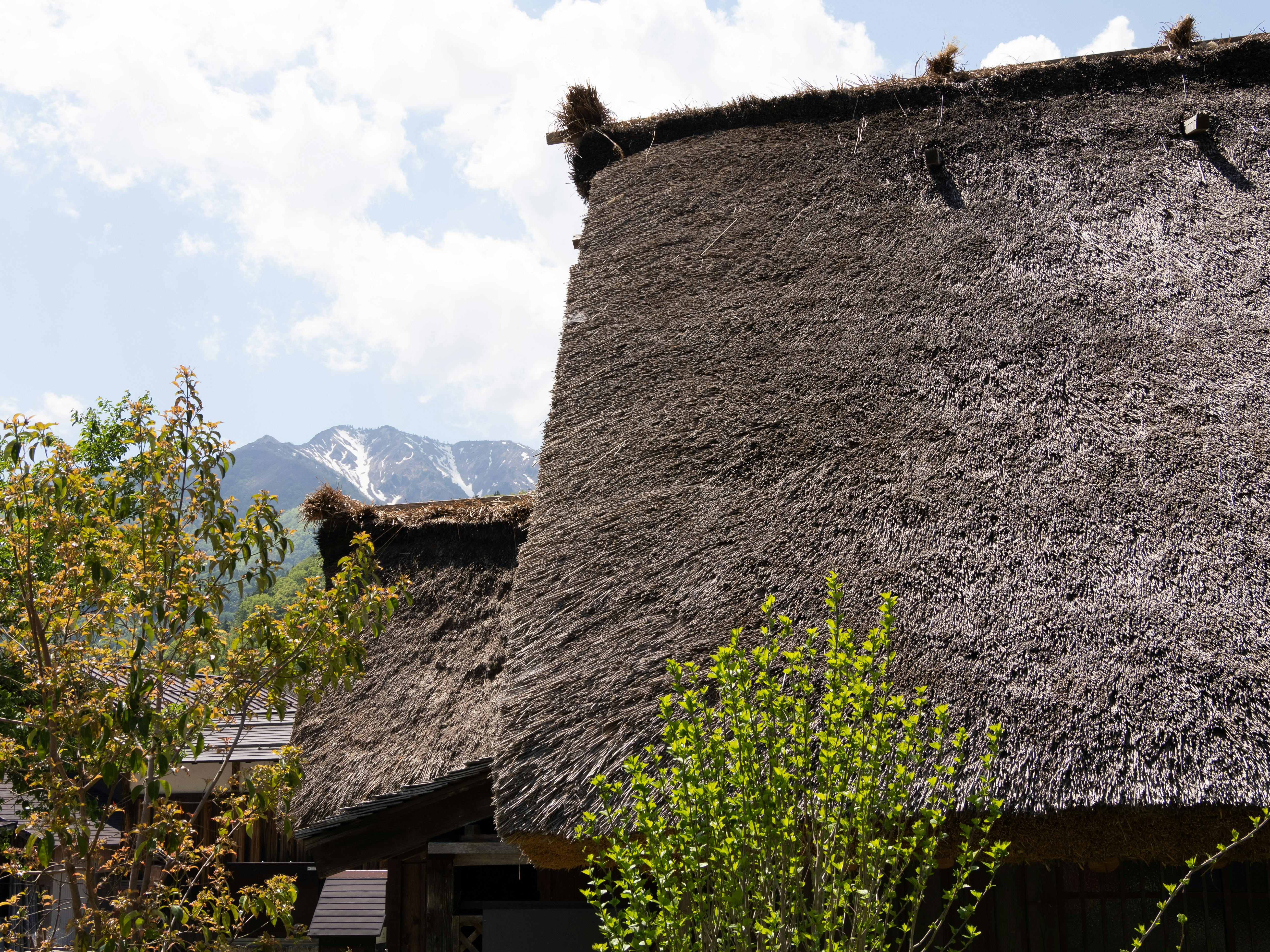
Image: A traditional thatched-roof house in Shirakawa-go, Japan, showing the durability and clarity of rural Japanese building traditions.
- In ancient Japan, early homes included simple pit dwellings built with earth and thatch. These structures were blunt responses to shelter, heat retention, and local material limits.
- As building knowledge improved, raised-floor structures became more common in wetter conditions, helping protect timber from ground moisture and improving airflow below the living zone.
The Development of Wooden Architecture
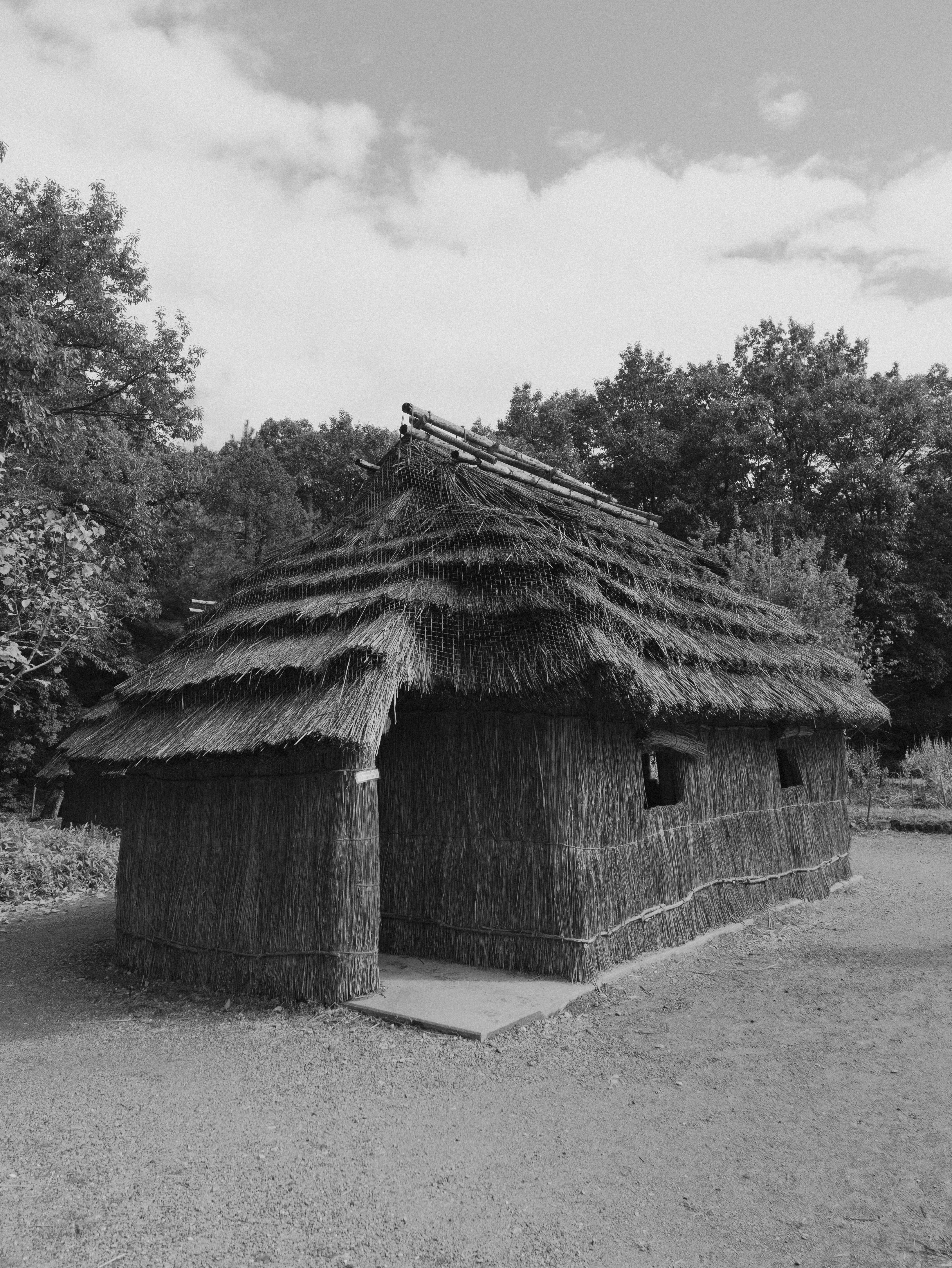
Image: An early-style Japanese house in Inuyama, Aichi, showing the simplicity and clarity of traditional timber building.
- By the Yayoi and Kofun periods, timber construction had become more refined. Post-and-beam thinking, joinery skill, and raised structures started to shape the way Japanese houses handled moisture, weight, and seasonal movement.
- This was the beginning of a long timber tradition that later became one of the strongest defining features of Japanese domestic architecture.
From Rural Houses to Urban Townhouses

Image: A close view of a traditional thatched-roof house in Shirakawa, showing the depth, texture, and weathering of rural construction.
- During the feudal period, rural dwellings known as minka were built for farmers, artisans, and merchants. These houses emphasized durability, repairability, and climatic fitness rather than display.
- In cities such as Kyoto, machiya developed on narrow plots. They handled light, ventilation, commerce, privacy, and circulation under tighter urban constraints.
- More formal houses for the aristocracy and upper classes used tatami rooms, shoji, corridors, gardens, and alcoves with greater ceremonial control, but they still shared the broader Japanese concern for proportion, flow, and restraint.
What Carried Forward
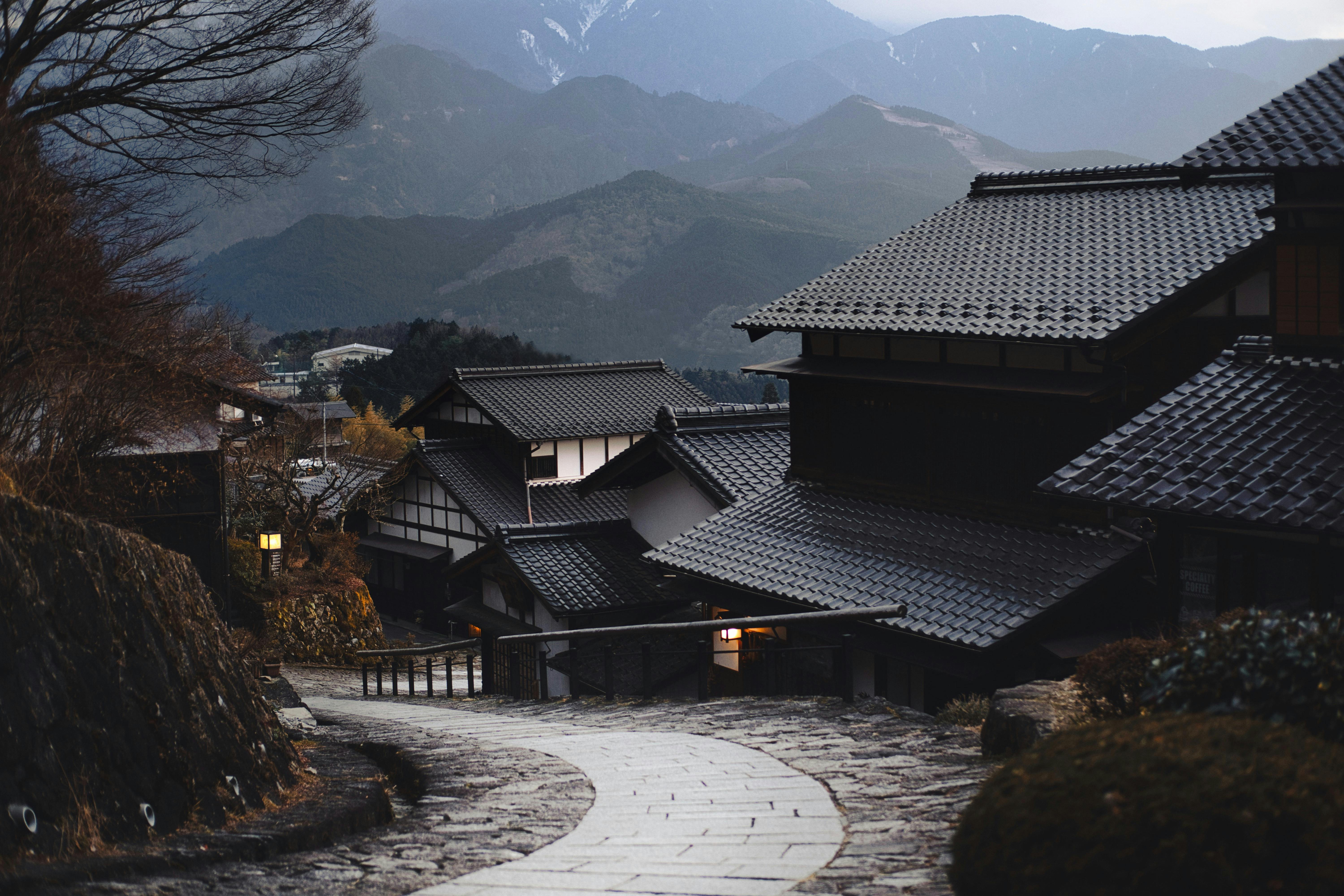
- During the Meiji period and after, Western materials and planning ideas entered Japan, but many domestic interiors still retained tatami rooms, sliding partitions, timber framing, and a close relationship to light and season.
- Modern Japanese homes often mix older ideas with new needs, but the parts that continue to hold up are familiar: flexible rooms, soft light, natural materials, careful thresholds, and plans that are less rigidly labeled than many Western houses.
That is the lesson worth keeping. Traditional Japanese houses were never just an old style. They were carefully adjusted systems for weather, use, and long-term living.
Key Elements of Japanese Traditional Houses
Traditional Japanese houses are not defined by one feature. They work because a set of parts cooperate. The roof protects the wall line. The raised base lifts wood above damp ground. The veranda softens the edge between inside and outside. The partitions let rooms shift as daily life shifts.
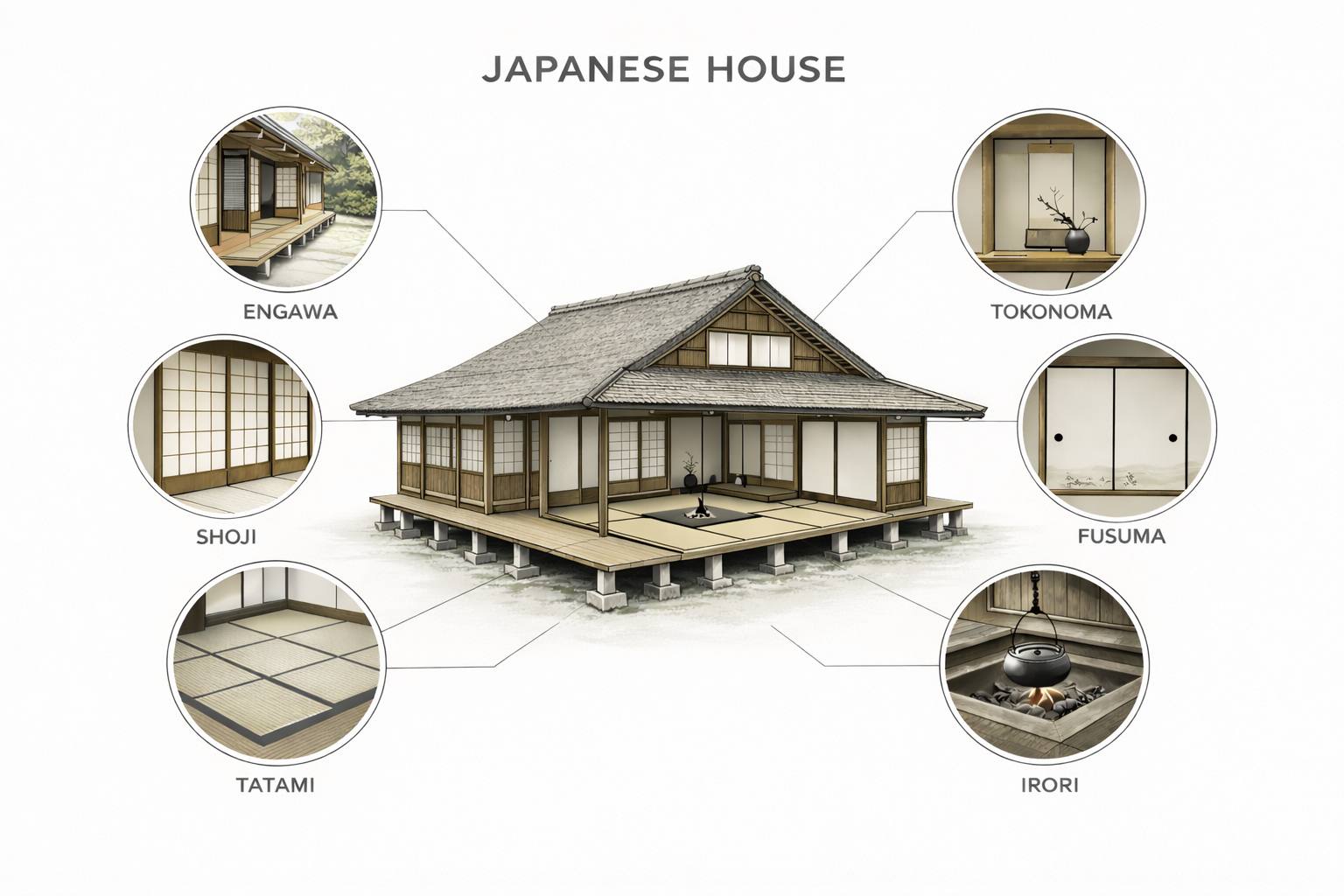
Illustration by ArchitectureCourses.org. A traditional Japanese house showing how engawa, shoji, tatami, tokonoma, fusuma, and irori work together to shape structure, light, privacy, and room use.
- Engawa: a wooden edge space that works as threshold, circulation strip, weather buffer, and outdoor room without becoming a full exterior deck.
- Shoji: sliding wood-and-paper screens that soften daylight and modulate privacy without making the interior feel sealed off.
- Tatami: modular floor mats that influence room size, proportion, and use. They are not just a finish. They help set the discipline of the room.
- Tokonoma: a recessed alcove used for scrolls, flowers, or a single focal object. It gives the room hierarchy without clutter.
- Fusuma: sliding opaque partitions that let rooms close down or open up as needed.
- Irori: a sunken hearth used in some rural houses for heating and cooking.
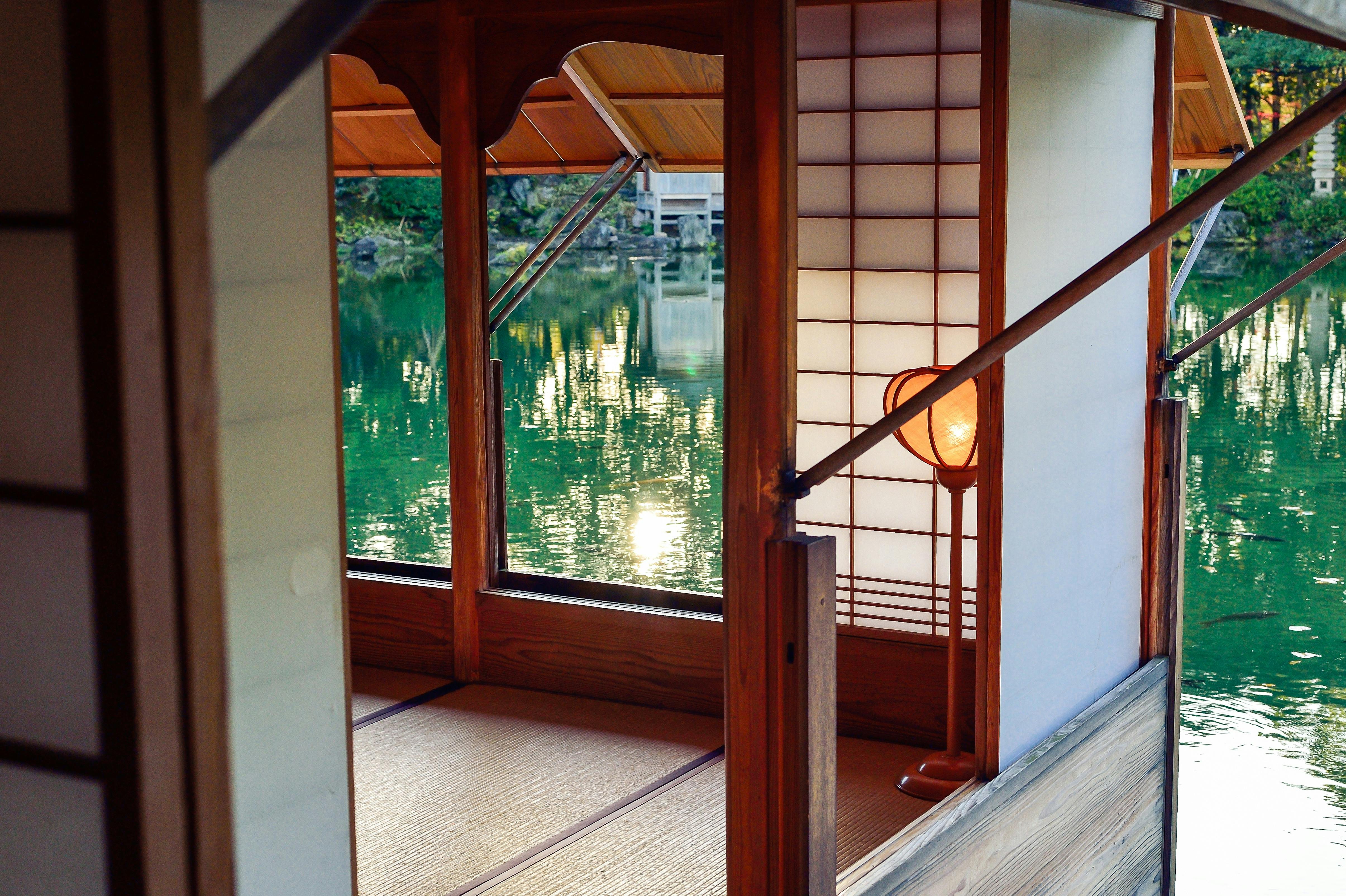
Image: Engawa, a wooden veranda wrapping around a Japanese house, bridging indoors and outdoors through shade, openness, and movement.
The mistake is to treat these pieces like a checklist. They only work when the broader logic is right. Add a shoji screen to a bad plan and it is decoration. Put an engawa on a house with no relationship to site, weather, or movement and it becomes scenery. The value is in the system, not the prop list.
How Japanese Houses Change the Way Space Is Used
Traditional Japanese houses are often discussed as if they are mainly about image: wood, tatami, paper, low furniture. That misses the stronger point. These houses are built around behavior. They guide how rooms are entered, how they open, how they change through the day, and how little needs to stay on display.
Rooms Were Made to Shift
Many Western houses lock use into labels. Living room. Dining room. Bedroom. Guest room. Traditional Japanese houses often work more loosely than that. A room can sleep people at night, open up for daytime use, host guests, and return to quiet once bedding and low furniture are stored away.
This is one reason the logic still feels fresh. It reduces wasted square footage and makes the plan serve daily life instead of forcing daily life to serve the plan. That same idea is one reason the “living room” as a fixed Western-style category does not map neatly onto many traditional Japanese homes.
Layout Was Part of the Discipline
Movement through a Japanese house is rarely random. Floor changes, sliding openings, thresholds, and room sequence all help set pace and behavior. You do not crash through the plan. You pass through it.
That is why the layout of a traditional Japanese house matters so much. It is not just about where rooms sit on paper. It is about circulation, openness, privacy, light, and the way one space prepares you for the next.
Ma Was Built Into the Room
In Japanese design, Ma is the interval, the pause, the charged space between things. That idea matters in houses because it changes how emptiness is understood. An open patch of floor is not unused. It is what allows a room to breathe, reset, and change function.
The result is a house that can feel calm without feeling dead. Less furniture, fewer fixed barriers, and more open floor area are not signs of lack. They are part of how the space stays usable.
How the Interior Stays Ordered Without Heavy Furniture
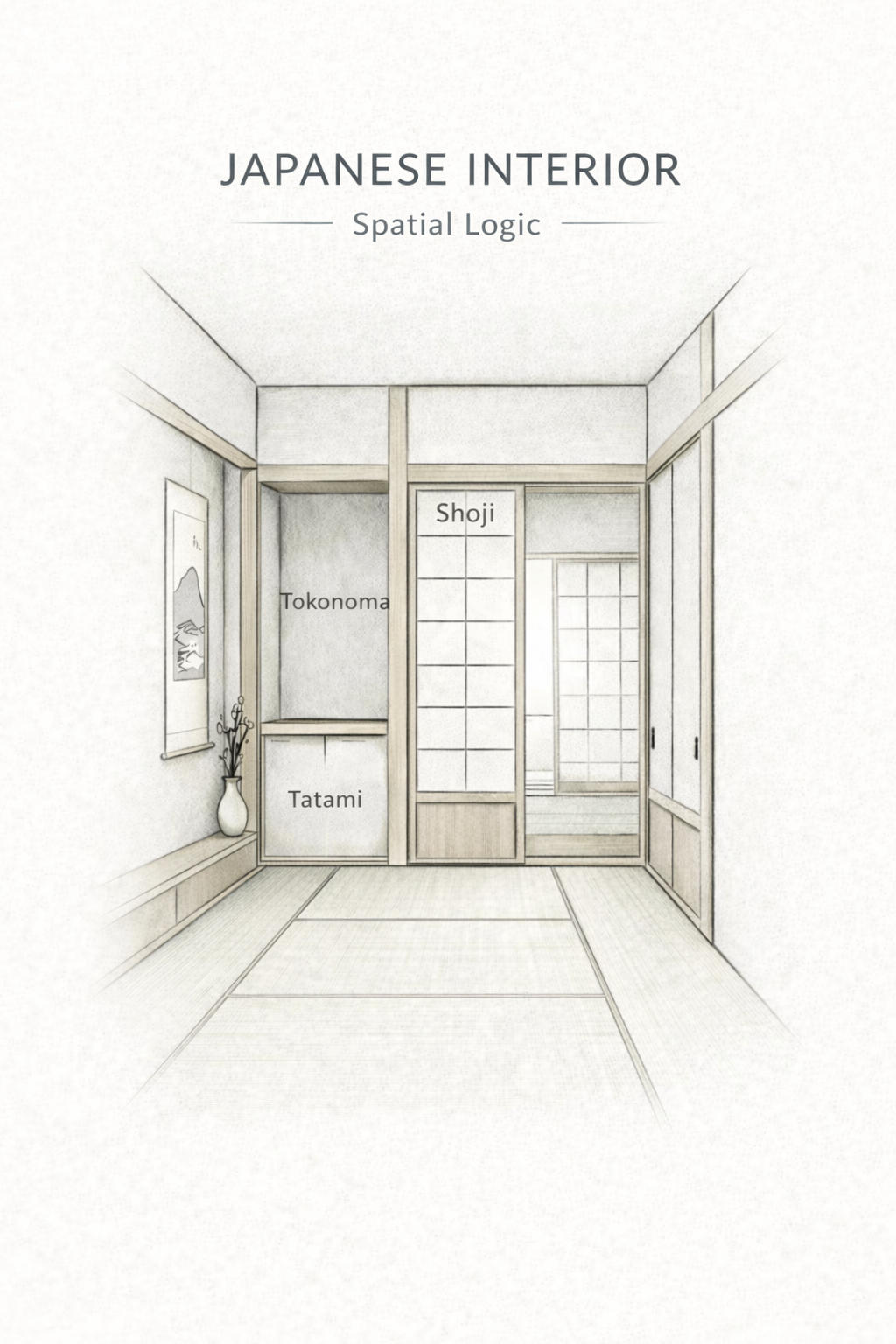
Illustration by ArchitectureCourses.org. Traditional Japanese interior showing the spatial logic of tokonoma, tatami, shoji, and oshiire. The room is organized through built-in hierarchy rather than bulky furniture.
Traditional Japanese interiors can look simple at first glance, but they are not casual. The calm comes from order, proportion, and restraint, not from leaving a room half-finished.
Tatami Sets the Grid
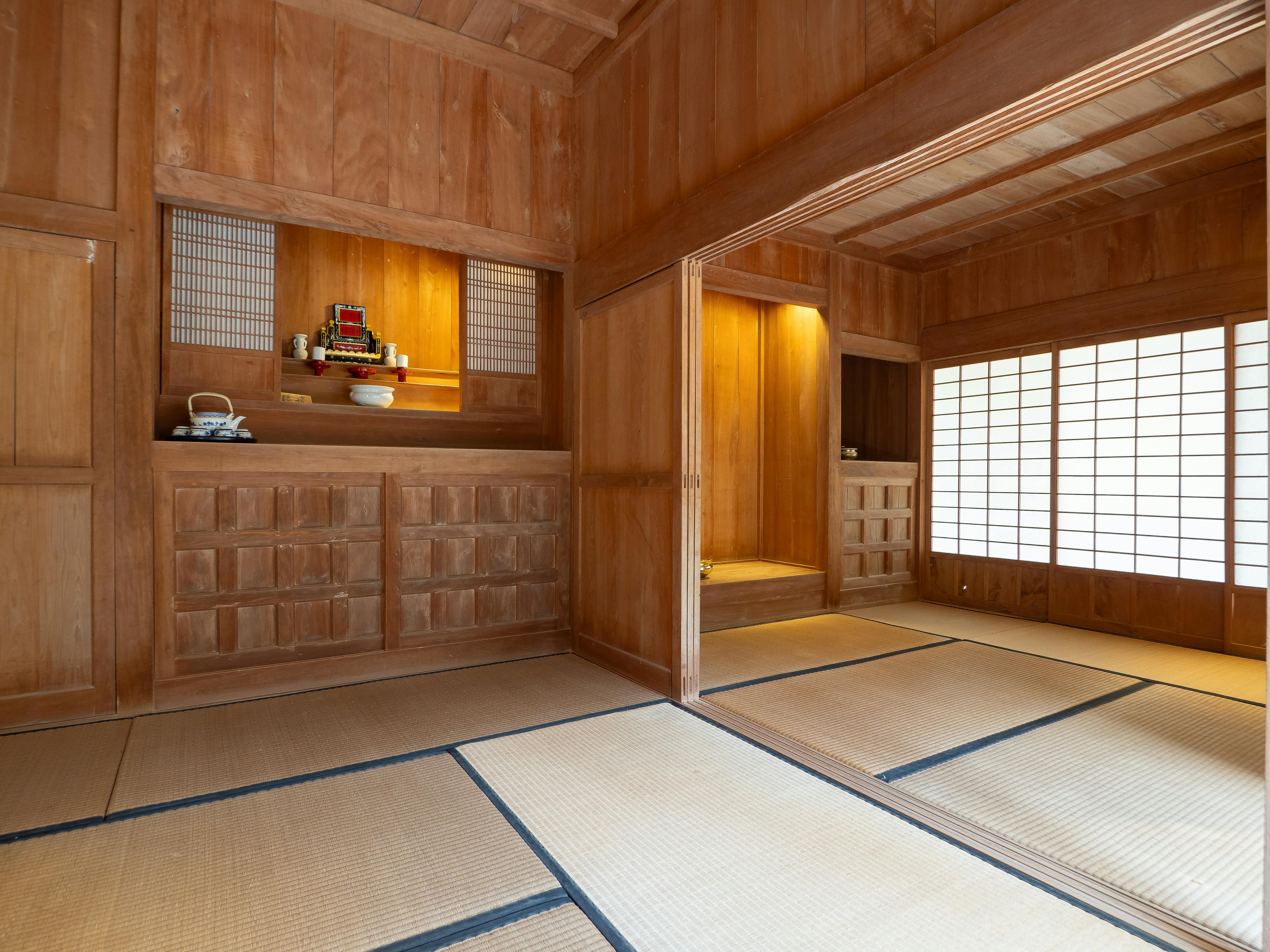
Image: Interior design in Okinawa, showing the disciplined proportions associated with traditional Japanese room planning.
Tatami has long worked as more than a floor finish. It helps determine room size, proportion, and arrangement. Even when the exact geometry varies by region and period, the broader lesson is the same: the room is measured by a usable module, not by random leftover dimensions.
The Tokonoma Gives the Room Hierarchy
The tokonoma is not decoration for decoration’s sake. It helps organize attention. One object, one scroll, one arrangement, one quiet focal point. That small act of restraint changes how the whole room reads.
Storage Stays in the Architecture
One reason these interiors stay clear is that bedding, low tables, and other items can be stored out of sight. The room is not permanently loaded. It can reset.
Light Is Filtered, Not Blasted In
Shoji screens and layered openings turn daylight into something softer and more even. That gives the interior a different rhythm from a room built around exposed glass and hard reflections.
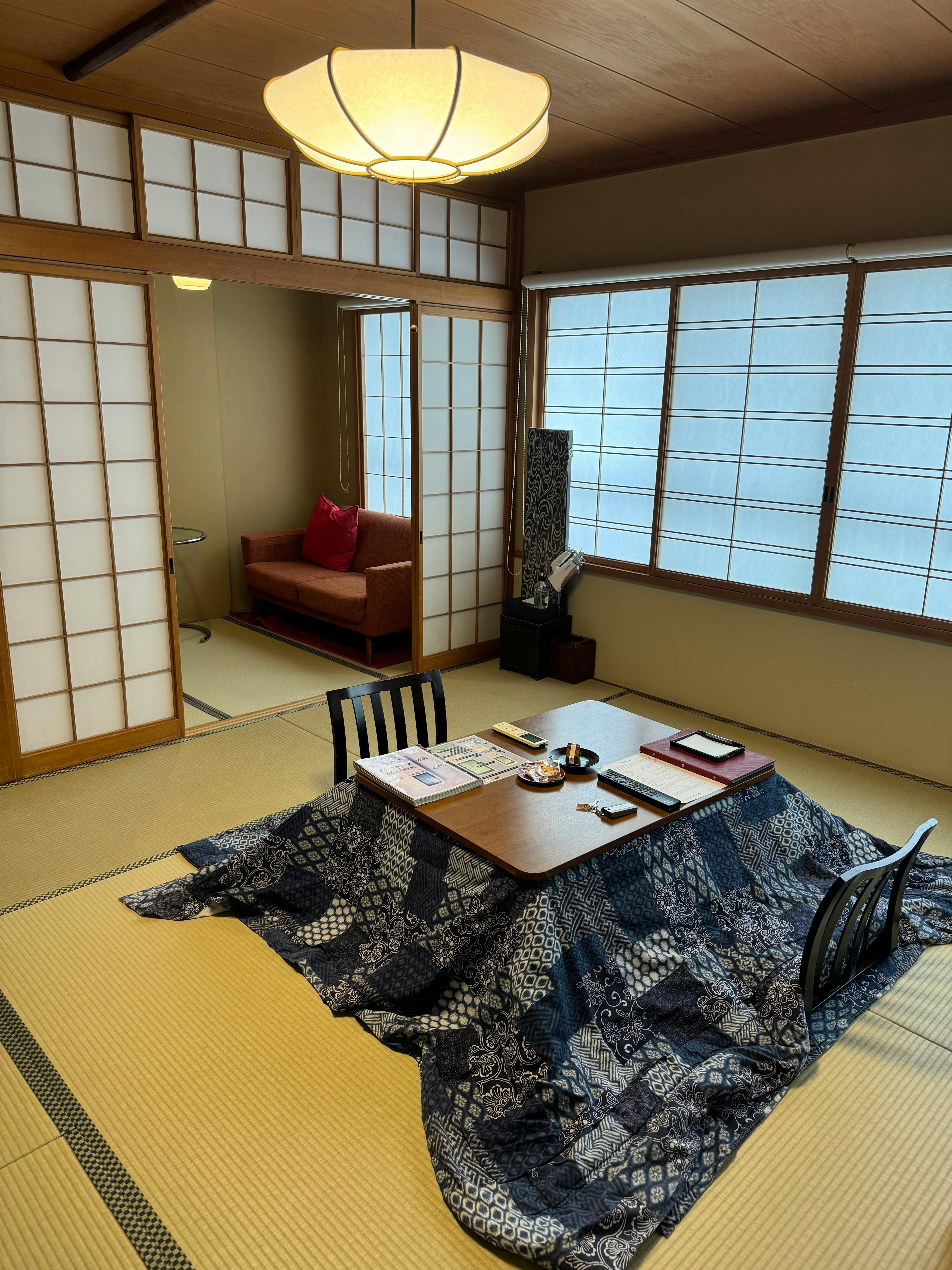
Image: A cozy traditional Japanese room featuring a kotatsu table in Takayama, showing tatami flooring, soft light, natural wood, and low furniture.
When you look inside a traditional Japanese house, the parts to watch are straightforward: tatami, shoji, fusuma, tokonoma, timber framing, natural light, and the way storage is kept from taking over the room.
Why These Interiors Feel Different
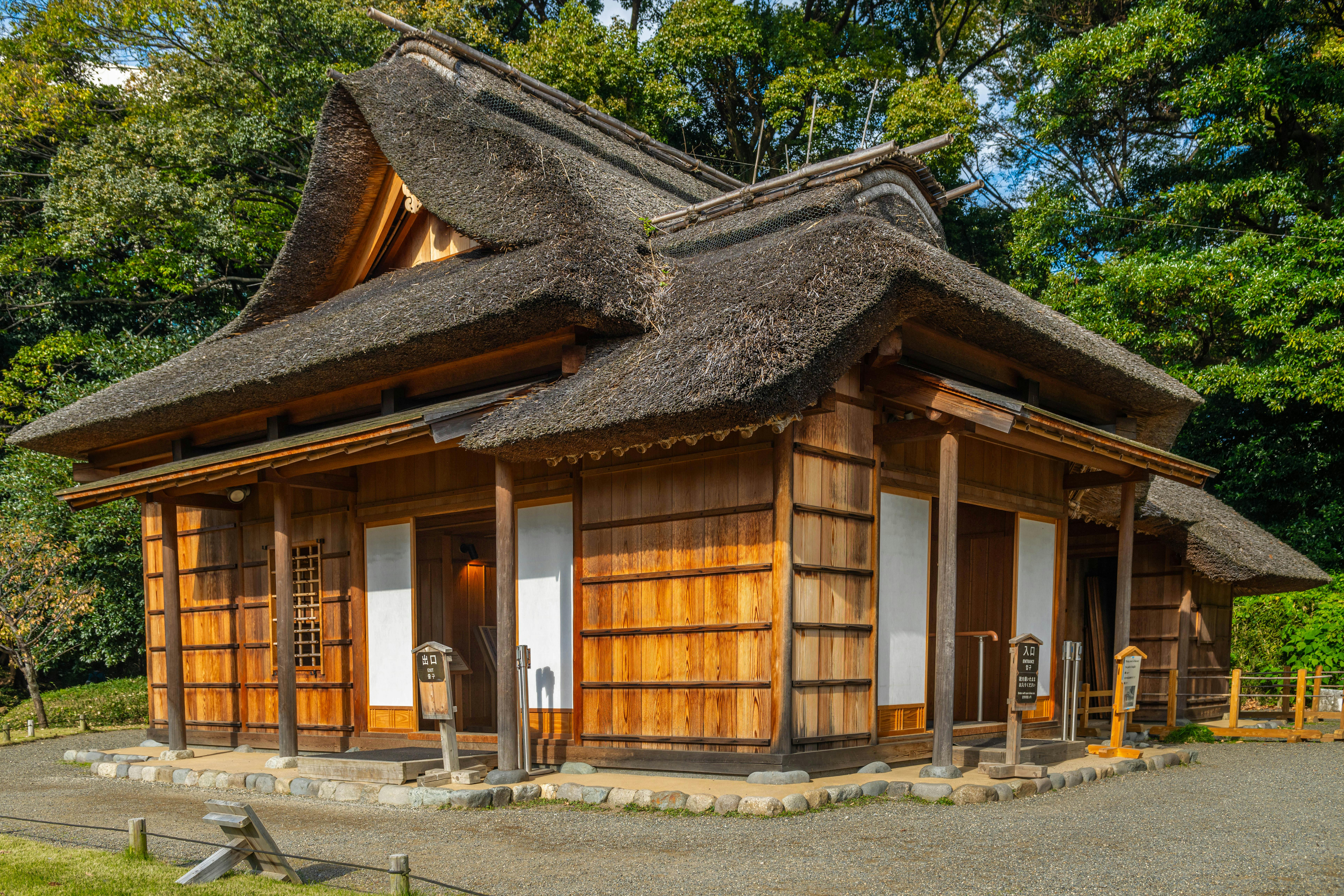
Image: A traditional Japanese minka house surrounded by a garden, showing the calm relationship between building and site.
Japanese interiors often feel quieter because they regulate attention. The space is not trying to stimulate you from every angle. It is using fewer objects, softer transitions, lower furniture, and clearer boundaries between active and inactive zones.
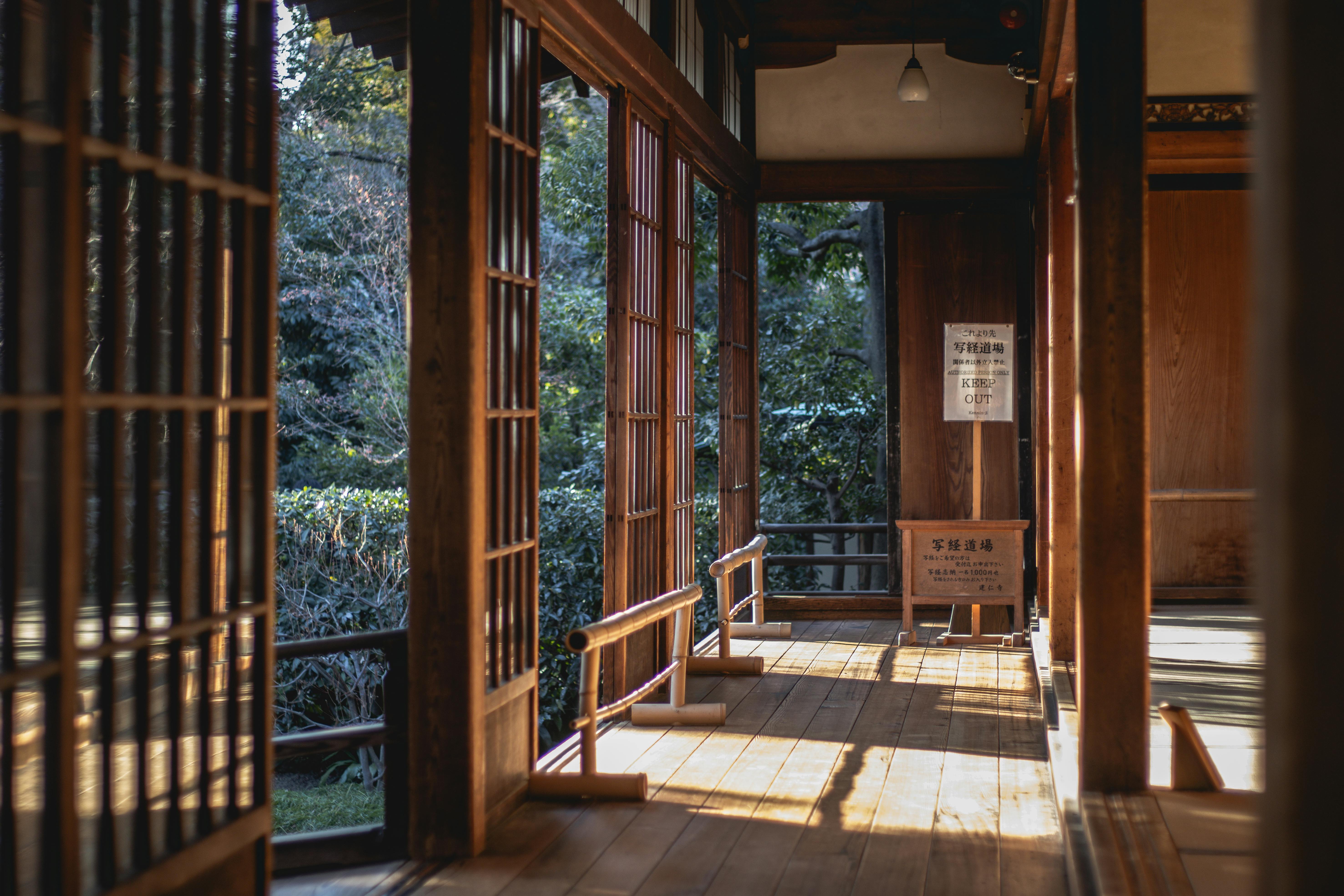
Image: A serene sunlit interior of a traditional Japanese tea house in Kyoto.
- Less visual noise. Open floor area gives the eye somewhere to rest.
- More flexible use. Rooms can switch roles through the day.
- Stronger link to outside. Light, shadow, weather, and garden edge are brought into the experience of the room.
- Movement is guided. Sliding doors, floor changes, and thresholds shape how you pass through the house.
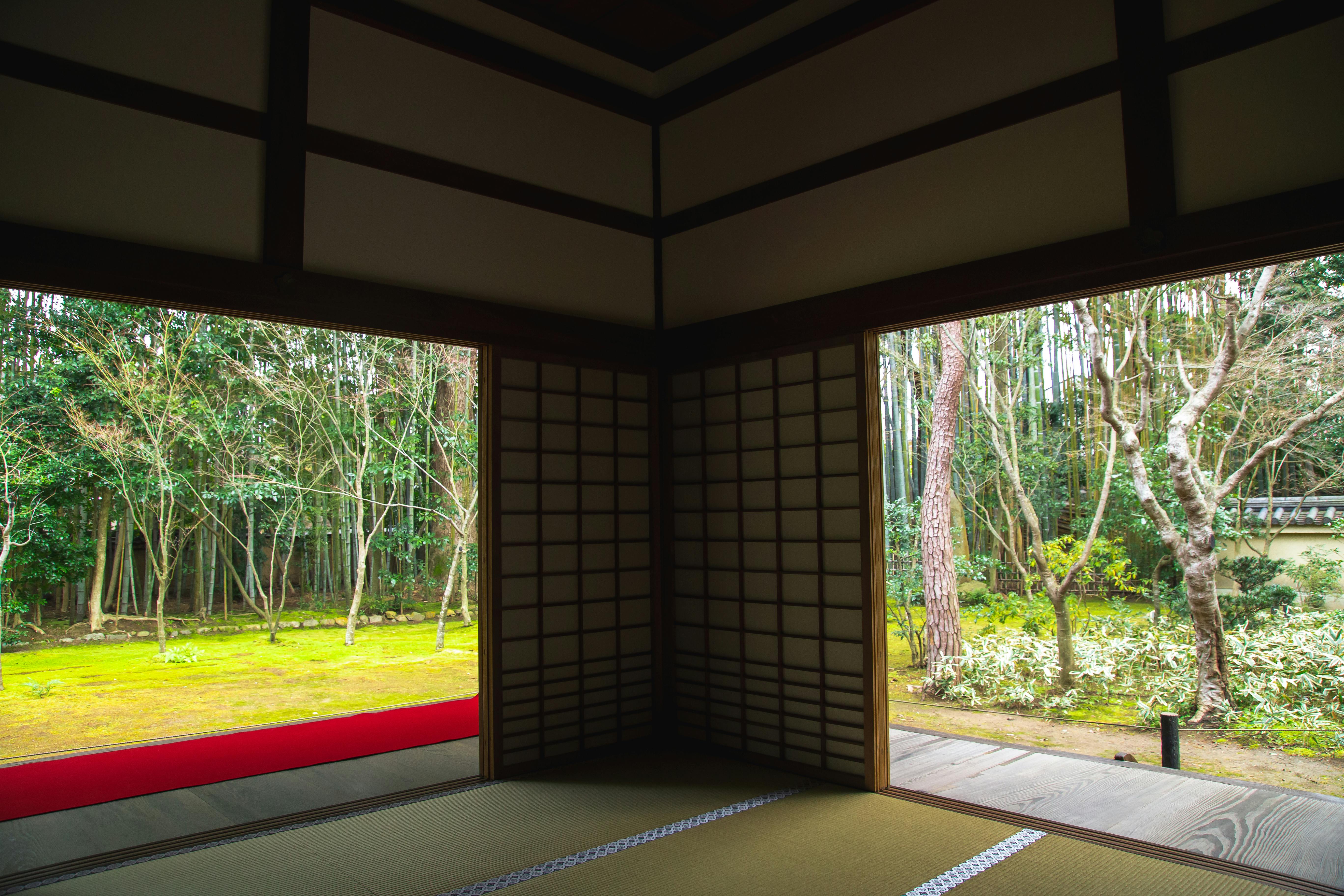
Image: Spacious house interior in Kyoto, opening toward landscape and daylight rather than closing itself off from them.
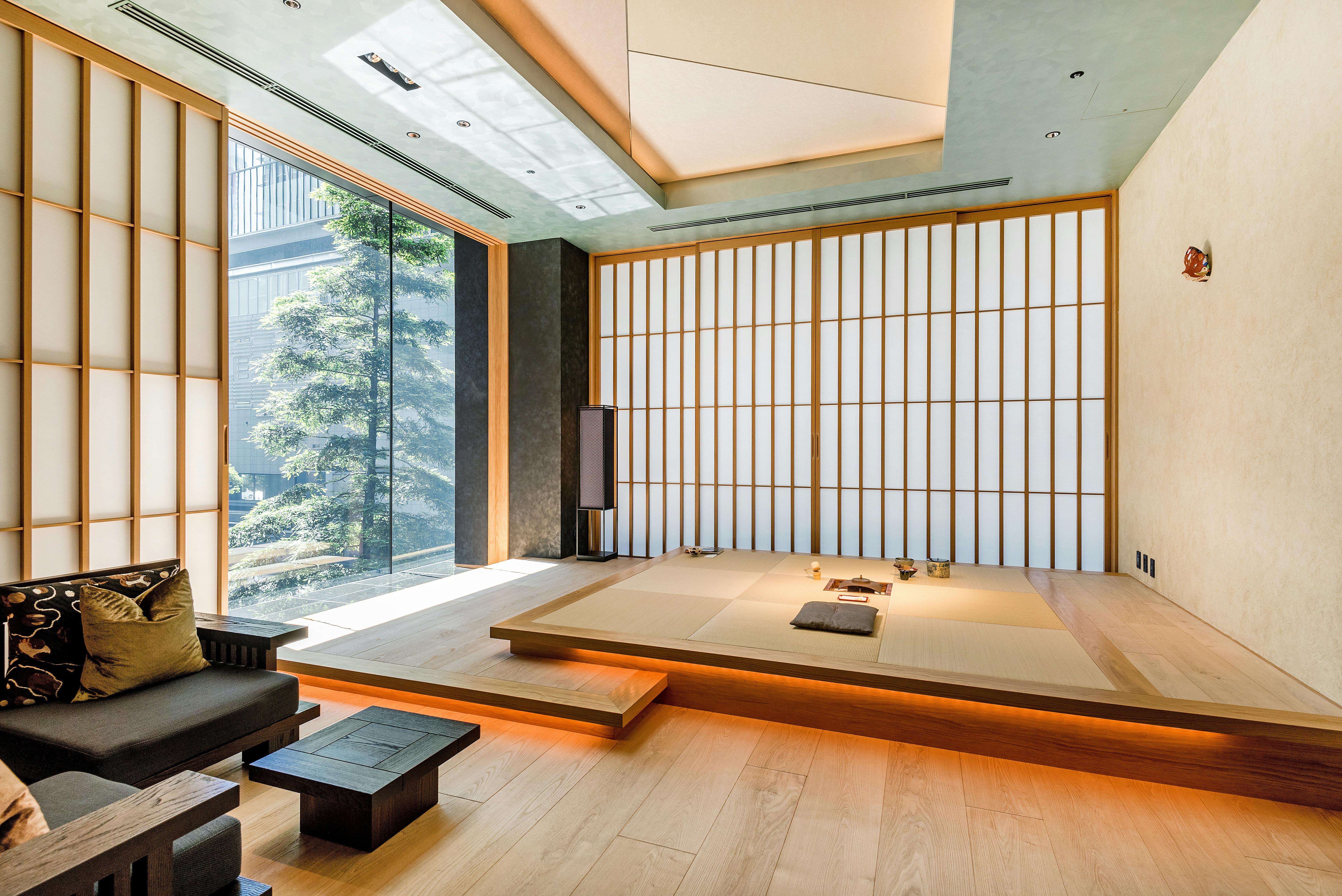
Image: A minimalist traditional Japanese living room designed for calm, utility, and clear movement.
This is also why the broad idea of “minimalism” does not quite cover it. The rooms do not just have less in them. They are arranged to support a different pace and a different use pattern.
The Concept of Ma and Traditional Japanese Homes
The concept of Ma plays a central role in traditional Japanese homes, influencing how spaces are designed and experienced. At its core, Ma refers to the deliberate use of emptiness or interval to create balance, flow, and pause.
Unlike interiors that try to fill every surface and every corner, Japanese homes often let space remain space. That makes the few chosen elements matter more. It also lets the room change function more easily.
- Minimalist layouts keep rooms open enough to shift use without constant rearrangement.
- Sliding partitions let one space become several, or several become one.
- Engawa works as a physical expression of interval, neither fully room nor fully garden.
- Light and shadow make empty space legible rather than dull.
- Tokonoma shows how one focal object can be strengthened by the surrounding quiet.
That discipline is one of the strongest reasons these houses still feel useful. They do not confuse fullness with quality.
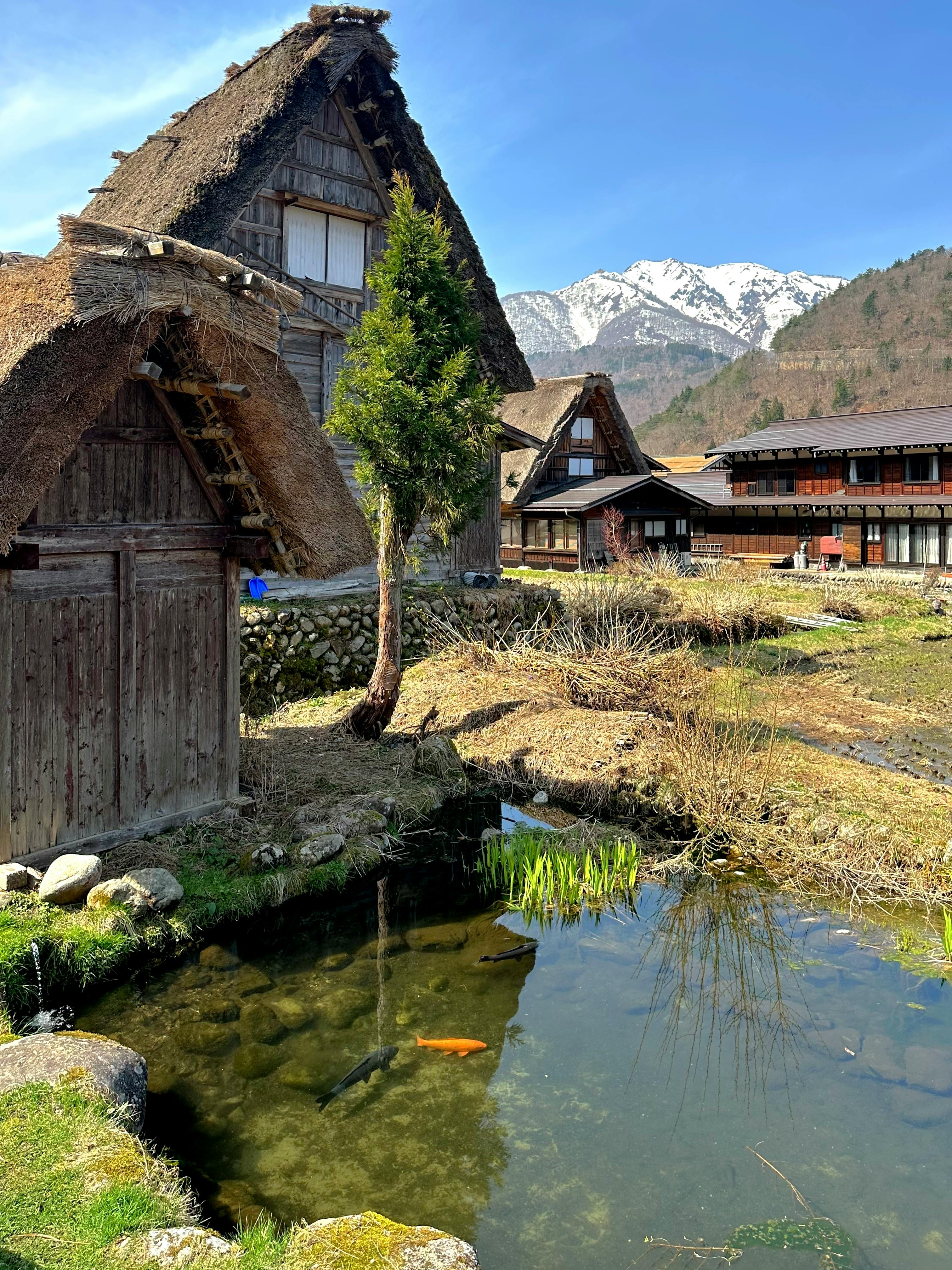
Image: A traditional Japanese house by a pond in the mountainous region of Shirakawa, where open space, water, and building edge read together.
The Role of the Engawa
(And why it is more than a porch)
The engawa is one of the most important parts of the traditional Japanese house, and one of the most badly flattened in modern imitation. It is not just a decorative deck running around the edge. It is a transition strip between interior and exterior, shelter and exposure, privacy and openness.
What It Does
- It gives circulation space along the edge of the house.
- It keeps a shaded, protected zone between the garden and interior rooms.
- It helps rooms borrow light, air, and view without being fully outside.
- It makes the boundary of the house softer and more habitable.
Why It Still Helps
Many contemporary houses have harsh thresholds. Sidewalk to door. Door to room. Exterior to interior. Done. The engawa shows a better middle condition. It gives the building a pause line.
That is why it still translates so well. Even when the literal traditional form is not copied, the logic can still be used in a narrow deck, a glazed edge zone, a covered passage, or a slim indoor-outdoor band facing a garden.
What to Keep in Mind
- Keep it light and narrow enough to feel transitional, not like a full second living room.
- Let it face something worth slowing down for: a tree, gravel, sky, shadow, rain.
- Do not overcrowd it. The point is pause and edge, not patio furniture.
How Traditional Japanese Exteriors Hold Together With Less Metal
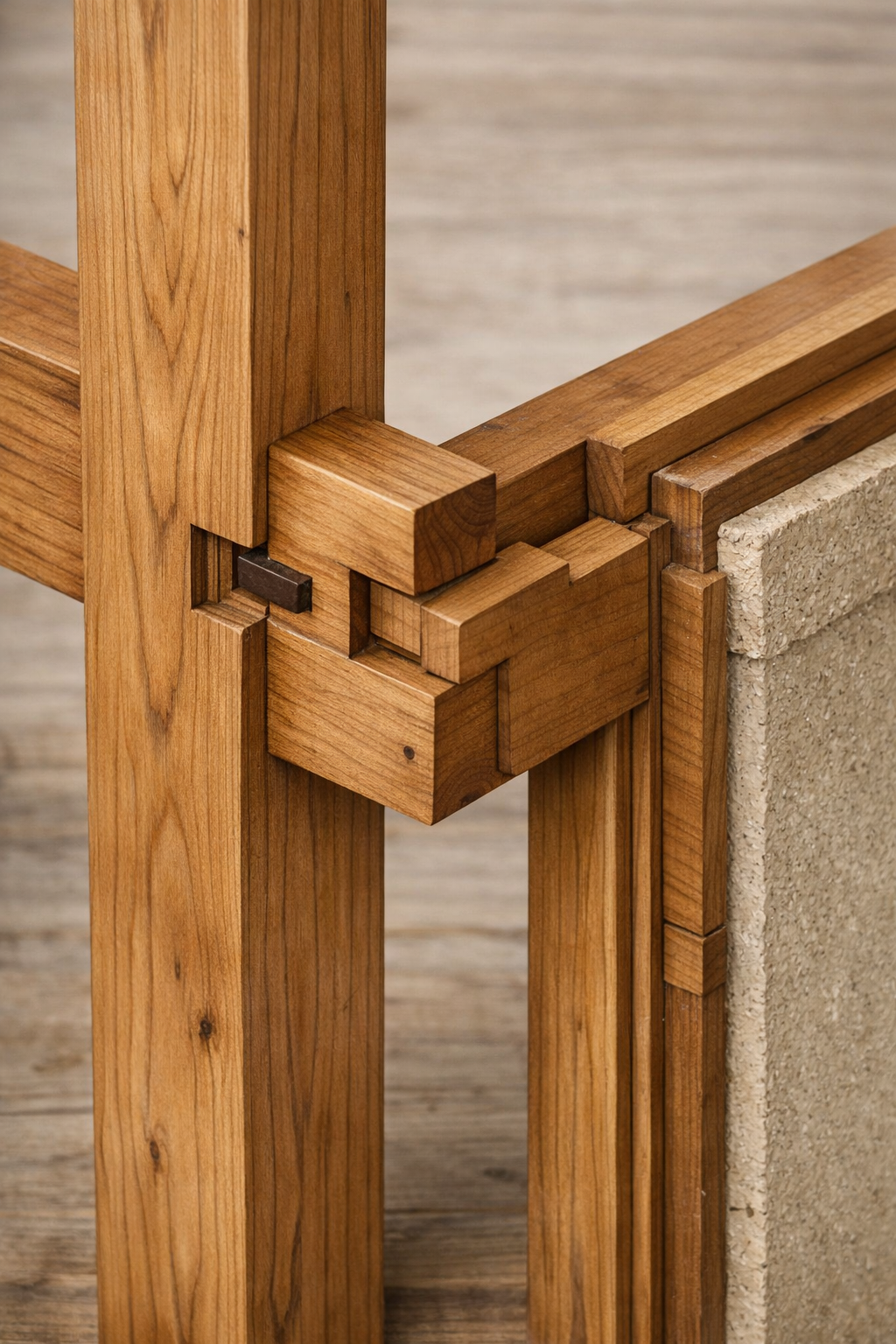
Image by ArchitectureCourses.org. Traditional Japanese exterior carpentry used concealed timber joinery and layered wall assemblies instead of exposed modern hardware.
A lot of writing on Japanese carpentry turns vague fast. It slides into mysticism or repeats the tired line that whole houses were built “without nails.” The more useful point is simpler. Traditional Japanese construction relied heavily on precise timber joinery to connect posts, beams, and other members with far less dependence on modern metal hardware than contemporary framing.
That changed how the building moved, aged, and got repaired. Wood does not stay still. It swells in humidity, shrinks in dry weather, and keeps moving long after the frame is up. Good Japanese carpentry did not ignore that. It worked with it.
Built for Movement as Well as Strength
In a rigid assembly, movement turns into stress. Stress turns into splits, warped members, loosened joints, or repairs that keep coming back. Traditional Japanese construction did not treat the frame as one permanently frozen condition. The goal was to shape joints carefully enough that the frame could carry load, stay aligned, and tolerate seasonal movement without tearing itself apart.
Kanawatsugi and the Logic of Interlocking Timber
One well-known family of timber joints is grouped under the name kanawatsugi. These are scarf-type joints used to connect members end to end. The cuts can be intricate, but the logic stays direct.
- The pieces interlock. The geometry helps the timber hold itself together.
- Load still has a path. The joint is not just clever carpentry. It still has to transmit force through the member.
- Movement is expected. The connection deals with a material that expands, contracts, and shifts.
- Repair stays possible. Parts of an assembly can sometimes be worked on more selectively than in a fully rigid or heavily concealed system.
Why the Joinery Works
| What Matters | Oversimplified Version | Why the Difference Matters |
|---|---|---|
| Precise joinery helped timber frames carry load with less dependence on modern connectors. | “Japanese houses were built with no nails.” | The first is useful construction logic. The second is a slogan. |
| Wood movement was expected and accommodated. | “The joints are magical.” | The performance comes from material knowledge, fit, and tolerance. |
| Parts could often be repaired or replaced more selectively. | “Old methods were just more natural.” | Repairability is a practical advantage, not a mood. |
| Exterior layers and screens added protection and adaptability. | “It was all about aesthetics.” | These parts also handled weather, use, and maintenance. |
The Wall Was Not a Single Fixed Surface
The frame carried the load, but the enclosure mattered too.
Amado, the exterior storm shutters, gave houses a harder outer layer that could be closed in bad weather and opened when conditions were mild. Nuri-kabe, earth or clay-based wall systems, buffered humidity and could be repaired in layers. Shoji and fusuma show the same larger approach inside: do not treat the house as one sealed object if it works better as a set of fitted, adjustable parts.
Why This Still Helps
A lot of modern building trouble comes from pretending materials will stay stable if they are fastened hard enough. Traditional Japanese carpentry is a reminder that better fit, better tolerance, and better respect for material movement often do more than extra hardware alone.
What the Exterior Was Doing All Along
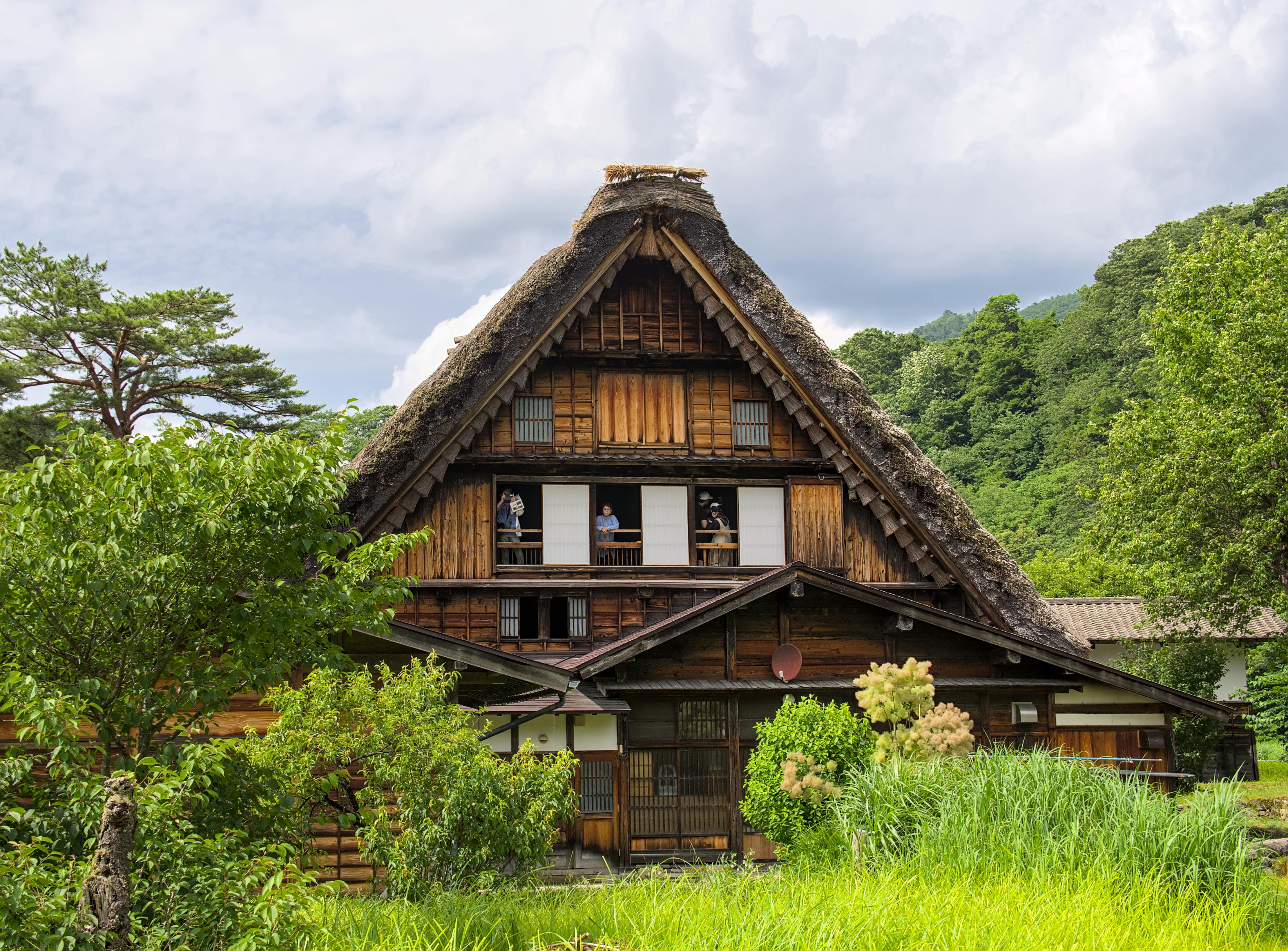
Image: A Gassho-Zukuri house in Shirakawa-go, known for its steep thatched roof and durable rural form.
The exterior of a traditional Japanese house is easy to flatten into a mood board. Curved roof. Timber screens. Weathered wood. Soft garden edge. That reading is too thin. The exterior worked because each part did a job.
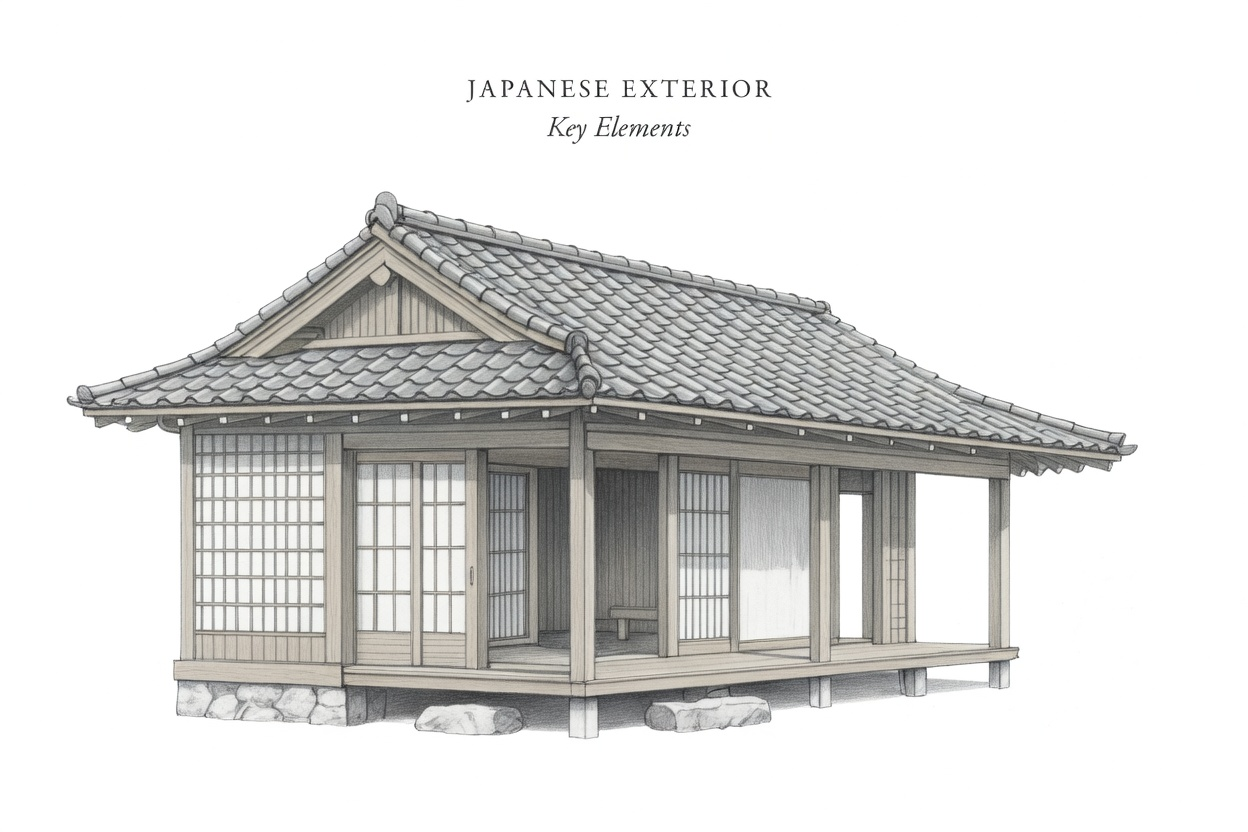
Illustration by ArchitectureCourses.org. Traditional Japanese exterior showing deep eaves, tiled roof, engawa, and a raised timber base. The broad eaves protect the wall line, the roof adds shelter and mass, the engawa creates a usable edge zone, and the raised base handles moisture and airflow.
Roof Form and Deep Eaves

Image: Traditional Japanese rooftop with intricate wooden detailing and strong roof-edge control.
- Steep or carefully profiled roofs shed rain and snow fast.
- Deep eaves shade openings, reduce splashback, and protect delicate wall materials.
- The roofline helps the house handle climate before any mechanical system enters the conversation.
Wood, Screens, and Filtered Edges
- Weathered timber is not just a style choice. It is part of a building culture that understands maintenance, repair, breathability, and aging.
- Slatted screens and shutters help regulate privacy, glare, airflow, and weather exposure without forcing a heavy wall everywhere.
- The best exterior compositions stay quiet because they are not trying to do one dramatic thing. They are solving several smaller problems well.
Raised Bases and Ground Moisture
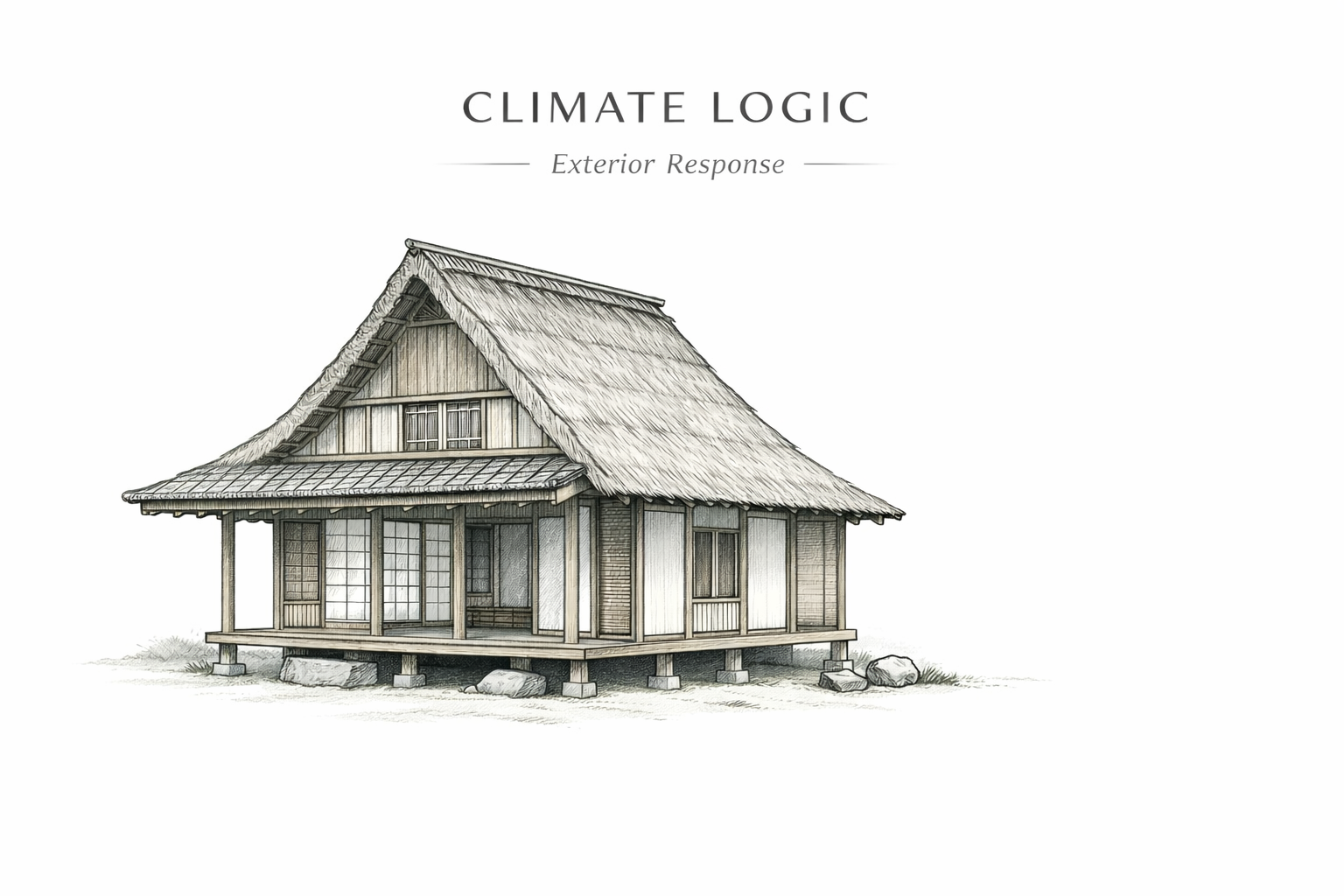
Illustration by ArchitectureCourses.org. Traditional Japanese house showing steep roof form, deep eaves, and a raised timber base designed for climate response.
- A raised timber floor helps separate the living level from wet ground.
- Air can move underneath the house, reducing moisture pressure on the wood structure.
- This is one reason these houses could survive in humid conditions without being built like modern sealed boxes.
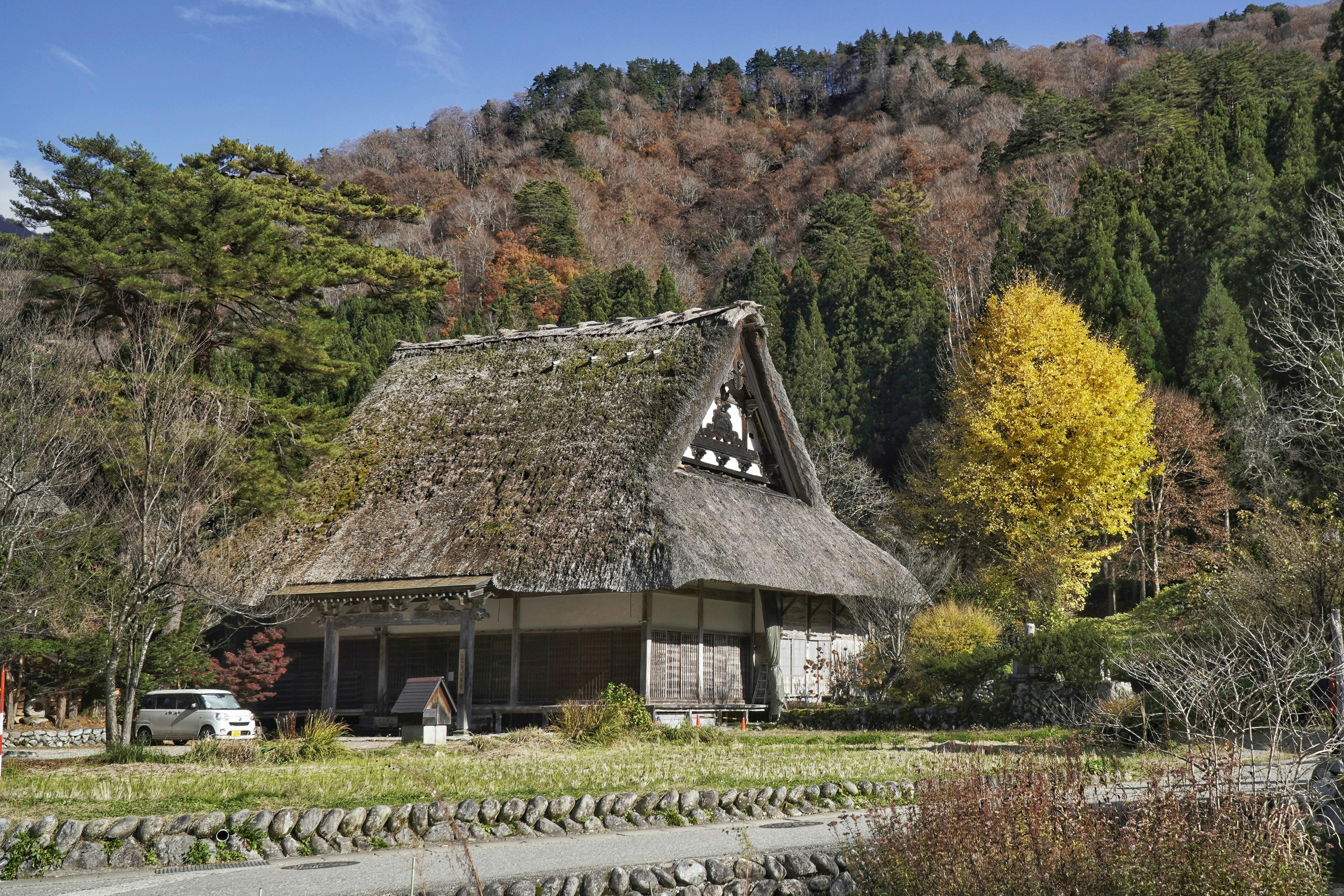
Image: Traditional Gassho-style house in Shirakawa, where steep roof form responds directly to heavy snow and rural climate conditions.
Climate Response Was Baked In
- Roof pitch handled snow and rain loads.
- Deep overhangs protected the wall line.
- Raised floors reduced moisture damage.
- Adaptable screens and shutters helped tune the house to season and weather rather than locking it into one fixed condition.
Where Copies Start to Fail
Many Western and contemporary “Japanese-style” houses get the image first and the logic second. That is where the design starts to go wrong.
- Too much decoration. Traditional Japanese houses depend on proportion, emptiness, material honesty, and flow. Overloaded shelves, layered decor, and themed styling flatten that logic fast.
- Bad material substitutions. Plastic bamboo, fake timber textures, and synthetic imitations break the mood because they also break the building logic behind it.
- Plans that look Japanese but do not behave well. A room lined with shoji-inspired panels is still a bad room if it has no airflow, no flexibility, and no proper sequence.
- Exterior features treated as symbols. An engawa, deep eaves, and screens are working parts of the house. Used only as visual shorthand, they turn into costume.
That is also why mistakes in Japanese interior design usually come back to the same issue: people borrow the look and skip the discipline.
How to Bring These Ideas Into a Modern Home
Bringing traditional Japanese design into a modern house is not about copying a historic house room for room. It is about using the deeper logic in a way that still fits present life, present code, and present construction.
Use Fewer, Better Materials
- Prioritize wood, plaster-like finishes, natural fibers, paper or paper-like diffusing materials, and simple surfaces that age well.
- Avoid synthetic finishes that imitate natural materials badly.
Let Rooms Do More Than One Job
- Use sliding or flexible partitions where they make sense.
- Keep some floor area open instead of filling every wall and corner with fixed furniture.
- Think in sequences and zones, not only in labeled room boxes.
Make Thresholds Count
- Use covered edge spaces, decks, galleries, glazed garden strips, or narrow transition zones where indoors and outdoors can overlap.
- Bring the idea of the engawa forward even if the exact traditional form changes.
Keep the Room Legible
- One focal point is better than five.
- One quiet object reads better than a shelf full of visual noise.
- Space left open is part of the design, not the unfinished portion of it.
What Stays Useful
Japanese traditional houses are worth studying because the design logic still holds up.
The forms vary, from rural minka to urban machiya, but the core ideas stay consistent: clear structure, careful use of space, natural materials, flexible room use, and a closer relationship to light, air, and season.
That is the part that continues to matter now. These houses show how to build with more restraint, more clarity, and a better understanding of how daily life works inside a building.
FAQ
What is a traditional Japanese house called?
In broad use, many traditional rural houses are called minka. In cities, the best-known townhouse type is the machiya. Older restored rural houses are also often referred to as kominka.
What materials are used in traditional Japanese houses?
Wood, bamboo, clay or earth-based wall materials, paper screens, straw tatami, and stone at the base or site edge are all common. The exact mix varies by region, class, and period.
Why do traditional Japanese houses use sliding doors?
Sliding doors save space, allow rooms to open and close flexibly, and help control light and privacy without the swing clearance and visual heaviness of hinged doors.
What is an engawa?
An engawa is a narrow edge space, often timber-floored, that sits between interior rooms and the outside. It works as threshold, circulation strip, and weather-protected transition zone.
What is inside a traditional Japanese house?
You will often find tatami rooms, shoji, fusuma, timber beams, low furniture, built-in storage, and a strong use of natural light and negative space.
What is the difference between minka and machiya?
Minka generally refers to traditional folk houses, often rural. Machiya refers to traditional urban townhouses, especially associated with places such as Kyoto.
Why do many traditional Japanese houses have raised floors?
Raised floors help protect timber from ground moisture and improve ventilation below the living area, which is especially useful in humid climates.
Can traditional Japanese design work in a modern home?
Yes, when the logic is carried forward properly. The strongest parts to adapt are flexible rooms, careful thresholds, filtered light, natural materials, and restraint in how space is furnished and divided.
Read This Next
Traditional Japanese houses are easier to understand once you break the subject into structure, layout, history, and exterior detail. These are the next pages worth opening.
- Japanese Architecture for the broader design logic behind the tradition.
- History of Traditional Japanese Architecture if you want the timeline and how the house types changed over time.
- Traditional Japanese House Layout for room sequence, circulation, and how the plan works.
- Engawa Architecture if you want one of the most important threshold spaces explained properly.
- Japanese Style House Exterior for the outside read: roof shape, materials, and facade character.
- Why There Are No Living Rooms in a Real Japanese Home if you want the strongest example of how Japanese houses treat room use differently.
- What Not to Do in Japanese Interior Design if you want the common misreadings and weak imitations called out clearly.