
How the Plan Works

Traditional Japanese house layouts start making sense once you stop reading them as decoration.
The plan is the point. Raised floors, sliding partitions, tatami-based proportions, and rooms that change use through the day. Privacy comes more from sequence and behavior than from thick walls. Read the house that way and the layout starts to make sense fast.
These houses feel calm because the rooms are sized and used with control. A six-mat room does not want bulky furniture. A deep corridor is not the goal. One room can handle sitting, sleeping, eating, or quiet work because the plan lets it shift.

For the quick setup, start with this walk-through of a classic plan. The edge space between house and garden is easy to miss, so read the engawa guide early. If the room names are new, skim traditional Japanese houses first. Before copying the look, read what not to do in Japanese interior design.
What matters here is the layout itself: where it still works, where it breaks down, and what still translates well now.
Why Japanese house layouts feel different

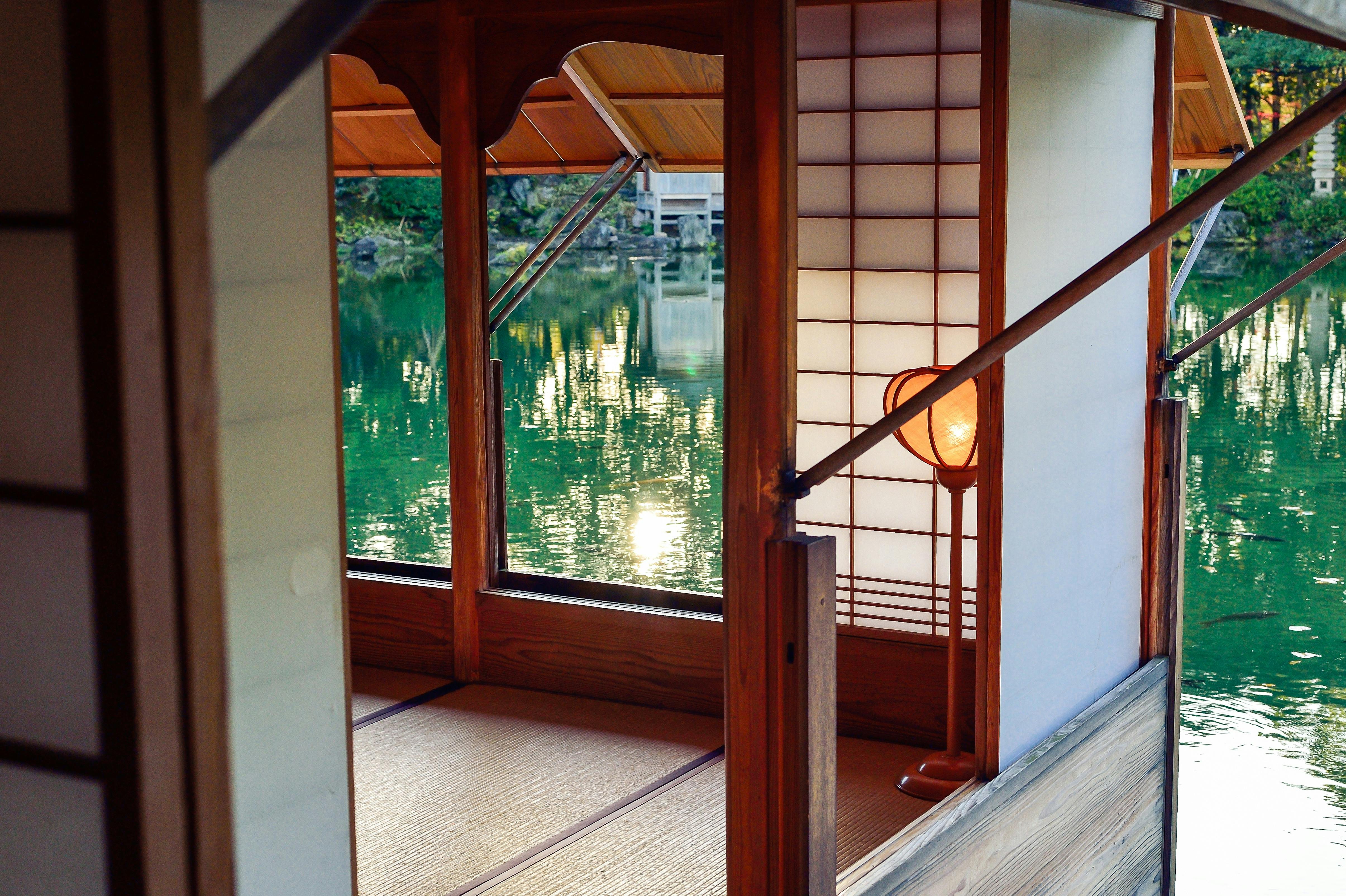
Image: Traditional Japanese house layout in Kuwana, Mie. True timber. Calm proportions. Built to last.
A Japanese house plan looks quiet on paper. It feels even quieter in person. Rooms are not locked to one job. Furniture stays low. Doors slide. Empty space carries weight. The calm comes from control, not decoration.
You do not get a giant living room. You do not get a sealed kitchen and a chain of overdefined rooms. You get spaces that open and close with one move. Light shifts through the day. Boundaries stay soft but still legible.
If you want the bigger background first, start with Japanese architecture. It helps the layout logic land faster.
The basics of a traditional home
Genkan 玄関

The entry floor drops. Shoes come off. Dirt stays there. The tone is set right away. Quiet. Clean. Controlled. Modern versions keep the step and add better storage, but the logic stays the same.
Washitsu 和室

Tatami underfoot. Soft but firm. The room can sleep, sit, host, or work. Fusuma panels and paper screens open and close the space. A tokonoma niche holds one careful object. The room reads best when it stays spare.
Size note: mat count still matters. A six-mat room reads as a comfortable middle size. A four-and-a-half-mat room feels tighter and more focused.
Engawa 縁側

A narrow strip along the garden edge. Not fully inside. Not fully outside. Sit there. Read there. Watch weather move. It buffers sun and rain, but it also changes the pace of the house.
Tokonoma 床の間
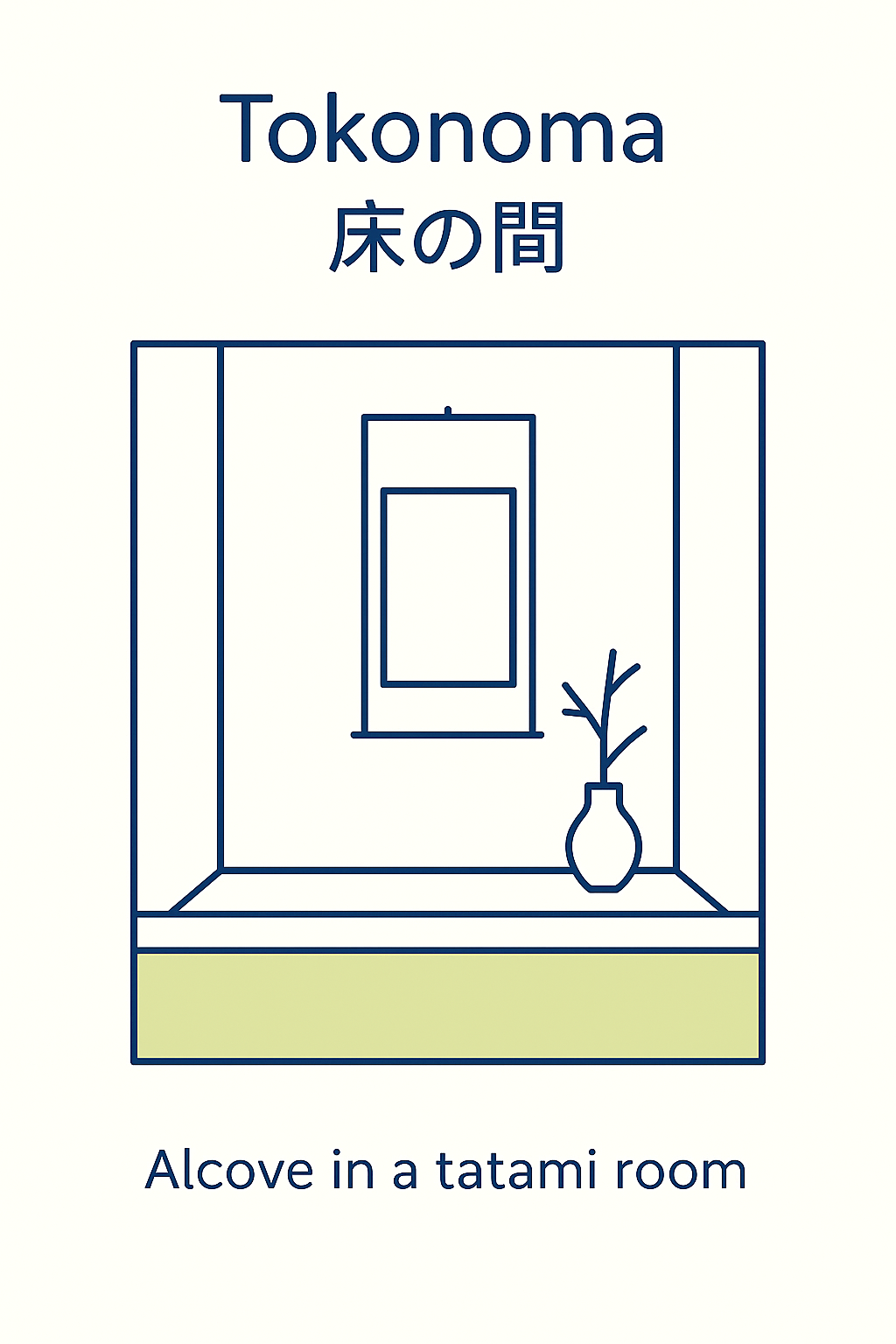
A shallow alcove inside the tatami room. One scroll. One branch. One object. The point is selection, not display.
Chashitsu 茶室
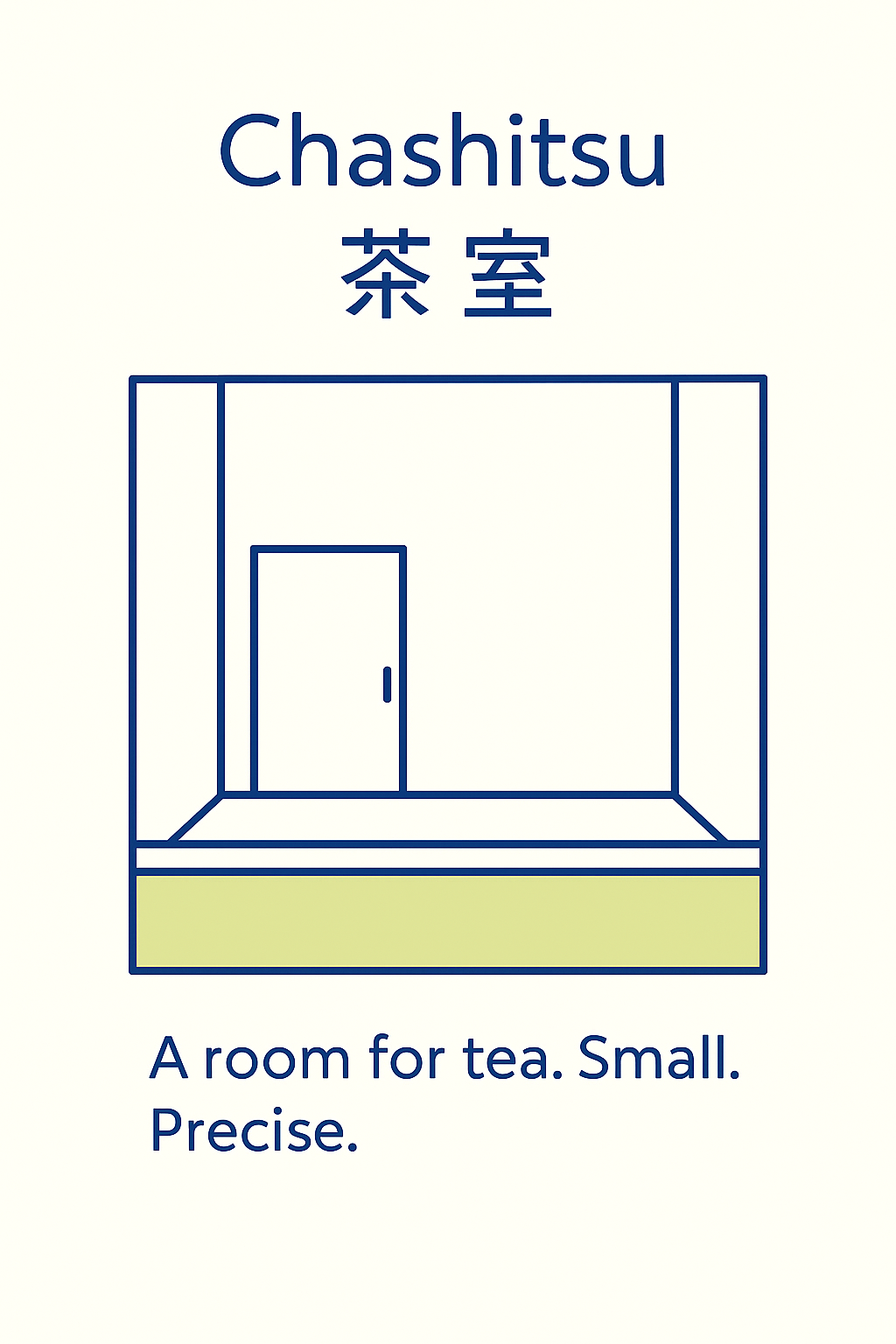
A tea room is small, exact, and rule-bound. Not every house has one. But when it appears, you can see how strongly mat count, doorway size, and movement shape the room.
Kitchen 台所
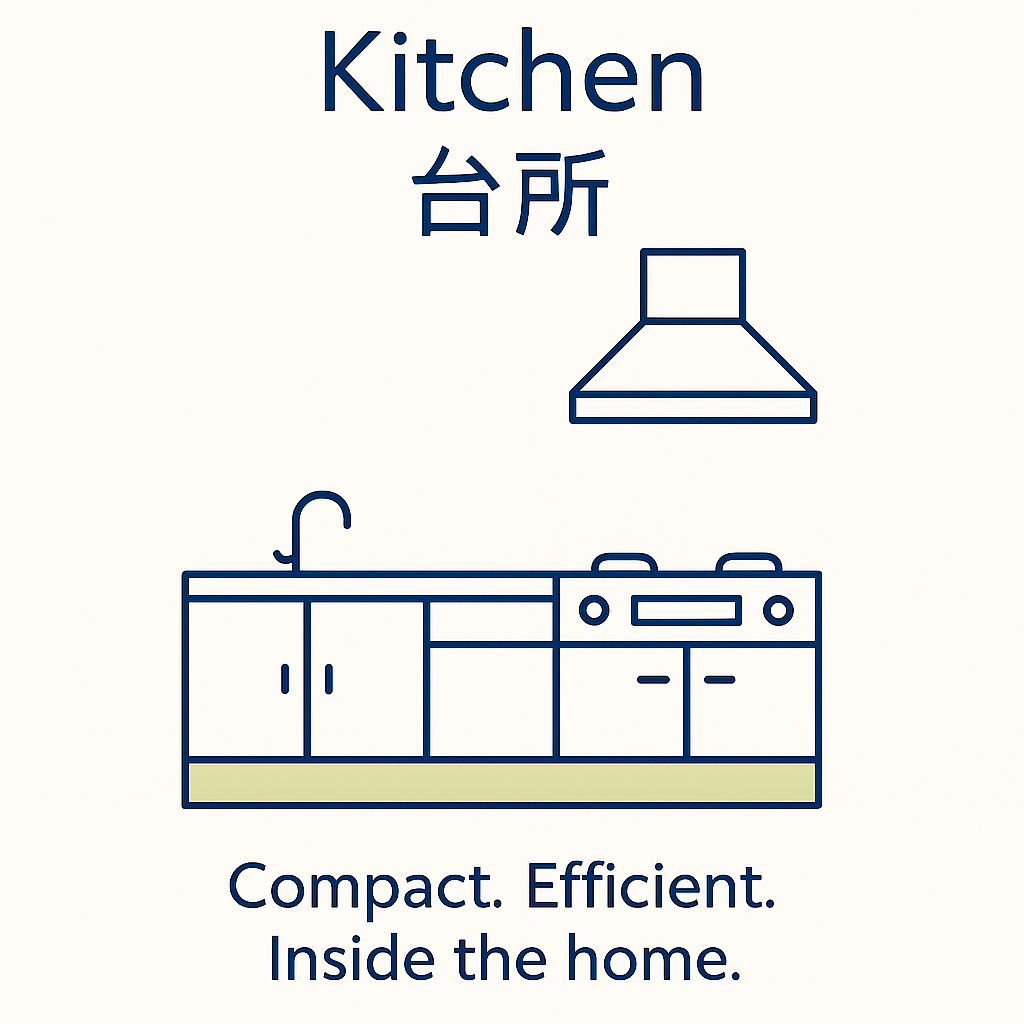
Older kitchens often sat apart for smoke and fire. Newer ones move inside the main envelope, but the footprint stays compact and the workflow stays tight. The room is built to work, not spread.
Ofuro お風呂

The bath separates washing from soaking. One zone gets wet. One stays dry. The tub is deep and still. Even in small homes, that separation helps daily life run better.
Toilet room
The toilet sits apart from the bath area. The habit is old. The comfort is still smart.
Common plan types you can learn from

Shoin-zukuri 書院造
Rooms line up along the garden. Platforms rise and views are controlled. Light comes through wood and paper, not giant exposed openings. If you want a broader arc from older houses into newer interpretations, this history of traditional Japanese architecture helps.
Minka 民家
Farmhouses with heavy frames, central hearths, big beams, and direct zoning. The feel is robust and honest. Nothing is trying to impress you. It is just built to live and work hard.
Machiya 町家
Townhouses built deep on narrow plots. Shop in front. House behind. Tiny inner courts bring in light and air. The plan still makes sense because the footprint is handled carefully from front to back.
What not to copy

- Do not flatten the whole house into one level and call it Japanese. Small level changes matter.
- Do not cram the rooms with furniture. Two strong pieces beat ten weak ones.
- Do not use harsh lighting. Warm layers and quieter fixtures fit the plan better.
- Do not treat the style like a surface theme. The layout logic matters more than the screens and lanterns.
Key structural moves
Raised floors
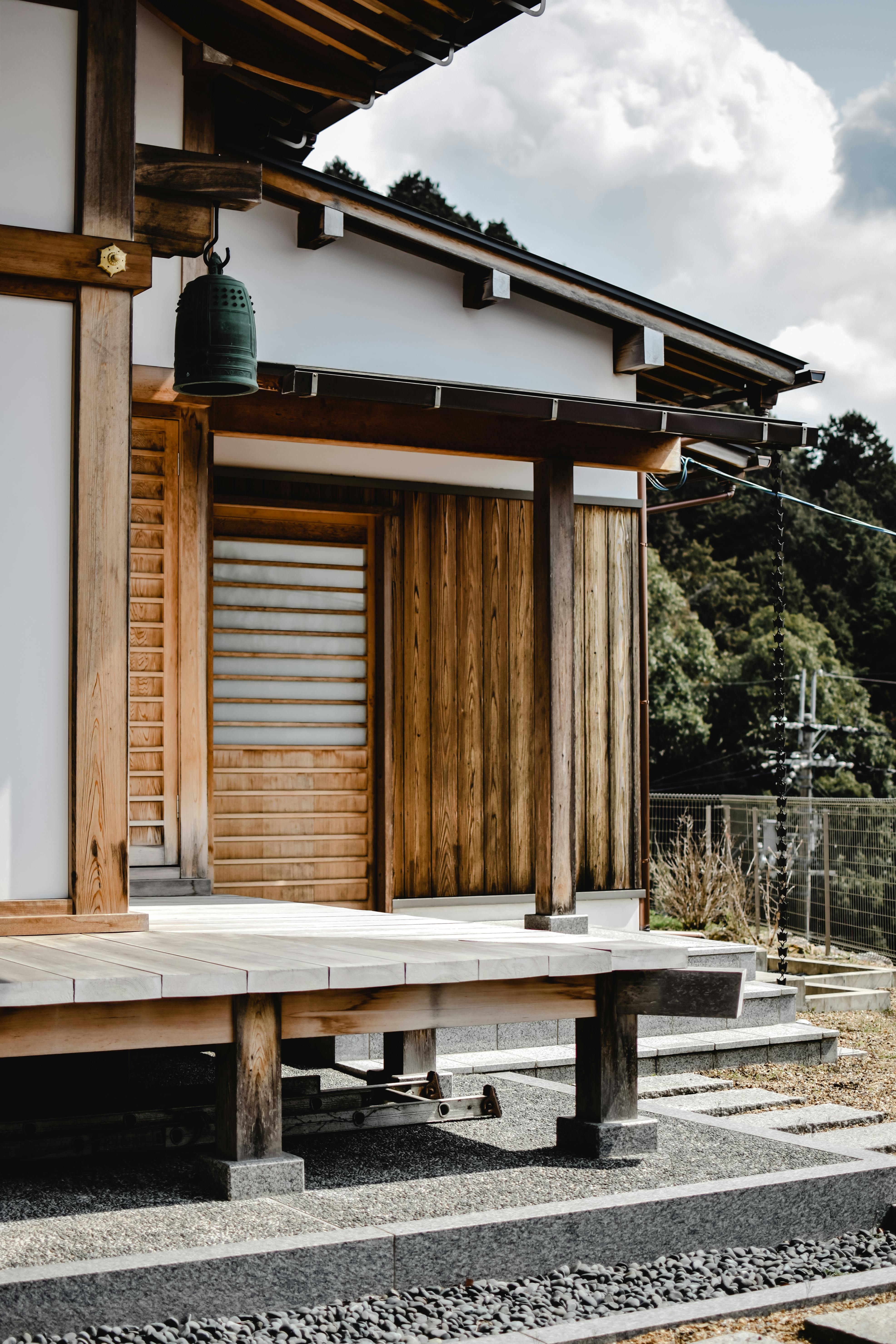
Image: Wazuka, Kyoto. Raised floor for air and longevity.
Historic homes sit off the ground so air can move below the floor. That helps with humidity, rot, and summer heat. The slight lift also changes how the house meets the site. It feels lighter even when the structure is strong.
Open plans without losing control
These houses do not use “open concept” in the modern suburban way. They use sliding divisions. Rooms expand and tighten as needed. That gives flexibility without turning the whole house into one undifferentiated box.
Flexible use
One room can sleep at night, work by day, and host in the evening. It works because storage is built in and furniture stays light.
Indoor to outdoor transition
The engawa handles it. Not a hallway. Not a deck. A pause. That pause changes how you move and how the house meets the garden.
No central hallway obsession
Rooms often connect through sequence instead of a big neutral corridor. That saves space and sharpens the rhythm of the house.
Three plans and what they teach
A. Small family home
Two tatami rooms carry most of daily life. Sliding panels join them for gathering or close them off for privacy. The lesson is simple: you do not need a formal living room if one room can shift use cleanly.
B. Traditional villa
Large guest rooms, wide engawa, garden-facing sequences, and a slower rhythm of movement. The lesson is not luxury. It is control. Keep the route slow. Keep the rooms spare. Let the joinery and proportion do the work.
C. Kominka farmhouse
One dominant volume under a strong roof. Thick beams. Hard-working entry zone. Central hearth logic. The lesson here is warmth and zoning without too many walls.
Old plans, modern use
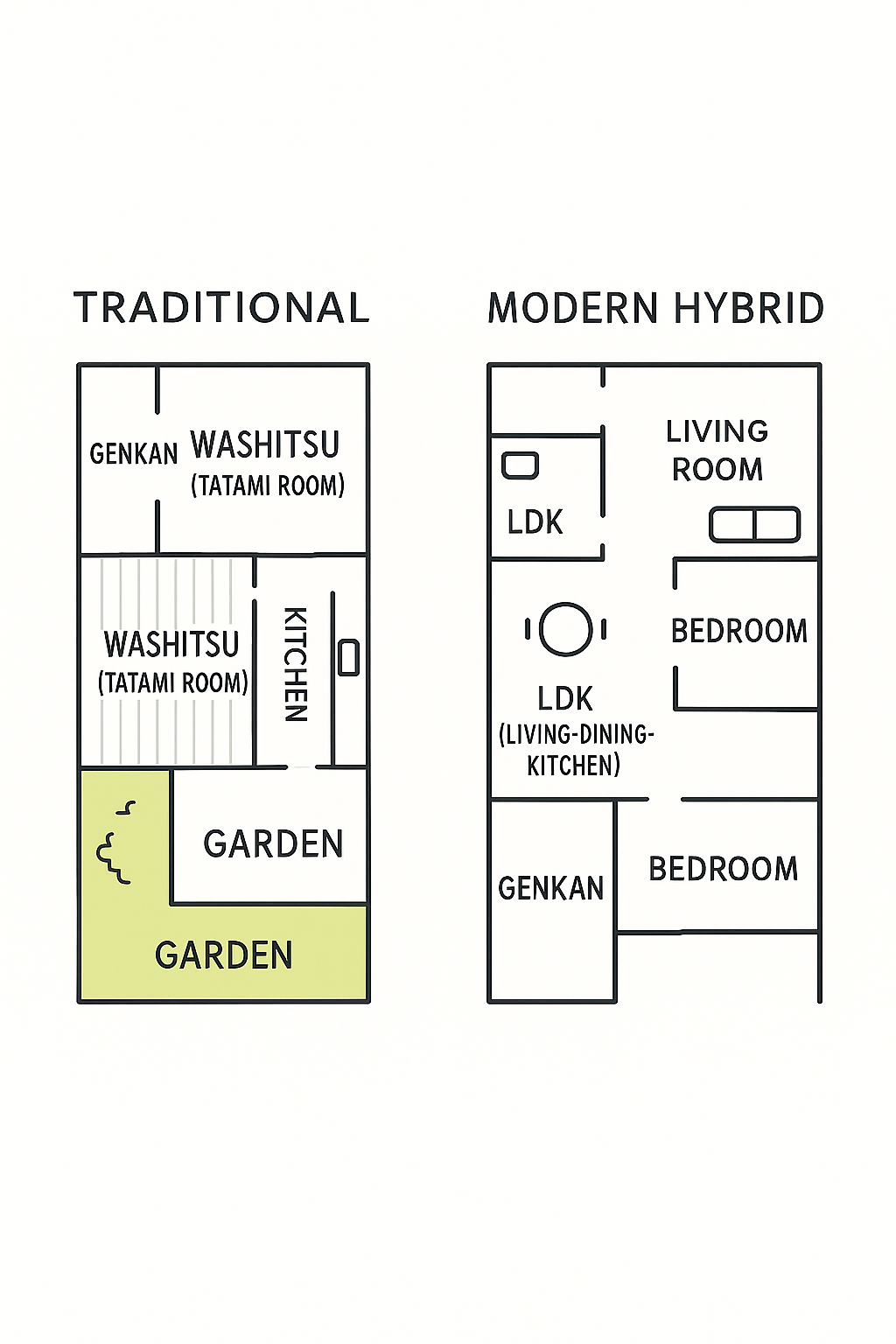
Image: Traditional and hybrid room layouts side by side.
Modern apartments and houses keep the entry step, hold onto at least one tatami room when they can, and use sliders to keep spaces flexible. Kitchens open more. Storage moves deeper into the walls. Scale tightens in cities, but the logic still holds.
Room flow that works hard
No fixed living room
This is one of the biggest differences. A room is not trapped by one furniture set or one label. If you want that idea unpacked properly, read why there are no living rooms in the conventional Western sense in many Japanese homes.
Public to private sequence
- Genkan at the door for everyone.
- Shared rooms around the middle.
- Deeper rooms for family and rest.
Privacy increases as you move inward. The house does not need to shout that rule. You feel it.
Ma. The space between.
This is not dead emptiness. It is controlled pause. Leave one zone bare. Place one thing with care. The room breathes better.
Regional patterns
Okinawa
Lower houses. Lighter edge conditions. More openness for air movement and storm response.
Tohoku
Colder winters, tighter openings, stronger hearth logic, thicker enclosure.
Kyoto and Kansai
Courtyards, engawa, tatami sequences, and townhouses with calm, even rhythm. A lot of what people imagine as the classic Japanese house comes through this region.
Tatami controls more than you think
Tatami mat count does more than size the room. It guides circulation, furniture scale, posture, and even how much clutter the room can tolerate. Even when you use wood floors instead, tatami logic still helps.
Etiquette that shapes layout
- You sit low. Movement stays lower and calmer.
- No shoes inside. The genkan makes that easy.
- Furniture stays low and light. Cushions, futons, low tables, built-ins.
That is part of why clutter stands out so badly in these rooms. There is nowhere for it to hide.
Patterns that change mood
Tatami layout matters. Seam direction, offset, and alignment change how calm or restless the room feels. Tea rooms make that especially clear.
Where to find solid plans
Skip vague mood-board sketches. Use measured drawings, sections, and books that show how the parts fit. Start with Japanese architecture, then go deeper with:
- The Japanese House by Heino Engel. Deep and technical. Strong diagrams.
- Japanese Architecture by Mira Locher. Clear, broad, and useful for both students and builders.
- Measure and Construction of the Japanese House. Best when you need dimensions and detail logic.
For official references, the Japan Institute of Architects and the Agency for Cultural Affairs are both useful starting points.
Tatami mat sizing basics
Rooms are often read by mat count first. The table below gives working sizes for sketching and comparison.
| Size Name | Tatami Count | Approx. Dimensions (meters) | Approx. Dimensions (feet) | Common Use |
|---|---|---|---|---|
| 1 Mat | 1 | 0.91 × 1.82 | 3 × 6 | Entry or alcove |
| 2 Mats | 2 | 1.82 × 1.82 | 6 × 6 | Tea corner |
| 4.5 Mats | 4.5 | 2.73 × 2.73 | 9 × 9 | Small bedroom or study |
| 6 Mats | 6 | 2.73 × 3.64 | 9 × 12 | Typical multi-use room |
| 8 Mats | 8 | 3.64 × 3.64 | 12 × 12 | Formal room |
| 10 Mats | 10 | 3.64 × 4.55 | 12 × 15 | Large gathering space |
Regional note: Kyoto mats run a bit larger. Tokyo mats run smaller. Local standard still matters when the room is being measured seriously.
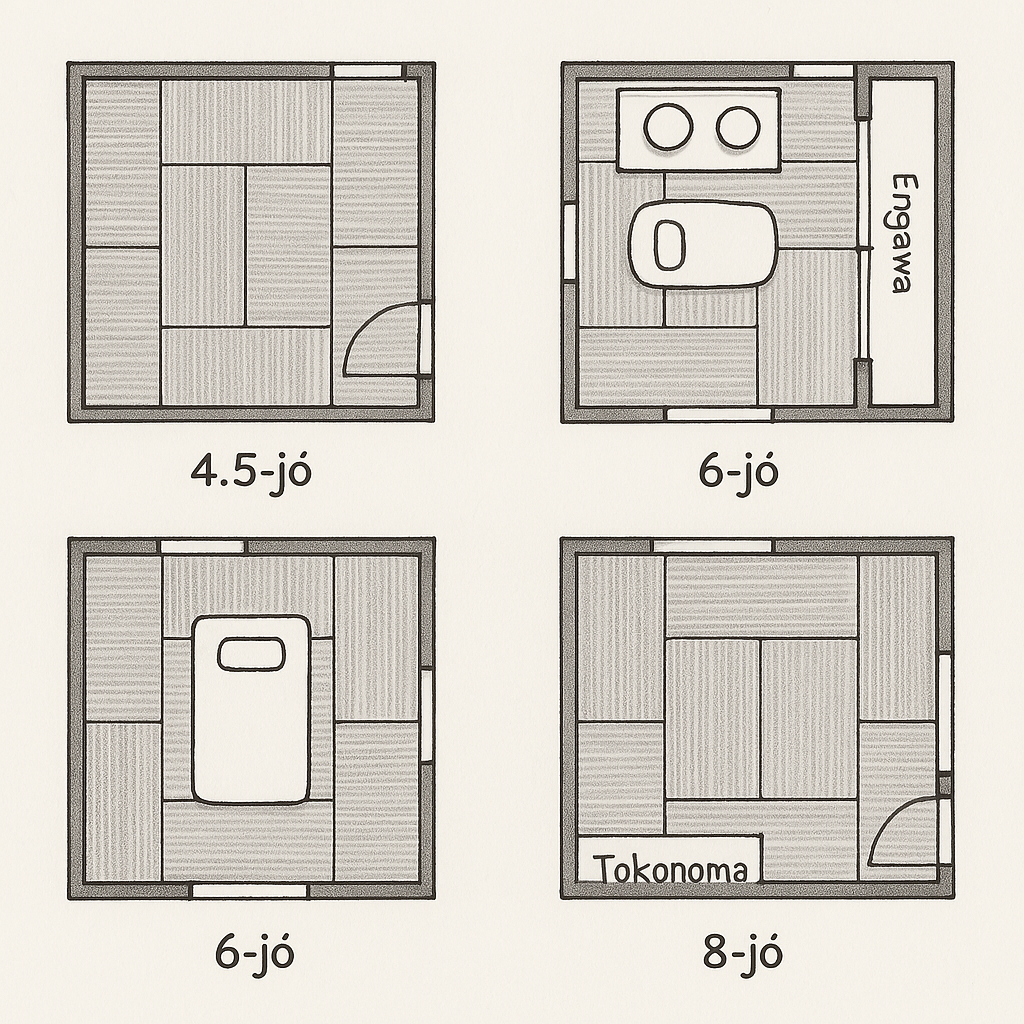
Image: Six- and eight-mat layouts. Clean seams. Clear flow.
Make a six-mat room work at home
A six-mat room is a good test case because it is useful without being large. It can sleep, work, host, or reset. That only works when the furniture stays low, the storage is controlled, and the room is not overfilled.
Moves that help: use removable tatami or mat systems, keep furniture low, align the room to a simple grid, use sliding partitions or curtains where needed, and hide storage fast.
Hybrid plans that still live well
Two-zone plan in Canada
Main living and kitchen in one open zone. One small tatami room behind a slider. Entry step at the door. Strong storage wall. That single calm room changes the whole house.
Inner-garden plan in California
U-shape around a small court. Tatami bedroom faces the garden. Sliders use insulated glass. The route around the court slows movement down in the right way.
Shoji loft in New York
Warehouse shell kept open, then divided with light screens and a raised tatami platform with storage below. The room feels deliberate because the floor and partitions do the work.
FAQ
How big is a traditional Japanese house?
It varies by region, plot, and period. Rural houses spread wider when land allowed it. Urban houses often run narrow and deep.
How many rooms do these plans need?
Fewer than many Western houses. One or two tatami rooms can handle most daily life when the layout is flexible.
Can a Western house use this layout logic?
Yes. Start with the entry sequence, one flexible room, lower furniture, and a better indoor-outdoor threshold.
Why label rooms by mat count?
Because it keeps proportion honest. It tells you what fits, how the room flows, and how much furniture the room can handle.