

Image: Traditional Japanese house in Japan with no living room, featuring a brown wooden door and a serene waterside setting.
Why There Are No Living Rooms in a Real Japanese Home
The Truth About Living Rooms in Traditional Japanese Houses
Meta Description:
Traditional Japanese homes don’t have Western-style living rooms. Learn why shared spaces look and function differently, and what this reveals about Japanese design and lifestyle.
Why There Are No Living Rooms in a Real Japanese Home (and Why It Works)
This might sound strange, but traditional Japanese homes don’t have “living rooms” the way we know them.
Not because people didn’t gather.
Not because they didn’t rest, eat, or host guests.
They just didn’t trap those activities in one permanent space.
Let’s break it down:
Japanese Homes Don’t Have “Living Rooms”—Here’s What They Have Instead
Why Traditional Japanese Homes Are Built Without a Western-Style Living Room
No Fixed “Living Room” — Just Flexible Space
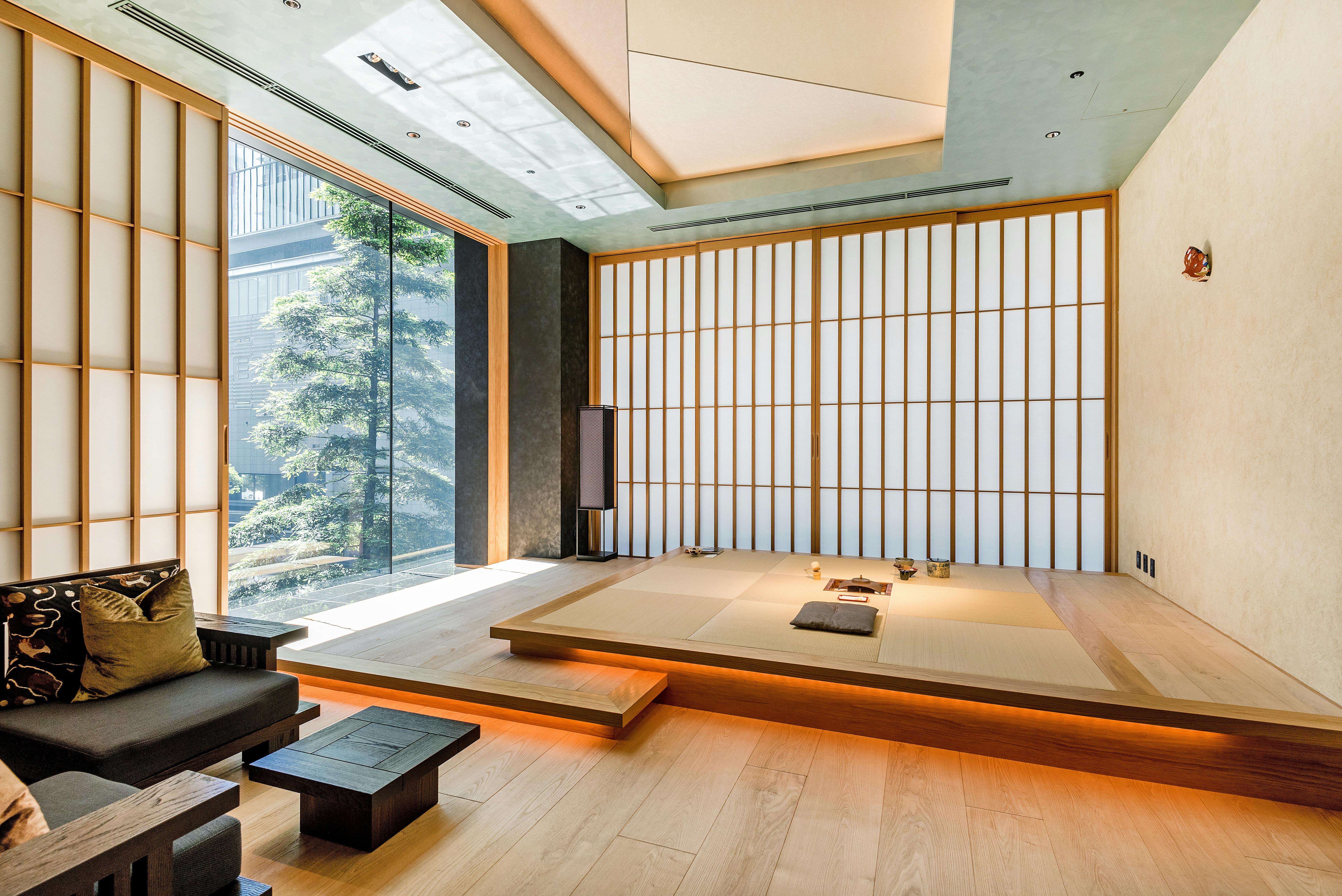
▪ In most Western homes, the living room is a permanent, furniture-heavy zone.
▪ In traditional Japanese homes, the main room (Washitsu) changes throughout the day.
It’s a living room when guests come.
A dining room at dinner.
A bedroom at night.
All without moving walls — just by changing what's in it.
⏱️ Function Follows Time, Not Furniture
This design trains you to think in layers, not zones.
🧺 Need to serve food? Bring in the low dining table.
🛏️ Need to sleep? Lay out futons, then store them in the morning.
☕ Need a quiet tea break? Leave the room open except for a zabuton cushion and tokonoma vase.
Everything flows with the time of day and activity, not furniture assignments.
🎯 Why It Actually Works (Better)
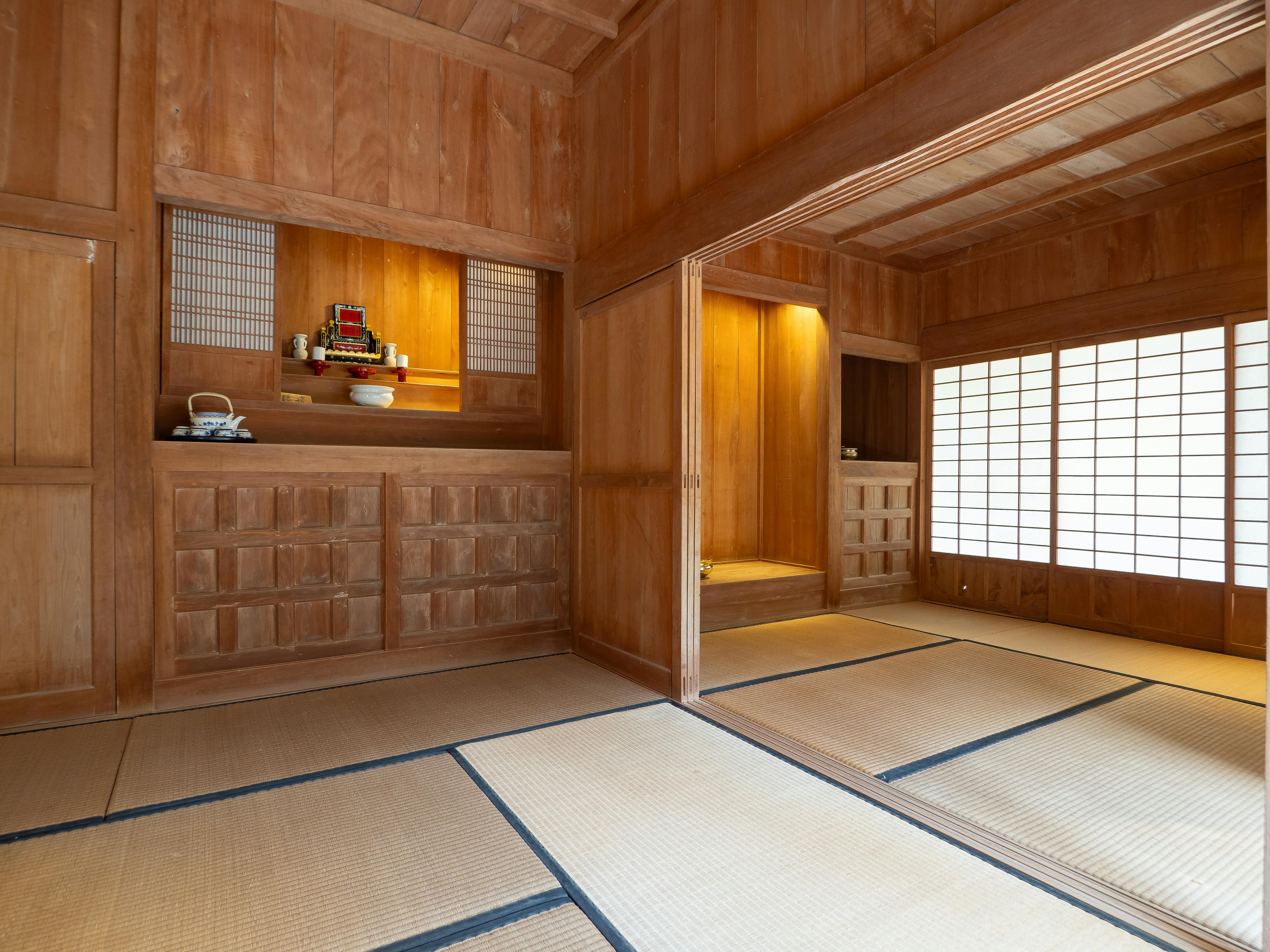
✔ It saves space:
No need for multiple rooms doing the same thing (e.g. separate lounge, den, guest room).
✔ It encourages tidiness:
Since the room resets, you can’t just leave stuff lying around.
✔ It improves your awareness:
You use the space differently. You pause. You move with intent.
It’s less chaotic than jumping between zones full of distractions.
🛋️ What People Get Wrong in “Japanese-Style” Designs
✖ They create a fake “Japanese living room” with minimalist decor… but the room still has a fixed couch, rug, coffee table, and shelf.
That’s not the idea.
The point isn’t the look — it’s the adaptability.
A true Washitsu doesn’t need a couch to feel relaxing.
It just needs space to breathe, purpose, and quiet function.
🧠 What You Can Learn From This (Even Without Tatami)
✔ Design one room that can do more than one thing — work, relax, host.
✔ Use low, movable furniture (like a floor table or cushions on mats).
✔ Design for storage, not display — hide things when not in use.
✔ Focus on lighting and flow, not decorating walls.
✔ Let the space reset daily. Like turning your desk back into a yoga area or guest bed.
No Sofas, No TV Wall: How Japanese Homes Use Shared Space Differently
What Replaces the Living Room in Japanese House Design?
A Real-Life Example
In a small custom home in Toronto, a Japanese-Canadian couple ditched the idea of a living room.
Instead, they built:
-
A 6-tatami-mat room with storage under the floor
-
Shoji screens for adjustable light
-
Foldable zabuton cushions + a collapsible floor table
-
A small tokonoma niche for art
This one room became:
✔ A place for breakfast
✔ A reading room in the afternoon
✔ A guest bedroom when needed
No sofas. No “designated TV zone.”
And it never once felt cramped.
Why You Won’t Find a Living Room in a Classic Japanese Home
Final Thought
The reason Japanese homes don’t have living rooms?
Because they don’t need them.
They have space that becomes what you need — when you need it.
That’s not just efficient design — it’s peaceful living.
The Basics of Traditional Japanese Home Layouts
Key Parts of a Traditional Japanese House
Here are the rooms and areas most homes had (and many still have today):
● Genkan (玄関) – The entryway where shoes come off.
✔ It’s slightly lower than the rest of the floor
✔ First space that sets the tone — clean, quiet, and respectful
● Washitsu (和室) – The classic Japanese room with tatami mats.
✔ Can be used for sleeping, eating, or tea
✔ Often includes fusuma (sliding doors) and shoji (paper screens)
● Engawa (縁側) – A narrow indoor-outdoor hallway.
✔ Connects you with nature without stepping outside
✔ Usually runs along a garden or courtyard
● Tokonoma (床の間) – A decorative alcove inside a washitsu.
✔ Displays seasonal items, a scroll, or a flower arrangement
✔ Symbolizes respect for simplicity and tradition
● Chashitsu (茶室) – Tea room (not in all homes).
✔ More common in wealthier or tea-practicing families
✔ The layout and steps reflect the tea ceremony flow
● Kitchen (台所 or お勝手) – Originally detached or semi-outdoor
✔ Fire safety and ventilation were key
✔ Modern versions keep it compact, with low storage
Related
- Japanese Architecture: The Style Everyone Can Learn From
-
History of Traditional Japanese Architecture: Key Eras, Influences, and Innovations
-
Engawa Architecture: How This Japanese Concept Redefines Indoor-Outdoor Living
-
Traditional Japanese House Layout: How the Spaces Were Designed to Flow
-
Japanese Style House Exterior: Materials, Rooflines, and Details
-
Japanese Metabolism Architecture: How It Redefined Modern Design