
The Wood Guide: Characteristics, Uses & Sustainable Practices
This is a real-world guide to working with wood—built by people who’ve actually used it on job sites, not just in theory. Created by ArchitectureCourses.org, it covers what matters: how wood performs, where it fits, and how to use it right.
Different woods behave in different ways. Grain, weight, moisture, strength—all of it matters. This course breaks it down fast.
Use it to design smarter, build stronger, and source better. Let’s get to it.
UNIT 1
Why Wood Still Matters
Historical Use
Wood has been used for everything—shelters, tools, warships. From Egypt and Rome to medieval Europe and the industrial era, wood has adapted to every age. It’s a big part of how we built the modern world.
What Makes Wood Worth Using
Aesthetic:
Natural grain, tone, and texture—no two pieces are the same. Wood brings warmth and variation that synthetic materials can’t fake.
Functional:
Strong, workable, and versatile. Wood frames houses, fills interiors, and can be shaped with simple tools or precision machines.
Environmental:
Sustainably harvested wood is renewable and leaves a smaller carbon footprint than steel, concrete, or plastic. When used right, it’s one of the greenest materials on Earth.
The Material Itself: What You Need to Know
Physical Properties
Things like moisture content, density, and grain structure change how wood behaves. These affect stability, weight, and strength. You need to know this before you build.
Chemical Properties
Wood is made of cellulose, hemicellulose, and lignin. These determine how it resists rot, reacts to finishes, and holds up over time.
Mechanical Properties
Wood reacts to bending, pressure, and tension. Some species resist compression better. Others flex without cracking. Understanding this is key to safe, durable design.
UNIT 2
2. Types of Wood: What to Use and When
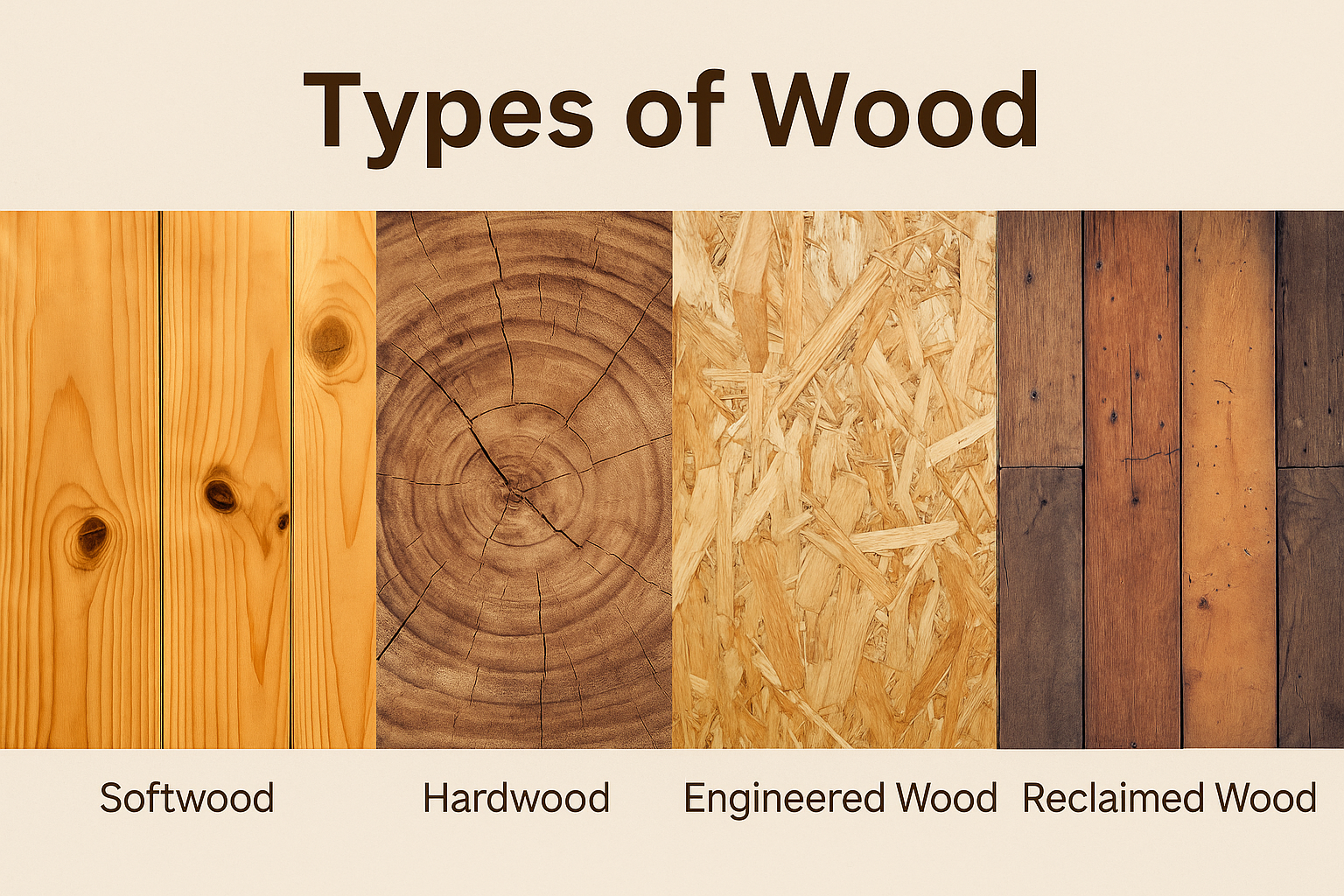
2.1 Hardwoods vs. Softwoods
Hardwoods
Come from deciduous trees (trees that shed leaves annually). They grow slower, are denser, and usually more durable.
-
Key Traits: Tighter grain, heavier, often more resistant to wear
-
Common Uses: Flooring, cabinetry, furniture, millwork
-
Examples: Oak, maple, walnut, cherry, ash
Softwoods
Come from coniferous trees (evergreens with cones and needles). Grow faster, lighter, easier to cut and shape.
-
Key Traits: Straight grain, softer feel, generally less dense
-
Common Uses: Framing, sheathing, cladding, decking
-
Examples: Pine, fir, spruce, cedar
Note: “Hardwood” and “softwood” don’t always match physical hardness—balsa is a soft hardwood.
2.2 Exotic Woods
Rare or non-local species, often used for aesthetic impact or special performance traits.
-
Teak: Water- and pest-resistant; ideal for boats, decks, and high-end outdoor furniture
-
Mahogany: Reddish-brown, straight grain, used in premium furniture
-
Ebony: Dense and jet-black; used in musical instruments and fine inlays
-
Rosewood: Aromatic, richly colored; common in guitars and high-end joinery
-
Zebrawood, Padauk, Wenge: Lesser-known exotics with bold grain or color
These woods are expensive and often tied to deforestation risks—always verify sustainable sourcing.
2.3 Engineered Wood Products
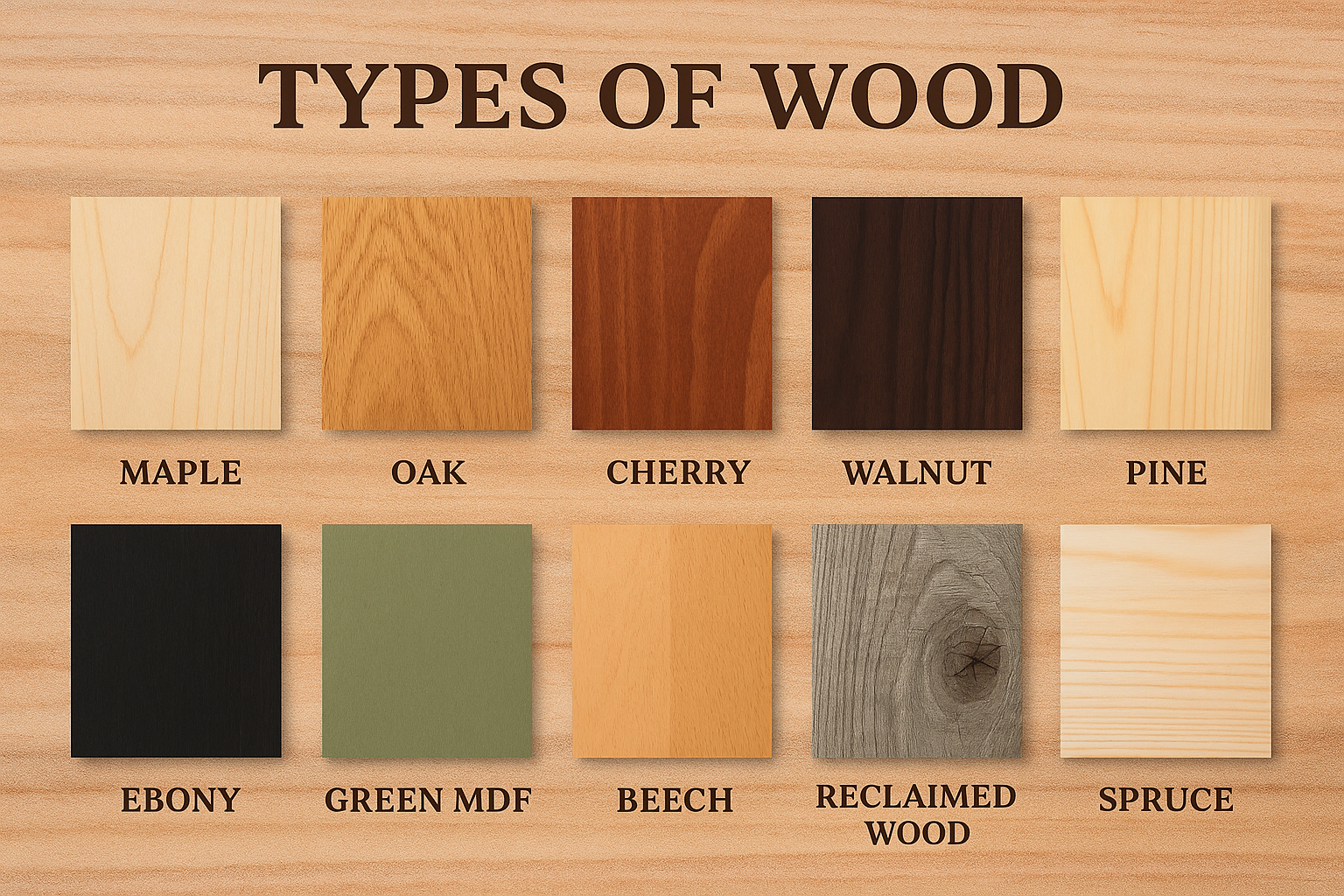
Made from wood fragments, fibers, or veneers, engineered for strength, stability, and scale.
-
Plywood: Thin layers of wood veneer glued at right angles. Cheap, stable, versatile.
-
LVL (Laminated Veneer Lumber): For structural beams, headers—stronger than solid lumber.
-
Glulam: Used for long spans and exposed beam architecture. Customizable curves and strength.
-
CLT (Cross-Laminated Timber): Massive wood panels used in tall timber buildings.
-
OSB (Oriented Strand Board): Common for wall, roof, and subfloor sheathing—cheaper than plywood.
-
MDF/HDF (Medium/High Density Fiberboard): Used in cabinetry, furniture, interior paneling.
2.4 Thermally Modified & Chemically Treated Wood
These are natural woods altered to improve decay resistance, stability, and dimensional performance.
-
Thermally Modified Wood: Heat-treated without chemicals—better for outdoor use
-
Acetylated Wood (e.g. Accoya): Wood treated with acetic anhydride for long-lasting performance
-
Pressure-Treated Wood: Infused with chemical preservatives to resist rot (commonly used in decks, landscaping)
2.5 Reclaimed & Salvaged Wood
Wood repurposed from old buildings, barns, industrial structures, or submerged logs.
-
Benefits: Aged character, environmental impact reduction, historical appeal
-
Challenges: Must be checked for nails, contaminants, or structural defects
-
Common Uses: Flooring, accent walls, furniture, beams
2.6 Region-Specific & Local Woods
Depending on your region, certain species dominate construction and design use:
-
US/Canada: Douglas fir, red oak, poplar, southern yellow pine
-
Europe: Beech, larch, Scots pine, European oak
-
Asia: Bamboo (technically a grass), rubberwood, ramin
-
Africa: Iroko, sapele, bubinga
-
Latin America: Cumaru, jatoba, ipe
Local wood often offers a better price, environmental impact, and performance in local climates.
UNIT 3
Wood Selection
How to Choose the Right Type for Your Project
Knowing the types of wood is only half the story. The next step is choosing the right wood for the right job. Each project has different demands—some structural, some aesthetic, some environmental. This section breaks down the key factors that should guide your decision.
Strength vs. Weight Needs
Heavy-duty framing or long spans? You’ll need wood with high compressive or bending strength—like Douglas fir, southern yellow pine, or LVL.
Fine furniture or cabinetry? Go for hardwoods like oak, maple, or walnut, which offer strength without bulk.
Light trim or decorative panels? Lighter softwoods like pine or cedar are easier to work with and install.
Use denser woods when you need strength and support. Go lighter where appearance or ease of handling matters more.
Indoor vs. Outdoor Use
Exposure changes everything.
-
Outdoor wood must resist moisture, sunlight, and insects. Cedar, redwood, teak, and pressure-treated pine hold up best.
-
Indoor use gives you more flexibility—hardwoods for floors and furniture, softer woods for trims or ceiling panels.
Thermally modified woods are a great middle ground—sustainably treated to perform outdoors without chemicals.
Don’t use untreated interior woods outside—they’ll rot, warp, or fail fast.
Aesthetic Choices
Wood isn’t just structural—it’s visual.
-
Want clean and modern? Go for smooth, tight-grain species like maple or birch.
-
Prefer rustic or natural? Opt for open-grain woods like oak or reclaimed pine.
-
After drama? Exotics like zebrawood, padauk, or walnut offer bold tones and contrast.
Grain direction, tone variation, and surface texture all shape how wood will feel in the final space. Match your material to the design style—not just the budget.
Cost vs. Longevity
Not every project needs premium wood—but some do.
-
Budget-friendly options: Poplar, pine, plywood, MDF
-
High-end choices: Walnut, cherry, ipe, teak
Think about total cost over time—not just at purchase. A cheap species that needs frequent repair or finishes may cost more than a pricier wood that lasts decades.
For heavy-use surfaces (like stairs or kitchen counters), it pays to spend more upfront.
Finish Compatibility
Some woods accept stain or paint beautifully. Others… don’t.
-
Easy to finish: Oak, walnut, ash
-
Blotchy or tricky: Pine, maple, birch
Use wood conditioner or gel stains to even out absorption on blotchy woods. Or stick to clear finishes that celebrate natural tone without risk.
Always test your finish on a scrap piece before committing.
Sustainable Sourcing
If you care about long-term impact, wood choice matters.
-
Look for FSC-certified lumber or reclaimed wood
-
Use local species to reduce transport emissions
-
Avoid rare or illegally harvested tropical exotics unless certified
Remember: not all “eco” labels are equal. Ask where your wood came from and how it was harvested.
Sustainability isn’t just about the species—it’s about the supply chain.
UNIT 4
Wood in Architecture
How Wood Shapes Architecture Today
Wood is a building material that’s evolved.
From ancient structures to high-rise towers, it continues to prove its value in structure, design, and sustainability.
4.1 Classic Wood Construction: Still Standing for a Reason
Wood was one of the first materials humans ever built with—and it’s still going strong.
-
Timber framing: Mortise-and-tenon joints, exposed beams, and zero metal fasteners. Used in medieval Europe, Japanese temples, and still popular today in custom homes.
-
Log structures: From early American cabins to modern Nordic homes, log construction is simple, strong, and thermally efficient.
-
Vernacular wood design: Think Indonesian longhouses, Japanese minka, and Scandinavian stave churches—timber adapted to climate and culture.
These buildings show that well-built wood can last centuries when designed right and protected from moisture.
4.2 Mass Timber & the Rise of Wood Skyscrapers
Modern tech has transformed what wood can do. Engineered systems like CLT (cross-laminated timber) and glulam beams now allow for large-scale, code-compliant timber construction.
-
Mjøstårnet, Norway: 18 stories tall—proof that timber can go vertical
-
The Sara Cultural Centre, Sweden: Combines CLT structure with stunning interior spaces
-
Ascent Tower, Milwaukee: One of North America’s tallest timber buildings (25 stories)
Why it works:
-
Lower carbon footprint than steel or concrete
-
Faster build times with prefabricated panels
-
Warm interior finishes—no drywall needed
-
Renewable and carbon-sequestering when sourced right
Mass timber is pushing architecture into a low-carbon, high-impact future.
4.3 Urban Wood: Building Greener Cities
In cities, wood is more than a finish—it's part of a movement toward biophilic, human-centered urban design.
-
Used in mid-rise housing, pavilions, transit stations, and public seating
-
Improves air quality, sound absorption, and thermal comfort
-
Supports modular design and quick construction in tight urban spaces
Examples:
-
Portland’s Framework Building (CLT mixed-use tower)
-
Timber public furniture in Copenhagen’s Superkilen Park
-
Toronto’s Quayside Project: Proposed as a full timber community before it was paused
Wood softens the hard edges of the city—and helps meet urban sustainability goals.
UNIT 5
Wood and Sustainability: Real Impact, Not Just Talk
Wood isn’t just renewable—it actively helps reduce the environmental footprint of buildings. Here’s how it performs across the key areas of sustainable construction.
5.1 Responsible Forestry: What Makes Wood Truly Sustainable
Not all wood is equal. FSC and PEFC certifications ensure forests are responsibly managed—meaning trees are replanted, habitats are protected, and harvesting is tracked.
-
Supports long-term forest health
-
Prevents illegal logging
-
Encourages biodiversity and local stewardship
Always check for certification. It’s not just paperwork—it’s how you know your material isn’t part of a deforestation chain.
5.2 Carbon Storage: Why Wood Is a Natural Climate Tool
As trees grow, they absorb CO₂. When harvested wood is used in buildings, that carbon stays locked away for decades—sometimes centuries.
-
Every cubic meter of wood stores around 1 ton of CO₂
-
Replacing concrete or steel with wood cuts embodied carbon
-
A wood-framed building can serve as long-term carbon storage
Few materials can claim this kind of passive climate benefit.
5.3 Life Cycle Impact: Wood vs. Steel and Concrete
Life Cycle Assessments (LCAs) consistently show wood’s edge:
-
Lower emissions during manufacturing
-
Less fossil fuel use during processing
-
Fewer environmental impacts at end of life—it decomposes or can be reused
Compared to steel or concrete, wood is lighter, cleaner to produce, and biodegradable. Add responsible sourcing, and it becomes one of the greenest building materials available.
UNIT 6
6. Physical & Chemical Properties of Wood
Wood’s strength, performance, and versatility all come down to its natural structure and chemistry. Understanding these properties helps you pick the right species for the job—whether it's structural, acoustic, or decorative.
6.1 Cellular Structure: Why Grain Direction Matters
Wood is made of long, tube-like cells—mostly fibers and vessels—aligned along the grain. This grain orientation gives wood:
-
High strength in tension and compression
-
Natural flexibility under load
-
Variation between species (dense hardwoods vs. porous softwoods)
Oak, for example, has tight, dense fibers—making it strong and slow to bend. Pine is more open and easier to cut or nail but less durable under pressure.
Always work with the grain when strength or clean finishes matter.
6.2 Thermal, Acoustic & Electrical Behavior
Wood performs well in more ways than one:
-
Thermal: Wood is a poor heat conductor—good for insulation and energy efficiency
-
Acoustic: Absorbs sound, reduces echo, and improves room acoustics
-
Electrical: Naturally non-conductive—adds safety in interior finishes
These properties make wood ideal for walls, ceilings, and flooring in energy-efficient and sound-sensitive spaces.
6.3 Chemical Composition: What Makes Wood Strong
Wood’s core components are:
-
Cellulose: Gives tensile strength and stiffness
-
Hemicellulose: Binds cellulose fibers; helps manage moisture
-
Lignin: Acts as a glue and hardens the structure; resists rot and microbes
These three give wood its durability, workability, and resistance to decay—without synthetic additives.
The ratio of these chemicals varies by species, which is why some woods resist rot better or take stain differently.
UNIT 7
7A. Wood Defects, Grading & Quality Control
Not all wood is perfect. Natural growth, handling, and milling introduce defects that affect performance and appearance. Grading systems help buyers separate structural-quality lumber from appearance-grade stock.
Common Defects
-
Knots: Dead branches in the grain—can weaken structure or add visual texture
-
Warping: Bending or twisting due to uneven drying (cupping, bowing, twisting)
-
Checks and splits: Cracks caused by internal tension or moisture loss
-
Wane: Missing wood or bark on the edge
-
Pitch pockets, resin bleed, discoloration
Wood Grading Systems
-
Structural grades (e.g., #1, #2, Select Structural) for framing and load-bearing
-
Appearance grades (e.g., FAS, Select, Common) for fine woodworking
-
Plywood grades (A–D, or AB, BC, CDX) based on face veneer quality
Quality Control in the Field
-
Always inspect moisture content and visible defects
-
Use calibrated moisture meters and visual checks before installation
-
Store wood properly to avoid new defects from humidity or sunlight
7B. Moisture, Shrinkage & Wood Movement
Wood constantly responds to moisture. If you don’t plan for that, your project fails.
Key Concepts
-
Moisture Content (MC): Wood is typically dried to 6–12% MC for indoor use
-
Shrinkage: Wood shrinks across the grain, not along it
-
Expansion: High humidity causes swelling and cupping
-
Equilibrium Moisture Content (EMC): Where wood’s moisture equals the surrounding air—target this before install
Movement Issues
-
Cupping: Edges rise above center (due to uneven drying)
-
Twisting: Caused by uneven grain and drying stresses
-
Gaps & Buckling: Result of not leaving proper expansion spacing
Always acclimate wood to its install environment for 48–72 hours before use.
7C. Wood Finishing Techniques & Surface Prep
How you finish wood affects its look, lifespan, and performance. Good prep and proper finishes protect wood from UV, moisture, and wear.
Surface Prep
-
Sand with the grain using progressive grits (80 → 120 → 220)
-
Remove dust and oils with tack cloth or mineral spirits
-
Fill open grain (e.g., oak) if a glass-smooth finish is desired
Common Finishes
-
Oil-based: Penetrates deep, rich tone (e.g., linseed, tung)
-
Water-based: Dries fast, low odor, stays clearer
-
Lacquer: Fast-drying, glossy, spray-applied
-
Polyurethane: Tough, durable, great for high-traffic surfaces
-
Stain: Alters color without hiding grain
-
Wax: Soft, natural finish—requires maintenance
-
Paint: Covers grain; good for lower-grade woods
Always test your finish on scrap from the same batch—wood takes finish differently based on species and grain.
UNIT 8
The Future of Wood in Design and Construction
Wood isn’t just for homes and cabins—it’s becoming a key material in advanced architecture, smart materials, and robotics-driven construction. Here’s where it’s headed next.
8.1 Tall Timber: Wood in High-Rise Construction
So-called “plyscrapers” are changing the game. Engineered wood products like CLT (cross-laminated timber) and glulam are strong enough to replace steel and concrete in multi-story buildings.
-
Mjøstårnet (Norway): 18 stories, 85 meters—currently the tallest timber building
-
Ascent Tower (USA): 25 stories in Milwaukee, combining mass timber and innovation
-
Benefits: Lower carbon footprint, faster construction, warmer interiors
With fire resistance testing and structural approvals now in place, tall timber is no longer experimental—it’s viable.
8.2 Smart Wood: Materials That Do More
Wood is being enhanced at the molecular and digital level.
-
Self-healing wood: Repairs minor cracks over time via embedded microcapsules
-
3D-printed wood composites: Wood dust + bio-resins shaped by automated printers
-
Nano-treated surfaces: Boosts resistance to water, decay, or UV exposure
-
Embedded sensors: Wood panels that respond to moisture, movement, or load stress
These materials are pushing wood into a new category—responsive, efficient, and engineered for performance.
8.3 Robotics + Wood: Precision, Speed, Zero Waste
In high-end architecture and manufacturing, robots now handle wood.
-
CNC machines shape complex forms
-
Robotic arms cut, drill, and assemble components
-
Automated joinery allows zero-tolerance detailing and faster builds
-
Reduced offcuts and waste thanks to AI-guided optimization
Examples:
-
ETH Zurich’s robot-built timber pavilions
-
Gramazio Kohler’s digital timber frame systems
Automation turns wood into a high-tech, low-waste solution for the future of custom construction.
UNIT 9
Comparing Wood to Other Structural Materials
Wood vs. Concrete:
● Wood is lighter, renewable, and absorbs carbon.
● Concrete is more fire-resistant and better for high-load applications.
● Concrete has a higher environmental cost due to CO₂ emissions during production.
Wood vs. Steel:
● Wood insulates better and offers a warmer, natural feel.
● Steel is stronger in tension, better for large spans.
● Wood is easier to work with onsite; steel often requires specialized labor.
Wood vs. Brick or Stone:
● Wood allows for faster construction and flexibility.
● Brick and stone offer higher thermal mass and durability.
● Wood is more sustainable but may require more maintenance in some climates.
Why it matters: Understanding material pros and cons helps architects choose based on performance, budget, context, and sustainability—not just tradition or convenience.
UNIT 10
Wood in Biophilic and Human-Centered Design
Bringing Nature Indoors:
● Exposed wood helps create calming, stress-reducing spaces.
● It contributes to acoustic comfort and emotional warmth.
● Studies show natural materials improve focus and reduce anxiety.
Biophilic Benefits:
● Using wood connects occupants to natural rhythms and materials.
● Ideal for schools, workplaces, and healing spaces.
● Often paired with plants, daylight, and organic shapes.
Human-Centered Design:
● Wood supports sensory variation—touch, scent, texture.
● It ages gracefully, offering a dynamic experience over time.
● Supports mental wellness through tactile comfort and natural patterning (like wood grain and imperfections).
UNIT 11
Cultural and Artistic Significance of Wood
11.1 Wood in Art
Wood’s texture, warmth, and workability make it a go-to for artists worldwide. From ancient carvings to digital sculptures, it’s shaped masks, figures, instruments, and furniture. Now, artists use CNC routers, lasers, and mixed materials for new effects. Real art, made from something that breathes.
● African masks and carved stools ● Japanese netsuke (miniature toggles) ● Modern sculptors using reclaimed wood and tech
11.2 Symbolism in Wood
Wood has always meant something. Oak means strength. Cedar purifies. Ebony was sacred. Willow weeps. In Japan, sacred trees house spirits. These meanings shaped temples, altars, and heirlooms for centuries.
● Oak – strength, endurance (Europe) ● Cedar – cleansing, protection (Indigenous North America) ● Ebony – power, mystery (Africa, Asia) ● Willow – mourning, emotion (Europe)
This isn’t nostalgia—it’s why we still use these woods in meaningful objects.
11.3 Traditional Woodworking Methods
Old skills still matter. Around the world, master craftsmen passed down ways to work wood that modern designers still copy.
● Japanese joinery: No nails. Perfect fit. ● Italian intarsia: Picture-making with inlaid wood. ● Scandinavian carving: Smooth, simple, useful. ● African tribal carving: Deep form, symbolic shape. ● Native totems: Stories carved into trees.
These are still shaping everything from homes to furniture to how we think about craft today.
UNIT 12
Wood in Interiors
12.1. Wood Flooring: Classic Appeal, Modern Engineering
Wood flooring is one of the most enduring interior choices—and for good reason. It brings warmth, natural character, and long-term value to any space. Today’s options include:
▪ Solid Hardwood – Thick planks cut from a single species. Can be sanded and refinished many times. Ideal for longevity but sensitive to moisture and temperature changes.
▪ Engineered Wood – A hardwood veneer layered over plywood or HDF core. More stable in humid environments and ideal for basements, kitchens, or radiant floor systems.
Current trends include wide planks, white oak finishes, wire-brushed textures, and matte sealers. Sustainability also plays a major role—FSC-certified and reclaimed wood floors are in high demand for both residential and commercial interiors.
12.2. Wood in Furniture Design: From Craft to Tech
Wood furniture continues to define interior style—from hand-built heirlooms to CNC-cut minimalist pieces. Modern designers draw from:
▪ Mid-Century Styles – Featuring tapered legs, natural grain, and simple joinery. ▪ Scandinavian Minimalism – Pale woods like ash and birch, clean lines, and functional form. ▪ Rustic or Industrial – Reclaimed barn wood, live-edge slabs, or mixed materials with steel.
Tech is changing production too. Digital design, CNC machining, and laser engraving allow precise, customizable, and scalable manufacturing—without losing the warmth and tactility of real wood.
12.3. Using Wood in Wet Areas: Smarter, Not Riskier
Once avoided in wet spaces, wood is now making its way back into kitchens, bathrooms, and even spa interiors. Thanks to:
▪ Water-resistant species like teak, iroko, and thermally modified ash that naturally handle moisture. ▪ Advanced sealing systems using penetrating oils, marine-grade varnishes, or resin coatings. ▪ Improved installation methods like underlayments and drainage slopes.
Where it works best: → Bathroom vanities and countertops with oil-sealed hardwoods.
→ Wood shower floors using slatted, removable panels for airflow.
→ Kitchen islands and shelving for a touch of organic contrast to tile and steel.
Wood in interiors now balances beauty with performance—when you choose the right type and finish, it's no longer just for dry spaces. It's for everywhere.
UNIT 13
Practical Guides
13.1 Choosing the Right Wood
Picking the right wood starts with matching performance to purpose.
● Hardwoods like oak, walnut, or maple are dense and durable—great for flooring, furniture, and surfaces that get daily wear.
● Softwoods like pine or cedar are lighter, cheaper, and easier to shape—best for trim, framing, or decor.
Moisture exposure? Choose rot-resistant species (like teak or redwood) or pressure-treated options for outdoor or humid areas.
Eco-conscious? Look for FSC or PEFC-certified wood, or go reclaimed.
13.2 Woodworking Techniques
Modern woodworking mixes old-school skill with new tools.
● Classic joints like dovetail, mortise and tenon, and lap joints still hold up.
● Power tools—routers, jigsaws, and orbital sanders—speed things up and allow precision.
● CNC routers and laser cutters bring digital accuracy for custom patterns and architectural details.
Good woodworking isn’t just cutting and joining—it’s planning, layout, and proper finishing.
13.3 Maintenance and Preservation
Wood needs attention to last.
● Seal and finish: Use oil, wax, varnish, or polyurethane to protect against moisture, UV rays, and pests.
● Regular cleaning: Wipe with a damp cloth or mild soap. Avoid excess water.
● Conditioning: Apply wood oils or paste wax to prevent cracking and fading—especially on exposed or antique pieces.
● Watch for trouble: Catch early signs of rot, warping, or insect damage before they spread.
UNIT 14
Common Mistakes to Avoid When Working with Wood
Even experienced builders and designers can run into problems when working with wood. Here are the most common mistakes that cost time, money, and performance—and how to avoid them.
14.1. Ignoring Moisture Content Wood expands and contracts with moisture. Using wood that's too wet or too dry for its environment leads to warping, cracking, or failed joints. Always measure moisture content with a moisture meter and let wood acclimate to the jobsite before installation.
14.2. Skipping Surface Preparation Sanding, cleaning, and removing mill glaze are essential steps before finishing. Applying stain or sealer without proper prep results in blotchy finishes and poor adhesion. Use graduated sandpaper grits and wipe clean with tack cloth.
14.3. Using the Wrong Fasteners Wood moves, and different woods react differently to metal. Using incorrect screws, nails, or glues can cause splitting or early failure. Use corrosion-resistant fasteners for outdoor projects, and pair adhesives with appropriate wood types.
14.4. Neglecting Grain Direction Grain direction matters. Planing, cutting, or sanding against the grain leads to tear-out and uneven surfaces. Align grain direction for strength and aesthetics, especially in joinery and visible applications.
14.5. Poor Joinery Choices Using weak or improper joints reduces the structural integrity of a project. Choose joinery based on load, use, and movement. Avoid shortcuts like butt joints where stronger options like dovetail or mortise-and-tenon would work better.
14.6. Forgetting to Account for Expansion and Contraction Wood needs room to move. Sealing panels into fixed frames or tight construction without movement gaps leads to cracking and distortion. Always design with seasonal movement in mind, especially in cabinetry and flooring.
14.7. Overlooking Finish Compatibility Not all woods accept stain or finish the same way. Some woods, like pine, blotch easily and need pre-treatment. Test your finish on a scrap piece first. Don’t mix incompatible finishes (e.g., water-based over oil) without proper preparation.
14.8. Misreading Wood Grades and Defects Assuming all boards marked "clear" are defect-free is a mistake. Understand wood grading systems, and inspect each piece for knots, splits, or warp. Plan cuts to avoid weak spots.
14.9. Rushing the Process Good woodworking takes time. Rushing glue-ups, finishes, or cutting leads to mistakes that are hard to undo. Let glue cure fully, allow finishes to dry between coats, and measure twice before you cut.
14.10. Ignoring Safety Basics Working with wood requires safety gear and safe practices. Eye protection, hearing protection, and proper dust collection are not optional. Many injuries come from overconfidence or fatigue.
UNIT 15
Real-World Projects and Expert Perspectives
15.1. Insights from Master Wood Builders and Architects
Top designers and architects are redefining how we think about wood in modern design:
-
Shigeru Ban uses wood in disaster relief and temporary structures, showing how fast, flexible, and resilient it can be in extreme conditions.
-
Kengo Kuma revives traditional Japanese joinery in massive contemporary projects—proving that old techniques still work on new scales.
-
Sebastian Cox blends design and ecology, crafting carbon-negative furniture from coppiced wood.
-
Tomas Saraceno experiments with wood as a frame for bio-inspired, lightweight architectural structures.
Their work shows how versatile wood is—from emergency shelters to iconic museums to zero-waste furniture. These are not trends—they’re blueprints for the future.
15.2. Case Studies: What’s Working Around the World
Wood is solving real design and climate problems in projects across the globe:
-
The Treet (Bergen, Norway)
→ A 14-story residential tower built almost entirely from prefabricated timber. It proves that wood can handle both height and harsh climate without compromising safety or beauty. -
Swatch Headquarters (Biel, Switzerland)
→ Designed by Shigeru Ban, this building curves and weaves like a ribbon of laminated timber. It’s a bold statement that mass timber can be organic, modern, and scalable. -
Sara Cultural Centre (Skellefteå, Sweden)
→ One of the world’s tallest timber high-rises, combining theater, hotel, and library spaces. Locally sourced spruce forms the structure, cutting carbon while anchoring the city’s cultural identity.
These projects show how timber isn’t just sustainable—it’s powerful, flexible, and ready to compete with steel and concrete.
UNIT 16
Unique and Special Sections
16.1. Macroscopic Structure of Wood
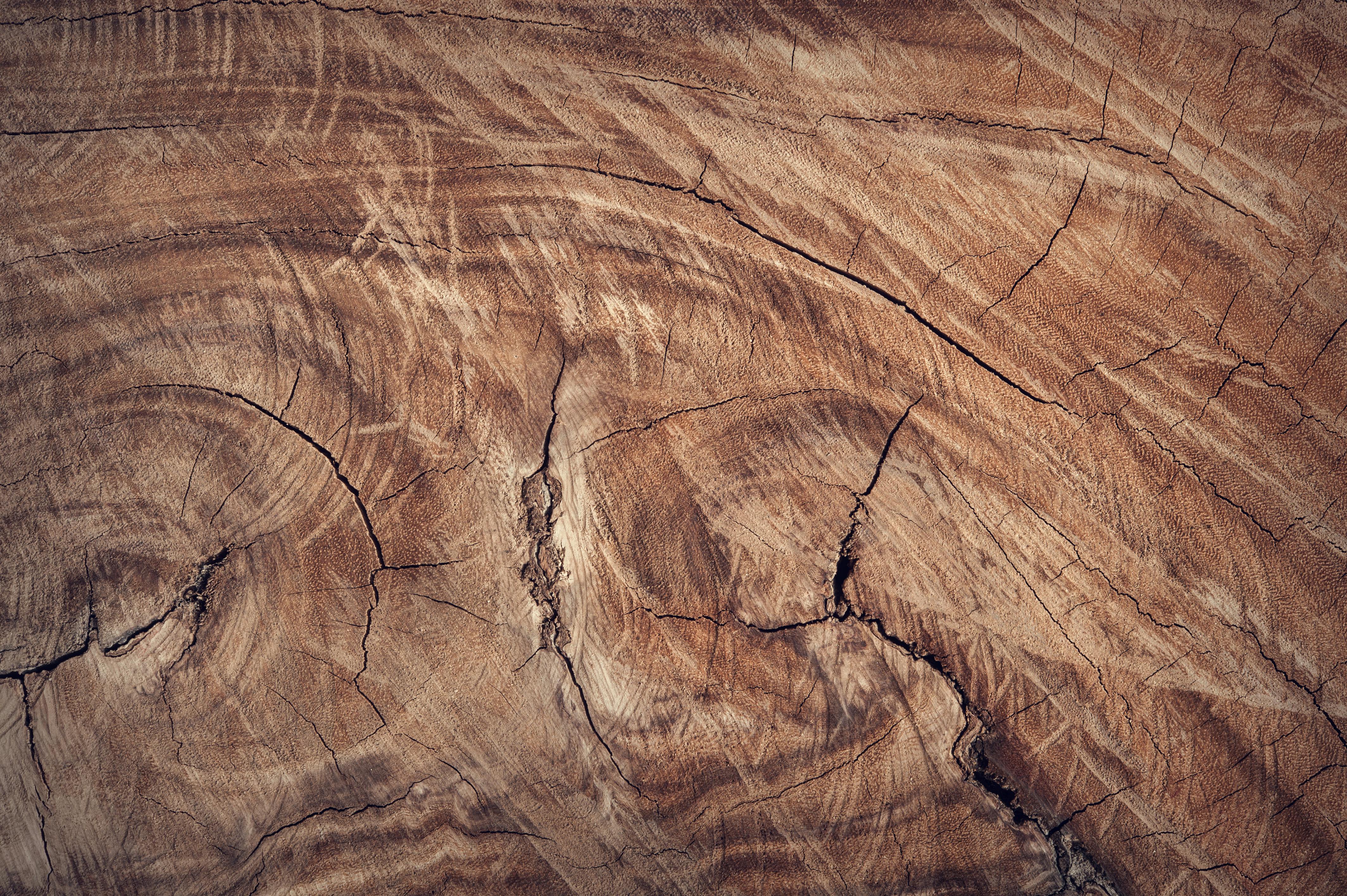
- Growth rings, knots, and grain patterns make each piece of wood visually unique.
- These features help identify wood species and add natural beauty to furniture and design.
- Wavy oak grain or straight maple lines enhance visual appeal in projects.
16.2. Wood and Climate Adaptation
- Wood insulates well in cold regions—helps retain warmth.
- In hot climates, it balances indoor humidity and stays cool.
- Choose wood species based on environmental conditions for long-term performance.
16.3. Customization with Wood
- CNC machines and laser cutting allow for precise and intricate wood designs.
- Ideal for detailed carvings, textures, and unique architectural elements.
- Custom finishes like staining or oiling enhance appearance and durability.
16.4. Wood in Adaptive Reuse
- Reclaimed wood from old buildings adds history and character.
- Reduces waste and supports sustainable building practices.
- Perfect for blending vintage charm with modern design.
16.5. The Science of Wood Aging
- Wood naturally darkens, wears, or develops patina over time.
- Proper maintenance slows aging and preserves appearance.
- Designers can use aging to create intentional visual depth and texture.
16.6. Wood and Human Health
- Natural wood improves indoor air quality—many species are hypoallergenic.
- Doesn’t release harmful chemicals like some synthetics.
- Contributes to a calming, health-supportive indoor environment.
Related
- Wood:
- High Density Fiberboard (HDF): 2025 Comprehensive Free Course
- High Density Fiberboard Prices: Understanding HDF Prices
- HDF Board 18mm Pricing Guide: USA, Canada, UK, Australia, and More
- Medium Density Fibreboard (MDF): Benefits, Costs, and Applications
- MDF Board Sizes and Prices: What You Need to Know
- Low Density Fiberboard (LDF): Everything You Need to Know
- Softwoods: What is Softwood? Characteristics and Examples
- Main Types of Softwoods: Differences, Benefits, and Applications
- Engineered Wood: What is Engineered Wood?: The basics of engineered wood, its composition, and why it's a popular choice in modern design.
- High Density Fiberboard (HDF): 2025 Comprehensive Free Course
- Specialty Wood Categories
- 8x4 Board: Sizes, Materials, and Applications
- 19 mm 8x4 Boards: Prices and Buying Tips
- 8x4 Board: Sizes, Materials, and Applications
FAQs
Wood is a versatile and essential material used in various applications, from construction to fine furniture making.
Below, we address common questions about wood, covering definitions, types, practical considerations, and more.
Each section provides detailed answers to enhance your understanding.
Definitions and Characteristics of Wood:
What is the definition of wood? Wood is a natural material obtained from the stems and branches of trees and shrubs. It is composed of cellulose fibers embedded in a matrix of lignin, which provides structural support.
What is the synonym for wood? Common synonyms for wood include timber, lumber, and timber.
What is wood made of? Wood is primarily made up of cellulose, hemicellulose, and lignin. Cellulose provides strength, hemicellulose contributes to flexibility, and lignin gives rigidity and resistance to decay.
What are some names for wood? Some common names for wood include oak, maple, pine, cherry, and walnut. Each name often refers to a specific species or type of wood.
What is the scientific name for wood? Wood does not have a single scientific name, as it refers to the material derived from various trees. Each species of tree has its own scientific name (e.g., Quercus for oak, Pinus for pine).
What word describes wood? Descriptive words for wood include fibrous, grainy, and porous.
What is the old word for wood? An old word for wood is "timber," which historically referred to large, structurally significant pieces of wood.
What is the ancient word for wood? In ancient languages, wood was referred to as "xylon" in Greek and "lignum" in Latin.
What is the medieval word for wood? During medieval times, the term "wood" was commonly used, but "timber" was also prevalent for larger or more processed wood materials.
Types and Qualities of Wood:
What is the best wood to buy for furniture? Hardwoods such as oak, maple, and cherry are often considered the best for furniture due to their durability, workability, and appearance.
What is the prettiest wood? The prettiest wood can be subjective, but many find the rich colors and patterns of walnut, cherry, and ebony particularly attractive.
What is the rarest type of wood? The rarest types of wood include African Blackwood and Sandalwood, both of which are highly sought after and difficult to find.
What is the strongest wood? The strongest wood in terms of hardness and load-bearing capacity is often considered to be Australian Buloke or Lignum Vitae.
What wood is hard but light? Balsa wood is known for being both very light and surprisingly strong for its weight.
What wood is the weakest? Balsa wood is also considered one of the weakest in terms of structural strength.
What is the hardest wood on Earth? Lignum Vitae is often cited as one of the hardest woods in the world.
What is the softest wood? The softest wood is usually Balsa, which is very lightweight and easy to carve.
What is the most expensive wood? The most expensive wood is typically African Blackwood or Sandalwood, with high prices due to their rarity and desirable qualities.
Which wood is more valuable than gold? Some rare woods like the Heart of Palm and certain species of Ebony can be more valuable than gold per weight due to their rarity and demand.
What is vintage wood called? Vintage wood often refers to reclaimed or antique wood, which can be highly valued for its age and historical significance.
What is very old wood called? Very old wood might be referred to as antique wood or reclaimed wood.
What is super old wood called? Super old wood, often found in archaeological contexts, might be termed ancient wood or petrified wood if it has fossilized.
What wood is the most precious? The most precious wood can vary, but species like African Blackwood and Sandalwood are often considered among the most valuable.
Wood in Construction and Design:
What is the best wood for furniture making? Hardwoods such as oak, maple, and cherry are excellent choices for furniture making due to their durability and aesthetic appeal.
What is the best wood for beginners in woodworking? Pine is often recommended for beginners due to its softness, ease of working, and affordability.
What wood doesn't rot in water? Teak and Cedar are known for their resistance to rot, making them suitable for environments exposed to moisture.
How do you permanently waterproof wood? To permanently waterproof wood, you can use sealants or finishes specifically designed for wood, such as polyurethane or marine varnish.
What is the best wood for building durable structures? Hardwoods like Oak and tropical hardwoods like Mahogany are often used for their strength and durability in construction.
What wood is used for architectural applications? For architectural applications, woods like Oak, Mahogany, and Walnut are used due to their stability and appearance.
What is the best wood for outdoor furniture? Teak and Cedar are highly recommended for outdoor furniture because of their natural resistance to weathering and pests.
Practical Considerations:
What is a cheap but strong wood? Pine is a cost-effective wood that offers a good balance of strength and affordability.
What is a thick piece of wood called? A thick piece of wood is often referred to as a timber or beam, depending on its use and context.
What makes a wood a wood? Wood is characterized by its cellular structure, which includes cellulose fibers and lignin, giving it strength and flexibility.
What are poetic words for wood? Poetic words for wood include timber, lumber, and the more evocative "forest treasure" or "nature's canvas."
What is a descriptive word for wooden? Descriptive words for wooden include grainy, textured, and rugged.
Special Types of Wood:
What is snake wood? Snake wood is a rare and highly prized wood known for its unique, serpentine grain pattern. It comes from the species *Brosimum guianense*.
What wood is okay to get wet? Woods like Teak and Cedar are suitable for exposure to moisture without significant damage.
Is snake wood toxic? Snake wood is not typically known to be toxic, but it's always advisable to use protective measures when handling unfamiliar woods.
Why is snake wood so expensive? Snake wood's high price is due to its rarity, unique appearance, and difficulty in sourcing.
What is the spiritual element of wood? Spiritually, wood is often associated with growth, stability, and endurance. It is a symbol of life and renewal in many cultures.
Historical and Cultural Aspects:
What is the historical significance of wood in construction? Wood has been a fundamental material in construction for thousands of years, used for everything from early shelters to intricate architectural designs.
What are traditional uses of wood in different cultures? Traditional uses of wood vary widely, including crafting tools, building homes, creating art, and in spiritual rituals.
What types of wood were used in ancient structures? Ancient structures often used durable woods like Cedar, Oak, and Pine, depending on regional availability and construction needs.
What is the cultural symbolism of wood? In many cultures, wood symbolizes strength, growth, and life. It is often used in rituals and ceremonies to represent continuity and stability.
Woodworking and Crafting:
What is the most common wood used in woodworking? Pine is commonly used in woodworking for its ease of use and affordability.
What are some tips for woodworking beginners? Beginners should start with softer woods like Pine, use sharp tools, and practice proper safety techniques.
What wood is easiest to carve? Basswood is known for being easy to carve due to its softness and fine grain.
What is the hardest wood to work with? Woods like Ebony and Lignum Vitae can be challenging to work with due to their density and hardness.
What are some woodcraft techniques? Common woodcraft techniques include carving, turning, inlaying, and joinery.
Environmental and Sustainability Considerations:
What is sustainable wood? Sustainable wood comes from forests that are managed responsibly to ensure that they are replenished and that ecological balance is maintained.
How can you tell if wood is sustainably sourced? Look for certifications from organizations like the Forest Stewardship Council (FSC) that indicate the wood was harvested sustainably.
What are the benefits of using reclaimed wood? Reclaimed wood reduces the demand for new timber, conserves resources, and often has unique character and history.
Resources
1. USDA Forest Service – Wood Handbook
Comprehensive engineering guide covering wood properties, grading, design, preservation, and more.
PDF → "Wood Handbook: Wood as an Engineering Material"
https://www.fpl.fs.usda.gov/documnts/fplgtr/fpl_gtr190.pdf
2. HUD & U.S. Department of Housing – Wood Framing Design
Official guidelines on light‑frame wood structural systems, connections, and framing codes.
PDF → "Design of Wood Framing"
https://www.huduser.gov/publications/pdf/res2000_3.pdf
3. American Wood Council – Residential Deck Construction Guide
Prescriptive, code-aligned recommendations for safe wood deck design and materials.
PDF → "Prescriptive Residential Wood Deck Construction Guide"
https://villageofwarwickny.gov/wp-content/uploads/2018/01/AWC-DCA62012-DeckGuide-1405.pdf
4. OSHA – Woodworking Safety Standards
Official safety rules for woodworkers, covering machine hazards, dust control, PPE, and best practices.
Web → "OSHA Woodworking eTool & Hazards & Solutions"
https://www.osha.gov/woodworking
&
https://www.osha.gov/woodworking/hazards-solutions
5. USDA Forest Products Lab – Pressure-Treated Wood Guidelines
Government-backed resource outlining selection, usage, and safety of treated lumber in construction.
PDF → "Guidelines for Selection and Use of Pressure‑Treated Wood"
https://www.fpl.fs.usda.gov/documnts/fplgtr/fpl_gtr275.pdf