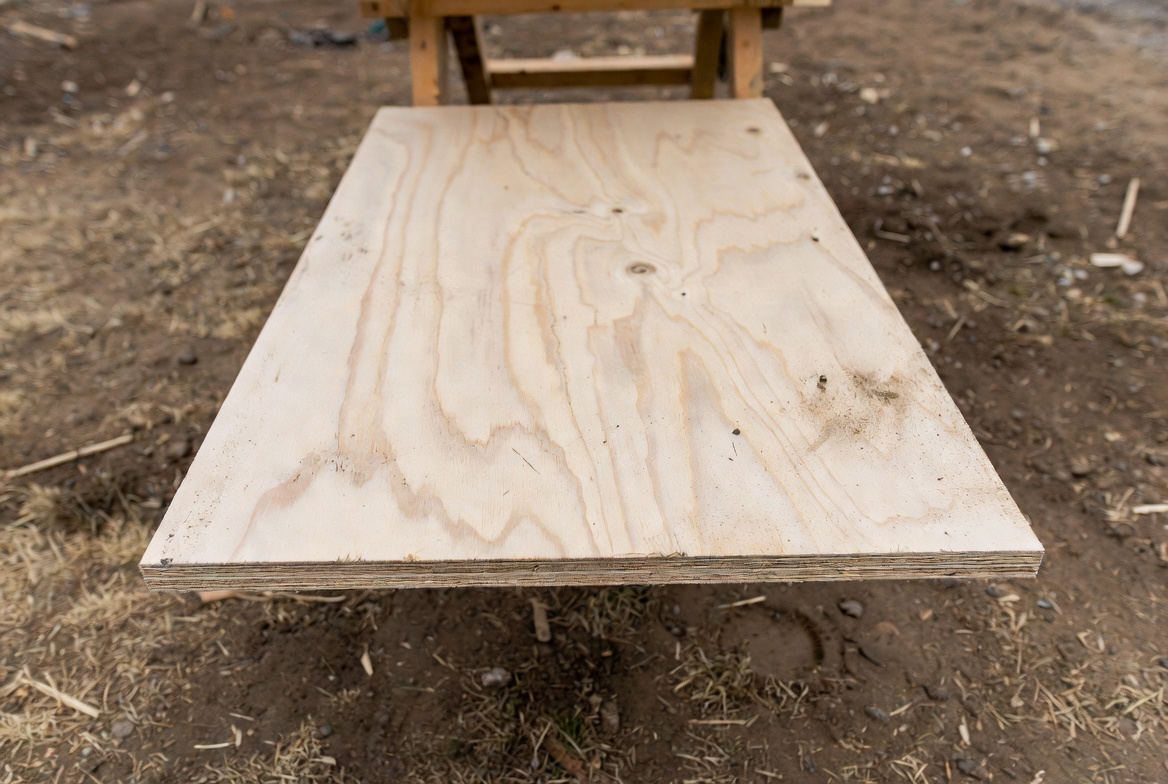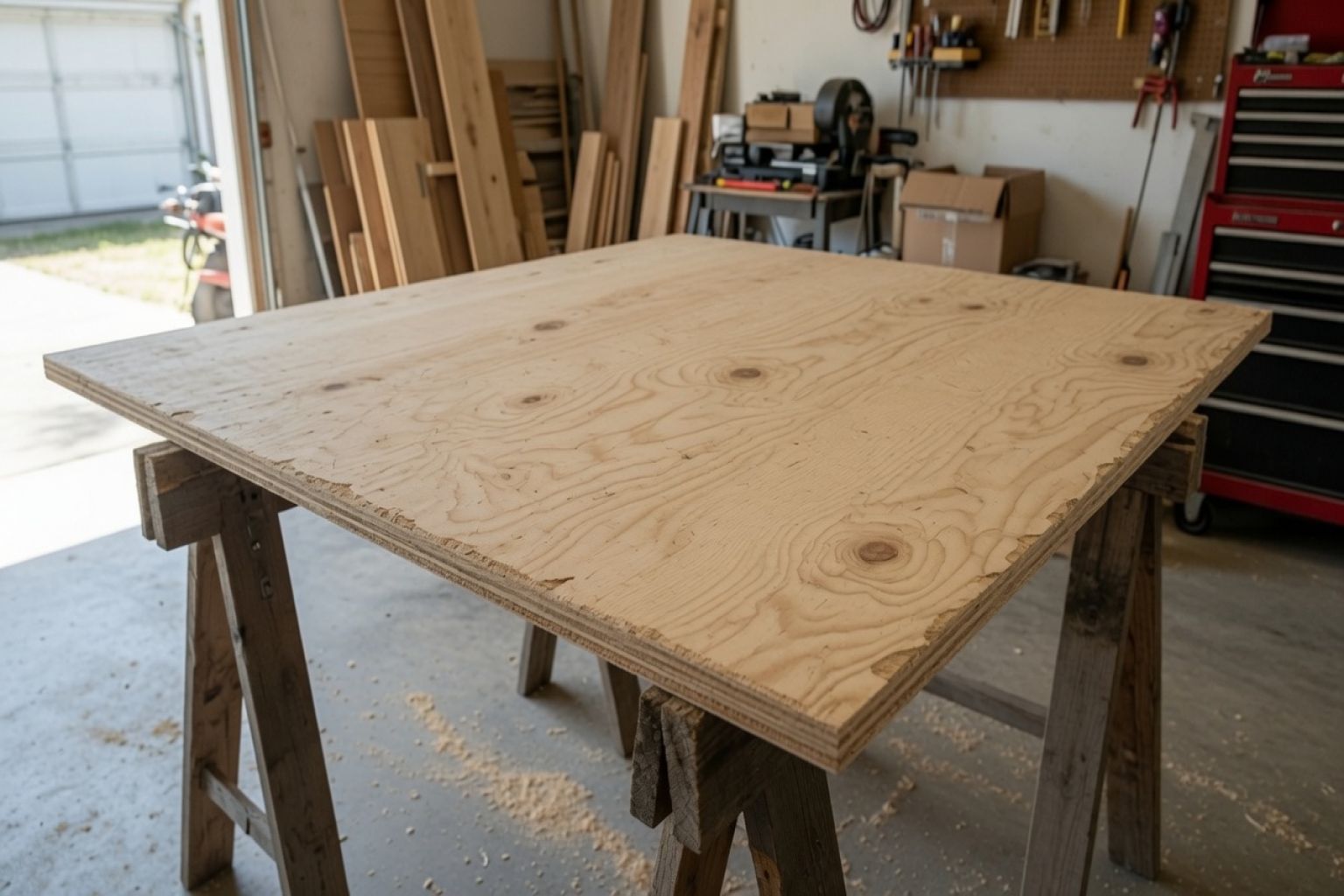
8x4 Board: Pricing and Features You Need to Know
Quick Overview
- Types of 8x4 Boards:
- Common materials include MDF, plywood, particleboard, and chipboard.
- Sizes typically range in thickness from 6mm to 25mm.
- Price Range:
- Prices vary depending on material and thickness, generally ranging from $10 to $100 per sheet.
- Applications:
- Used in furniture making, cabinetry, construction, and DIY projects.
The Essential 8x4 Board
During my early days as a carpenter, one of my first big projects involved building a set of custom bookshelves. I quickly learned that choosing the right board size and material was crucial. The 8x4 board, with its versatile dimensions and various material options, became my go-to for many projects. Whether you're constructing furniture or working on a renovation, understanding the different sizes, materials, and prices of 8x4 boards can make or break your project.
What is an 8x4 Board?
An 8x4 board refers to a panel that measures 8 feet by 4 feet (approximately 2440mm x 1220mm). These boards come in a range of materials and thicknesses, making them suitable for a variety of applications.
Common Materials
- MDF (Medium Density Fibreboard):
- MDF is made from wood fibers bonded under heat and pressure. It offers a smooth surface ideal for painting and finishing, commonly used in cabinetry and furniture making.
- Plywood:
- Plywood is made by layering thin wood veneers and bonding them together. It's known for its strength and resistance to warping, making it ideal for structural applications.
- Particleboard:
- Composed of wood particles bonded with adhesive, particleboard is a more affordable option but less durable than MDF or plywood. It's often used in budget-conscious projects.
- Chipboard:
- Similar to particleboard but with larger wood chips, chipboard is often used in flooring and structural applications where a smooth finish isn’t necessary.
Common Thicknesses
- 6mm: Lightweight and flexible, often used for backing panels or lightweight structures.
- 12mm: A mid-range thickness suitable for furniture and light construction.
- 18mm: A popular choice for furniture making, offering a good balance of strength and ease of use.
- 25mm: The thickest option, ideal for heavy-duty applications requiring maximum strength and stability.
Tip:
An 8x4 board refers to the dimensions of the board (8 feet by 4 feet) and can be made from various materials like wood, melamine, or other substrates. It could be a dry erase board, a bulletin board, or even a melamine board, depending on its intended use and surface type.
A dry erase board specifically refers to a writable surface, typically white and smooth, designed to be written on with dry erase markers and easily wiped clean.
So, while an 8x4 dry erase board is a type of 8x4 board, not all 8x4 boards are dry erase boards—they could be bulletin boards, blackboards, or other types depending on the material and use.
Price Overview of 8x4 Boards
The price of an 8x4 board varies significantly based on the material and thickness. Below is a general guide to pricing:
By Material
- MDF: $20 to $60 per sheet
- Plywood: $30 to $80 per sheet
- Particleboard: $15 to $45 per sheet
- Chipboard: $10 to $40 per sheet
By Thickness
- 6mm: $10 to $25 per sheet
- 12mm: $15 to $35 per sheet
- 18mm: $25 to $50 per sheet
- 25mm: $40 to $100 per sheet
Factors Influencing the Price
- Material Type: MDF and plywood are typically more expensive due to their durability and versatility. Particleboard and chipboard are cheaper alternatives but come with limitations in strength and finish.
- Thickness: Thicker boards are more expensive due to the increased material used and the additional weight, which can affect shipping costs.
- Quality and Grade: Higher-grade boards, like A-grade plywood, are more expensive but offer a smoother surface free from defects, making them ideal for visible applications.
- Supplier and Location: Prices can vary depending on where you purchase the boards. Large home improvement stores like Home Depot may offer competitive pricing, while specialized suppliers may charge more for premium products.
- Customization Services: Some suppliers offer cutting and finishing services, which can add to the overall cost of the board but save time and reduce waste.
Applications of 8x4 Boards
8x4 boards are incredibly versatile and can be used in a variety of applications. The choice of material and thickness will depend on the specific requirements of your project.
Furniture Making
One of the most rewarding projects I’ve worked on was building custom cabinetry for a kitchen renovation. Using 18mm MDF 8x4 boards, I was able to create a smooth, durable surface that was perfect for painting. The client was thrilled with the result, and I learned just how essential the right material can be for the final finish.
- Cabinets and Shelving: 18mm or 25mm MDF or plywood boards are ideal for constructing strong, durable shelves and cabinets that won’t sag under weight.
- Tabletops: Thicker boards like 25mm plywood are perfect for tabletops, providing a sturdy, long-lasting surface.
Cabinetry and Joinery
"During a recent commercial project, I used 12mm plywood for the office cabinetry. The material’s strength ensured that the cabinets would withstand heavy use, and the smooth surface allowed for a high-quality finish."
- Kitchen Cabinets: 18mm plywood or MDF is typically used for kitchen cabinets due to its balance of durability and workability.
- Doors and Drawers: 12mm or 18mm boards are commonly used for cabinet doors and drawers, providing a sturdy, lightweight option that can be easily finished.
Construction and Subflooring
"In a large-scale home renovation, we relied on 18mm plywood for the subflooring. The board’s thickness provided a solid foundation that supported the new flooring without any issues."
- Subfloors: 18mm or 25mm plywood is ideal for subflooring, providing the necessary strength to support heavy loads.
- Wall Sheathing: 12mm plywood or OSB can be used for wall sheathing, offering protection and structural support.
DIY Projects
For DIY enthusiasts like myself, 8x4 boards are a staple. Their size and versatility make them suitable for a wide range of home improvement projects, from custom furniture to wall paneling.
- Custom Shelving: Use 18mm MDF or plywood to create sturdy, custom shelves that fit your space perfectly.
- Built-In Furniture: 12mm or 18mm boards are great for creating built-in furniture, such as window seats or entertainment centers.
Comparing 8x4 Boards with Other Common Board Types
When it comes to choosing the right board for your project, understanding the differences between 8x4 boards and other common types can help you make an informed decision. Let’s take a closer look at how 8x4 boards compare with other options like smaller boards, pre-cut panels, and non-wood alternatives.
1. 8x4 Boards vs. 4x4 Boards
- Size and Coverage: An 8x4 board covers twice the area of a 4x4 board, making it more efficient for larger projects. For example, if you’re building a large piece of furniture or covering a wall, an 8x4 board reduces the number of seams and joints, leading to a cleaner finish.
- Cost Efficiency: While 4x4 boards are easier to handle, 8x4 boards generally offer better value per square foot. This makes them a cost-effective choice for bulk projects where large sheets can be cut down to size as needed.
- Applications: 4x4 boards might be better suited for smaller DIY projects or when you need to transport materials in a compact vehicle. However, 8x4 boards are ideal for construction, cabinetry, and other large-scale projects.
2. 8x4 Boards vs. Pre-Cut Panels
- Customization: 8x4 boards offer greater flexibility compared to pre-cut panels, which are typically designed for specific applications (e.g., cabinet doors, shelves). With 8x4 boards, you can cut and shape the material to fit your exact needs, making them more versatile.
- Ease of Use: Pre-cut panels save time and effort, as they come ready to install. However, this convenience comes at the cost of customization. If your project requires specific dimensions or unique designs, 8x4 boards give you more control.
- Cost Comparison: Pre-cut panels can be more expensive per square foot due to the additional processing. If you have the tools and skills to cut the material yourself, 8x4 boards can be a more economical choice.
3. 8x4 Boards vs. Non-Wood Alternatives (e.g., Metal Sheets, Plastic Panels)
- Material Properties: Metal sheets and plastic panels offer different properties compared to wood-based 8x4 boards. Metal is stronger and more durable, making it ideal for structural applications, but it’s also heavier and harder to work with. Plastic panels are lightweight and resistant to moisture but lack the strength and rigidity of wood.
- Environmental Impact: Wood-based 8x4 boards, particularly those made from sustainably sourced materials like FSC-certified plywood, have a lower environmental impact compared to plastic or metal alternatives. They are also easier to recycle or repurpose.
- Aesthetic Flexibility: Wood offers a natural, warm aesthetic that’s hard to replicate with metal or plastic. While metal and plastic can be used for modern, industrial designs, wood-based boards provide more versatility in terms of finishes, including paint, stain, and veneer.
DIY Projects You Can Tackle with 8x4 Boards
8x4 boards are a DIY enthusiast's dream due to their versatility and ease of use. Whether you’re a seasoned DIYer or just starting out, here’s a list of creative projects you can tackle with these boards, complete with descriptions to help you get started.
1. Custom Bookshelves
One of the first DIY projects I ever completed was a set of custom bookshelves for my home office. Using 18mm MDF boards, I was able to create sturdy, spacious shelves that perfectly fit my space and storage needs.
- How to Do It: Cut the 8x4 MDF board into the desired dimensions for your shelves and sides. Sand the edges, assemble the pieces using wood glue and screws, and finish with paint or stain. Add adjustable shelf brackets for versatility.
2. Home Office Desk
"During the pandemic, I needed a larger workspace to accommodate my home office setup. Using 25mm plywood, I built a custom desk that provided ample space for my computer, paperwork, and other essentials."
- How to Do It: Cut the 8x4 board to the desired desk size. Use the remaining material to create sturdy legs or pair the top with metal legs for a modern look. Sand and finish the surface for a smooth, professional appearance.
3. Sliding Barn Door
"A client once requested a sliding barn door for their home’s rustic-themed interior. Using an 8x4 plywood board, I crafted a door that became the centerpiece of their living space."
- How to Do It: Cut the 8x4 board to the height of your doorway. Add horizontal or diagonal bracing for stability and style. Sand, stain, and seal the wood. Install a sliding door track and hang the door using the appropriate hardware.
4. Outdoor Planters
For a recent landscaping project, I created large outdoor planters using 18mm plywood. These planters not only provided a home for my client’s new garden but also added a stylish, modern touch to their backyard.
- How to Do It: Cut the board into panels for the sides and bottom of the planter. Assemble the panels using waterproof glue and screws. Seal the wood with an outdoor varnish to protect against the elements. Fill the planter with soil and your choice of plants.
5. Decorative Wall Paneling
Wall paneling can dramatically transform a room, adding depth and texture. Using 12mm MDF boards, I created decorative wall panels for a client’s dining room, giving it a luxurious, finished look.
- How to Do It: Cut the board into strips or panels and arrange them on the wall in your desired pattern. Attach the panels using construction adhesive or nails. Fill any gaps with wood filler, sand, and paint for a seamless finish.
6. Murphy Bed
Space-saving furniture is always in demand, and building a Murphy bed using 8x4 boards was one of the most challenging yet rewarding projects I’ve undertaken. The bed folds up into the wall during the day, providing extra floor space.
- How to Do It: Build the bed frame and cabinet using 18mm plywood. Install a spring or piston lift system to allow the bed to fold up easily. Secure the bed frame to the wall, ensuring it’s strong enough to support the weight.
Buying 8x4 Boards: Tips for Builders and Enthusiasts
Local Sourcing and Availability
I’ve always found that sourcing materials locally offers several benefits. During a custom bookshelf project, I purchased 18mm MDF from a nearby lumberyard. Not only was the quality excellent, but I also received it quickly, which helped keep the project on schedule.
United States:
- Home Depot and Lowe’s are reliable sources for a wide range of 8x4 boards, offering competitive prices and convenient locations.
Canada:
- Rona and Home Hardware provide good options, especially for those in more remote areas.
UK:
- B&Q and Wickes offer a variety of boards with both in-store and online purchasing options.
Australia:
- Bunnings is a top choice known for its extensive selection and reasonable prices.
Benefits of Buying Locally
- Supporting Local Businesses: Building relationships with local suppliers can lead to better service and potential discounts.
- Quicker Delivery: Local sourcing often means faster delivery, which is crucial when working on tight deadlines.
- Customization: Local suppliers may offer cutting and finishing services, helping you get the exact size and finish you need.
Sustainability Considerations
In recent years, I’ve shifted towards more sustainable building practices. For a recent project, I opted for FSC-certified plywood, which not only ensured responsible sourcing but also met the client’s requirements for eco-friendly materials.
- Sustainably Sourced Wood: Look for FSC certification to ensure responsible sourcing practices.
- Low-VOC Options: Choose low-VOC boards for indoor projects to maintain a healthy indoor environment.
For Business Owners: Wholesale and Bulk Purchasing
When managing a business, buying in bulk can significantly reduce costs. However, it’s important to approach bulk purchasing strategically to maximize benefits.
Wholesale and Bulk Buying Strategies
During a large commercial build, I decided to source all the 8x4 boards in bulk. The cost savings were substantial, and the consistency of the materials helped maintain high standards across the project.
- Volume Discounts: Many suppliers offer discounts for bulk purchases, which can significantly lower your overall costs.
- Reliable Suppliers: Establishing a relationship with a reliable supplier is key to ensuring consistent quality and availability.
- Storage Considerations: Ensure you have adequate storage space for bulk purchases to prevent warping or damage.
Importing vs. Local Sourcing
While importing can sometimes offer lower prices, I often find that the benefits of local sourcing—like quicker delivery and better quality control—outweigh the potential savings from importing.
- When to Import: Importing materials might be advantageous if you’re looking for specialized boards that aren’t readily available locally.
- When to Buy Locally: Local sourcing is generally more reliable and faster, especially for large projects with tight deadlines.
Top Suppliers and Distributors
- United States: Uline and McMaster-Carr are top suppliers for bulk orders, known for their wide selection and reliable delivery.
- UK: Travis Perkins and Jewson offer a comprehensive range of building materials, ideal for both small and large projects.
- India: CenturyPly and Greenply are leading suppliers, known for their high-quality MDF and plywood products.
Sustainability in Bulk Purchasing
Committing to sustainable practices in my business has been one of the most rewarding decisions I’ve made. Choosing FSC-certified wood products for bulk purchases not only aligns with our values but also appeals to eco-conscious clients.
- Certifications: Look for FSC certification to ensure your materials are responsibly sourced.
- Eco-Friendly Practices: Opt for suppliers that use renewable energy in production and offer low-VOC options.
Innovative Uses for 8x4 Boards: Beyond the Ordinary
While 8x4 boards are commonly associated with furniture making, cabinetry, and construction, their potential extends far beyond these traditional applications. In this section, we’ll explore some lesser-known, innovative uses of 8x4 boards that can inspire you to think outside the box and utilize these versatile materials in creative, unconventional ways.
1. Acoustic Paneling for Home Studios
During the pandemic, I converted a spare room into a home studio. I needed to soundproof the room but didn’t want to spend a fortune on commercial acoustic panels. That’s when I realized I could use 8x4 MDF boards to create custom acoustic panels. By adding a layer of acoustic foam and fabric, I was able to build effective and aesthetically pleasing panels that significantly improved the sound quality in my studio.
- Why It Works: MDF's dense composition makes it an excellent material for dampening sound. Combined with acoustic foam, it can help reduce noise and improve sound clarity in recording spaces or home theaters.
- How to Do It: Cut the 8x4 MDF boards into smaller panels that fit your space. Cover each panel with acoustic foam and wrap it in fabric of your choice. Mount the panels on the walls to create a professional-looking, soundproofed room.
2. DIY Smart Furniture with Hidden Compartments
One of my clients wanted a minimalist living room with hidden storage solutions. Using 8x4 boards, I was able to craft custom furniture pieces with secret compartments. From a coffee table with a lift-top revealing storage underneath to a bookshelf with a hidden drawer, the possibilities were endless.
- Why It Works: The size and thickness of 8x4 boards provide the perfect foundation for creating furniture with integrated storage spaces. MDF and plywood are easy to cut and shape, making it simple to add hidden compartments.
- How to Do It: Design your furniture pieces with storage in mind. For example, build a bench with a hollow interior and a hinged seat, or construct a headboard with secret shelves. The key is to ensure the exterior design doesn’t give away the hidden features.
3. Artistic Wall Installations
I was commissioned by a local art gallery to create a unique wall installation. Using 8x4 plywood boards, I crafted a series of interlocking geometric shapes that spanned an entire wall. The natural wood grain added texture and warmth to the otherwise sterile space, transforming the gallery into a more inviting environment.
- Why It Works: Plywood and MDF boards can be easily cut into various shapes and sizes, allowing for endless creative possibilities. The large surface area of an 8x4 board is ideal for creating statement pieces that can cover significant portions of a wall.
- How to Do It: Sketch out your design and use a jigsaw to cut the boards into the desired shapes. Sand the edges for a smooth finish and consider staining or painting the pieces for added visual impact. Arrange the shapes on the wall in a pattern or random layout to create a dynamic installation.
4. Vertical Gardens and Living Walls
In urban environments where outdoor space is limited, creating a vertical garden using 8x4 boards can be a game-changer. I recently built a living wall in a small apartment using 18mm plywood boards as the base. By attaching planters and a drip irrigation system, I transformed a bare wall into a lush, green oasis.
- Why It Works: The strength and durability of 8x4 boards make them an excellent foundation for supporting the weight of soil, plants, and water. Plywood is particularly suitable for outdoor use, especially if treated for weather resistance.
- How to Do It: Attach small planters or pockets to the board, leaving enough space for plant growth. Install a simple irrigation system to keep the plants watered without the need for constant maintenance. Mount the board on a sturdy wall, ensuring it can support the weight of the fully planted vertical garden.
5. Interactive Children’s Play Areas
As a father, I wanted to create a custom play area for my kids that would be both fun and educational. Using 8x4 MDF boards, I built an interactive wall with various elements like chalkboards, magnetic boards, and pegboards. The kids love it, and it keeps them engaged for hours.
- Why It Works: MDF is smooth and easy to work with, making it perfect for crafting a safe, interactive play area. You can easily attach different elements to the board, creating a multi-functional space that fosters creativity and learning.
- How to Do It: Divide the board into sections, each with a different function. For example, paint one section with chalkboard paint, attach magnets to another, and install pegs for hanging toys or art supplies. Mount the board at a height that’s accessible to children and ensure all edges are smooth to prevent injuries.
Conclusion: The Full Potential of 8x4 Boards
From innovative design projects to everyday DIY tasks, 8x4 boards offer endless possibilities. Whether you’re comparing them to other materials or exploring creative DIY projects, these boards provide a solid foundation for a wide range of applications. By understanding their versatility, cost, and unique properties, you can confidently choose the right board for your next project and take your woodworking or construction skills to new heights.
FAQs
1. Board Dimensions and Size
- What size is an 8x4 board?
- Answer: An 8x4 board measures 8 feet by 4 feet (approximately 2440mm x 1220mm). This is the standard size for many types of boards, including plywood, MDF, and OSB. The dimensions make it versatile for various applications in construction, furniture making, and DIY projects.
- How big is a 4x8 board?
- Answer: A 4x8 board is another way of describing an 8x4 board. The dimensions are the same, 8 feet by 4 feet. It provides a substantial surface area for building and crafting projects.
- What are the actual dimensions of a 4x8 sheet of plywood?
- Answer: While labeled as 4x8, the actual dimensions may be slightly smaller due to manufacturing processes. For instance, a standard 4x8 sheet might measure 47 7/8 inches by 95 7/8 inches, with thickness varying slightly depending on the grade and type of plywood.
- Is an 8 foot board actually 8 feet?
- Answer: Yes, an 8-foot board is typically 8 feet long. However, when it comes to finished lumber, slight variations might occur due to planing or cutting.
- What is the actual width of an 8 board?
- Answer: The "8" in an "8 board" refers to the length in feet (8 feet). The width will depend on the specific type of board, such as 8x4 plywood, which would be 4 feet wide.
2. Weight and Strength of Boards
- What is the weight of an 8x4 board?
- Answer: The weight of an 8x4 board depends on the material and thickness. For example:
- MDF (19mm thickness): Approximately 85 lbs (38.5 kg).
- Plywood (3/4 inch): Approximately 60-70 lbs (27-32 kg).
- OSB (7/16 inch): Approximately 45 lbs (20 kg).
- Answer: The weight of an 8x4 board depends on the material and thickness. For example:
- How much does a 4x8 sheet of 3/4 inch plywood weigh?
- Answer: A 4x8 sheet of 3/4 inch plywood typically weighs around 60-70 lbs (27-32 kg), depending on the type and grade of plywood.
- How much does a 4x8 sheet of OSB weigh?
- Answer: A 4x8 sheet of OSB, typically 7/16 inch thick, weighs around 45 lbs (20 kg).
- How much weight can plywood hold horizontally?
- Answer: The weight that plywood can support horizontally depends on its thickness, span, and type of load. For example, 3/4 inch plywood can support about 50 lbs per square foot when properly supported.
3. Calculation and Measurement of Board Feet
- How do I calculate how many board feet I need?
- Answer: To calculate board feet, use the formula:
. This will give you the board feet for one piece of lumber. Multiply by the number of pieces to get the total.
- Answer: To calculate board feet, use the formula:
- How many board feet are in a 4x8 sheet of plywood?
- Answer: For a standard 4x8 sheet of plywood:
- Formula:
- Example (3/4 inch thickness):
- Formula:
- Answer: For a standard 4x8 sheet of plywood:
- How many square feet are in a 4x8 sheet of plywood?
- Answer: A 4x8 sheet of plywood covers 32 square feet. This is calculated by multiplying the length (8 feet) by the width (4 feet).
- How do I figure out how much wood I need?
- Answer: To figure out the amount of wood needed, calculate the total square footage required and then determine the number of boards or sheets needed based on their dimensions. For example, for sheathing a wall with 4x8 plywood, divide the total square footage of the wall by 32 to determine the number of sheets required.
- How many square feet are in a full sheet of plywood 4x8?
- Answer: A full sheet of 4x8 plywood covers 32 square feet.
4. Material Comparisons and Strength
- Is OSB stronger than plywood?
- Answer: Plywood is generally stronger than OSB in terms of bending strength and shear capacity. However, OSB has better shear strength along the panel length and is often used for subflooring and wall sheathing.
- Is MDF stronger than plywood?
- Answer: MDF is not as strong as plywood. While MDF is dense and has a smooth surface, it lacks the structural strength of plywood, making it less suitable for weight-bearing applications.
- Which is more waterproof, OSB or plywood?
- Answer: Plywood is more water-resistant than OSB. Plywood's multiple layers of veneer resist water penetration better, making it more suitable for exterior applications.
- Which is stronger, OSB or CDX plywood?
- Answer: CDX plywood is generally stronger and more water-resistant than OSB, making it a better choice for subflooring and exterior sheathing.
5. Special Types and Grades of Plywood
- What does CDX plywood mean?
- Answer: CDX plywood is a grade of plywood commonly used in construction. "C" and "D" refer to the grades of the front and back veneers, respectively, with "X" indicating that the plywood is suitable for exterior use, but it is not fully waterproof.
- What is the thickest plywood you can buy?
- Answer: The thickest plywood commonly available is 1 1/4 inches (32mm). However, specialty suppliers may offer thicker sheets for specific applications.
- Is 23/32 the same as 3/4 plywood?
- Answer: Yes, 23/32 inches is nominally equivalent to 3/4 inch plywood. It's a standard thickness used in many construction projects.
6. Sheathing, Roofing, and Installation Techniques
- What thickness of plywood for blocking?
- Answer: For blocking, typically 3/4 inch or 1 inch plywood is used. The thickness depends on the load and the application.
- Do you need OSB under siding?
- Answer: Yes, OSB is commonly used under siding as a structural sheathing material. It provides a stable surface for the siding and adds structural strength to the wall.
- What size plywood do roofers use?
- Answer: Roofers typically use 1/2 inch or 5/8 inch plywood for roof sheathing. The thickness chosen depends on the roof's span and load requirements.
7. DIY Tips and Project Advice
- How to carry a 4x8 sheet of plywood by yourself?
- Answer: To carry a 4x8 sheet of plywood by yourself, stand it on its edge, grip it firmly in the middle, and lift it using your legs to prevent strain on your back. Use a panel carry tool for easier handling.
- How to cut a 4x8 sheet of plywood?
- Answer: To cut a 4x8 sheet of plywood, use a circular saw with a fine-tooth blade for clean cuts. Support the plywood with sawhorses and cut with the good side facing down to reduce splintering.
- How do you quietly cut plywood?
- Answer: To quietly cut plywood, use a fine-tooth blade on a circular saw or a jigsaw, and place the plywood on a foam board to dampen vibrations. Cut slowly to reduce noise.
8. Lumber and Woodworking Terms
- What does bf mean in lumber?
- Answer: "bf" stands for board feet, a unit of measurement for lumber volume. One board foot equals 1 inch thick by 12 inches wide by 12 inches long.
- What does CDX plywood mean?
- Answer: CDX plywood is a type of plywood where "C" and "D" refer to the grades of the front and back faces, and "X" indicates that it is rated for exterior use.
- What are the four types of lumber?
- Answer:
- Softwood Lumber - Comes from coniferous trees like pine, fir, and spruce.
- Hardwood Lumber - Comes from deciduous trees like oak, maple, and walnut.
- Engineered Lumber - Includes products like plywood, MDF, and LVL (Laminated Veneer Lumber).
- Pressure-Treated Lumber - Wood treated with preservatives for increased durability and resistance to decay.
- Answer:
9. Buying and Sourcing Lumber
- What is the cheapest plywood?
- Answer: The cheapest plywood is typically utility-grade or sheathing plywood, such as CDX. It’s often used in rough construction where appearance isn’t important.
- Can you buy plywood bigger than 4x8?
- Answer: Yes, plywood is available in larger sizes such as 5x10 and 4x10. These sizes are useful for minimizing seams in large projects.
- What is the strongest wood for building?
- Answer: For structural purposes, hardwoods like oak and maple are among the strongest. For plywood, marine-grade plywood is considered very strong and durable.
Related Free Courses:
- 8x4 Dry Erase Board: A large dry erase board in the 8x4 size, ideal for classrooms, offices, or home use, providing ample space for writing, presentations, and brainstorming sessions.
- White Board Price 8x4: Information on the pricing of 8x4 whiteboards, focusing on finding the best value for professional, educational, or personal needs.
- 8x4 Bulletin Board: An 8x4 bulletin board used for organizing notices, memos, or photos in offices, schools, or community spaces, offering a practical way to display important information.
- White Melamine Board 8x4: A versatile white melamine board in the 8x4 size, perfect for shelving, cabinetry, or countertops, providing a clean, durable surface for various projects.
- Sundeala Board 8x4: An eco-friendly Sundeala board in the 8x4 size, commonly used for pinboards or notice boards, known for its recycled material composition.
- Post-It Dry Erase Surface 8x4: The Post-It dry erase surface in the 8x4 size can turn any wall or flat surface into a writable, reusable board, perfect for collaborative workspaces.
- Black Melamine Board 8x4: A sleek black melamine board in the 8x4 size, used for modern finishes in furniture, cabinetry, and decorative projects, offering a stylish and durable option.