
Image by ArchitectureCourses.org.
Hardwood only makes sense when it earns the cost.
In the right place, it wears better, repairs better, and holds a cleaner edge and finish than cheaper materials. In the wrong place, it is just more money for no real gain.
This page keeps it simple: what hardwood is, where it works, which species fit which jobs, and when softwood or engineered wood makes more sense.
What Hardwood Really Means
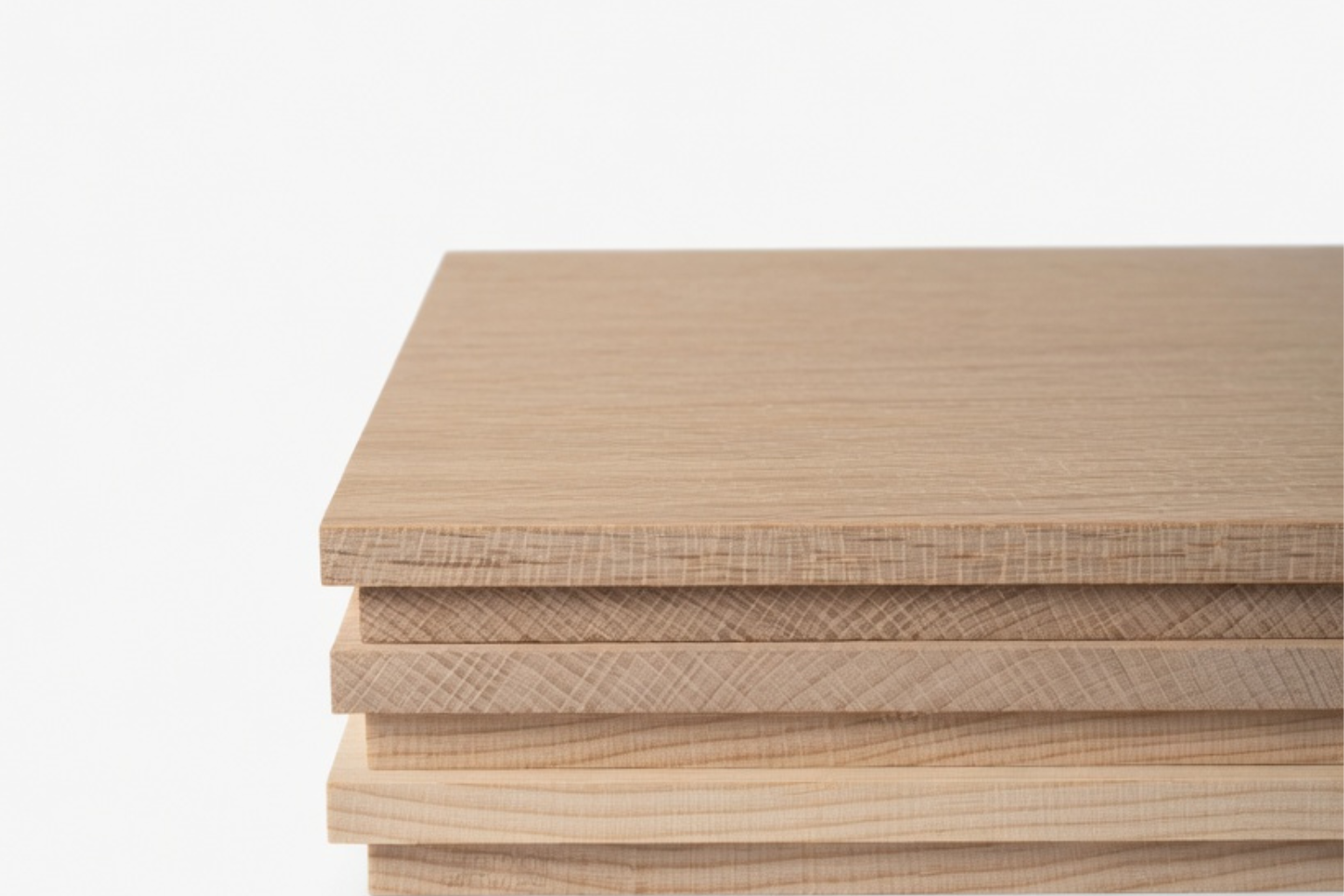
Hardwood comes from deciduous trees, which usually shed their leaves each year. Oak, maple, walnut, cherry, hickory, ash, and mahogany all sit in that group.
That does not mean every hardwood is hard. It also does not mean every softwood is soft. Balsa is a hardwood. Yew is a softwood. The label tells you the tree type first. It does not tell you the full performance story.
What makes hardwood useful in real projects is the mix of density, wear resistance, finish quality, and visual character many of these species offer. That is why hardwood keeps showing up in floors, furniture, stairs, doors, cabinets, and trim.
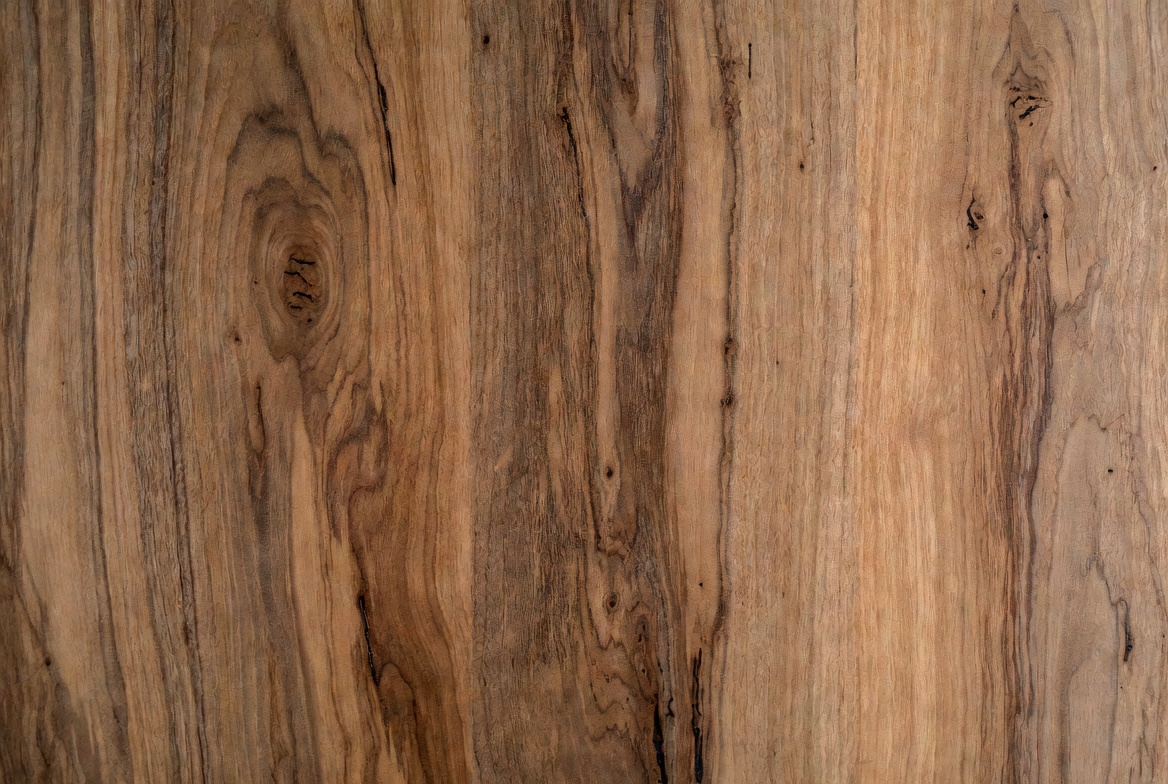
Image by ArchitectureCourses.org.
Why People Still Choose Hardwood
Hardwood keeps getting chosen because it solves a certain kind of problem well. It gives you a stronger visible surface. It usually handles dents and wear better than cheaper options. It often holds a crisp edge better. It can be sanded, repaired, or refinished instead of thrown away.
That matters in places people touch every day. Floors. Tabletops. Cabinet doors. Stair treads. Handrails. Built-ins. Hardwood often costs more up front, but it can hold value much longer.
If you want the more technical side of strength, density, and movement, go next to Physical Properties of Wood or Wood Properties.
Where Hardwood Makes Sense
Floors
Hardwood flooring stays popular for a reason. It wears well, looks better with age than many synthetic floors, and can often be refinished instead of replaced. Species choice matters here. Oak, maple, hickory, and walnut all behave differently under foot traffic.
Furniture
Hardwood earns its keep in tables, chairs, beds, dressers, shelves, and benches because it combines strength with better finish quality. It also handles visible edges better than many sheet goods.
Cabinet Doors and Built-Ins
Hardwood is often the right pick for visible faces, door frames, trim pieces, and exposed details. It is less often the smartest choice for every hidden cabinet part. Wide panels, cabinet boxes, and long spans may be better handled by plywood or engineered products.
Stairs and Trim
Repeated touch and repeated wear expose weak material fast. Hardwood does better on treads, nosings, handrails, and durable trim where dents and crushed edges would show quickly.
Some Outdoor Work
Not every hardwood belongs outside, but some do very well there. White oak, teak, ipe, and a few other dense or naturally durable woods get used for decks, benches, doors, and exterior details. This is where species-specific behavior matters more than the broad hardwood label.
Where Hardwood Does Not Always Make Sense
Hardwood is not the automatic upgrade.
It is often the wrong choice for hidden framing, basic sheathing, low-budget utility work, or any part of a build where the visible finish does not matter. That is where softwood and engineered products usually make more sense.
It can also be the wrong choice where wide-panel stability matters more than visible grain. A plywood cabinet box can outperform a solid hardwood panel in the right situation. An engineered floor can be the safer move over concrete or radiant heat.
Hardwood vs Softwood
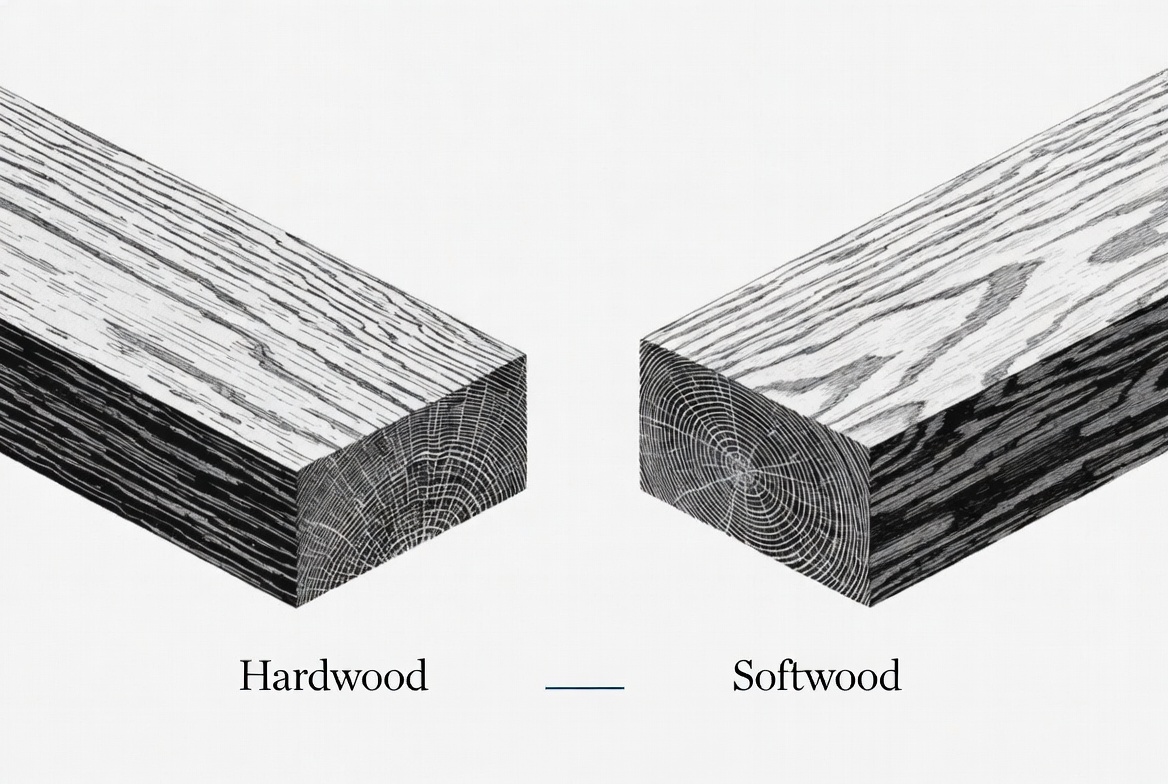
The clean split is this: hardwood usually wins where the visible surface, wear resistance, and finish quality matter more. Softwood usually wins where speed, workability, availability, and lower cost matter more.
That is why hardwood dominates furniture, better flooring, stair parts, and premium millwork, while softwood dominates framing, general construction, and lower-cost utility work.
A painted garage shelf does not need walnut. A dining table probably should not be built like a stud wall.
Hardwood and softwood compared by face grain and end grain. Illustration by ArchitectureCourses.org.
Main Hardwood Species People Keep Coming Back To
Oak
Oak is the workhorse. It is strong, durable, widely available, and useful across floors, cabinetry, furniture, and trim. White oak is usually the better choice where moisture resistance matters. Red oak stays common indoors, but it is less water-resistant.
Also useful: Oak (Quercus spp.).
Maple
Maple is hard, smooth, and clean-looking. It works well for floors, work surfaces, cabinets, and furniture. It fits quieter interiors better than a stronger-grain species like oak, but staining can be less forgiving.
Walnut
Walnut gets chosen for color and finish value more than brute hardness. It is darker, richer, and more formal. It works beautifully in furniture, desks, cabinetry, and feature pieces, but it is softer than some people expect.
Cherry
Cherry brings a warm tone and a smoother grain. It darkens with age and light exposure, which is part of the appeal. It is a strong furniture and cabinetry wood, though not the toughest option for very high-wear surfaces.
Hickory
Hickory is tougher and more impact-resistant than many domestic hardwoods. It works well in flooring and hard-use interiors. The tradeoff is a busier look. Hickory has more visual movement than maple or walnut.
Mahogany
Mahogany is valued for stability, workability, and a refined finish. It can make sense in furniture, paneling, doors, and higher-end millwork where the color and feel justify the cost. If that is the species you are really comparing, read Advantages and Disadvantages of Mahogany Wood.
If you want the species list in one place, go next to Top 20 Hardwood Examples.
Hardwood Flooring
Hardwood flooring stays popular for three plain reasons. It looks better than most substitutes, it lasts longer, and it can often be repaired instead of replaced.
That does not mean every hardwood floor is equal. Species, cut, finish, plank width, subfloor conditions, and moisture control all matter. A badly chosen hardwood floor will still move, scratch, or disappoint.
For most interiors, the strongest flooring choices are the species that balance hardness, finish quality, availability, and maintenance. Oak stays popular because it does that well. Maple gives a cleaner look. Hickory gives more toughness. Walnut gives more depth but needs more care.
If the floor will sit over concrete, over radiant heat, or in a room with more moisture risk, engineered options may be safer than solid hardwood.
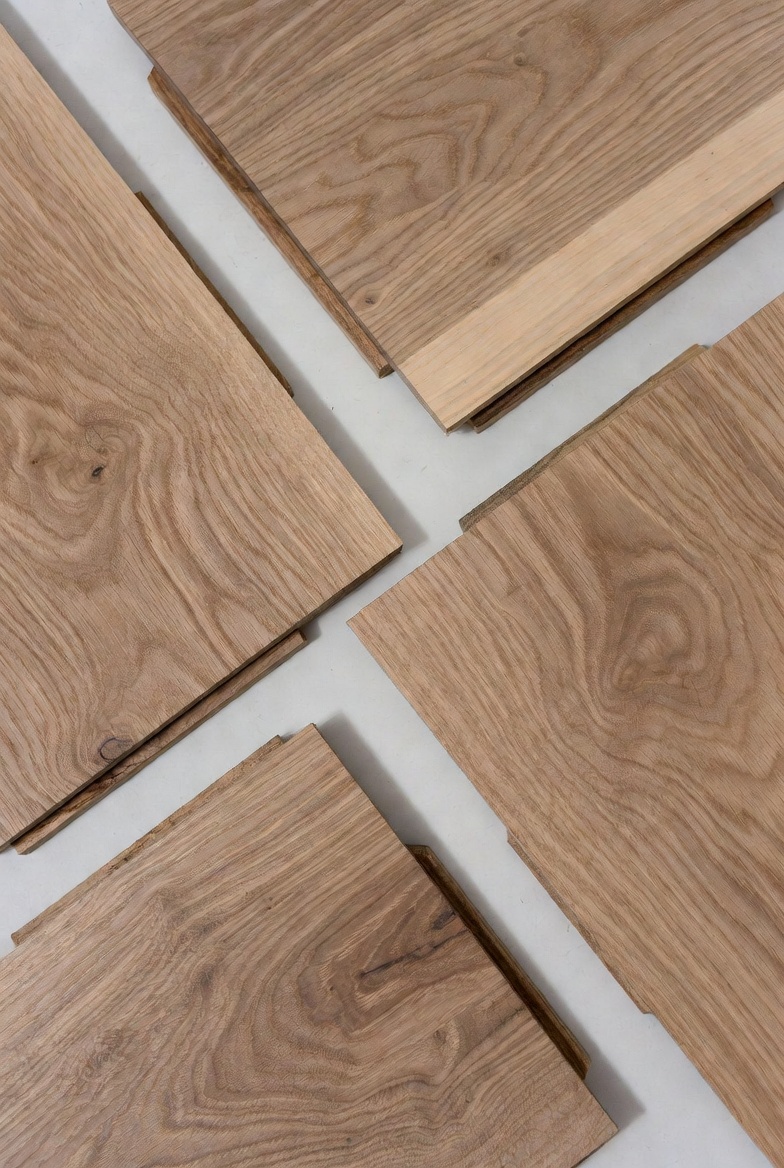
Image by ArchitectureCourses.org.
For installation and floor-layer basics, see How to Install Hardwood Floors, Floor Materials, and Floors.
Hardwood in Furniture, Cabinetry, and Millwork
This is where hardwood often feels most justified. In furniture and joinery, the material is doing visible work. The edge quality matters. The finish matters. The way the piece ages matters.
Oak and maple do well where toughness matters. Walnut and cherry do well where the finish and color matter more. Mahogany sits in the middle as a high-end furniture and millwork wood with strong stability and good workability.
Hardwood also does better than many sheet goods on exposed edges, rail-and-stile parts, legs, trim details, and places where dents would show fast.
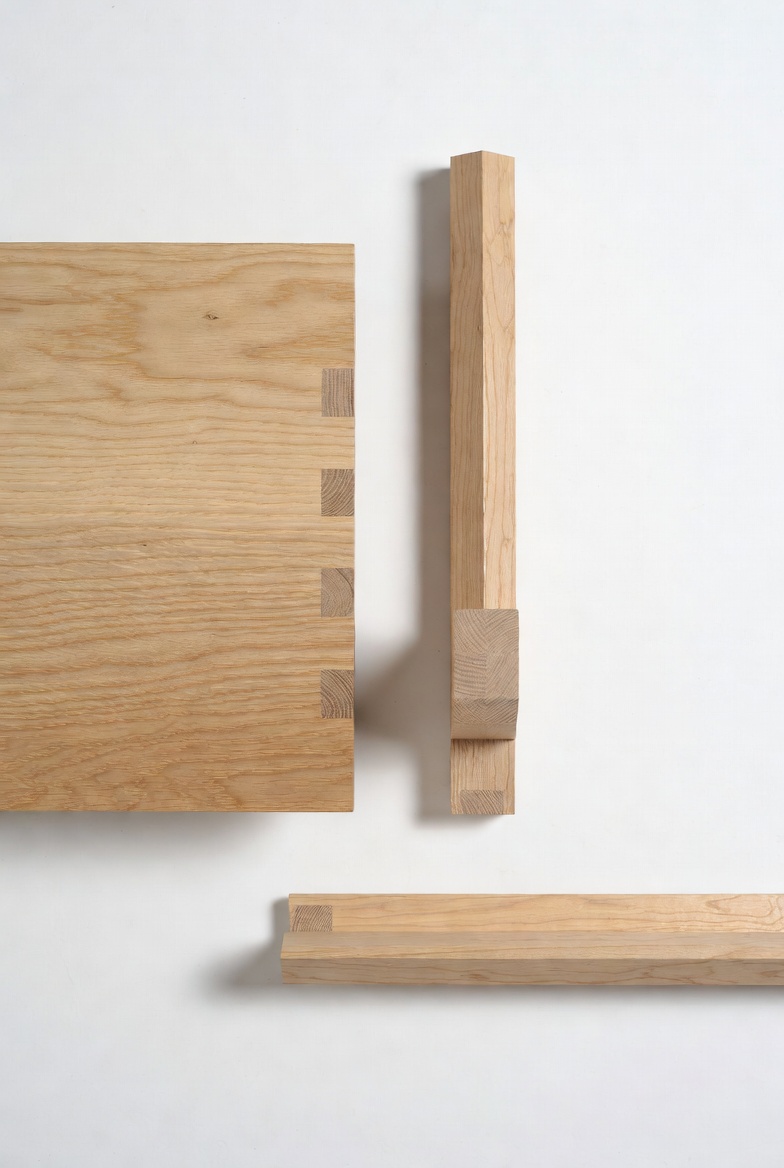
Image by ArchitectureCourses.org.
If your real interest is making things rather than just selecting material, also useful: Woodworking Basics.
Hardwood in Modern Interiors
Hardwood is not just a floor material now. It also shows up on walls, ceilings, staircases, shelving, kitchen fronts, doors, and built-ins because it adds warmth that many modern interiors lack.
This works best when the wood is doing one clear job. A stair. A cabinet run. A feature wall. A built-in. A ceiling band. Once hardwood starts competing with every other surface in the room, it can feel heavy fast.
For the broader architectural side of the material, continue to Wood in Architecture.
Outdoor Hardwood
Outdoor hardwood is a different conversation from indoor hardwood. The useful questions are not just color and grain. They are weathering, movement, decay resistance, slip, maintenance, and whether the species is even suited to exposure.
Teak and ipe get used outdoors because they tolerate moisture and wear far better than most interior hardwoods. White oak can also work in the right application. Cherry and walnut are usually poor outdoor bets. So is most indoor furniture logic.
Even the right hardwood still needs good detailing. Drainage, end-grain protection, and realistic maintenance matter more than people think.
How to Buy Hardwood Smarter
Good hardwood selection is not just about species. It is also about cut, grade, drying, and board quality.
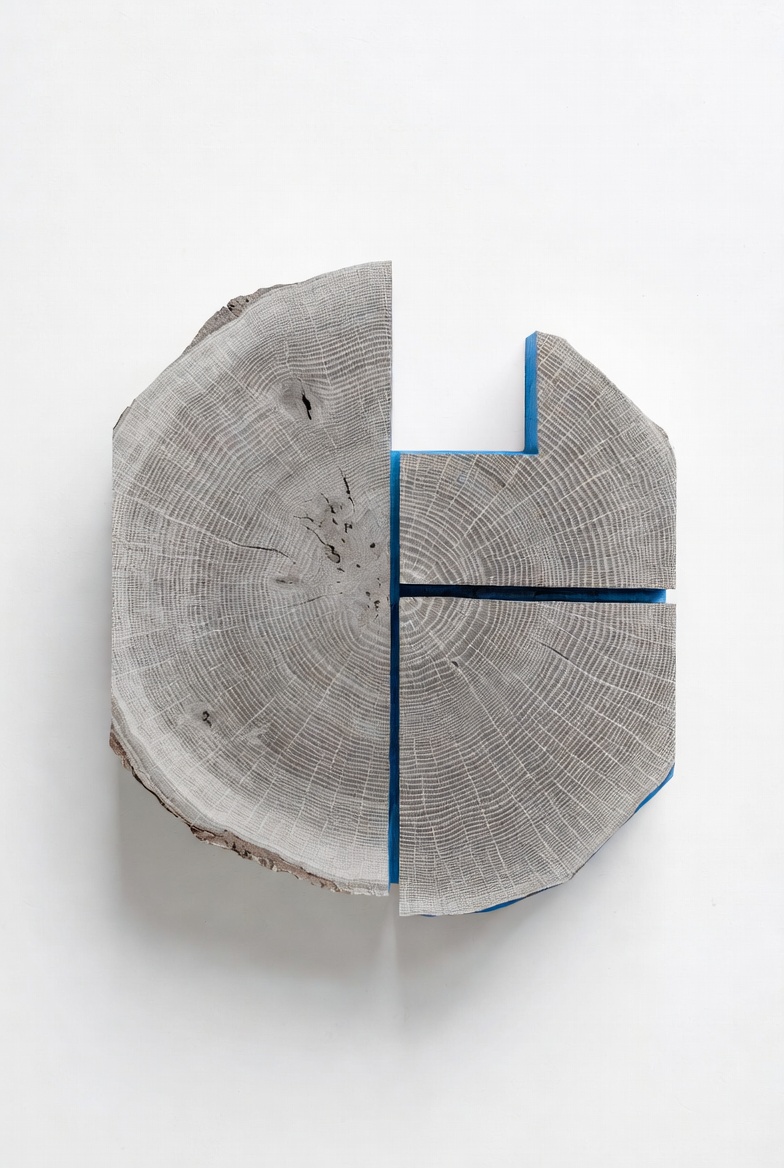
Quarter-sawn and rift-sawn boards usually move less across the width than plain-sawn boards and can give you a more controlled grain pattern. Kiln-dried stock is usually the safer choice for interior work because the moisture level is more predictable. Rough lumber can save money, but only if you have the tools and time to mill it properly.
Look at the ends. Look at the grain. Look for twist, bow, checks, bad sapwood placement, and boards that were poorly stored. A great species in a bad board is still a bad buy.
Growth-ring structure and board orientation affect movement, grain, and stability. Illustration by ArchitectureCourses.org.
Sustainability
Hardwood can be a strong long-term material choice, but sustainability depends on more than the species label. Source matters. Forestry practices matter. Distance matters. Service life matters.
Responsibly sourced hardwood that lasts for decades can be a better material choice than a cheaper product that gets replaced quickly. Reclaimed wood can also be a smart option when the stock is sound and the project fits it.
If the environmental side of the decision matters, read Sustainable Wood.
What People Get Wrong
- They treat hardwood like one thing instead of a group of species with different behavior.
- They assume hardwood always beats softwood.
- They choose by color before checking hardness, movement, and finish behavior.
- They use indoor hardwood logic outdoors.
- They overspend on premium species where plywood or a simpler wood would do the job better.
- They ignore drying, cut, and board quality.
Hardwood is a strong material when the choice is honest. Species, use, and conditions still decide whether it was the right call.
FAQ
Is hardwood always better than softwood?
No. Hardwood is usually better where the visible surface, wear resistance, and finish matter more. Softwood is often better for framing, utility work, and lower-cost construction.
What is the best hardwood for flooring?
There is no one best answer. Oak stays popular because it balances durability, cost, availability, and finish options well. Hickory is tougher. Maple is smoother-looking. Walnut is richer but softer.
Can hardwood be used outside?
Some species can. Teak, ipe, white oak, and a few other durable woods work far better outdoors than most interior hardwoods. Species choice and detailing both matter.
Why is hardwood more expensive?
Usually because the trees grow more slowly, the lumber is denser, and the wood is often being chosen for visible, longer-lasting work. You are paying for performance and appearance together.
Is engineered hardwood the same as solid hardwood?
No. Engineered hardwood uses a hardwood wear layer over a built-up core. It can be a smarter option where stability matters more than full-thickness solid wood.
What should I check before buying hardwood lumber?
Check species, moisture level, grain, cut, grade, twist, bow, checking, and how the material will be used. A good board choice matters as much as the species name.
Read This Next
- For the broader material-choice page, go to Wood Materials in Construction and Design.
- For the opposite category, read Softwoods.
- For the technical side of wood performance, continue to Physical Properties of Wood.
- For more species examples, see Top 20 Hardwood Examples.