
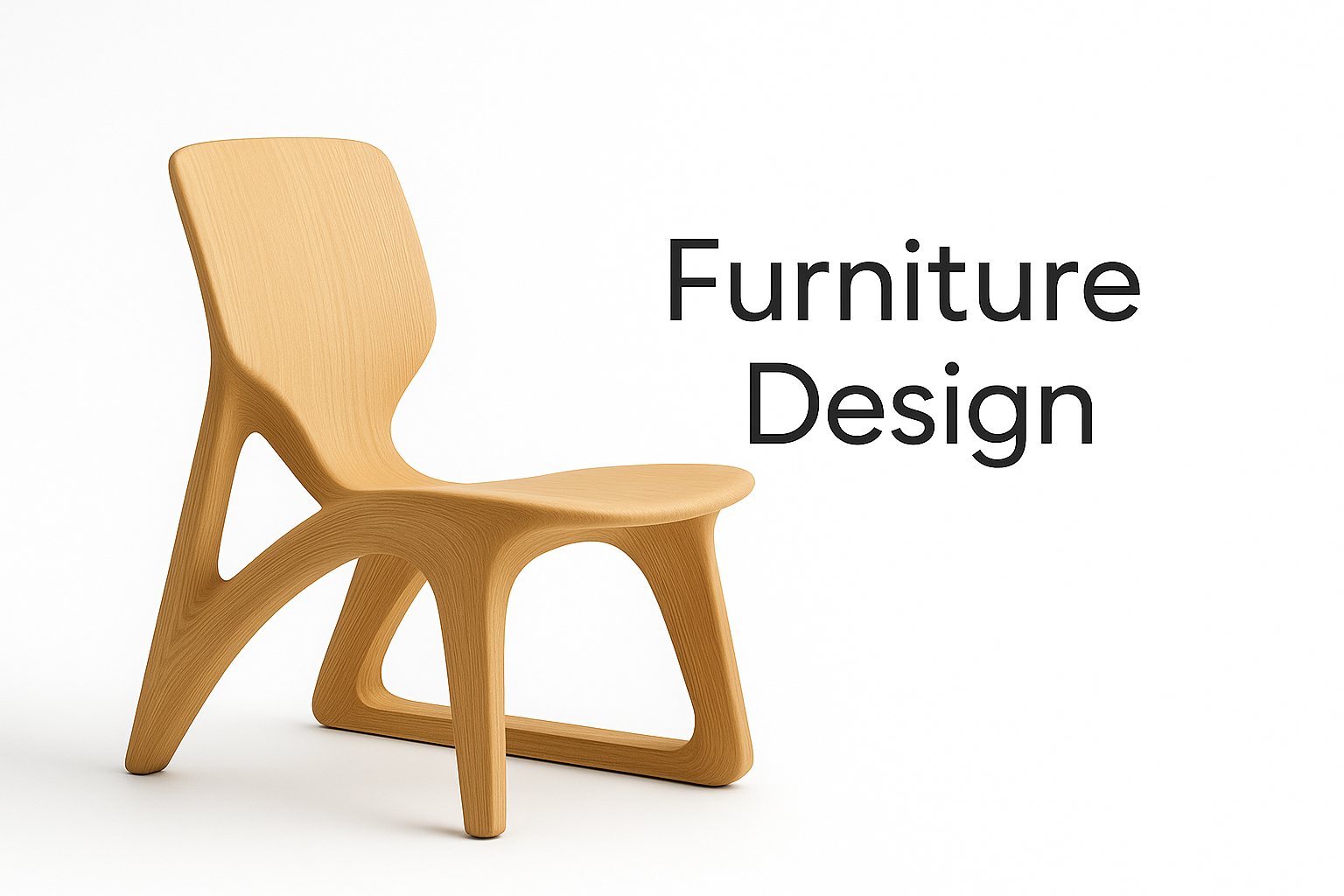
How Architects Think About Furniture Design
The Architecture of Furniture: Scale, Use, and Detail
Furniture design teaches control at the human scale. Every piece demands structure, proportion, and balance — the same logic used in buildings, only smaller and more personal. This is the full guide that connects architecture, craft, and the way people live with objects.
These free courses and resources on architecturecourses.org are built for students, architects, and builders who want to design furniture that works. You’ll learn history, materials, digital tools, and the practical side of making and testing your ideas.
Furniture Design: A Complete Guide for Architects and Designers
Furniture as Small Architecture
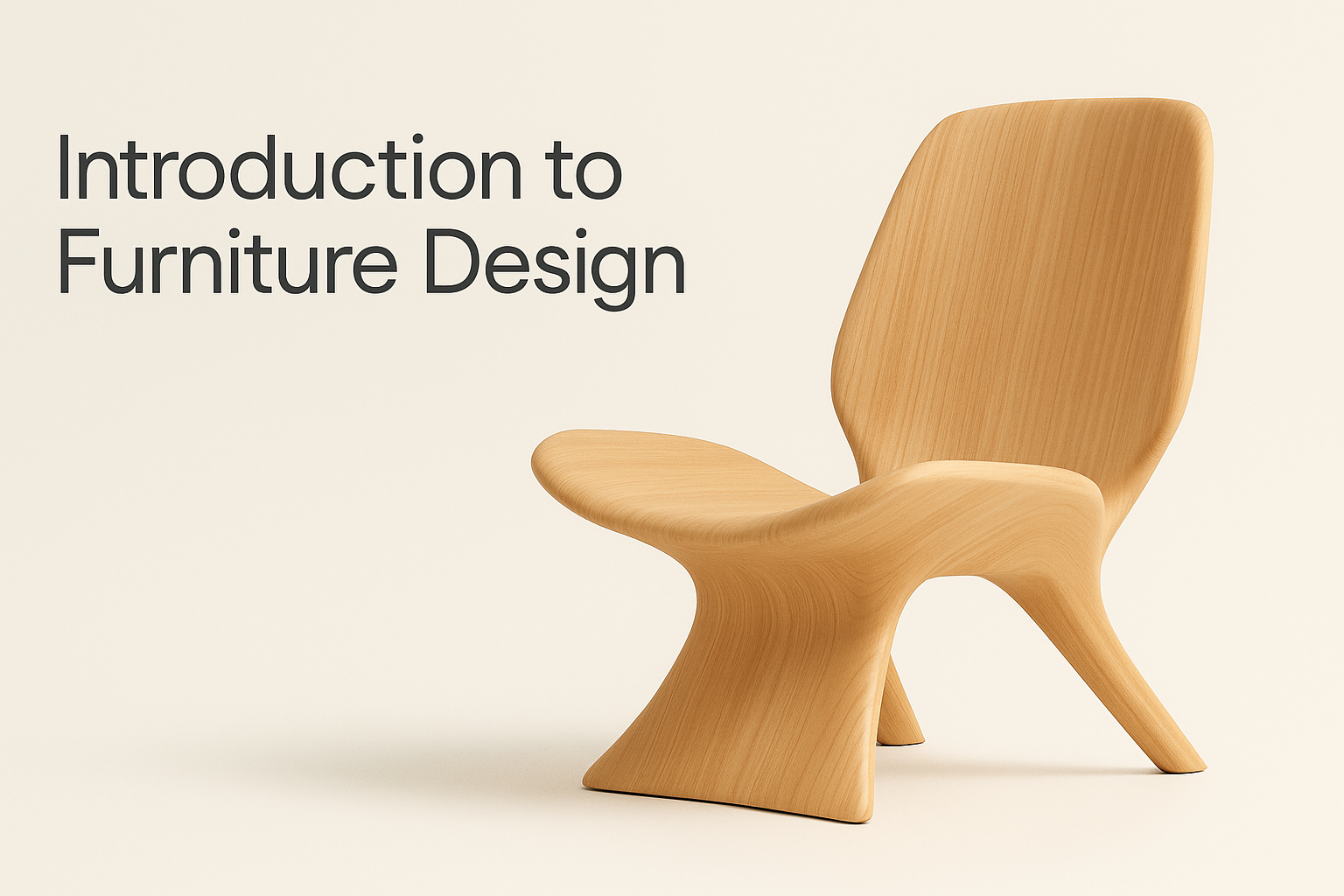
Good furniture behaves like architecture. A chair has legs that act like columns, a table has beams, a shelf has bracing. What separates furniture from sculpture is function — it must hold weight, move with use, and fit within human reach.
Architects like Le Corbusier, Eileen Gray, and Alvar Aalto designed furniture to explore proportion and comfort at close range. They understood that a building feels complete only when its furniture carries the same discipline. The Furniture Design and Architecture Course covers this crossover in detail, showing how material logic connects walls and chairs.
Learning Through Hands and Scale
Designing furniture sharpens your sense of material and scale faster than any digital model. It teaches patience and honesty. You can’t hide a weak joint or awkward height — the piece tells the truth.
Start with a stool. Small, direct, functional. You learn proportion, joinery, and balance in one project. The same lessons apply later to staircases, façades, and interiors. Craft builds instinct.
Furniture Design: Where Architecture Meets the Hand
Designing Furniture That Fits the Room and the Body
What Furniture Design Teaches the Architect

At some point every architect hits a wall on paper. Too much concept, not enough touch. Furniture fixes that. It forces you to deal with gravity, comfort, and hand tools again. You stop thinking in abstractions and start seeing how things actually meet — edge to edge, joint to joint.
Designing furniture resets your eye. It slows you down just enough to notice where strength comes from. It shows how materials behave when they’re pushed, bent, or cut too thin. It turns theory into muscle memory.
The great architects all used furniture to test ideas. Mies figured out proportion by designing the Barcelona Chair before the Pavilion. Aalto used plywood curves to understand softness and tension. Scarpa worked through joinery because he knew buildings were only larger versions of the same question — how one material meets another.
Furniture design also teaches empathy. You sit in your own work. You touch what you made. You feel mistakes directly. That humility changes how you design buildings. Every line on a drawing becomes a promise of comfort.
If you build enough chairs, you start to see the discipline differently. Architecture stops being abstract. It becomes a matter of care, weight, and precision — all things you can feel.
For a deeper material view, visit The Complete List of Building Materials and What Each One Does. It connects the same logic — what you touch, what you trust, and how design holds up over time.
Furniture Design and Architecture: Building at Human Scale
Architects treat furniture like small buildings — every joint, curve, and surface must earn its place.
How Furniture Defines Space
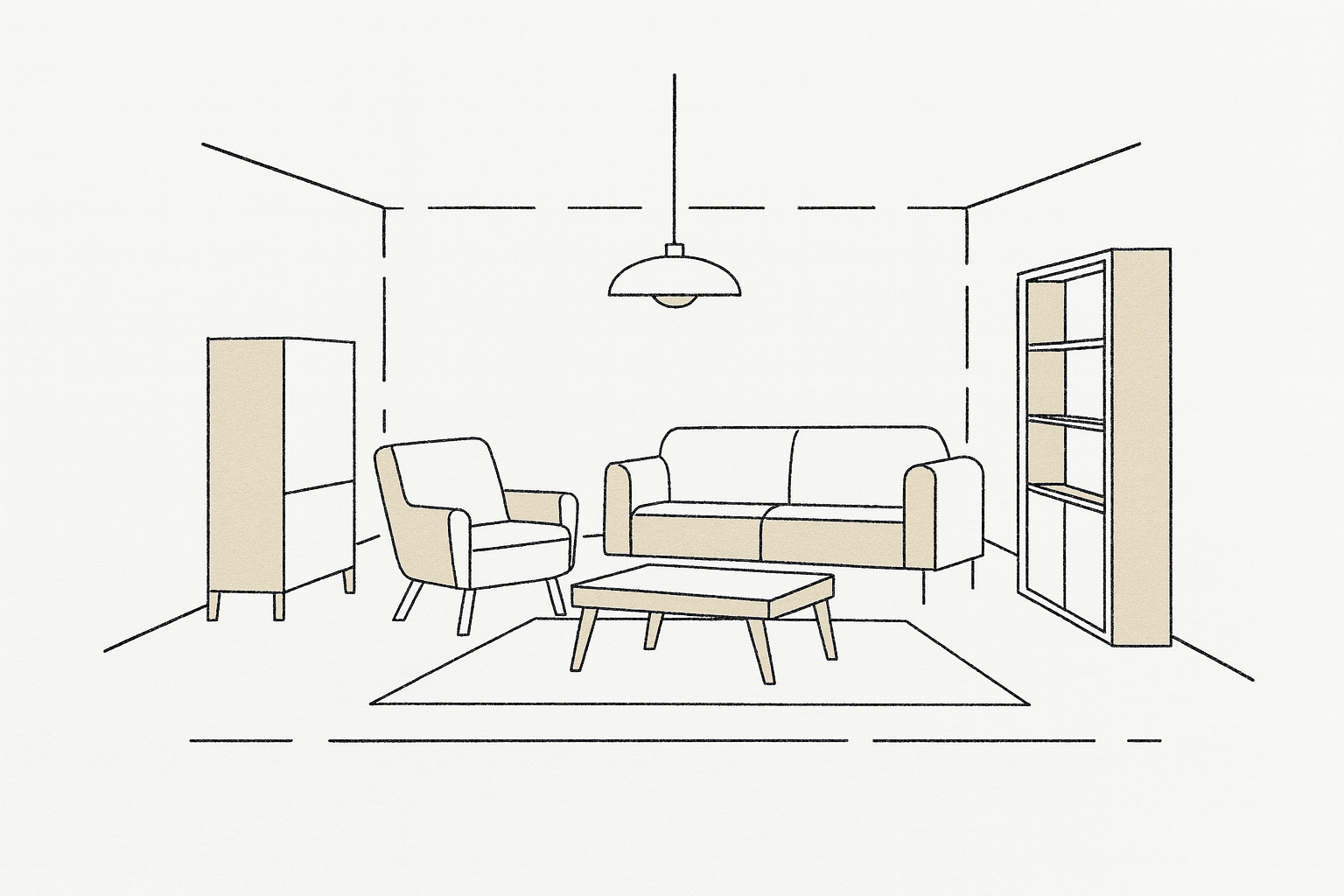
An empty room feels cold until furniture arrives. Tables anchor gatherings. Chairs set rhythm. Cabinets control movement. Furniture decides how people live in space.
Even real estate professionals know it — staged homes always sell faster than empty ones. Architects should study that. Furniture completes the composition and gives light and shadow something to work with.
If you want to see how form and placement interact, visit our page on Furniture Design and Selection. It explains how comfort and proportion tie directly into layout and lighting.
Furniture design sits at the meeting point of architecture, craft, and human need.
Every chair, table, or shelf reflects how people live, move, and rest inside space. The best designers treat furniture as small architecture — scaled down, intimate, and honest.
From History to Studio Practice
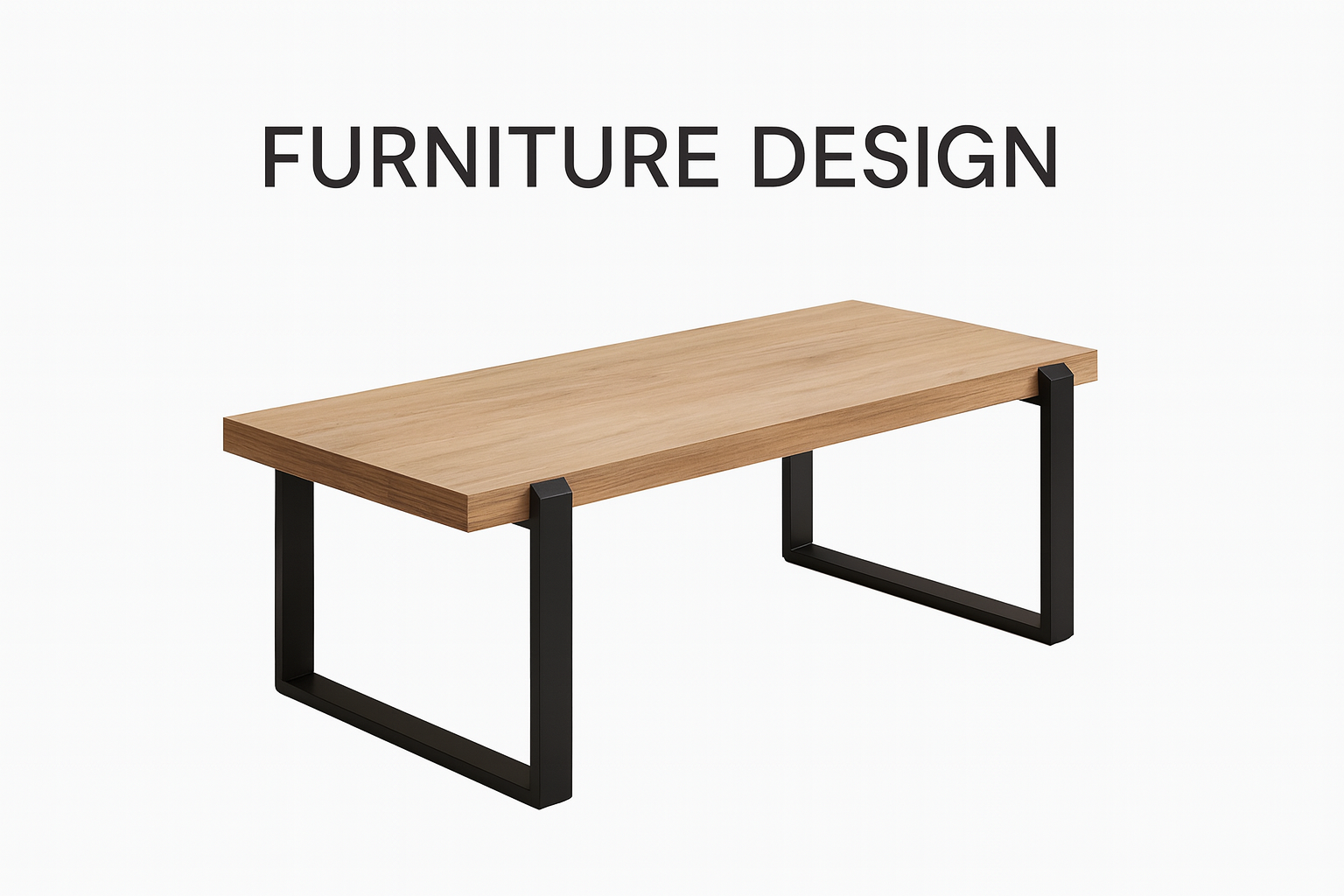
The story of furniture design is the story of civilization. Egyptian stools made from carved wood. Roman couches lined in bronze. The ornate flourishes of the Renaissance. The clarity of Modernism. Every generation shaped comfort in its own language.
By the twentieth century, designers like the Eameses and Mies van der Rohe were treating furniture as a testing ground for new materials — molded plywood, steel tubing, fiberglass. The lessons from that period still define most design studios today.
Our Neoclassical Furniture Course takes that timeline apart and shows how proportion and symmetry remain timeless tools in any modern interior.
Material and Construction Logic
The first decision in furniture design is always material. Wood dominates for its warmth and workability. Steel and aluminum bring lightness and precision. Glass adds reflection and transparency. Fabrics add texture and sound absorption.
Sustainable designers now look at bamboo, hemp, cork, and recycled composites. These materials respond to both environmental and design needs. You’ll find detailed breakdowns in Sustainable Wood and Wood Mastery.
FIELD PICK: Wood Handbook: Wood as an Engineering Material. A direct and reliable reference for anyone working with hardwoods or structural joinery.
Light, Texture, and Surface Feel
Furniture reacts to light more than any wall. A matte surface absorbs warmth. A polished one mirrors the room. The same chair can look elegant at sunrise and harsh under cold LEDs.
Designers learn to plan light with furniture, not after it. A lamp beside a wooden desk reveals grain pattern. Upholstery catches highlights and shade. Texture defines depth.
To study this interplay, see our article on Color Psychology and Light in Interior Design. It connects mood, reflection, and spatial tone.
Craft, Prototyping, and Precision
You cannot design furniture without touching tools. Every good piece passes through sawdust. Prototyping is the honest part of design. You sketch, you model, then you build. You sit, lean, adjust, and repeat.
CAD and 3D modeling help, but they don’t replace weight and texture. A design that looks elegant in render can feel wrong in use. That’s why our Woodworking Basics Course starts with hand tools. It teaches proportion through cut, joint, and finish — the foundation for advanced fabrication.
Technology in Modern Furniture
CNC machines and 3D printers changed how furniture is built. They made precision accessible to small studios. But the challenge remains the same: design must serve touch, not just geometry. A chair still needs warmth. A table still needs weight.
Digital fabrication is powerful when guided by design sense, not automation. Our guide on AI in Interior and Furniture Design shows how to balance technology and craft without losing human scale.
Sustainability and Lifespan
The most sustainable furniture is the piece that lasts. Refinish it. Reupholster it. Pass it down. A durable object keeps material out of waste and history alive in homes.
Designers now combine traditional joinery with modular thinking. That allows repair and reuse without compromise. The goal is not novelty — it’s continuity.
Furniture and Professional Growth
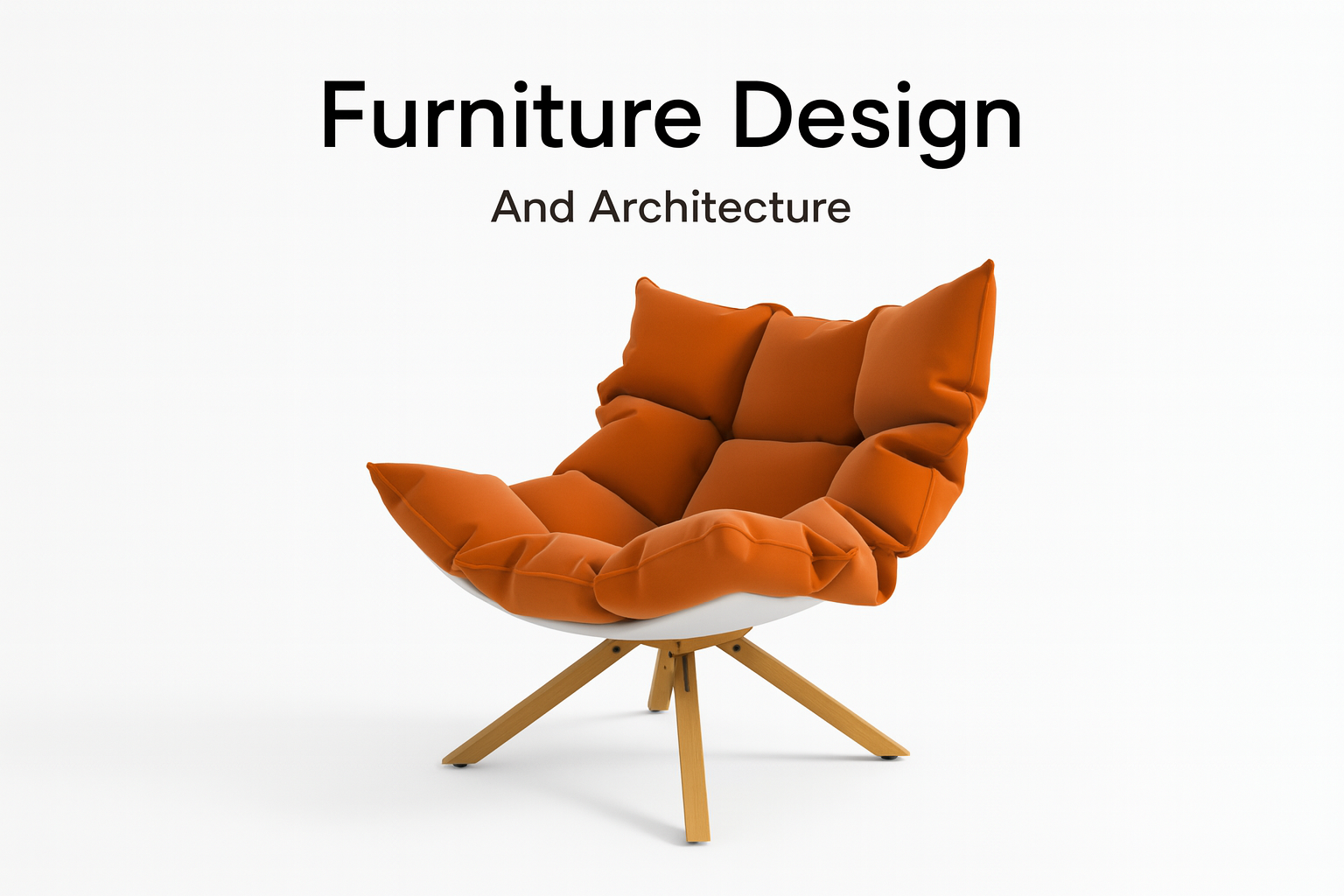
Architects who build furniture think better about detail. It sharpens drawing habits and helps communicate with clients. Furniture is also the fastest way to build a tangible portfolio. You can photograph, present, and explain it in one frame.
Our Portfolio Development Course covers layout, photography, and presentation strategies that make prototypes and furniture projects stand out in architecture applications.
Learning Path and Free Courses
Here’s the core progression for anyone starting or advancing in furniture design. Each topic links to a full lesson or resource:
- Introduction to Furniture Design
- Furniture Design and Architecture
- Woodworking Basics
- Furniture Design and Selection
- AI in Furniture and Interior Design
- Parametric Furniture Design
- Portfolio Development
MUST READ: Designing Design by Kenya Hara — quiet, thoughtful lessons on clarity and intent in every scale of design.
Connecting Furniture to Building Systems
Furniture does not stand alone. It is part of a continuous system of materials, finishes, and light. To see how it fits within the wider building envelope, read Building Materials Explained: From Concrete to Composite. It ties together structure, insulation, and surface materials — the same layers that support interior design choices.
Keep Building, Keep Testing
Furniture design is the most direct way to understand design truth. You sketch, you build, you sit — and you learn. Mistakes are part of it. Splits, wobbles, wrong heights — every one teaches proportion and patience.
The best advice? Keep making. One piece at a time. Document the process, note the changes, and stay curious. That’s how architects turn craft into knowledge.
FAQ
What makes furniture design different from interior design?
Furniture design focuses on the object itself — structure, balance, and usability. Interior design handles how those objects shape space together. The two overlap, but furniture teaches technical precision that carries into architecture.
Why should architecture students study furniture design?
It develops spatial awareness, human scale, and craftsmanship. A student who builds a chair once will draw buildings differently forever.
What tools do I need to start?
Basic hand tools are enough — saw, chisel, square, clamps. You can learn joinery before buying machines. Our Woodworking Basics Course covers simple setups and real safety practices.
How do architects use furniture in their projects?
They use it to control light, rhythm, and flow. A table or shelf can direct how people move in a room. It also helps express the same language as the building itself.
What materials are best for beginners?
Softwoods like pine and fir for learning. Hardwoods like oak and ash for long-term pieces. Start with easy cuts, then move to joints. Each teaches control and finish.
How do I design furniture that lasts?
Use strong joints, avoid over-gluing, and think about how it will age. A durable design should allow for repair and refinishing. Good proportion helps strength more than thickness.
What software do furniture designers use?
Common tools include SketchUp, Rhino, and Fusion 360 for modeling. CAD programs help refine dimensions, but you still need to build at least one prototype to see truth in scale.
How do lighting and furniture relate?
Light defines the shape and emotion of furniture. Test your designs under real daylight and warm lamps before finalizing finishes. The right light can make a simple form feel expensive.
Can furniture design become a career on its own?
Yes. Many architects move fully into furniture once they realize it gives more control and freedom. Others mix both fields — designing interiors where building and object speak the same language.
Is sustainable furniture worth the effort?
Yes. Clients pay attention to materials now. Using bamboo, reclaimed wood, or modular steel gives design credibility and lowers waste. Learn the full range in our Sustainable Wood guide.
How can furniture design improve presentation skills?
You can photograph and document furniture easily. It trains you to show proportion, material, and intent clearly. That skill translates directly into portfolios and competitions.
What’s the hardest part of learning furniture design?
Accepting mistakes. Wood moves. Angles drift. The only way to improve is to keep building and adjusting. You learn through repetition and observation.
Do I need formal education to start?
No. You can begin at home with sketches, cardboard models, and basic joints. Education helps with theory, but experience builds instinct. This site’s free courses fill the gap between both.
Where can I learn about furniture prototypes and testing?
Start with Portfolio Development. It shows how to document process, explain design logic, and photograph results — skills every designer needs to grow.
Why do architects love furniture design so much?
Because it’s architecture you can hold. You see immediate results, understand materials better, and remember what design is really about — creating comfort through form and structure.