
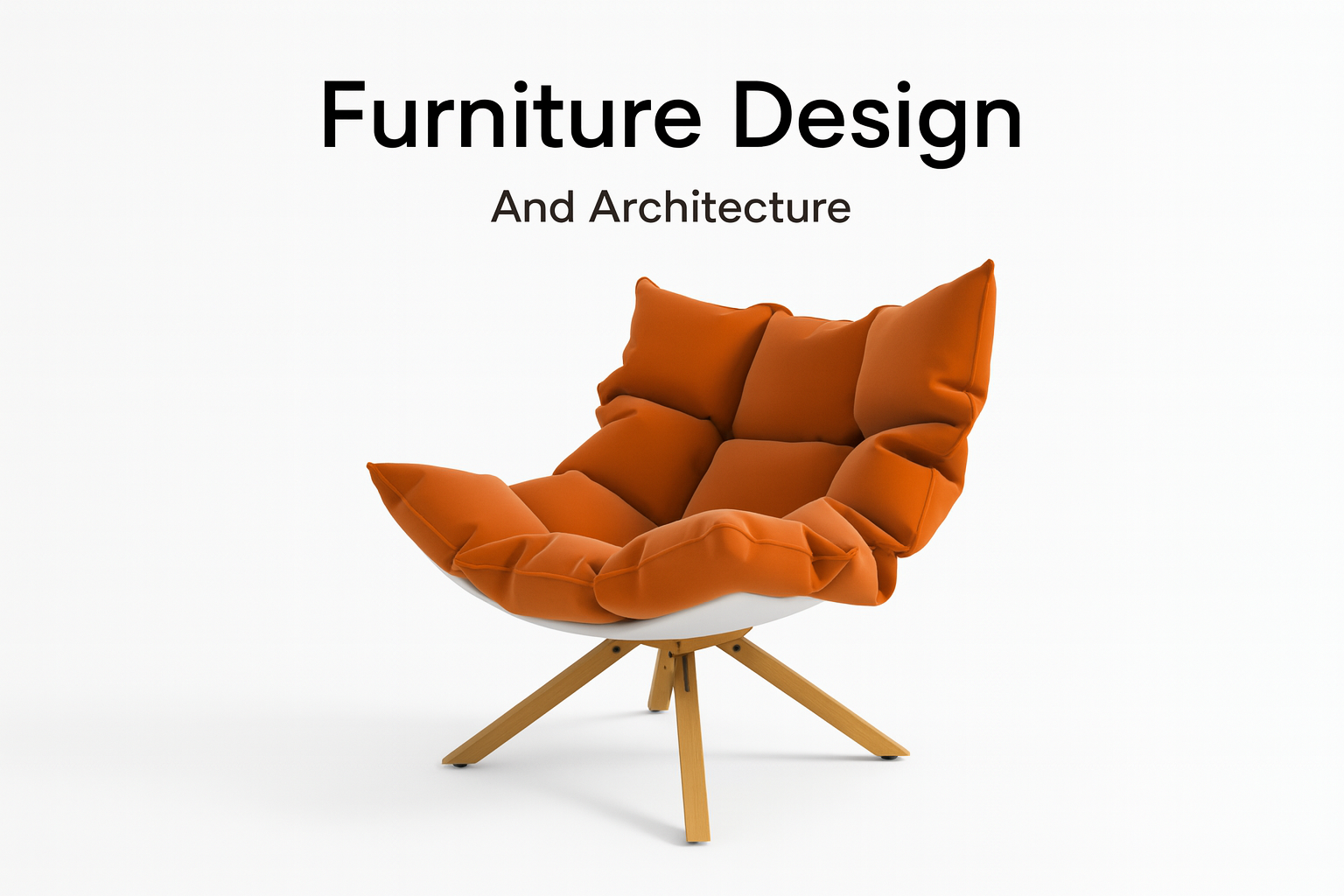
Furniture is where architecture stops being a picture and starts being a body problem. The frame, the joint, the touch point, the glare line, the clearance path. Same language as buildings, just smaller and less forgiving.
The Architect, the Chair, and the Light
This is why a room can be “designed” on paper and still feel wrong at night: the plan might be fine, but the seating lands in the dark, the rug floats the furniture, and the light hits the wrong surfaces. People blame “style.” It’s usually proportion and placement.
Why Furniture Design Isn’t Extra
In studio and in practice, the same pattern shows up: the drawings look strong, but the lived experience falls apart. Furniture and light are the two fastest ways to catch that early because they reveal scale mistakes immediately.
For a fundamentals refresher at the human scale, keep this nearby: Furniture Design 101.
What Furniture Design Shows About Proportion, Weight, and Honesty
If you want to learn balance quickly, build a chair. You feel gravity in a seat before you ever feel it in a roof.
Why Architects Design Furniture

Architects cross into furniture because the room doesn’t end at the wall. A chair sets posture. A table sets social distance. A lamp sets the hierarchy of attention. Those are architectural decisions, just delivered at arm’s length.
You can see it in plan quality immediately. A plan full of generic icons is not a room. A plan where the table aligns with the window bay, the lamp lands where reading actually happens, and the sofa clears the sightline to the entry? That’s space-making.
If you want context on how house types drive room proportions (and why certain furniture geometries “click” in certain eras), skim recognizable home styles and then the broader house-type taxonomy.
MUST READ
The Timeless Way of Building — Christopher Alexander
Plain language on what makes places feel right. Quick Amazon link
When Architects Design Chairs Instead of Buildings
Plan, Furniture, Light
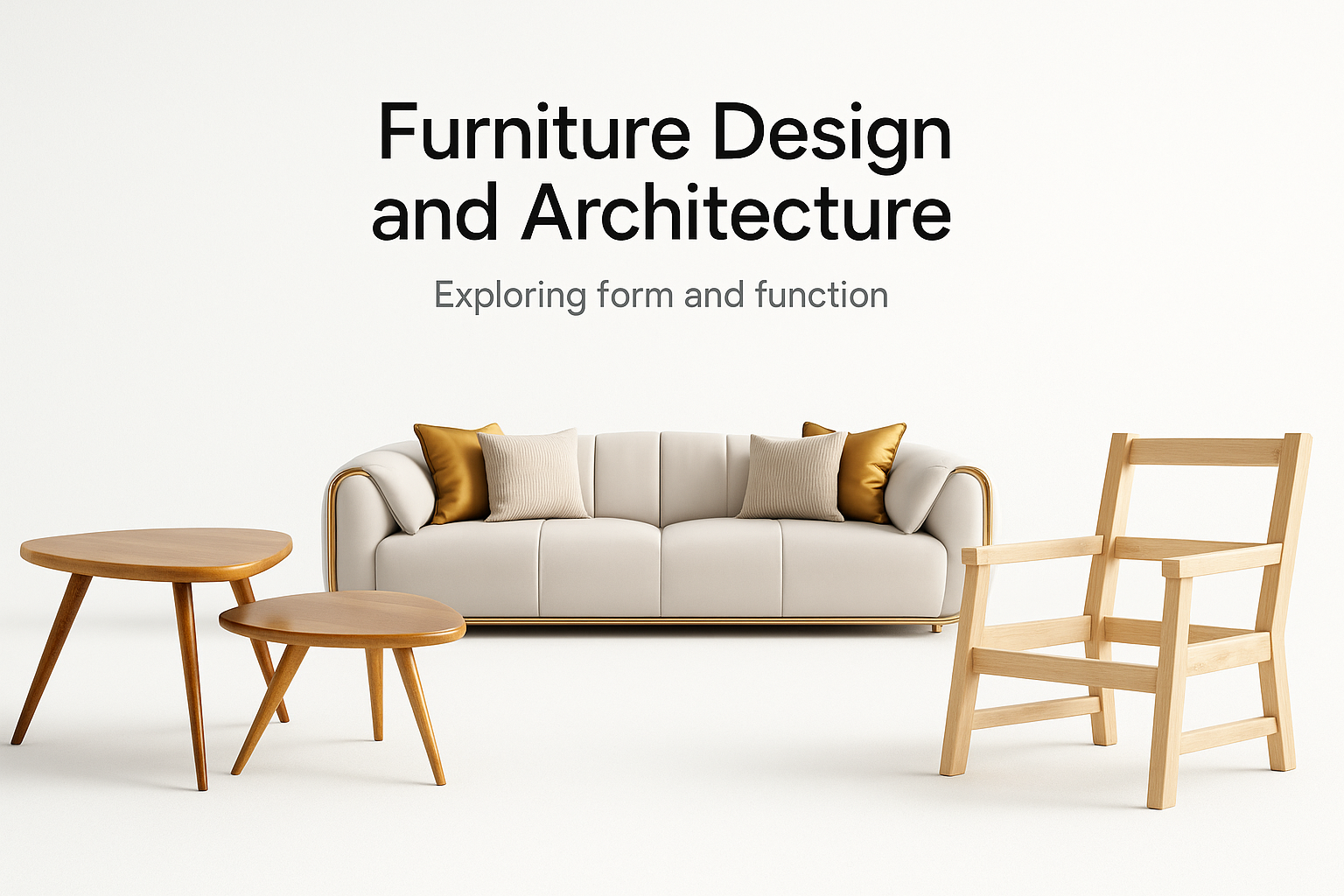
Finishes are dessert. The main course is a triangulation: plan, furniture, light.
- Plan: the field rules (clearance, circulation, sightlines).
- Furniture: the script (sit, gather, linger, pass through).
- Light: the hierarchy (what the room emphasizes and when).
A common failure is simple: the seating lands in the dim while the corner gets the spotlight. The room reads confused no matter how expensive the chairs are.
Want a straight on-ramp to planning logic that actually translates into interiors? Start with housing concepts in plain language.
FIELD PICK
Architecture: Form, Space, and Order — Francis D.K. Ching
Still the cleanest diagrams for proportion and spatial moves. Buy on Amazon
Furniture as a Section Cut
One of the most repeatable fixes in living rooms: stop letting the furniture float.
A typical miss: a 5×7 rug under a sofa and chairs in a normal-size room. The seating reads disconnected and “unfinished.” An 8×10 (or 9×12 in larger rooms) usually pulls the front legs onto the rug and makes the room feel intentional without touching a wall.
Same with light: one floor lamp aimed at the coffee table can change how a room is used at night. It’s not decoration. It’s legibility.
If you want a quick test case, run a before/after using our room-finishing playbook and compare photos in the same lighting.
Rules That Actually Hold Up
Rule 1 — Rugs Anchor, Not Decorate. In most living rooms, 8×10 is the practical minimum. If a door needs clearance, use a low-pile rug so it slides and doesn’t telegraph every scuff.
Rule 2 — Three Layers of Light. Ambient (ceiling), task (table/floor), and one directional accent. Single-source overhead glare makes good furniture look cheap.
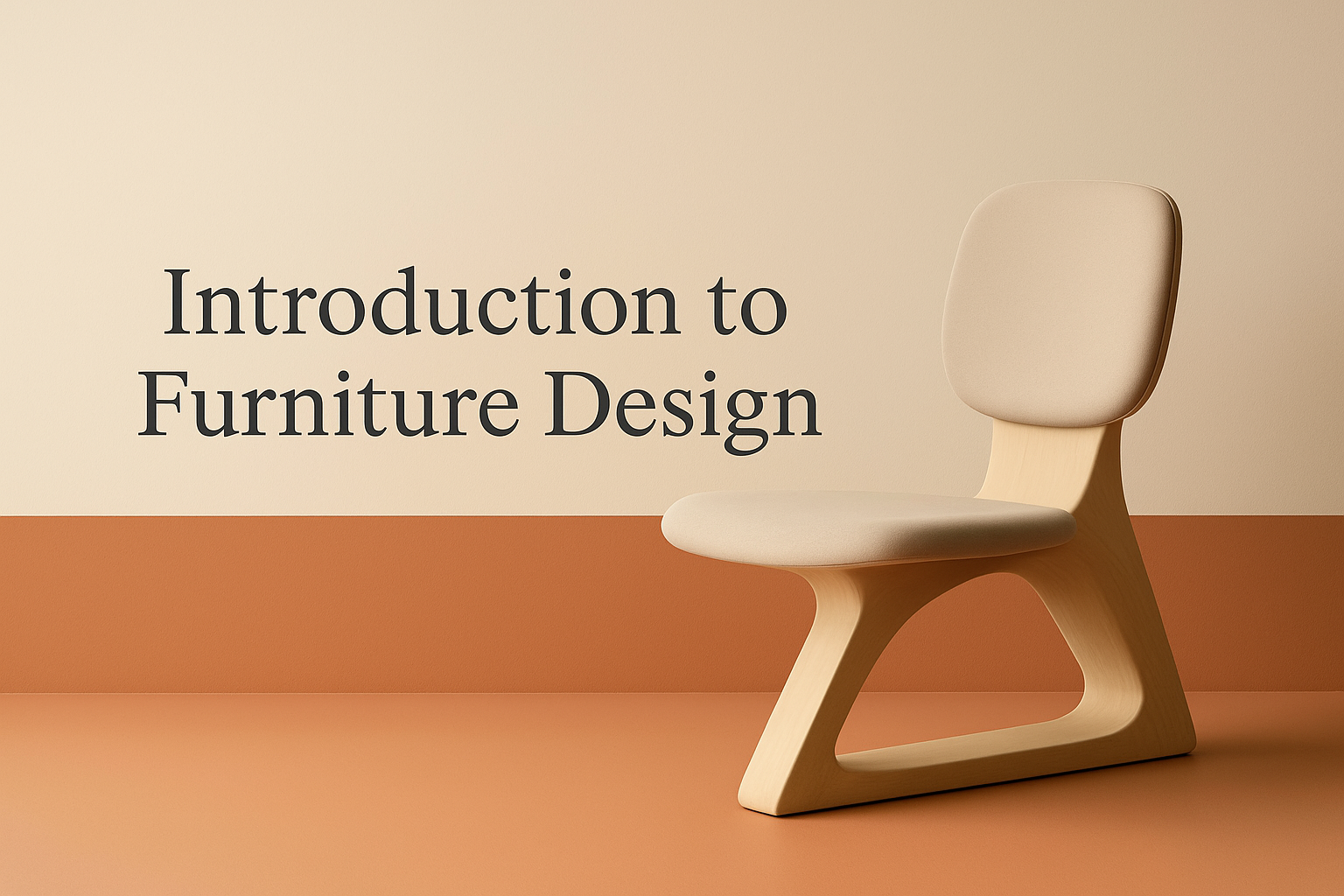
Rule 3 — Chairs Are Verbs. Lounge says “linger.” Tight-back says “sit up.” Swivel says “join.” Use chairs to script behavior, not fill corners.
Rule 4 — Clearances Win. If you can’t pass cleanly with a laundry basket, your plan is lying. Tape the outline on the floor and walk the path before you buy.
Materials Tell the Truth
The hand is a brutal critic. Oiled wood reads warm. Powder-coated steel reads cool and precise. Wool says “stay.” Cheap laminates and flimsy joints get exposed fast because furniture lives in the abuse zone.
The practical lesson: pick materials that survive touch and maintenance, not just photographs. A room that looks perfect but feels fragile becomes a room nobody relaxes in.
Why Empty Rooms Mislead
Empty rooms lie about scale. People overestimate what fits, misread circulation, and ignore sightlines. The fastest way to stop guessing is to stage the logic, even with placeholders: taped rug outline, cardboard side table, a lamp where the reading spot should be.
This is the same thinking that makes exteriors read better too: threshold, hierarchy, and a clear “welcome line.” If you want the outdoor version of that logic, use the front-of-house checklist.
Field Notes: Wins and Fixes
The sofa fix. A catalog-perfect sectional can still kill conversation if it blocks the light and points away from the room’s best anchor. Rotating the long leg, adding two side tables with lamps, and anchoring the front feet on a larger rug often changes behavior immediately.
The chair mistake. Four identical chairs around a small table can look tidy and feel robotic. Swapping two for tighter side chairs (different silhouette, same footprint) usually adds rhythm without adding clutter.
The dining test. In narrow rooms, an oval table often fixes bruised hips and awkward passing. Same seat count, fewer collisions.
Simple Rules Worth Practicing
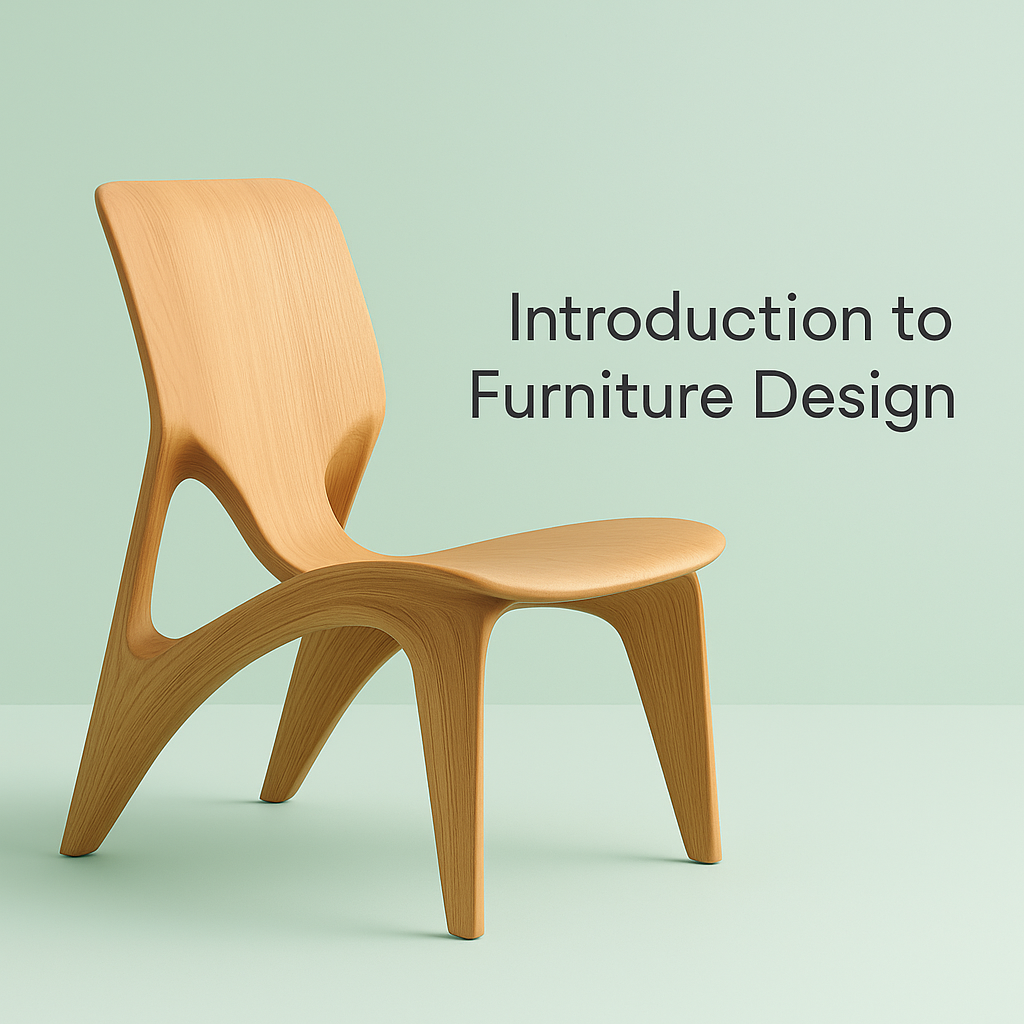
Proportion Beats Price. A modest table that fits and flows will outclass an expensive one that fights the room. Measure, tape the outline, walk it.
Systems Beat One-Offs. Choose a lighting family (ceiling, table, floor) with shared language. Choose chair pairs that talk to each other across the room. You’re building a small city, not a showroom.
Color Like a Grown-Up. If your palette is quiet, let materials carry it. Put bold color where hands don’t smudge. For broader paint behavior and color logic, start with a plain-English color primer.
Why Furniture Fluency Pays Off
Furniture teaches pace and empathy. You learn to count in footsteps and elbows, not abstract dimensions. You stop designing for images and start designing for use.
It also strengthens portfolios. Boards win when the interior reads lived-in with believable pieces, not floating cubes. If you want the exterior-to-interior connection in one place, see elevation design that reads.
Micro-Playbook for Tonight
Entry: mirror, slim console, basket pair, small lamp, tray. A landing zone that stops clutter at the door.
Living: minimum 8×10 rug in most rooms, two table lamps or one table plus one floor, mixed pillow sizes, one throw with texture.
Bedroom: two matching lamps, a soft rug for first-step warmth, a bench if the footprint allows, and one easy surface that catches the daily pile (so the floor doesn’t).
For compact layouts, this saves a lot of furniture gymnastics: single-floor plans that live big.
FAQ
If I Only Change One Thing, What Is It?
Light. One floor lamp that throws warm light into the seating zone changes how the room is used at night.
Do I Need Designer Furniture for a Designer Room?
No. Proportion and placement beat labels. Get the size and sightlines right, then spend on one hero if you want (often lighting).
Why Not Show Empty Rooms?
Because emptiness lies about scale and behavior. Even rough staging with placeholders gives you honest feedback before you buy.
How Do I Keep It from Feeling Like a Showroom?
Mix silhouettes (one curve, one square), vary textures (linen + leather + wood), and leave air. Rooms need room.
Any Quick References If I’m New to This?
Start with the beginner room guide, then skim housing concepts that translate into interiors, then practice with one rug move and one lighting move.