
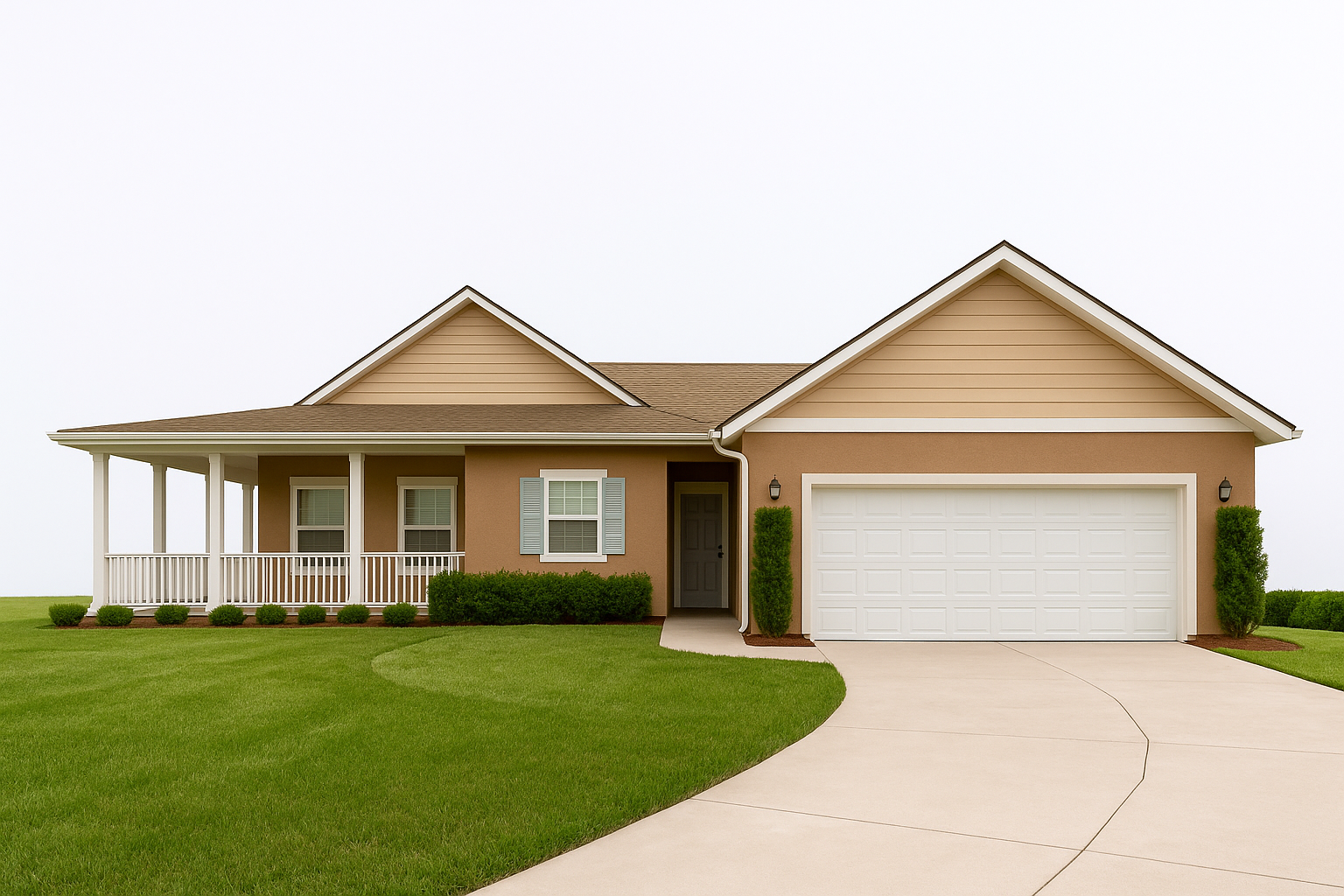
Single Floor House Design: Simple Layouts That Work
One floor changes how a house feels. No stairs, no wasted space. Rooms connect without breaks. Heating runs even, movement stays easy, and construction is simpler to get right.
This guide shows how single-floor plans actually get lived in. Where the kitchen belongs, how circulation should run, the mistakes that wreck comfort, and which materials hold up. You’ll get examples, cost notes, and layout logic pulled straight from built projects.
I’ve seen one-floor homes ruined by kitchens shoved at the back wall with no light and saved by small fixes like widening a hall or rotating a bath. That’s the kind of detail we’ll cover here: practical moves that make a single-floor house work day to day.
Do Single Floor Houses Have to Be Small?
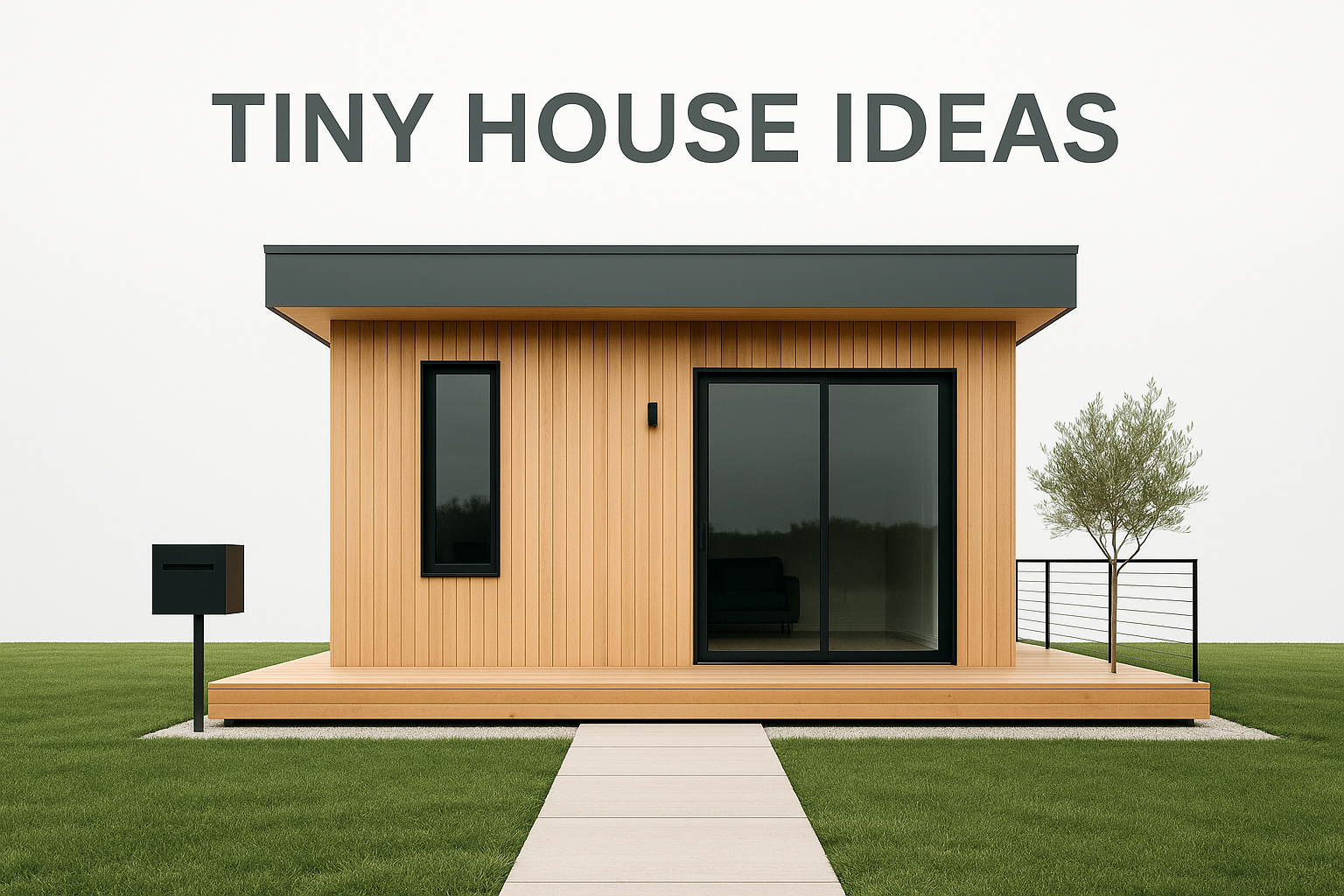
No. A single floor house just means everything is on one level. It doesn’t set the size. There are sprawling ranch estates in the US that run 4,000 square feet or more, all on one floor. At the same time, you’ve got compact bungalows under 1,000 square feet that still count as single floor houses.
The real factor is land and budget. On a tight city lot, single floor usually means smaller because you run out of space. On wide suburban or rural land, you can stretch the plan as much as you want. What changes is cost. A big one story house needs more roof and more foundation, which makes it pricier per square foot compared to stacking two floors.
Look at the Farnsworth House by Mies van der Rohe. It’s one floor but not tiny. It feels open and expansive. Compare that to the postwar Levittown houses. Also one floor, but built small to save money and fit dense suburban tracts. Both are single story. The difference is intent and resources.
So no, single floor does not mean small. It can be tiny, modest, or massive. The scale comes from the site and the budget, not the number of stories.
For more on compact living, see Small House Ideas, a guide on smart floor plans, layout strategies, and design tricks that make limited space work.
Why Choose a Single Floor House?
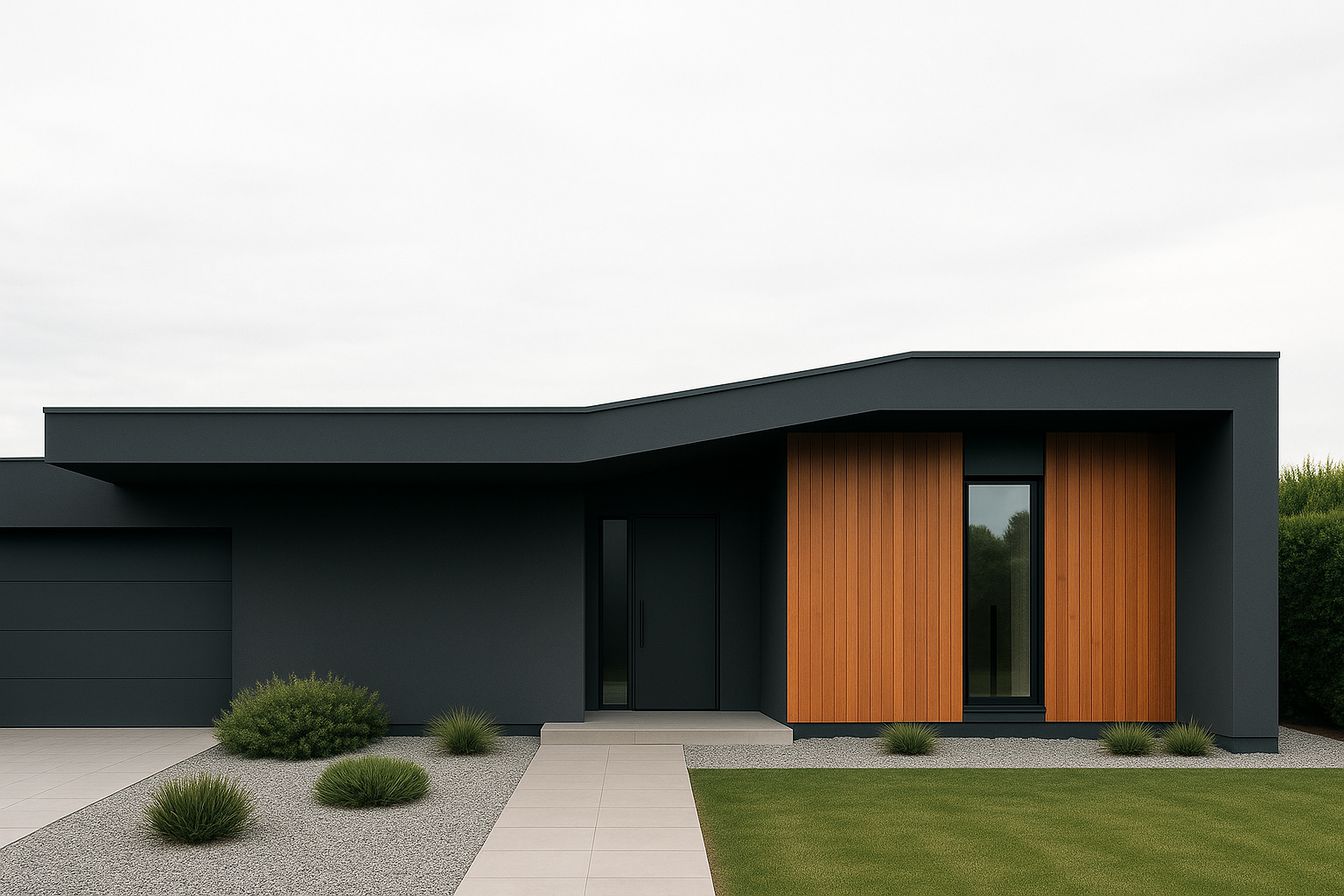
Single Floor House Design: What People Miss Until They Live in One
I’ve seen single-floor houses that work beautifully, and others that look fine on paper but fail in daily use. The difference is never the “no stairs” pitch. It’s things like:
-
A hallway that eats 200 square feet with no daylight
-
Bedrooms pushed to the far end so sound from the living room carries straight through
-
A roofline that traps summer heat because no one planned the venting
When it’s done right, one floor solves more than convenience. It can cut circulation losses, bring natural light deeper into the plan, and keep maintenance simple enough that you don’t put it off. Done wrong, it feels cramped, overheats, and wastes the very space it promised to save.
This guide focuses on those trade-offs. How to line up rooms so movement feels natural. How to tie indoor space to the garden without killing privacy. What builders get wrong on roof spans, window placement, and service runs. If you’re serious about a single-floor build, those details matter more than any brochure slogan.
See also: House Design: How New York, Toronto, and London Build Differently
Characteristics of Single Floor House Design
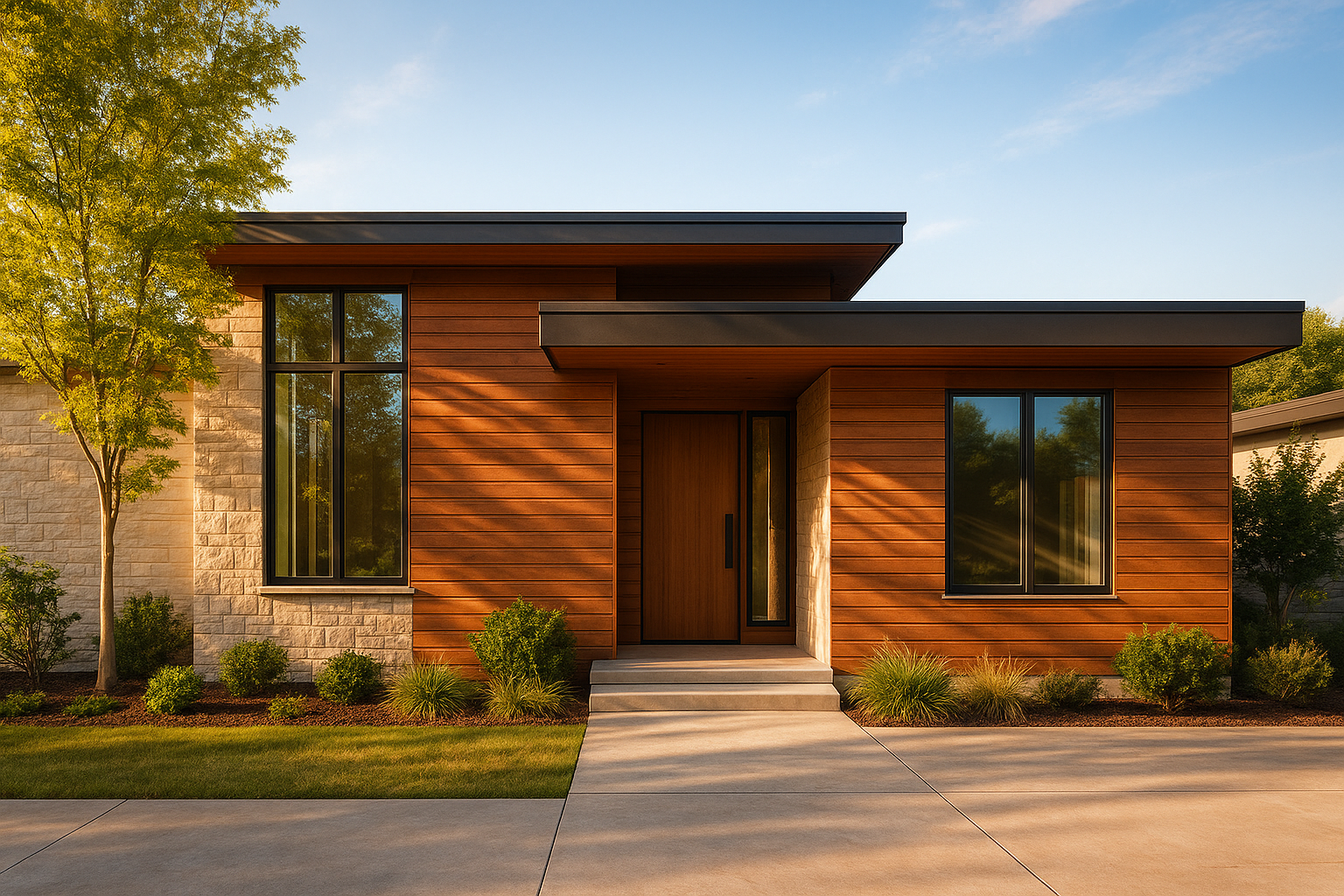
Single-Floor Homes: The Details That Decide Comfort and Cost
Room flow matters more than square footage
A 200 square foot hallway can eat forty thousand dollars of budget at $200 per foot. A tight 1,200 square foot plan with clean circulation works better than a 2,000 square foot ranch full of wasted corridors.
Light comes from both sides, not just big windows
One large slider often leaves blinds pulled by noon. Cross light—windows or clerestories on opposite walls—evens glare and keeps rooms usable through the day. Without it, the house becomes a cave with a view.
Outdoor access only works if privacy is planned
Decks placed under a neighbor’s kitchen window sit empty. Offset entries, planting buffers, or angled walls make garden links feel private. Without them, outdoor space is wasted.
Fewer walls doesn’t mean cheaper
Open layouts look simple until the spans push cost. Steel beams or engineered trusses can add fifteen thousand dollars or more. Structure always collects its fee.
Hallways and doorways decide accessibility
A 32-inch door is fine until a fridge or wheelchair has to pass. Every inch added at framing is cheap. After drywall, it becomes an expensive fix.
Bedrooms must be zoned away from noise
Sound runs flat across a slab. Kids’ rooms against the living wall mean early lights-out. Quiet with quiet, loud with loud. That zoning rule saves sleep.
Energy efficiency lives in the roof and slab
Slab edges leak more heat than walls if left bare. Without insulation at the slab and roof, high energy bills follow no matter how efficient the windows claim to be.
Indoor and outdoor blur only if details are right
A flush threshold looks sleek but rots fast without slope, drainage, and overhangs. Good detailing is what makes the patio usable all year instead of a problem area.
Minimalism collapses without storage
Skip closets and the dining table turns into storage. Built-ins, recessed shelving, and hidden runs keep the clean look intact. Without them, clutter wins.
What Separates Good from Bad
-
Circulation: Every hallway foot costs. Keep movement short and direct.
-
Noise zoning: Quiet beside quiet. Bedrooms away from living walls.
-
Shell first: Insulate the roof and slab or efficiency never arrives.
Style, finishes, and furniture all come later. The house only works if circulation, noise, and shell are solved first.
See also: Small Houses: Practical and Stylish Solutions for Creating Your Dream Home
Design Strategies for Single Floor Houses

Designing a one-floor house isn’t about buzzwords. It’s about solving the problems that kill these layouts: wasted halls, noisy rooms, poor light, and slabs that leak heat. Below are strategies drawn from projects where the plan either worked or failed.
1. Multi-purpose rooms only work if circulation allows it
A guest room with a fold-out bed sounds smart until you realize the door blocks the pull-out. I’ve seen “flex rooms” end up as storage because circulation wasn’t planned. Always test furniture clearances on the plan, not in your head.
2. Storage must be built-in, not bolted on
Tall bookshelves help, but they eat floor area. The houses that stay clutter-free bury storage in walls, benches, and recesses. One ranch I walked had a full wall of hidden cabinets in the hall — it kept the rest of the house clear.
3. Indoor–outdoor transitions fail without weather detail
Sliding doors look good until rain blows under. I’ve seen new decks rot in three years because drainage was skipped. Keep thresholds flush but protected with overhangs and slope. Use similar flooring inside and out only if the material can survive both.
4. Sustainability starts with distance, not labels
Reclaimed wood shipped 500 miles is not green. On one job we cut carbon more by sourcing local block and insulation than by chasing boutique finishes. Always check transport miles before the eco-stamp.
5. Accessibility depends on door swings and clearances
Wide halls mean nothing if bathroom doors swing the wrong way. I’ve seen walkers jammed because clearances weren’t tested. Universal design is cheap on paper and expensive to retrofit.
6. Open plans need sound control
Open layouts carry noise across the slab. Define zones with partial walls, ceiling drops, or acoustic panels. In one open-plan build, a simple dropped beam above the kitchen cut echo and gave the living space definition.
7. Natural light must be balanced, not maximized
Floor-to-ceiling glass looks great in photos, but I’ve seen families live with blinds shut all day. True comfort comes from cross light: windows or clerestories on two sides to balance glare.
8. Outdoor living works only if it’s usable year-round
I’ve seen patios abandoned because they baked in summer and froze in spring. Add shading, drainage, and a heater or fan. Comfort, not furniture, makes outdoor space real.
9. Personalization should solve function first
Custom furniture and bold finishes mean nothing if circulation fails. A client once spent big on a custom wall unit, only to realize it blocked the main sightline to the garden. Make personal touches the last layer, not the first.
The best one-floor houses aren’t the ones with the fanciest finishes. They’re the ones where storage is hidden, circulation is tight, noise is managed, and the shell actually performs. Get those right, and the rest is style.
Designing Your Single-Floor House: Step by Step
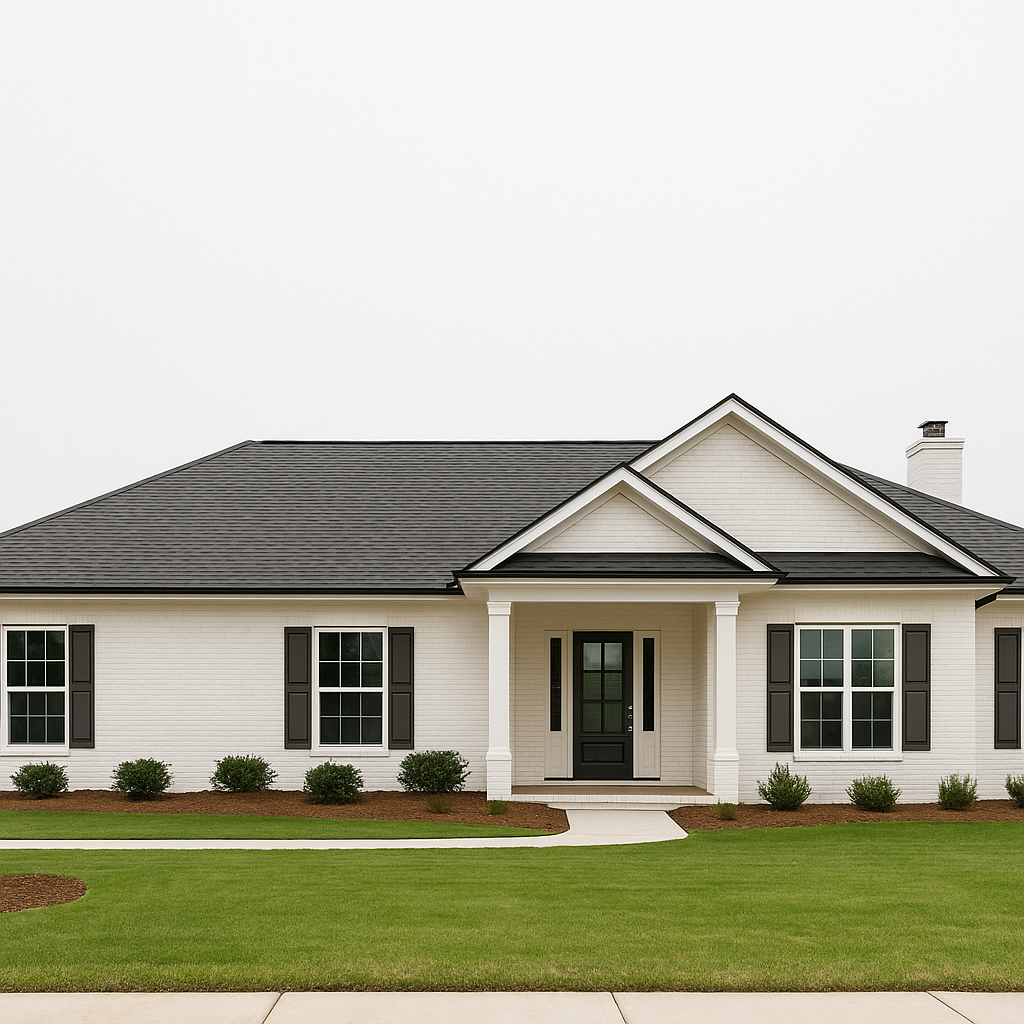
Designing a one-floor house is not a Pinterest exercise. It is a chain of choices that either hold up for decades or trap you in costly mistakes. Here is how pros actually move through it.
1. Budget sets the frame
I have seen dream layouts collapse the moment a beam quote landed. On single floors, long spans drive cost. A steel beam can run twelve to twenty thousand before finishes. Keep at least fifteen percent aside for surprises like slab cracks, bad soil, or the stair to a basement you thought you would skip.
→ Start your design by pricing structure, not furniture.
2. Write needs before wants
Forget the glossy sofa picture. Write down room counts, circulation, and storage priorities. A family that hosts dinners twice a week needs a bigger kitchen than one that eats takeout. A couple with aging parents needs bedrooms grouped on the quiet side, not facing the living wall.
→ Pin down how you actually live before you think about how it looks.
3. Pick an architect who knows slabs
Not every architect understands single-floor work. Ask how they detail slabs, manage roof spans, and zone daylight. If they cannot explain, keep moving. The wrong designer costs more than a cheap beam.
→ Choose someone who can show you past one-floor projects, not just glossy towers.
4. Layout is movement, not décor
Bad plans bleed space into halls. Two hundred wasted square feet is forty thousand dollars gone. Test door swings, fridge clearances, and sightlines on paper before you fall for a render.
→ Walk the plan as if you are carrying groceries or moving a sofa.
5. Materials bite back later
Hardwood refinishing runs thousands. Bamboo swells in damp slabs. Quartz resists stains but chips when installers rush. Pick for lifespan and repairability, not shine.
→ Before you pick a finish, check what it costs to fix when it fails.
6. Green means distance, not labels
Reclaimed wood hauled five hundred miles is not green. I have cut more carbon by using block from a yard fifteen minutes away. Transport miles matter more than fancy labels.
→ Ask where every major material comes from and how far it travels.
7. Accessibility is cheaper now
A thirty six inch door costs forty dollars more than a thirty two. Widening it later is thousands once drywall is up. Same with zero threshold entries. Do it now or regret it later.
→ Frame every opening wide the first time.
8. Light needs balance
Floor to ceiling glass looks sleek but often means blinds down all day. True comfort comes from cross light with windows or clerestories on opposite sides.
→ Stand in the plan at midday and check where glare will hit.
9. Outdoor space lives or dies on detail
A patio with no shade bakes. A deck without slope rots in three years. I have seen fifteen thousand dollar decks ripped out because drainage was skipped.
→ Design shade, slope, and protection first, then spend on furniture.
10. Personality comes after function
Do not waste money on custom furniture if the plan is broken. I watched a seven thousand dollar wall unit block the only garden view in a living room. Layout first, quirks later.
→ Add style only after the circulation and light already work.
11. Future growth is hidden in services
If you will need more space, size the structure and runs now. A roofline that allows a side addition and a utility line prepped for another bath save ten thousand in jackhammer work later.
→ Rough in the plumbing and size the roof so you can grow without tearing apart what you built.
-
Every square foot must earn its keep. Halls, spans, and dead decks eat money with no return.
-
Sequence first, style last. Shell, structure, services, then finishes.
-
Think a decade out. Accessibility, expansion, and maintenance cost cents today and thousands tomorrow.
Field Notes from Site
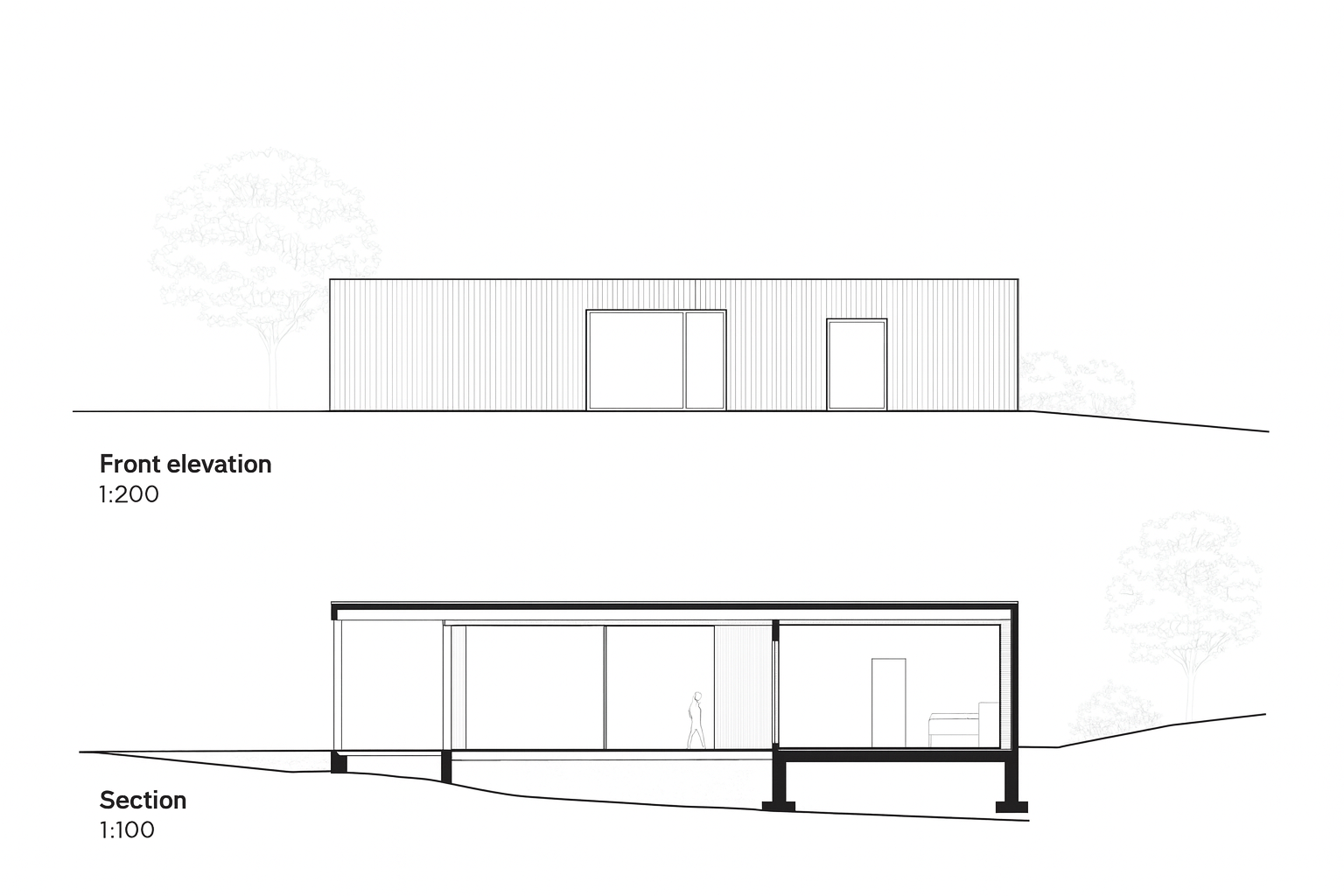
Most one-floor plans fail in the same three places. Circulation halls eat too much space. Roof spans push costs higher than two story builds. Services like plumbing, ducts, and wiring run too far and kill efficiency.
The good ones get the basics right. Kitchen close to the entry so groceries do not cross the house. Bedrooms grouped on the quiet side, not off the living wall. Windows tall enough to pull light deep into the plan.
I have walked houses where a single misplaced bath made the whole layout feel wrong. I have also seen compact 1200 square foot builds work better than sprawling 2000 square foot ranches because the rooms lined up clean. That is what makes or breaks a single floor home.
You might like: House Ideas: Designing Smart and Stylish Spaces that Work for You
What to Know About Single-Floor Houses
Hidden Costs Architects Rarely Flag
Custom details, mid-project design tweaks, and complex rooflines push budgets fast. A simple gable roof and rectangular plan save thousands compared to jogged footprints and hip roofs. Always keep 15–20% in reserve for soil surprises, service runs, and code changes.
History in Brief
From Roman courtyards to medieval cottages, from Wright’s Usonian homes to 1950s ranches, one-floor living has always been about practicality and affordability. Today, it’s updated with universal design, smart tech, and energy performance.
Key Lessons
-
Accessibility is the natural advantage.
-
Light and circulation make or break the plan.
-
Roof and slab details decide efficiency.
-
Outdoor links work only when privacy and drainage are solved.
A Short History of One-Floor Living
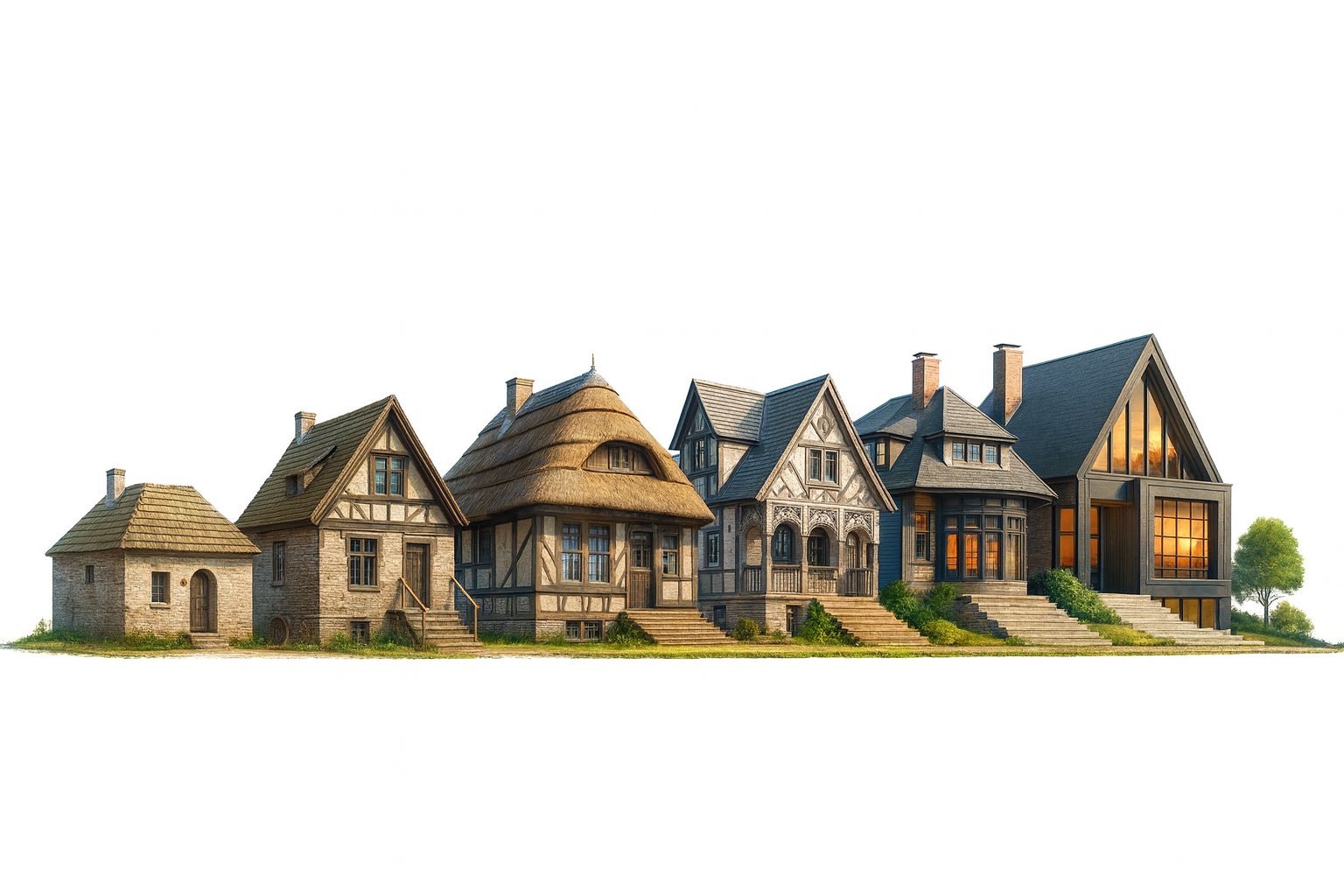
Single-floor houses aren’t a trend. They’ve been around as long as people have built homes. Stairs have always been the thing most people wanted to avoid.
Courtyards and compounds. Romans laid out single-level houses around courtyards so every room had light and air. Similar forms appeared in North Africa and Asia for the same reason: direct access outside, no wasted climbs.
The cottage era. In medieval Europe, cottages stayed low and simple. One room deep, one fire to heat it, walls of timber or stone. Quick to build and easy to keep warm.
Colonial pragmatism. Early settlers in North America cut logs and raised cabins in one level. No stair carpentry. No fancy trusses. Just walls, roof, done.
The bungalow boom. In the late 1800s and early 1900s, single-floor houses picked up a new identity. The bungalow, first shaped abroad, landed in California as the Craftsman. Compact, affordable, easy to maintain.
Ranch sprawl. After World War II, suburbs filled with wide lots and cheap land. Cars in every driveway. The ranch house spread fast, long and low across the landscape.
Today, single-floor homes are back in demand for new reasons: accessibility, energy performance, and low maintenance. What hasn’t changed is the appeal of living without stairs.
FAQ
1. Are single-floor houses cheaper to build than two-story homes?
Often yes. Foundations and roofs are bigger, but stairs and complex framing are eliminated. In the US and Canada, one-floor builds typically run 5–15% less than two-story of equal size. In the UK, land costs often erase the savings.
2. Do they cost more to heat and cool?
No. With the right slab insulation and roof detailing, single-floor homes are usually easier to condition. Failures come from missed slab edges or oversized glass walls without shading.
3. How small can a single-floor house be and still work?
Well-zoned 1,000–1,200 sq ft plans can feel larger than sloppy 1,800–2,000 sq ft ranches. Short halls, grouped bedrooms, and cross-lighting make the difference.
4. What are the biggest mistakes in single-floor layouts?
Long corridors, bedrooms backing onto living walls, roof spans not priced early, and outdoor spaces with no privacy. These errors ruin comfort and waste money.
5. Are single-floor houses good for aging in place?
Yes. Wider halls, no-step entries, and zero-threshold showers cost little upfront but save thousands in retrofits. They also improve resale.
6. What design upgrades pay off most?
Cross ventilation, simple rooflines, durable flooring, and built-in storage. These hold value better than trendy glass walls or oversized decks.
7. Do they hold resale value?
Strongly in markets with aging populations (Canada, US suburbs, UK retirement towns). Less so where land is tight and buyers want more vertical square footage.