
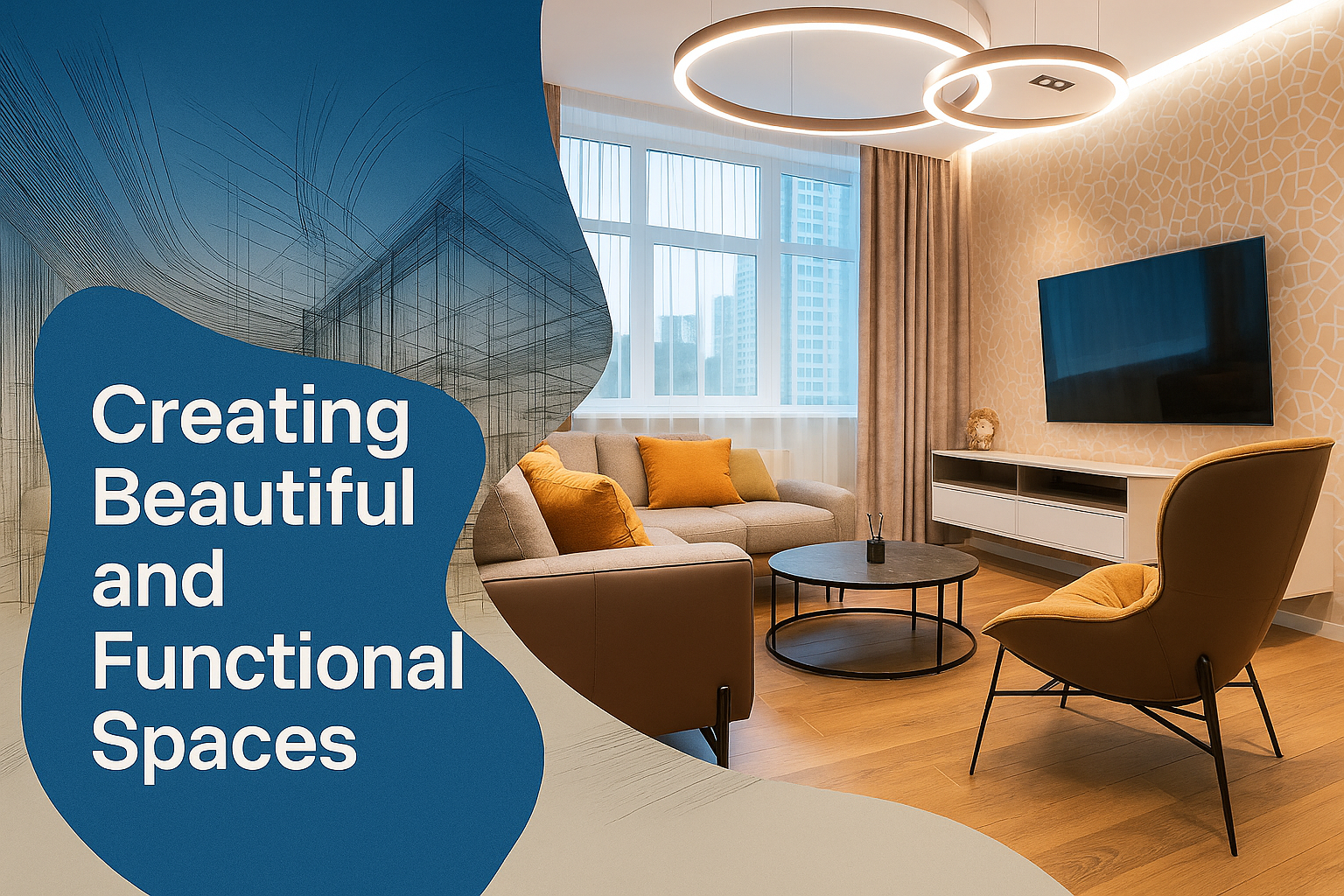
Interior Design Essentials
Creating Spaces That Actually Work: Interior Design That Feels Right
Good design is about how a space feels, functions, and flows.
After years of designing everything from small apartments to high-traffic commercial spaces, I’ve learned one thing: style means nothing without purpose.
This guide cuts through the noise with practical advice, real examples, and expert tips you can use right away—whether you’re just starting out or refining your professional workflow.
Practical Advice for Beginners and Professionals

The Art of Interior Design
Practical Interior Design tips and secrets from experts. Learn how to create functional, beautiful spaces with real-life examples and easy steps.
The Foundation of Great Interior Design
Interior Design Principles Made Simple

Interior design is much more than just arranging furniture or choosing a pretty color palette.
At its heart, it’s about creating spaces that are visually appealing, practical, and tailored to the needs of those who use them.
I’ve learned this through years of trial, error, and plenty of “aha” moments. Here’s a deeper dive into what truly makes great interior design.
1. Aesthetics: The Art of Visual Harmony
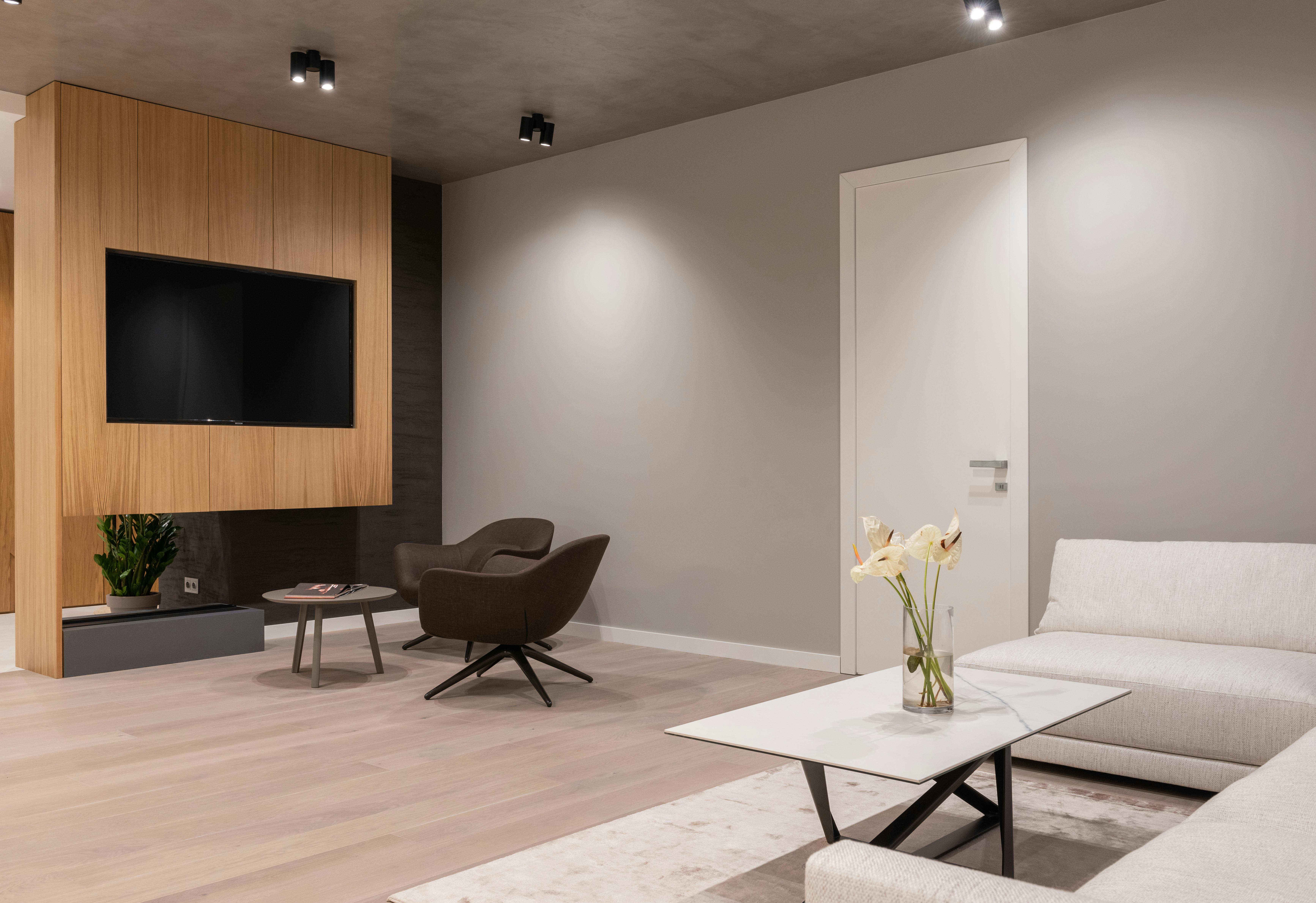
IMAGE: Minimalist living room with central couch, armchairs, table, and TV—designed for visual harmony, clean lines, and functional simplicity.
Aesthetics is what catches your eye when you walk into a room—the colors, patterns, textures, and overall vibe. It’s the first impression, and it sets the tone for the entire space.
- My Experience:
I once worked on a living room where the client loved bold colors but feared they’d overwhelm the space. By using a deep navy accent wall paired with neutral furniture and metallic decor, we achieved a dramatic yet balanced look. The navy added depth, while the neutrals kept it grounded. - Tips for Aesthetic Success:
- Choose a Focal Point: It could be a fireplace, a piece of art, or even a bold rug. Design around this feature.
- Stick to a Palette: Use the 60-30-10 rule: 60% dominant color, 30% secondary color, and 10% accent.
- Play with Textures: Combine smooth surfaces like glass with soft elements like plush throws or rugs to add dimension.
- Common Mistake to Avoid:
Don’t overdo it with patterns. I once used too many different prints in a bedroom, and it felt chaotic. Lesson learned: stick to one or two patterns and let solid colors balance them out.
2. Space Planning: Making Every Inch Count
Good design begins with a well-thought-out layout. Space planning ensures that a room is functional and easy to navigate.
- My Biggest Lesson:
Early in my career, I designed a small studio apartment and made the rookie mistake of placing oversized furniture too close together. The result? A cramped, uninviting space. After revisiting the layout, I swapped the bulky sofa for a sleek loveseat and added wall-mounted shelves. Suddenly, the room felt open and airy. - Steps for Effective Space Planning:
- Understand the Flow: Imagine how people will move through the space. Keep pathways clear.
- Define Zones: For larger spaces, divide areas by function—dining, lounging, working—using rugs or furniture placement.
- Measure Twice: Always measure furniture and compare it to the room dimensions before buying.
- Tips to Maximize Space:
- Use multi-functional furniture like ottomans with storage or extendable dining tables.
- In small spaces, go vertical—add tall bookcases or floating shelves.
- Mirrors are your best friend. They create the illusion of more space.
- Common Pitfall:
Pushing all furniture against the walls doesn’t always make a room feel larger. Sometimes floating furniture (like placing a sofa in the middle of the room) creates a more dynamic and spacious feel.
3. Functionality: The Backbone of Interior Design
Every space has a purpose, and good design supports that purpose seamlessly. Functionality means thinking about how a room will be used daily and tailoring the design to those needs.
- A Real-Life Example:
A client once asked me to design their kitchen, emphasizing aesthetics. But after watching how they used their current setup, I noticed they spent most of their time struggling to find counter space. Instead of just focusing on looks, I added more prep areas and created a designated baking zone. They couldn’t have been happier with the result. - How to Prioritize Functionality:
- Know Your Audience: Is the space for a busy family, a single professional, or a couple?
- Anticipate Needs: Think about lighting, storage, and seating. For example:
- Living Room: Add durable fabrics for families with kids or pets.
- Home Office: Ensure good lighting and ergonomic furniture.
- Bedroom: Focus on comfort with blackout curtains and soft lighting.
- Simplify Access: Place frequently used items where they’re easy to reach, like keeping spices near the stove or a charging station near the couch.
- Tips for Balancing Functionality and Aesthetics:
- Blend beauty with practicality. For example, choose a stylish coffee table with built-in storage.
- Use furniture that fits the room’s scale to avoid overcrowding.
- Incorporate flexible design elements, like movable partitions or modular furniture.
- Lesson Learned:
I once designed a dining area with a gorgeous glass table. While it looked stunning, the clients found it impractical for their kids who left fingerprints everywhere. Now, I always consider the client’s lifestyle before recommending materials.
Takeaways for Great Design
- Start with Functionality: A beautiful space is useless if it doesn’t work for its purpose.
- Plan Before You Buy: Measure and sketch layouts to avoid costly mistakes.
- Don’t Be Afraid to Edit: Sometimes less is more. Remove clutter to let key pieces shine.
- Test Your Choices: Before committing to colors or furniture, use samples or temporary layouts to see how they feel in the space.
Interior design isn’t just about making things look nice—it’s about creating spaces that work for you and make your life better. It’s about solving problems and adding a touch of creativity to every corner. When you focus on thoughtful planning, functionality, and a bit of flair, you can transform any room into a space you’ll love to live in.
And let me tell you, there’s nothing quite like stepping back and seeing a space come together just the way you imagined it. Whether it’s your own home or a project for someone else, the reward of a well-designed room is more than worth the effort.
So, roll up your sleeves, trust your instincts, and have a little fun while you’re at it—you’ve got this!
Related:
Lesson from Two Living Rooms
Bigger Space Doesn’t Always Mean Better Design
Let’s talk honestly. Look at these two rooms. One’s clearly larger (Image 1), the other’s smaller (Image 2). But which one feels better? Which one would you actually want to sit in?
Image 1: Big Space, Missed Opportunity
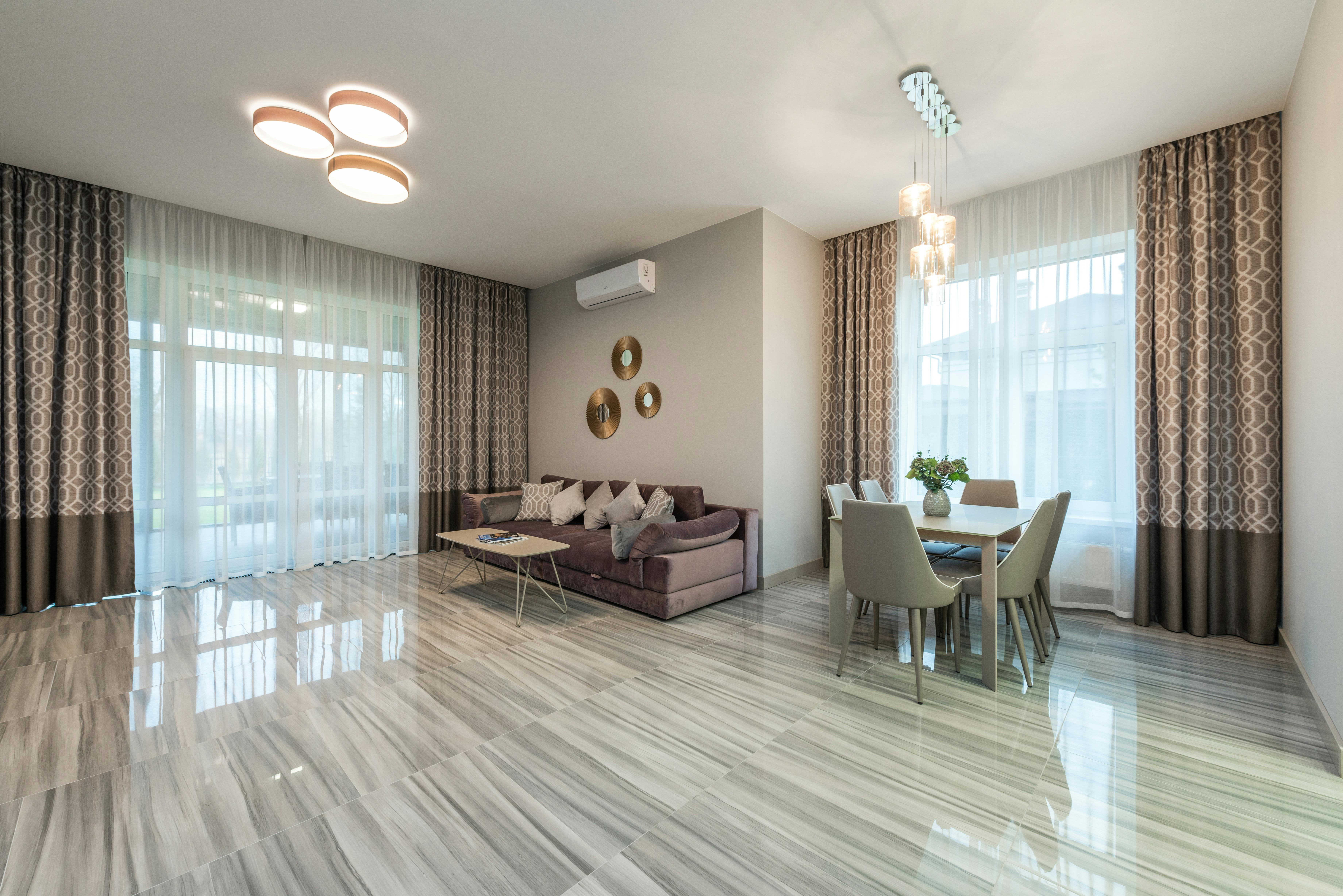
IMAGE: Spacious interior with minimal furniture placement and cold lighting, highlighting poor space utilization and lack of visual balance or warmth.
✔️ Lots of room
✖️ Feels empty, echoey
✖️ Furniture too sparse
✖️ Cold lighting, little visual balance
This space has potential—but it’s not being used well. The furniture is all pushed to the side, leaving the room feeling disconnected and hollow. There’s volume, but no warmth.
Mistake architects and DIYers make? Thinking space alone creates comfort. It doesn’t. You still need zones, balance, and texture. Big space needs big thinking.
Image 2: Smaller Room, Better Feel
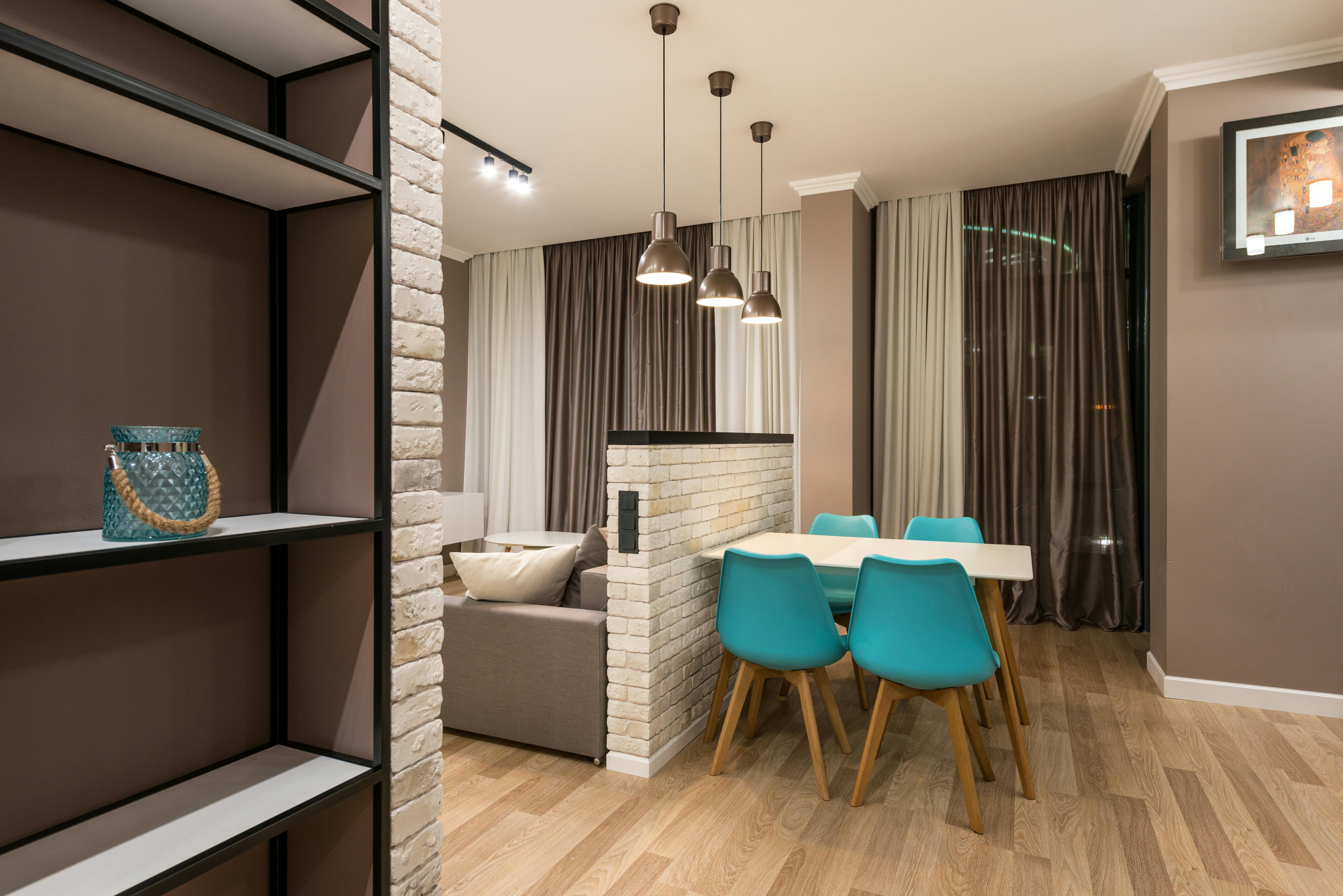
IMAGE: Small interior with cozy layout, warm lighting, and layered textures creating a balanced, inviting atmosphere through smart design and zoning.
✔️ Smart layout
✔️ Warm lighting
✔️ Furniture spaced just right
✔️ Cozy and inviting
This room isn’t huge, but it feels better. Why?
It uses proportional furniture, has a clear living + dining split, and layers fabric (curtains, rug, soft couch) to absorb sound and light. It creates intimacy—without clutter.
This is what real designers aim for: flow, mood, and function. Not just floor area.
Pro Tip from Experience
If your space feels lifeless:
● Add softness — curtains, rugs, fabric chairs
● Break up space — create zones using layout or lighting
● Think scale — big space = bigger furniture or grouped items
● Avoid “showroom float” — push furniture into conversation clusters, not just walls
Final Thought:
Don’t try to impress with space. Impress with feel.
Good design isn’t about how much space you have—
It’s about how you make it feel lived in.
The Creative Process
Interior Design Tips & Secrets
A Comprehensive Guide: The art and science of interior design. Learn how to combine aesthetics and functionality to transform your space.

Designing a space is a mix of inspiration and strategy. Here’s the process I follow:
- Assess the Space: Measure everything, check lighting, and consider what works or doesn’t. For example, in a loft apartment, I had to work around awkward beams but used them as a design feature.
- Create a Concept: Develop a vision that combines your needs with design principles. I once used earthy tones and natural textures to bring calm to a bustling city apartment.
- Plan It Out: Sketch layouts, pick colors, and decide on furniture placement. Digital tools like SketchUp can help here.
- Execute: Bring your vision to life. Start with the big items—furniture, paint, lighting—and then layer in decor and accents.
- Refine: Add finishing touches like art, rugs, and greenery. They make the space feel complete.
Details
The secrets of creating stunning interiors!
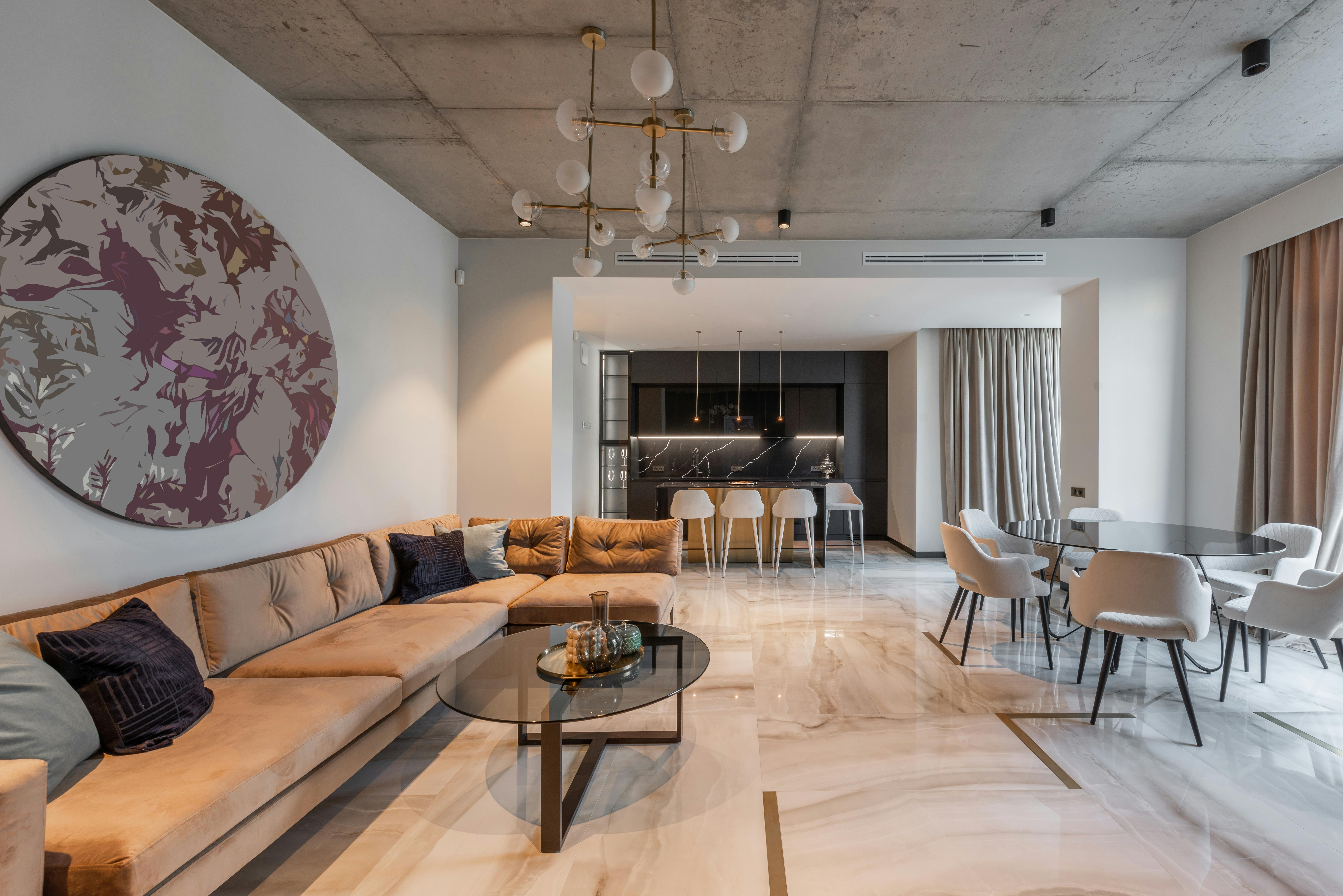
IMAGE: Contemporary interior with an open layout and natural color palette, combining harmony and function through well-zoned, highly usable living spaces.
How to Create Beautiful and Functional Spaces: Expert Tips for All Levels
Designing a space isn’t just about slapping furniture against walls and hoping it works.
It’s a thoughtful blend of inspiration and strategy—balancing what looks good with what actually works for your life.
Over the years, I’ve refined a process that ensures every space I work on, big or small, feels both beautiful and functional. Here’s a deeper dive into how I approach design, with real examples and lessons learned along the way.
1. Assess the Space: Understand What You’re Working With
Before you start dreaming about color schemes and furniture, take a good hard look at the space. This step is all about understanding what you’ve got and what you need to make it work.
- What to Do:
- Measure Everything: Wall lengths, ceiling heights, windows—know your dimensions inside and out.
- Check the Light: Observe how natural light moves through the space at different times of the day.
- Identify Challenges: Are there awkward angles, low ceilings, or poorly placed outlets?
- My Experience:
In a loft apartment I designed, the beams were a nightmare at first—low-hanging and awkwardly placed. Instead of fighting them, I made them a feature by wrapping them in warm wood and adding hanging plants. They went from eyesore to highlight. - Why It Works:
Assessing the space gives you the foundation to build on. When you know what you’re working with, it’s easier to make informed decisions and avoid costly mistakes later.
2. Create a Concept: Define the Vision

This is where the magic begins. The concept is your guiding star—a clear idea of how you want the space to look and feel.
- How to Do It:
- Think about how you want the space to function and the mood you want to create.
- Use inspiration sources like Pinterest, magazines, or nature.
- Decide on a color palette, textures, and key design elements.
- My Experience:
For a city apartment, the client wanted calm in the chaos. I leaned into earthy tones like greens and browns, paired with natural textures like jute and wood. The result? A space that felt like a tranquil escape in the middle of a bustling city. - Why It Works:
A solid concept keeps you focused. It prevents you from getting sidetracked by every cool idea you come across and ensures all elements work together cohesively.
3. Plan It Out: The Blueprint for Success
Good design doesn’t happen by accident—it’s planned. From layouts to furniture choices, this step turns your vision into a concrete (and actionable) plan.
- How I Plan:
- Sketch Layouts: Start on paper or use digital tools like SketchUp or RoomSketcher.
- Decide on Furniture Placement: Make sure there’s a logical flow and clear walkways.
- Pick Colors and Materials: Finalize your palette and choose durable, functional materials.
- My Experience:
For a family living room, I created zones for different activities—one for lounging, one for kids’ play, and another for reading. By using a sectional sofa to divide the space and a large rug to anchor the lounge area, we made the room multifunctional without feeling cluttered. - Why It Works:
Planning saves time, money, and stress. When everything is mapped out, there are fewer surprises during execution. Plus, it helps you spot potential issues early, like realizing that oversized coffee table won’t actually fit.
4. Execute: Bringing the Vision to Life
This is where the design comes off the page and into reality. Execution involves choosing the right order for installations and decorating.
- How to Execute Smoothly:
- Start with structural elements: Paint, flooring, and lighting should come first.
- Add furniture: Bring in the big pieces like sofas, beds, and tables before moving on to smaller decor.
- Layer in texture: Introduce pillows, rugs, and curtains to add warmth and dimension.
- My Experience:
I once jumped ahead to decorating a dining room before the lighting was installed. Big mistake. The furniture had to be moved multiple times, which delayed the project. Now, I always follow a strict order—start big, then get into the details. - Why It Works:
Following a logical order prevents unnecessary headaches. It ensures that every element builds on the last, making the process smoother and more efficient.
5. Refine: The Finishing Touches
The finishing touches are what transform a good design into a great one. This step is all about adding personality and making the space feel complete.
- What to Focus On:
- Add art, plants, and personal items to bring life to the space.
- Check for balance—adjust furniture placement or decor if something feels off.
- Layer in lighting with table lamps, sconces, or candles for added warmth.
- My Experience:
In one project, the room looked great but felt flat. I added a mix of textures—soft throw blankets, a jute rug, and velvet cushions—and suddenly, the space felt alive and inviting. - Why It Works:
Details matter. They’re what make a room feel personal and lived-in rather than staged. This step ensures your design is both polished and functional.
Why My Method Works
This process works because it’s structured but flexible. It ensures that you’re not overwhelmed by decisions or caught off-guard by challenges. Each step builds on the last, giving you a clear path from idea to reality.
- The Big Lessons I’ve Learned:
- Don’t Skip the Assessment: Knowing the space saves you from wasting time and money.
- Stick to Your Concept: It’s easy to get distracted, but staying true to your vision ensures consistency.
- Plan Like a Pro: Even a rough sketch can prevent costly errors.
- Be Patient During Execution: Rushing can lead to mistakes you’ll regret.
- Finish with Intention: The small details are what make the space truly yours.
Whether you’re designing a cozy bedroom, a functional office, or a stunning living room, this creative process can help you bring your ideas to life. It’s about more than creating something beautiful—it’s about crafting spaces that make life better. So, grab your tape measure, roll up your sleeves, and get started!
Secrets of Great Interior Designers
Here’s what many designers won’t tell you:
- Less Is More: A cluttered room feels overwhelming. Focus on a few standout pieces.
- The Rule of Three: Use three main colors in a space—dominant, secondary, and accent.
- Lighting Matters: The right lighting can make a space feel larger and more inviting. Mix ambient, task, and accent lighting.
- Go Big with Rugs: A too-small rug can make a space feel disconnected. Always size up.
- Personal Touches Make All the Difference: Incorporate items that reflect personality—family photos, travel souvenirs, or DIY pieces.
The Impact of Good Interior Design

Mastering the Art of Interior Design: Tips, Secrets, and Real Examples
Good interior design isn’t just about making a room look nice; it’s about improving the way you live, work, and feel in a space.
Well-designed environment can positively affect daily life—from reducing stress at home to boosting productivity in the workplace.
How thoughtful design can transform the way we experience our surroundings?
1. Stress Reduction at Home
Your home is your sanctuary, and good design can make it feel like one. The right layout, colors, and textures create a space that soothes your mind after a long day.
- From My Experience:
I once redesigned a bedroom for a client who had trouble sleeping. By switching harsh lighting for softer, warm-toned lights, introducing blackout curtains, and using a calming color palette of light blues and neutrals, they saw a noticeable improvement in their rest. Small changes can make a big difference. - Tips for a Stress-Free Space:
- Use soft, natural lighting wherever possible.
- Incorporate clutter-free storage solutions to keep spaces organized.
- Stick to calming colors like blues, greens, and earth tones.
- Add elements of nature, like plants or natural textures, to bring a sense of calm indoors.
2. Boosting Creativity and Productivity in Workspaces

Whether it’s a home office or a corporate setting, the design of a workspace plays a crucial role in how well we focus and perform.
- A Real-Life Example:
I once worked on a small office project where the team struggled with motivation and collaboration. The space was dimly lit and cramped. By introducing adjustable task lighting, modular furniture for flexibility, and an open layout with collaborative areas, the team reported feeling more energized and connected. - Design Elements That Enhance Workspaces:
- Lighting Matters: Use task lighting for focus areas and natural light to energize the room.
- Ergonomics First: Comfortable chairs and adjustable desks can make long workdays more bearable.
- Color Psychology: Add splashes of energizing colors like yellows or oranges to inspire creativity.
- Zoned Layouts: Create separate areas for focus, collaboration, and relaxation.
3. Promoting Emotional Well-Being

Design can significantly impact how you feel. Thoughtfully designed spaces can lift your mood and create a sense of belonging or comfort.
- A Humbling Experience:
I once redesigned a living room for a client going through a tough time. They wanted a space where they could feel grounded. By adding soft textures, warm wood tones, and family mementos as decor, the room became a comforting retreat. They told me it was like "coming home" again. - Ways to Foster Emotional Well-Being:
- Use personal items or sentimental pieces as part of the decor.
- Create cozy corners with plush seating and layered lighting.
- Incorporate symmetry in design—it often creates a sense of balance and stability.
- Avoid overcrowding spaces; let the room breathe.
4. Enhancing Functionality and Flow
Great design isn’t just about aesthetics—it’s about making life easier. A well-organized and functional space can save time, reduce frustration, and increase efficiency.
- Practical Changes I’ve Made:
A family once asked me to fix their chaotic kitchen. Counters were cluttered, and the layout didn’t support their needs. By rearranging the layout to create clear zones (prep, cooking, and cleaning), adding vertical storage, and decluttering counters, their kitchen became a space they actually enjoyed using. - Functional Design Tips:
- Map out clear paths for movement in each room.
- Use furniture that suits the room’s scale to avoid overcrowding.
- Incorporate hidden storage solutions to reduce visual clutter.
- Design with practicality in mind—think about how you’ll actually use the space day-to-day.
5. Building Connections Through Design

A well-designed space can foster social interaction and strengthen relationships. From living rooms that encourage family time to dining spaces that make guests feel welcome, good design sets the stage for meaningful connections.
- An Example of Designing for Connection:
For a client who loved hosting dinner parties, I designed a dining area with a large, inviting table, comfortable chairs, and layered lighting for an intimate atmosphere. They later told me their gatherings felt warmer and more engaging because of the space. - Design Tips for Social Spaces:
- Use comfortable seating arranged to encourage conversation.
- Opt for open layouts that promote flow between rooms.
- Use warm, inviting colors like oranges, yellows, or earth tones.
- Add personal touches, like family photos or unique artwork, to spark conversations.
6. Future-Proofing Your Space
Good interior design isn’t just about the present—it’s about creating spaces that can adapt to your needs over time.
- A Forward-Thinking Design:
I once helped a young couple design their living room with the future in mind. We chose modular furniture that could be reconfigured for different uses and added built-in storage to accommodate their growing family. Years later, they told me how grateful they were for planning ahead. - Future-Proofing Tips:
- Choose timeless designs and neutral color palettes that won’t go out of style.
- Invest in quality furniture that can adapt to new layouts.
- Add multi-functional spaces that can evolve as your needs change.
Why It Matters
Interior design is about more than just creating a visually pleasing space—it’s about crafting environments that enrich your daily life. Whether it’s a serene bedroom that helps you unwind, a functional kitchen that makes cooking a joy, or a vibrant office that sparks creativity, good design makes a difference you can feel every day.
Great design isn’t just for professionals or high-budget projects. With a little planning, creativity, and understanding of how spaces work, anyone can transform their surroundings into something extraordinary. And that’s the real magic of interior design.
Functional Spaces and Human-Centered Design
What Is Human-Centered Design in Architecture?
Human-centered design (HCD) is all about putting people first. It’s not just about building spaces—it’s about creating environments that make life better, easier, and more enjoyable.
Forget abstract definitions that feel distant; HCD is a practical, real-world approach to designing spaces that genuinely work for the people using them.
Here’s the essence:
- It starts with understanding users—how they live, work, and move through a space.
- It considers comfort and functionality as priorities over trends or aesthetics.
- It evaluates impact on mental health, productivity, and daily interactions.
Let me share a personal example. While working on a coworking hub, I quickly realized that the popular open-plan design wasn’t cutting it. People felt exposed and distracted. So, we brought in actual users, discussed their preferences, and adjusted. The final design featured cozy, semi-private booths for focused work alongside open, collaborative areas. The space became a hit, catering to everyone from solo entrepreneurs to bustling teams.
How HCD Applies to Architecture
HCD in architecture shifts focus from just "how a building looks" to "how it feels to live in." It’s about blending functionality with emotional impact. Imagine designing a hospital where patient rooms don’t just exist for treatment—they actively promote healing through natural light, soft colors, and ergonomic layouts.
Breaking It Down with Examples
- Residential Homes: Think of kitchens with intuitive layouts, living rooms that foster connection, or bedrooms designed for ultimate relaxation.
- Public Spaces: Parks with shaded seating, easy accessibility, and pathways designed for both strolling and cycling.
- Educational Buildings: Classrooms that adapt for collaborative or individual learning, with comfortable seating and balanced acoustics.
Why It Matters
HCD isn’t just "nice to have." It makes spaces more inclusive, comfortable, and efficient. Architects adopting this approach are reshaping how we think about buildings—not as static objects, but as living, breathing spaces that enhance our lives. The results? Happier users and better-designed environments.
Human-Centered Design: Creating Spaces That Feel Comforting Rather Than Clinical
Designing spaces that feel warm and inviting requires a delicate balance between functionality and emotional connection. Clinical environments often prioritize utility, but comforting spaces go a step further—they address the human need for warmth, familiarity, and relaxation.
Here’s how to create spaces that feel like a welcoming hug, not a sterile checklist.
1. Choose a Warm Palette
Colors have a powerful effect on emotions. To create a comforting atmosphere, opt for tones that evoke warmth and tranquility.
Tips:
- Warm Neutrals: Use shades like beige, taupe, or soft browns as a base.
- Accent Colors: Add touches of muted gold, dusty rose, or soft green for personality without overwhelming.
- Avoid Harsh Whites: Replace stark white with off-white or cream tones for a softer, less clinical feel.
Example:
A family counseling center swapped their sterile white walls for warm, earthy tones and instantly transformed the mood of the space, making clients feel at ease from the moment they walked in.
2. Add Textural Layers
Comfort often comes from tactile experiences. Incorporating a variety of textures creates depth and interest, making spaces feel cozy and inviting.
Tips:
- Soft Materials: Use plush throws, velvet cushions, and shag rugs to add softness.
- Natural Textures: Include elements like wicker, wood, or stone to ground the design in nature.
- Balanced Contrast: Pair smooth surfaces like polished wood with rougher textures like woven fabrics for a harmonious feel.
Example:
In a dental clinic redesign, the waiting area included leather armchairs, a soft wool rug, and wooden side tables. Patients described the space as calming and homely—far from the usual clinical vibe.
3. Focus on Lighting
Harsh fluorescent lights can make even the most thoughtfully designed spaces feel impersonal. Lighting is key to setting a comforting tone.
Tips:
- Layered Lighting: Combine overhead lights with table lamps, wall sconces, or dimmable LEDs to create variety.
- Warm Bulbs: Use bulbs with a color temperature of 2700K to 3000K for a soft, golden glow.
- Natural Light: Incorporate large windows or skylights where possible, diffusing light with sheer curtains.
Example:
A boutique hotel swapped out their stark overhead lights for warm pendant lamps and floor lights. Guests often commented on how “homey” and relaxing the rooms felt.
4. Personal Touches and Décor
Clinical spaces can feel impersonal because they lack character. Adding thoughtful details can instantly make a room feel more relatable and welcoming.
Tips:
- Artwork: Choose pieces that reflect the purpose of the space, like nature-inspired prints for a spa or abstract art for a creative workspace.
- Plants: Incorporate greenery to bring life and vibrancy. Low-maintenance plants like pothos or succulents are ideal.
- Books and Accessories: Add shelves with books, ceramics, or personal knick-knacks to make spaces feel lived-in.
Example:
In a shared office space, the addition of bookshelves with colorful spines and local artwork turned a sterile conference room into an inspiring creative hub.
5. Pay Attention to Furniture Design
The right furniture can make or break the comfort of a space. Functional doesn’t have to mean cold or unwelcoming.
Tips:
- Rounded Edges: Opt for furniture with soft curves rather than sharp angles for a more approachable aesthetic.
- Upholstered Pieces: Prioritize cushioned seating over hard, unpadded chairs.
- Flexible Arrangements: Allow furniture to be moved and adjusted to fit different group sizes or needs.
Example:
In a pediatric clinic, adding curved, colorful sofas replaced the rigid rows of plastic chairs. Children and parents both felt more relaxed and less like they were in a medical facility.
Why This Matters
Spaces that prioritize comfort over clinical design help foster trust, reduce stress, and promote positive experiences. Whether it’s a home, office, or public building, a comforting environment encourages connection and well-being.
Quick Tips to Get Started
- Replace shiny, reflective surfaces with matte finishes.
- Use textiles like curtains or rugs to absorb sound and reduce echoing.
- Keep functional elements like storage hidden or seamlessly integrated into the design.
- Experiment with scents using candles or diffusers for an added sensory layer.
A Thoughtful Approach to Design
Creating spaces that feel comforting rather than clinical requires more than just good aesthetics—it’s about building environments that resonate on a personal level.
When you focus on warmth, texture, lighting, and carefully chosen details, even the most practical spaces can become inviting and relaxing. A few intentional choices, like incorporating soft materials or natural light, can turn a space into a true haven.
This approach works in any setting, whether it's a home, office, or shared public area. Great design isn’t just about appearance—it’s about crafting spaces that evoke comfort, connection, and a sense of belonging.
Future Trends in Interior Design
- Biophilic Design: Incorporating plants and natural elements to create a calming, connected environment.
- Smart Homes: Integrating technology like smart lighting and automated blinds.
- Sustainability: Using eco-friendly materials and energy-efficient designs.
Leveraging AI for Smarter, More Efficient Interior Design
Artificial intelligence (AI) is transforming the world of interior design, making it more accessible, efficient, and innovative than ever before. From generating design ideas to streamlining workflows, AI tools can help you achieve the best results with less effort. Here’s how you can take advantage of AI to elevate your design process, whether you’re a professional, a student, or simply a home design enthusiast.
1. AI-Powered Design Tools
AI tools can assist in visualizing and planning your space with remarkable accuracy.
- Tools You Can Use:
- Planner 5D: Create 3D floor plans and experiment with layouts, furniture placement, and color schemes.
- RoomGPT: Upload a picture of your space, and it generates design ideas in various styles.
- Foyr Neo: A professional-grade platform for creating layouts and virtual staging with AI assistance.
- Why It’s Useful:
- Instantly see how different design choices will look before making a commitment.
- Experiment with multiple layouts and color palettes to find the perfect combination.
- Save time on manual rendering and focus more on creativity.
2. Personalized Design Recommendations
AI can analyze your preferences and suggest designs tailored to your style.
- How It Works:
- Tools like Havenly and Modsy ask you to fill out a style quiz or upload photos of your current space.
- Based on your responses, they generate personalized room designs and recommend furniture and decor items.
- Real-Life Example:
A client once struggled to decide between modern and industrial styles. Using AI-based quizzes, we narrowed down their preferences and created a hybrid design that reflected their personality perfectly.
3. Optimizing Space and Functionality
AI algorithms excel at optimizing layouts, especially for small or oddly shaped spaces.
- How AI Helps:
- Tools like AutoCAD with AI plugins can suggest efficient furniture arrangements, maximizing both functionality and aesthetics.
- AI-powered space planners can calculate the best placement for furniture based on room dimensions, traffic flow, and natural lighting.
- Pro Tip:
Use AI to test different layouts in real-time. For instance, if you’re designing a home office, AI can recommend ergonomic setups that boost productivity and comfort.
4. Material and Color Selection
AI tools can help you choose the right materials and colors to bring your vision to life.
- Examples:
- ColorSnap Visualizer by Sherwin-Williams: Upload a photo, and the app suggests paint colors to match or complement your space.
- Maya AI: Offers material recommendations for furniture, flooring, and finishes based on durability and style preferences.
- Why It’s Game-Changing:
- Avoid costly mistakes by seeing how colors and materials will look together.
- Access eco-friendly options suggested by AI to create sustainable designs.
5. Automating Tedious Tasks
Let AI handle the repetitive tasks so you can focus on creativity.
- What AI Can Do for You:
- Generate lighting plans based on room function and mood.
- Create shopping lists with links to furniture and decor items.
- Automate measurements and calculations for more precise designs.
- Pro Tip:
Use tools like Cedreo or SketchUp AI plugins to speed up the technical side of your design projects while maintaining accuracy.
6. Virtual Reality (VR) and Augmented Reality (AR) Integration
AI works seamlessly with VR and AR technologies to give you a real-world view of your designs.
- How It Works:
- AI-powered AR apps like IKEA Place let you place virtual furniture in your home using your smartphone camera.
- VR tools such as Enscape allow you to walk through a virtual version of your design for a fully immersive experience.
- Why It Matters:
- Helps clients and homeowners visualize the final design in their actual space.
- Makes it easier to identify adjustments before committing to purchases.
7. Staying Ahead with AI Trends
AI in interior design is rapidly evolving, so staying updated on the latest tools and techniques is essential.
- Emerging Trends:
- AI-driven sustainability tools that calculate the environmental impact of your design choices.
- Smart home integration tools that recommend layouts for connected devices like smart speakers or thermostats.
- AI-generated design styles that merge global aesthetics for a unique look.
Why AI is a Game-Changer in Interior Design
Using AI doesn’t mean replacing creativity—it’s about enhancing it. AI simplifies the technical aspects of design, leaving you more time to focus on the artistic elements. It empowers you to test bold ideas, make data-driven decisions, and deliver exceptional results more efficiently.
Redesigning your living room or tackling a big project? AI tools are here to make the process smarter, faster, and a whole lot more fun.
They won’t replace your creativity—they’ll supercharge it.
So dive in, try out a few tools, and see how they can take your designs to the next level.
Trust me, once you start, you’ll wonder how you ever worked without them!
FAQs: Interior Design Questions Answered
1. How do I start designing my space?
Designing a space can feel overwhelming, but starting with a clear purpose helps guide your decisions.
- Steps to Begin:
- Identify the room’s main function (e.g., relaxing, working, entertaining).
- Assess the space—measure dimensions and note lighting, windows, and any architectural features.
- Create a rough layout on paper or using a digital tool like SketchUp.
- Build your design around one key feature, like a fireplace or a favorite piece of furniture.
- Pro Tip: Start small! Focus on one area or corner of the room to get the creative juices flowing.
2. What’s the biggest design mistake to avoid?
Ignoring scale is a common pitfall that can ruin the balance of a space.
- Examples of Scale Issues:
- A massive sectional sofa in a small living room can make the space feel cramped.
- Hanging tiny artwork on a large, empty wall makes the room feel unfinished.
- How to Get It Right:
- Measure your space and furniture before purchasing.
- Use painter’s tape on the floor to visualize furniture size and placement.
- Choose rugs that anchor the furniture layout—typically, they should be large enough to fit at least the front legs of sofas and chairs.
3. How do I make a small space feel bigger?
Creating the illusion of space is all about strategic choices.
- Tips for Expanding a Small Space:
- Mirrors: Reflect light and create the perception of depth.
- Light Colors: Stick to whites, pastels, or soft neutrals to open up the room visually.
- Multi-Functional Furniture: Use items like ottomans with storage or a sofa bed.
- Vertical Space: Install tall shelves or hang curtains closer to the ceiling to draw the eye upward.
- Quick Fixes That Work:
- Swap heavy drapes for sheer curtains.
- Declutter—fewer items on display create a cleaner, more open look.
4. Do I need expensive furniture for great design?
Absolutely not! Good design isn’t about how much you spend but how you put it all together.
- Smart Shopping Tips:
- Combine budget-friendly basics with a few standout pieces, like a vintage coffee table or an eye-catching lamp.
- Check thrift stores, flea markets, or online platforms for unique finds.
- Invest in key items like a quality sofa or bed, but save on accessories like cushions and throws.
- Examples:
- Pair a basic IKEA sofa with custom-made or colorful throw pillows for a unique look.
- A $20 vintage mirror can become a stunning focal point when hung strategically.
5. How do I choose a color palette?
Your color palette sets the tone for the entire room, so it’s worth giving it some thought.
- How to Decide:
- Start with something you love—artwork, a rug, or even a favorite outfit. Pull colors from that inspiration piece.
- Use the 60-30-10 Rule:
- 60% Dominant Color: Walls or large furniture.
- 30% Secondary Color: Upholstery or accent walls.
- 10% Accent Color: Decor items like cushions, lamps, or vases.
- Pro Tips:
- Test paint samples on your wall and observe them at different times of day.
- Use color psychology—soft blues and greens are calming, while yellows and reds are energizing.
Quick Takeaways:
- Design is About Balance: Prioritize functionality, scale, and personal style.
- Don’t Fear Mistakes: Trial and error is part of the process—adjust and refine as you go.
- Your Space, Your Rules: Ultimately, a well-designed space is one that works for you and reflects your personality.
Resources
- American Society of Interior Designers (ASID): www.asid.org
- National Council for Interior Design Qualification (NCIDQ): www.cidq.org
- Royal Institute of British Architects (RIBA): www.architecture.com
- Interior Designers of Canada (IDC): www.idcanada.org
- Green Building Council: www.usgbc.org
Conclusion
Interior design isn’t just about making things look good—it’s about creating spaces that actually work for you and make life a little better every day.
Whether you’re sprucing up your own home, lending a hand to a friend, or dreaming of becoming a pro, the trick is finding that sweet spot between beauty and practicality.
And hey, mistakes happen—I’ve made plenty, and each one taught me something valuable.
So, trust your gut, have fun with the process, and remember: a little thoughtfulness goes a long way. Now go on, start designing spaces you’ll love to live in!
Related:
- Space Planning Essentials: A Step-by-Step Guide for Architecture Students