
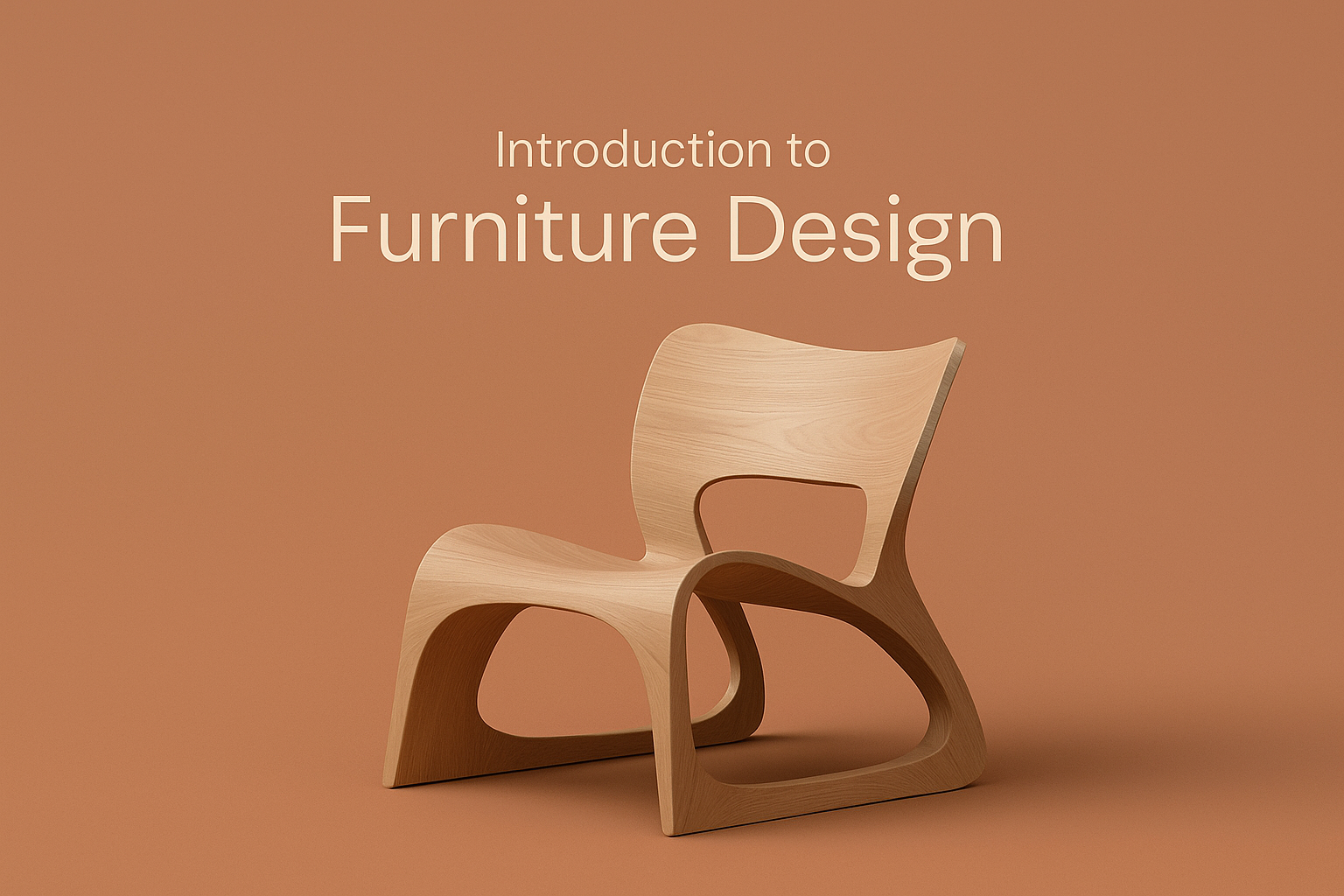
Furniture Design Is Architecture That You Can Touch
Most design courses start with definitions. Forget that. Let’s start with the truth: architecture doesn’t end at the wall. It ends at the chair, the table, and the light that makes them visible. The line between building and furniture is thinner than most people think — it’s where scale turns human and ideas turn tactile. When you shape furniture, you’re shaping how bodies meet space.
I’ve spent years on both sides — drawing buildings and sketching the furniture that completes them. Every time, the same thing happens: the moment you bring in a chair or lamp, the architecture starts breathing. That’s the space where real design lives. If you want a deeper story about architects who crossed that line on purpose, read Furniture Design and Architecture: When Architects Design Chairs Instead of Buildings .
This guide isn’t another list of styles or materials. It’s about what furniture design teaches you that buildings can’t — proportion you feel instead of draw, balance you test with your own weight, and the discipline of making something that must actually touch the ground. These lessons separate the designers who stay theoretical from the ones who build things that hold up — literally and emotionally.
We’ll start simple. Not with history, but with why furniture is the fastest way to understand how architecture really works. You’ll see how form, ergonomics, material, and light are not separate subjects — they’re one conversation, repeated at different scales. By the end, you’ll think about design the way the best architects do: from the inside out.
What This Course Offers
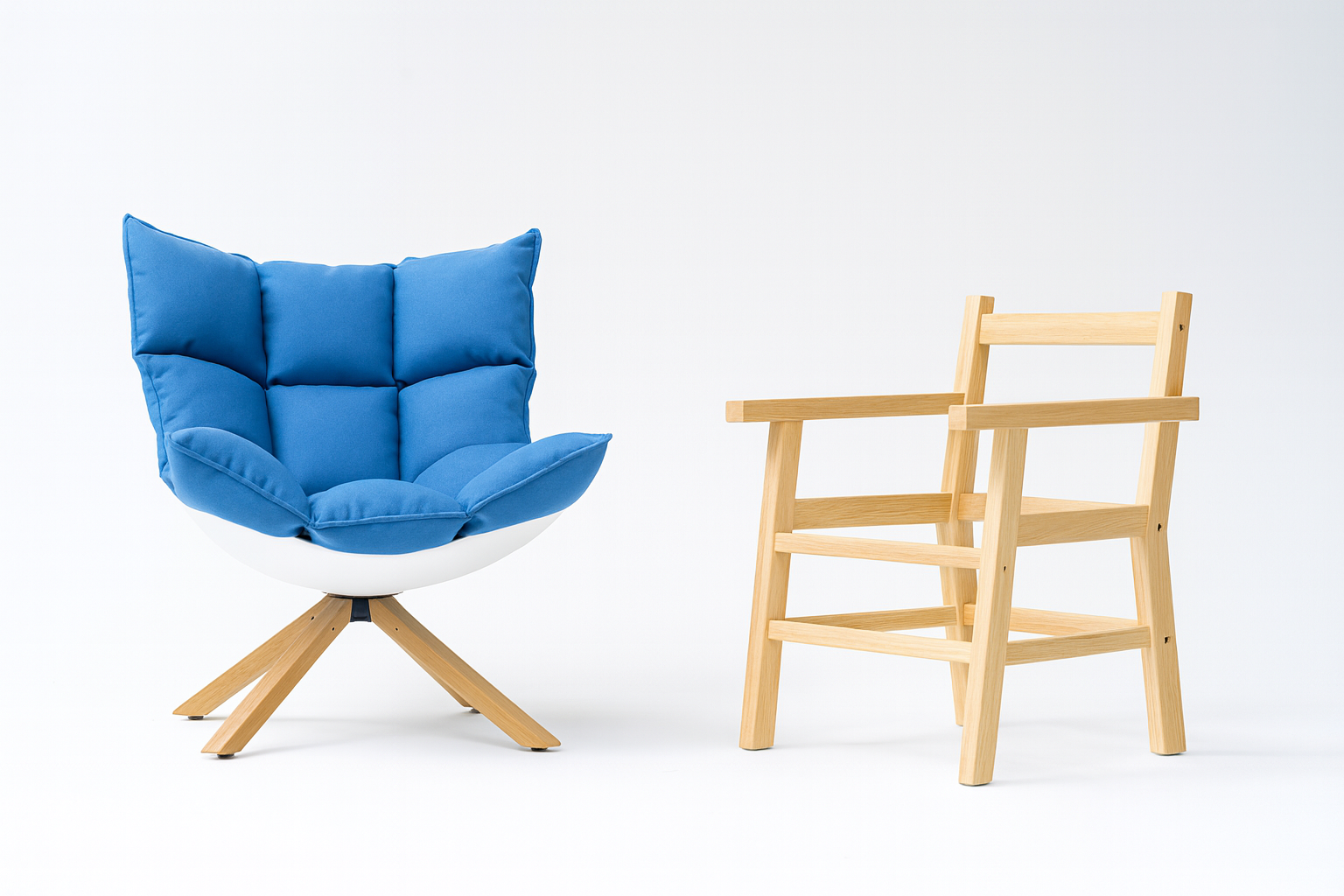
• How to read a piece of furniture like a building — structure, envelope, function, and emotion.
• How to sketch, prototype, and test furniture as part of your architectural thinking.
• How light and texture change what comfort means.
• How great architects used furniture to solve spatial problems, not to decorate.
• How sustainability starts with scale — materials you can lift, fix, and reuse yourself.
You’ll finish this with a sharper eye, steadier hand, and a habit every good architect needs: to build small first, then scale up. Every chair is a studio in miniature. Every lamp is a building that fits in your hand.
Furniture Design 101: Form, Material, and the Human Scale
The fastest way to understand architecture is to build something small. Furniture design shows what structure feels like in your hands.
Furniture Design and Architecture: How Architects Learn by Building Smaller
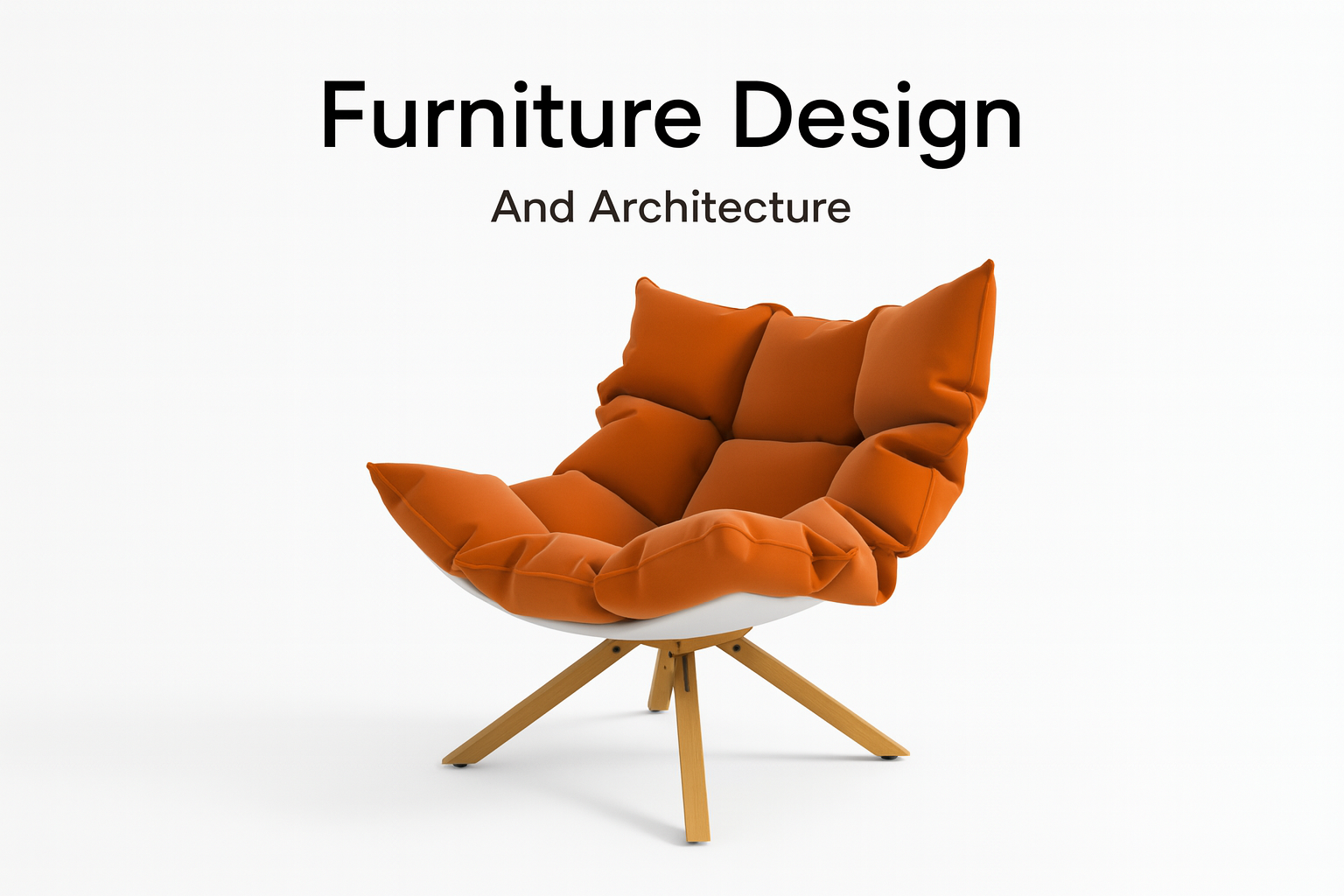
Architecture teaches you to think big. Furniture teaches you to think real. The two are not separate worlds. Every architect who ever built something meaningful understood this link. From Le Corbusier to Alvar Aalto to Frank Lloyd Wright, they all designed chairs and tables because they wanted to understand how people actually touch architecture. Buildings are slow. Furniture gives instant feedback. You build it, sit in it, and know immediately if you understood proportion or not.
This course takes that relationship seriously. It is not another design theory list. It is about how architects use furniture to test their own ideas, and how you can use it to sharpen your sense of material, structure, and light. You can learn more about how architects cross the boundary between space and object in Furniture Design and Architecture: When Architects Design Chairs Instead of Buildings.
Why Architects Design Furniture

There is a simple reason so many architects become furniture designers at some point. Scale. A chair forces you to deal with human measurements. You can fake proportion on a plan. You cannot fake it when someone sits down. Every joint, curve, and edge becomes a design decision that affects the body. The feedback is immediate. That makes furniture the fastest, most honest classroom an architect can have.
Furniture also teaches humility. You can build a large house that hides a small mistake. A chair will not let you. If your structure is off by a few millimeters, it wobbles. If your material choice ignores texture, the piece feels wrong under the hand. When you start to design furniture, you start to understand architecture through the fingertips.
Every student should build one real chair before graduation. Not a digital render. A chair that can carry weight. The lessons stay for life.
Form and Function in the Real World
The phrase “form follows function” gets repeated so much it loses meaning. Furniture gives it back. Sit on a badly designed stool and you feel the phrase physically. The seat height, the angle, the curve of the back — each part shows what form following function really means.
In architecture, function can be stretched or abstracted. In furniture, it is exact. Function means comfort, weight, stability, and alignment. Form means the way the eye reads those forces. Good furniture hides engineering inside grace. That mix is what every architect should practice.
If you want to study form and proportion beyond furniture, open House Front Design: Architect’s Checklist for Elevations That Work. The same balance applies. Architecture that works visually almost always follows the same structural sense that makes a chair feel right.
Materials as Teachers
Furniture teaches you what materials actually do. Wood expands. Metal cools fast. Concrete cracks where tension is ignored. These are not problems. They are teachers. In buildings, materials are often handled by contractors or engineers. In furniture, they are in your hands.
Learn wood grain before you learn software. Wood will show you why line direction matters. It will show you that cutting across grain weakens structure, the same way bad load paths weaken a beam. If you ever want to understand texture and finish, read Color Psychology Basics: What Every Designer Should Know. A finish is not only visual. It sets mood and defines how a surface ages. The same science behind wall colors applies to oak, walnut, and birch.
Metal is another story. It does not forgive mistakes. It makes strength visible. Many modernist architects loved it because metal showed structure without decoration. Wood hides. Metal exposes. Working with both teaches balance between honesty and softness.
The Third Element: Light
Architecture is form, structure, and light. Furniture becomes part of that system. When you place a chair under a skylight, you are designing lighting as much as seating. The way light hits a material decides whether the space feels alive or dead.
In my early years, I once finished a project with perfect materials and balanced furniture. At night, it looked lifeless. The lights were too cold, the walls flat, and the furniture shadows too harsh. That mistake taught me that light is not the last layer. It is the invisible architecture holding everything together.
If you want to understand how light shapes rooms, look at the small houses in Small Houses That Don’t Feel Small. Those projects prove that good lighting creates scale. It stretches perception. The same trick works on furniture. Aim a wall washer near a wooden surface and you will see the grain come alive. Good architects treat light like material.
FIELD PICK: Cradle to Cradle: Remaking the Way We Make Things — essential if you care about how light, material, and sustainability intersect. The book changes how you think about manufacturing and finish quality.
Proportion, Balance, and Human Scale
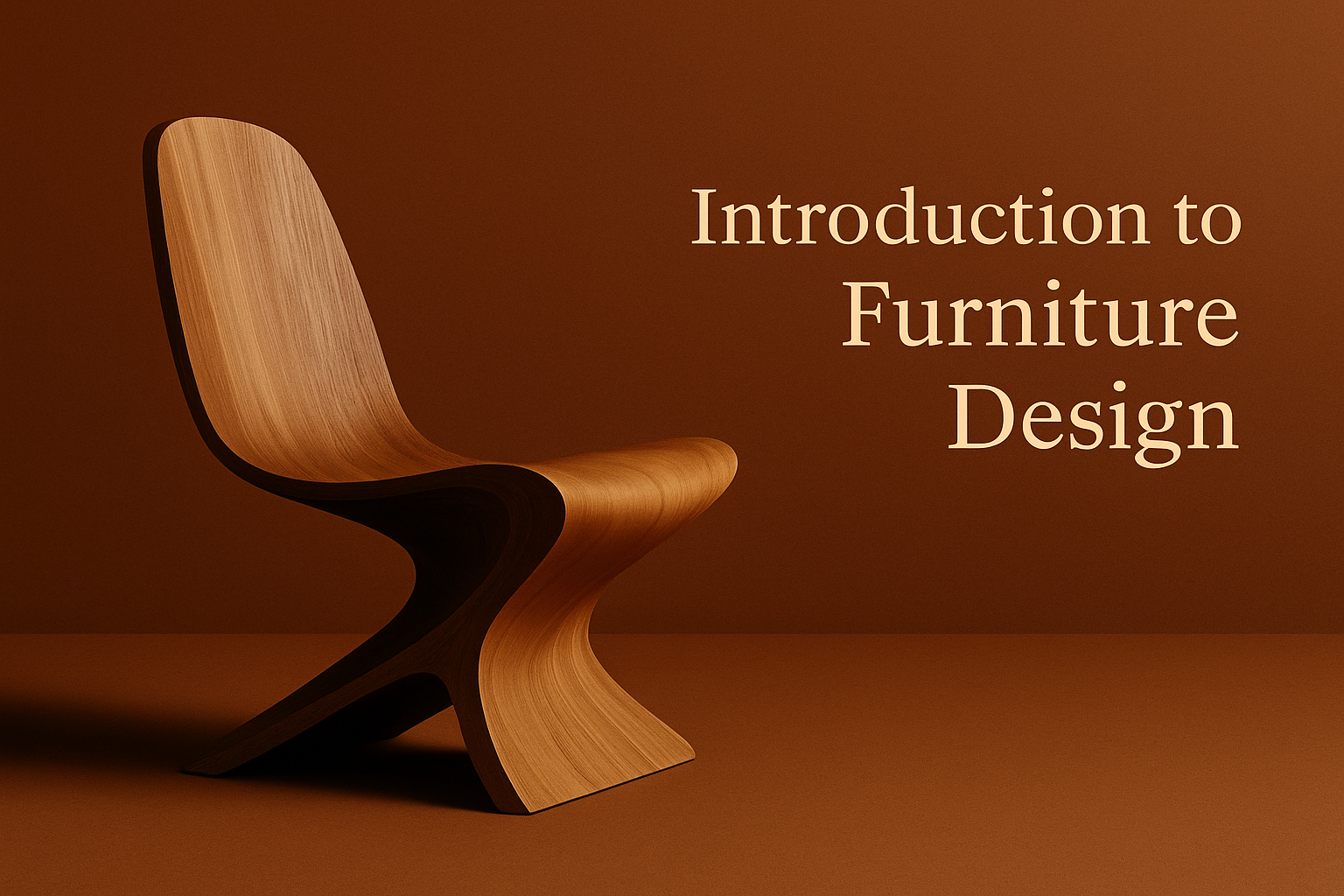
Proportion is the backbone of design. In buildings, proportion comes from grids, modules, and façade lines. In furniture, proportion lives in inches. The distance between seat and table edge decides comfort more than any aesthetic. If your table height is wrong by even two centimeters, people notice.
Every architect should study ergonomics as carefully as structure. The rules are not creative limits. They are human truths. A body needs support angles that match joints and muscle groups. A chair back tilted just slightly too far forces strain. A table that cuts off circulation at the thigh kills usability. The discipline that grows from learning those details makes your architecture more humane.
If you need a broader context for proportion in buildings, open Housing Concepts Explained: From Traditional Styles to Minimalist Trends. The geometric order you find there echoes the same ratios used in furniture. Scale repeats. You only change the numbers.
From Sketch to Prototype
Design lives in process. Many designers stop at sketching. Real understanding starts when you move from paper to prototype. That is where proportion, material, and joinery meet reality.
A quick sketch tells a story. A prototype tells the truth. You will see if your structure holds, if your seat angle supports real posture, if your joints fail under load. Building small models with hand tools before digital modeling trains your eye to respect dimension. I learned that early. My first stool design looked perfect on screen. In wood, it rocked on the floor. The legs were uneven by two millimeters. It taught me more than any software ever could.
If you want technical guidance on sketching, modeling, and drawing, study Modern Tiny House Design. The lessons about compactness, structure, and spatial efficiency apply directly to furniture.
Architectural Furniture: Icons and Lessons
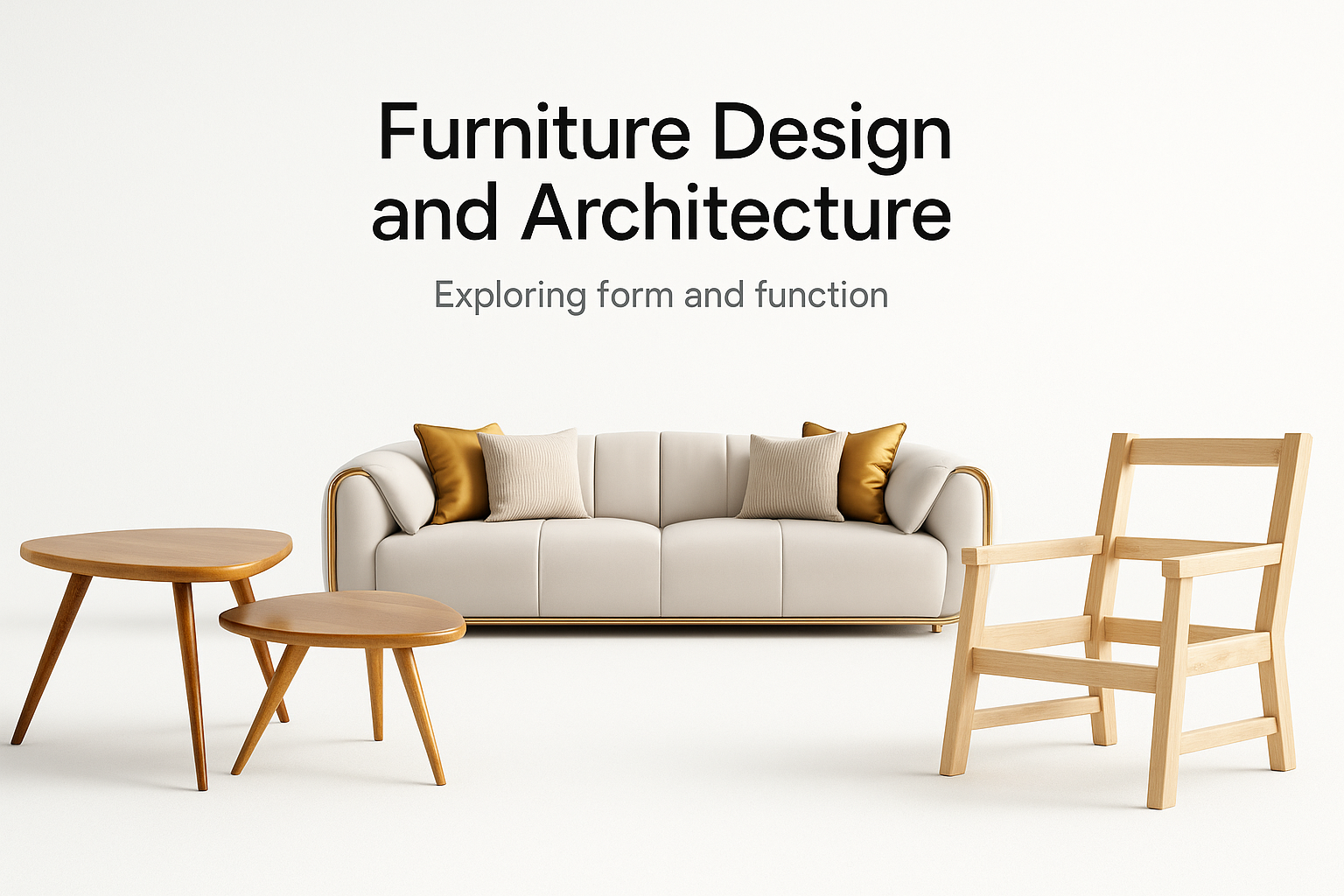
Every era has architects who built smaller to learn better. Le Corbusier’s LC2 chair taught him about structural honesty. Alvar Aalto’s bent plywood chairs were tests in flexibility and warmth. Mies van der Rohe’s Barcelona chair was architecture turned into furniture — steel and leather treated as space, not décor.
Designing furniture trains your sense of unity. It forces you to make every detail serve structure and comfort at once. You cannot hide behind ornament or theory. Every joint either works or fails. This clarity is why so many architects love designing furniture even after years in large projects. It reminds them what design really means: one clean line that solves many problems.
If you want to explore how these masters thought, read The Timeless Way of Building by Christopher Alexander. It explains why some designs simply feel right. The same principle explains why a chair can feel balanced the instant you see it.
Furniture and Space: The Invisible Dialogue
A building is never finished until it meets furniture. Empty architecture feels incomplete. That is why real estate agents stage houses and museums curate furniture exhibits. We read space through things that occupy it.
Furniture defines zones. It directs movement. It controls sightlines and conversation. A couch placement can open or close a room as much as a wall can. Architects who understand this build better interiors. They know how to guide users through experience, not just circulation.
If you want to practice this thinking, explore layouts and interior logic in Single Floor House Design: Stylish, Modern, and Practical Homes. The way furniture sits inside those plans shows how architects choreograph flow.
Sustainability at a Small Scale
Sustainability starts small. Every time you build a table that lasts decades, you are doing more for the planet than installing one solar panel on a building that will be torn down in fifteen years. Furniture gives you the chance to use local materials, recycle offcuts, and understand real life cycles of design.
Design for disassembly should be a rule. Use joints that can be repaired, surfaces that can be refinished, and parts that can be replaced without waste. You learn real sustainability when you fix your own work instead of throwing it away.
Read Innovative Housing Concepts and Designs: A Glimpse into the Future for examples of architects who bring that same logic to full buildings. Their process starts with furniture-scale experiments that later inform large projects.
Why Every Architect Should Build a Chair
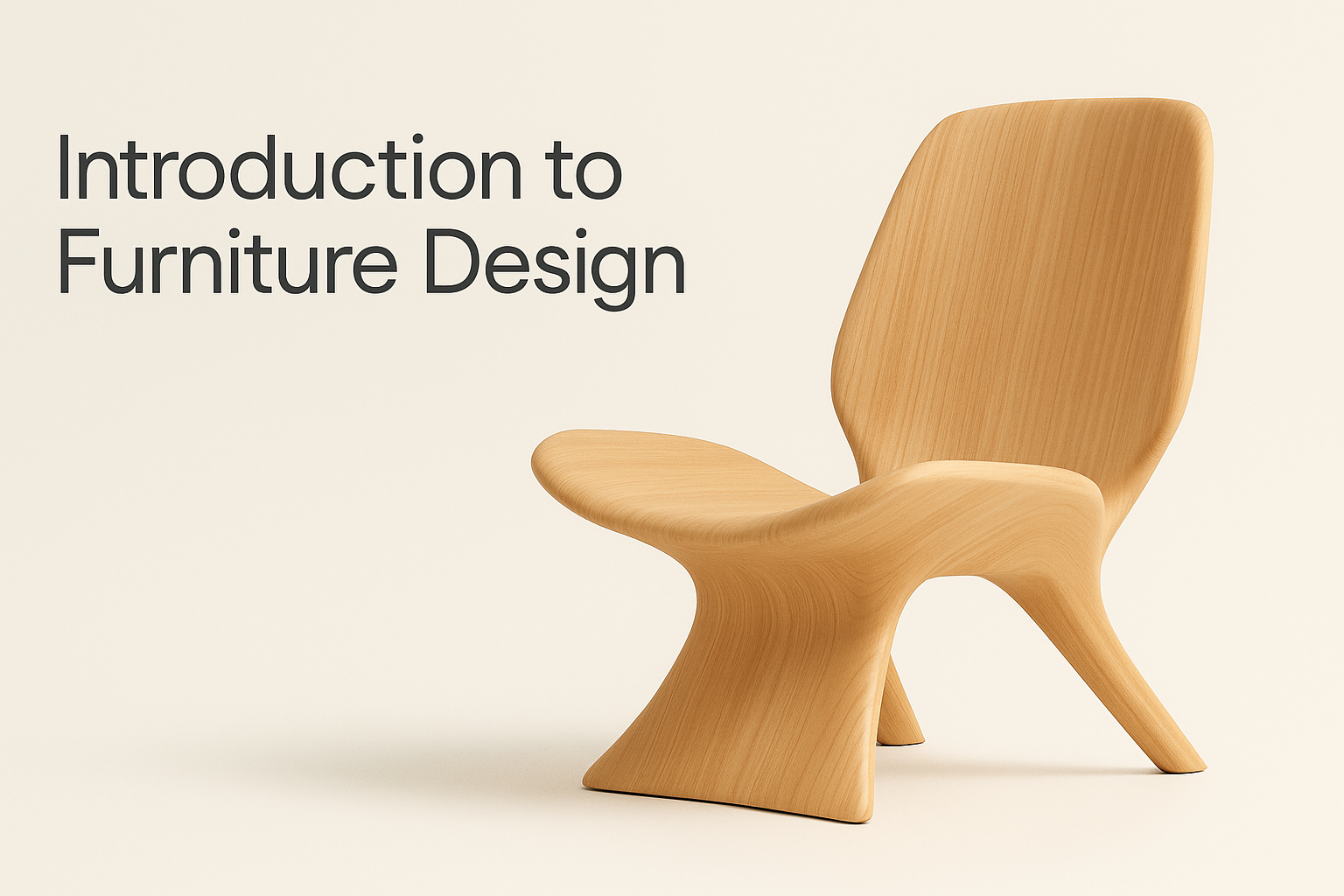
Building furniture grounds your ego. A drawing becomes an object. You see the flaws, the corrections, and the patience it takes to finish. Every time you build a chair, you remind yourself that design is not theory. It is craft and labor.
It also resets your sense of proportion. After weeks of working on city-scale plans, making something that fits in a room reconnects you with human experience. The wood smell, the sanding noise, the way joints align — these things restore precision.
There is also pure satisfaction. Watching someone use what you made connects design to real life. You learn empathy, timing, and restraint. You learn to stop designing for the drawing and start designing for the body.
Lighting, Furniture, and Atmosphere
If architecture is structure and light, furniture is how light finds purpose. Try this simple exercise. Turn off every overhead light in a room and use one lamp beside a chair. The space will instantly change. Light defines intimacy, direction, and comfort. It tells people where to sit and where to rest.
A good architect plans light as carefully as form. Do not rely on daylight alone. Artificial lighting gives continuity when the sun disappears. Use layered systems: wall washing, indirect glow, and soft downlighting. Light the surfaces that define the space, not just the ceiling. The difference between harsh glare and warm reflection is the difference between a room that invites you in and one that drives you out.
Architects who master lighting design furniture with it in mind. A wooden chair with curved edges will catch light differently than one with sharp corners. Smooth surfaces bounce light softly. Rough ones absorb it. The same principles shape façades, only smaller.
For practical advice on balancing color temperature and mood, check Kitchen Colour Ideas That Don’t Age Badly. It explains how material color interacts with light — a lesson that applies to every design scale.
What Mistakes Teach
Every designer fails. My first table wobbled, my first chair pinched the back of the leg, and my first lamp threw shadows where I needed light. Each mistake was a better teacher than any success. That is why architects who design furniture improve faster. They test ideas at small cost and with real feedback.
Mistakes show you where your logic breaks. A joint that fails under pressure reveals a weakness in structure. A surface that warps shows poor humidity control. Once you learn these lessons in furniture, you stop repeating them in full-scale buildings.
From Furniture to Career
Furniture design complements every path in architecture. It sharpens your sense of human scale, teaches construction logic, and builds visual discipline. Clients notice architects who design furniture. It shows that you think through details, not just forms.
Many architects build small furniture lines to keep creative control alive while managing larger projects. It keeps the craft side alive in a profession that often gets lost in software and schedules. It also opens new revenue and brand identity. When clients sit in your chair, they understand your architecture faster than any drawing can show.
If you want to build your own set of tools and references for this path, the Visual Handbook of Building and Remodeling by Charlie Wing is worth owning. It bridges materials, dimensions, and field logic — everything you need to move from idea to physical build.
Final Reflection
Architecture and furniture share one goal: to hold life. One at the scale of cities, the other at the scale of the hand. The lessons repeat — proportion, light, texture, balance. Learning them through furniture makes you faster, clearer, and more connected to human experience.
The architect who builds a chair learns more about structure than the one who designs ten façades. The designer who studies light on wood understands atmosphere better than one who only models in daylight. Small things teach big lessons.
So build something small. Sand it until it fits your hand. Sit in it. Adjust it. That is how you learn architecture that lasts.
FAQ
Why do architects design furniture?
Because furniture teaches what drawings hide. A chair shows you proportion, comfort, and structure in a way that no plan or section ever can. When you make something that people sit on, you feel where your geometry succeeds or fails. It is direct feedback that improves your sense of scale for buildings.
Is furniture design part of architecture or interior design?
Both. Architecture gives furniture its spatial context. Interiors give it atmosphere. But furniture is its own form of architecture at human scale. It shapes how people live inside the space, so the best architects treat it as part of the same system, not an accessory.
How can furniture design improve architectural skills?
It builds instinct. You learn balance, structure, and material logic. You learn what real loads feel like. You also learn to finish what you start. A building takes years. A chair takes days. It trains discipline and sharpens your eye faster than any large project.
What materials should beginners start with?
Start with wood. It forgives mistakes and teaches structure through grain and weight. Avoid exotic materials early. Use plywood, oak, or pine. Learn how glue behaves, how joints swell, and how surfaces react to light. Once you can make clean joints in wood, metal and composite work becomes easier.
What tools do architects use to design furniture?
Same mindset, smaller scale. Sketch by hand. Model in Rhino or Fusion. Then build with basic tools: saw, chisel, drill, clamps. The point is not software skill. It is understanding dimension through touch. You can refine details digitally later, but first you have to build something that holds weight.
How do lighting and furniture connect?
Light gives furniture purpose. A chair in shadow feels forgotten. A table under the wrong light loses its texture. Architects who master lighting design furniture with illumination in mind. The goal is not brightness. It is direction and balance. Light turns structure into experience. For lighting balance ideas, read Kitchen Colour Ideas That Don’t Age Badly.
Can furniture design be a full career for architects?
Yes. Many architects find their real path in furniture. It is faster, more personal, and still deeply architectural. Studios like Aalto’s or Jean Prouvé’s started as architecture workshops and became furniture houses. The same skills apply. Structure, ergonomics, proportion, and material honesty. Only the scale changes.
Why do real estate photos always show furnished rooms?
Because empty architecture feels dead. Furniture tells the brain how to read scale and warmth. It completes the story of space. That is why architects stage model homes and why every exhibition uses furniture to humanize the scene. Buildings without furniture are drawings without people.
What are common beginner mistakes in furniture design?
Designing for appearance before comfort. Ignoring joinery. Choosing materials too thick or thin. Forgetting light and texture. The cure is simple: build, fail, rebuild. Let the material and human feedback guide design. The process will refine your architectural judgment more than any software can.
What is the hardest part of furniture design for architects?
Letting go of abstraction. In architecture you can hide mistakes behind finishes and scale. In furniture, every line matters. The joinery is visible. It forces you to slow down and care about details you might ignore in buildings. That discipline is what makes your architecture stronger later.
Is furniture design sustainable?
It can be if done right. Work with durable local materials. Build for repair, not disposal. Avoid trends that age fast. A simple wooden chair that lasts fifty years is more sustainable than a composite one that breaks in five. For broader sustainable logic, read Innovative Housing Concepts and Designs: A Glimpse into the Future.
How do furniture exhibitions help architects?
They sharpen presentation skill. When you present furniture, you must explain structure, ergonomics, and material logic in one object. That clarity improves how you explain buildings to clients. Furniture exhibitions are quick tests of concept communication — visual storytelling in its purest form.
How should an architect start learning furniture design?
Pick one classic chair and rebuild it. Copying to learn is not theft. It is training. Study why it feels stable, why it looks balanced, and how light interacts with it. Then design your own variation. That process will teach you more about proportion and detail than reading a hundred design manuals.
What role does texture play in both architecture and furniture?
Texture defines touch and perception. In architecture, it guides the eye. In furniture, it meets the hand. Rough, smooth, matte, or glossy — each tells the body how to interact with space. Understanding this connection helps architects design buildings that feel good to inhabit, not just to photograph.
Why is furniture design still relevant in a digital world?
Because digital models cannot carry weight. They cannot squeak, warp, or shine under real light. Making furniture keeps architecture grounded in physics and touch. It reminds designers that space is built for bodies, not renderings. The digital world may change tools, but it cannot replace experience.
Final advice for young architects?
Build one thing every year that fits through a doorway. A chair, a table, a lamp. Something you can finish, use, and learn from. It will teach patience, proportion, and pride. Architecture begins at the scale you can lift.