
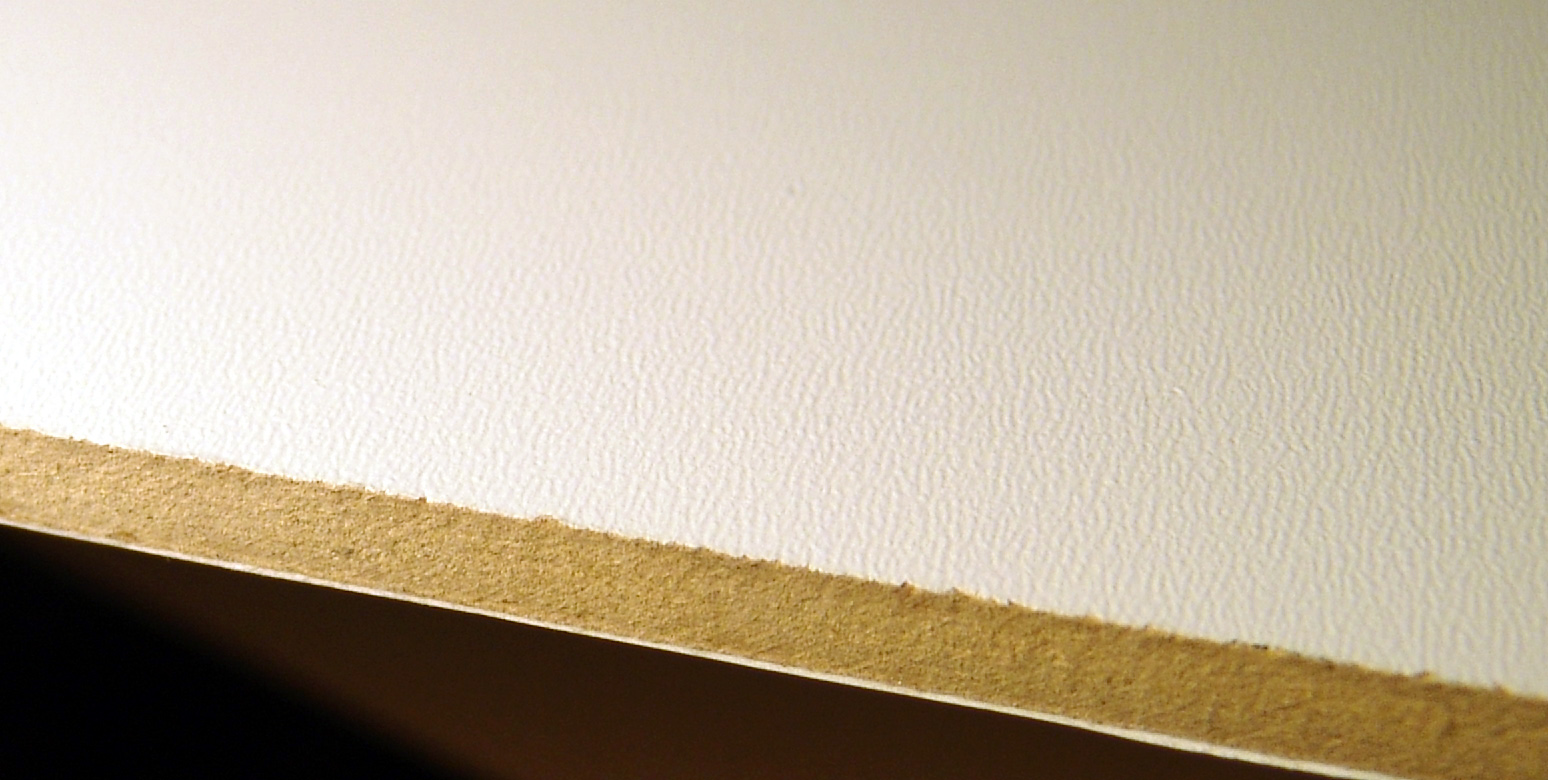
Low Density Fiberboard Explained: Uses, Benefits, and Applications
As a professor of environmental architecture, I’ve witnessed the growing importance of choosing the right materials for specific applications.
Low Density Fiberboard (LDF), often overshadowed by its denser counterparts, presents unique advantages that make it an excellent option for certain projects.
We’ll explore LDF's properties, applications, and how it compares to other types of fiberboard like High Density Fiberboard (HDF) and Medium Density Fiberboard (MDF).
What is Low Density Fiberboard (LDF)?

Composition and Manufacturing Process: LDF is an engineered wood product created by bonding wood fibers with resin under heat and pressure.
What sets LDF apart from MDF and HDF is the lower pressure used during manufacturing, which results in a board that is lighter and less dense.
This lower density gives LDF its distinctive properties, making it suitable for specific applications where weight and cost are critical factors.
Properties of LDF:
- Density and Weight:
- LDF typically has a density ranging from 160 to 450 kg/m³. This lower density makes LDF significantly lighter than MDF and HDF, which can be advantageous in projects where ease of handling and transportation are important.
- Strength and Durability:
- While LDF lacks the strength of MDF and HDF, it remains durable enough for various non-structural uses. It is less likely to warp or bend but should not be used for load-bearing purposes.
- Workability:
- The light weight of LDF makes it easy to cut, shape, and drill, which is ideal for detailed projects where precision is required. It’s a popular choice among DIY enthusiasts for this reason.
Related:
- Softwoods: What is Softwood? Characteristics and Examples
- Engineered Wood: What is Engineered Wood?: The basics of engineered wood, its composition, and why it's a popular choice in modern design.
Applications of Low-Density Fiberboard: Where It Works Best
Low-Density Fiberboard (LDF) may not be the star of heavy-duty construction, but its lightweight and affordable nature make it indispensable in many creative and practical applications.
Here’s a comprehensive look at where LDF works best, categorized for better clarity.
How Low-Density Fiberboard Is Used in Modern Design
Interior Design and Décor: Lightweight Elegance

A luxury kitchen and living room design using low-density fiberboard for tiles and wall panels, blending style with sustainable materials.
LDF is a favorite in interior design due to its ease of handling and ability to take on finishes like paint, veneers, and laminates beautifully.
Applications:
- Wall Panels and Cladding:
- Perfect for accent walls or decorative cladding.
- Tip: Create custom geometric patterns for modern aesthetics.
- Moldings and Trim:
- Lightweight enough for intricate moldings without sagging.
- Pro Insight: Seal the edges to prevent fiber swelling during painting.
- Ceiling Tiles:
- Ideal for creating lightweight, decorative ceiling designs in homes or offices.
- Tip: Use stencils or laser-cut patterns for a stylish finish.
Real-Life Inspiration:
In one project, LDF was used to create a minimalist feature wall with layered panels. The subtle depth added sophistication without overpowering the space.
Furniture and Cabinetry: Functional and Flexible

A cozy living room with modern furniture and a TV set, incorporating low-density fiberboard for a stylish and eco-friendly touch.
LDF’s smooth surface and low weight make it a go-to material for furniture and cabinetry components where high strength isn’t a primary requirement.
Applications:
- Shelving Units:
- Great for portable or collapsible shelves.
- Tip: Reinforce with metal or wooden edging for added durability.
- Drawer Bottoms and Cabinet Backs:
- Commonly used for internal components of wardrobes and kitchen units.
- Tip: Laminate for a sleek finish that resists wear and tear.
- Decorative Furniture:
- Lightweight furniture for kids, like toy chests or small tables.
- Pro Insight: Add a bold, glossy finish to make it pop in modern interiors.
Workshop Idea:
During a furniture workshop, students crafted portable LDF storage cubes, combining utility with funky designs. Lightweight yet sturdy, they became instant hits for dorm rooms.
Construction and Insulation: Utility Without the Weight
Though not a structural material, LDF finds its place in construction for specific, less demanding applications.
Applications:
- Acoustic Panels:
- Excellent for soundproofing rooms or studios.
- Tip: Cover with fabric for a professional, polished look.
- Thermal Insulation:
- Used as backing material for lightweight insulation solutions.
- Pro Insight: Pair with reflective foil to maximize energy efficiency.
- Partition Walls:
- Ideal for temporary or non-load-bearing partitions.
- Tip: Decorate or laminate to suit the space’s aesthetics.
Other Industries: Creative and Practical Uses
Beyond homes and construction sites, LDF makes its mark in other industries due to its versatility.
Applications:
- Craft and Hobby Projects:
- Great for school projects, DIY art, and lightweight displays.
- Tip: Use as a canvas for painted or mixed-media art.
- Packaging:
- A cost-effective option for creating lightweight, protective packaging.
- Pro Insight: Use for display boxes or fragile item storage.
- Exhibition Stands:
- Used for creating temporary yet visually appealing trade show booths.
- Tip: Pair with decals or wraps for a professional look.
Exteriors: Limited but Creative
While LDF isn’t typically used for outdoor projects due to its moisture sensitivity, it has niche uses when properly treated.
Applications:
- Temporary Outdoor Displays:
- Perfect for short-term signage or decorative panels.
- Tip: Apply a weather-resistant coating to prolong lifespan.
- Garden Accessories:
- Used for lightweight garden furniture or planters.
- Pro Insight: Combine with treated wood for a balanced design.
Specialty and Niche Applications
LDF can also shine in less conventional roles where creativity takes the lead.
Applications:
- Props and Set Design:
- Common in theater and film for lightweight, customizable stage props.
- Tip: Reinforce with internal framing for durability.
- Educational Tools:
- Used to create models or prototypes for classroom demonstrations.
- Pro Insight: Combine with foam for layered, interactive projects.
- Pet Furniture:
- Great for making pet houses, ramps, or scratch boards.
- Tip: Add non-toxic finishes to keep it pet-safe.
Pro Tips for Working with LDF
- Protect Against Moisture: Always seal LDF with waterproof coatings for areas prone to humidity or spills.
- Handle with Care: Avoid over-tightening screws or nails; pre-drill holes to prevent splitting.
- Enhance Durability: Reinforce edges with hardwood or metal strips for added strength and longevity.
- Experiment with Finishes: LDF takes paint, wallpaper, and veneer exceptionally well. Get creative!
Why LDF Should Be in Your Toolbox
Low-Density Fiberboard’s adaptability makes it a versatile choice across a variety of industries. Its lightweight nature, affordability, and ease of customization open doors to countless possibilities, from elegant interiors to functional furniture and even creative crafts. By knowing its strengths—and its limits—you can maximize its potential and turn this humble material into something extraordinary.
So, the next time you’re brainstorming a project, think about where LDF can fit in. It’s not just a material; it’s a canvas for your creativity!
Advantages of Low Density Fiberboard
Cost-Effectiveness: LDF is more affordable than MDF or HDF, making it an attractive option for budget-conscious projects. Despite its lower cost, LDF remains versatile and can be used effectively in various applications.
Eco-Friendliness: LDF is often made from recycled wood fibers, contributing to its environmental benefits. Choosing LDF supports sustainable building practices, especially when sourced from manufacturers who follow environmentally friendly processes.
Ease of Handling: LDF’s lightweight nature simplifies transportation and handling, reducing labor costs and making it a practical choice for projects requiring extensive material movement.
Customizability: LDF can be easily cut and shaped into various forms, allowing for a high degree of customization. It can be painted, veneered, or laminated to achieve different finishes, making it suitable for a wide range of design aesthetics.
Comparison: LDF vs. MDF vs. HDF
Strength and Durability: While LDF is lighter and less dense, MDF and HDF are stronger and more durable. MDF is suitable for a wide range of interior applications, including furniture and cabinetry, where strength is essential. HDF, being the densest, is ideal for heavy-duty applications like flooring and high-stress environments.
- HDF (High Density Fiberboard):
- HDF has a density above 800 kg/m³, making it much stronger and more resistant to wear and tear than LDF. It's commonly used in applications that demand high durability, such as laminate flooring, wall panels, and doors.
- MDF (Medium Density Fiberboard):
- MDF falls between LDF and HDF in terms of density and strength. It’s widely used for furniture, cabinetry, and interior paneling. MDF offers a good balance of strength and workability, making it a versatile option for many projects.
Cost and Weight: LDF is the most cost-effective and lightweight option among the three. While MDF and HDF offer greater strength, their higher cost and weight make them less ideal for projects where these factors are critical.
Environmental Impact: All three types of fiberboard can be produced using recycled materials, but LDF, due to its lower density, uses fewer raw materials, potentially reducing its overall environmental footprint. However, the sustainability of any fiberboard product largely depends on the sourcing and manufacturing practices of the producer.
Related:
- Wood Essentials: Free Masterclass Course
- High Density Fiberboard (HDF): 2025 Comprehensive Free Course
Buying Low Density Fiberboard (LDF): Tips for Builders, Enthusiasts, and Business Owners
When selecting Low Density Fiberboard (LDF) for your project, understanding where and how to buy the material can make a significant difference in both cost and quality. Here’s a guide to help you navigate the purchasing process, tailored for different needs—whether you’re a builder, enthusiast, or business owner.
For Builders and Enthusiasts: Local Sourcing and Product Categories
Local Sourcing and Availability:
- LDF Panels: LDF is readily available at most local hardware stores and lumber yards. In the U.S., retailers like Home Depot and Lowe’s offer LDF in various sizes and thicknesses. For those in the UK, B&Q and Wickes are good sources, while Mitre 10 is a reliable option in New Zealand.
- Specialized Suppliers: If you need LDF for a specific purpose, such as soundproofing or insulation, it might be worth checking with specialized suppliers who offer tailored products that meet your exact specifications.
Specific Countries:
- United States: Home Depot and Lowe’s offer competitive prices and a variety of LDF products, often with the option for custom cutting.
- Canada: Rona and Home Hardware provide quality LDF panels, with options for delivery or in-store pickup.
- United Kingdom: B&Q and Wickes are reliable for LDF, with a range of sizes and thicknesses.
- Australia: Bunnings is the go-to supplier for LDF, with a strong emphasis on affordability and availability.
- South Africa: Builders Warehouse and Cashbuild offer a variety of LDF products, with both standard and custom options available.
- Philippines: Wilcon Depot and CW Home Depot are leading suppliers for LDF, providing options for both residential and commercial use.
Benefits of Buying Locally:
- Cost-Effective: Purchasing LDF locally helps you save on transportation costs and ensures quicker delivery times.
- Customization: Local suppliers often provide customization services, allowing you to order LDF in specific sizes to reduce waste and fit your project needs perfectly.
- Supporting Local Businesses: By sourcing LDF locally, you support your community and contribute to the local economy.
Sustainability Considerations:
- Eco-Friendly Options: When buying LDF, consider looking for products that are made from recycled materials or certified by environmental organizations. Low-VOC options are also available, which are better for indoor air quality.
Supplier Selection Tips:
- Quality and Consistency: Ensure the LDF you purchase is of high quality and consistent in density. This is particularly important if you’re using LDF for visible parts of your project.
- Customer Service: Choose suppliers known for good customer service, especially if you need advice or support with custom orders.
Real-Life Examples:
- In a recent renovation project, I used locally sourced LDF from Home Depot for the backing of custom shelving units. The material was easy to cut to size, lightweight, and cost-effective, making it the perfect choice for this application.
For Business Owners: Wholesale and Bulk Purchasing
Wholesale and Bulk Buying:
- LDF Panels: For business owners, purchasing LDF in bulk can lead to significant cost savings. Suppliers like Uline in the U.S. or PlaceMakers in New Zealand offer bulk purchasing options with discounts for large orders.
- Raw Materials: If your business involves the production of furniture or other wood products, sourcing LDF from a wholesale supplier can ensure you have a consistent supply of material at a lower cost.
Importing vs. Local Sourcing:
- Importing: In some cases, importing LDF from countries with lower production costs can be more economical, especially for specialized products. However, consider the potential delays and additional costs associated with shipping.
- Local Sourcing: Local suppliers can offer faster delivery times and better customer support, making them a preferable option for many businesses.
Top Suppliers and Distributors:
- United States: Uline and McMaster-Carr are top choices for bulk LDF purchasing, with options for quick delivery.
- Canada: Rona and Home Hardware offer competitive pricing for bulk orders, with strong emphasis on customer service.
- United Kingdom: Travis Perkins and Jewson provide a wide range of LDF products, ideal for businesses looking to buy in bulk.
- Australia: Bunnings and Mitre 10 are leading suppliers for bulk LDF purchases, with a focus on affordability and availability.
- South Africa: Builders Warehouse and Cashbuild offer bulk purchasing options with competitive pricing for LDF.
- Philippines: Wilcon Depot and CW Home Depot are top suppliers for bulk LDF, catering to both commercial and residential needs.
Sustainability in Bulk Purchasing:
- Certifications: When buying LDF in bulk, look for products that are certified by the Forest Stewardship Council (FSC) or other environmental organizations to ensure responsible sourcing.
- Eco-Friendly Practices: Opt for suppliers who use sustainable production methods and offer low-VOC LDF to minimize the environmental impact of your projects.
Tips, Tricks, and Real-Life Success Stories:
- Bulk Order Savings: For a large commercial project, I negotiated a 15% discount on a bulk LDF order by committing to purchase all the materials from a single supplier. This not only saved money but also ensured consistent quality across the entire project.
- Logistics Planning: When ordering LDF in bulk, plan your logistics carefully to avoid delays and ensure that the material is stored in a dry, well-ventilated area to prevent any potential damage.
Follow these guidelines to help you choose the right LDF for your needs, ensuring you get the best quality at the best price.
Credible Sources and Professional Organizations
When considering the use of LDF or other fiberboard products, it’s important to consult credible sources for information and guidelines:
- Forest Stewardship Council (FSC):
- The FSC provides certification for wood products that meet rigorous environmental and social standards. Using FSC-certified LDF ensures that the material has been sourced responsibly.
- Forest Stewardship Council (FSC)
- Environmental Protection Agency (EPA):
- The EPA offers guidelines and resources on sustainable building practices, including the use of engineered wood products like LDF.
- Environmental Protection Agency (EPA)
- Wood Panel Industries Federation (WPIF):
- WPIF represents the UK wood panel industry, providing valuable information on wood panel products, including LDF, MDF, and HDF.
- Wood Panel Industries Federation (WPIF)
- American Wood Council (AWC):
- The AWC offers resources on wood construction and design, including best practices for using various wood products.
- American Wood Council (AWC)
FAQ
Q: Is LDF suitable for outdoor use? A: LDF is generally not recommended for outdoor use because it is more susceptible to moisture damage. However, with proper treatment and sealing, it can be used in controlled outdoor environments.
Q: Can LDF be painted or laminated? A: Yes, LDF’s smooth surface makes it an excellent candidate for painting, laminating, or veneering, allowing it to achieve various finishes.
Q: How does LDF compare to particleboard? A: LDF is often smoother and easier to work with than particleboard. While both are lightweight and affordable, LDF is preferred for decorative applications due to its finer surface.
So, Why Even Bother with LDF?
Look—LDF isn’t trying to be the strongest or the flashiest material on the shelf. It’s light, affordable, and easy to work with. And for a lot of projects? That’s exactly what you need. It won’t replace MDF or HDF when strength is the priority, but if your project needs flexibility, custom shapes, or a tight budget—it might be the smartest move.
I tell my students this all the time: know your materials like you know your tools. LDF has its place, and when used right, it can absolutely elevate your design without crushing your budget—or your back.
Thinking of Using LDF?
If you're working on custom panels, low-load furniture, or design prototypes that won’t face heavy wear, LDF might just be your new best friend.
Don’t just take my word for it—dig into reputable sources like the FSC or EPA to understand its environmental profile and sustainability perks.