
Burlap for Insulation: Does It Really Work?
The Truth About Using Burlap as an Insulating Material
Is Burlap a Good Insulator? Here’s the Real Deal
Quick Summary:
Burlap sounds like a natural winner—eco-friendly, breathable, and cheap. But when it comes to actually insulating anything (walls, floors, or even your toes), it’s... not great. Below, we break down where it works, where it fails, and what you should actually be using instead.
Burlap Insulation: Practical Applications and Limitations
Can Burlap Keep Things Warm? Exploring Its Insulating Abilities
Burlap Basics: What It Is and Why People Use It
So, burlap. You’ve seen it wrapped around trees, lining flower pots, or stuffed in rustic decor. It’s made from jute fibers, which are super sustainable and cheap to produce.
People like it because:
● It’s breathable – air moves through it easily
● It’s biodegradable – totally breaks down over time
● It’s dirt cheap – and kind of stylish in a gritty way
But being breathable and natural doesn’t automatically mean it insulates well. Let’s get real about how it actually performs.
Can Burlap Keep Heat In?
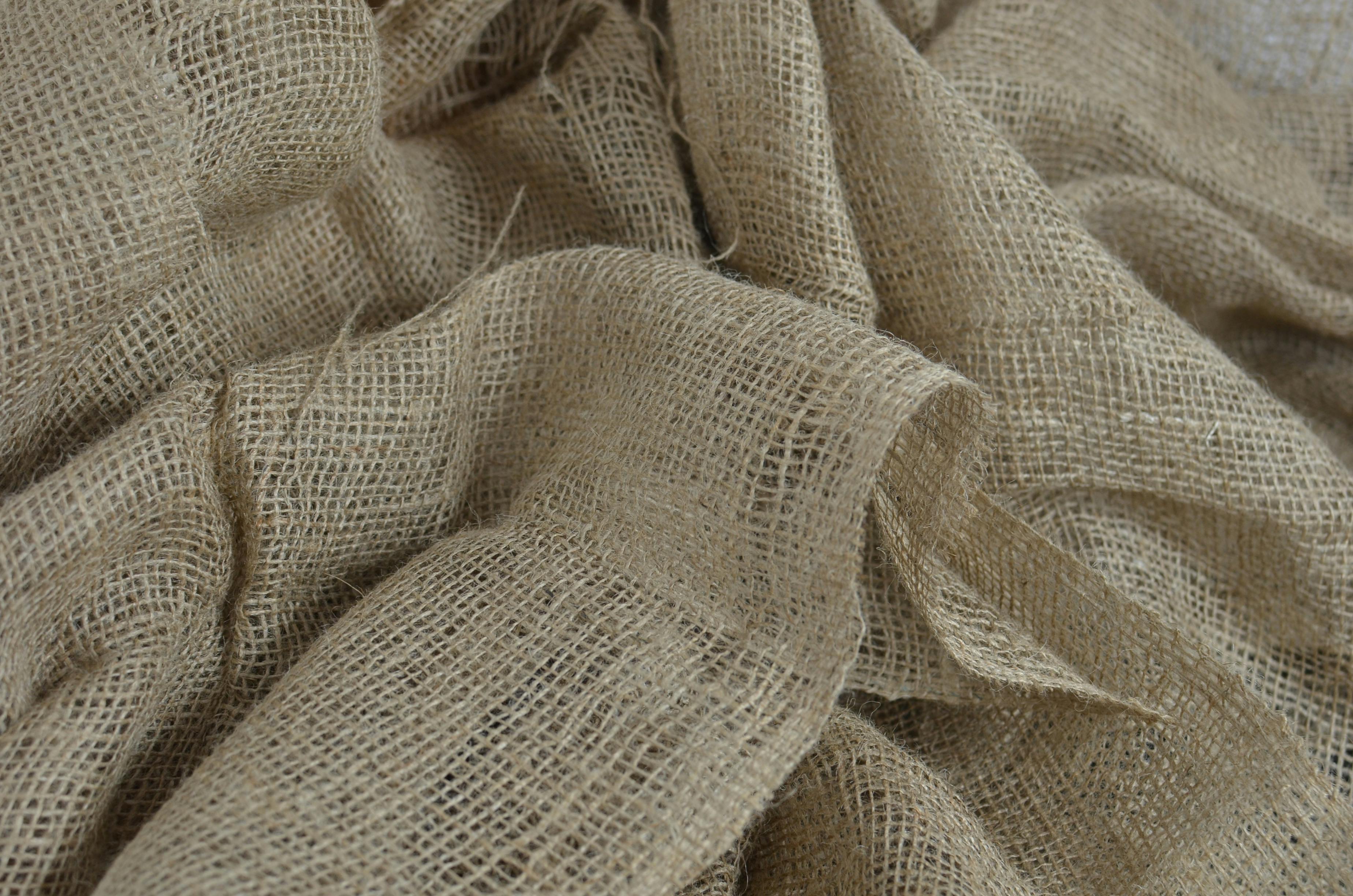
Image: Textured background of organic sackcloth burlap, featuring tiny holes and its natural weave, highlighting the material’s rustic and breathable properties.
Short answer? Not really.
Burlap’s fibers do offer some thermal resistance—but it’s not even close to what you'd get with proper insulation materials. You might notice a slight difference in drafty areas, but if you're hoping it’ll make your room warmer? You'll be disappointed.
Here’s the truth:
● Too thin – Burlap doesn’t trap enough air to stop heat loss
● Not dense enough – You need bulk to insulate properly, and burlap’s just not built for that
● Absorbs moisture – Which kills any insulation value it might have
Burlap as an Insulator: Benefits and Drawbacks
Understanding Burlap's Role in Insulation: Myths vs. Reality
What Burlap Can Be Good For
Let’s be fair—it’s not totally useless.
If you use it smartly, burlap still has a few tricks:
● Frost protection in the garden – Wrap it around shrubs or veggies to block out cold winds
● Dust cover – Draped over tools or materials in the shed
● Natural liner – For things like straw-bale walls or insulation batts (as long as it's protected from moisture)
But it won’t magically heat your cabin. It’s more of a helper than a hero.
Why Burlap Doesn’t Work with Mud and Bamboo Walls
Now let’s talk natural building—mud and bamboo. The duo works beautifully because they both breathe and flex. They need reinforcements that move with them and support their natural vibe.
Here’s where burlap breaks down:
✖ It traps moisture – Mud needs to dry evenly. Burlap soaks and holds water, which causes rot and mold.
✖ It sags over time – Bamboo stays strong. Burlap, not so much. It stretches, sags, and weakens.
✖ It blocks breathability – It’s not as breathable as people think—once packed tight, it acts like a wet sponge.
✖ It doesn’t bond well with earth – Unlike straw, jute, or hair, burlap doesn't blend naturally into cob or plaster.
Bottom line: If you're building with natural materials, burlap belongs in your compost—not your walls.
Better Natural Alternatives That Actually Work
If you're aiming for solid, breathable, low-impact insulation—use stuff that’s proven to work with mud and bamboo:
✅ Straw or rice husks – Tough, lightweight, and blends perfectly with clay
✅ Chopped jute, hemp, or flax fibers – Natural reinforcers that actually insulate
✅ Sheep’s wool (in batts) – Great thermal and acoustic insulation
✅ Cork panels or granules – Breathable, mold-resistant, and durable
✅ Wood chips or shavings – Fine ones work well in plasters and light in-fill walls
And remember: always keep insulation dry and breathable if you want it to actually work.
Shocking But True
Here’s a weird one:
👉 Some people have used burlap dipped in cement as a cheap form of wall texture. It looks cool—but again, don’t confuse texture with insulation. That wall will look earthy but feel like a freezer unless something warmer backs it.
Another fun fact?
Burlap was once used in war zones to wrap cold pipes and trenches... not because it worked well, but because it was cheap and there wasn’t much else.
In Focus: Breathability vs. Insulation
A lot of natural builders confuse the two.
Breathable = air and moisture can pass through
Insulated = heat stays in, cold stays out
You want breathability in natural buildings—but only after you’ve built in proper thermal mass or insulation. Burlap gives you one, not the other. That’s the dealbreaker.
Best Books If You’re Into Natural Building
● "The Hand-Sculpted House" by Ianto Evans
Real stories, hard-earned lessons, and no fluff. A must-read if you're building with mud or cob.
● "Building Green" by Clarke Snell & Tim Callahan
Covers real-life case studies of natural builds—materials, mistakes, and what actually works.
● "Essential Hempcrete Construction" by Chris Magwood
If you want insulation that breathes, this book gets you there—step by step.
Best Breathable Insulation Combos That Actually Work
Quick Summary:
Most insulation keeps heat in. But if it traps moisture too, you're asking for trouble. Think mold, rotting walls, and air that just feels... off. The good news? Some natural combos do both: keep you warm and let your walls breathe. That’s what this list is all about.
We’re not talking about trendy products. We’re talking tested materials that work together, feel natural, and actually help your building last longer—without turning it into a plastic-wrapped greenhouse.
Let’s break it down.
1. Wood Fiber + Lime Plaster
● Wood Fiber Boards – Made from wood chips. Strong, natural, and lets vapor pass through like it’s no big deal.
● Lime Plaster – Goes right on top. It hardens over time but stays breathable. Keeps your walls dry, warm, and clean.
Why It Works:
Wood fiber gives structure and warmth. Lime lets the whole system breathe. Perfect for natural builds and retrofits.
2. Hempcrete + Lime Render
● Hempcrete – Not your average “green” hype. It’s hemp mixed with lime, and it works like magic—insulating and regulating moisture at the same time.
● Lime Render (Outside) – Protects it from rain without sealing it tight.
Where It Shines:
Walls that feel solid and stay dry. Great for all-natural construction or blending with timber frames.
3. Sheep’s Wool + Timber Cladding
● Sheep Wool Batts – Works like nature intended. It insulates while balancing humidity—no itchy fibers or plastic feel.
● Timber Cladding – Pairs beautifully. It protects the wool while letting everything inside breathe.
Best Use:
Attics, timber builds, or rustic walls where modern insulation just feels wrong.
4. Cork Boards + Clay Plaster
● Cork Panels – Naturally resistant to moisture and pests. Doesn’t break down. Keeps heat in without locking in moisture.
● Clay Plaster (Interior) – Helps regulate humidity. Feels earthy and warm to the touch.
Smart Combo:
Ideal for old buildings or interiors that need a breathable update—no synthetic finish needed.
5. Straw Bales + Earthen Plaster
● Straw Bales – They’re not just for barns. When stacked and compressed, they make amazing insulation with great breathability.
● Earthen (Cob) Plaster – Heavy, textured, and handmade—but lets your walls breathe and stores heat like a champ.
Best For:
DIY natural builds, rural homes, or anyone wanting thick, cozy, high-performance walls.
6. Mineral Wool + Breathable Membranes
● Mineral Wool – Fire-safe and vapor-permeable. Just don’t confuse it with fiberglass—it breathes better.
● Breathable Membranes – Goes over or under. Keeps water out but lets vapor through.
Perfect For:
People stuck using mineral wool but still want breathability. Good for renovations and hybrid builds.
7. Cellulose + Vapor-Open Paint
● Cellulose (Blown-in) – Made from recycled paper. Cheap, effective, and naturally breathable.
● Vapor-Permeable Paint – Seals the deal. Literally. It finishes the wall but still lets moisture out.
Ideal Setup:
Cavity walls, retrofits, or anywhere you want performance without plastic layers.
What to Keep in Mind
✅ Use only breathable materials from inside to outside. If you mix breathable with non-breathable (like foam), you’ll trap moisture and ruin everything.
✅ Check your climate. Straw works great in dry climates. Cork loves damp conditions. Pick materials that match your weather.
✅ Avoid gaps. Even the best combo fails if the install is sloppy. Seal it right, compress it well, and don’t rush.
Materials to Avoid (Even If They Sound Clever)
✖ Cardboard – Absorbs water and collapses. Useless long-term.
✖ Fiberglass – Itchy, not breathable, and turns soggy when wet.
✖ Plastic Sheets – Turns your wall into a sweatbox. Avoid them.
✖ Old Foam Panels – Cheap at first, expensive later. No breathability, breaks apart.
✖ Modern Paint on Bamboo/Mud Walls – Kills breathability. Causes cracking and peeling.
The Best Combo Depends on the Job
● For thick rural walls → Straw + Cob Plaster
● For modern eco-homes → Hempcrete + Lime
● For warm retrofits → Wood Fiber + Clay or Lime
● For fast installs → Sheep Wool + Timber
● For budget-friendly → Cellulose + Open Paint
Choose what fits your style, budget, and building type. Just don’t mix breathable with non-breathable unless you want headaches later.
Quick FAQs
Can I mix these with drywall?
Only if your drywall is paired with vapor-open finishes and not sealed with plastic-based paint.
What about floors?
Cork and hemp work well under natural floorboards, especially if you keep the finish breathable.
Is spray foam ever breathable?
Nope. It’s the opposite. Think of it like putting your house in a ziplock bag.
Keep Learning & Building Smarter
Here’s a solid list of recommended books to go deeper:
★ The Natural House by Daniel D. Chiras – A practical guide to natural building materials, including insulation strategies.
★ Building with Hemp by Steve Allin – Focused on hempcrete and its role in healthy, breathable homes.
★ The Straw Bale House by Athena Swentzell Steen – Great for hands-on builders who want high-performance straw walls.
Don’t overcomplicate it. Breathable builds are about balance, not perfection. You don’t need the latest high-tech material—just smart, simple combos that work together. If it worked 200 years ago and still does today, that’s not a coincidence.
And seriously—skip the foam.
So... Is Burlap an Insulator?
Here’s the bottom line:
● It’s great for plants, wraps, and crafts.
● It’s terrible for actual insulation.
● It doesn’t play well with natural wall systems.
● It gets moldy, soggy, and breaks down fast.
Use it for frost covers or aesthetic wall wraps if you like the look—but don’t trust it to keep you warm.
There are better, smarter, and just as natural materials out there that’ll do the job properly.
If you’re serious about building walls that breathe and actually work—ditch the burlap and go for what’s been tested in the real world.
FAQs
Q: Can I insulate my tiny home walls with burlap?
A: You can cover them with it, sure—but don’t expect it to warm things up. It’s more for looks than performance.
Q: Is burlap mold-resistant?
A: Nope. It actually holds moisture and can go moldy if you don’t keep it dry.
Q: Is burlap safe around heat?
A: Not really. Burlap is flammable, and not rated for use near stoves, heaters, or chimneys.
Q: Can I use burlap as ceiling insulation?
A: Only if you hate yourself. It sags, smells when damp, and doesn’t insulate worth a damn.
Related Articles
● Complete Overviews
- The Complete List of Thermal Insulation Materials: Types, Uses, and Best Practices – A full roundup of major insulation types, best uses, and installation tips.
- Natural Insulation Materials: Types, Benefits, and Practical Tips – Eco-friendly insulation materials explained with practical advice for real projects.
● Hemp Insulation
- Can Your Walls Get You High? The Hemp Insulation Debate! – A fun look at what hemp insulation is made of and its legal safety.
- Hemp Insulation: Why Are Builders Switching to It? – Why contractors are choosing hemp for sustainability, health, and comfort.
- Is Hemp Insulation Flammable? Will It Blaze or Stay Cool? – How hemp holds up in fire tests and real-world safety reports.
- Hemp Insulation Companies: Best Providers, Costs, and Benefits Across the USA – Top U.S. suppliers, price comparisons, and what to look for when buying.
● Insulation Comparisons
- Hemp Insulation vs. Rockwool: Which Insulation Wins for Your Home? – Comparing natural and mineral insulation in cost, comfort, and durability.
- Hemp Insulation vs. Fiberglass: Which is Safer for Your Home? – Focus on health, ease of installation, and long-term performance.
● Rockwool & Mineral Wool Insights
- Why Choose Loose Fill Rockwool Insulation for Your Next Project? – Benefits of loose fill rockwool and when to use it for best results.
- Can Mineral Wool Insulation Double as a Soundproofing Solution? – Exploring the acoustic power of mineral wool insulation.
- Loose Fill Mineral Wool Insulation: What It Is and Why It Works – Overview of how loose-fill mineral wool works and where it shines.
- Rockwool Blown Insulation: Benefits, Costs, and Installation Made Simple – A simple walkthrough of blown Rockwool insulation and its advantages.
● Sustainable & Safe Options
- Sustainable Insulation That Saves Energy and Cuts Costs – Energy-saving materials that support greener, smarter buildings.
- What is the Safest Insulation to Use? – Focus on non-toxic, allergy-safe, and fire-rated options.
● Advanced Applications
- Sandwich Panels in Construction: Strength, Insulation, and Design – Learn how insulated panels balance structure, design, and thermal performance.
Trusted Resources (Official & Practical)
● Natural Building Network – Community-led, expert-backed advice on mud, straw, and bamboo
● Green Building Advisor – Technical but practical info on insulation materials
● The Cob Builders Handbook – Downloadable PDFs, real-world plans, and support