
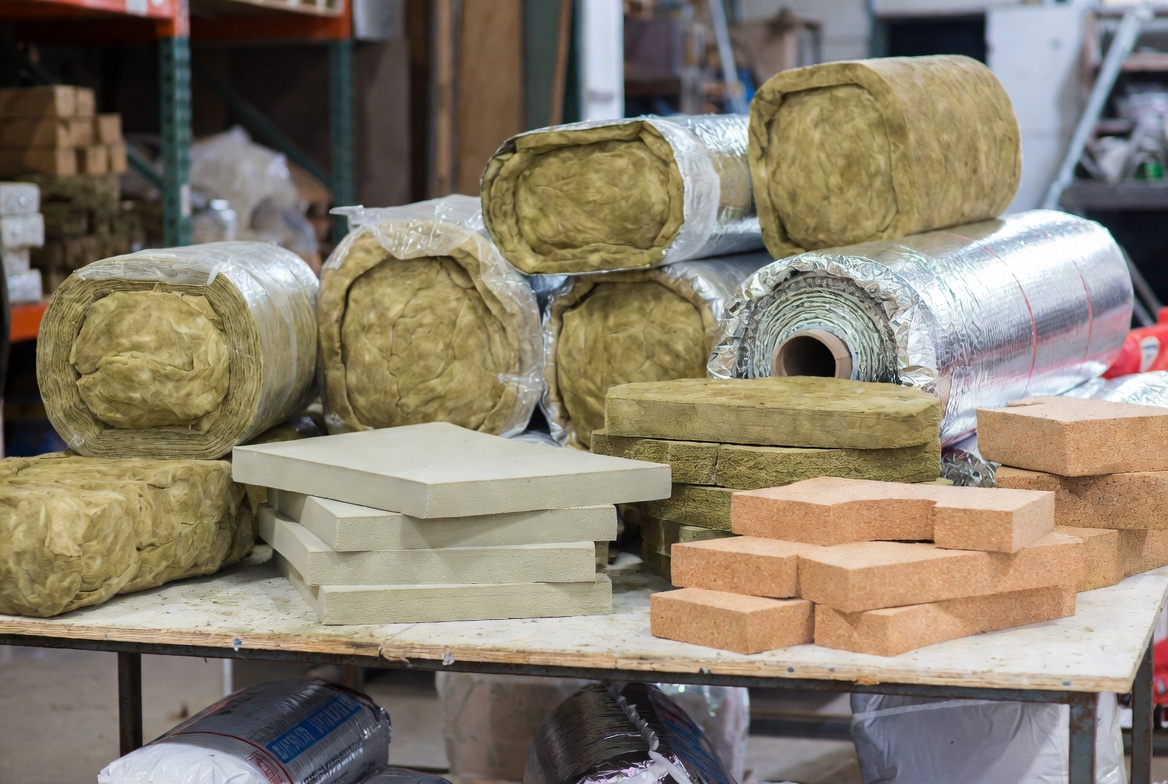
Insulation problems usually show up after the wall is closed. The room still feels cold. The basement starts smelling damp. The roof assembly starts holding moisture instead of shedding it.
The problem is usually not the label on the product. It is the assembly. A roof needs something different than a basement wall. A dry attic is not a crawl space. Moisture, fire rules, thickness, labor, and the drying path all change the answer.
What matters is where the insulation is going, how the assembly handles air and moisture, and what the job can actually support in the field.
Also useful: if you are leaning toward lower-impact materials, start with sustainable insulation and natural insulation materials. If safety is the first filter, go straight to what is the safest insulation to use.
What Thermal Insulation Does
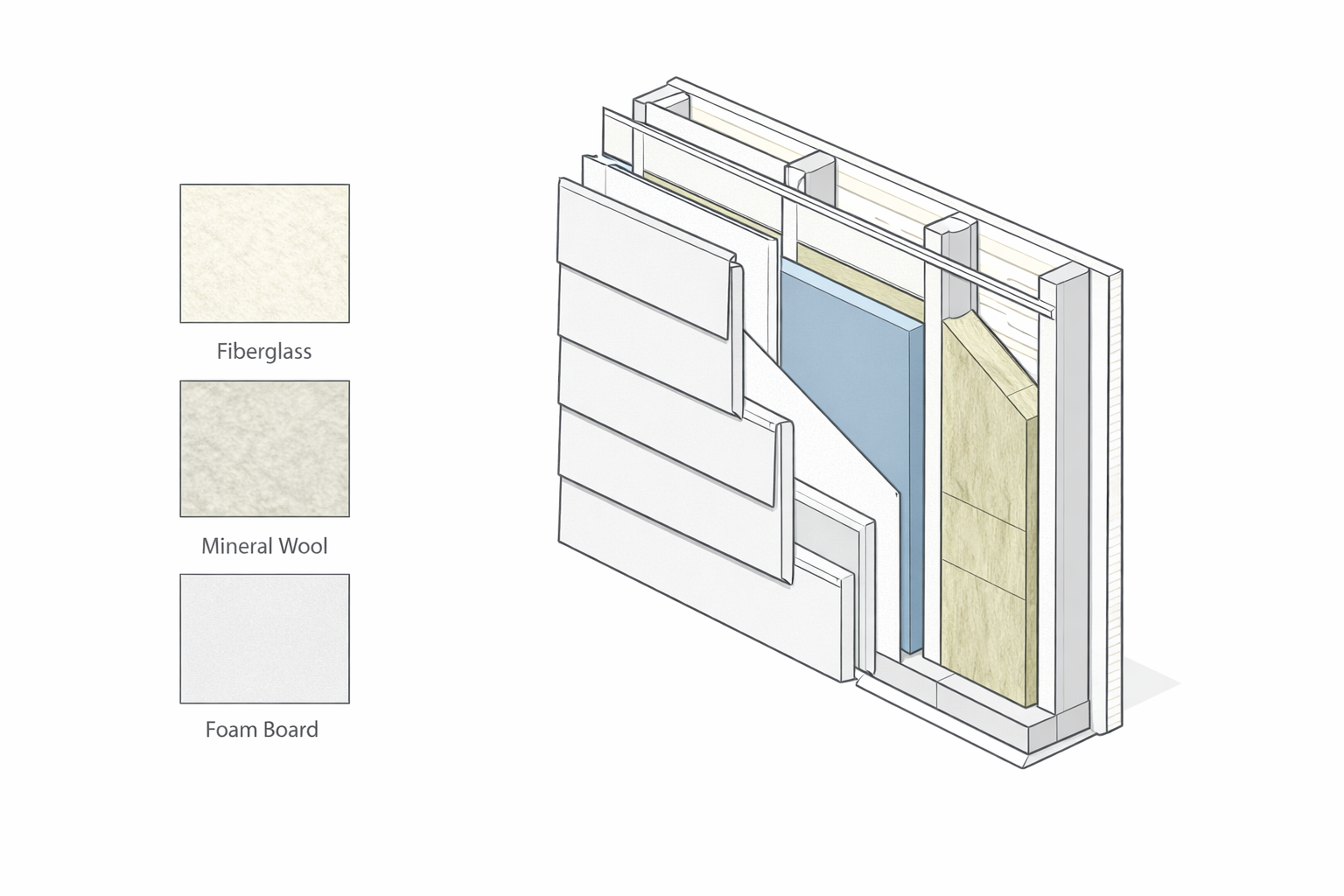
Thermal insulation slows heat flow. In winter, it helps keep interior heat from slipping outward. In summer, it helps keep exterior heat from pushing in. That part is easy enough. The harder part is that heat does not move through a building in only one way, and buildings do not fail in only one way either.
A wall can look fine on paper and still feel lousy in use because air is leaking through it, moisture is collecting in the wrong layer, or the product was never a good fit for that assembly to begin with. People blame insulation all the time when the larger problem is really the way the whole system was put together.
How Heat Moves
Heat moves through buildings in three main ways:
- Conduction through solid materials.
- Convection through moving air.
- Radiation across air space.
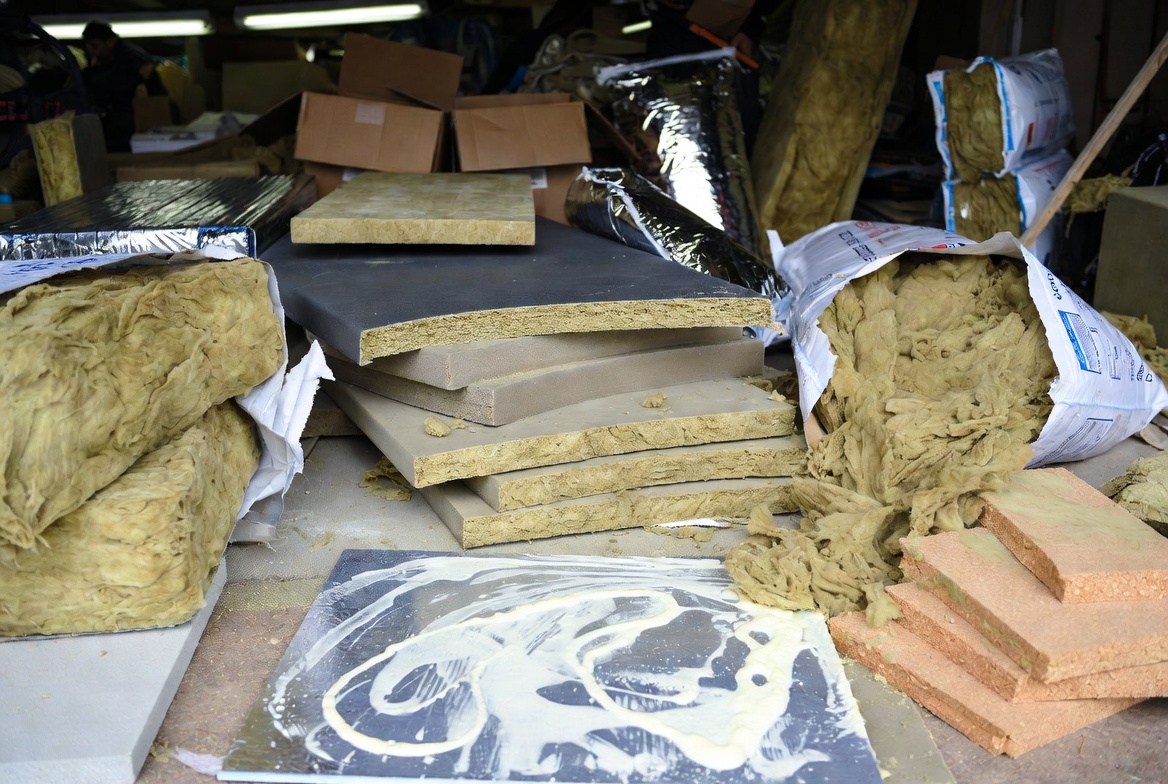
Most insulation materials are strong against one or two of those, not all three. Fibrous products help by trapping air and slowing conduction. Spray-applied products can help with both insulation and air control. Reflective products are more specific; they need the right conditions to do much at all.
The Numbers That Matter
R-value measures resistance to heat flow through a material layer. Higher is better for that layer. U-value measures heat loss through an assembly. Lower is better there. Thermal conductivity measures how readily heat moves through a material. Lower is better again.
Those numbers matter. They just do not tell the whole story. A high-R product installed badly can lose to a lower-R product that is fitted cleanly, sealed well, and kept dry.
How to Choose Insulation Without Guessing
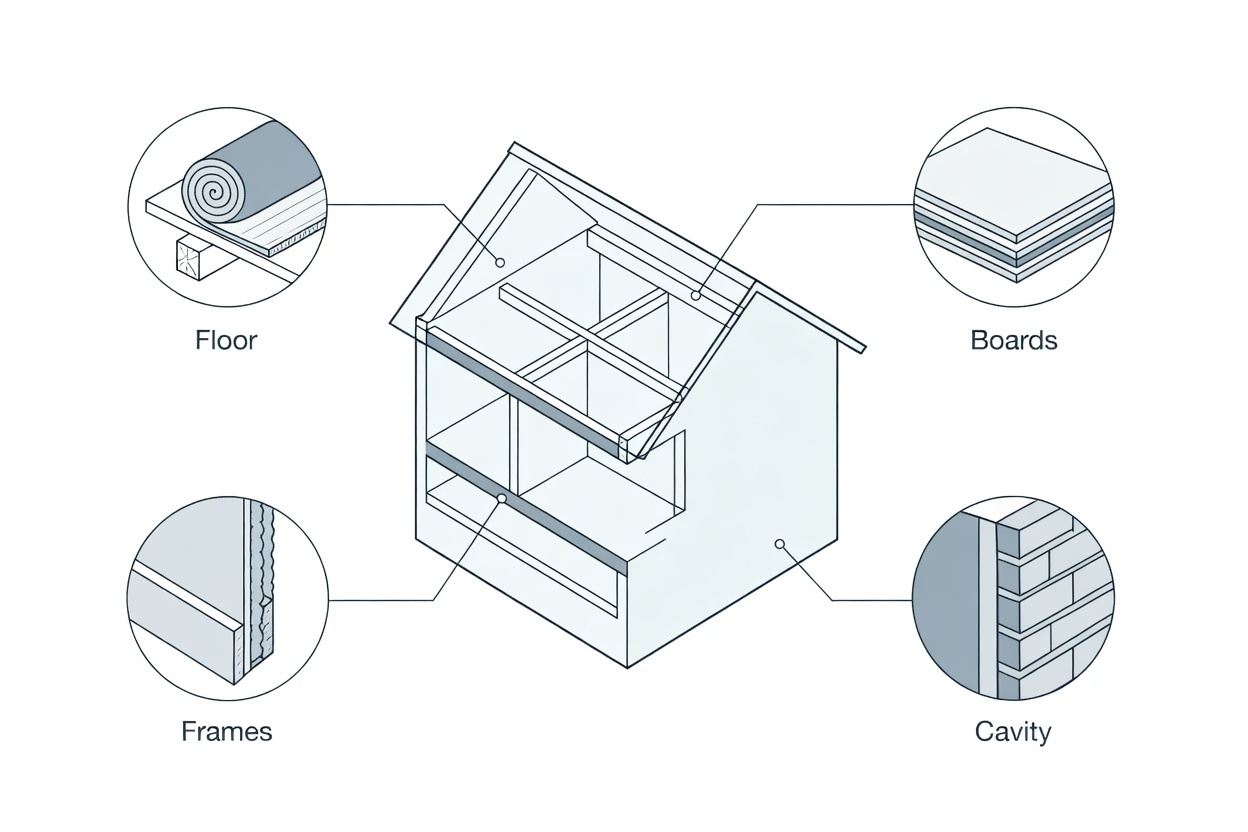
Most bad insulation decisions come from shopping by one variable only. Cheapest. Thickest. Greenest. Highest R-value per inch. That shortcut works right up until it hits field conditions.
Start With the Assembly
Before comparing products, ask where the insulation is going.
- Stud wall or roof cavity: often points toward batts, blown products, or spray-applied systems.
- Concrete wall, slab edge, or foundation zone: usually pushes the conversation toward rigid, moisture-tolerant products.
- Radiant heat problem under a roof: may justify a reflective layer, but only with the right air space and the right assembly.
- Sound-control work: often favors denser fibrous products, especially mineral wool.
Then Check the Constraints
- Climate: cold, hot-humid, mixed, marine, dry.
- Moisture risk: bulk water, condensation, inward or outward drying potential.
- Fire requirements: exposed foam, service rooms, garages, commercial assemblies.
- Thickness available: retrofit work rarely gives you all the depth you want.
- Labor reality: some products are forgiving; some are not.
If you are comparing everyday residential options, the better question is usually not “what is best?” It is “what fails least badly in this assembly?”
This part matters: if the decision is drifting toward breathable or lower-impact products, go next to natural insulation materials and hemp insulation. That branch comes with a different set of trade-offs than a standard fiberglass-versus-foam conversation.
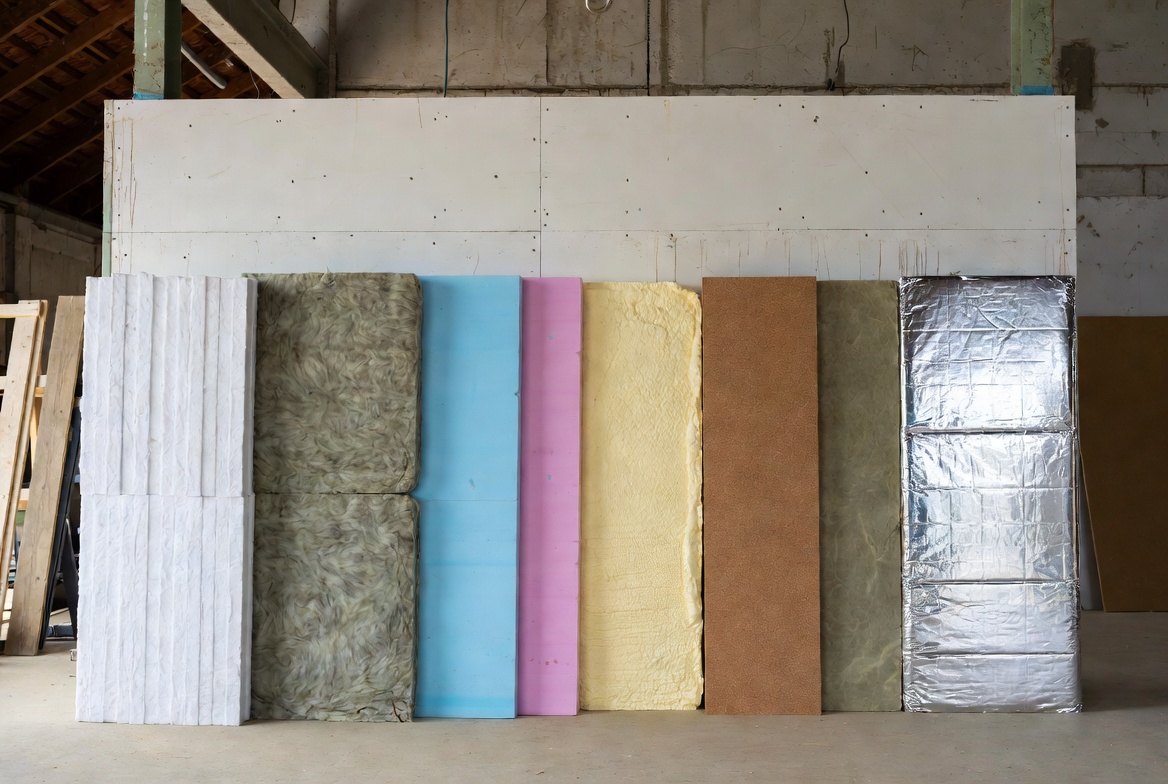
Main Insulation Material Families
Fiberglass
Fiberglass is still common because it is cheap, familiar, and easy to source. In standard framed cavities, it can work well when it is cut cleanly and fitted properly. The problem is that it punishes sloppy work. Leave gaps around boxes and pipes, jam it into a cavity that is too tight, or put it where moisture control is poor, and performance falls off fast.
Where it usually fits: walls, ceilings, attics, some floors.
Where it usually goes wrong: compression, loose fitting, wind washing, damp assemblies.
Mineral Wool
Mineral wool is denser than fiberglass, handles fire better, and usually does a better job when sound control matters. It also tends to friction-fit more cleanly in framing, which helps in the field. That is why it often feels like the safer default when the budget can take the hit.
Where it usually fits: walls, floors, ceilings, fire-rated assemblies, partitions needing acoustic control.
Where it usually goes wrong: assuming every mineral wool product behaves the same. Batts, boards, and blown products are not interchangeable.
Worth knowing: if fire and sound are driving the choice, the mineral-wool branch goes deeper in Rockwool blown insulation and whether mineral wool works for soundproofing.
Cellulose
Cellulose earns its keep in a lot of retrofit work, especially attics and enclosed cavities where blown installation can reduce voids. It can perform very well. It can also disappoint when density is off, air leakage is ignored, or moisture is treated like an afterthought.
Where it usually fits: attics, retrofit cavities, irregular spaces.
Where it usually goes wrong: settling, under-dense installs, damp assemblies, leaky ceiling planes left untreated.
Spray Foam
Spray foam is useful when the job is as much about air control as thermal resistance. It can solve awkward transitions and hard-to-reach cavities in a way batts cannot. It also carries more cost, more installation risk, and more room for bad execution than people like to admit.
Where it usually fits: rim joists, irregular cavities, some rooflines, selected basement and crawl space conditions.
Where it usually goes wrong: poor installation, overspray, trapped moisture, ignoring fire-protection requirements.
Rigid Foam Boards
EPS, XPS, PIR, and similar board products are often the cleanest answer where you need continuous insulation, moisture resistance, or both. They show up in foundations, slabs, exterior walls, roofs, and some floor assemblies for good reason. They also depend heavily on detailing. Seams, taping, fastening, continuity, and finish layers matter.
Where they usually fit: below-grade walls, slab edges, exterior continuous insulation, roof assemblies, selected interior retrofits.
Where they usually go wrong: wrong product in wet conditions, exposed foam left unprotected, drying paths ignored.
Reflective and Radiant Barrier Products
These are probably the most oversold products in the category. They can help in the right roof or attic assembly where radiant heat is the problem and an air space is part of the design. They are not a universal substitute for proper bulk insulation.
Where they usually fit: specific hot-climate roof and attic conditions, some metal-building assemblies.
Where they usually go wrong: being sold as if foil alone solves a poorly insulated building.
Natural and Lower-Impact Options
This is the part of the insulation market people are most curious about now, and fairly enough. Cork, hemp, sheep wool, cellulose, and wood-fiber products can make sense when breathability, lower irritant load, or lower embodied impact matters. They still live inside assemblies, though. Moisture, thickness, detailing, and fire questions do not disappear because the material sounds friendlier.
Where they usually fit: projects prioritizing breathability, lower-impact materials, or lower synthetic content.
Where they usually go wrong: not giving them enough thickness, not checking moisture behavior, assuming “natural” means maintenance-free.
Related reading: the hemp branch is already there if you want to get more specific: Hemp Insulation: Why Are Builders Switching to It?, Hemp Insulation vs. Fiberglass, and Hemp Insulation vs. Rockwool.
High-Performance Specialty Products
Aerogel, vacuum insulation panels, and similar high-end products solve narrow but real problems: limited depth, extreme performance targets, unusual industrial conditions. They are useful. They are just not the first answer on ordinary residential work because cost and detailing complexity rise quickly.
Best Fits by Application
Attics
Loose-fill cellulose, fiberglass, and some mineral-wool strategies all show up here. The main mistake is pretending more insulation will solve an attic that is still leaking air at the ceiling plane. Seal first. Then add material.
Walls
Framed wall cavities usually point toward fiberglass, mineral wool, cellulose, or spray-applied systems. Exterior continuous insulation changes the conversation because it tackles thermal bridging, not just cavity fill.
Basements and Foundation Zones
This is where a lot of bad advice starts. Below-grade walls are not just above-grade walls made colder. Moisture tolerance matters more, and not every common batt product belongs against concrete.
Crawl Spaces and Floors
These areas expose bad product choices quickly. Moisture, air leakage, and sagging installations show up fast under floors and around crawl space boundaries. The right answer depends on whether the crawl space is vented, conditioned, or somewhere in between, which is why generic advice here usually ages badly.
Roofs
Roof assemblies split fast: vented attic, unvented roof, cathedral ceiling, exterior roof insulation, metal roof, low-slope commercial roof. Same word, different details. Thickness, ventilation path, condensation control, and air barrier continuity matter more than product loyalty.
Interior Partitions Needing Sound Control
Mineral wool usually earns its keep here. It is not the only option, but it is one of the cleaner answers when you want better acoustic performance without getting fancy.
Retrofits With Limited Space
This is where high-performance boards, insulated panels, or specialty products can justify their cost. When depth is fixed, “just add more insulation” stops being useful advice.
Common Mistakes That Ruin Insulation Performance
Ignoring Air Leakage
Insulation is not an air barrier by default. A leaky assembly with plenty of insulation can still feel drafty and underperform badly.
Choosing by R-Value Alone
A product can look great on paper and still be the wrong answer for that location, thickness, moisture profile, or finish requirement.
Putting Moisture-Sensitive Products in Moisture-Prone Assemblies
Basements, slab edges, service cavities, crawl spaces, and badly detailed rooflines punish lazy assumptions.
Compressing Batts
Once fibrous insulation is jammed into spaces it does not fit, performance drops. This still gets overlooked constantly.
Skipping Fire and Finish Requirements
Some insulation products need protection layers or have limits on where they can remain exposed. That is not a small-print issue. That is part of the assembly.
Overbuying Complexity
Not every project needs spray foam, aerogel, or a premium branded system. Sometimes the better answer is a simpler material installed carefully in a sensible assembly.
What To Read Next
If you are still narrowing the field, the next step depends on what is driving the decision.
- Sustainable Insulation That Saves Energy and Cuts Costs — best next read if you are trying to balance performance, cost, and lower-impact material choices.
- Natural Insulation Materials: Types, Benefits, and Practical Tips — useful if you want to compare breathable and plant- or fiber-based options without jumping straight into one product.
- What Is the Safest Insulation to Use? — start here if fire, fibers, off-gassing, or handling safety are the first filters.
- Hemp Insulation: Why Are Builders Switching to It? — the right next page if you want a fuller look at one of the main natural-insulation options.
- Rockwool Blown Insulation: Benefits, Costs, and Installation Made Simple — worth reading if you are comparing mineral wool for fire resistance, sound control, or retrofit work.
- Can Mineral Wool Insulation Double as a Soundproofing Solution? — helpful if noise control matters as much as thermal performance.
That is usually the better way to use a page like this. Start broad here. Then move into the branch that matches the job in front of you.
FAQ
What is the best insulation material overall?
There is no universal winner. The right choice depends on the assembly, climate, moisture exposure, thickness available, and whether fire or sound performance matters. Mineral wool is one of the safest broad picks. Rigid foam often makes sense in foundation and continuous-insulation work. Fiberglass still works when the detailing is clean and the location is appropriate.
Is higher R-value always better?
Not by itself. Higher R-value helps, but assembly quality still matters. Gaps, air leakage, thermal bridges, and moisture can erase a lot of theoretical performance.
Do I always need a vapor barrier?
No. That depends on climate, assembly type, drying direction, and local code. Blanket advice goes bad quickly here. Look at the full wall or roof assembly, not just the insulation product.
What insulation is best for sound control?
Mineral wool is one of the strongest common options when you want both thermal and acoustic value. Even then, sound control also depends on framing, layers, air gaps, and finishes.
Are natural insulation materials worth it?
They can be. Hemp, cork, sheep wool, cellulose, and similar products make sense when breathability, lower irritant load, or lower-impact material choices matter. They still need careful detailing and enough thickness to perform well.
What is the safest insulation to use?
That depends on what “safe” means in the project. Fire performance, fibers, off-gassing, moisture behavior, and installation exposure all matter. If that is your first filter, go to What is the Safest Insulation to Use?.