
How Architects Use Sustainable Design in Buildings Today
Materials, Energy, and Water
Walking Through What Works
Most guides list solar panels, rainwater tanks, insulation. Useful, but it reads like a manual. Out in the field, it lands differently. Projects fail because tenants ignore systems that do not fit their lives. Others succeed because a detail nobody noticed carried the load. Sustainable design is not a checklist. It is a walk through what actually works, and what does not.
Energy Before Form
In design charrettes, the first sketch is often a shiny glass tower. Then the engineer’s graph shows cooling loads that double the budget. Silence. That project dies before a facade is even drawn.
Sustainability begins there, before the form. Energy models lead. Without them, you end up patching mistakes later with sunshades, oversized HVAC, or token green roofs.
The Bullitt Center in Seattle proves the point. Six stories, not tall by city standards, but it runs entirely on solar. The secret is the form. Narrow floor plates, operable windows, daylight cutting deep inside.
Lesson: energy is not a layer. It is the skeleton.
Passive First, Mechanical Second
A retrofitted prewar rental in Manhattan had thick brick walls doing most of the work already. Add triple glazed windows and careful air sealing, and the cooling load dropped so low the mechanical system shrank by half.
Contrast that with a shiny condo uptown. High tech chilled beams, but leaky envelopes. Tenants complained of drafts and humidity.
Old builders knew the rules. Courtyards in India, arcades in Spain, shaded alleys in Morocco. They were passive design long before the phrase existed. Modern practice is often just re learning what worked centuries ago.
Materials That Do Not Cheat
Cross laminated timber gets headlines. It goes up fast, smells like a sawmill, looks progressive. But when it is shipped across oceans or sealed with toxic finishes, the carbon math collapses.
The real strategy is honesty. Local stone in Vermont. Rammed earth in Arizona. Recycled steel near mills. In Brooklyn, a warehouse conversion reused its own joists. Rough finishes stayed exposed. Students saw it and said it looked raw. That roughness was the point: carbon kept on site.
Water as the Hidden Measure
One Bryant Park is famous for glass and its green certification. The real trick is below grade: a greywater loop that reuses over four million gallons annually for cooling. Few notice from the sidewalk.
Designers focus on energy, yet water is just as urgent. In flood zones, stormwater systems make or break projects. At Rockaway, the rebuilt boardwalk is not just recycled planks. The dunes behind it are living infrastructure, absorbing storm surge and giving residents space to breathe.
Systems People Actually Use
High tech controls fail if humans reject them. Classrooms with motion sensor lights get taped over by teachers. Rainwater tanks no one empties turn into mosquito farms.
The green roof at the Javits Center works because it doubles as habitat. Birds and insects maintain the system for free. Nature does the maintenance. That is the brilliance: systems that survive without constant oversight.
You might like: NYC Green Architecture: What Architects Are Building for 2030
Retrofits: The Hardest Test
The Empire State Building shows what is possible. Thousands of windows rebuilt on site, insulation added behind radiators, a cooling plant reworked. Result: 38 percent less energy, millions saved each year.
Public housing retrofits show the friction. Heat pumps dropped into units. Tenants complained about confusing controls. A retrofit is not just hardware. It is tenant meetings, signage, plain language. Sustainable design lives or dies on communication.
The Grid Behind the Building
A building’s performance depends on the grid feeding it. If the grid is dirty, the building is dirty.
New York’s Local Law 97 ties design to carbon math. A glass tower that fails the numbers now faces annual fines. Midtown clients have scrapped schemes once the penalties outweighed projected rents.
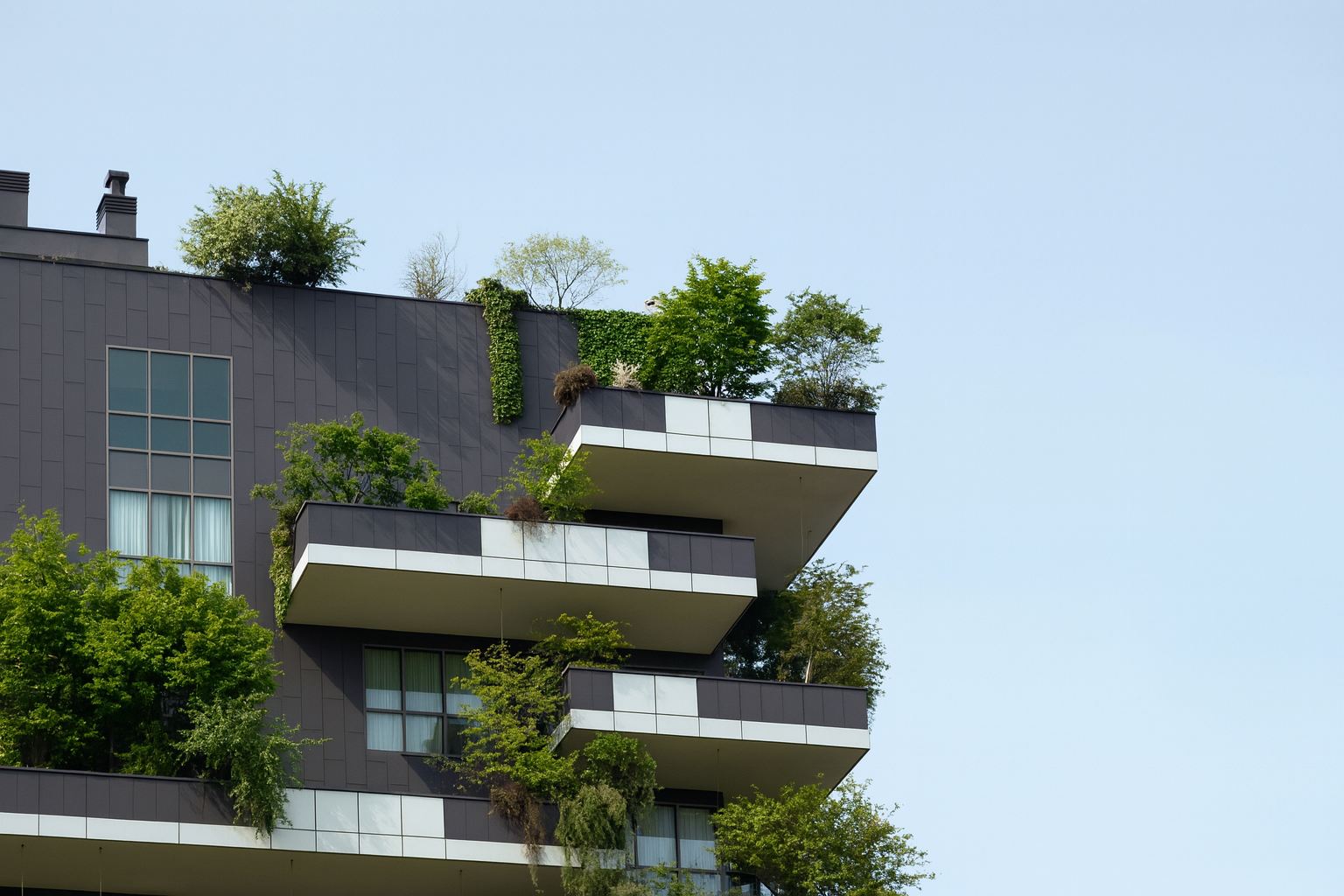
Not every city relies on regulation. Milan’s Vertical Forest towers, balconies thick with trees, came from cultural ambition, not legal mandate. Sometimes the stick moves markets. Sometimes vision does.
When Numbers Meet People
Spreadsheets do not capture daylight across a desk or the draft free comfort of sealed windows. Yet those are what tenants notice.
Owners brag about kilowatt savings. Occupants talk about comfort. One retrofit tenant said it was the first winter without drafts. That mattered more than bills. Performance is lived, not just measured.
What Would Make It Better
Walking sites reveals gaps. Solar 1 should face the street with a live display of its daily output. NYCHA retrofits could show real time savings in lobbies so residents see the impact. Rockaway’s boardwalk works for storms but needs shade. Solar pavilions could cover both comfort and power.
These details are what turn design into culture. Sustainability only sticks when it is visible, relatable, and human.
Closing Walk
Sustainable design is not tallest, shiniest, or a plaque on a lobby wall. It is pipes in the basement, insulation behind walls, controls that residents actually touch.
Students: sketch the guts no rendering will show.
Architects: argue for the dull details like air sealing, orientation, envelopes.
Citizens: join community solar or demand better windows from your landlord.
The future is not theoretical. It is already being built in retrofits, rooftops, and rules. The task now is to notice it, sharpen it, and make it stick.
See also: Biophilic Architecture for Architects: Practical Methods That Work on Site
Public Space as Sustainable Design
Walk a plaza or a schoolyard and you see how sustainability shows up outside the footprint of a building. Shade, water, and air matter here more than lobby finishes.
Take the Rockaway boardwalk after Hurricane Sandy. Rebuilt in recycled plastic lumber with dunes tied into the structure, it is a flood defense disguised as public space. You do not think of it as infrastructure until the next storm hits. That is resilience you can walk barefoot on.
Moynihan Train Hall is another case. Everyone stares at the skylight, but what makes the space work is daylighting balanced with efficient systems. Transit halls are public architecture at its toughest. They have to keep air moving for thousands of people, lights working 24/7, and cooling loads manageable under massive glass. Good public space teaches lessons architects can take back to smaller projects: control volume, borrow light, and design mechanicals for constant use.
If there is one critique, it is visibility. Too often the systems that make plazas and boardwalks sustainable are buried. Imagine real-time displays showing how much stormwater a park held that week, or how much solar a canopy produced. Public architecture works best when it doubles as public education.
Economics and Policy: The Real Drivers
Every conversation about sustainability eventually circles back to money and law. Without policy, a lot of “green” ideas stay in renderings. Without financing, retrofits stall in committee rooms.
Local Law 97 in New York forced the hand. Carbon caps and steep fines turned efficiency into a legal requirement. I have sat in meetings where a glossy tower concept was scrapped once the accountant tallied the fines. It is not romance that makes glass shrink in Midtown. It is spreadsheets.
On the flip side, some of the most iconic green projects elsewhere were not born from law. Milan’s Vertical Forest towers happened because a developer and a design team wanted trees on balconies, not because a statute required them. That shows the cultural side. Vision can drive sustainability where regulation has not caught up.
The smart strategy is to tie both together. Laws create the baseline, ambition pushes beyond it. In New York, you now see financing tools—green bonds, tax credits, community solar subscriptions—layered on top of mandates. Developers pitch lifecycle costs instead of just upfront rent premiums. Owners brag less about square footage and more about operating expenses. Even tenants notice when bills drop.
In practice, it means architecture is no longer just about aesthetics or structure. It is economics and compliance baked into design decisions. That is not a loss. It is what anchors sustainability in the real world.
See also: Local Law 97 NYC: What Architects and Building Owners Need to Know
Building Smarter: Sustainable Design Principles in Modern Architecture
FAQ
What is the first step in sustainable building design?
Start with reducing energy demand. That means insulation, airtightness, and daylighting before thinking about solar panels or fancy systems. If the envelope leaks, no technology will save you.
Are sustainable buildings more expensive to build?
Upfront costs can run 5–15 percent higher depending on materials and systems. But operating savings—lower energy bills, reduced maintenance—pay back in less than a decade on most projects. Retrofits often see quicker returns than new builds.
What are examples of passive design strategies?
Shading devices, proper orientation, thermal mass, natural ventilation, and window-to-wall ratios set by climate. These aren’t new—they’ve been used for centuries—but they remain the cheapest and most effective tools.
Why do materials matter in sustainable design?
Embodied carbon is often higher than a building’s operational carbon in its early years. Choosing local stone, reclaimed wood, or low-carbon concrete has a bigger long-term impact than imported “eco” products.
How do green roofs and walls help?
They insulate buildings, reduce stormwater runoff, and cool cities during heat waves. At the Javits Center in New York, the roof doubled as a bird habitat, proving that green design can work without constant human upkeep.
What role does water play in sustainable buildings?
Efficient fixtures, greywater reuse, and rainwater harvesting all cut demand. One Bryant Park reuses millions of gallons annually through its cooling towers. Water resilience is as critical as energy efficiency.
Do all sustainable designs depend on laws and codes?
Not always. New York’s Local Law 97 forces retrofits through fines. Milan’s Vertical Forest towers came from a developer’s vision, not regulation. Both approaches show that culture and context shape outcomes.
Can existing old buildings really become sustainable?
Yes. Retrofits like the Empire State Building prove it. With new glazing, insulation, and smarter systems, old giants can perform better than some new builds. Often the greenest building is the one already standing.
What is the biggest mistake in sustainable design?
Treating it like decoration. Plants on a roof don’t solve a poor envelope. Sustainability only works when systems and structure are designed to cut loads from the start.
How can individuals apply these ideas at home?
Simple steps: seal leaks, add insulation, upgrade to LED lighting, and use smart thermostats. If solar is out of reach, join a community solar program. These moves save money and reduce emissions without major construction.
Related
- Local Law 97 NYC: What Architects and Building Owners Need to Know
- 7 Types of Sustainability in Architecture Design
- Methods of Sustainable Construction: What Works, What Wastes Money
- Sustainable Architecture 101: The Basics You Need
- Sustainability in Architecture Design: What’s Changing in 2025?
- NYC Green Architecture: What Architects Are Building for 2030
- Building a Truly Green NYC Apartment: What It Takes in 2025
- Ecofriendly Roofing Guide: Costs, Mistakes, and Real Options That Work
- Biophilic Office Design: Creating Healthier, Happier Workspaces
- Eco-Friendly House Without the Green Guilt