

A stunning view from an Italianate villa, offering a breathtaking perspective of the sea, blending elegant architecture with natural beauty.
What Makes Italianate Homes So Special?
Italianate homes are iconic, no question about it. They’re blend of history, craftsmanship, and everyday practicality that’s hard to resist.
What Is Italianate Architecture?
Rooted in the elegance of Renaissance Italy, this style took off in the 19th century for a reason: it combined beauty with function in a way that felt timeless.
Think tall arched windows that flood rooms with light, decorative brackets under those wide eaves, and porches supported by columns that scream "welcome home." Add the perfect dose of symmetry and a few ornate details, and you’ve got a design that’s both refined and relatable.
Who This Guide is For
Here’s the thing—after years of working with Italianate-inspired projects, I’ve learned what makes this style so magical (and how to avoid rookie mistakes).
Whether you’re planning a renovation, building new, or just here for the eye candy, this guide is packed with everything you need: the history, the standout features, and some real-world advice to help you nail the look.
We created this guide for anyone planning a renovation, starting a design from scratch, or simply here to admire the craftsmanship. We’ve got everything you need to fully understand and bring Italianate design into your vision.
Let’s break it down, step by step, with thoughtful details along the way. Trust us, there’s more to it than just swoon-worthy columns and dramatic windows

The History and Evolution of Italianate Architecture
The Italianate style was inspired by the simple yet elegant villas of Renaissance Italy, drawing heavily from classical and Baroque influences. It emerged in the mid-19th century as a reaction to the rigid and formal Neoclassical styles, offering a more relaxed and picturesque approach to design.
Its adaptability for both urban and rural settings made it incredibly popular, with the style spreading quickly across Europe and the United States. Italianate architecture was especially embraced for residential homes and public buildings, thanks to its balance of beauty and practicality.

Villa on Lake Como in Italy with a beautiful mountain backdrop and peaceful lakeside views.
The style reached its peak in the mid to late 1800s, becoming a defining feature of the Victorian era and one of the most enduring architectural trends of the time.
1. Key Moments in Italianate Architecture (Timeline)
- Early Renaissance (1400s): The foundation of the Italian villa style, emphasizing symmetry and proportion.
- Late Renaissance and Baroque Periods (1500s–1600s): Ornate details, including brackets, arches, and columns, began to emerge.
- Mid-19th Century (1830s–1840s): Revival of the Italianate style in England, led by architects like John Nash, as part of the Picturesque movement.
- 1840s–1850s: Spread of Italianate architecture to the United States, popularized by architects such as Alexander Jackson Davis and Andrew Jackson Downing.
- 1850s–1870s: The height of Italianate architecture’s popularity in America, especially for middle-class homes and public buildings.
- Late 1800s: Transition to more elaborate designs, blending Italianate with Victorian influences like Gothic and Second Empire styles.
- Early 20th Century: Decline of Italianate style as new movements like Art Deco and Modernism gained traction.
This timeline shows how Italianate architecture evolved from its Renaissance roots to become a defining feature of 19th-century design. Its lasting influence can still be seen in homes, public buildings, and restorations worldwide.
2. The Overlooked Influence: How Islamic Architecture Shaped Italianate Design
When looking at architectural styles like Italianate, there’s often a missed opportunity to recognize the profound impact of Islamic architecture. This omission is surprising, given the richness, sophistication, and lasting legacy of Islamic design. Many elements we admire in Italianate architecture—like arches, intricate details, and symmetry—have clear connections to techniques and ideas developed in the Islamic world.
Connections Between Islamic and Italianate Architecture
- Arched Windows and Doorways: The elegant arches in Italianate homes share similarities with the pointed and rounded arches seen in mosques and Islamic palaces. These architectural elements, perfected in Islamic design, became cornerstones of European styles through cultural exchange.
- Ornamental Details: The decorative brackets and moldings in Italianate homes reflect the intricate patterns of Islamic architecture, which often used geometric designs and arabesque motifs to add beauty and detail.
- Courtyards and Symmetry: The balanced layouts and use of open spaces in Italianate homes mirror the courtyards and harmonious designs central to Islamic architecture. These shared elements emphasize functionality without sacrificing elegance.
Why Is Islamic Influence Often Overlooked?
Despite its significant contributions, Islamic architecture is rarely credited for shaping European styles like Italianate. This neglect may stem from historical biases or a tendency to focus solely on European innovations. However, during the Renaissance and earlier periods, European builders and designers drew inspiration from Islamic art, science, and architecture, integrating those ideas into their work.
A Legacy Worth Recognizing
Acknowledging the influence of Islamic architecture doesn’t take away from the Italianate style—it enhances its story. It shows how creativity and innovation have always been part of a global conversation, with cultures inspiring and learning from each other.
For those designing today, recognizing this shared history can deepen appreciation and offer fresh inspiration. Islamic architecture isn’t just part of the past—it’s a vibrant legacy that continues to shape the spaces we live in, often without us even realizing it. Let’s give it the credit it deserves.
Key Features of Italianate Homes
1. Italianate Windows

Italianate windows are a hallmark of this style. They are tall, narrow, and often topped with arched or rounded tops. These windows let in plenty of natural light, making rooms feel bright and open. They are often adorned with decorative detailing around the edges, which adds to the elegance of the design.
2. Decorative Brackets

One of the defining features of Italianate homes is the use of brackets under the eaves. These decorative brackets are often paired with cornices and moldings, giving a house a distinct Italian flair. They are functional, supporting the roof, but also act as ornamental accents that make the design stand out.
3. Columns and Porticos

Columns in Italianate architecture are often slender and ornate. They can be found framing the entrance or supporting a large porch (called a portico). This design element draws from the classical Greek and Roman styles, bringing a sense of sophistication and grandeur to the structure.
4. Cupolas and Roof Designs

Many Italianate-style homes feature cupolas, small domed structures on the roof. These were traditionally used for ventilation but have since become a signature design feature. Roofs in Italianate homes are typically flat or gently sloping, often with low-pitched gables.
5. The Use of Symmetry

Italianate homes often boast a symmetrical design, with balanced window placements and doorways. This symmetry gives the structure a sense of order and harmony, which is central to the style’s classic appeal.
Italianate Style Structures in Focus: Domes

A luxurious mansion featuring a dome, designed in Italianate style, with grand architecture and elegant details that enhance its timeless appeal.
Italianate-Style Domes: Graceful Crowns of Architecture
Italianate-style domes are stunning features often found on grand buildings, inspired by the Renaissance architecture of Italy. These domes add elegance and a timeless charm to any structure. Let’s break down what makes them special.
What Defines an Italianate Dome?
- Rounded, Smooth Shape
- Italianate domes are typically rounded or slightly oval, giving a graceful, flowing look to the building.
- Made from materials like copper or stone, they often age beautifully, developing a weathered patina.
- Cupolas for Light and Air
- Many domes include a cupola or lantern at the top. This isn’t just decorative—it helps bring in natural light and sometimes even ventilation.
- The cupolas often feature detailed carvings or small windows that add visual interest.
- Ornate Details
- Expect to see intricate moldings, cornices, or decorative brackets around the base of the dome. These details highlight the Italianate style's emphasis on artistry.
- Integration with the Building
- Unlike domes that stand alone, Italianate domes often flow seamlessly with the rest of the structure, blending into the roofline or the facade.
- They are designed to complement tall windows, arches, and other Italianate features.
Famous Examples of Italianate Domes
- The U.S. Capitol Dome in Washington, D.C. is inspired by Renaissance designs, showcasing the influence of Italianate principles on American architecture.
- Santa Maria del Fiore in Florence, Italy, is a classic Renaissance dome that heavily influenced later Italianate styles worldwide.
How to Appreciate an Italianate Dome
- Look at how the dome interacts with the surrounding architecture. Its proportions are often carefully balanced to enhance the building’s overall harmony.
- Focus on the craftsmanship—notice the intricate details and the way light reflects off the dome’s surface.
Italianate domes aren’t just beautiful—they’re architectural statements that combine functionality with artistry. Whether part of a grand public building or a private residence, they always leave an impression.
All Features of Italianate Architecture
Italianate architecture is admired for its rich details and functional elegance. Below is a detailed list of features that define this timeless style, along with insights into why and how they are used effectively.
Exterior Features:
- Low Hipped Roofs
- Why It’s Important: This roof style is practical for shedding rain and snow while adding a stately appearance.
- Interesting Insight: These roofs often mimic Italian villas, giving a nod to their Renaissance origins.
- Wide Eaves
- How They Help: Protect the walls from rain and direct water away from the foundation.
- Design Tip: Wide eaves with decorative brackets can serve both structural and aesthetic purposes.
- Overhanging Eaves with Substantial Brackets
- Why It Works: Brackets provide support and decorative flair, creating a sense of depth.
- Historical Fun Fact: These brackets were often hand-carved, showcasing the craftsmanship of the era.
- Towers
- Why It’s Eye-Catching: Towers add vertical interest and create a sense of grandeur.
- Practical Use: They were often used as observation points or to ventilate upper floors.
- Cupola
- Why It’s Unique: A small dome or tower-like structure on the roof allows light and ventilation.
- Interesting Detail: Many homeowners used cupolas as lanterns to light the interior at night.
- Balustraded Balconies
- How They Add Elegance: These ornamental railings give a luxurious feel to facades.
- Interesting Tip: They create cozy outdoor spaces for enjoying morning coffee or evening sunsets.
- Bay Windows
- Why They’re Loved: These windows bring in natural light while creating a sense of spaciousness.
- Design Idea: Pair bay windows with upholstered seating for a cozy reading nook.
- Bracketed Cornices
- How They Shine: The decorative cornices enhance rooflines, making the structure appear complete.
- Interesting Fact: Cornices were often painted in contrasting colors to highlight their intricate designs.
- Quoins
- Why They’re Striking: These cornerstones emphasize the building's structure and stability.
- Tip for Modern Homes: Use contrasting materials or colors for a contemporary twist.
- Glazed Doors
- Why They’re Functional: Glass doors allow natural light into darker spaces.
- Design Inspiration: Use etched glass for added privacy while maintaining elegance.
- Pedimented Window Heads
- Why They Stand Out: These triangular or arched window heads draw attention to the windows as focal points.
- Historical Context: Inspired by classical Greek and Roman architecture, pediments symbolized prestige.
Window and Door Features:
- Round Arches
- Why They’re Timeless: Rounded arches soften the look of doors and windows, adding elegance.
- Interesting Insight: Often framed with decorative molding, they create a perfect harmony with straight lines.
- Tall First-Floor Windows
- How They’re Practical: These large windows enhance natural light and make interiors feel airy.
- Fun Fact: In Italianate homes, tall windows were often paired with heavy drapery for both style and privacy.
- Neoclassical-Inspired Designs
- Why They Matter: Borrowing from classical architecture, these designs bring a sense of order and symmetry.
- Tip: Pair neoclassical elements with modern furniture for a balanced look.
- Rectangular Windows
- Why They’re Functional: Simplicity in design makes these windows versatile and easy to incorporate.
- Pro Tip: Use rectangular windows on upper floors for a clean, balanced facade.
- Massive Brackets
- Why They’re Memorable: Oversized brackets create a bold visual statement while supporting overhanging structures.
- Design Tip: Keep the brackets’ colors subtle to avoid overwhelming the overall design.
Materials and Construction:
- Asymmetrical Massing:
- Why It Works: Irregular shapes create visual interest and allow for flexible interior layouts.
- Pro Tip: Balance asymmetry with symmetrical window placement for a harmonious look.
- Renaissance Influence
- How It Shows: The use of ornate details, like columns and arches, echoes Italian Renaissance villas.
- Interesting Insight: These influences were brought to life using local materials, making them accessible across regions.
- Rectangular Floor Plans
- Why They’re Practical: Straightforward layouts make interiors easier to navigate and design.
- Modern Take: Use open-plan designs within rectangular structures for contemporary living.
- Brick or Stone Facades
- Why They Endure: Durable and timeless, these materials provide both strength and elegance.
- Design Tip: Combine brick with lighter trims for a striking contrast.
- Natural Materials
- Why They’re Important: Stone, wood, and terracotta add warmth and authenticity.
- Fun Fact: Many Italianate homes used locally sourced materials, creating a connection to the surrounding environment.
Interior Features:
- High Ceilings
- Why They’re Desired: High ceilings make rooms feel more spacious and luxurious.
- Practical Advice: Use pendant lighting or chandeliers to draw attention to the height.
- Decorative Moldings
- How They Enhance: Intricate designs add texture and character to interiors.
- Tip: Use crown molding in living rooms or dining areas for a touch of elegance.
- Symmetrical Layouts
- Why They’re Effective: Balanced layouts create a sense of order and harmony.
- Design Insight: Keep furniture placement symmetrical to complement the architectural flow.
- Fireplaces with Ornate Mantels
- Why They’re Central: Fireplaces were both functional and decorative in Italianate homes.
- Pro Tip: Restore or recreate ornate mantels to serve as a focal point in modern interiors.
Other Notable Features:
- Towers and Belvederes
- Why They’re Charming: These rooftop structures provide light, ventilation, and scenic views.
- Design Inspiration: Incorporate a small rooftop deck for a modern twist on the belvedere.
- Tall, Narrow Windows
- Why They Work: These windows maintain privacy while letting in plenty of light.
- Pro Tip: Use sheer curtains or shutters to control light levels without blocking the view.
- Asymmetrical Rooflines
- Why They’re Unique: The uneven rooflines add depth and character to the structure.
- Design Insight: Balance asymmetry with uniform materials for a cohesive look.
You know what’s cool about Italianate architecture? It’s all about mixing practicality with style. Every little detail, like those brackets or tall windows, wasn’t just for show—it all had a purpose. And that’s what makes these homes so special.
They weren’t just built to look good; they were made to work for the people living in them. Even today, you can’t help but admire how they managed to create something so functional that still feels timeless.
The Hidden Symbolism in Italianate Architecture: What You Never Knew
Italianate architecture isn’t just about elegant facades and picturesque designs; it’s also rich in subtle symbolism that reflects the values and aspirations of the people who built and lived in these homes. While often overlooked, these design choices were deliberate and carried deeper meanings.
1. The Arched Windows: A Gateway to Opportunity

- Tall, arched windows are a hallmark of Italianate homes, but did you know they were seen as symbols of enlightenment and progress in the 19th century? The height of the windows reflected aspirations of reaching higher levels of knowledge and culture, a nod to the intellectual revival of the Renaissance.
- Interesting Tip: In historic homes, these windows were often strategically placed to align with the sunrise, flooding interiors with morning light as a metaphor for new beginnings.
2. Brackets as a Show of Stability
- The ornate brackets under the eaves were not just decorative. They symbolized strength and support, reflecting the industrial advancements of the time. These brackets, often crafted with meticulous detail, showcased a homeowner's wealth and their embrace of modern building techniques.
- Practical Insight: Homeowners today can replicate this feature with lightweight materials that mimic the look but are easier to maintain.
3. Cupolas: Watching Over the World
- The cupola, often seen crowning Italianate mansions, wasn’t just an aesthetic choice. Historically, it served as a lookout point for observing the surrounding landscape—be it farmlands or bustling towns. Beyond practicality, it symbolized a homeowner's ability to oversee and control their environment, a quiet boast of power and status.
- Modern Twist: Today, adding a small cupola can serve as a reading nook or meditation space, giving a new purpose to this classic feature.
4. Porches as Social Stages
- Italianate porches were designed to do more than provide shade; they were stages for social interaction. In a time when hospitality was paramount, these porches showcased a homeowner's openness and community spirit. Guests could gather, converse, and admire the home’s architecture—all while staying outdoors.
- Fact You Didn’t Know: Some porches featured specific design patterns meant to echo famous Italian landmarks, subtly elevating the homeowner's cultural cachet.
5. Hidden Gardens: The Secret Luxury
- While not a visible architectural feature, many Italianate homes included hidden gardens in their original plans. These gardens were enclosed sanctuaries meant for quiet reflection or intimate gatherings, a stark contrast to the showy exteriors.
- Fun Fact: Certain layouts included pathways designed to mimic the winding streets of Italian villages, giving residents the feel of an Italian escape without leaving their property.
Why It’s Worth Exploring These Details
Understanding the hidden layers of Italianate architecture can deepen your appreciation for this style. It’s more than just a pretty facade—it’s a reflection of cultural aspirations, technological achievements, and personal values. For modern homeowners, integrating these elements can add depth and storytelling to your design, creating a home that doesn’t just look stunning but also feels meaningful.
This hidden world of symbolism makes Italianate homes not only timeless but also profoundly intriguing.
Notable Examples of Italianate Architecture
1. The Biltmore Estate, North Carolina
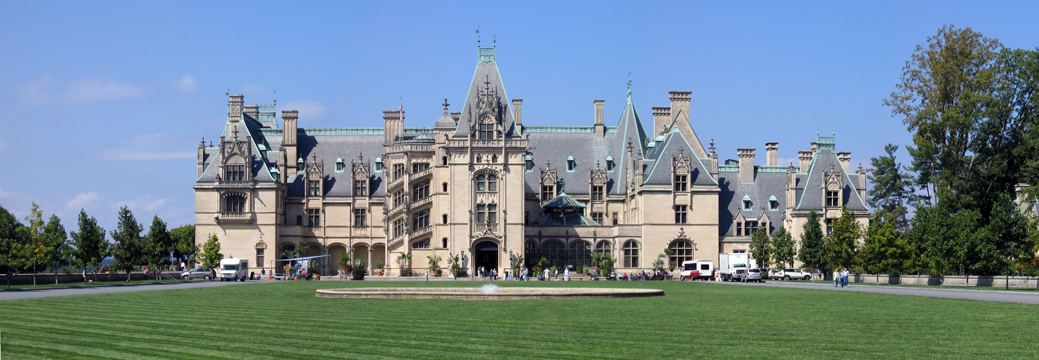
Image: Grand view of the Biltmore Estate featuring Italianate design elements like arched windows, symmetrical layout, and ornate stonework.
The Biltmore Estate is one of the most famous examples of Italianate architecture in the United States. With its large, sprawling grounds and grand mansion, this house incorporates many of the defining features of Italianate style, including arched windows, ornate balconies, and a stunning roofline.
2. San Francisco’s Painted Ladies

The Painted Ladies are a series of Victorian-style homes in San Francisco that prominently feature Italianate-style details. With their vibrant colors and distinctive roofs, these homes showcase how Italianate elements can be integrated into urban designs. The balance of ornamentation and practical design makes them iconic examples of the style.
3. The Palazzo Barberini, Rome
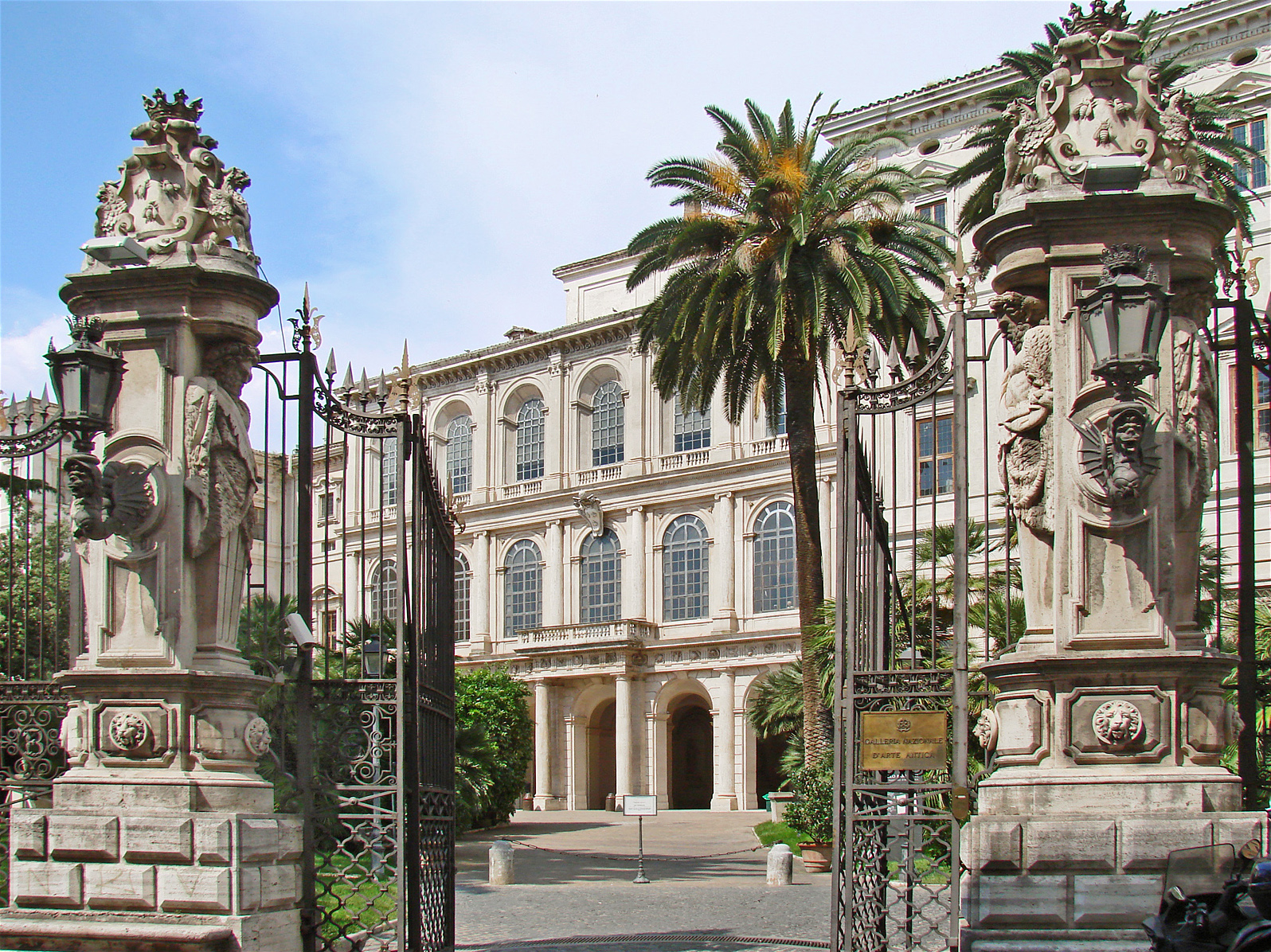
Image: Historic Barberini Palace in Rome showcasing Baroque and early Italianate architecture with grand arches, columns, and symmetrical form.
A prime example of Italianate architecture in Italy is the Palazzo Barberini. Though it dates back to the 1600s, it strongly influenced the Italianate style when it was revived in the 19th century. The palace features massive columns, decorative cornices, and large windows typical of the Italianate style.
Living Well in Italianate Homes: A Look at Lifestyle and Design
Nature and Everyday Life: The Role of Gardens in Italianate Architecture
Life in Italianate Homes: A Harmony with Nature

Villa del Balbianello in Italy, perched on a scenic lakeside with stunning views of Lake Como, blending history and natural beauty.
Italianate homes weren’t just about looking elegant; they were built to enhance the quality of life. Every detail, from the layout to the gardens, reflected a thoughtful connection with nature. After visiting and studying these homes, it’s clear how much their design influenced how people lived and appreciated the world around them.
The Role of Gardens in Everyday Life

Italianate homes often featured lush gardens that weren’t just decorative but a part of daily living. Gardens served as spaces to relax, gather with family, or enjoy quiet reflection. The design of these gardens encouraged a slower pace of life, offering a balance to the busyness of the times.
Tips for Designing Your Italianate Garden Today:
- Include Pathways: Curved stone paths make a garden inviting and connect spaces seamlessly.
- Focus on Symmetry: Symmetry, a key feature of Italianate design, creates a calming and organized outdoor space.
- Choose Classic Plants: Think roses, lavender, and evergreen hedges to mimic the timeless charm of Italianate gardens.
Connecting Indoor and Outdoor Spaces
Italianate homes often blurred the line between indoor and outdoor living. Large windows and verandas invited natural light into the home and created easy access to the surrounding gardens. This thoughtful design wasn’t just about appearances; it was about living comfortably and enjoying nature every day.
Ideas for Bringing This Concept Home:
- Create a Flow: Use French doors or large windows to connect your home to the outdoors.
- Incorporate Greenery Indoors: Add indoor plants or even small herb gardens near windows.
Why Nature Played Such a Big Role
In the 19th century, life was slower, and homes were built to reflect that pace. Gardens and outdoor spaces provided a sense of peace and helped families connect with the seasons. These homes weren’t just places to live; they were places to thrive, blending beauty with purpose.
Interesting Insight:
Italianate homes often had small balconies or towers with views of the gardens, giving the homeowners a chance to pause and take in the natural beauty.
A Philosophy of Living Well
The lifestyle surrounding Italianate homes wasn’t just about aesthetics. It was about living intentionally—finding moments of joy in the simple things like sunlight streaming through a window or a garden blooming in spring. These homes were designed to nurture both body and spirit, offering a lesson that still feels relevant today.
Bringing It All Together
Italianate homes remind us that good design is about more than just appearances. It’s about creating spaces that enrich everyday life. By incorporating a bit of their thoughtful approach—whether through a garden, large windows, or a sense of balance—you can create a home that feels just as connected to nature and quality living.
This perspective on Italianate homes and their lifestyle offers a glimpse into how architecture and design can go beyond function, creating spaces where life truly flourishes.
Italianate Landscaping: Extending the Style to Outdoor Spaces
- How Landscaping Complements the Style: Italianate homes often pair beautifully with lush, symmetrical gardens. Use features like fountains, paved pathways, and manicured hedges to echo the structured elegance of the architecture.
- Tips for Creating Italianate Gardens:
- Use stone or terracotta planters with Mediterranean plants like olive trees or lavender.
- Add water features like small fountains to enhance the serene ambiance.
- Opt for climbing plants like ivy or wisteria around columns and porches.

- Practical Considerations: Focus on easy-to-maintain plants that reflect the timeless appeal of Italian gardens while fitting into modern schedules.
How to Incorporate Italianate Architecture in Modern Homes
Incorporating Italianate architecture into modern homes creates a balance of timeless beauty and modern functionality. This style, inspired by the villas of Renaissance Italy, is known for its elegance, symmetry, and fine craftsmanship.
While Italianate homes were traditionally built with ornate details, you can easily adapt these elements into contemporary designs without sacrificing comfort or style. Here’s a guide on how to blend Italianate architecture with modern sensibilities, along with some tips and mistakes to avoid.
1. Start with Large, Arched Windows
Arched windows are one of the signature features of Italianate architecture. These windows often feature rounded tops and narrow proportions, bringing in lots of light and enhancing the beauty of the exterior.
Tip: When incorporating these windows into a modern home, ensure they’re not oversized for your space. A common mistake is to use overly large windows, which may make the home feel disproportionate. Instead, use arched windows at key points to highlight the structure’s elegance, such as in living rooms or dining areas. Consider pairing them with modern window treatments like sheer curtains to maintain a light, airy feel.
Why it works: Arched windows not only bring in natural light but also evoke a sense of openness, which works wonderfully in modern designs that prioritize natural light. This feature can modernize a home while retaining a classical, architectural touch.
2. Use Decorative Columns and Porches for an Inviting Entryway
Italianate homes often feature decorative columns that support extended eaves and porches. These elements create a welcoming entry, contributing to the stately presence of the house.
Tip: When incorporating columns, try mixing modern materials with traditional forms. For instance, use wood or stone for the columns but pair them with metal or glass for the railing or balustrades. This balances the old-world charm of Italianate architecture with a contemporary twist.
Mistake to Avoid: Don’t overdo the decorations. Too many ornate details can overwhelm a modern design. Keep things simple—use clean, straight lines for the railing or porch furniture while keeping the columns as the main statement piece.
Why it works: Columns and porches have long been a symbol of grandeur. In modern homes, they create a dramatic entry while providing practical space for sitting areas or outdoor features.
3. Incorporate Symmetry in the Layout
Symmetry is one of the key features of Italianate style. Classical Italian villas were designed with a sense of order and balance, and this can be translated into modern home designs too.
Tip: For modern homes, you don’t need to match the windows and doors exactly, but keep the overall flow of the home balanced. For example, place identical windows on either side of a central entrance or use matching window treatments on both sides of a room. Symmetry gives the space a polished, harmonious feel.
Mistake to Avoid: In a rush to modernize, some homeowners make the mistake of placing windows and doors in random spots without considering the balance. The key to Italianate architecture is harmony, so don’t skip the layout planning.
Why it works: Symmetry is timeless. It’s an easy way to add an element of sophistication to a modern home while maintaining an open and inviting feel.
4. Decorative Brackets and Moldings for the Roofline
Brackets, moldings, and intricate details along the eaves of the roof are staple features of Italianate houses. These details can make a huge difference in creating a sense of Italianate elegance in a home.
Tip: Opt for modern versions of traditional brackets by choosing clean-lined, minimalist designs or even mixing materials like metal or composite. For the roofline, modern Italianate designs may focus on lighter details to maintain a clean, uncluttered aesthetic.
Mistake to Avoid: While it’s tempting to add ornate, heavy moldings, it’s best to keep the detailing light and subtle in a modern context. Too many decorative accents can make a home look outdated, so always pair them with a simple, modern color scheme to keep the overall look fresh.
Why it works: Adding these details to the eaves helps bring the Italianate style to life. It provides a classic look that doesn’t require extensive renovations, making it an easy yet impactful design choice.
5. Use Natural Materials Like Stone and Brick

One of the most endearing features of Italianate architecture is its use of natural materials like stone and brick. These materials give the home warmth, texture, and character.
Tip: In modern homes, use a mix of stone, brick, and wood. Exposed stone walls or a stone fireplace combined with wooden beams and floors can evoke the warmth of an Italianate style mediterranean villa. Try incorporating natural stone in exterior features, such as the front facade or walkways, while keeping the interior flooring or kitchen surfaces neutral.
Mistake to Avoid: Don’t overdo it with too many different materials. The beauty of Italianate architecture comes from subtlety, so avoid using too many contrasting textures in one space.
Why it works: These natural materials provide depth and sophistication, making your home feel welcoming and timeless while keeping the modern features clean and simple.
6. Keep the Interior Grand but Practical
While Italianate interiors are traditionally grand with high ceilings, ornate furnishings, and intricate woodwork, modern Italianate interiors don’t have to be overly elaborate. Focus on achieving a grand feel without sacrificing practicality.
Tip: Use large open spaces and high ceilings to create that dramatic effect. Incorporate Italianate features like large arched doorways and decorative moldings while choosing minimalist furniture to ensure the space remains functional.
Mistake to Avoid: Don’t try to fit too many period-specific furnishings into the space. It’s easy to get carried away with the style’s historical details. Focus on blending vintage charm with clean lines and open spaces to keep the space functional.
Why it works: The key to a modern Italianate interior is balance. You can still have grandeur without overloading the room with clutter, ensuring the space feels airy and usable.
7. Mixing Modern Technology with Italianate Elegance
Today’s Italianate homes can be just as technologically advanced as they are beautiful. Don’t shy away from adding smart home technology, but blend it with your architectural style.
Tip: You can hide smart technology in plain sight—integrate speakers, lighting controls, or even smart thermostats behind discreet panels or within traditional woodwork. The challenge is in keeping the modern elements subtle yet functional.
Mistake to Avoid: Don’t place modern tech pieces in areas that clash with your design, such as bulky, visible speakers or exposed wires. The technology should complement the Italianate style, not dominate it.
Why it works: Modern amenities bring convenience, but when done right, they can be seamlessly integrated into the style to create a home that’s both stylish and highly functional.
Final Thoughts on Incorporating Italianate Style
The Italianate architecture style offers timeless elegance and warmth. When adapting this historical style for modern living, it's crucial to maintain its key elements like symmetry, decorative details, and use of natural materials while embracing modern functionality. These tips ensure your home remains both beautiful and livable. If done thoughtfully, an Italianate-style home can become a perfect blend of past and present, offering a space that feels both historical and contemporary, comfortable, and inviting.
Italianate Interior Design: Tips, Techniques, and When to Use It

Italianate interiors are a celebration of elegance, warmth, and intricate craftsmanship. While the exterior of Italianate homes is undeniably striking, the interiors are where the true magic happens, offering an opportunity to create a space that blends historic charm with modern functionality. Here's a deep dive into designing Italianate-style interiors, along with practical tips and insights on how, why, and when to embrace this timeless aesthetic.
Key Elements of Italianate Interiors

To nail the Italianate look, focus on these defining features:
- High Ceilings and Spacious Rooms: These homes are known for their grand proportions, which create an open and airy atmosphere.
- Ornate Moldings and Ceiling Medallions: Decorative plasterwork adds a touch of luxury to ceilings and walls.
- Rich, Warm Colors: Traditional Italianate interiors often feature earthy tones like terracotta, olive green, and deep golds.
- Arched Doorways and Windows: Signature curves add sophistication and flow to the space.
- Marble, Wood, and Stone Details: Authentic materials enhance the tactile quality of the design.
- Statement Furnishings: Think plush, upholstered chairs, carved wood tables, and gilded mirrors.
How to Design an Italianate Interior
Creating an Italianate interior requires careful planning and attention to detail. Here’s a step-by-step approach:
1. Choose a Cohesive Color Palette
- Stick to warm, muted tones like cream, taupe, and sage. These shades evoke the sun-drenched landscapes of Italy.
- Use richer accents, such as burgundy or deep blue, for textiles and smaller details.
- Pro Tip: Avoid overly modern or stark white tones—they clash with the style’s traditional warmth.
2. Add Layers of Texture
- Mix materials like polished marble for countertops, dark wood for furniture, and wrought iron for accents.
- Include soft textures like velvet or damask for curtains and upholstery.
- Mistake to Avoid: Don’t overdo it with too many conflicting patterns. Italianate interiors thrive on balance.
3. Highlight Architectural Features
- Restore original elements like crown moldings or decorative cornices if you’re working with an older home.
- Install faux beams or arches if you’re starting from scratch.
- Why It Works: These features instantly add character and create a sense of authenticity.
4. Focus on Statement Lighting
- Use chandeliers with ornate detailing or wall sconces with brass or iron finishes.
- Add layered lighting with table lamps to create a cozy ambiance.
- Pro Tip: Vintage lighting pieces can be found at antique stores or online auctions for an authentic touch.
5. Furnish with Elegance
- Opt for furniture with curved lines, carved details, and rich finishes.
- Include a mix of functional pieces like dining tables and decorative elements like tufted ottomans.
- Mistake to Avoid: Avoid ultra-modern furniture with sharp, minimalist lines—they’ll look out of place.
When and Why to Use Italianate Interiors
When to Use It
- Historic Renovations: Perfect for homes originally built in the Italianate style.
- Creating a Warm Ambiance: If you want a home that feels inviting yet luxurious, this style is ideal.
- Blending Old and New: Italianate interiors work well when paired with modern elements, making them suitable for today’s homes.
Why It Works
- The style’s timeless appeal ensures it won’t feel dated.
- It offers a balance of opulence and practicality, making it suitable for both grand homes and smaller spaces.
Tips from Real Experience
1. Incorporate Personal Touches
- Use family heirlooms or antiques to make the space feel unique and authentic.
- For example, one of my clients integrated a collection of vintage Italian ceramics into their kitchen shelves, adding both charm and history.
2. Balance Opulence with Practicality
- Avoid overcrowding the space with too many decorative elements. Use functional pieces like a large dining table as the centerpiece and decorate around it.
- Real Insight: In one project, we paired an antique dining set with sleek, modern lighting to create a balanced look.
3. Adapt to Modern Lifestyles
- Italianate interiors can be adapted for open-plan living by maintaining traditional elements like arched transitions between rooms.
- Include modern conveniences like concealed storage or integrated appliances.
Challenges to Watch Out For
- Overdecorating: It’s easy to go overboard with ornate details, making the space feel cluttered. Keep a balance by focusing on one or two standout features.
- Sourcing Materials: Finding period-appropriate fixtures and furnishings can be time-consuming. Look for reproduction pieces that mimic the originals but are more affordable.
- Maintenance: Some materials, like natural marble, require regular upkeep to maintain their beauty. Consider this when selecting finishes.
Final Thoughts: Bringing Italianate Interiors to Life
Designing an Italianate interior is an opportunity to create a home that feels both timeless and deeply personal. By focusing on authentic materials, thoughtful details, and a cohesive color palette, you can achieve a look that celebrates history while meeting modern needs. With a clear vision and careful execution, your Italianate-inspired interior can become a stunning blend of warmth, elegance, and functionality.
Italianate Interiors: Furniture and Decor to Match
- Choosing the Right Furniture:
- Stick to ornate but functional pieces like wooden armoires, upholstered chairs, and large dining tables with intricate carvings.
- Look for vintage finds that echo the era without breaking the budget.
- Decor Elements to Consider:
- Velvet or brocade fabrics for curtains and cushions.
- Large mirrors with gilded frames to make spaces feel bigger and grander.
- Patterned rugs to anchor living spaces.
- Lighting Tips: Opt for chandeliers or vintage-inspired sconces to match the grandeur of the architecture.
Designing an Italianate Exterior: Practical Tips and Real-World Insights

Drawing from my experience working on restoration projects and designing Italianate-inspired homes, I’ve learned that the magic lies in the details.
Creating an Italianate exterior involves more than just adding decorative features; it’s about weaving together elements that reflect the style’s rich history while accommodating modern needs.
Here’s a practical guide to help you design an Italianate exterior that stands out, with tips drawn from real-world examples and hands-on experience.
Let’s break down the key features and practical tips for mastering the Italianate exterior, along with real-world examples and insights.
Start with the Roofline: Low-Pitched Roofs and Wide Eaves
The roof is a defining feature of Italianate exteriors. A low-pitched or flat roof with wide overhanging eaves supported by ornate brackets immediately sets the tone.
- Why it matters: The roof’s low angle mirrors the relaxed elegance of Italian villas, grounding the home with a sense of balance.
- Tips:
- Opt for high-quality materials like slate or clay tiles to keep the look authentic.
- Ensure brackets under the eaves are proportionate to the size of your home. Oversized brackets on a smaller house can feel overwhelming.
Windows That Make a Statement
Tall, narrow windows with arched or rounded tops are quintessential to Italianate design. They create an open and inviting appearance while allowing natural light to flood the interior.
- Why it works: These windows add height and drama to the facade, emphasizing verticality.
- Tips:
- Consider double-hung sash windows for a traditional feel.
- Use subtle trim around the windows to highlight their shape without overwhelming the overall design.
- If budget allows, incorporate stained or frosted glass for added elegance.
Focus on the Entrance: Grand Yet Welcoming
An Italianate exterior is incomplete without a visually striking entrance. Columns, a small porch, or an arched doorway can make your home’s entryway stand out.
- Why it matters: The entrance sets the tone for the entire house, blending grandeur with approachability.
- Tips:
- Use materials like stone or brick for the steps and columns to evoke timelessness.
- Choose a door with intricate detailing, like carved wood or glass inserts, to enhance the Italianate charm.
- Add a simple balustrade or decorative ironwork for a finishing touch.
Symmetry: The Secret to Italianate Elegance
Italianate exteriors often focus on balance and symmetry, creating a sense of harmony that’s easy on the eyes.
- Why it’s effective: A well-proportioned exterior feels polished and cohesive, no matter the size of the home.
- Tips:
- Place matching windows on either side of the central doorway.
- If the house is asymmetrical due to a tower or wing, use landscaping to visually balance the layout.
- Keep the design aligned with the home’s proportions to avoid a cluttered look.
Incorporating Towers or Cupolas
For larger homes, a tower or cupola adds character and grandeur, serving as a focal point for the exterior.
- Why it’s iconic: Towers and cupolas were often used to signify status and provide panoramic views.
- Tips:
- For smaller homes, a modest tower can still create impact without overwhelming the design.
- Use consistent materials for the tower to integrate it seamlessly into the overall structure.
- A cupola can double as a decorative feature and a source of natural light for interior spaces.
Decorative Details: Brackets, Cornices, and Balustrades
Intricate detailing is the hallmark of Italianate architecture. Brackets under eaves, cornices along rooflines, and balustrades on porches or balconies add a layer of sophistication.
- Why it works: These details create depth and texture, making the home feel handcrafted.
- Tips:
- Balance is key—don’t overcrowd the facade with too many decorative elements.
- Use durable materials like metal or composite for brackets to withstand weather while maintaining authenticity.
- Consider painting details in a contrasting color to make them pop.
Materials Matter: Brick, Stucco, and Stone

White mansion in Italy with a stone and plaster exterior, situated beside a peaceful river, showcasing classic architectural materials.
The choice of materials plays a huge role in achieving the Italianate look. Traditional homes often feature a mix of brick, stucco, or stone.
- Why it’s essential: These materials provide the warmth and texture that define Italianate design.
- Tips:
- Use brick or stucco for the facade to maintain an authentic feel.
- Incorporate natural stone accents, like window sills or lintels, for added character.
- Ensure the color palette complements the material—think warm earth tones or soft neutrals.
Adding Modern Touches
While staying true to Italianate design, don’t shy away from integrating modern conveniences like energy-efficient windows or smart lighting.
- Why it works: Blending modern elements with classic features ensures the home is functional for today’s living.
- Tips:
- Hide modern additions, like solar panels or security cameras, in discreet locations.
- Use LED lighting to highlight architectural features at night, like the brackets or entryway.
Real-World Example: Restoring Charm to an Urban Italianate Home
A recent project involved restoring a compact Italianate townhouse in a bustling city. The original features, like arched windows and ornate brackets, were intact but needed repair. By carefully choosing period-appropriate materials and balancing historical details with modern updates (like energy-efficient windows), the home retained its charm while becoming more livable.
Final Thoughts on Designing an Italianate Exterior
Designing an Italianate exterior is about more than aesthetics—it’s about creating a home that tells a story. With careful planning, attention to detail, and a blend of old and new, you can achieve an exterior that’s both timeless and personal. Whether you’re building from scratch or updating an existing home, let the principles of Italianate design guide your vision.
Tips for Modern Italianate Exteriors
- Keep It Practical: While ornate details are beautiful, they can become costly or high-maintenance. Choose durable, low-maintenance materials that replicate the historical look.
- Mix Old and New: Don’t be afraid to incorporate modern elements like LED lighting into traditional features like porches or cornices.
- Landscaping Matters: Italianate homes often shine when surrounded by lush gardens, symmetrical pathways, or fountains.
Challenges in Designing Italianate Exteriors
- Balancing Costs: High-quality materials can be expensive, but they’re worth the investment for a timeless look.
- Authenticity: It’s easy to overdo or underdo the details. Work with professionals familiar with the style to strike the right balance.
Why Italianate Style Remains Relevant
Italianate architecture combines grandeur with warmth, making it adaptable for various climates, regions, and tastes. Its thoughtful balance of elegance and function means it’s more than a style—it’s a lifestyle.
Final Thoughts
The Italianate exterior isn’t just about looking beautiful—it’s about creating a home that feels rooted in history while being practical for modern living. With the right approach and attention to detail, anyone can capture the timeless charm of this iconic style.
Adapting Italianate Style for Smaller Homes
The Italianate style is known for its grandeur and detailed ornamentation, which can feel overwhelming in smaller homes. However, with thoughtful design choices, it’s possible to bring the charm and elegance of Italianate architecture into compact spaces without sacrificing functionality or balance.
Challenges of Small Spaces
Adapting Italianate features for smaller homes comes with its own set of challenges:
- Maintaining Proportions: The ornate details of Italianate architecture can look out of place if they dominate a smaller space.
- Avoiding Clutter: Overloading a small home with heavy details like intricate brackets and elaborate cornices can make it feel cramped.
- Balancing Elegance and Simplicity: Incorporating the beauty of the style without losing the practicality needed for compact living.
Tips for Success
Here’s how to adapt Italianate design for smaller homes in a way that enhances the space without overwhelming it:
- Focus on Key Details
- Arched Windows: Use tall, narrow arched windows to bring in natural light while staying true to the Italianate aesthetic.
- Decorative Brackets: Add a few well-placed brackets under eaves for a touch of elegance without overloading the design.
- A Small but Stylish Porch: Create a welcoming entry with a modest porch featuring decorative columns and simple railings.
- Use Lighter Paint Colors
- Choose lighter hues like soft whites, beiges, or pale pastels for both the interior and exterior. This keeps the home feeling open and airy while highlighting ornate details like cornices and moldings.
- Simplify Rooflines and Cornices
- Avoid overly complex rooflines or excessive detailing. Stick to clean, well-defined shapes with just enough ornamentation to suggest Italianate style without making the space feel busy.
- Select Materials Thoughtfully
- Use materials like wood or brick for exteriors, but keep textures simple. For instance, smooth stucco paired with a few ornate accents can evoke the Italianate style without feeling heavy.
- Maximize Vertical Elements
- Emphasize verticality by using tall windows, slim columns, and vertical siding patterns. This creates the illusion of height, making the home feel larger.
Real-World Inspiration
- Small Italianate Villas: Look for historic examples of compact Italianate homes that balance charm and practicality. Many urban Italianate villas feature minimal ornamentation but retain the signature style with arched windows and symmetrical layouts.
- Modern Interpretations: Some contemporary designs borrow Italianate elements like brackets and cupolas while simplifying rooflines and color schemes for a more understated look.
Mistakes to Avoid
- Overloading with Details: Too many decorative elements can make the home feel cluttered and busy. Stick to a few standout features.
- Ignoring Proportions: Oversized windows or brackets can overwhelm a smaller home. Keep every element in scale with the overall structure.
- Using Dark Colors: While traditional Italianate homes often featured rich tones, darker colors can make a small home feel even smaller. Light and neutral tones are your best friend.
Why It Works for Smaller Homes
By focusing on essential elements like arched windows, decorative brackets, and clean rooflines, the Italianate style can bring a sense of elegance and sophistication to smaller homes. Thoughtful adaptations of this style make it accessible and practical for modern living while preserving its timeless beauty.
Final Thoughts: Italianate architecture doesn’t have to be reserved for grand mansions or sprawling estates. With a few smart design choices and a focus on key features, even the smallest home can capture the charm and elegance of this classic style. By keeping the details balanced and the proportions right, you can create a space that feels both sophisticated and inviting.
Challenges in Designing Italianate Homes: Real Insights and Practical Tips
Designing or renovating an Italianate-style home is an exciting but complex journey that demands attention to detail and respect for the architectural style's rich history. While the elegance of Italianate homes is undeniable, achieving a balance between period authenticity and modern practicality can present unique challenges. Based on real-world experience, here’s a deeper dive into what makes designing an Italianate home both rewarding and challenging—and how to tackle it effectively.
1. Balancing Historical Accuracy with Modern Needs
One of the biggest challenges is staying true to the historical charm of Italianate architecture while incorporating modern functionality.
- Tips:
- Use modern materials that mimic traditional ones. For example, modern composite brackets can replicate the ornate look of traditional wood while being more durable and maintenance-free.
- Maintain historical layouts where possible, but adapt them for today’s lifestyle by opening up spaces for better flow.
- Mistakes to Avoid:
- Sacrificing usability for the sake of authenticity. For instance, sticking rigidly to period-accurate tiny kitchens might not work for today’s needs. Instead, integrate open-concept layouts with Italianate design features like decorative columns or archways to maintain the style’s charm.
- Why It Works: This approach ensures you can enjoy the best of both worlds—authentic style and modern convenience.
2. Navigating Intricate Ornamentation
Italianate homes are known for their decorative details, such as ornate brackets, cornices, and window moldings. While these features are stunning, they can be costly and challenging to replicate.
- Tips:
- Simplify where needed. Choose a few standout areas, such as the roofline or entryway, to showcase ornate details instead of overloading the entire design.
- Use 3D printing technology or modern CNC machines to replicate intricate woodwork affordably and accurately.
- Mistakes to Avoid:
- Overloading the space with excessive ornamentation can make the design feel cluttered rather than elegant.
- Opting for cheap replicas that lack the character of traditional materials can diminish the overall aesthetic.
- Real Insight: During one of my projects, we chose to highlight just the entryway with carved brackets and a decorative cornice while keeping the rest of the facade clean. This approach gave the home an authentic look without overwhelming the budget.
3. Incorporating Modern Technology Seamlessly
The rise of smart home systems presents a unique challenge: how to integrate modern technology without clashing with the classic Italianate aesthetic.
- Tips:
- Hide tech within period-appropriate designs, such as embedding speakers behind decorative panels or integrating smart lighting into ornate ceiling medallions.
- Choose understated, minimalist tech elements that blend easily into the background.
- Mistakes to Avoid:
- Visible, bulky gadgets or exposed wiring can ruin the seamless beauty of an Italianate home.
- Neglecting to plan for technology early in the design phase can lead to retrofitting issues later.
- Why It Matters: When done thoughtfully, modern technology enhances comfort without detracting from the home's charm.
4. Ensuring Proper Ventilation and Insulation
Many older Italianate homes were built without modern considerations for energy efficiency or airflow. Retrofitting these features can be challenging.
- Tips:
- Use double-glazed Italianate-style windows to maintain the aesthetic while improving insulation.
- Incorporate discreet ventilation systems, such as ductless mini-splits, that don’t interfere with the home’s character.
- Mistakes to Avoid:
- Installing oversized HVAC systems that require significant structural alterations.
- Ignoring insulation upgrades during renovation, which can lead to long-term energy inefficiency.
- Practical Example: During a renovation of a historic Italianate villa, we used slim-profile radiators that complemented the period look while providing efficient heating.
5. Choosing Materials That Balance Durability and Authenticity
Authentic Italianate homes often featured natural materials like stone, brick, and wood, but these materials can be expensive and require significant maintenance.
- Tips:
- Use modern alternatives like fiber cement siding that mimics the look of wood but requires less upkeep.
- Opt for reclaimed materials, such as salvaged wood beams, to add authenticity without breaking the budget.
- Mistakes to Avoid:
- Skimping on quality to save costs. Cheap materials can undermine the home’s overall appeal.
- Using overly modern materials that clash with the home’s historical aesthetic.
- Real Insight: I’ve found that combining old and new materials—like pairing reclaimed wood with modern stone veneers—creates a harmonious blend of authenticity and practicality.
6. Adapting Floor Plans for Modern Living
Original Italianate homes often had smaller, compartmentalized rooms. Modern homeowners may find these layouts too restrictive.
- Tips:
- Retain key architectural elements, like tall windows or high ceilings, while reconfiguring interiors for open-concept living.
- Use arches or decorative columns to maintain a sense of separation between spaces without closing them off completely.
- Mistakes to Avoid:
- Removing too many original walls, which can compromise the structure and historical value.
- Creating layouts that feel too modern, losing the essence of Italianate design.
- Why It Works: A thoughtfully updated layout ensures the home remains functional while preserving its timeless appeal.
7. Navigating Zoning Laws and Historic Preservation Rules
If you’re renovating a historically designated Italianate home, there may be strict guidelines on what changes you can make.
- Tips:
- Consult local preservation boards early in the process to understand what’s allowed.
- Work with contractors who specialize in historic renovations to navigate permits and approvals.
- Mistakes to Avoid:
- Failing to get approval for exterior changes, which can lead to fines or project delays.
- Overlooking the need for historically accurate materials and designs in protected areas.
- Practical Insight: During a restoration project in a historic district, we had to work closely with local officials to ensure every detail, from the paint color to the roofline, met preservation standards.
Final Thoughts: Turning Challenges into Opportunities
Designing or renovating an Italianate home requires a careful balance of history and modernity. Challenges like integrating technology, choosing materials, and reconfiguring layouts can be daunting, but with thoughtful planning and expertise, these obstacles become opportunities to create a truly stunning space. When approached with care, an Italianate home can offer the perfect blend of elegance, practicality, and timeless charm—making every effort well worth it.
The Influence of Italianate Architecture on Other Styles
Italianate architecture influenced many other design styles, especially in the 19th century. The Victorian Italianate style, for example, combined Italianate elements with Victorian ornamentation, resulting in grand homes with high ceilings, expansive windows, and intricate moldings. The Neo-Italianate homes of the 20th century revived many of these elements, incorporating modern materials while maintaining the elegance of the original style.
Italianate Architecture in Commercial and Public Buildings
While Italianate homes are the most well-known example of this style, Italianate architecture also made its way into commercial and public buildings. The Italianate commercial style is characterized by large, open spaces and the use of arches and columns. This style was often used in buildings like train stations, banks, and storefronts, where a sense of grandeur was needed without sacrificing function.
Modern Italianate Architecture
Today, modern Italianate architecture can be seen in both new builds and renovations. While the core elements of Italianate architecture remain the same, there’s a shift toward simpler designs and more eco-friendly building practices. Modern interpretations often feature open floor plans, large windows for natural light, and a mix of classic and contemporary materials.
The Influence of Italianate Style on Modern Architecture
- Where It’s Seen Today:
- Adaptations in suburban homes with symmetrical layouts and simple decorative details.
- Use of Italianate elements like tall windows and wide eaves in contemporary commercial buildings.
- Why It Remains Popular: Its timeless balance of elegance and functionality appeals to homeowners and architects alike.
- Examples of Modern Homes with Italianate Influences: Showcase real-world examples of new builds or renovations inspired by Italianate principles.
Sustainability in Italianate Homes: Modern Eco-Friendly Practices
- Why It Matters: Historic homes often have outdated energy systems. Modern updates can preserve the charm while reducing environmental impact.
- Eco-Friendly Updates:
- Replace old windows with energy-efficient versions that mimic the original design.
- Install solar panels on roofs in a way that doesn’t disrupt the architectural aesthetic.
- Use reclaimed wood for flooring and furniture to maintain authenticity and sustainability.
- Balancing Sustainability with Style: Work with designers who specialize in green retrofitting to achieve a harmonious blend of old-world charm and modern eco-consciousness.
Renovating Italianate Homes: Mistakes to Avoid
- Common Pitfalls:
- Overloading the design with too many ornate details, making the home feel busy rather than elegant.
- Using mismatched materials that disrupt the cohesive look of the house.
- Tips for Renovation Success:
- Stick to authentic materials like wood, brick, and stone wherever possible.
- Work with professionals who have experience in historical architecture to avoid compromising the integrity of the style.
- Ensure updates like modern kitchens and bathrooms are subtly integrated without clashing with the overall aesthetic.
Italianate Architecture in Pop Culture
Italianate architecture has become a favorite backdrop for movies, TV shows, and period dramas, thanks to its unique charm and dramatic aesthetic. These homes, with their ornate details and elegant proportions, are more than just buildings—they're characters that help set the mood and tell a story.
Why It’s Iconic
Italianate homes are inherently cinematic. Their tall arched windows, intricate brackets, and commanding presence make them ideal for capturing a sense of grandeur and nostalgia. Filmmakers often choose Italianate architecture for period dramas because the style instantly transports viewers to the 19th century, evoking an air of sophistication and history.
- Photogenic Design: The detailed exteriors, with their wide eaves and elaborate cornices, provide visually stunning backdrops.
- Timeless Appeal: Italianate homes work for a variety of settings, from historical tales to modern reinterpretations, making them versatile for storytelling.
Famous Examples in Film and TV
- “Gone with the Wind”: Although primarily known for its plantation settings, several Italianate homes featured in the film, adding to its historical authenticity.
- “Downton Abbey”: While not exclusively Italianate, the use of Italianate-inspired features in some estate settings shows how the style contributes to period storytelling.
- “Practical Magic”: The iconic house in the movie features Italianate elements, blending Gothic and Italianate styles to create an enchanting atmosphere.
- Period Dramas and Crime Thrillers: Shows like “Boardwalk Empire” and “Peaky Blinders” use Italianate backdrops to add depth to their historical settings.
Why Filmmakers Love Italianate Architecture
- Atmosphere: The ornate details help create a rich and immersive environment, whether for a romantic period drama or a suspenseful mystery.
- Historical Accuracy: Italianate homes reflect the prosperity and design trends of the 19th century, making them perfect for stories set in that era.
- Flexible Settings: Their timeless appeal allows them to be used for both historical and contemporary narratives.
Fun Fact: Italianate Influence on Iconic Sets
Did you know that some studio sets are built entirely to mimic Italianate architecture? These replicas capture the intricate details, from the tall windows to the decorative brackets, to give the feel of authenticity without needing to film on location.
Why It Works for Period Dramas
Italianate homes aren’t just about the aesthetics—they evoke a lifestyle. Their spacious interiors, high ceilings, and dramatic exteriors make them ideal for portraying the lives of aristocrats, industrialists, or even mysterious loners in period dramas. The design itself hints at a story, adding depth to any scene.
Modern Usage in Pop Culture
Today, Italianate homes are also used in modern films to portray a sense of elegance or to provide contrast in a contemporary setting. Think of a tech mogul living in a meticulously preserved Italianate villa—this contrast creates visual interest and narrative layers.
Final Thoughts
Italianate architecture has become more than just a pretty backdrop in pop culture—it’s a scene-stealer. These homes bring history and character to the screen, adding depth and drama that’s hard to fake.
From grand mansions in period dramas to charming villas in modern films, Italianate style has a way of pulling us into its world.
It’s no wonder filmmakers keep coming back to it—it’s like the architecture itself has its own role to play.
Italianate Style for DIY Enthusiasts
The Italianate style might seem grand and elaborate, but there are plenty of ways for DIY enthusiasts to bring its charm into their homes without breaking the bank. Whether you’re a seasoned DIYer or just starting out, here are some creative, budget-friendly tips to help you infuse your space with Italianate elegance.
Small Ways to Add Italianate Charm
- Decorative Brackets Under Eaves or Porches
- Why It Works: Brackets are a signature feature of Italianate architecture, adding depth and detail to otherwise plain areas.
- How to DIY: Purchase lightweight resin or wood brackets from home improvement stores. Paint them to match your home’s trim and attach them under eaves or porch overhangs.
- Faux Moldings Using Stencils
- Why It Works: Moldings add a sense of refinement but can be costly to install.
- How to DIY: Use stencil patterns and paint to create the illusion of intricate moldings on walls or ceilings. Choose metallic or matte finishes for a realistic effect.
- Vintage-Inspired Lighting Fixtures
- Why It Works: Lighting plays a huge role in capturing the warm, inviting feel of Italianate homes.
- How to DIY: Swap out modern light fixtures for vintage-inspired chandeliers or sconces. Scour thrift shops or online marketplaces for affordable options.
- Adding Arched Features
- Why It Works: The signature arched windows and doorways of Italianate style instantly elevate a space.
- How to DIY: If structural changes aren’t an option, mimic the look with arched mirrors, wall decals, or DIY painted arches on walls.
- Decorative Door Details
- Why It Works: Italianate homes often have intricate door designs that stand out.
- How to DIY: Install decorative knobs, knockers, or painted details on your front or interior doors to create a sophisticated entrance.
Budget-Friendly Tips
- Shop Secondhand for Furniture and Décor
- Why It Works: Italianate style thrives on pieces with character and history.
- How to DIY: Check local thrift stores, antique shops, or online marketplaces for ornate furniture, vintage mirrors, or detailed picture frames. A little sanding and a fresh coat of paint can give old pieces new life.
- Use Paint to Mimic Aged Plaster Walls
- Why It Works: Plaster walls were common in Italianate homes and lend an authentic touch.
- How to DIY: Apply a base color and use a sponge or rag to layer slightly lighter or darker shades for a textured, aged effect.
- Upcycle with Italianate Details
- Why It Works: Repurposing existing items saves money and is eco-friendly.
- How to DIY: Add intricate wood trims or carvings to plain furniture, such as bookshelves or cabinets, to give them an Italianate flair.
- Incorporate Nature
- Why It Works: Italianate homes often blur the lines between indoors and outdoors.
- How to DIY: Use potted plants, climbing vines, or small trellises to mimic the lush, green surroundings typical of Italianate villas.
DIY Mistakes to Avoid
- Overdoing the Details: Too many ornate features can make your space feel cluttered. Choose one or two focal points instead.
- Skipping Prep Work: Whether painting or installing brackets, proper prep ensures a professional finish.
- Ignoring Proportions: Ensure the details you add, like brackets or moldings, are in proportion to the size of your home.
Why DIY Italianate Works
Italianate style lends itself beautifully to DIY projects because its charm often lies in small, intricate details. By focusing on thoughtful additions like brackets, lighting, or textured walls, you can transform your home into a cozy yet elegant space. These projects are manageable for most skill levels and can be adapted to suit your budget.
Final Thought: Adding Italianate charm to your home doesn’t have to mean a full renovation. With some creativity, patience, and attention to detail, even the smallest DIY projects can bring the elegance of this timeless style to life. So grab your tools, and start creating your own piece of architectural history!
Read More
-
Roman Architecture Style | Materials, Tools, and Style
Covers the materials and tools Romans used and how these shaped their architecture. -
History of Romanesque Architecture
Covers the development and characteristics of Romanesque architecture. -
Roman Building Style: Why It Still Matters Today
Explains why Roman building techniques continue to influence modern construction. -
Romanesque Architecture Style
Overview of the general style and features of Romanesque architecture. -
Characteristics of Roman Architecture: Arches, Columns, and Innovation
Highlights key features like arches and columns that made Roman buildings unique. -
Ancient Roman Architecture: Techniques, Structures, and Impact
Details Roman building methods, major structures, and their lasting effects. -
Roman Forum Architecture: The Center of Roman Public Life
Focuses on the design and importance of the Roman Forum in public life. -
The Birth of Gothic Architecture: From Romanesque to Innovation
Explains how Gothic style evolved from Romanesque architecture. -
Romanesque Architecture Style Interior Design
Discusses interior design elements of Romanesque buildings. -
Roman Architecture and Engineering
Explores the relationship between Roman building design and engineering advances.
Conclusion
Italianate architecture has stood the test of time for a reason. Its perfect blend of elegance, function, and classic design elements makes it a style that can be appreciated in both historical and modern settings.
Whether restoring an old Italianate house or designing a new home, understanding the style’s key features is the first step toward creating a space that is both beautiful and timeless.
With the right approach, Italianate homes can bring old-world charm into modern life, creating a space that’s practical, comfortable, and full of character.
Related
- Housing Concepts Explained: From Traditional Styles to Minimalist Trends
- 1860s House Styles: Design, Materials, and Modern Relevance
- 1950 House Styles: Building and Decorating Tips from an Architect
- The 1970s House Style Guide: Architecture, Interiors, and Updates
- 1980s House Styles: Key Trends and Design Ideas for Today’s Homes
- Victorian Period Architecture: History, Key Styles, and Features
- Mediterranean Style Villa: Design Tips for a Relaxed, Elegant Home
1. General Overview of Italianate Architecture
- Italianate style: A classic architectural style inspired by the villas of Renaissance Italy.
- Italianate architecture: Key elements and history of Italianate designs.
- Italianate architecture characteristics: Distinctive elements such as brackets, columns, and cupolas.
2. Italianate Homes
- Italianate house: Traditional Italianate-style residences.
- Italianate style home: Examples and characteristics of Italianate-style houses.
- Italianate villa: Elegant villa-style homes with Italianate influences.
- Small Italianate house: Compact homes with classic Italianate details.
3. Italianate Architecture Features
- Italianate windows: Tall, narrow windows with arched or rounded tops.
- Italianate brackets: Decorative brackets commonly found under eaves.
- Italianate columns: Slim, ornate columns often used in porches or porticos.
- Italianate cupola: Small domes or square structures adorning Italianate roofs.
- Italianate mansions: Grand homes showcasing the opulence of Italianate design.
4. Victorian Influences on Italianate Style
- Italianate Victorian architecture: Fusion of Italianate and Victorian styles.
- Italianate Victorian homes: Residences blending Italianate and Victorian influences.
- Victorian Italianate style: A mix of Victorian ornamentation with Italianate elegance.
5. Italianate House Plans and Interiors
- Italianate house plan: Layouts designed in the Italianate tradition.
- Italianate house floor plans: Detailed floor plans for Italianate-style homes.
- Italianate house plans historic: Vintage layouts of classic Italianate homes.
- Italianate style house plans: Architectural plans inspired by Italianate villas.
- Italianate interior characteristics: Interiors with ornate detailing, high ceilings, and arched openings.
- Italianate house interior: Exploration of typical interior design features.
6. Historic Italianate Designs
- Historic Italianate floor plans: Examples of historical layouts in Italianate architecture.
- Historic Italianate house plans: Traditional plans of iconic Italianate homes.
- Famous Italianate architecture: Renowned structures showcasing Italianate design.
- American Italianate architecture: The adaptation of Italianate style in the United States.
7. Modern Interpretations
- Modern Italianate house: Contemporary homes inspired by Italianate elements.
- Modern Italianate architecture: How the style has evolved in modern designs.
- Modern Italianate homes: Examples of present-day Italianate-style residences.
8. Commercial and Farmhouse Applications
- Italianate commercial architecture: Use of Italianate style in commercial buildings.
- Italianate farmhouse plans: Rustic adaptations of Italianate architecture.
9. Materials and Regional Variations
- Brick Italianate house: Italianate homes built with brick for a timeless look.
- Italianate brick house: Examples and characteristics of brick-based Italianate designs.
- High Victorian Italianate: The ornate and elaborate adaptation of Italianate in Victorian times.
10. Renaissance and Historical Connections
- Early Renaissance architecture: Influences of the Renaissance on Italianate designs.
- Italianate architecture history: Origins and evolution of the style through the years.