
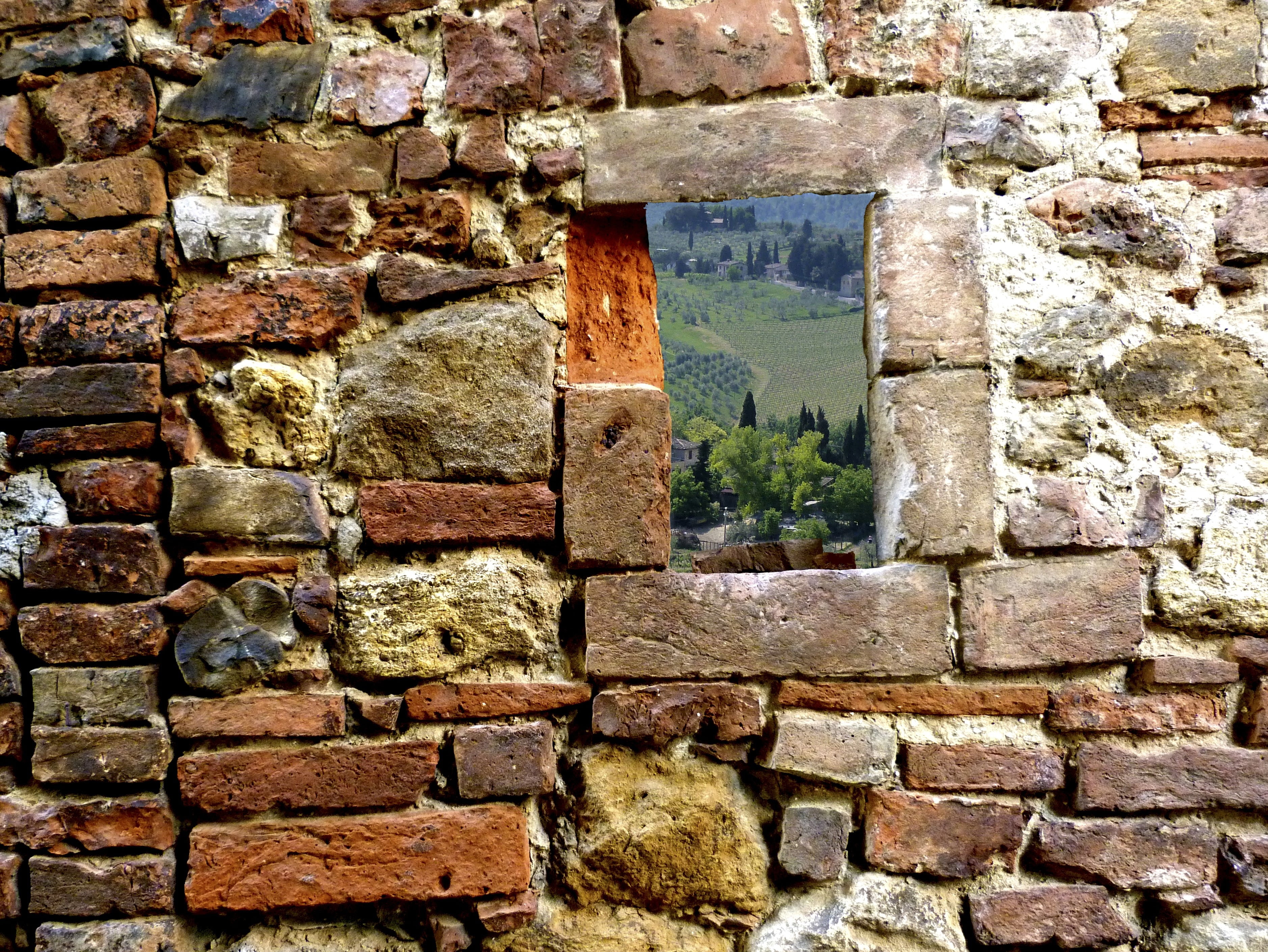
Why We Still Build with Stone
Lessons from Stone Builds That Worked (and Failed)
Stone in Architecture: Why It Still Matters
I’ve worked with stone on homes, public buildings, and interiors. Not because it’s trendy—but because it holds up. Structurally, visually, and long-term—it gets the job done when other materials fall apart.
In this guide, I’ll show you:
-
What stone is actually good for
-
Where it fails if you’re not careful
-
Real design strategies and details that work
-
Mistakes I’ve seen (and made) on site
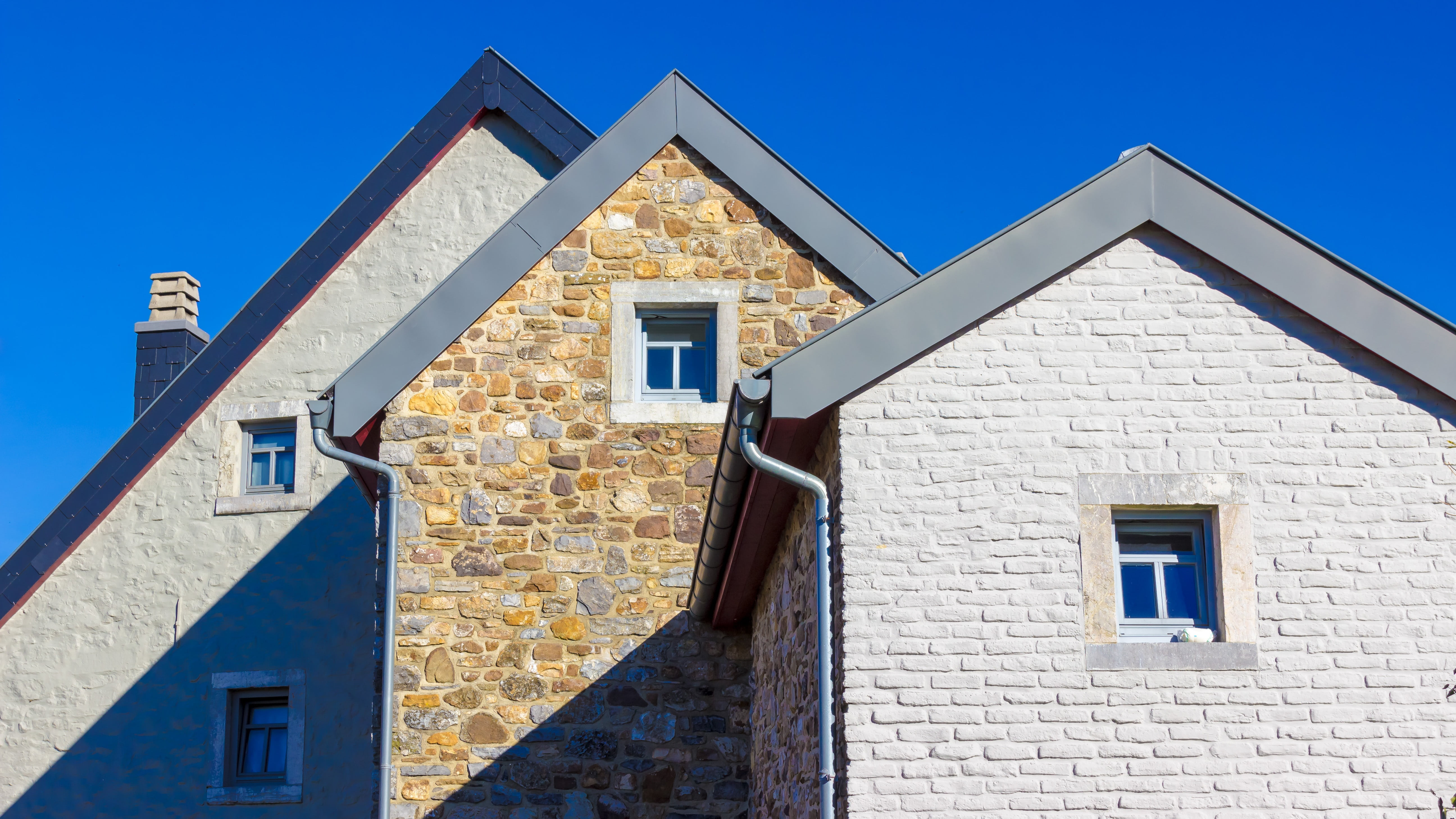
Stone is practical, and more architects are turning back to it because synthetic materials often lack durability and the same tactile quality.
If you're planning to design with stone—or trying to convince a client why it’s worth it—this is what you need to know.
Stone vs. Everything Else: What Still Holds Up
Stone Isn’t Outdated—It’s Smarter Than Ever
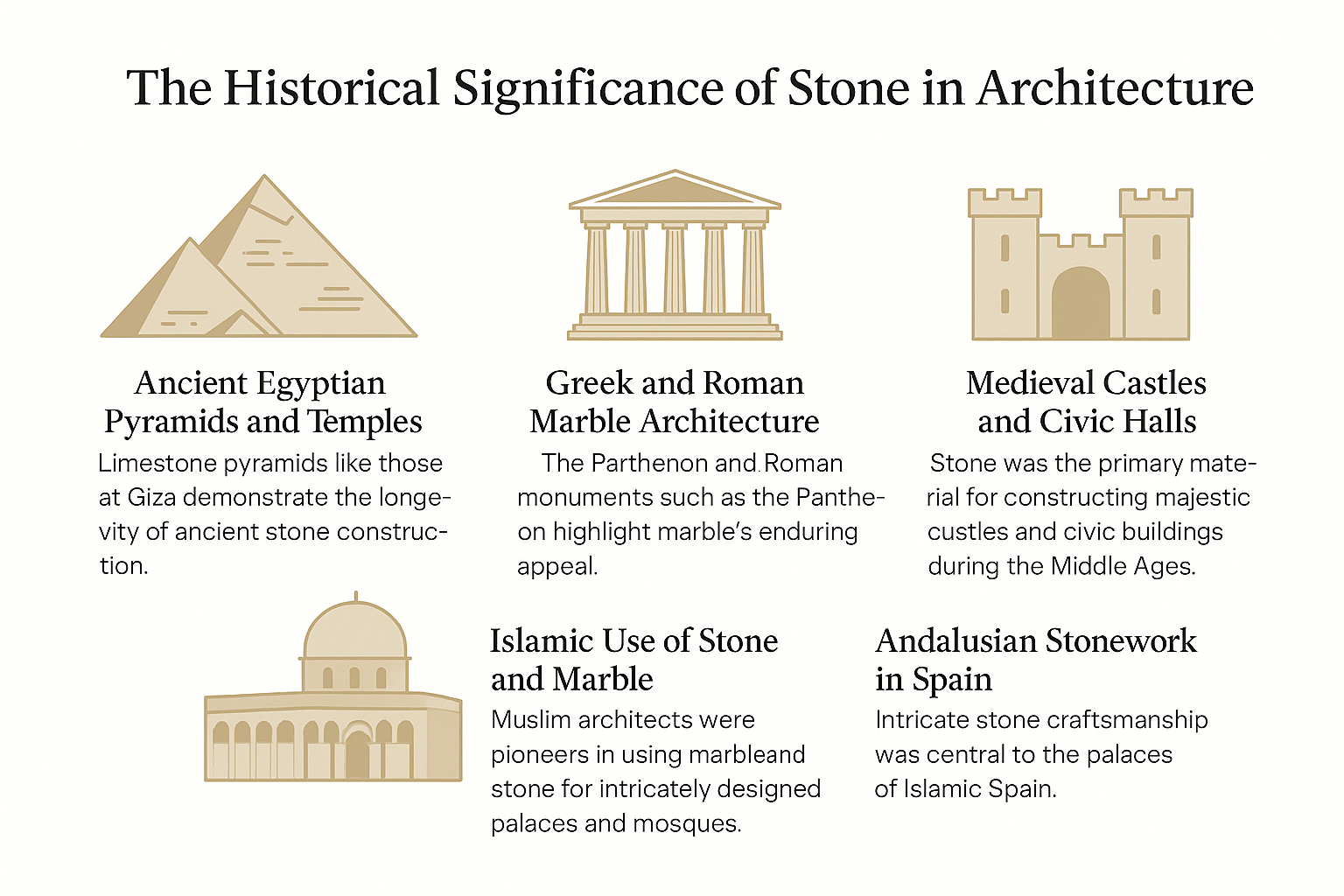
The Historical Significance of Stone in Architecture
What Stone Does That Concrete Can’t
Stone in Architecture: What History Still Teaches Us
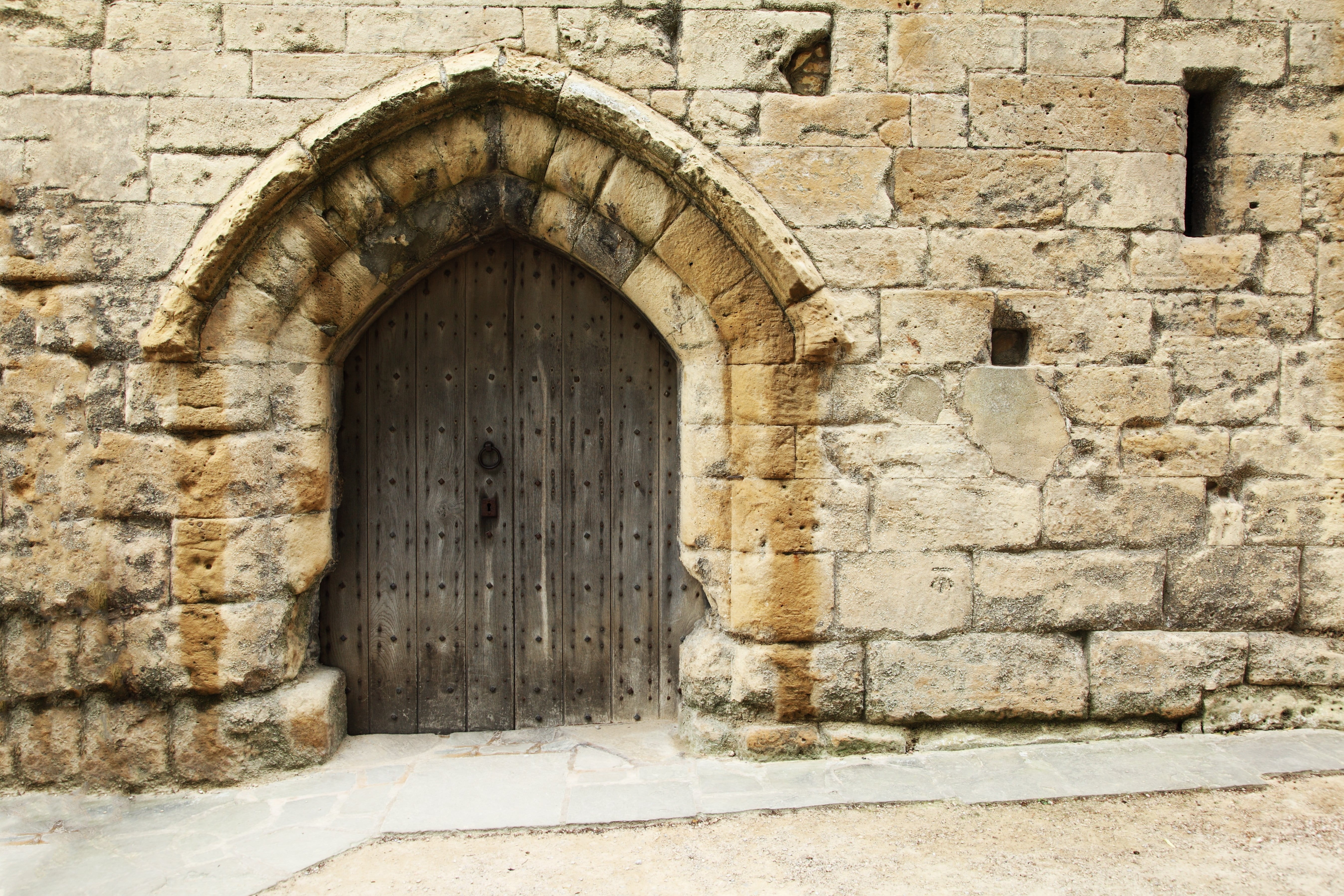
Stone isn’t just a material—it’s how entire civilizations built their legacy. From tombs to temples, stone gave ancient architects the one thing they couldn’t fake: permanence.
Egypt: Building to Outlast Time
The pyramids at Giza weren’t just tombs—they were engineered statements. Stacked limestone, aligned with shocking precision, has survived 4,500 years of desert heat, earthquakes, and looting.
In the Karnak used granite and sandstone to the same effect: massive scale, zero compromise.
Lesson? Stone lasts longer than the culture that builds with it.
Greece & Rome: Craft Meets Monumentality
The Greeks didn’t just use marble—they shaped it into ideals. The Parthenon isn’t famous just for its columns, but for how cleanly marble captured proportion and light.
The Romans took that and built bigger—Pantheon domes, Colosseum walls—using travertine and limestone like structural clay.
Lesson? Stone becomes art when form and structure align.
Medieval Europe: Fortresses and Faith
Castles weren’t built from wood for a reason. Stone resisted fire, siege, and time. Gothic structures pushed engineering to the limit—pointed arches, flying buttresses, rib vaults—all carved out of local stone.
Civic buildings like London’s Guildhall and Siena’s Palazzo Pubblico proved stone wasn’t just for defense—it was for public life.
Lesson? Stone wasn’t decorative—it carried weight, literally and symbolically.
The Islamic World: How Stone Became Something More

IMAGE: The Dome of the Rock in Al-Quds, Palestine, stands as a powerful example of Islamic stone architecture, blending faith, permanence, and geometric artistry in stone.
Muslim builders didn’t just use stone for strength. They used it for meaning, light, and design.
Math, patterns, and careful planning made every part of the building feel alive.
Spain (Al-Andalus): Marble with a Message
In Córdoba and Granada:
-
Builders reused marble from Roman ruins
-
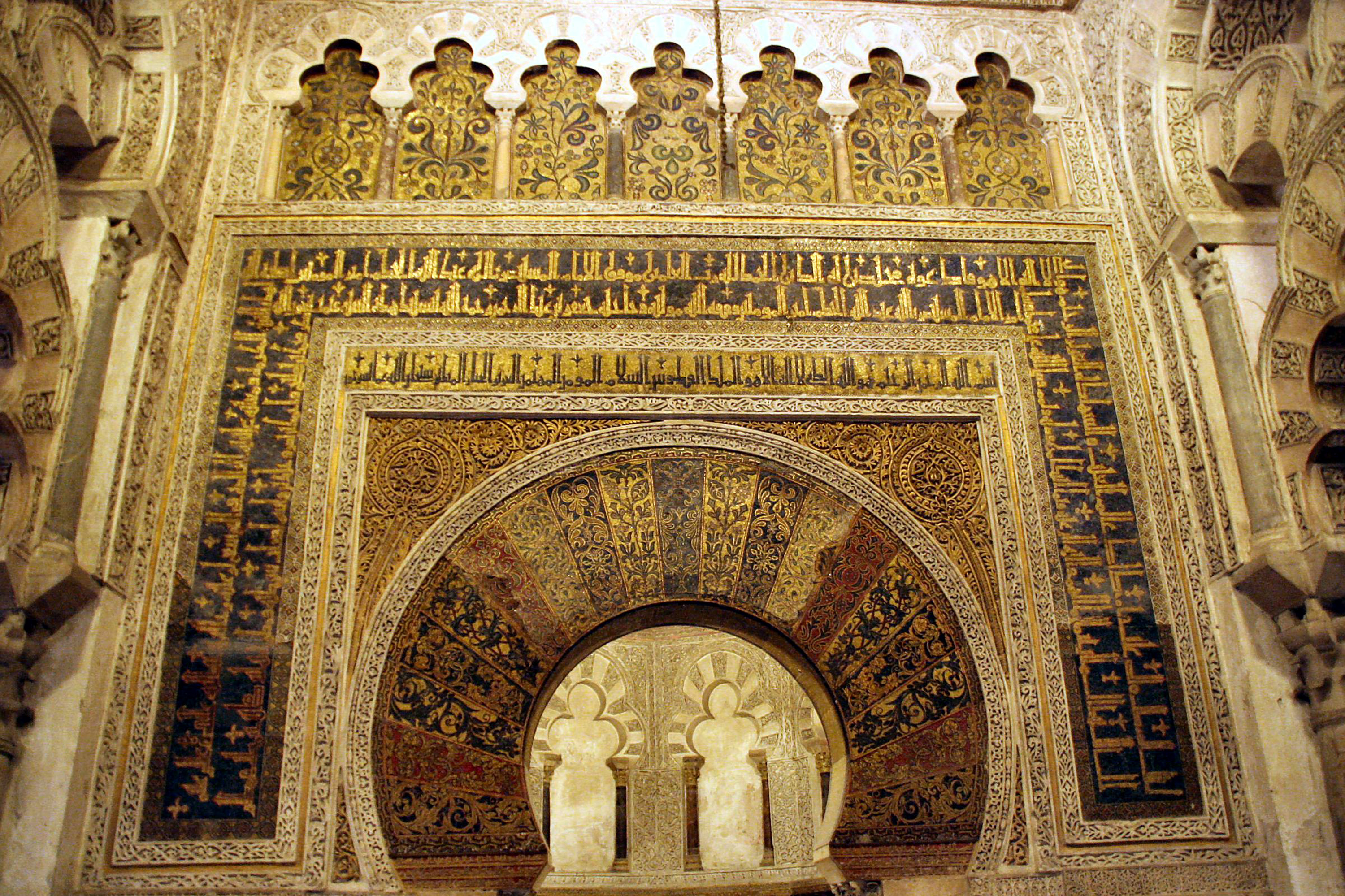
The Great Mosque of Córdoba mixed old columns with a new layout
-
The Alhambra used carved stone, marble fountains, and detailed patterns
-
Every part had a reason—nothing was random
What it showed:
Marble wasn’t just decoration. It was knowledge carved into stone.
Middle East & North Africa: Stone That Breathes
In Iraq and Egypt:
-
Builders made spiral towers (like Samarra’s minaret)
-
They used carved stone shapes called muqarnas
-
Limestone and brick created walls that let in air and light
-
Rooms felt cool, open, and peaceful—no concrete or steel needed
What it showed:
Stone was used to shape how people felt inside the space.
Persia and Mughal India: Stone That Lasts
Across Iran and India:
-
The Taj Mahal was built with white marble and perfect symmetry

-
Builders used colored stones to add tiny, beautiful details
-
Before that, Persian architects built huge arches and domes from stone
-
These ideas spread to other places, like Turkey and even Europe
What it showed:
European architects learned from Muslim builders—stone was already doing amazing things.
Related: Structural Innovations in Gothic Architecture: From Flying Buttresses to Ribbed Vaults
Types of Stone Used in Architecture

Types of Stone in Architecture: What to Use, When, and Why
Different stones serve different jobs. The key is understanding not just how they look—but how they handle stress, water, heat, tools, and time.
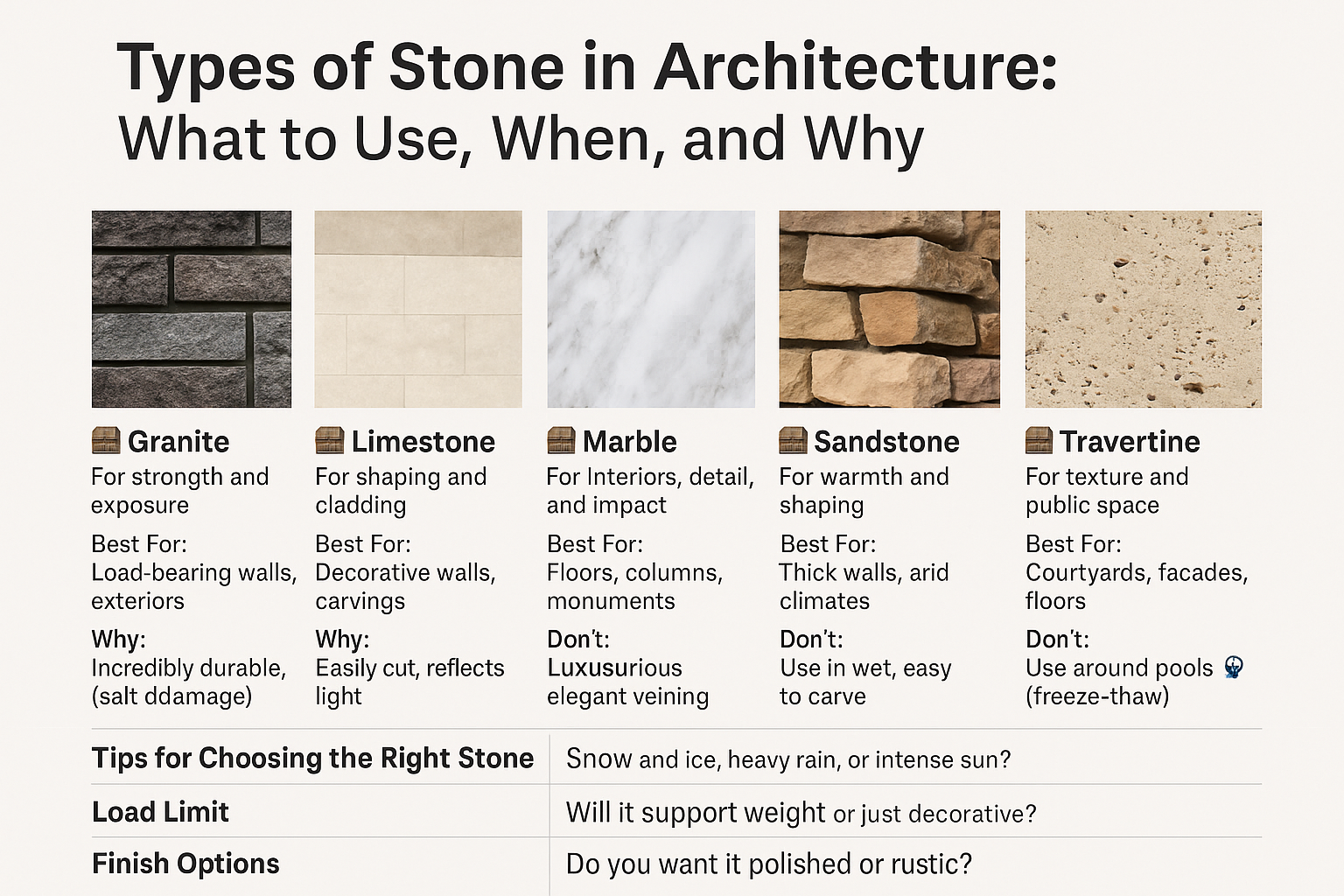
IMAGE: Overview of stone types used in architecture, highlighting their characteristics and common applications such as facades, flooring, structural elements, and decorative features
Here's a breakdown by performance, best use, and historic proof.
1. Granite – For strength and exposure
Best For:
→ Load-bearing walls, structural cores, floors, high-traffic public buildings
Why:
-
Incredibly dense and hard
-
Doesn’t erode easily
-
Stays intact under harsh freeze-thaw cycles
-
Comes in bold, varied tones
Use It When:
You need raw performance—foundation work, exterior stairs, monuments, and anything exposed long-term
Notable Projects:
-
Masjid al-Haram’s expansion (Makkah): Uses polished black granite for high-durability surfaces
-
Rashtrapati Bhavan, India: Colonial-era granite base still in use

IMAGE: Rashtrapati Bhavan in Delhi, India, showcasing impressive stone architecture blending classical and Indian design elements.
-
Many metro stations worldwide—for floors that never crack
2. Limestone – For shaping, cladding, and light reflection
Best For:
→ Exterior walls, carved details, warm climates, façades
Why:
-
Softer, easier to cut and shape
-
Naturally reflects light → brightens large masses
-
Can age beautifully with patina
Use It When:
You need carvability, visual softness, and ambient brightness
Notable Projects:
-
Al-Azhar Mosque, Cairo: Historic limestone structure still in use

-
Córdoba’s Mosque-Cathedral (Spain): Base structure uses local limestone for strength and sculpting
-
Great Pyramid of Giza: Clad in smooth limestone originally—still visible in parts
3. Marble – For interiors, detail, and impact
Best For:
→ Interior walls, columns, floors, monuments, decorative panels
Why:
-
Dense and polishable
-
Offers subtle veining and depth
-
Can crack under stress—best used away from major load areas
Use It When:
You want elegance, reflection, and intricate stonework
Notable Projects:
-
Taj Mahal, Agra: Makrana white marble, precision-cut and inlaid with semi-precious stone
-
Sultan Ahmed (Blue) Mosque, Istanbul: Interior marble columns + facing
-
Sheikh Zayed Grand Mosque, Abu Dhabi: Extensive use of white marble in both form and finish

IMAGE: Sheikh Zayed Grand Mosque in Abu Dhabi, featuring extensive and beautiful use of white marble, granite, and inlaid semi-precious stones that highlight intricate craftsmanship and luxurious design.
4. Sandstone – For warmth, shaping, and large builds
Best For:
→ Thick walls, cladding, garden paths, civic buildings in dry climates
Why:
-
Easy to carve
-
Good insulative mass in dry environments
-
Varied in texture and color (reds, browns, creams)
Use It When:
You want regional texture, warmth, or scale on a budget
Notable Projects:
-
Red Fort, Delhi: Built with red sandstone—still structurally sound centuries later
-
Petra (Jordan): Entire city carved from sandstone cliffs
-
Qutub Minar, India: Alternates red sandstone and marble

IMAGE: The Qutub Minar in India, showcasing its distinctive construction with alternating bands of red sandstone and marble, exemplifying Indo-Islamic architectural style.
5. Travertine – For texture, public space, and warmth
Best For:
→ Courtyards, fountains, wall cladding, floors
Why:
-
Has a porous surface that feels soft and organic
-
Natural color variation looks good even unpolished
-
Can feel warmer and less formal than marble
Use It When:
You want Mediterranean feel, indoor-outdoor transitions, or texture variation
Notable Projects:
-
Yazd homes (Iran): Travertine-clad courtyards in dry desert settings
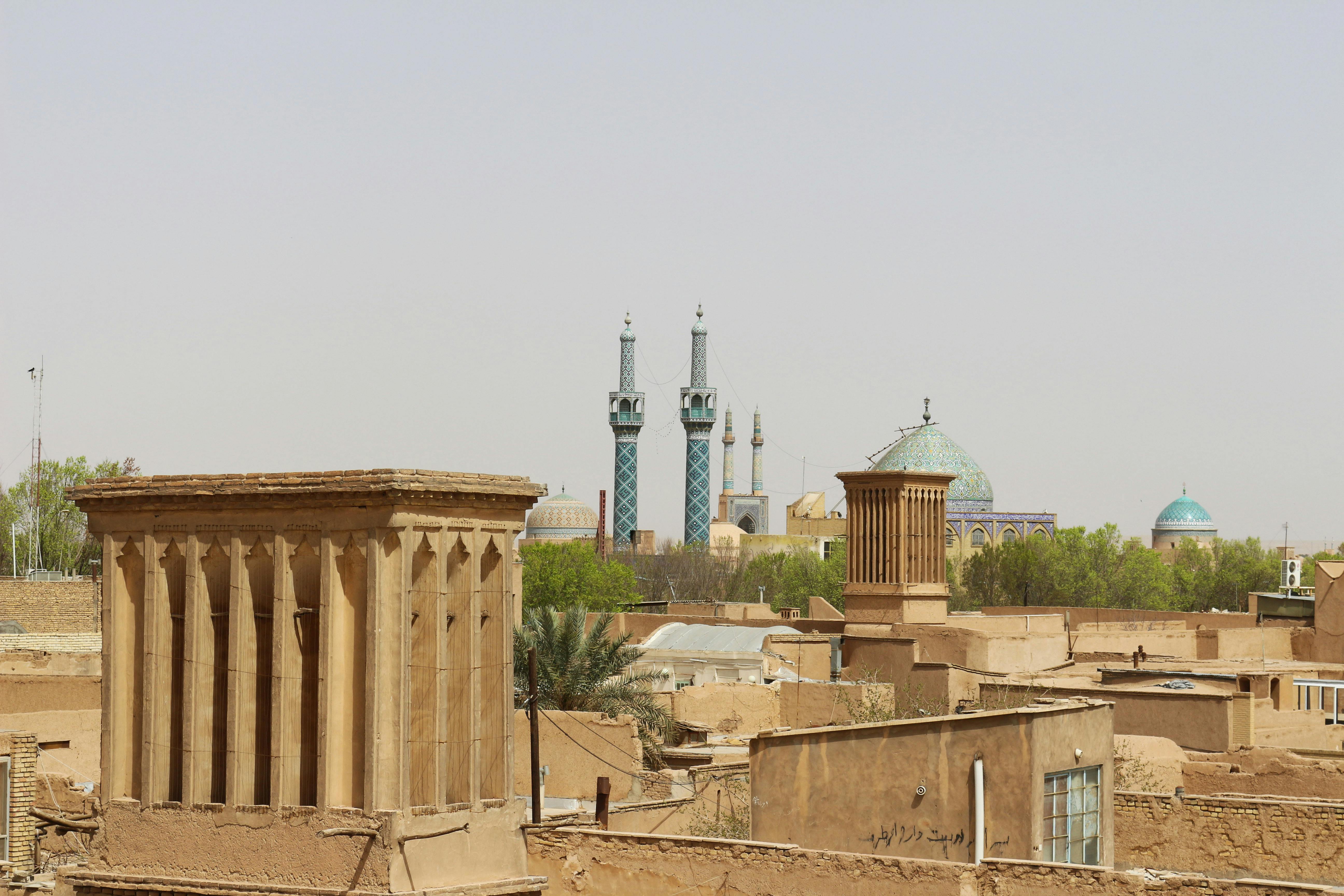
IMAGE: Traditional stone windcatchers and domes of mosques in Yazd, Iran, illustrating historic architectural techniques for climate control using local stone materials.
-
Istanbul’s Süleymaniye Complex: Travertine used in base and wall transitions
-
Many Dubai villas: Travertine for contemporary facades and pools
How to Choose the Right Stone
| Question | What to Ask |
|---|---|
| Climate Suitability | Will it crack under freeze-thaw? Trap water? Get slippery? |
| Load or Look? | Is this structural or decorative? That affects your stone choice. |
| Finish Options | Do you want polished, tumbled, split-face, or honed? |
| Cut Availability | Is this stone quarried locally? Can you get slabs, tiles, blocks? |
| Maintenance | Will it need sealing, special cleaning, or weatherproofing? |
Related: Natural Stone for Architecture: Types, Benefits, and Design Insights
Modern Design, Old Material: Using Stone the Right Way
Modern Uses of Stone: What Actually Works Today
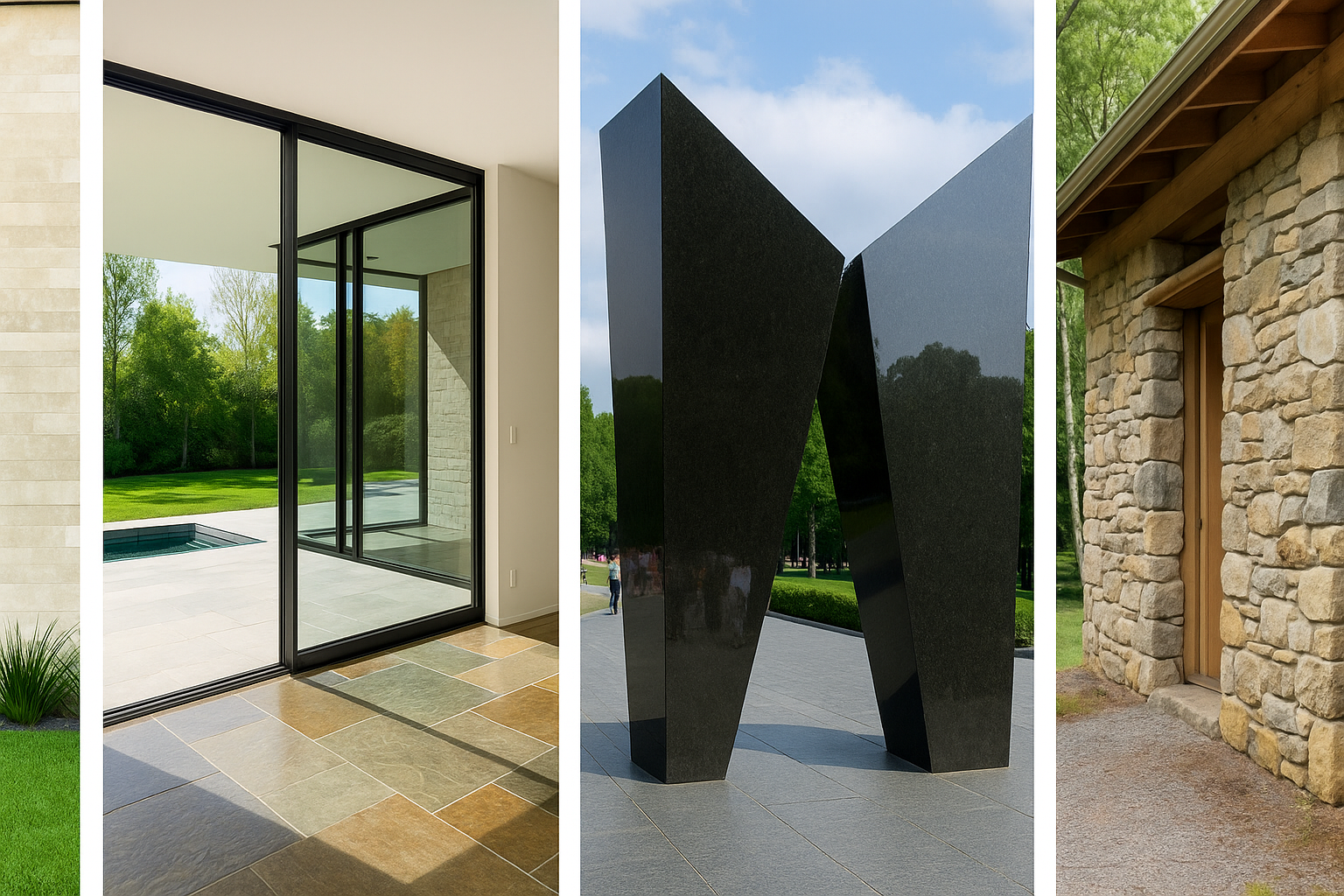
With new cutting and installation techniques, architects now use stone in lighter, smarter, and more strategic ways—from zero-maintenance facades to carbon-conscious retreats.
1. Stone Cladding: Lightweight, High Impact
Forget hauling full stone blocks. Modern cladding uses thin stone panels—secured over structural frames—to give the look and performance of solid stone without the weight.
✔ Ideal For:
-
Commercial facades
-
Custom homes
-
Mixed-material contrasts (e.g., stone + steel + glass)
Why It Works:
-
Weather-resistant
-
Fire-resistant
-
Adds thermal mass if layered right
-
Visually clean, lasts decades without fading
Real Examples:
-
Getty Center (Los Angeles): Travertine used in modular grid panels
-
Marmomac Exhibits (Italy): Showcasing CNC-cut cladding patterns
-
Contemporary villas in UAE: Clean, polished limestone used with aluminum
2. Stone Flooring: Beauty That Handles Traffic
Stone floors hold up where wood, tile, and laminate fail. They resist wear, clean easily, and radiate heat well (especially with underfloor systems).
✔ Ideal For:
-
Kitchens, lobbies, bath zones
-
High-traffic retail spaces
-
Passive solar homes (thermal mass)
Pro Insight:
-
Use darker slate in mudrooms—it hides dirt and holds up to abuse
-
Polished marble in bathrooms = slippery mistake unless honed
Common Pairings:
-
Granite + steel staircases
-
Sandstone + wood cabinetry
-
Limestone with radiant floors
3. Monuments & Memory Spaces
Stone still leads when it comes to symbolism and permanence. It ages slowly, holds polish, and evokes presence. In public and spiritual projects, it outlasts concrete and resists vandalism better than metal or glass.
✔ Ideal For:
-
Memorials
-
Civic landmarks
-
Sacred or reflective spaces
Detail That Matters:
Polished black granite reflects the viewer—turning memory into a mirror.
Case Study:
-
Vietnam Veterans Memorial → Polished granite absorbs light, feels weighty
-
National Martyrs Monument (Bangladesh) → Clean white stone with sharp geometry
-
Amar Jawan Jyoti (India) → Stone base + bronze integration
4. Sustainable + Local Construction
Stone isn’t just aesthetic—it’s low-carbon when sourced locally. No long-haul trucking. No plastic composites. It’s durable, recyclable, and often reusable in adaptive reuse projects.
✔ Ideal For:
-
Net-zero homes
-
Retreats
-
Context-sensitive builds (mountains, deserts)
Sustainability Checkpoints:
-
Look for low-embodied energy per kg
-
Favor regional quarries
-
Combine with lime mortars for lower-carbon builds
Inspiring Use:
-
Vajrasana Retreat (UK): Reclaimed local stone forms walls + meditation spaces
-
Earthship Biotecture (US): Stone walls used for thermal mass + durability
-
Architect Bijoy Jain’s projects (India): Traditional Indian stone joinery with modern formwork
Bonus
What to Watch For in Modern Stone Design
| Mistake | Fix |
|---|---|
| Using polished marble outdoors | Use honed or flamed surfaces for grip |
| Relying on stone for insulation | Always pair with rigid insulation or ICF |
| Skipping drainage gaps behind cladding | Leads to freeze-thaw failure |
| Using generic stone veneer | Go with cut stone from a real quarry |
Stone in Architecture: Why It’s Still Essential in Contemporary Design
Modern Applications of Stone in Interior Design

Modern Uses of Stone in Interior Design: What Actually Works

Stone doesn’t just look good. It performs. When used properly, it adds durability, texture, and value—without overpowering a modern space.
Below are key ways architects and designers use stone inside homes that actually function long-term.
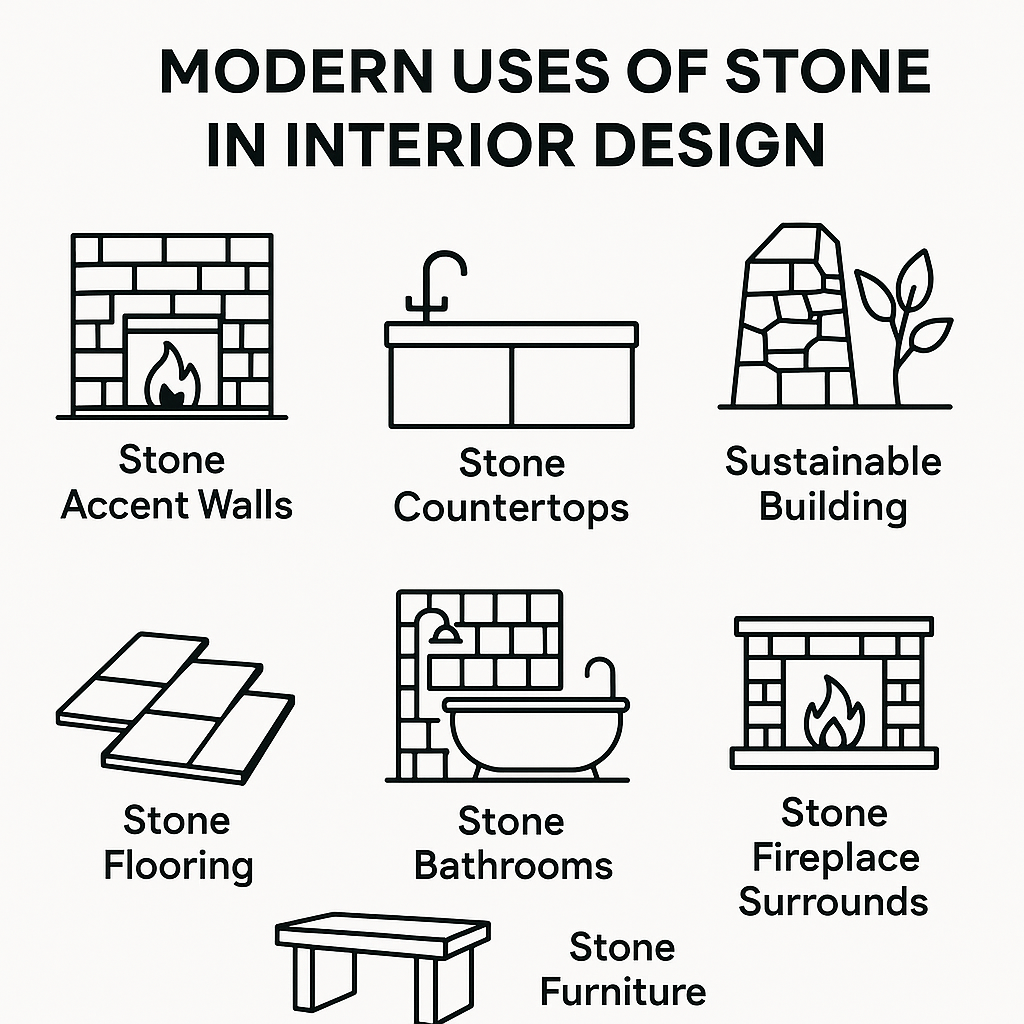
IMAGE: Infographic showcasing practical modern applications of stone in interiors, including countertops, feature walls, flooring, fireplaces, and accent pieces
1. Stone Accent Walls: Texture That Grounds a Space
✔ Why it works:
Stone brings depth to flat drywall. A single accent wall—especially in slate, limestone, or tumbled marble—adds visual weight and natural texture.
✔ Best for:
-
Fireplace backdrops
-
Entry walls
-
Bathroom features
Pro Tip:
Use limestone in small rooms (reflects light). Use dark slate or stacked stone in larger open spaces.
Bonus: Acts as a natural sound dampener—great in homes with high ceilings or open plans.
2. Stone Countertops: Form + Function in One Material
✔ Why it works:
Stone handles daily abuse better than almost anything—heat, blades, spills. Granite and quartz are top picks for durability.
✔ Best for:
-
Kitchens
-
Bathroom vanities
-
Kitchen islands
Pro Tip:
Avoid white marble in kitchens unless sealed often—porous and stains. Use quartz or honed granite instead.
Baker’s Note: Stone stays cool—great for working dough.
3. Stone Flooring: Hard-Wearing and Hypoallergenic
✔ Why it works:
Stone floors last decades, resist allergens, and distribute radiant heat evenly.
✔ Best for:
-
Open-plan kitchens
-
Entryways
-
Bathrooms with floor heat
Pro Tip:
Use travertine or honed marble for warmth underfoot. Use granite in entry zones for durability.
Surprise Advantage: Doesn’t trap dust—ideal for allergy-sensitive households.
4. Stone Bathrooms: Spa Looks, Real Performance
✔ Why it works:
Stone in bathrooms brings a grounded, organic feel—and it’s easy to clean if sealed correctly.
✔ Best for:
-
Shower walls
-
Bathtub surrounds
-
Vanities
Pro Tip:
Seal stone yearly. Use granite or quartzite for lower maintenance than marble.
Comfort Factor: Heated stone floors hold warmth better than tile.
5. Stone Furniture: Sculptural and Functional
✔ Why it works:
Modern designers use marble, granite, and even onyx in statement tables, benches, and shelving.
✔ Best for:
-
Coffee tables
-
Dining surfaces
-
Entry benches
Pro Tip:
Ensure your flooring can handle the weight—especially on upper levels.
Designer Edge: Polished stone + brass or matte steel legs → clean, high-end contrast.
6. Fireplace Surrounds: Functional Focal Points
✔ Why it works:
Stone absorbs and radiates heat—and becomes the anchor of any modern living space.
✔ Best for:
-
Living room feature walls
-
Bedroom fireplaces
-
Reading nooks
Pro Tip:
Use granite or soapstone—heat-resistant and won’t discolor over time.
Energy Tip: A stone fireplace can hold heat for hours, helping reduce heating costs.
7. Stone Tiles: Texture in High-Moisture Zones
✔ Why it works:
Stone tile adds variation and depth to kitchens, baths, and hallways—especially with unique veining or stacked layouts.
✔ Best for:
-
Kitchen backsplashes
-
Bathroom walls
-
Entry floors
Pro Tip:
Use large-format tiles in small spaces—less grout, more flow.
No two stone tiles are alike—every surface becomes a one-off.
Why Stone Still Works Inside
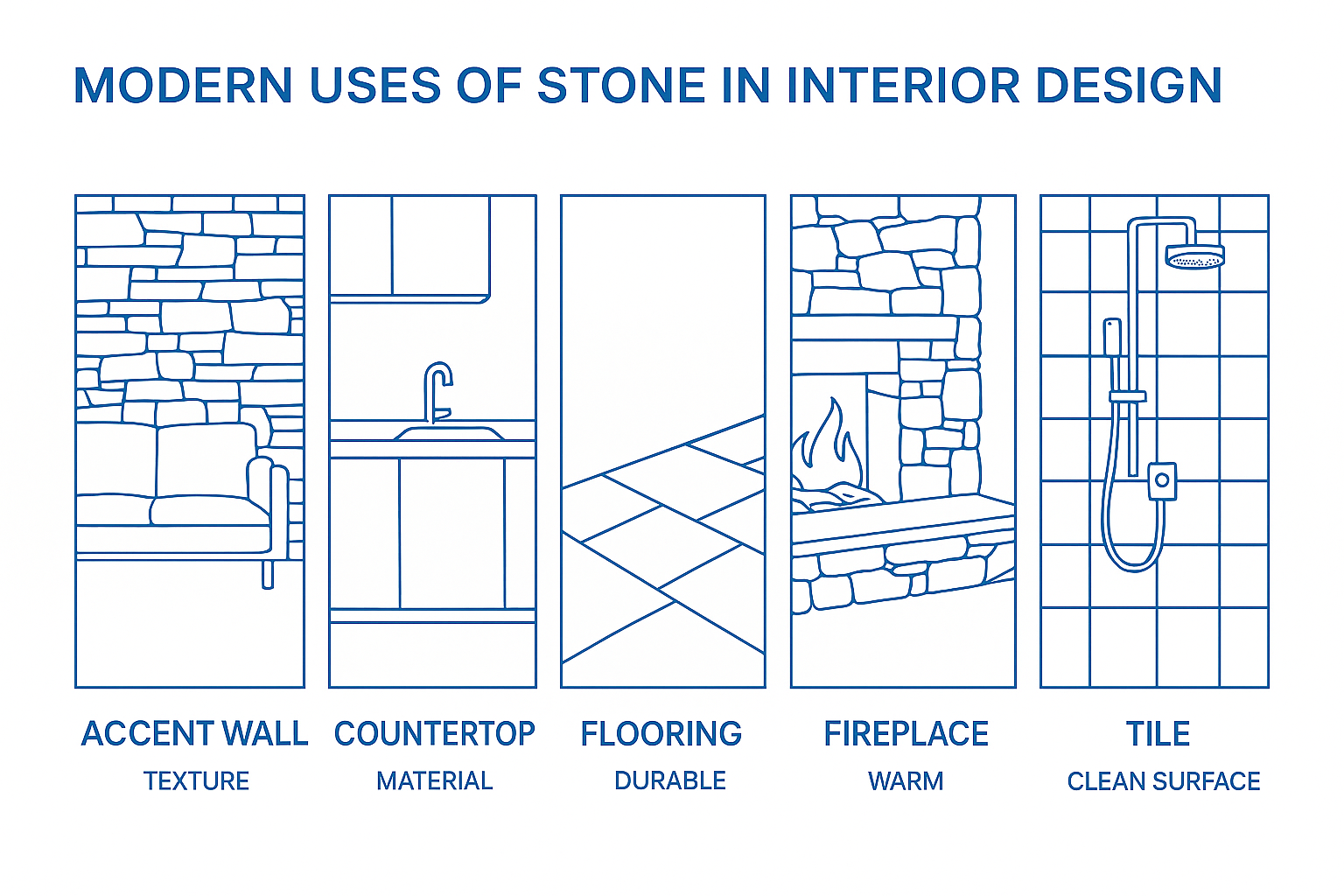
Using stone indoors isn’t just about appearance. It’s about:
-
Performance under wear
-
Easy cleaning
-
Visual contrast in minimalist spaces
-
Long-term value
You don’t need to cover everything in stone. Just use it with intent—one wall, one surface, one moment—and let it do the work.
Why Synthetic Materials Can't Compete
No synthetic product has matched what natural stone delivers in real projects. Here’s what matters:
1. Longevity
Look at the pyramids, Petra, or Machu Picchu. These structures exist because stone outlasts time, weather, and human error. Plastic, cement board, or synthetic panels? Not even close.
2. Authenticity
Stone doesn’t peel or fade. It weathers. It gains character. Where synthetics try to mimic, stone delivers the real thing—texture, weight, grain, and imperfection.
3. Sustainability
Stone is raw, local, low-energy, and reusable. Most synthetics involve chemicals, heat, and waste. Good stone can be reclaimed, reshaped, and reset.
Mistakes to Avoid When Using Stone
Underestimating the Load
Stone is heavy. Plan for it—especially in cladding, counters, or large spans. Engineers must be involved.
Skipping Sealers
Marble, limestone, and even granite can stain or crack without protection. Seal it, maintain it, and reapply as needed.
Using the Wrong Type
Soft stone in high-traffic zones? It’ll scratch, stain, and wear fast. Match the stone to the job—use quartzite or granite for hard use; marble for light-touch areas.
Do's and Don'ts With Stone
DO:
- Pick the right stone for the job
- Seal and maintain it regularly
- Match your stone to the local climate and exposure
DON'T:
- Ignore load calculations
- Forget the cost of install and finishing
- Use porous stone without sealing
The Future of Stone in Architecture
Stone isn’t going anywhere. If anything, it’s adapting—and winning.
Tech-Driven Quarrying
CNC cutting, robotic fabrication, and digital modeling now let architects shape stone with surgical precision.
Stone Veneer
Thinner slabs = less weight, lower cost. You still get the look and durability without structural overbuild.
Reclaimed Stone
Used stone has history, patina, and built-in character. It’s also low-carbon and increasingly in demand.
Creative Modern Uses of Stone
▪ Stone Furniture
Marble benches, granite shelving, onyx tabletops—functional sculpture in modern interiors.
▪ Stone Water Features
Perfect balance: weight + fluidity. Common in high-end residential courtyards and hotel lobbies.
▪ Public Sculptures
Cities worldwide use stone installations for permanence and scale. Think Noguchi, Moore, and Jain.
Conclusion
Stone is the one material that connects the ancient with the modern—without needing a redesign. It works in smart homes, towers, and schools. You just have to know how to use it.
Real architects don’t choose stone because it’s pretty. They use it because it holds up, ages well, and cuts waste over decades.
FAQ
Is stone a good insulator?
It has thermal mass, not insulation. You’ll still need insulation behind it—but stone can help balance internal temps.
How do you maintain it?
Seal it (if needed), clean with neutral pH, and check for cracks or water intrusion. Most issues come from neglect.
Can stone be modern?
Absolutely. Paired with glass, steel, or black fixtures—it’s a killer combo.
Why use reclaimed stone?
It saves carbon, adds story, and avoids extraction. And it looks better.
Is it more expensive than other materials?
Yes upfront—but it’s cheaper long-term. Less maintenance. Fewer replacements. And it boosts resale.
Related
- Stone House Design: What I Learned the Hard Way
- Contemporary Stone Homes: Expert Guide to Facades, Fireplaces, and More
- Contemporary & Modern Stone Homes: Merging Tradition with Innovation in Architecture
- Natural Stone for Architecture: Types, Benefits, and Design Insights
- Stone Inlay in Architecture: From Cultural Heritage to Modern Design
- Natural Stone Benchtops: What You Need to Know
- Stone Facades: How to Plan the Perfect Stone Facade
- Stone in Interior Design: How to Incorporate Stone Throughout Your Home
- Materials Selection: Best Practices for Architectural Design and Sustainability
- Tudor Style Houses: Architectural Features, Examples, and Facts