

Natural Stone for Architecture: Types, Benefits, and Design Insights
Field notes from the studio and the site. Natural stone rewards care, patience, and good detailing. It carries load, carries history, and carries light across a surface in a way that manufactured materials rarely match. This guide is a complete, practice first walk through for architects, designers, and builders who want results that look as good in year twenty as they do on opening day.
If you want a quick foundation on where stone sits within contemporary building practice, start with the overview in Stone Architecture Basics. If you are here to plan a real project, keep reading. I will go material by material, then move into properties, sourcing, finishes, assemblies, installation, maintenance, and the decisions that separate durable work from expensive mistakes.
Why Stone Still Wins In Modern Projects

Stone earns its keep through durability, low maintenance, and a depth of character that grows with time. It resists ultraviolet light, shrugs off heat and cold, and needs very little to keep looking right. In retrofit work, stone can also hide inconsistencies in older substrates better than thin synthetic panels. In new construction, it offers mass, texture, and scale that help a building hold the street. When the budget must survive for decades, stone is a smart place to spend.
For a broader view of how teams are using stone today in clean, contemporary work, the projects collected in Modern Stone Homes and Details show what is possible with careful detailing and a restrained palette.
Types Of Natural Stone And Where They Excel
Think of stone selection like you think of structure. Loads, climate, exposure, and use should drive the choice. Color and pattern matter, but field performance matters more.
Granite

Granite is strong, dense, and highly resistant to abrasion and heat. It takes a polished, honed, or flamed finish well. I use it where traffic is heavy or where the facade takes wind and grit all year. Exterior steps, plaza paving, low walls, and commercial counters are all safe bets. When clients ask for a bulletproof kitchen work surface, granite still sits near the top of the list. For countertop planning and price reality, pair this with Stone Benchtop Prices and Tips.
Marble

Marble brings clarity and light. It is softer than granite and more reactive to acids. This means bathrooms, lobby walls, reception desks, and stair treads with careful edge protection work well. Kitchens can also work when the user accepts patina and uses cutting boards and trivets without fail. If you are new to specifying slabs, start with small areas and learn the stone yard routine before you commit the whole lobby. For design guidance, see Marble Benchtop Designs.
Limestone
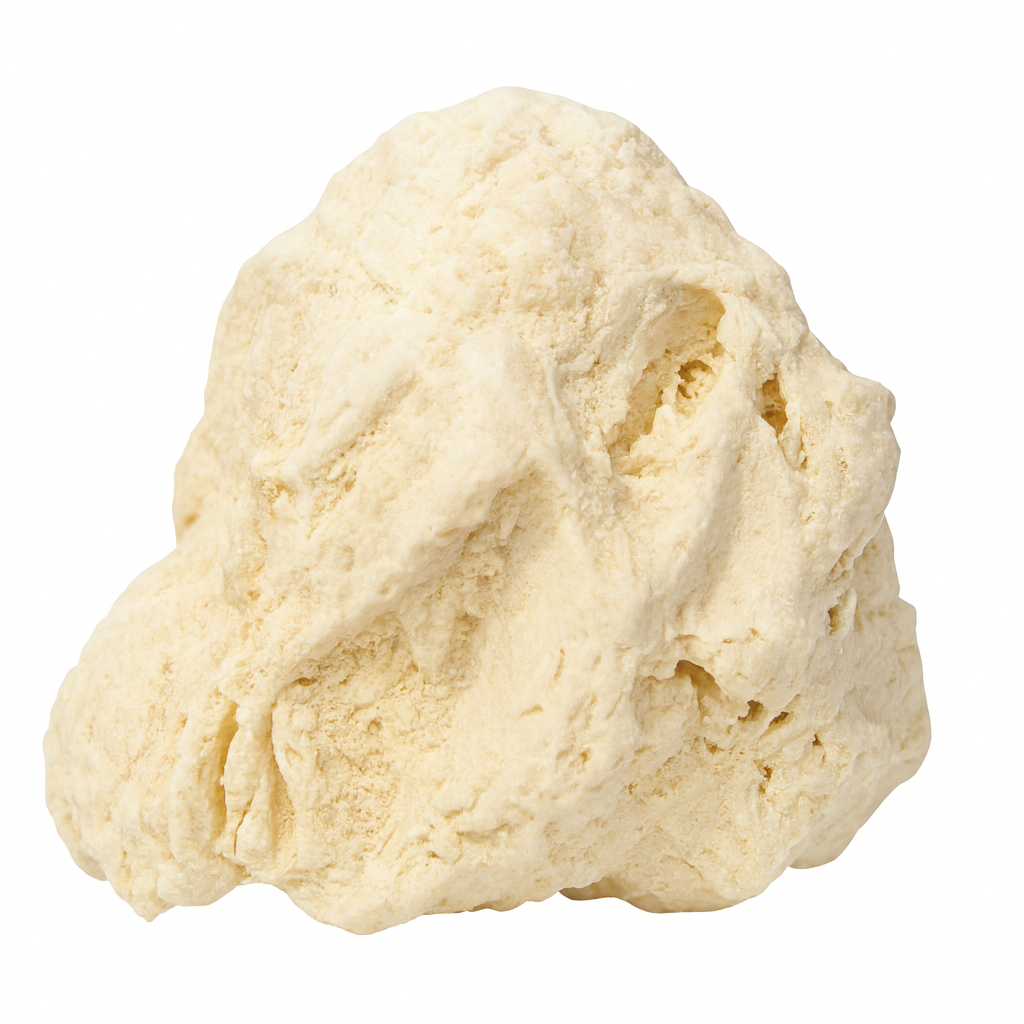
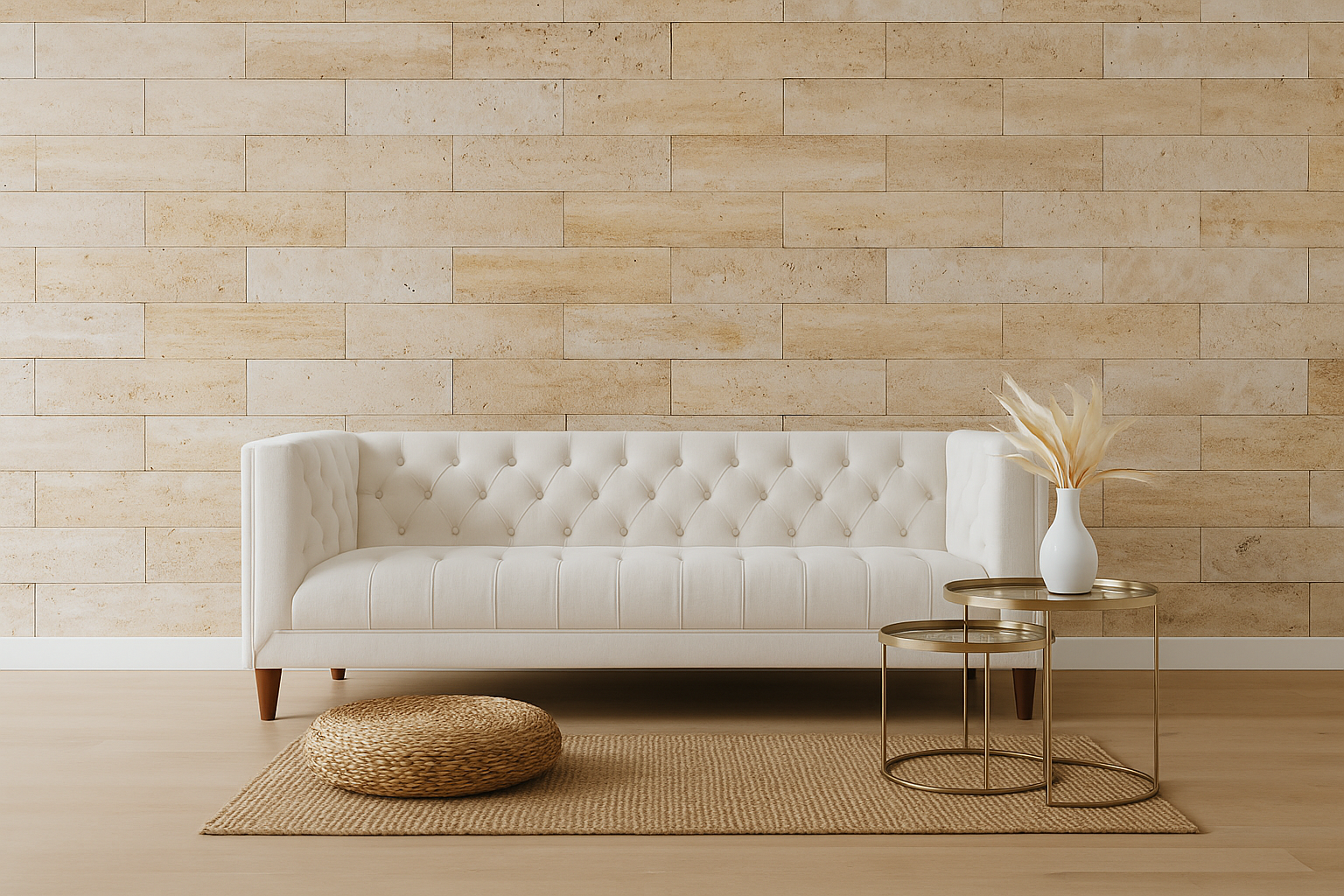
Limestone is the quiet professional. It tools easily, anchors cleanly, and reads warm in sun and shade. It is more porous than granite, so choose density by application. Use denser limestones for paving and splash zones. Use open grain limestones for walls and interior cladding where you want softness and depth. You can tune finish to control slip resistance and maintenance. If you plan large areas of limestone cladding, review rainscreen build ups in Planning a Stone Facade.
Slate
Slate is naturally cleft, tight grained, and water resistant. It excels at roofing, wet room floors, and exterior terraces where traction matters. It holds up in freeze thaw because it sheds water if detailed correctly. For interior floors, I prefer a calibrated, lightly honed finish that keeps texture without catching a mop. For a whole home strategy that mixes warm wood with dark stone, browse Using Stone in Interior Design.
Sandstone
Sandstone carves cleanly and weathers with character. Use it for garden walls, plinths, lintels, and accent bands. Test for salt exposure near coasts and specify sealers that allow vapor to move. Be realistic about maintenance. In public landscapes, a slightly rough finish wears better and hides stains from busy use.
Travertine
Travertine brings rhythm through its linear bedding. It is lighter than many stones and it machines well. Fill the natural voids for interior floors and counters. Leave select voids open on exterior walls where you want texture and surface shadow. For pools and courtyards, a tumbled or brushed finish provides grip without catching bare feet.
Onyx
Onyx is theater. It is translucent and works when you backlight it with even, dimmable light. Keep it out of hard wearing zones. Use it for reception features and small bars where effect matters more than toughness. If you need a luxury moment with less maintenance, consider a subtle marble and use lighting to carry the mood.
Quartzite
Quartzite is the quiet powerhouse. Harder than granite in many cases, it resists heat and scratching yet reads more like marble. It is my go to when a client wants bright veining with serious durability. Confirm the stone is true quartzite at the yard, then specify the finish for cleaning needs. Honed for family kitchens. Polished for formal spaces. For room by room advice, see Natural Stone Benchtops Guide.
Recommended reading. Contemporary case studies that match the selections above are collected in New Stone Architecture. It is a useful visual reference when clients need to see what sober, modern stone looks like in real projects.
Key Material Properties That Drive Design
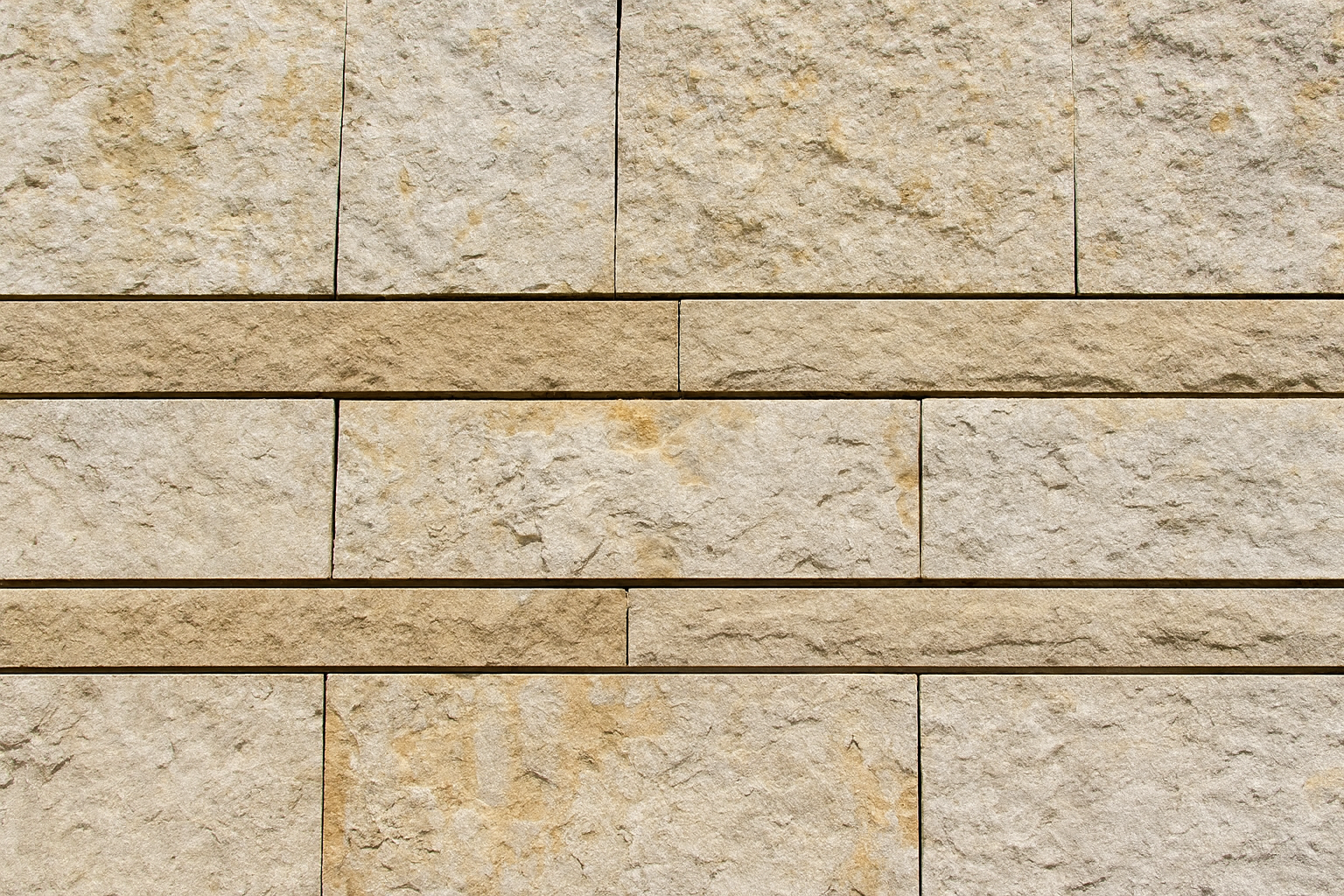
Every successful stone project begins with properties, not color. Learn these once and you will specify with confidence for the rest of your career.
Strength And Density
Compression strength supports load. Density resists absorption and wear. Granite and quartzite sit high on both. Marble and limestone vary, so request test data from the supplier. For paving and treads, ask for abrasion resistance numbers and specify thickness accordingly.
Porosity And Absorption
Porous stones take in water and can stain or spall in freeze thaw. This is not a reason to avoid them. It is a reason to use the right build up. I use capillary breaks, drainage mats, and ventilated cavities behind cladding so the stone dries quickly. The details in Planning a Stone Facade cover this clearly.
Thermal Mass
Stone stores heat. This means floors by sunny windows feel warm at dusk and steady overnight. It is a free stabilizer for indoor comfort. In hot climates, use overhangs and trees to manage direct sun while you enjoy cool interiors that stay cool.
Acoustics
Stone reflects sound. Combine it with soft ceilings, rugs, and wall panels to control reverberation. In lobbies and galleries I often use stone below eye height and softer materials above. The space reads as stone, yet speech remains clear.
Technical reference. If you want the science behind durability, testing, and weathering, keep Stone in Architecture: Properties and Durability on your shelf. It turns vague rules of thumb into numbers you can specify.
From Quarry To Site Without Surprises
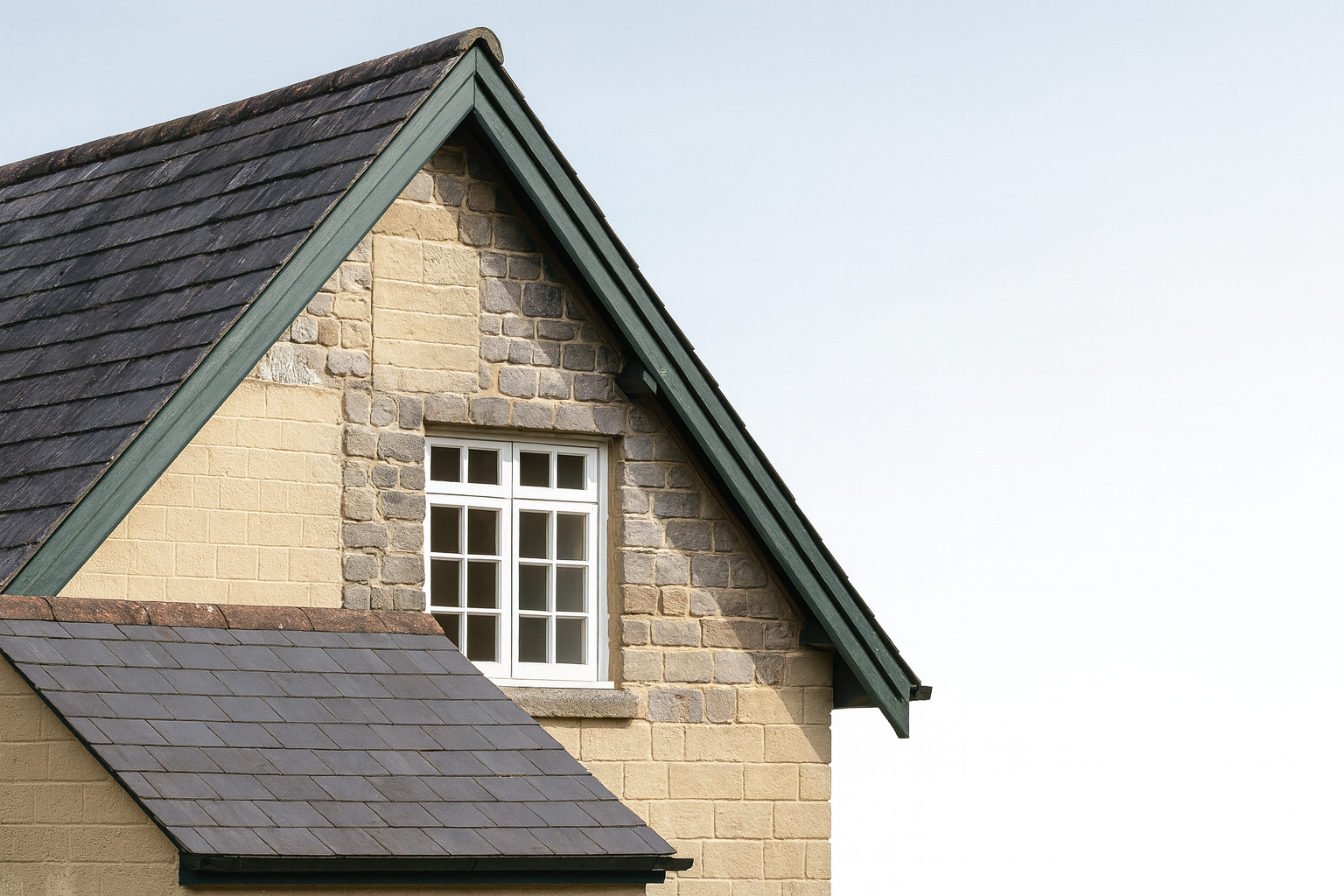
Good stone work is a chain of custody. Quarry, block yard, saw, fabricator, shipper, installer, and finally the maintenance plan. Break the chain at any point and cost rises while quality falls.
Selecting Blocks And Slabs
Visit the yard or request current slab photos with lot numbers. Approve range not just a single hero slab. If the project is large, lock a full bundle now so replacement pieces match later. For exteriors, insist on lot traceability so color and veining remain consistent across phases.
Mockups That Actually Help
Build a small but complete assembly mockup. Include substrate, waterproofing, cavity, anchors, and the exact finish. Leave it in sun and weather for a few weeks. Adjust joints and edge breaks based on what you see. The mockup becomes the standard for the rest of the job.
Cut Sheets And Numbering
For patterned or veined stones, match book, end, or flow across joints. Number each piece and issue a setting plan that installers can follow without guessing. This is the difference between a streaky wall and a composition that reads deliberate.
For a deeper dive into rainscreen and attachment decisions, cross reference Planning a Stone Facade. For interiors that blend stone with cabinets and lighting, see Using Stone in Interior Design.
Finishes That Work As Hard As The Stone
Finish selection is performance selection. It controls slip resistance, cleaning, and how the surface handles light and shadow.
Polished
High reflectance and strong color. Best for low traffic walls, feature stairs with nosing protection, reception desks, and powder rooms. Avoid where water or grit will live on the floor.
Honed
Matte, quietly reflective. The go to finish for most interiors. Hides small scratches and fingerprints better than polish. Accepts penetrating sealers evenly.
Brushed Or Leathered
Soft texture that feels tactile without catching cloth or mops. Excellent for kitchen worktops that need grip and visual depth. On facades, brushed finishes soften glare in strong sun.
Tumbled And Cleft
Rounded edges and open texture. Great for courtyards, pool surrounds, and garden paths. Use with wide joints and breathable setting beds so water moves out easily.
Thermaled Or Flamed
Raised micro texture created by heat. Outstanding traction for exterior steps and plazas. Color reads a little lighter than honed, plan your palette accordingly.
Hands on guide. When you are planning edge details, field joints, and sealers, the step by step approach in Building with Stone is practical and easy to apply on site.
Assemblies And Applications That Age Well
Ventilated Facades
A ventilated cavity behind stone removes moisture and equalizes pressure. It extends life and reduces staining. Use stainless clips and kerf or undercut anchors. Keep vertical air paths open at top and bottom. If you need a primer on facade planning, return to Planning a Stone Facade.
Wet Zone Interiors
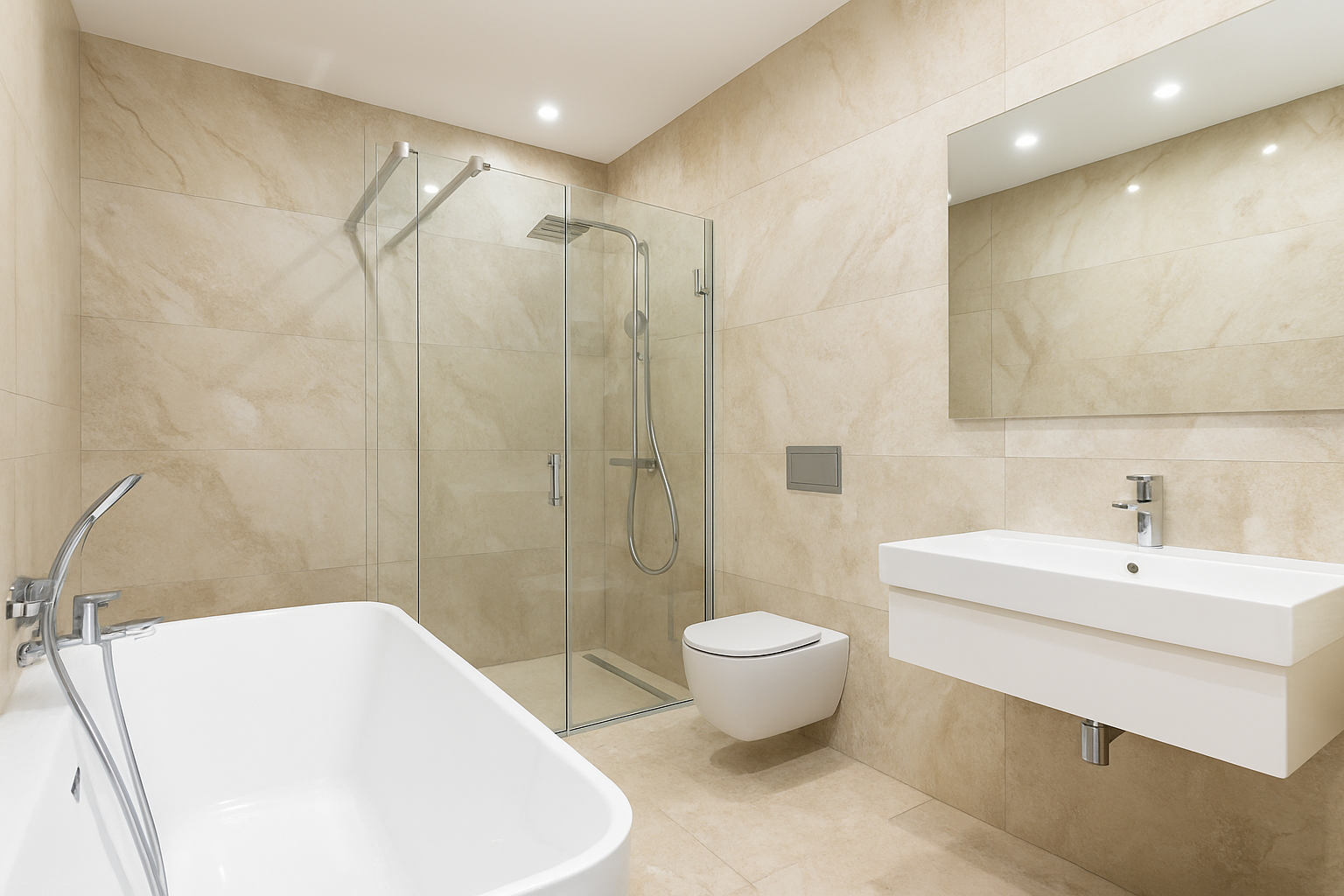
Bathrooms and spas live or die on waterproofing. Use continuous, flood tested membranes. Slope everything that can hold water. Choose honed or brushed finishes for traction. Use stone slabs for shower walls where budget allows. Fewer joints means easier cleaning.
Floors That Stay Quiet Underfoot
Stone over acoustic underlayment reduces impact sound. Keep transitions clean at thresholds. Where thermal comfort matters, pair stone with hydronic radiant floors. The mass of the stone spreads heat evenly and feels stable all day.
Fireplaces And Surrounds
Use non combustible substrates. Protect edges where wood meets stone. Keep joints tight and mitered where sightlines are close. For real world examples and pitfalls to avoid, look at living room casework pairings in Modern Stone Homes and Details.
Kitchens That Respect Work
For serious cooks, specify quartzite, dense granites, or a textured marble that the homeowner agrees to maintain. Round edges slightly to keep them from chipping. Plan slab sizes to minimize seams in zones of heavy use. For buyers comparing materials, point them to Natural Stone Benchtops Guide.
Case study reading. For clean precedent and client friendly images, the projects in Stone Architecture Basics help explain why these assemblies work.
Sustainability Without Hand Waving
Stone has real environmental advantages when you select, detail, and maintain it correctly. It needs less processing than many claddings, lasts longer, and can be reused in the next project. Thermal mass reduces loads. Reclaimed pieces carry the story of a place while saving budget.
Source Closer When You Can
Regional stone reduces transport energy and lead time. It also ties the building to local color and geology. When the narrative of place matters, a local limestone or granite often reads more convincing than a far away exotic pattern.
Design For Disassembly
Use mechanical fixing where possible. Avoid permanent adhesives on large pieces. Ten years from now those slabs can become stair treads or fireplace surrounds in another project. That is true circular economy design in practice.
Thermal And Daylight Benefits
Stone controls heat swings and allows slimmer mechanical systems. Exterior textured finishes also help reduce glare while maintaining brightness indoors. Combine these with disciplined shading and you get a building that uses less energy without gimmicks.
Systems lens. If you are aligning a project with performance goals, pair your material choices with the envelope strategies in Limestone Calcined Clay Cement LC3 for lower carbon concrete work that sits behind stone.
Cost, Sourcing, And Value Engineering That Does Not Wreck The Design
Most cost pain comes from scope creep and late changes. Set expectations early with realistic square meter rates for material, fabrication, freight, and installation. Then protect the design with smart value moves that do not read cheap.
Where To Spend
Spend on touch points and public areas. Use full thickness on corners that people see up close. Use honed finishes on large surfaces because they look good longer. Use textured finishes where slip resistance is mission critical. Keep the rest simple.
Where To Save
Use veneers or large format tile for secondary walls. Use simpler edge profiles. Reduce the number of unique pieces and keep modules consistent. Move exotic stones to small feature areas and use a quieter, affordable stone for most of the field.
Working With Suppliers
Lock schedules with the yard and fabricator together. Get crate counts and weights early for shipping and crane planning. Ask for spare stock and store it on site for future repairs. The small cost now saves expensive hunting later.
For homeowner clients comparing options, send them to Stone Benchtop Prices and Tips and Designing a Stone House. Those pages answer common questions and keep your meetings focused on design rather than rumors.
Classic reference. For step by step budgeting, layout, and field repairs, The Stonebuilder’s Primer remains one of the most practical books to share with clients and builders.
Detailing That Prevents Callbacks
Edges And Joints
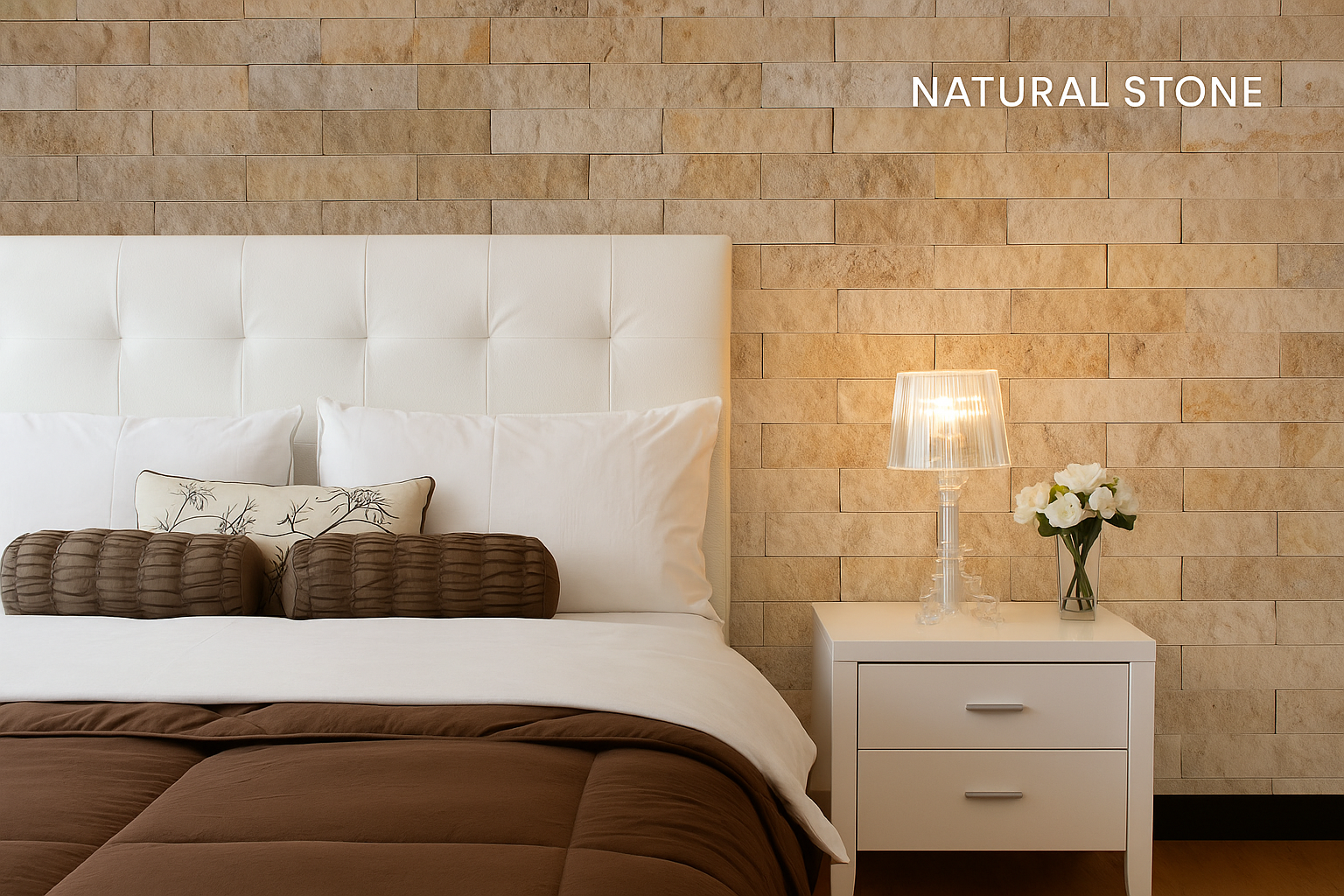
Ease exposed edges one to two millimeters. It feels better in the hand and resists chips. Keep joints consistent and readable. In wet areas, slope the stone to drains that you actually want to clean. At corners, miters look clean when protected. Where carts or luggage pass, use quirk miter or solid pieces to take impact.
Movement And Thermal Shift
Stone moves as temperature and moisture change. Plan soft joints at perimeters. Use proper backer rod and sealant that matches the real environment. Treat stairs like bridges that expand and contract separately from the surrounding walls.
Water Management
Assume water will get behind the stone. Give it a way out. Flash openings. Vent cavities. Keep weeps clear. This is maintenance by design and it is cheaper than repairs.
For a full facade workflow from layout to anchors and drainage, study the assemblies in Planning a Stone Facade. For interior transitions that avoid trip points, the examples in Using Stone in Interior Design are a good starting point.
Installation And Site Practice
Here is how the install goes right on real jobs.
- Survey substrates and correct plane before any stone arrives. Fix curves and humps with leveling compounds or shims now, not with thick adhesive later.
- Dry fit tricky corners and patterns. Confirm numbers and the setting plan. Photograph every sequence for the record.
- Use clean water and clean tools. Stone shows sloppy habits immediately and forever.
- Protect adjacent surfaces with breathable coverings. Plastic traps moisture and can mark fresh finishes.
- Hand over a maintenance sheet on day one. Owners who know how to care for stone call you back for new work, not for preventable stains.
For integrated casework, fireplaces, and kitchens, the coordination notes in Stone Architecture Basics and Modern Stone Homes and Details are immediately useful to share with builders.
Drawing help. If you need to sharpen your shop drawings and detail communication, Francis Ching’s classic Architectural Graphics remains the best quick tune up for clear sections and callouts.
Maintenance That Respects The Material
Simple routines keep stone looking good without drama.
Daily And Weekly
Use pH neutral cleaners and soft pads. Avoid vinegar, lemon, or harsh solvents. Wipe spills quickly, especially oils and colored liquids. Use mats at doors and wet zones.
Seasonal
Inspect joints, flashings, and sealers. Re seal high use counters as needed. Re seat loose pavers before freeze season. Keep drains clear and air paths open behind cladding.
Long Term
Hone and repolish rather than replace. Reset individual facade pieces rather than entire bays. Replace broken corners with pinned Dutchman repairs where possible. Write this approach into the O and M manual so the next facilities team understands the building they have inherited.
For house scale work, clients appreciate a direct checklist. The homeowner focused advice in Designing a Stone House keeps maintenance realistic and predictable.
Real World Vignettes
Short scenes from recent projects that show how decisions play out.
City Plaza That Needed Grip And Grace
We laid large format flamed granite over a ventilated pedestal system. Joints were aligned to the grid of street trees. Edges at planters were solid thick pieces to take impact. In winter, crews use rubber edged shovels and leave the surface unscarred. The plaza looks as good today as the week it opened.
Lobby Wall With Quiet Presence
A limestone with fine grain ran full height in stacked courses. We used a concealed undercut anchor so the face reads clean. Light from the side washes the surface and shows the faint shell inclusions. People touch the wall without thinking about it. That is the test I use for success.
Kitchen That Works Every Day
Homeowner cooks hard and often. We chose a pale quartzite with a leathered finish. Water spots do not telegraph. Hot pans land without panic. The edge is a gentle arris that never chips. After two years the counters look better than new because the surface tells the story of use, not abuse. For more benchtop decision support, send clients to Natural Stone Benchtops Guide.
Studio bookshelf pick. For a dense tour of modern case studies you can show to clients, keep Stone Architecture by Alfonso Acocella within reach.
Common Mistakes And How To Avoid Them
- Choosing stone by color only. Always review density, absorption, and abrasion resistance for the exact use.
- Skipping the mockup. Small, real assemblies catch issues on paper and save money on site.
- Forgetting movement joints. Stone and substrates move. Joints are not optional.
- Using the wrong cleaner. One afternoon with acid can ruin a lobby. Train facilities staff from day one.
- Ignoring edge protection where bags and carts hit. A small quirk or thicker return saves corners for years.
For a design workflow that keeps you out of trouble, the practical checklists in Stone Architecture Basics are a reliable companion.
FAQ
Which stones last longest outside
Granite, quartzite, and dense slates hold up exceptionally well outdoors. Dense limestones perform well on walls when detailed for drainage. Match finish to use. Use thermaled or brushed on steps and plazas. Use honed on walls that need gentle light.
Can marble work in a busy kitchen
Yes if the client understands patina and uses proper care. If stain resistance and hard use are non negotiable, pick quartzite or a very dense granite instead. For cost and maintenance trade offs, share Stone Benchtop Prices and Tips.
Do I need to seal stone
Seal counters and floors that see spills or heavy use. Use penetrating sealers that allow vapor to move. Reapply as directed by the manufacturer. Exterior cladding often does not need sealers if the assembly dries properly. Design the wall to manage water first. Sealer is not a bandage for poor details.
What is the smartest value move when budgets tighten
Keep the stone, simplify the pattern. Use a standard module and fewer unique cuts. Reserve complex book matching for a single feature wall. The building will still read as stone and the installation will go faster.
How do I keep floors safe in wet weather
Choose a finish with traction, manage water at doors, and keep cleaning protocols simple. Thermaled granite and brushed quartzite are reliable for entries and exterior walks. In pools and spas, use tumbled or cleft textures and slope everything toward drains.
Next Steps And Useful Paths
If this is your first serious stone project, take one of these paths.
- For a concise overview of contemporary uses, review Stone Architecture Basics then open the assemblies in Planning a Stone Facade.
- For room by room interior guidance, start with Using Stone in Interior Design and the casework pairings in Modern Stone Homes and Details.
- For homeowners or clients evaluating benchtops, share Natural Stone Benchtops Guide and Stone Benchtop Prices and Tips.
- For craft and site execution, keep Building with Stone and Architecture: Form, Space, and Order on hand. One grounds your details. The other sharpens your drawings and decisions.
Appendix: Quick Selection Matrix
| Use | Best Stones | Typical Finish | Notes |
|---|---|---|---|
| Exterior Steps And Plazas | Granite, Quartzite, Slate | Thermaled, Brushed, Cleft | Plan drainage, keep edges solid at corners |
| Ventilated Facade | Limestone, Granite, Sandstone | Honed, Brushed | Use stainless anchors and continuous air space |
| Kitchen Worktops | Quartzite, Dense Granite | Honed, Leathered | Round edges slightly, provide cutting boards |
| Bath Walls And Floors | Marble, Limestone, Slate | Honed, Brushed | Continuous waterproofing and good ventilation |
| Feature Lighting Panels | Onyx, Light Marble | Polished | Use even backlighting and stable substrates |
Related Reading
- Stone Architecture Basics
- Planning a Stone Facade
- Using Stone in Interior Design
- Designing a Stone House
- Modern Stone Homes and Details
- Natural Stone Benchtops Guide
- Stone Benchtop Prices and Tips
- Stone Inlay Work in Architecture
- Limestone Calcined Clay Cement LC3
Books That Actually Help
- New Stone Architecture by David Dernie
- Stone Architecture by Alfonso Acocella
- Building with Stone by Charles McRaven
- Stone in Architecture: Properties and Durability by Siegfried Siegesmund and Rolf Snethlage
- Architecture: Form, Space, and Order by Francis D K Ching
Disclosure. Some links may be affiliate links that support the free guides on this site. There is no extra cost to you.
Sources
Governmental and Institutional Sources
- U.S. Green Building Council (USGBC) – usgbc.org
- The Natural Stone Institute – naturalstoneinstitute.org
- European Commission – Environment and Sustainability – ec.europa.eu/environment
- National Park Service (NPS) – Historic Preservation – nps.gov
- United Nations Environment Programme (UNEP) – unep.org
- American Institute of Architects (AIA) – aia.org
- National Institute of Building Sciences (NIBS) – nibs.org
University and Research-Based Sources
- Harvard University Graduate School of Design (GSD) – gsd.harvard.edu
- MIT – Department of Materials Science and Engineering – mit.edu
- ETH Zurich – Institute of Technology in Architecture – ethz.ch
Non-Profit Organizations
- The Sustainable Sites Initiative (SITES) – sustainablesites.org
- BuildingGreen, Inc. – buildinggreen.com
- Rocky Mountain Institute (RMI) – rmi.org
- International Council on Monuments and Sites (ICOMOS) – icomos.org