
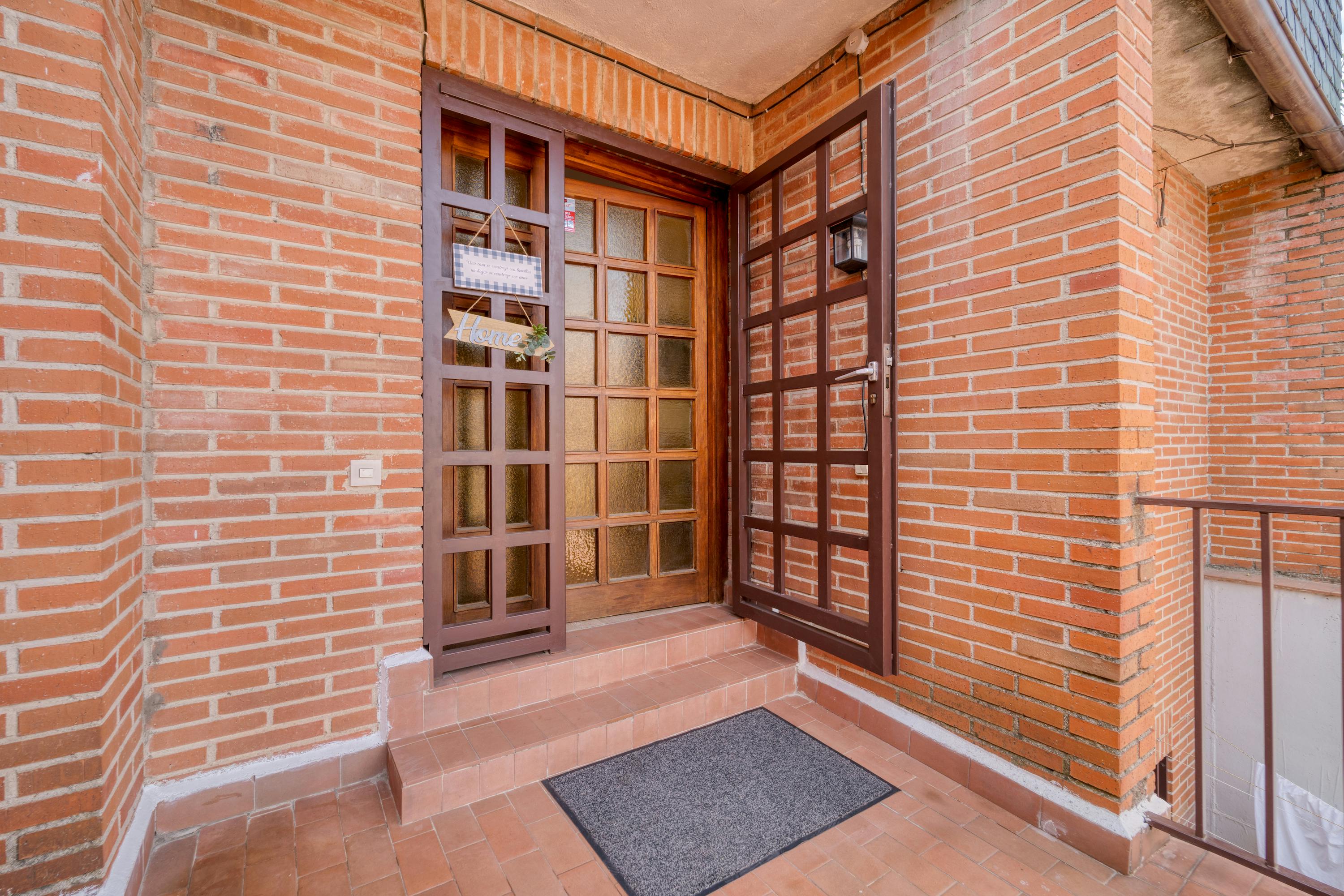
Contemporary & Modern Stone Homes: Best Materials, Layouts, and Cost Tips
Design Ideas That Blend Rustic and Sleek
Stone in Modern Architecture:
Stone isn’t just for castles and cottages anymore. Today’s architects are using it to craft bold, minimalist homes that balance texture, strength, and sustainability.
Why It Works:
Stone adds weight and warmth to otherwise clean-lined modern spaces. It's durable, low-maintenance, and surprisingly adaptable to 21st-century design needs.

From My Desk:
I’ve used stone in everything from desert villas to snowy mountain retreats. The right type—cut, stacked, or polished—can anchor a space without overpowering it.
Here’s how modern stone homes blend old and new in a way that really works.
Contemporary & modern stone homes are durable, efficient, and striking.
Find out how to design or update yours.
Contemporary Stone Homes: A New Take on a Classic Material
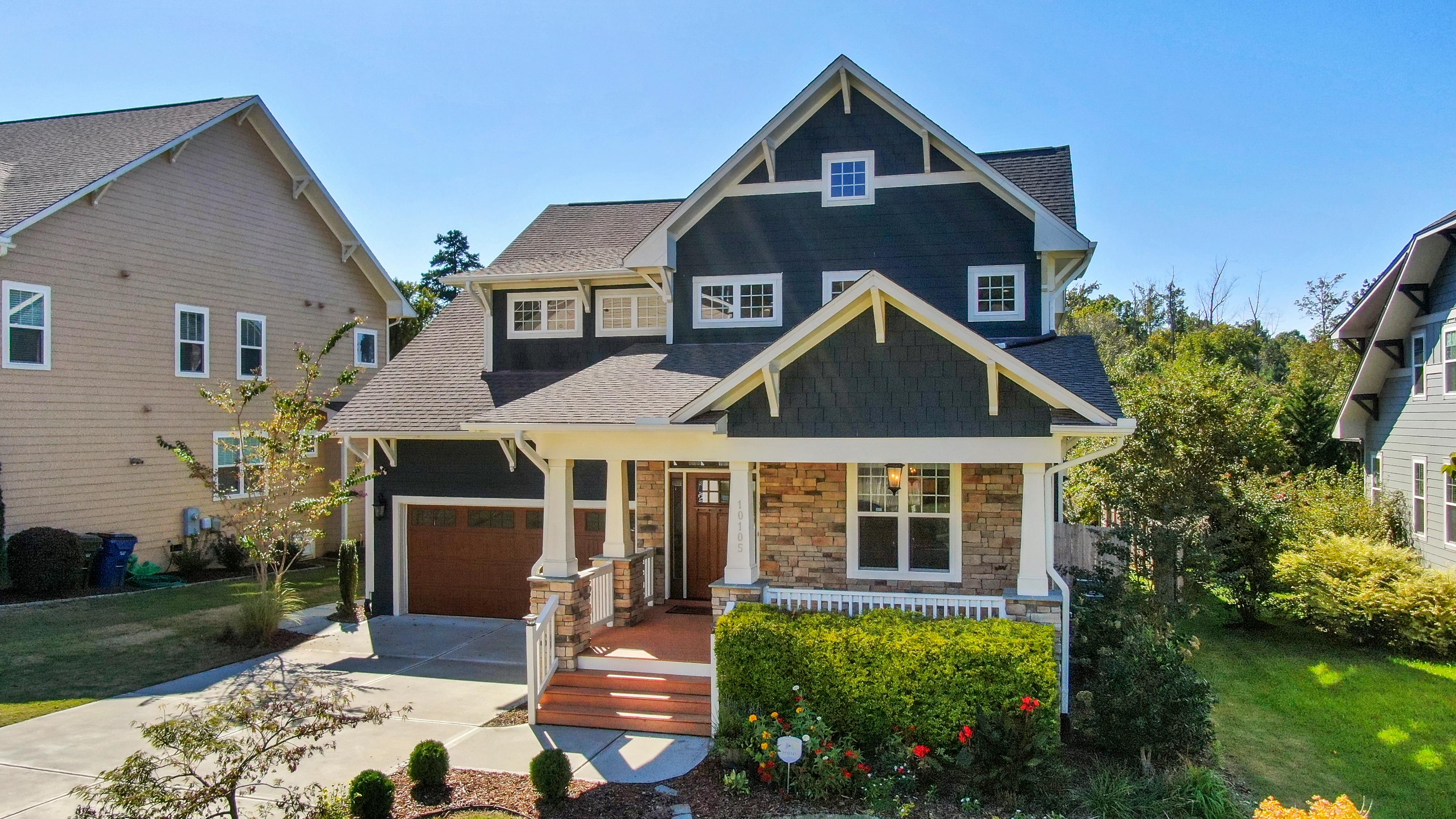
A Clean, Modern Revival
Blending Old Materials with New Design
Today’s stone homes aren’t about rustic charm—they’re about precision. Clean lines. Open space. And materials that last.
Stone has found its place in modern architecture not as the star, but as the grounding element that brings structure and texture into sleek environments.
I've used limestone slabs, rough granite, even cut sandstone in high-end modern builds. In one home, we framed a 14-foot wall of glass with solid stone columns—creating contrast without clutter. The home felt bold, solid, and peaceful all at once.
Stone in Minimalist Design: Subtle, Sharp, Unmoving
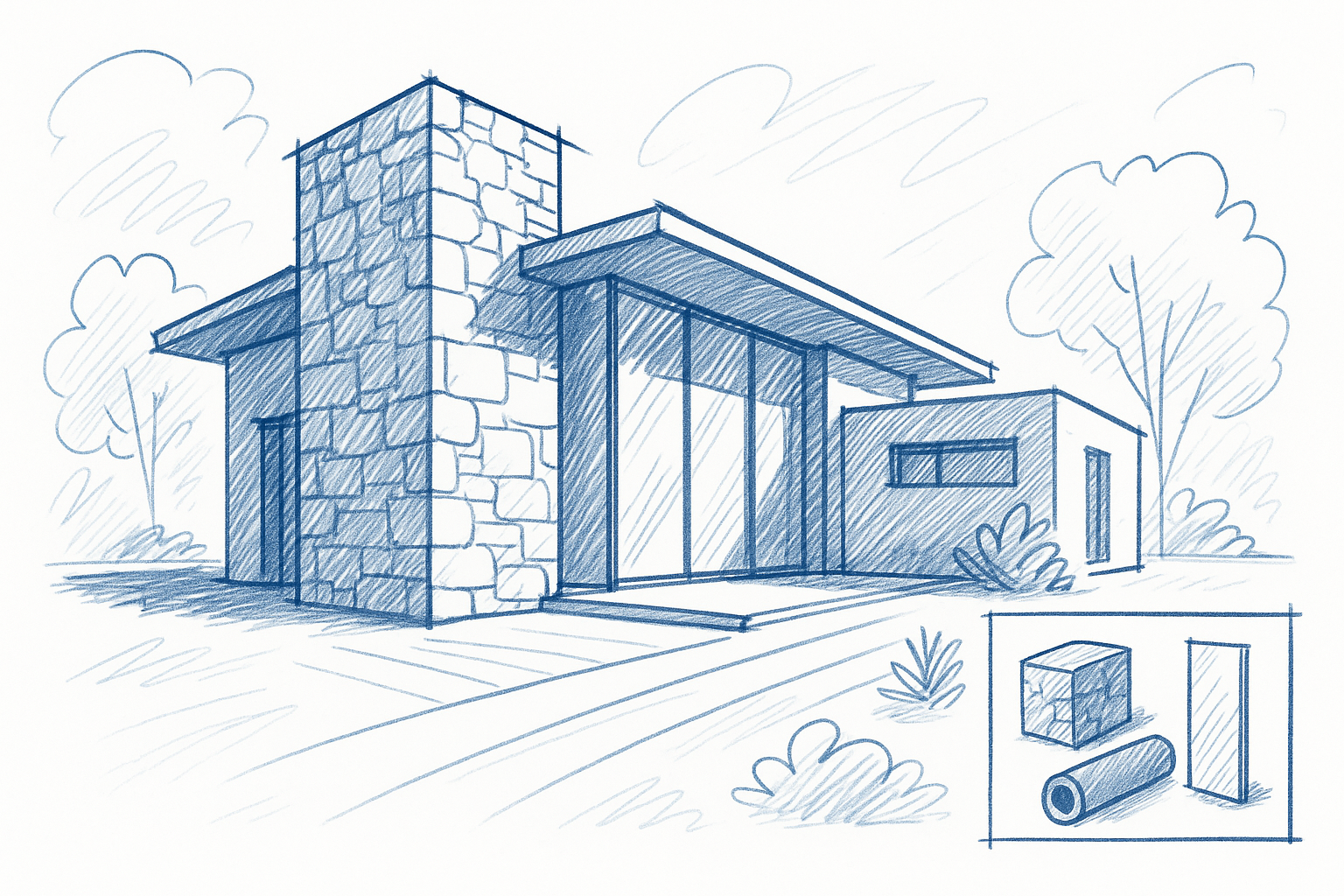
Modern Use = Less Stone, More Impact
In minimalist design, stone becomes sculptural. It’s used sparingly—to frame a fireplace, define a stair wall, or ground an entryway. You’ll rarely see full-stone exteriors in modern builds. Instead, polished granite or honed limestone gets used as:
● Countertops with sharp edges
● Low-texture flooring that blends with concrete
● Accent walls that anchor open-plan rooms
One project I led used oversized granite floor tiles and matte black stone counters to give a kitchen real weight—without visual noise. Simple, functional, and deeply modern.
MUST READ: Living With Stone
Pairing Stone with Glass, Steel, and Wood
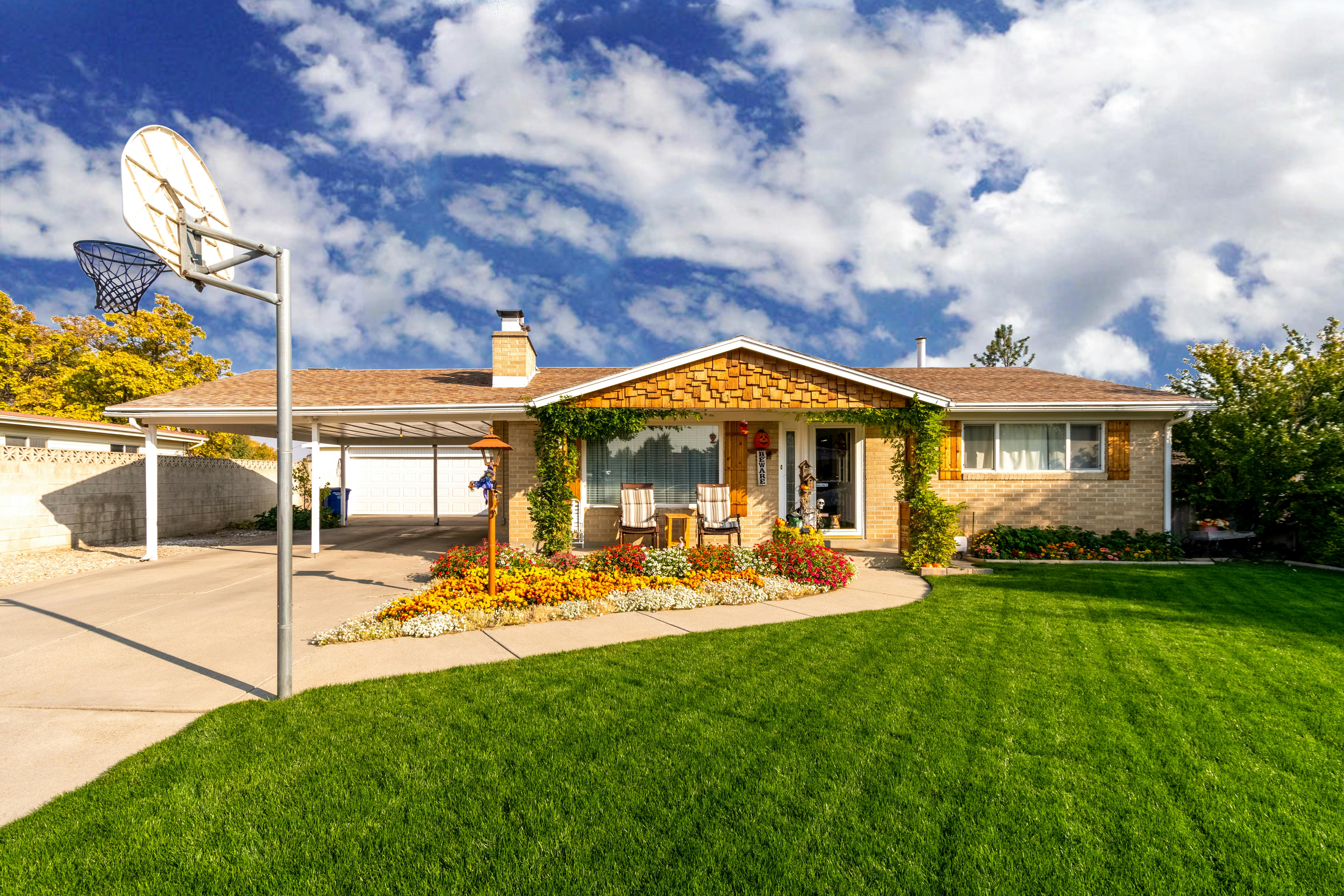
The Best Modern Homes Mix Materials
What makes stone work today is how it’s used alongside glass, wood, and steel. Stone brings the weight. Glass brings the light. Steel frames everything. The best homes don’t lean on one material—they let each element do its job.
Real Example: A home we built in British Columbia used exposed structural stone columns inside, paired with 12-foot glass panels.
The living room had a raw basalt hearth and walnut ceilings. The effect? Grounded but open. Warm, but clean.
Pro Tip: If your stone feels too heavy, lighten the volume with vertical glass or open rooflines. If it’s too cold, soften it with wood soffits or textured plaster nearby.
Must Read: Natural Stone Houses (Contemporary Architecture & Interiors) by Simone Schleifer
How to Build a Modern Stone House Without Losing Warmth or Style
The Secret to Designing Timeless Yet Contemporary Stone Homes
Modern Stone House Architecture: Where Old Strength Meets New Design
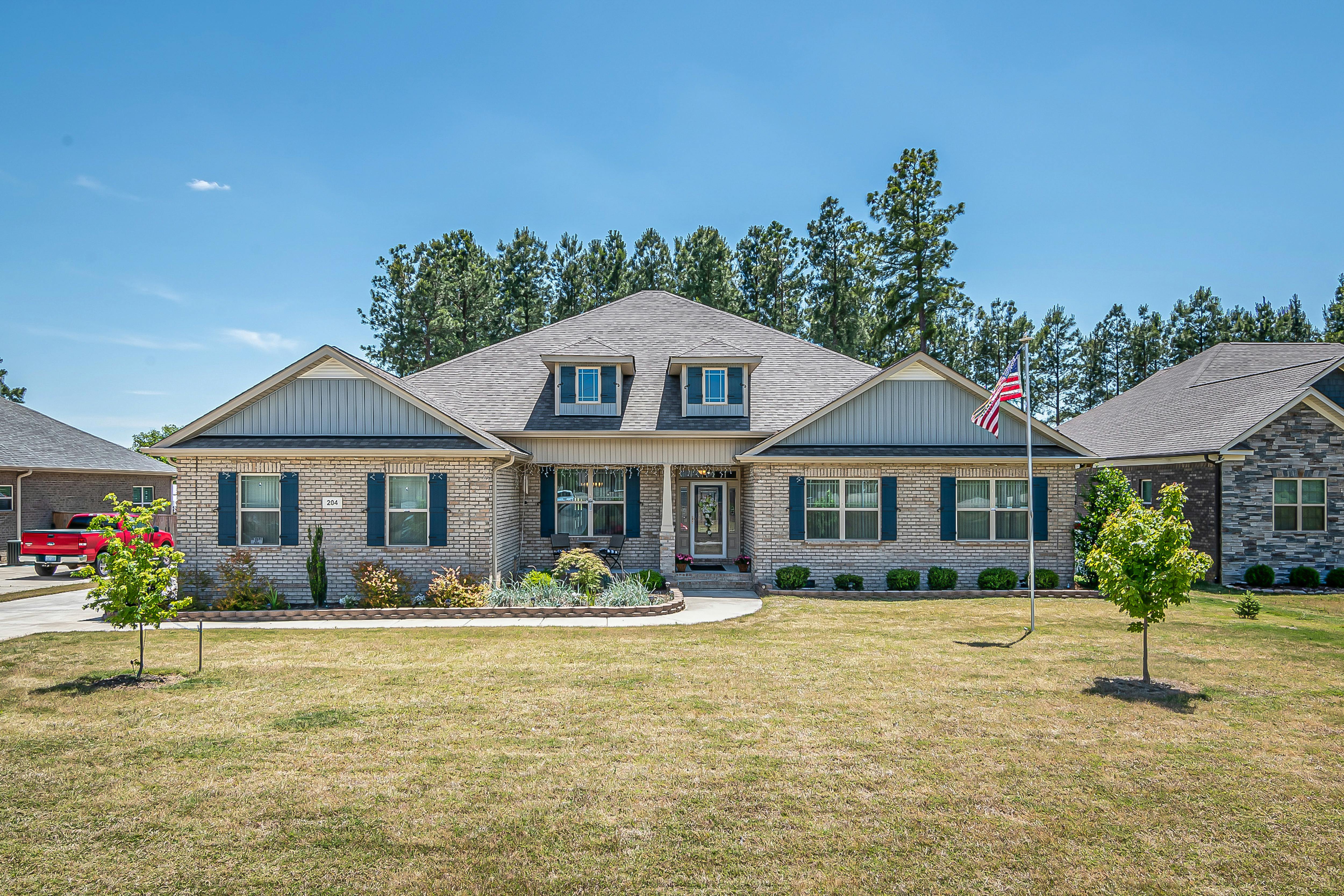
Stone in modern homes isn’t about nostalgia—it’s about precision, contrast, and permanence. Architects today don’t use stone to mimic the past. They use it to ground lightweight, glass-heavy designs in something real.
I’ve seen it go wrong. On one project, we overused stone—it felt more like a medieval bunker than a modern home. We stripped it back, kept stone to the entry columns and interior feature wall, and let steel and glass do the rest. That balance? That’s the sweet spot. Weight meets light. Texture meets smooth.
Open Floor Plans, Seamless Transitions
Modern homes are built on flow—between rooms, and between indoors and out. Stone, when used correctly, enhances that flow.
✓ Real-world move: Run the same stone from your patio into your living room. We used slate tile across both in one house, and the effect was subtle but dramatic—the space felt 3x bigger, and the stone connected every element.
5 Key Design Strategies for Modern Stone Homes
1. Accent Walls with Intent
▪ Focus on one powerful surface—fireplace wall, stairwell, or master bath.
▪ Use flat-faced limestone or slate for clean modern lines.
▪ Skip faux-stone veneers and over-textured patterns.
2. Stone Flooring That Actually Works
▪ Honed granite or matte-finished limestone for slip resistance and elegance.
▪ Large-format tiles = fewer grout lines, more flow.
▪ Underfloor heating? Perfect match. Cold surface, warm feel.
3. Architectural Stone Facades
▪ Full stone cladding? Only if it aligns with the overall geometry.
▪ Use ashlar-cut stone or continuous slabs—not random rubble.
▪ Pair with glass and black steel frames for a sharp modern silhouette.
4. Indoor-Outdoor Stone Sync
▪ Match patio stone with kitchen or hallway flooring.
▪ Use stone planters or firepits to tie the landscape into the architecture.
▪ Keep joints aligned between inside and outside surfaces—it matters.
5. Fireplaces That Anchor, Not Overwhelm
▪ Minimalist stone surrounds—no fake mantel clutter.
▪ Vertical slab fireplaces (e.g. basalt, marble) = quiet luxury.
▪ Let the material speak—no fake distressing, no unnecessary trim.
Final Tip: Use Less, But Use It Well
Stone’s power comes from where and how it’s used. Too much, and it weighs a space down. Used with intention—clean cuts, natural texture, architectural logic—it elevates a modern home into something enduring.
Contemporary & Modern Stone Homes That Actually Feel Like Home
The beauty of contemporary stone homes—from materials and costs to design techniques that blend natural texture with clean lines.
Modern Stone Homes: Built to Outlast Everything (Almost)

Exterior and Interior: Stone Homes Built to Last (Even Through the Apocalypse!)
Stone isn’t just aesthetic—it’s structural muscle. Used right, it gives your home timeless style, insane durability, and real-world performance most materials can’t touch. Want a house that looks modern but could outlast a storm, a blackout, or even your toddler’s toy rampage? Stone’s your ally.
Exterior That Holds the Line

Modern stone homes don’t need to look like castles. Today, we blend clean limestone slabs or honed granite with steel and glass to get sleek, storm-resistant homes that still feel grounded. On one project, we framed full-height glass panels between weighty stone walls—and the result wasn’t just beautiful. It was immovable.
✓ Real Insight: When you pair natural stone with metal-framed glass doors, you get contrast and cohesion.
✓ Add this: Flagstone or bluestone paths to soften the look and tie the house to the landscape.
And sure—if zombies show up, they’ll have a hard time cracking a modern granite façade. But you didn’t hear that from me.
Interiors That Aren’t Just Pretty
Forget fragile finishes. Stone holds up. Floors, walls, fireplaces—stone turns every surface into something permanent.
I once had a client spill wine on polished marble. Their response? “Good. Now it’s got character.” No stain. No damage. Just clean luxury that shrugs off wear.
Use it smart:
● Fireplaces: Full-height slabs—no fake stone, no faux texture.
● Kitchens: Waterfall granite counters. Durable, stylish, and timeless.
● Bathrooms: Floor-to-ceiling stone = spa vibes + bulletproof utility.
● Walls: Slate or limestone as statement walls? Zero maintenance, max impact.
Design Tip: Match the stone from your patio with your living room floor. It blurs indoor and outdoor in one clean move.
More Than Just Surface Strength
Stone also performs. It holds thermal mass, regulates indoor temperature, and cuts down on heating/cooling demands. Cold outside? The stone radiates retained warmth. Heat wave? It keeps interiors cool.
And if you’re the type who likes secret compartments? One client asked for stone fireplace walls with hidden storage. Looked like art. Functioned like a Batcave.
Why Stone?
Because nothing else gives you:
● Modern style
● Weather resistance
● Fireproof, waterproof, stain-proof surfaces
● Structure that can stand for generations
Bottom line: A well-designed modern stone home doesn’t just look good—it lasts. Through storms, spills, style shifts, and yes, maybe even the apocalypse
Why Settle for Less?
Related: Stone House Design: What I Learned the Hard Way
Modern Stone Homes vs. Traditional Masonry: What’s the Difference?
Contemporary & modern stone homes are more than trendy—they’re durable, efficient, and striking. Find out how to design or update yours.
Contemporary & Modern Stone Homes: Strength Meets Style

Stone isn’t just a traditional material—it brings both durability and design flair to today’s homes. When I first used limestone slabs with glass walls and steel frames on a modern project, the house felt both grounded and airy—a perfect union of past and future.
Blend Old & New Materials Seamlessly
-
Accent Stone Walls: Use polished granite or slate on feature walls or fireplaces to add depth without overwhelming the space.
Example: In one eco-home, we used black granite behind the fireplace—minimalist and striking. -
Indoor–Outdoor Flooring: Use the same stone tile for patios and interior floors to create an uninterrupted flow.
Example: Slate tiles for both patio and living room made the indoor/outdoor transition smooth and harmonious. -
Stone Facades with Windows: Pair uniform stone veneers (like light-gray limestone) with floor-to-ceiling glass to achieve a sleek, modern facade. Steel frames add clean structure.
Tip: Keep stone color light to reflect sunlight and avoid visual heaviness.
Exterior Inspiration: Modern Stone Homes in the Wild
-
Fallingwater (Pennsylvania, USA) – Frank Lloyd Wright’s masterpiece blends local sandstone with glass and concrete. Cantilevered over a waterfall, it demonstrates how stone grounds modern design in nature and structure.
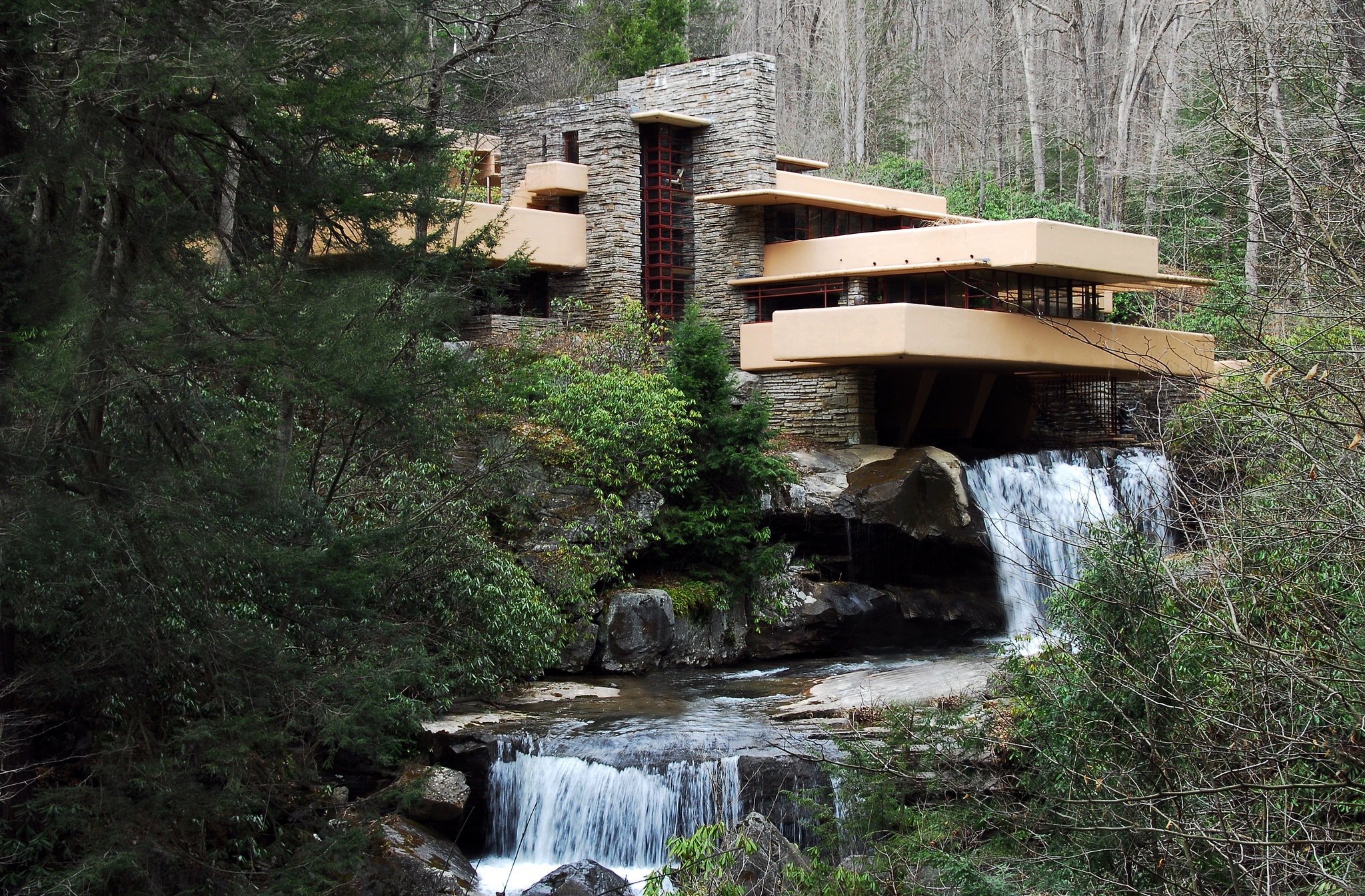
Its balance of raw stone and wide glazing sets a timeless benchmark for modern exterior design.
-
Flint House (Buckinghamshire, UK) – A sculptural stone form built into the landscape using hand-knapped flint. It earned RIBA House of the Year (2015) by combining traditional craftsmanship with contemporary minimalism.
-
Casa Milà (Barcelona, Spain) – Gaudí’s curving limestone façade, a UNESCO World Heritage site, proves stone can be both fluid and structurally bold . Translating that with sleek modern detailing creates façades that are alive, not static.
-
Contemporary Homes – Think full stone walls punctuated by floor-to-ceiling windows, stone-clad entryways, and patios that flow directly from stone-sheathed interiors. The goal: merge architecture with landscape for a seamless, timeless statement.
Interior Inspiration: Bringing Stone Indoors
-
Slate or Limestone Accent Walls – In living rooms or baths, these rich-texture walls create visual drama without overwhelming. Try pairing a rough-hewn slate wall with clean-line steel trims and minimalist lighting—it’s upscale loft meets organic calm.
-
Polished Granite or Limestone Floors – These surfaces give a polished, high-end finish and endure wear. Great in entryways or kitchens, especially when paired with underfloor heating for comfort.
-
Stone Fireplaces – Use sleek marble or honed limestone surrounds with hidden or minimal grout lines for a crisp, contemporary hearth. Bonus: stone radiates warmth long after the fire’s out.
-
Mixed-Material Counters – Combine a stone island (like quartzite) with wood cabinetry and matte black hardware—industrial modern with a natural soul.
-
Spa-Style Bathrooms – Smooth stone-wall showers, stone vanities, or pebble stone floors democratize luxury and bring an earthy retreat vibe to everyday routine.
Why These Work
| Feature | Benefit |
|---|---|
| Texture + Minimalism | Rough stone contrasts with sleek finishes for depth and clean visual balance. |
| Durability | Stone lasts—you won’t need annual replacements like tile or veneer. |
| Thermal Properties | Systems stay cooler in summer, warmer in winter—great for energy savings. |
| Cohesion | Using the same stone inside and out connects indoor/outdoor spaces visually and materially. |
Pro Tips
-
Limit Stone Use – Focus stone where furniture is sparse: hallways, feature walls, or entry zones to avoid overloading spaces.
-
Guard Proportions – Pair heavy materials with high ceilings or expansive glazing—never let stone make a space feel boxed in.
-
Mix It Up – Blend stone with wood, steel, and glass to balance warmth, lightness, and solidity.
-
Right Stone, Right Climate – Use non-porous stone like granite in humid areas (bathrooms, kitchens), and porous but sealed stones like limestone on shaded exteriors.
Modern stone homes succeed when they honor the stone’s innate strength and embrace modern lightness.
Use it sparingly, pair it intentionally, and let its texture speak within a clean, refined composition.
Real-world icons—from Wright’s daring Fallingwater to Gaudí’s expressive facades—prove that stone isn’t old-fashioned—it’s architecture's most dynamic partner when envisioned correctly.
Sustainability in Contemporary & Modern Stone Homes
-
Local Stone: Reduces transport carbon and blends home with its environment.
Example: A mountain retreat I designed used locally quarried stone—cutting transport costs and making it “feel like it grows from the hill.” -
Thermal Mass & Passive Solar: Stone’s thermal mass stores heat in winter and cooler in summer—cutting HVAC usage.
Tip: Position stone under sunlit windows for maximal energy efficiency.
Smart Innovations in Stone Home Design
-
Smart Stone Surfaces: Embedded sensors in polished granite facades can monitor temperature and adjust HVAC in real-time.
Example: A prototype home I consulted on uses facade sensors that feed data to the smart thermostat—no more energy overuse. -
Solar-Charged Stone Walls: Stone-clad walls with integrated solar panels can charge your EV as you park.
Tip: Place south-facing stone walls with solar to combine aesthetics with energy generation.
Modern Stone Homes vs. Traditional Masonry
| Feature | Traditional Masonry | Contemporary Stone Homes |
|---|---|---|
| Weight & Construction | Heavy, full masonry | Lightweight veneer, steel/wood structure |
| Aesthetic | Rustic, ornate | Sleek, minimalist |
| Thermal Efficiency | Moderate | Excellent thermal mass & insulation |
| Versatility | Limited forms | Panels, cladding, smart integration |
History of Stone Architecture: Quick Timeline
-
c. 10,000 BC | Neolithic Stone Structures – Early passage graves and communal sites built using dry stone techniques
-
c. 2500 BC | Stonehenge Era – Massive transfer and erection of large stones during the Bronze Age
-
c. 800–200 BC | Cyclopean & Greek Construction – Use of giant “cyclopean” boulders; Greeks refine stone work in temples using Doric, Ionic, and Corinthian orders
-
c. 27 BC–476 AD | Roman Engineering – Romans build with limestone, marble, and granite in monumental forms like Colosseum and Pantheon
-
5th–15th Century | Medieval & Gothic Architecture – Castles, civic halls built of heavy stone, featuring arches and vaults
-
Renaissance onward | Refined stone as decoration – Stone becomes sculptural, decorative, and symbolic in façade treatment
-
19th–20th Century | Technological shift – Stone transitions into veneers; still valued for aesthetic and thermal mass
-
21st Century | Modern stone in contemporary homes – Lightweight stone panels, stone used for smart systems, sustainable and energy-efficient design
Related: The Stonemason: A History of Building Britain by Andrew Ziminski
Recommended Books
Deepen Your Stone Architecture Knowledge
1. Living With Stone by Claudia Martinez-Alonso
Comprehensive collection showcasing traditional and modern stone use in residential and public design
2. Natural Stone Houses (Contemporary Architecture & Interiors) by Simone Schleifer
Highlights modern homes featuring stone, earth, and concrete design for aesthetic and durability
3. The Stonemason: A History of Building Britain by Andrew Ziminski
Chronological exploration of stone use in Britain from Avebury to modern sensibilities
4. Stone Houses by Phaidon (240 pages; Tessa Pearson)
Curated selection celebrating authenticity and innovation in stone-house design
Conclusion: Why Stone Still Leads
-
Blends tradition with cutting-edge design
-
Offers unmatched durability, energy efficiency, and style
-
Adapts to smart tech and sustainable trends
-
In my projects, selective stone use (entry, columns, features) has delivered visual impact without bulk
FAQ
Contemporary & Modern Stone Homes
- What are the benefits of using stone in modern home design? Stone provides durability, natural insulation, and a timeless aesthetic that blends seamlessly with modern materials like glass and steel. It also offers environmental benefits due to its longevity and low maintenance.
- Is it expensive to build a modern stone home? While the upfront cost of stone can be higher than other materials, its durability and minimal maintenance often result in long-term cost savings. Local sourcing of stone can also reduce transportation costs and environmental impact.
- How do modern architects use stone in contemporary designs? Modern architects often use stone as an accent material or combine it with glass and steel to create sleek, minimalist designs. Stone is frequently incorporated into facades, interior walls, and flooring.
- Can stone homes be energy-efficient? Yes, stone has excellent thermal mass, meaning it can absorb, store, and release heat slowly. This makes it ideal for passive solar design, helping regulate indoor temperatures and reducing the need for heating and cooling.
- Is stone suitable for both interior and exterior use in modern homes? Absolutely! Stone can be used for exterior facades, patios, and walkways, as well as for interior features like countertops, flooring, and accent walls, offering a cohesive design that spans both indoor and outdoor spaces.