
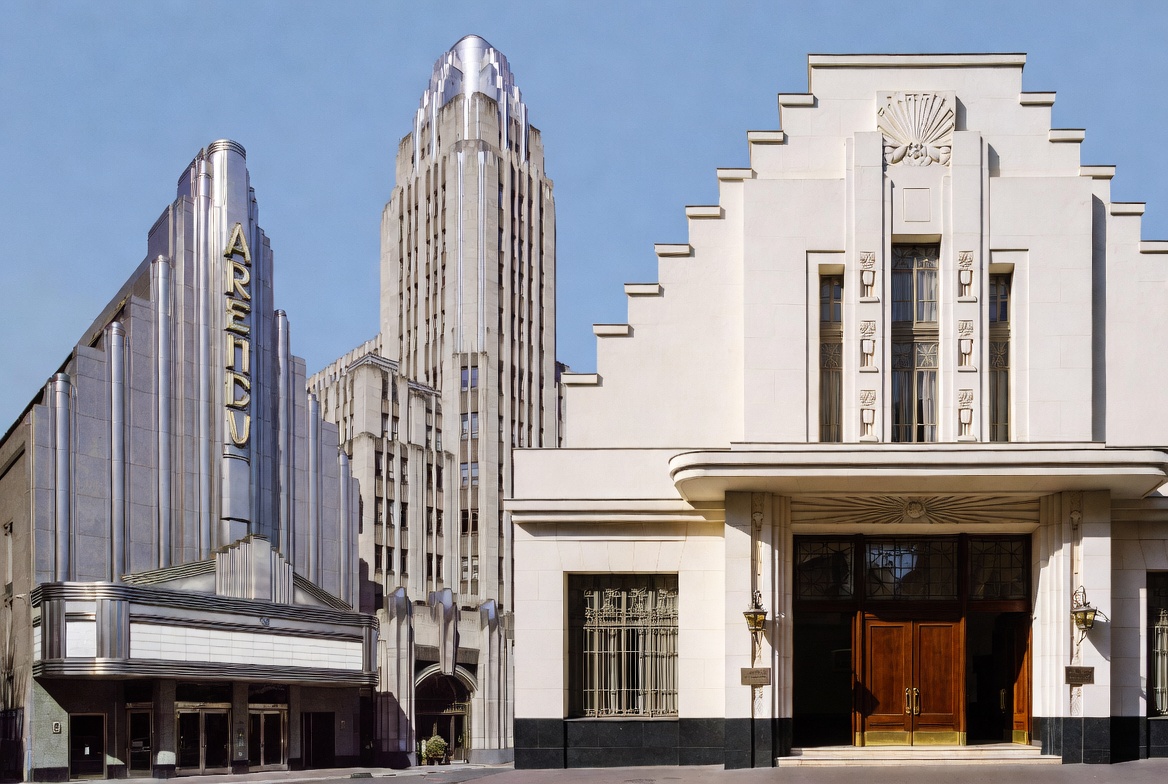
Art Deco did not come out of nowhere.
It came from a world that wanted speed, polish, order, and a cleaner picture of the future. Cities were growing. Machines were changing daily life. Older styles were starting to feel too soft, too crowded, or too tied to the past. Deco answered that with geometry, shine, stronger materials, and a harder edge.
This is the useful way to read its history. Not as a pile of dates. Not as a mood board. As a sequence of shifts: what Deco reacted against, what made it break out in the 1920s, how it changed in the 1930s, why it faded, and why it never fully went away.
Worth Knowing: this page is the history map. If you want the building side, go next to Art Deco Architecture. If you want the traits laid out fast, use Art Deco Characteristics: A Visual Guide. If your interest is more domestic than historical, read Art Deco Interior Design.
Timeline at a glance
| Period | What Was Happening | What Changed in the Style |
|---|---|---|
| Late 1800s to early 1900s | Art Nouveau, industrial growth, new materials | Design starts moving away from soft floral curves toward harder geometry |
| 1920s | Postwar optimism, luxury, cities rising fast | Art Deco breaks out as a bold modern style |
| 1930s | Depression, tighter budgets, mass production | Deco gets leaner and shifts toward Streamline Moderne |
| 1940s to 1950s | War, rebuilding, functional design | Deco fades as a dominant style but leaves traces in postwar design |
| Late 20th century to now | Revival, nostalgia, luxury branding, preservation | Deco comes back in fragments, updates, and high-style interiors |
Before Deco had a name, the ground was already shifting
Art Nouveau matters here because Deco did not just replace it by accident.
Art Nouveau leaned into curves, plants, flowing lines, and handcrafted ornament. Deco kept the love of design and surface, but cut away the softness. The curves tightened. The decoration got sharper. Symmetry mattered more. Repetition mattered more. Industry mattered more.
New materials helped push that shift along. Steel, chrome, glass, concrete, elevators, faster fabrication, larger cities. A style built around clean geometry and hard surfaces made more sense in that new world than one built around twisting vines and floral linework.
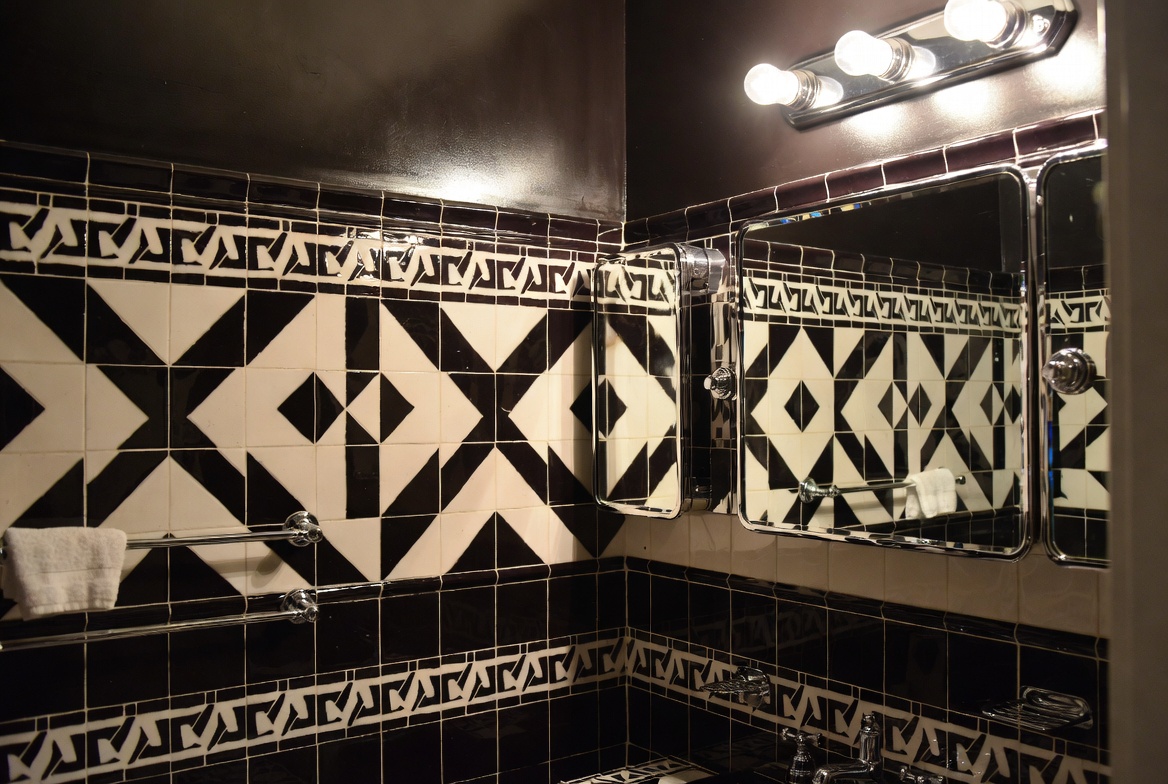
Other influences came in too. Cubism helped flatten and sharpen form. Egyptian imagery hit hard after the discovery of Tutankhamun’s tomb in 1922. African, Middle Eastern, and Asian pattern traditions fed into the decade’s appetite for geometry, repetition, and stylized surface.
The important point is simple: Deco was not one clean invention. It was a mix of older craft, industrial change, global borrowing, and a strong desire to look forward.
The 1920s gave Art Deco its public face
The 1925 Paris Exposition Internationale des Arts Décoratifs et Industriels Modernes is the event everyone keeps coming back to, and for good reason. It did not invent every Deco idea from scratch, but it gave the style a public launch and a name that stuck.
This was the moment when the look snapped into focus. Geometric ornament. lacquer. chrome. glass. stepped forms. bold furniture. jewelry with harder lines. interiors that looked polished and exact instead of soft and historical.
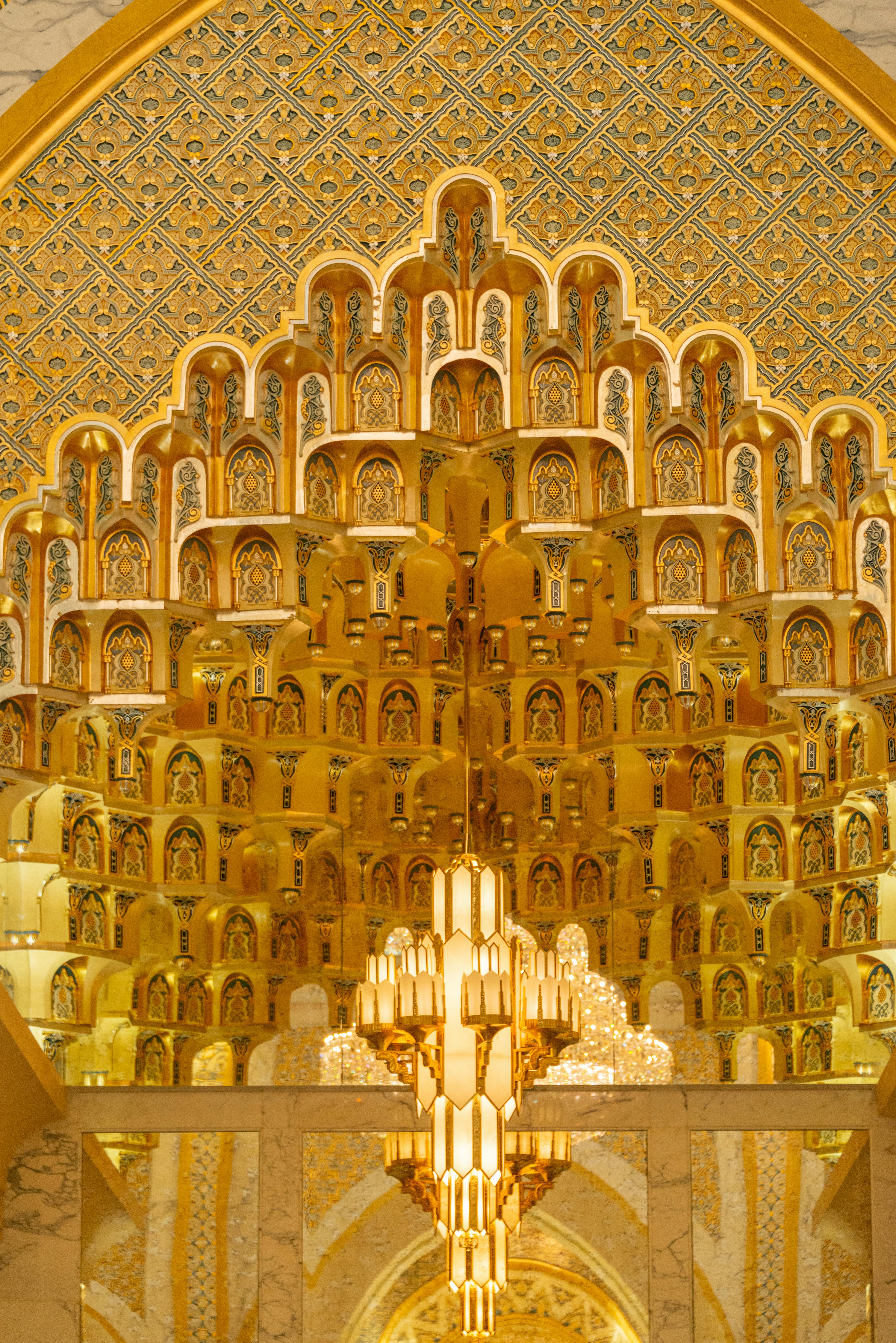
The timing mattered. After World War I, a lot of the Western world wanted forward motion. Deco gave that mood a visual language. It felt modern without being bare. Luxurious without pretending to be old aristocratic taste. Fast, urban, confident.
This is why the 1920s matter so much in the style’s story. Deco was not just decoration. It became the face of a whole era that wanted to look newer than what came before it.
Related Reading: if you want the wider decade around the style, go to 1920s House Styles.
The 1930s pared it back
The Great Depression changed the mood and the budget.
The rich, polished side of Deco did not vanish overnight, but it had to adapt. The result was a leaner version of the style often called Streamline Moderne. Curves got smoother. Ornament got pared back. Horizontal movement started mattering more. The look shifted from luxury display toward speed, function, and efficiency.
You can see that shift in appliances, transport design, diners, hotels, and smaller public buildings. Deco did not disappear in the 1930s. It got slimmer and more practical.
This is one reason the style lasted as long as it did. It could absorb pressure. It could look expensive in one setting and clean and efficient in another.
War and postwar life pushed it out of the center
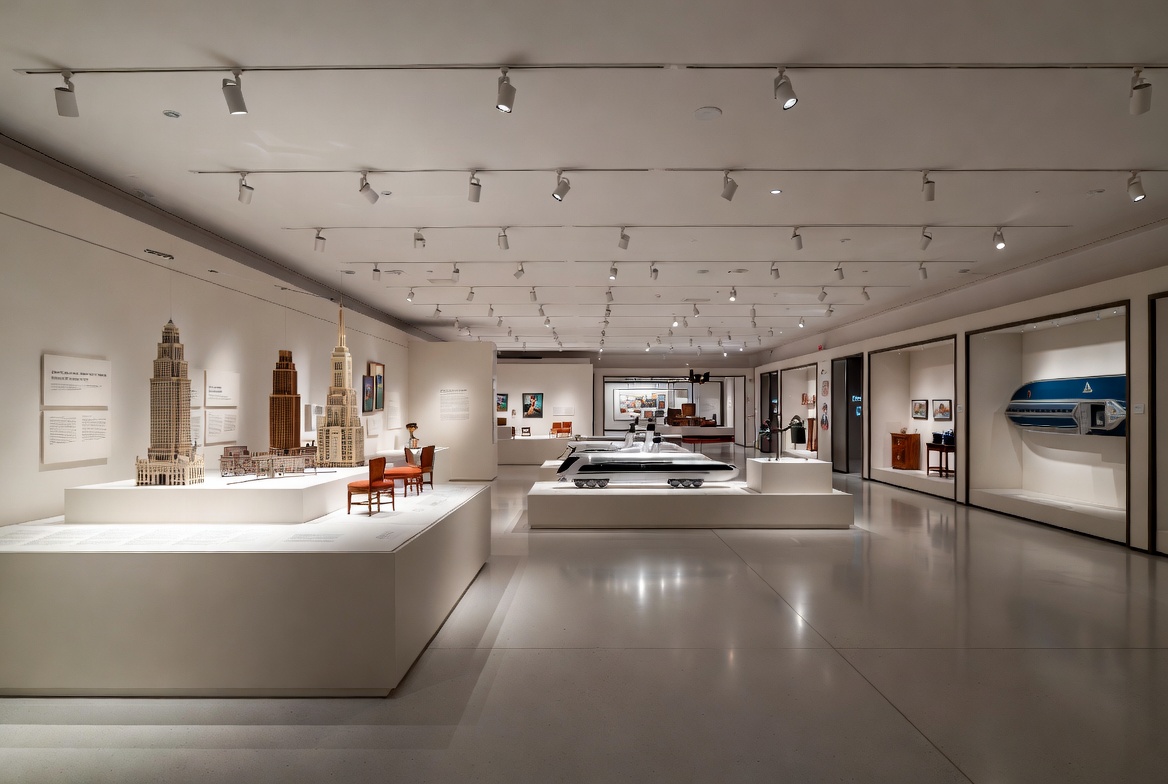
World War II changed priorities again. Materials were restricted. Function mattered more than glamour. After the war, rebuilding, housing demand, industrial efficiency, and newer design languages pushed harder into the foreground.
That is where mid-century modern starts taking more of the spotlight. Simpler forms. Lighter furniture. Cleaner surfaces. Less ornament. Deco did not fit the new mood in the same full-bodied way it had in the 1920s and early 1930s.
But it did not vanish. Some of its geometry stayed. Some of its materials stayed. Some of its streamlined logic fed directly into later design. Deco stopped being the main voice, but it kept showing up in the background.
| Art Deco Kept | Postwar Design Changed |
|---|---|
| Geometry and symmetry | Less ornament and less formal glamour |
| Strong surface design | More everyday practicality |
| Interest in new materials | Lighter, cheaper, more mass-market finishes |
| Streamlined forms | Cleaner modernist and mid-century versions |
It never fully went away
Art Deco came back in waves.
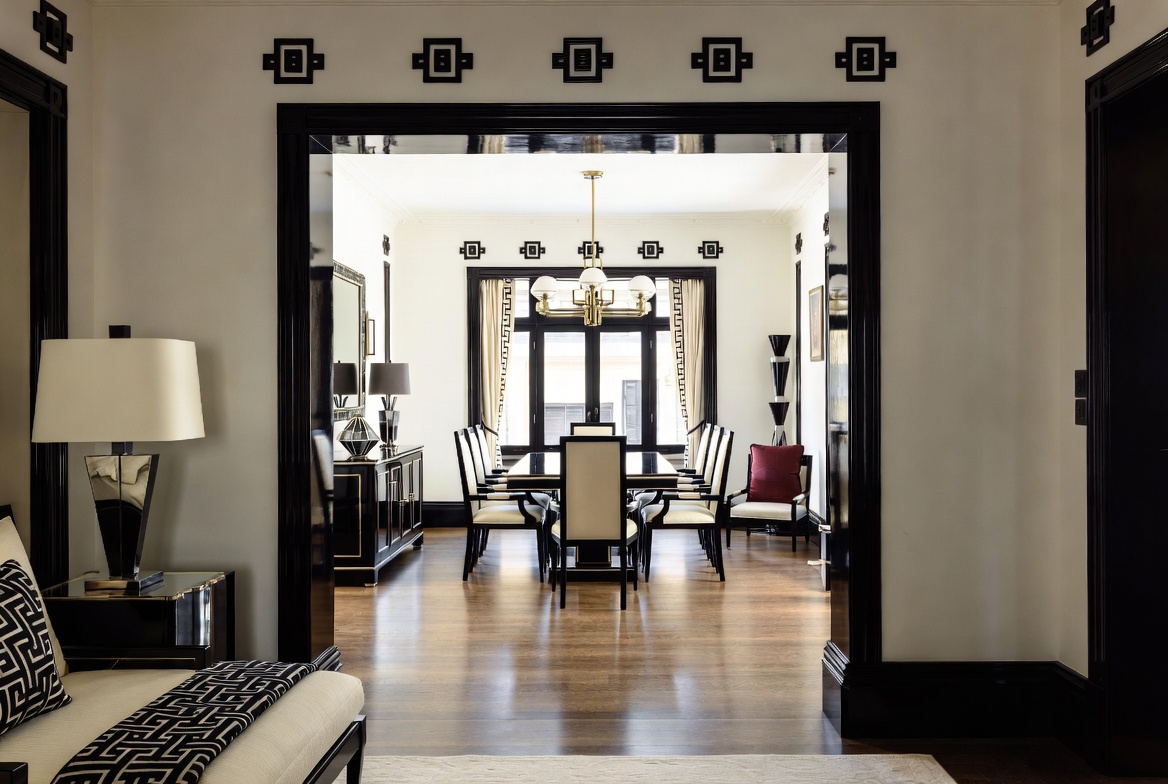
Part of that was preservation. Buildings in New York, Miami, Mumbai, London, Napier, and other cities kept the style visible. Part of it was nostalgia. Every few decades, designers and the public circle back to Deco because it still knows how to make a room, a building, or an object feel special.
Luxury brands keep reaching for it. Hotels keep reaching for it. Interior designers keep reaching for it when a room needs some structure, shine, and confidence without going fully minimal.
That is why the style still lands. It gives shape and drama without turning into chaos.
Even now, a lot of “new” Deco is not full historic revival. It is partial reuse. A sunburst. A stepped facade. A stronger mirror. A geometric floor. A lobby with brass, stone, and dark wood. Just enough of the language to sharpen the room or the building.
What still reads Deco today
You do not need a whole textbook to spot the carryover.
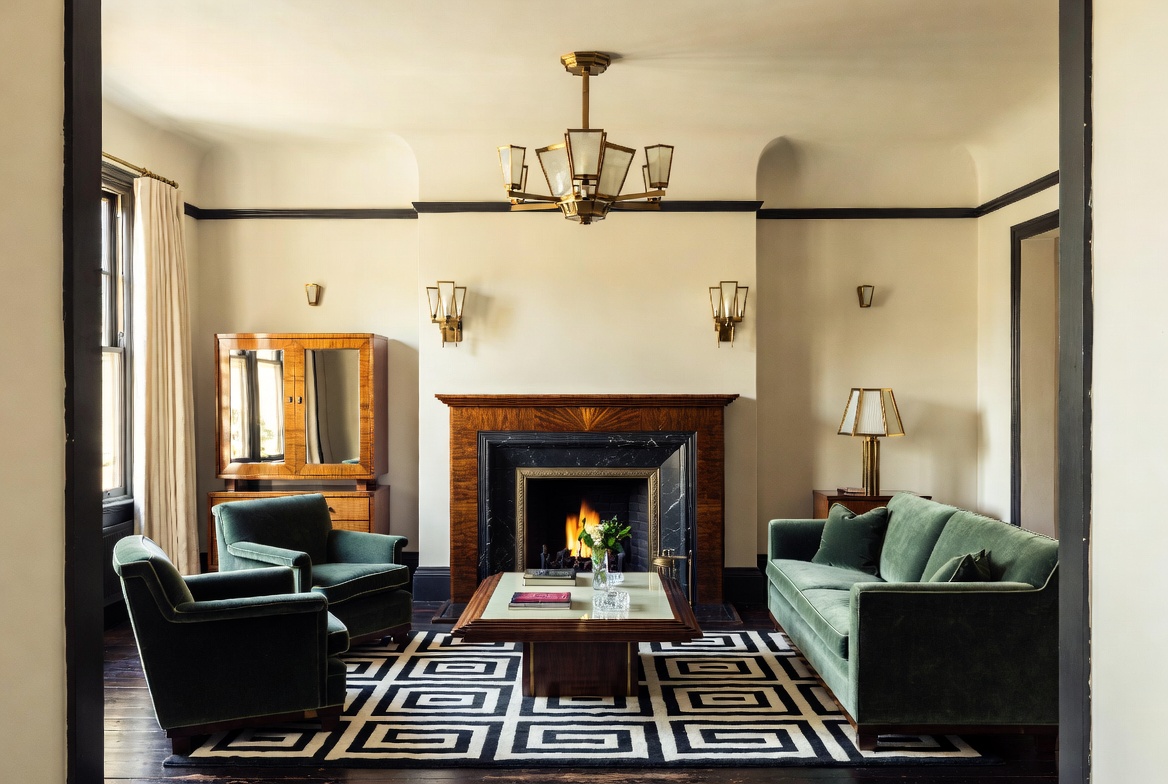
- Stepped forms: crowns, mirrors, headboards, panel edges, shelves.
- Sunbursts and fan shapes: doors, lobbies, lighting, metalwork.
- Vertical emphasis: towers, entry sequences, repeated wall lines.
- Polished materials: brass, chrome, stone, lacquer, glass, darker wood.
- Symmetry: layouts that feel composed instead of casual.
- Graphic pattern: chevrons, borders, ribbing, repeated geometry.
The style still matters because it solves a design problem that never went away: how to make something feel bold and polished without letting it turn shapeless or sloppy.
What the history actually teaches
Art Deco was never just about glamour.
It was about a culture trying to picture the future and make that future look desirable. That is why it borrowed from industry, from archaeology, from older craft, from global pattern traditions, and from luxury at the same time. It wanted to feel new, but it still wanted richness.
That mix is exactly why the style keeps coming back. It is modern, but not cold. Decorative, but not soft. Bold, but still controlled when it is done right.
FAQ
- When did Art Deco begin? Its roots build before 1925, but the Paris exposition of 1925 gave it a public launch and a name that stuck.
- Why did Art Deco become popular? It matched the mood of the 1920s: speed, luxury, confidence, industry, and a break from older decorative styles.
- What changed in the 1930s? Economic pressure pushed Deco toward simpler, more streamlined forms, often grouped under Streamline Moderne.
- Did Art Deco disappear after World War II? No. It faded as a dominant style, but many of its forms and surface ideas carried into later design.
- Why does Art Deco still matter? Because it still gives buildings and interiors shape, drama, and polish in a way that feels clear and memorable.
What to read next
- Art Deco Architecture for the building-side breakdown.
- Art Deco Characteristics: A Visual Guide for the quick trait map.
- Art Deco Houses for how the style reads in domestic architecture.
- Art Deco Interior Design for the room-by-room decorating side.
- Free Art Deco Course if you want the wider cluster in one place.