Texture in Architecture: How to Master a Critical Design Element
Transform Your Designs: Mastering Texture in Architecture
As an architect, interior designer, or even a homeowner passionate about creating unforgettable spaces, you’ve probably spent hours perfecting layouts, color schemes, and lighting plans. But here’s the catch: texture is the secret ingredient that truly transforms a space. It’s not just about aesthetics—it’s about how a space feels and resonates with people.
Think about a room where smooth marble meets rough stone, or a lobby where plush carpets soften polished concrete. These contrasts aren’t accidental; they’re carefully planned, and they leave a lasting impression.
From sleek modern homes to traditional spaces with a twist, I’ve learned that texture can make or break a design. In this guide, we’ll study the fundamentals of texture in architecture, share insider tips, and highlight techniques that even professionals often overlook.
Let’s explore how texture can turn your designs into spaces that aren’t just seen but experienced.
The Basics of Texture in Architecture
A sleek, modern interior design that blends minimalist elements with textured materials like concrete, wood, and stone to create a simple, tactile, and elegant atmosphere.
What Is Texture in Design?
Texture is one of the most powerful yet understated elements in architecture and design. It refers to the surface quality of a material—how it feels when touched or how it appears visually. But texture is more than a surface-level detail; it shapes the way people perceive and interact with a space.
Texture is generally divided into two main types:
1. Tactile Texture
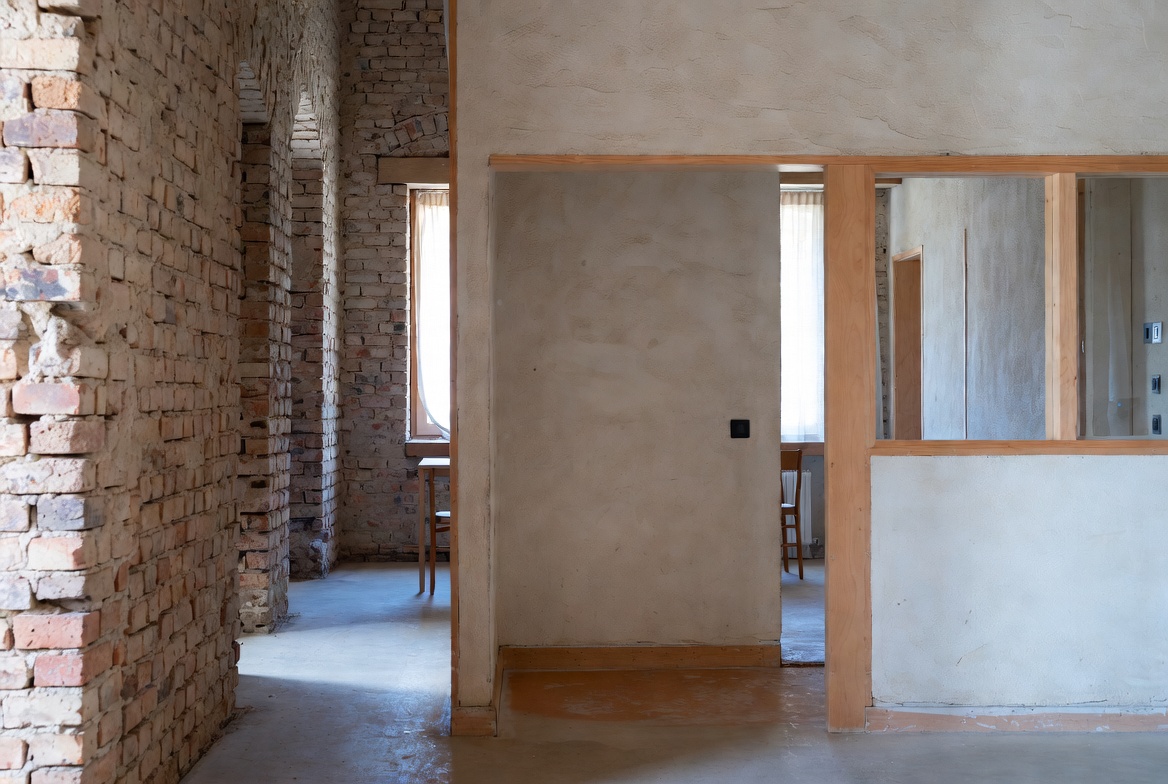
Tactile texture is what you physically feel when you touch a material. Think about running your hand over a rough stone wall, the warmth of unfinished wood, or the cool smoothness of a polished marble countertop. These physical sensations can evoke specific emotions and create memorable user experiences.
Examples of Tactile Texture in Architecture:
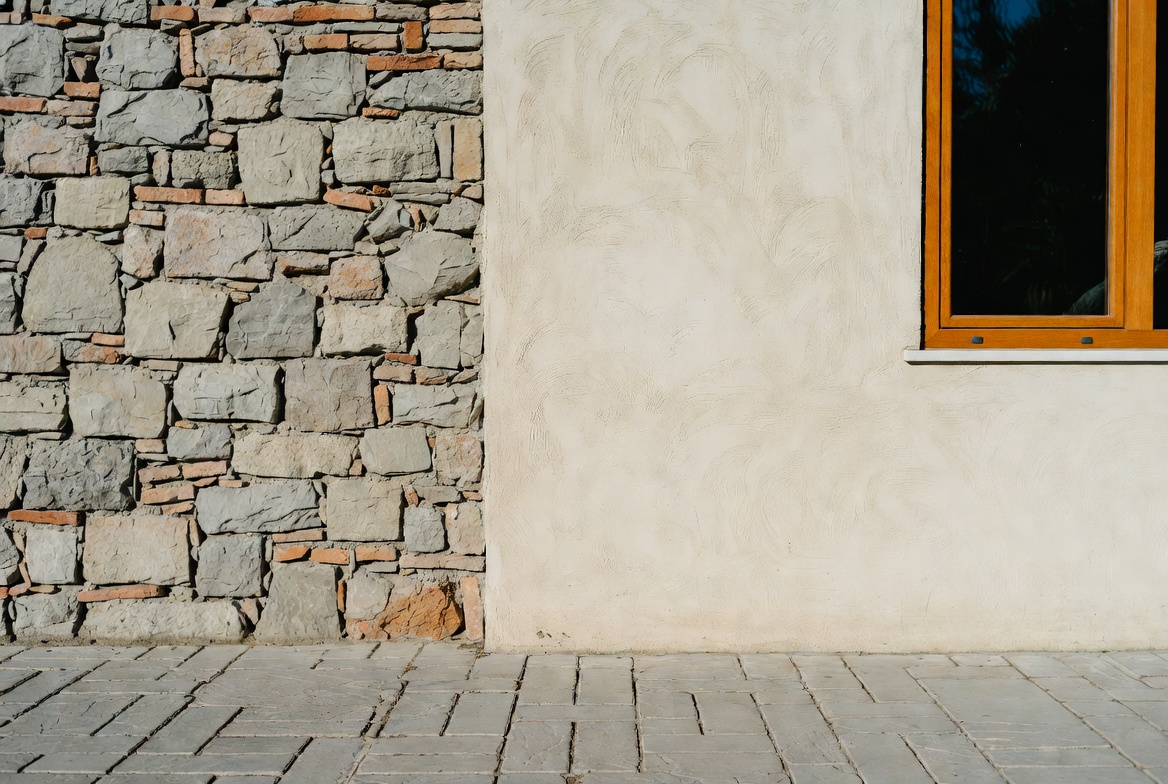
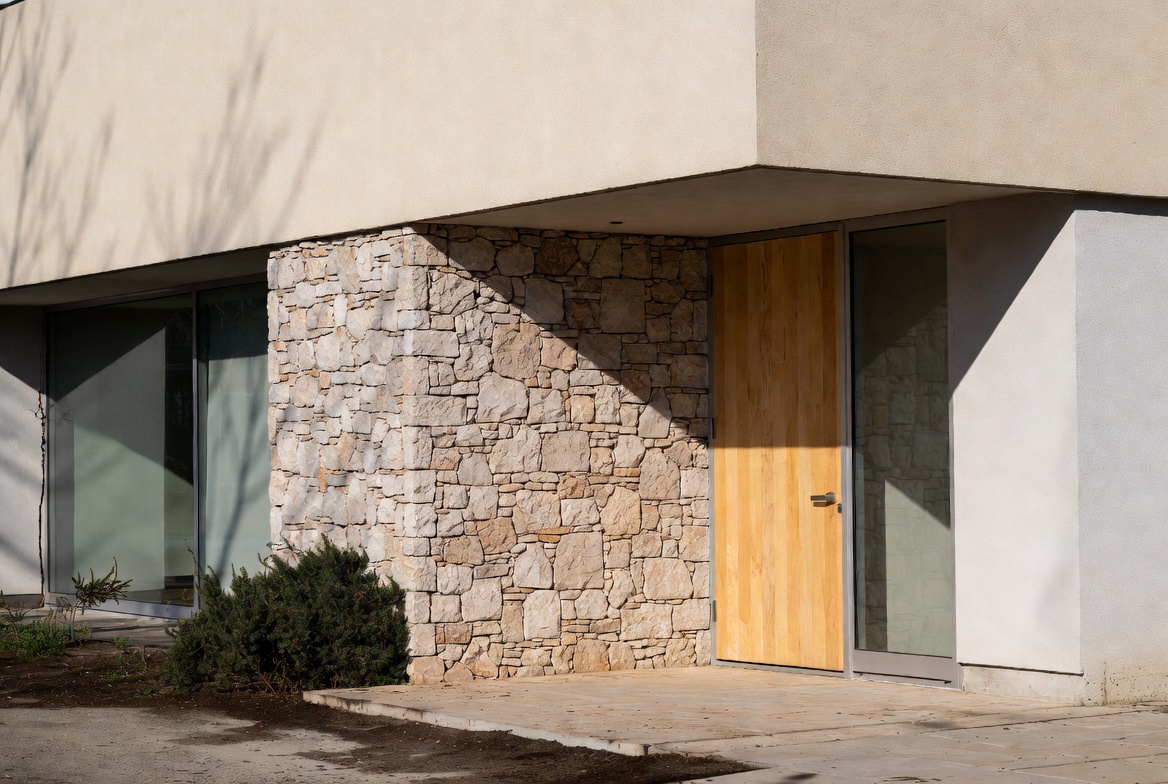
- Natural stone facades: The rugged, uneven surface of stonework evokes a sense of groundedness and permanence.
- Concrete: Exposed concrete, whether rough or polished, adds an industrial, minimalist feel to spaces.
- Fabric and upholstery: Textured upholstery like velvet or linen creates a sense of luxury and comfort in interiors.
Design Tip: Tactile texture isn’t just about aesthetics; it affects functionality too. For example, textured flooring can reduce slipping hazards in high-traffic areas like lobbies or pool decks.
2. Visual Texture
Visual texture refers to the perceived texture of a surface—it looks textured, but it might not feel that way to the touch. This type of texture is created through patterns, finishes, and materials that mimic the appearance of natural textures.
Examples of Visual Texture in Architecture:
- Printed wallpaper: Faux wood grains or brick patterns create the illusion of depth without the cost or weight of the real material.
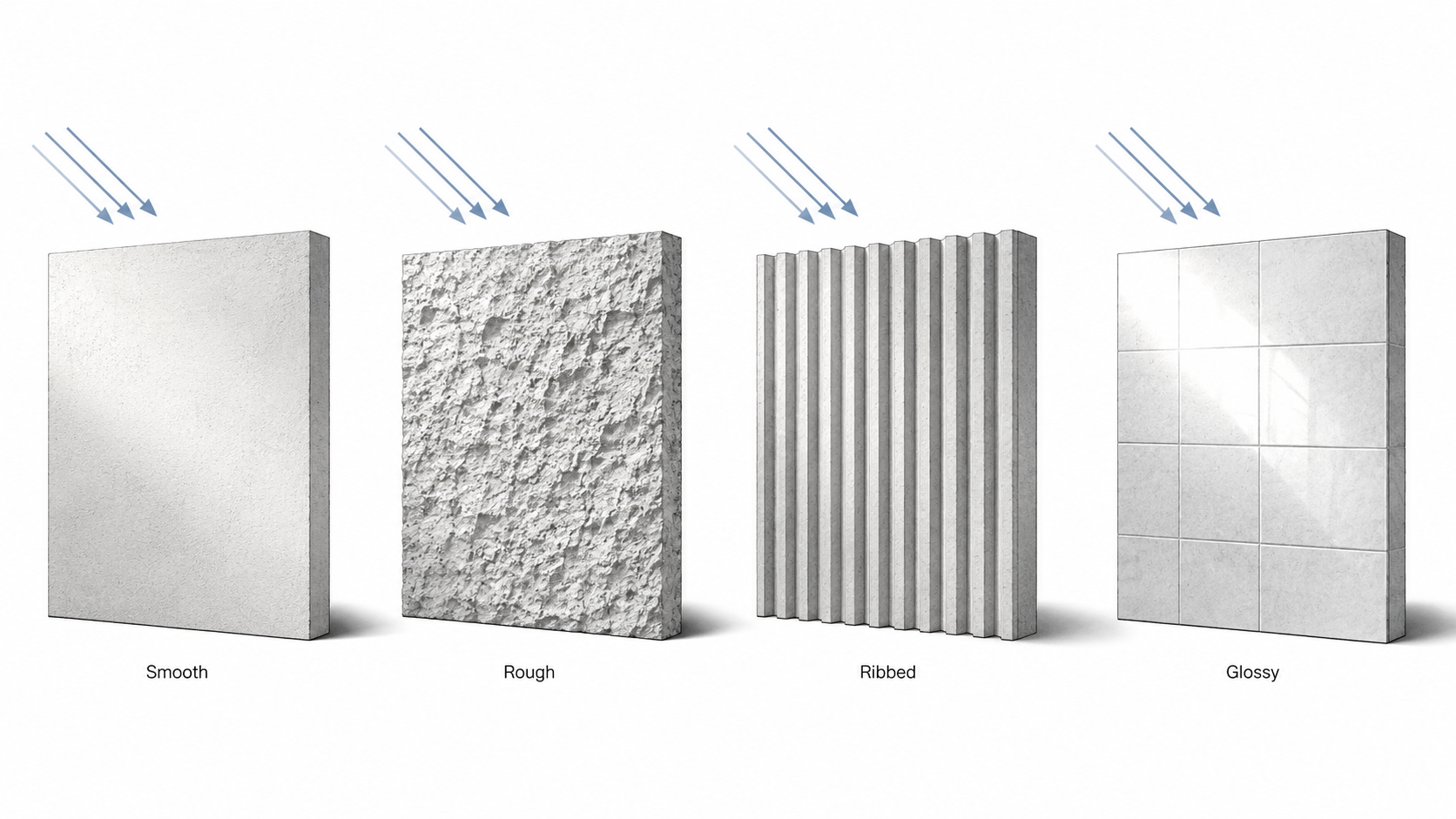
- Paint finishes: Matte, satin, and gloss finishes can dramatically alter how a surface catches light, adding a subtle play of texture.
- Architectural panels: Precast panels with intricate designs mimic the depth of carved stone or wood without requiring heavy materials.
Design Tip: Visual texture works well in spaces where you want the aesthetic appeal of texture without the maintenance or practicality concerns of tactile textures. For instance, a visual wood grain in high-humidity areas can offer the warmth of timber without the risk of warping.
Why Texture Matters
Texture impacts more than just the visual appeal of a space—it shapes the atmosphere. A balance of tactile and visual textures creates depth and richness, making spaces feel intentional rather than flat. For example, combining the softness of fabric with the hardness of metal introduces contrast and balance, preventing spaces from feeling one-dimensional.
From My Experience:
In one project, I used rough-hewn timber beams alongside smooth white plaster walls in a dining space. The tactile contrast added warmth and character, while the visual texture of the timber brought depth to an otherwise minimalist design. This combination not only elevated the aesthetic but also made the space feel inviting and unique.
Takeaway for Designers:
- Use tactile textures to create moments of interaction—where people can touch and connect with the material.
- Rely on visual textures to add depth, particularly in areas where practicality is a concern.
- Balance the two: Too much texture (either tactile or visual) can overwhelm a space, while too little can make it feel sterile and uninviting.
Texture, when applied thoughtfully, isn’t just a surface detail—it’s a storytelling tool that shapes the way people experience and remember a space.
Related: Basic Design and Architecture: A Must-Read Guide for Students in 2025
Why Texture Is Essential in Architecture
Texture is more than just an aesthetic element—it’s a tool that shapes how spaces feel, function, and connect with people. Here’s why texture plays such a critical role in architectural design:
1. Adds Depth
Even the most meticulously planned spaces can feel flat or lifeless without the inclusion of texture. Texture introduces layers of complexity, allowing light and shadow to play across surfaces, which adds dimension and richness to a space.
Example:
In one of my projects, a modern office design featuring smooth glass partitions and polished concrete floors felt too clinical. By adding textured acoustic panels and soft fabric upholstery, the space instantly gained depth and warmth, making it more welcoming.
Tip for Designers:
If a design feels "too perfect," introduce contrasting textures. Pair glossy finishes with matte surfaces or rough natural elements with sleek metals to bring balance and depth.
2. Creates Emotional Impact
Texture has the power to evoke emotions and set the tone for a space. Warm, tactile materials like wood or velvet create a sense of comfort and coziness, while sleek, reflective surfaces like metal or glass convey modernity and sophistication.
Example:
A boutique hotel I worked on featured a combination of plush velvet headboards, polished marble countertops, and matte black fixtures. Guests described the spaces as both luxurious and inviting, proving how texture can influence perception.
Key Insight:
The emotional resonance of texture can align with the function of the space. For example, rugged textures like exposed brick work well in industrial or casual settings, while smooth, high-gloss surfaces suit upscale environments.
3. Defines Space
Texture can subtly guide how people interact with a space and how they feel within it. It serves as a visual and tactile cue for functionality, atmosphere, and purpose.
Practical Examples:
- Rough Concrete in Public Spaces: Durable and low-maintenance, rough concrete signals resilience and practicality, making it ideal for plazas or urban environments.
- Soft Fabrics in Living Areas: Cushioned textures like velvet or chenille encourage relaxation and make living rooms feel cozy.
- Smooth, Reflective Surfaces in Retail: Glossy finishes amplify light and create a sense of luxury, perfect for high-end stores.
Design Tip:
Use contrasting textures to define zones within open spaces. For example, a textured rug can anchor a seating area within an open-plan living room, while smooth tile transitions into a textured kitchen backsplash to signal a functional shift.
Texture in Practice: From interiors to exteriors, texture is what transforms a good design into a memorable one. It gives life to walls, furniture, and landscapes, providing a sensory experience that goes beyond visual appeal. By thoughtfully incorporating texture into your designs, you can shape spaces that resonate emotionally, visually, and functionally.
Applying Texture Effectively in Design
Texture is more than just a surface quality—it’s a tool to influence how spaces feel and function. By understanding how texture interacts with light and color, you can create dynamic, memorable designs.
Light, Color, and Texture: The Dynamic Trio
The Role of Light
Light can transform the perception of texture. A material’s interaction with light—whether it absorbs or reflects—can create moods and define spatial qualities.
- Matte Textures: Absorb light, giving a soft, understated look that works well in cozy, relaxed spaces like bedrooms or libraries.
- Glossy Textures: Reflect light, adding energy and vibrancy. Glossy finishes are ideal for areas where brightness and a sense of luxury are desired, such as kitchens or modern offices.
The Role of Color
Color and texture work hand-in-hand to enhance or soften the impact of a design. For instance:
- Dark, rough textures like stone can feel heavy and grounded. Pairing them with lighter hues, such as soft greys or whites, creates balance.
- Bright colors on smooth surfaces intensify the visual energy of a space, making them perfect for accent walls or focal points.
Pro Tip: Use natural light to amplify texture. For example:
- A stone façade bathed in sunlight throughout the day creates ever-changing shadows, highlighting its rugged details.
- Inside, textured wall panels near large windows can dramatically shift appearance as sunlight moves, adding depth and dynamism.
Real-Life Example: Layering Light and Texture
In one of my commercial projects, I combined rough concrete walls with strategically placed skylights. The natural light streaming in created intricate shadows on the concrete surface, giving the space a dynamic, sculptural quality. It transformed what could have been a cold, sterile environment into something vibrant and alive.
Practical Applications
- For Warmth: Use matte wood textures paired with soft, warm lighting for spaces like living rooms or cafes.
- For Drama: Add glossy tiles or metallic finishes to reflect artificial lighting, enhancing contrast and visual interest in entryways or bathrooms.
- For Calmness: Combine matte, natural textures like linen or stone with diffused lighting for serene, relaxing interiors.
The way you use texture in architecture and design can define how a space feels, both visually and emotionally. Whether it's the contrast of rough stone against smooth glass or the interplay of matte and glossy surfaces under natural light, thoughtful texture choices elevate your work.
Start small, experiment, and let every texture tell a story. That's how spaces become memorable—not just for how they look, but for how they make people feel.
Material Textures: The Classics and the Unconventional
A contemporary architectural setting that highlights the dynamic contrast between polished concrete, smooth walnut wood, and rough-cut stone, creating a sophisticated and tactile environment.
When it comes to architectural textures, materials like concrete, stone, and wood often take center stage. Their versatility and timeless appeal make them foundational in design. But understanding how to use them effectively can elevate your projects from functional to unforgettable.
Concrete Texture in Architecture
Tadao Ando’s Approach
Tadao Ando’s polished concrete is the gold standard for minimalist architecture. His designs highlight smooth, reflective finishes with precise formwork lines, creating a sense of simplicity and elegance.
- Why It Works: The polished surface exudes modernity, while the visible formwork lines add subtle texture and depth, avoiding sterility.
- Practical Use: Use polished concrete in contemporary interiors for clean lines and a seamless finish. For industrial designs, opt for raw, rough concrete with visible imperfections to add character.
Real-Life Insight:
In one of my projects, I used polished concrete floors with large windows to reflect natural light, creating an expansive and airy feel. However, adding textured rugs and furniture balanced the space, preventing it from feeling cold.
Pro Tip: Seal polished concrete with a matte finish to retain its texture without overwhelming glare.
Stone and Wood: Timeless Elegance
Stone Texture
Stone adds a sense of grounding and permanence to any design.
- Applications:
- Exteriors: Use rough-cut stone for a rugged, natural look that blends with the landscape.
- Interiors: Honed stone finishes, like marble or limestone, introduce sophistication and elegance.
Wood Texture
Wood brings warmth, texture, and a sense of organic beauty to a space.
- Applications:
- Smooth Finishes: Ideal for modern spaces where minimalism is key.
- Rough Finishes: Add rustic charm and tactile interest to spaces like cabins or industrial lofts.
Real-Life Example:
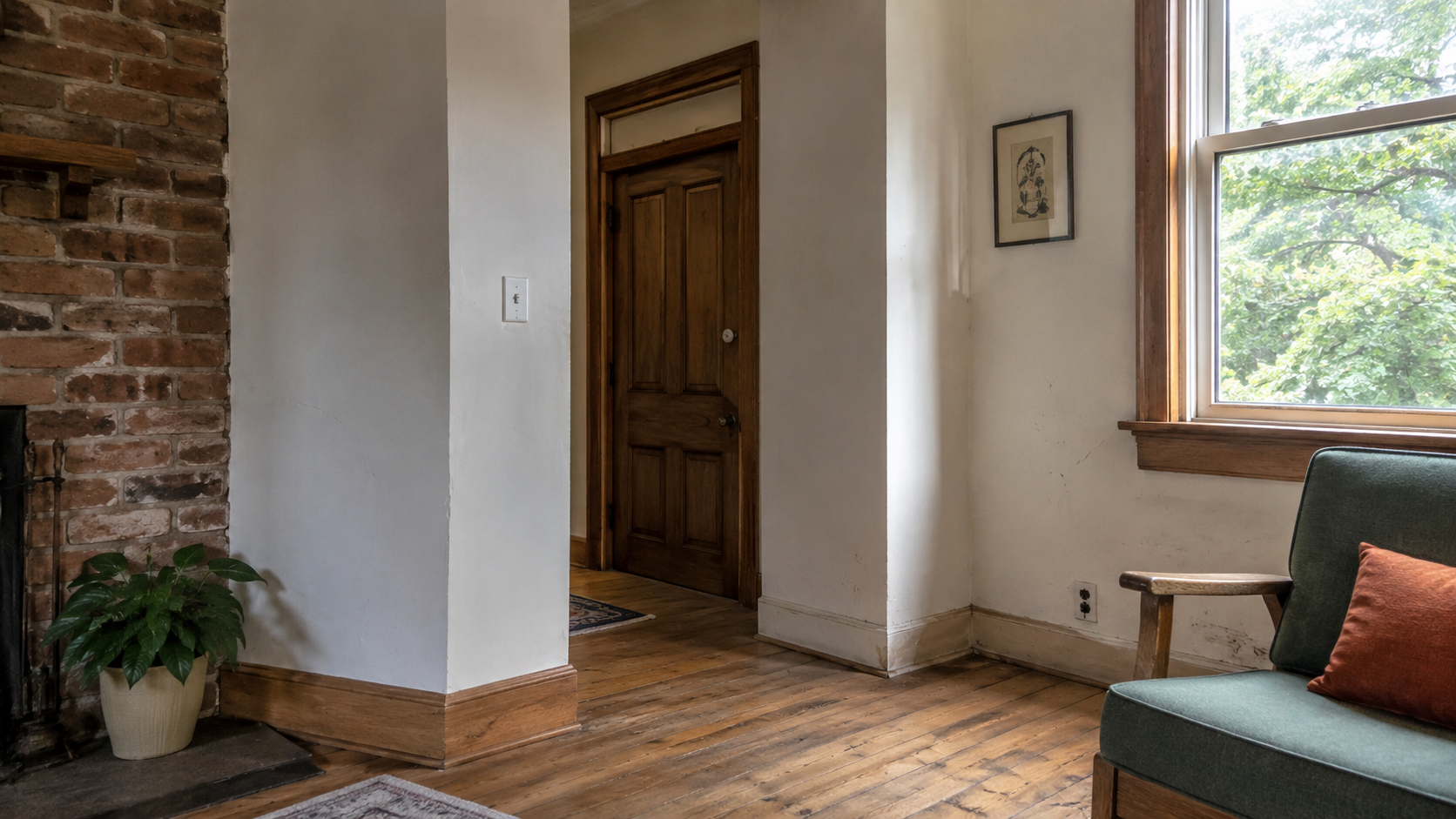
In a luxury home renovation, I paired a rough-cut stone fireplace with smooth walnut flooring. The stone added a sense of permanence, while the wood introduced warmth, creating a balanced, inviting atmosphere.
Pro Tip: The Power of Mixing Textures
The interplay of textures can create visual and tactile harmony in your designs.
- Example Pairing: Combine Tadao Ando’s polished concrete texture with warm wood panels. The cool, sleek concrete contrasts with the organic warmth of wood, balancing the space visually and emotionally.
- Why It Works: Mixing textures prevents monotony and adds depth. The key is balancing cool and warm tones for a cohesive look.
Unconventional Materials to Explore
While classics like concrete, stone, and wood are staples, don’t shy away from experimenting with unconventional materials like metals, glass, or even textiles to push boundaries and redefine texture in your designs.
Specialty Textures: Thinking Outside the Box
When it comes to textures in architecture, going beyond the traditional can open up exciting possibilities. Specialty textures introduce a fresh perspective and add unique character to your designs, whether you're working with physical materials or digital renderings.
Grass Texture in Architecture
Green Walls and Turf Finishes
Bringing the outdoors in is no longer just a trend—it’s a design philosophy.
- Applications: Green walls, turf-like finishes, or even textured panels resembling grass can enhance biophilic designs in offices, homes, or public spaces.
- Benefits: These textures don’t just look natural; they promote well-being by connecting occupants with nature.
- Practical Use: A green wall in an urban café can soften the harshness of concrete, while turf-like finishes can add playfulness to children’s spaces or rooftops.
Pro Tip: Green textures work best when paired with natural materials like wood and stone for a cohesive, organic aesthetic.
Metallic Textures
Elevating Spaces with Metals
Metallic textures bring an undeniable sense of elegance, modernity, and even drama to a space.
- Types: Brushed aluminum, hammered copper, oxidized steel, and polished brass each offer distinct visual and tactile qualities.
- Applications: Use brushed aluminum for sleek, contemporary kitchens or hammered copper for rustic, warm interiors. Polished brass accents are perfect for adding a touch of luxury.
- Why It Works: Metallic textures interact beautifully with light, creating dynamic reflections and adding depth.
Pro Tip: Avoid overuse—metallic finishes are impactful in moderation. A feature wall, ceiling panels, or accent pieces like furniture legs or trims are often enough.
Poliigon Textures for Digital Design
Virtual Textures with Real Impact
For architects and designers working in the digital space, platforms like Poliigon provide a library of hyper-realistic textures for 3D rendering.
- What It Offers: From rough concrete to glossy marble and grass textures, Poliigon helps you visualize and present designs with incredible accuracy.
- Applications: Test different textures virtually to see how materials interact with light and space before committing to physical samples.
- Why It Matters: These tools save time and provide clarity during the planning stages of a project.
Pro Tip: Use Poliigon textures to explore unconventional combinations—like mixing a digital grass texture with polished stone—to experiment with contrasts without incurring real-world costs.
Final Thoughts on Specialty Textures: Specialty textures like grass, metallics, and digital renderings push the boundaries of traditional design. Whether you’re creating a lush green wall to energize a space or experimenting with the reflective elegance of metals, these textures offer endless opportunities for innovation. By thoughtfully incorporating these elements, you can elevate your designs into something truly unforgettable.
Optical Texture in Architecture
A modern architectural scene featuring complex patterns that create an optical illusion of depth, with realistic materials and enhanced by natural lighting.
Optical texture goes beyond physical touch—it's about creating the illusion of texture through visual effects. This approach can add depth, dynamism, and character to architectural designs without relying solely on tactile materials. By playing with patterns, finishes, and light, architects can create visually rich experiences that engage and intrigue.
What Is Optical Texture?
Optical texture refers to the perceived texture created by visual patterns, shadows, and finishes. Unlike tactile textures, these are not physically touchable but give the impression of depth and complexity.
- Examples:
- A polished façade reflecting distorted surroundings.
- Patterned surfaces that appear textured from a distance but are smooth upon touch.
Techniques for Creating Optical Texture
- Pattern Play
- Geometric patterns, like tessellations, create the illusion of texture and movement.
- Example: Islamic architecture often uses intricate geometric patterns in mosaics, creating a sense of texture and rhythm.
- Light and Shadow
- Sculptural façades or perforated screens can create textured effects as light interacts with their surfaces throughout the day.
- Example: The Al Bahar Towers in Abu Dhabi use dynamic shading panels that create a textured appearance while controlling light and heat.
- Material Illusions
- Glossy finishes combined with subtle patterns mimic rippling water or smooth stone, tricking the eye into perceiving texture.
- Example: Laminated glass panels with embedded patterns can resemble frosted textures without the associated maintenance challenges.
- Digital Projections
- Projected visuals on surfaces can simulate textures that change dynamically, offering endless flexibility.
- Example: Architectural projection mapping on historical buildings for events creates the illusion of movement, cracks, or depth.
Applications of Optical Texture
- Façades and Exteriors
- Optical textures add depth without increasing structural complexity.
- Tip: Use reflective materials or layered patterns to create visual intrigue on large surfaces.
- Interiors
- Incorporating optical texture on walls or ceilings enhances the ambiance without overwhelming a space.
- Example: A feature wall with a repeating pattern that mimics wood grain or rippled water adds sophistication to minimalist interiors.
- Landscaping and Hardscaping
- Optical textures in pavers or concrete surfaces can create visual pathways and highlight focal points.
- Example: Concrete stamped with abstract designs creates the appearance of a textured surface while remaining functional and durable.
Benefits of Optical Texture
- Cost-Effective: Achieves a textured look without expensive materials or construction methods.
- Low Maintenance: Smooth surfaces with visual texture are easier to clean and maintain than rough or uneven materials.
- Sustainability: Uses fewer resources while achieving high aesthetic impact, making it a green choice for eco-conscious projects.
Pro Tips for Architects
- Use optical texture to direct attention. For instance, a patterned wall can draw the eye toward a central feature in the space.
- Combine optical textures with natural light to emphasize depth and shadow play, especially in open, airy designs.
- Avoid overloading spaces with competing patterns. Optical texture works best as a focal point or accent.
Famous Examples of Optical Texture in Architecture
- The Guggenheim Museum, Bilbao (Frank Gehry)
- Reflective titanium panels create an ever-changing texture as light plays across the curved surfaces.
- The Broad Museum, Los Angeles (Diller Scofidio + Renfro)
- A perforated "veil" façade creates a textured, layered effect while allowing natural light to filter inside.
- Heydar Aliyev Center, Baku (Zaha Hadid)
- The flowing, wave-like exterior uses smooth optical textures to convey movement and elegance.
Optical texture is a versatile tool that expands the possibilities of architectural expression. By focusing on how spaces are seen rather than just felt, architects can create environments that captivate and engage, proving that even the illusion of texture can leave a lasting impression.
The Power of Texture in Biophilic Design
Why Texture Matters in Biophilic Design
Texture connects us to nature in ways that flat, sterile surfaces never can. It creates depth, evokes emotion, and engages our senses, turning spaces into experiences. When woven into biophilic design, texture becomes a tool for making environments feel human and sustainable.
Start with Natural Materials
Organic materials like stone, bamboo, and clay introduce tactile surfaces that bring warmth to any space. These materials are durable, sustainable, and naturally beautiful.
Example: The Living Grid House in Singapore uses bamboo finishes and stone floors to seamlessly blend interior spaces with the outdoors.
Tip: Opt for unfinished wood or textured plaster to add subtle depth to walls or furniture.
Use Patterns Inspired by Nature
Think of the texture of tree bark, rippling water, or even honeycomb structures. Mimicking these in design can make a space feel grounded in nature.
Example: Zaha Hadid’s designs often incorporate flowing, wave-like patterns that evoke natural movement.
Tip: Use organic patterns on rugs, tiles, or wallpapers to bring subtle biophilic cues into your home or workspace.
Let Texture Work for You
Textures aren’t just decorative—they can improve sustainability by enhancing airflow, reducing heat, and increasing comfort.
Example: Textured brick walls in energy-efficient homes provide better insulation and reduce cooling costs.
Tip: Experiment with ventilated or textured façades for a building that’s both functional and visually striking.
Living Walls and Greenery
Living walls create texture that’s alive and constantly changing. They’re beautiful, eco-friendly, and help purify indoor air.
Example: Changi Airport’s indoor gardens combine greenery and textured materials, making the space feel vibrant and calming.
Tip: Even small indoor plants or a vertical garden can create living textures in your home.
Final Thought: Texture in architecture is more than a design choice—it’s a way to bring spaces to life. By integrating natural materials, thoughtful patterns, and living elements, you can create environments that feel good to be in and leave a lasting impression. Texture isn’t just something you see—it’s something you feel.
Insider Tips for Professional Texture Application
A contemporary space showcasing the contrast between polished concrete, warm wood slats, and rugged stone elements, emphasizing minimalist design principles.
-
Layer Textures Thoughtfully
Balance is key when layering textures. Too many can overwhelm a space, but a strategic mix adds sophistication.
- Rule of Three: Stick to three textures per space to keep the design cohesive. For instance, pair smooth concrete, soft upholstery, and a textured rug for a balanced living room.
- Contrast Wisely: Opposites attract—combine rough with smooth, matte with glossy, or natural with industrial. Think polished wood next to raw brick for a striking yet harmonious effect.
-
Texture Placement Matters
The impact of texture often depends on where it’s placed. Focus on high-touch or high-visibility areas to make a statement.
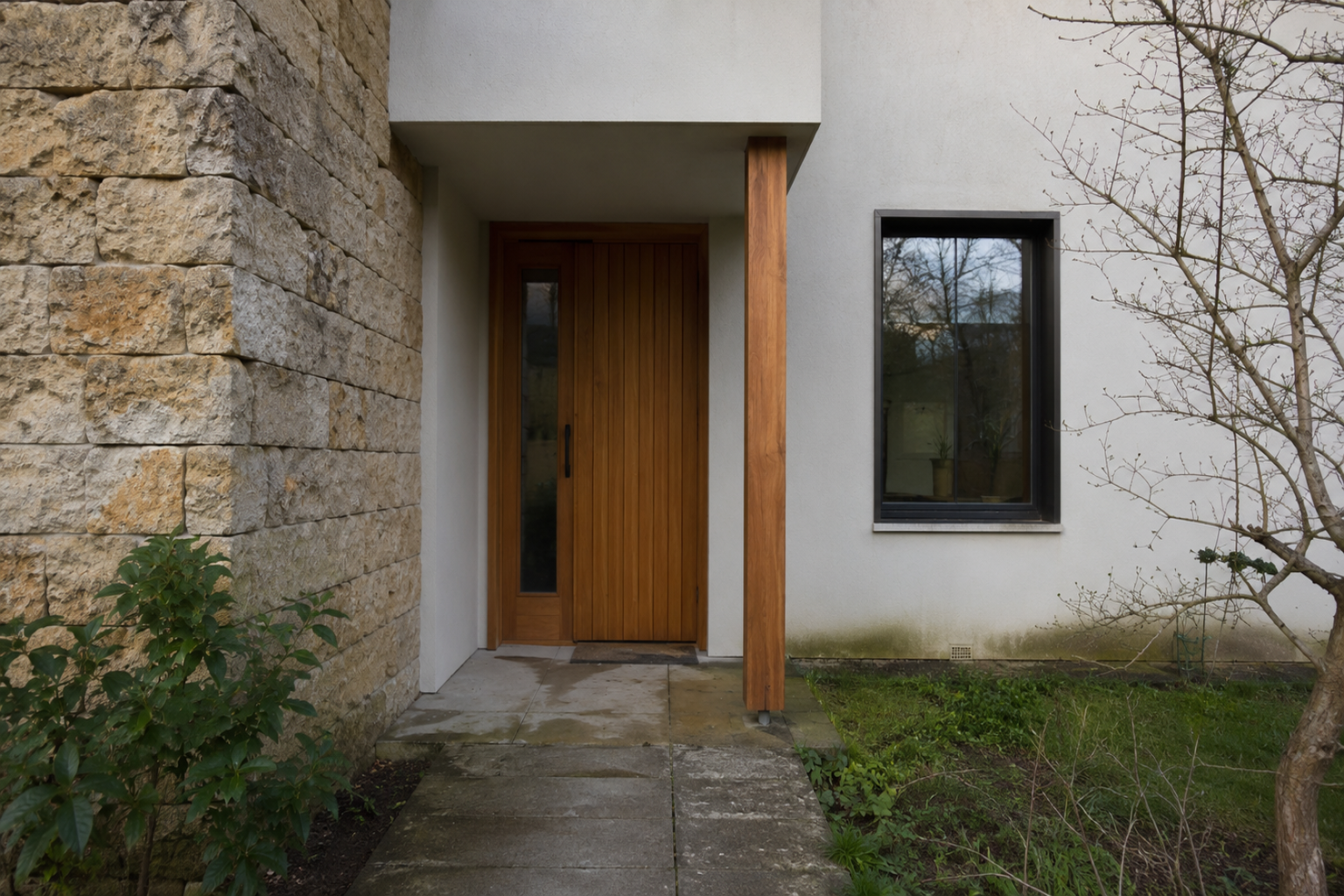
- Entryways: A textured feature wall creates a memorable first impression. Imagine a stone-clad entry that sets the tone for an earthy design.
- Living Areas: Subtle textures in soft furnishings, like woven throws or patterned cushions, can instantly make a space feel layered and inviting.
- Facades: Exterior textures, like Hardie Fine Sand Panels, bring visual interest and durability to a building’s façade.
- Borrow from Nature
Nature is a master of texture, offering endless inspiration for architectural and interior design.
- Rivers: Smooth pebbles and the fluidity of water inspire organic, flowing forms in design. Use curved shapes or materials like polished stones to emulate this effect.
- Forests: The rugged textures of bark or moss can add a rustic, grounded feel. Incorporate wood paneling or green walls for a natural vibe.
- Deserts: Sand’s soft, granular quality translates beautifully into warm, inviting finishes. Consider textured plaster walls or sandy-hued upholstery for a desert-inspired space.
These tips not only enhance your designs but also help you create spaces that feel tactile, inviting, and undeniably professional.
Mistakes to Avoid with Texture in Architecture and Design
1. Overdoing It
Too much texture can overwhelm a space, creating visual chaos instead of harmony. Mixing every texture you love in one room may sound fun, but it can make a space feel cluttered and uncoordinated.
Pro Tip: Stick to a balanced mix—three textures per space is often a good rule of thumb.
2. Ignoring Context
Textures should complement the overall style and purpose of the design. A rustic wood texture may look stunning, but it can feel out of place in a sleek, ultra-modern interior unless deliberately contrasted.
Pro Tip: Use contrasting textures sparingly and intentionally to create focal points without disrupting the design theme.
3. Missing Functionality
Textures aren't just about looks; they affect usability too. Rough materials in high-traffic areas, like flooring or seating, can cause wear, discomfort, or maintenance headaches.
Pro Tip: Prioritize function by using durable, comfortable textures in practical areas, reserving rougher or more fragile materials for decorative elements.
These small adjustments can help you avoid common pitfalls and make your designs both functional and visually stunning.
Refreshing Applications: Textures You’ve Overlooked
1. Sky Texture
Ever think of incorporating the sky into your design? Reflective glass can mimic its endless vastness, making a space feel open and expansive.
Pro Tip: Use reflective panels or skylights to bring natural light and the illusion of infinity into interiors, especially in confined urban spaces.
2. Water-Inspired Textures
Textures like rippled glass or polished stone capture the serene, fluid quality of water. These materials evoke calm and movement, ideal for relaxation-focused spaces like spas or modern living rooms.
Pro Tip: Combine rippled glass partitions with soft lighting to create a glowing, water-like effect that adds elegance and tranquility.
3. Ground Texture
Textured flooring—think terrazzo, patterned tiles, or stamped concrete—adds both durability and personality to a space. It’s practical for defining zones in open layouts while giving floors a dynamic, tactile quality.
Pro Tip: Use bold, textured tiles in entryways to create a striking first impression, while keeping smoother finishes in high-traffic areas for easy maintenance.
These overlooked textures don’t just enhance aesthetics—they elevate the entire sensory experience of a space.
Exterior Textures: Crafting Identity and Functionality
A modern exterior design featuring the contrast of polished concrete, natural wood slats, and textured stone elements, creating a harmonious and contemporary aesthetic.
When it comes to exteriors, texture isn’t just about aesthetics; it’s about creating identity, managing environmental factors, and ensuring durability. Over the years, I’ve seen how a well-chosen texture can completely transform a building—making it stand out or blend seamlessly with its surroundings. Here’s what I’ve learned about working with exterior textures and some practical tips to get it right.
Why Exterior Textures Matter
- Visual Identity
Exterior textures define the personality of a building. A sleek, polished concrete façade signals modernity, while rough-cut stone suggests timelessness and strength. The choice of texture sets expectations before anyone even steps inside. - Functional Considerations
Textures aren’t just visual—they’re functional. In harsh climates, rough or grooved textures can minimize the appearance of wear or weathering, while smooth surfaces are easier to maintain but may show flaws over time. - Contextual Harmony
A building’s exterior must respect its environment. For instance, in rural areas, natural materials like wood or stone harmonize with the landscape. In urban settings, metal panels or polished concrete might be more fitting.
My Experiences with Exterior Textures
One project I’ll never forget involved a client who wanted a sleek, ultra-modern home but in the middle of a wooded area. At first, the idea seemed contradictory. We settled on Tadao Ando-style polished concrete paired with natural wood slats. The smooth concrete gave the home its modern edge, while the wood created a connection to its natural setting. The result was a home that looked bold but still felt like it belonged.
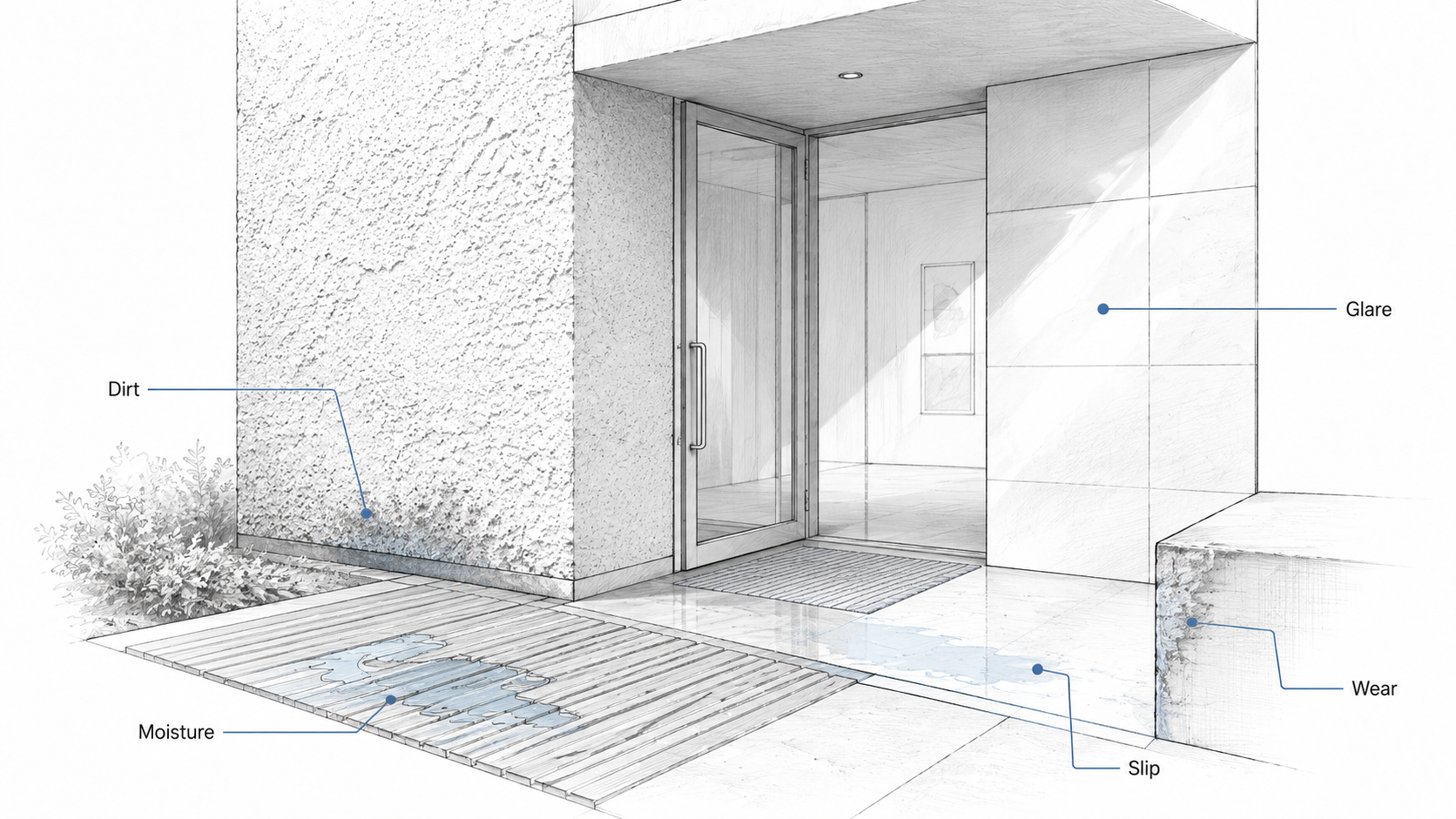
On another occasion, I worked on a public plaza that needed to feel inviting yet durable. We used textured stone pavers to give the area warmth while ensuring it could withstand heavy foot traffic. The slight irregularity in the stone also reduced slipperiness when wet—form meeting function.
Tips for Choosing and Applying Exterior Textures
- Think Climate First
- Hot and Dry Climates: Light-colored, textured materials like stucco or sandblasted stone reflect heat while adding character.
- Cold and Wet Climates: Rough, porous textures like brick or textured concrete can withstand freezing and thawing cycles better.
- Balance Texture and Smoothness
Too much texture can overwhelm a design. Pair rough materials like stone with smoother finishes like glass or metal for balance. - Highlight Key Areas
Use texture to draw attention. For example:- Feature walls with textured cladding.
- Entrances with stone or wood accents.
- Base-level textures that ground the design visually.
- Use Natural Light to Your Advantage
Texture interacts beautifully with light. A ribbed concrete wall, for instance, casts shadows that change throughout the day, adding dynamic visual interest. - Maintenance Matters
Always consider how a material will age. Polished surfaces may require frequent cleaning, while textured ones might hide dirt but trap moisture.
Practical Examples
- Stone Textures:
Use stacked stone or split-face stone for exteriors that need a rustic or timeless feel. A stone-clad façade can ground a design while adding durability. - Wood Textures:
Ideal for creating warmth. Go for vertical or horizontal slats in treated wood for a modern look, but ensure proper sealing to withstand weathering. - Metal Panels:
Brushed aluminum or corten steel adds a contemporary edge. I once used corten steel on a city art center—it started as a bold, rust-colored feature and aged beautifully to deepen the texture over time. - Concrete Textures:
Tadao Ando’s polished concrete is a personal favorite, but don’t overlook rough-cast concrete for industrial vibes. Use form liners to create patterns for added personality.
Mistakes to Avoid
- Overcomplication:
Combining too many textures can make a building feel chaotic. Stick to 2-3 complementary materials. - Ignoring Environment:
Using materials that don’t suit the climate (like untreated wood in a rainy area) leads to long-term issues. - Forgetting Maintenance:
Textures like rough stone can trap dirt and moss, requiring regular cleaning—something clients don’t always anticipate.
Exterior textures have the power to elevate a building’s presence, make it memorable, and even tell a story. When chosen and applied with care, they don’t just enhance aesthetics—they shape the experience of the space. So, take your time, experiment thoughtfully, and remember: a well-textured exterior is an invitation to step inside.
FAQs About Texture in Architecture
Balancing and Coordinating Textures
Q: How can I balance multiple textures in a single design?
A: Stick to a consistent theme and let one texture dominate while others complement. For instance, pair polished concrete floors with soft textiles like wool rugs for contrast.
Q: Can I use bold textures in small spaces?
A: Yes, but in moderation. Focus on one feature wall or a standout element like a textured backsplash to avoid overwhelming the space.
Textures and Design Styles
Q: Can texture replace color in a design?
A: Absolutely! Neutral tones with diverse textures can create rich, monochromatic spaces that feel sophisticated and layered.
Q: What’s the best texture for minimalist designs?
A: Opt for smooth, clean finishes like polished concrete, matte glass, or brushed metal. These textures add depth without detracting from the simplicity.
Practical Applications of Texture
Q: How can texture influence the mood of a space?
A: Rough textures like exposed brick add warmth and coziness, while smooth textures like glass or polished stone evoke sophistication and modernity.
Q: Are textured materials harder to maintain?
A: Some are. For example, rough stone can trap dust and dirt, while polished surfaces are easier to clean. Choose textures based on the function of the space.
Textures and Specific Materials
Q: What textures work best for outdoor spaces?
A: Durable materials like rough stone, textured concrete, or weathered wood withstand the elements while adding character.
Q: How do natural textures like wood or grass compare to artificial ones?
A: Natural textures bring authenticity and warmth, while artificial ones often offer greater durability and versatility. Use both strategically depending on the project.
Innovative Texture Ideas
Q: Can digital tools help with texture in design?
A: Definitely! Platforms like Poliigon or Photoshop enable architects to experiment with textures before implementation, saving time and money.
Q: How can lighting enhance textured surfaces?
A: Lighting adds depth and dimension. For example, uplighting a textured wall can create dramatic shadows, while natural light highlights subtle textures like wood grain.
Design Challenges
Q: What are common mistakes in applying texture?
A: Overloading a space with too many competing textures or ignoring the functional aspects, like using rough materials in high-traffic areas, are frequent missteps.
Q: How do I balance texture in an open-plan layout?
A: Use consistent textures across zones while incorporating subtle contrasts to define specific areas, such as using textured tiles in the kitchen and smooth wood floors in the living area.
Keep Learning: Next Steps
Practical Exercises
- Sketch a building façade incorporating three contrasting textures.
- Create a texture board using digital tools like Photoshop or Poliigon.
Final Thoughts
Texture is more than just a visual detail—it’s what brings a design to life. Thoughtful use of texture adds depth, character, and a sense of connection to any space. It’s not about piling on every texture you can think of; it’s about knowing when and where it will have the most impact.
When you let texture work alongside light, color, and form, the result isn’t just a space that looks good—it’s one that feels right. So, next time you’re designing, think about what the textures are saying and how they contribute to the overall experience. After all, design is as much about how we feel in a space as it is about how it looks.
More Guides
Texture in Architecture
- Texture in Architecture
- Light, Color, and Texture in Architecture
- Architecture Texture Drawing
- Architecture Texture Photoshop
- Texture Material Architecture
Specific Material Textures
- Concrete Texture in Architecture
- Architectural Concrete Texture
- Tadao Ando Concrete Texture
- Ando Concrete Texture
- Stone Texture Architecture
- Wood Texture Architecture
- Wood Texture Architecture Drawing
Natural Textures
- Grass Texture Architecture
- Grass Architecture Texture
- Ground Texture Architecture
- Sky Texture Architecture
- Water Texture Architecture
Specialty Textures
- Poliigon Textures Architectural
- Hardie Architectural Panel Fine Sand
- Hardie Fine Sand Grooved
Photoshop and Rendering Textures
- Photoshop Architecture Textures
- Textures for Photoshop Architecture
- Photoshop Textures for Architecture
- Architectural Textures for Photoshop
- Architecture Collage Textures
- Blender Architecture Materials
- Free Architecture Textures for Photoshop
- Seamless Architecture Textures
Rendering and Visualization
- Architectural Rendering Textures
- Archviz Textures
- Architecture Material Textures
Free and Downloadable Resources
- Free Architecture Textures
- Free Architectural Textures
- Architectural Textures Free Download