
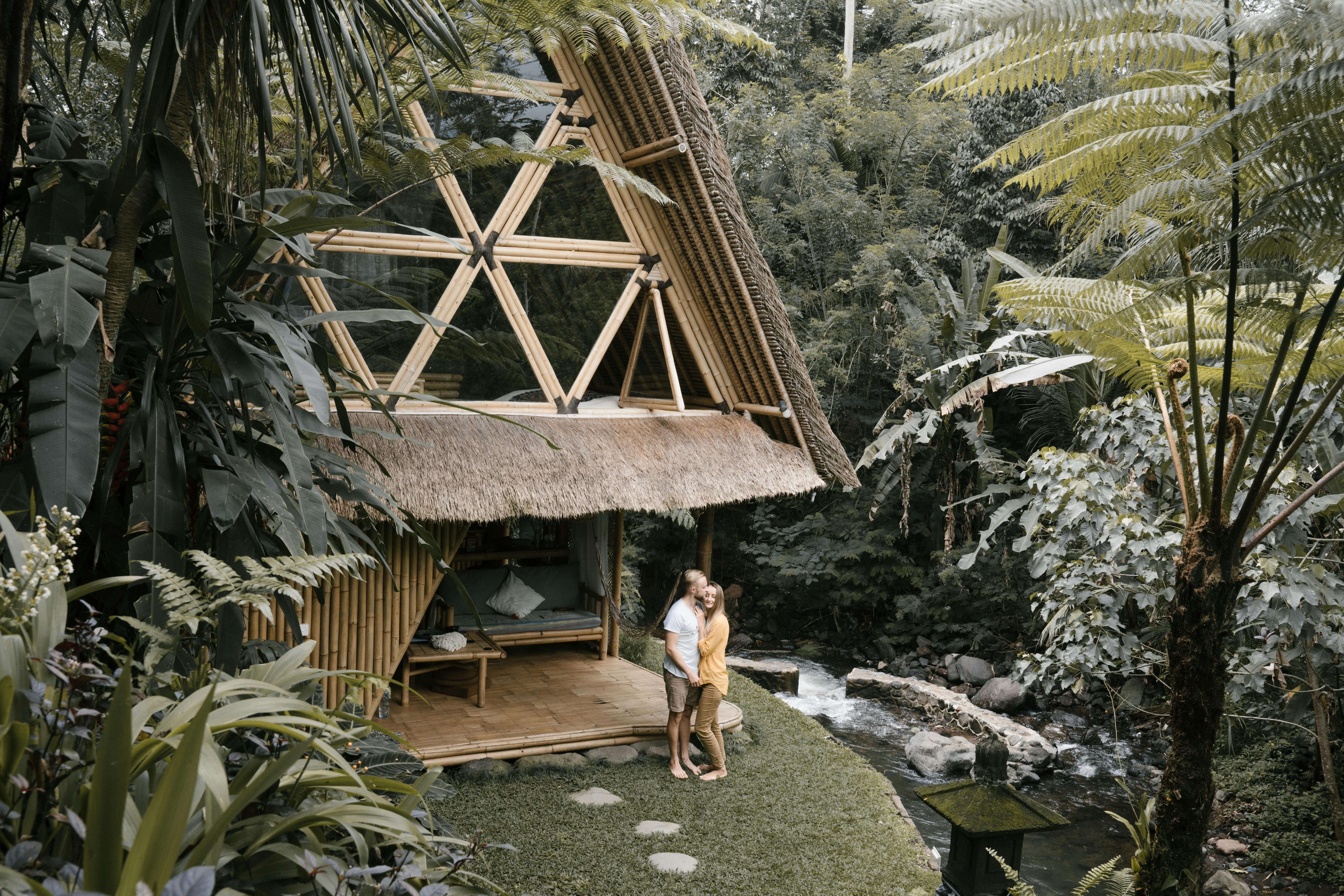
How to Start Your Own Mud and Bamboo Project (Without Screwing It Up)
You’ve watched the videos. Read the blogs. Maybe even mixed some test clay in your backyard.
Now you're ready to start. But where do you even begin?
Here’s a simple, practical breakdown of how to actually pull off a build that doesn’t collapse, crack, or rot in the first season.
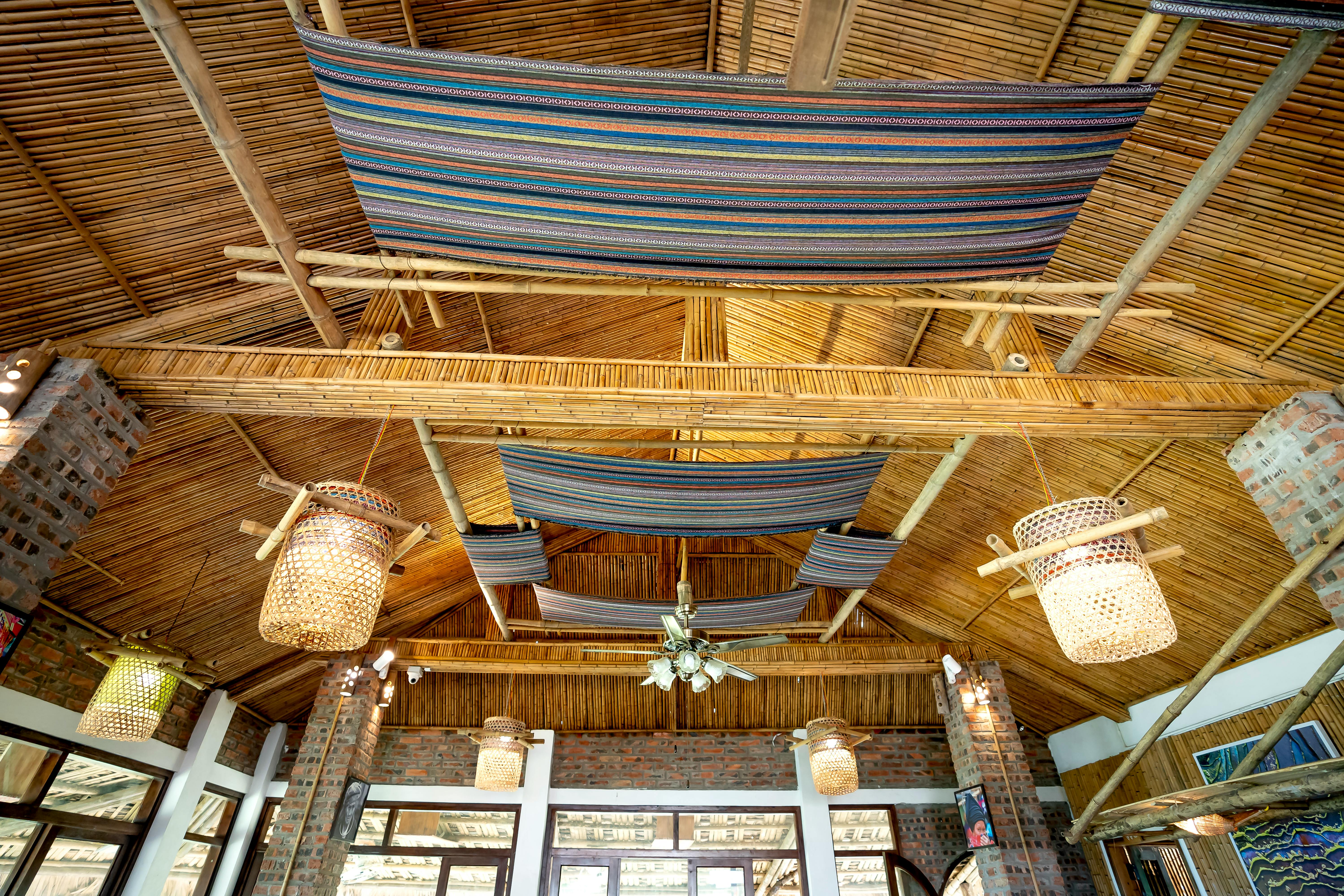
Image: Interior of a traditional cafe with a mud and bamboo roof, showcasing rustic design and natural materials in a cozy, inviting setting.
How to Launch Your Mud and Bamboo Building Project
Mud and Bamboo Architecture: Getting Started the Right Way
Mud and Bamboo Construction: Steps to Begin Successfully
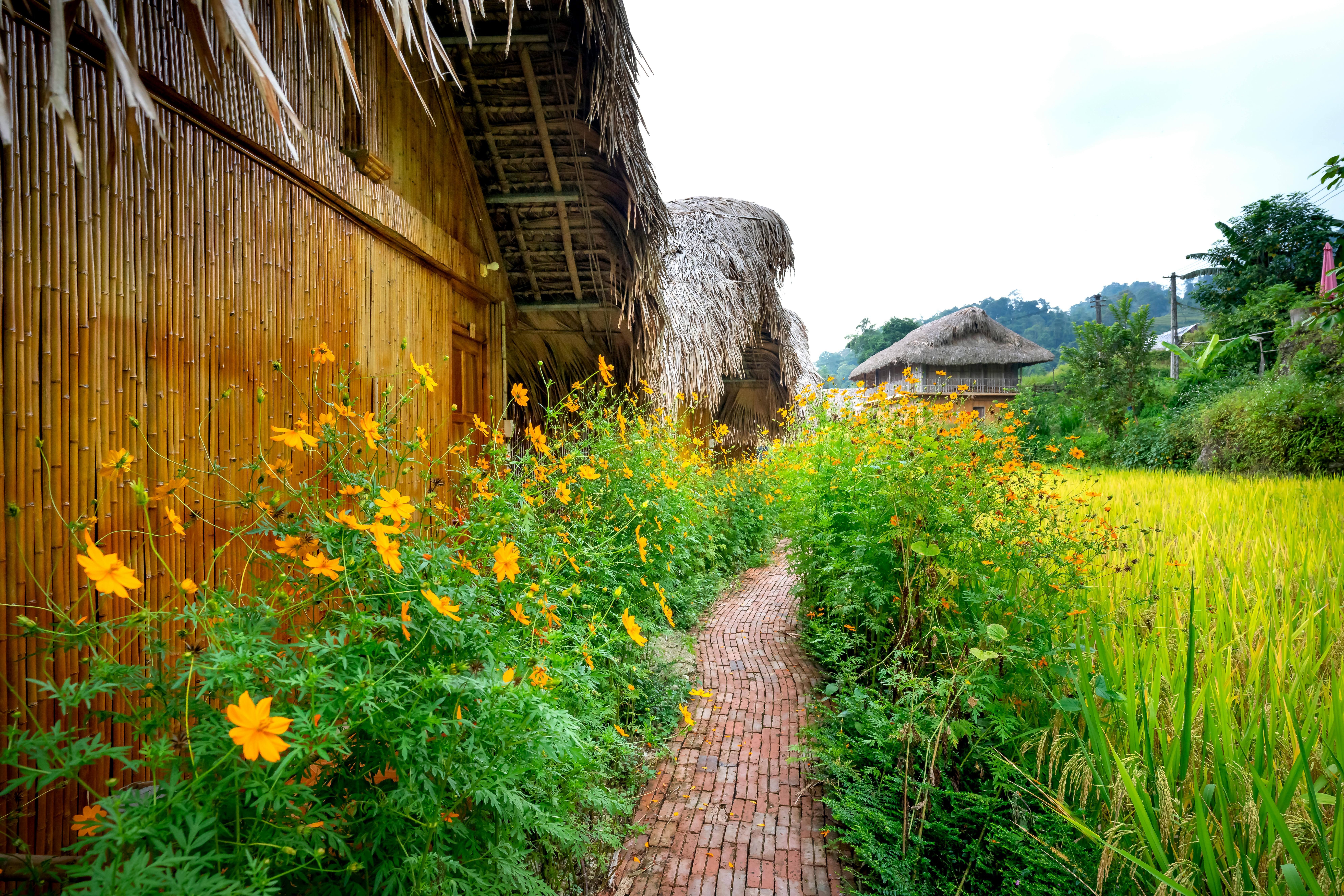
Image: Settlement of small mud and bamboo huts in the countryside, emphasizing sustainable living and blending seamlessly with the natural surroundings.
Beginner's Guide to Building with Mud and Bamboo
1. First, Test Your Soil (And Don’t Skip This)
Before you draw a single line or cut any bamboo, you’ve got to know your earth’s personality.
Here’s a basic soil test:
▪ Take a jar → 1/3 soil, 2/3 water, shake it up. Let it settle overnight.
▪ Watch the layers → Sand sinks, then silt, then clay.
▪ Ideal mix → 20–30% clay, rest sandy/silty. Too much clay = cracks. Too little = crumbles.
Not good enough? Improve it:
● Add sand if it’s too sticky
● Add straw or chopped fibers for body
● Add lime or cow dung (yes, really) for durability and bug resistance
Bonus tip: Make a few test bricks. Let them dry in the sun. Drop them. Spray them with water. See what holds.
2. Pick Your Foundation Wisely
You don’t need concrete. But you do need a solid base.
Popular mud house foundations:
▪ Rubble trench → Dig a trench, line it with stones + gravel. It drains water like a boss.
▪ Stabilized earth blocks → Stack a few layers of compressed blocks for a base wall.
▪ Brick + lime mortar → If budget allows, go this route for durability and faster assembly.
Don’t ever set earth walls directly on dirt. They’ll wick up water and turn to mush.
3. Frame Smart—Especially with Bamboo
Bamboo’s flexible, strong, and lightweight. But it’s not idiot-proof.
Bamboo framing musts:
● Use older bamboo (3+ years)—younger stuff rots fast
● Cure it—soak in borax + boric acid (or lime water if that’s what you’ve got)
● Raise it off the ground—never let it sit in moisture
● Lash or bolt with breathable joints—tight, but not suffocating
Best use? Post-and-beam frame with infill walls. The bamboo handles the structure. The mud keeps you cool (and warm) inside.
4. Build Walls with Real Tools—Not Just Hands
Hand-building is romantic until you’ve got 200 bricks to move and a wall that leans like it’s been drinking.
Use the right tools:
● Mixing pits or tarps – to mix clay, sand, straw, water
● Wood forms – for consistency when making adobe bricks
● Rebar or bamboo guides – to align your walls straight
● Plumb bob + string line – keeps corners 90° and vertical
● Rubber mallet – don’t hammer with a rock like a caveman
Start with test walls, small sections just to see how your mud behaves. Fix problems while they’re small.
5. Roofing—Your Make-or-Break Moment
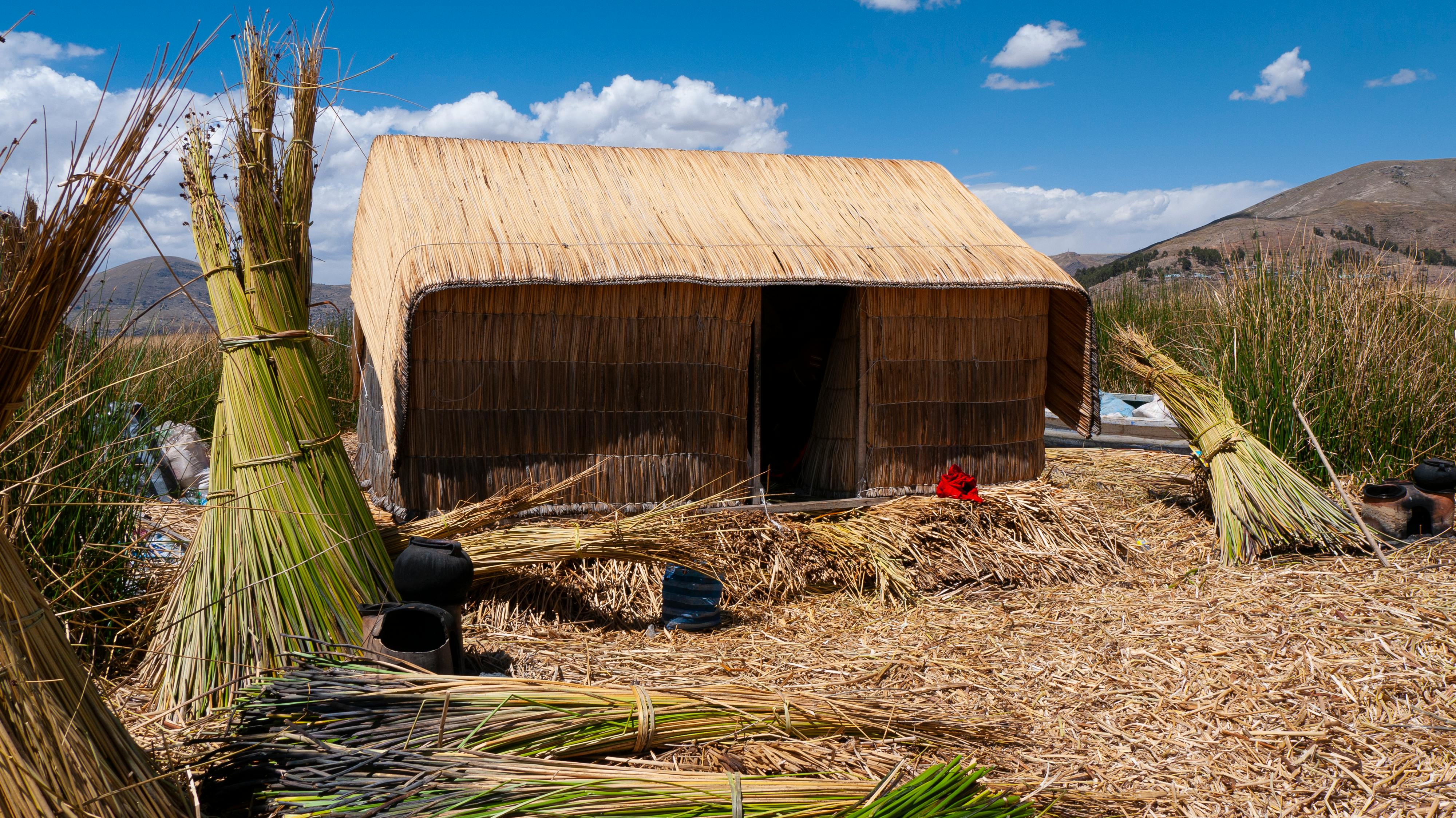
Even if your walls are perfect, the wrong roof will ruin everything.
Here’s what works:
Low budget:
● Corrugated metal + overhangs
● Palmyra leaves with a steep pitch (but you’ll need to re-thatch yearly)
Mid-tier:
● Bamboo truss + thatch + waterproof membrane
● Tiled roofs with proper framing + support
Pro tip: Overhangs should stick out at least 2 feet. Keeps walls dry.
Remember: your roof isn’t just a lid. It’s your primary protection system.
6. Plaster and Finish Like It’s the Final Touch (Because It Is)
You’ve put in the hours—don’t slap on a lazy finish.
Mud plaster mix:
● 1 part clay soil
● 2 parts sand
● A handful of chopped straw
● Add flour paste or cactus juice for stickiness (seriously, it works)
Lime wash or clay paint can seal your walls without choking them.
Want fancy? Natural pigments + oxides + smooth burnish. Looks incredible, costs very little.
And yes—you can embed artwork, stones, glass, even mosaics into your plaster.
7. Drying, Settling, and How to Stay Patient
Here’s the part most people rush—and regret later.
● Let walls cure slowly, especially in hot weather
● Shade them from direct sun
● Keep misting to prevent cracks
Expect some movement. Mud flexes. Bamboo shrinks. That’s normal.
Don’t panic. Just watch, learn, patch. You’re not building IKEA furniture—you’re growing a shelter.
So, How Long Does It All Take?
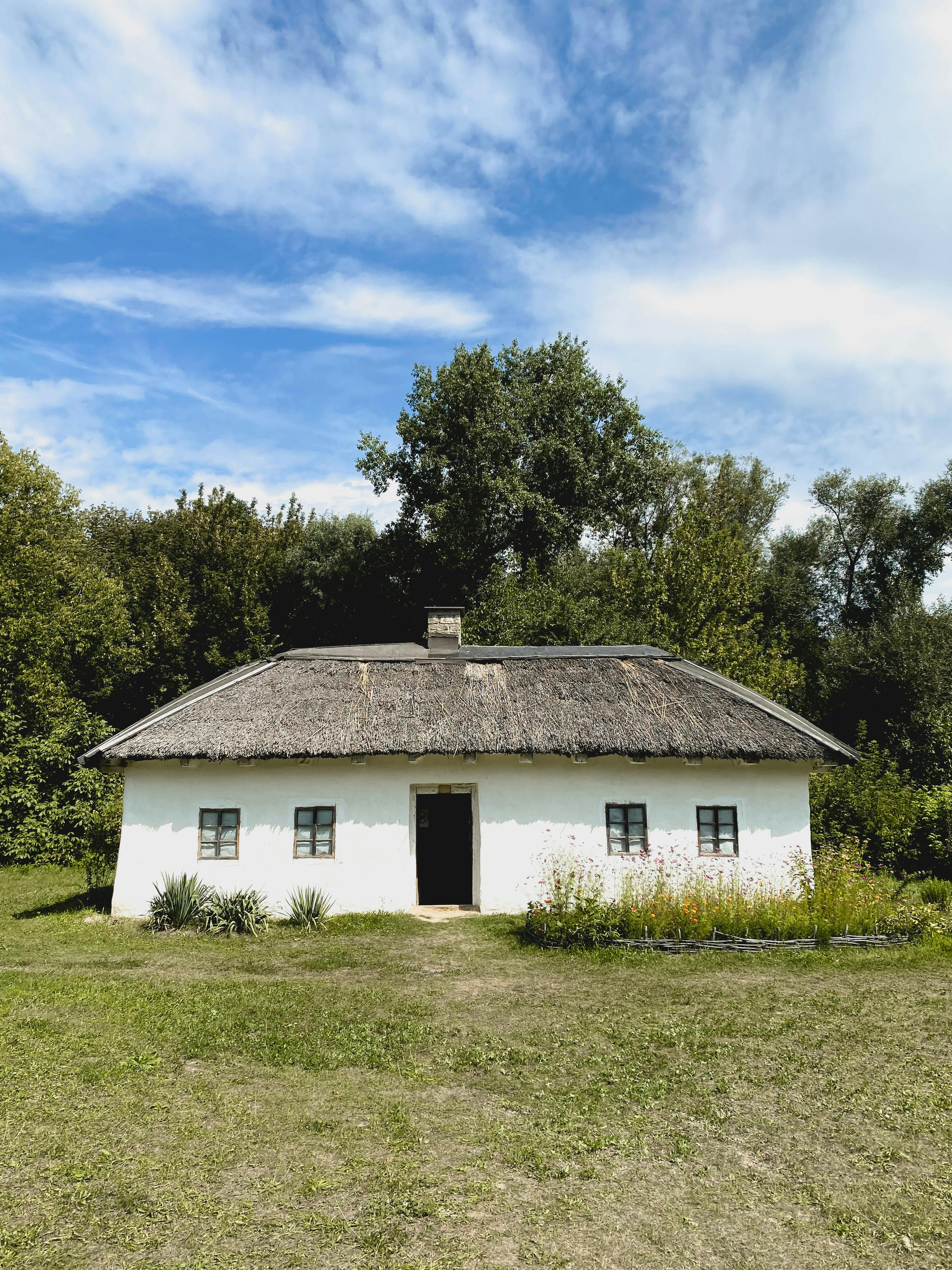
Short answer: depends on your team, size, and how prepared you are.
Here’s a rough solo schedule for a tiny house (3x3m):
● Week 1–2: Site prep + foundation
● Week 3–5: Frame + walls
● Week 6–7: Roofing
● Week 8: Plaster + finish
● Week 9: Settling + patching
● Week 10: Move in and show off
With help? Cut that time in half. With no plan? Double it—and maybe don’t start.
Bringing Bamboo into the City: Hybrid Builds That Don’t Lose the Soul
So here’s the challenge:
You love natural building. Mud walls, bamboo frames, earth floors—the whole vibe. But now you’re stepping into commercial spaces or urban sites. The rules are different. You’ve got to meet codes, clients want durability, and city planning doesn’t care how beautiful your wattle-and-daub wall is unless it stands up to fire and wind load.
This part is about how to bring mud and bamboo into modern city projects—without turning it into something soulless.
Let’s break it down.
Why Hybrid Bamboo Construction Works in the City
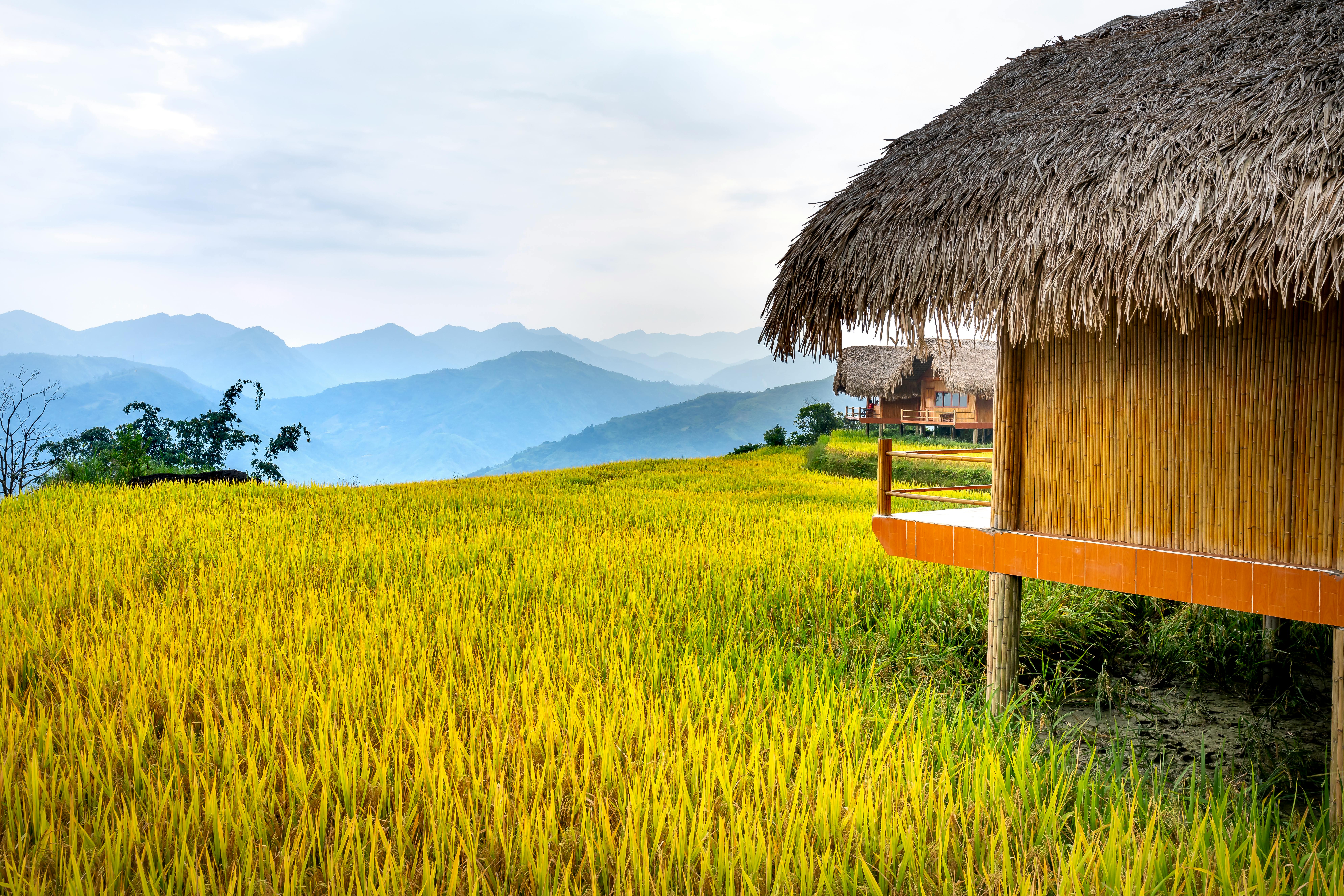
Image: Bungalows near grassy hills in a village, showcasing mud and bamboo huts with distinctive design elements, blending naturally with the surroundings.
It’s all about balance. You’re not abandoning natural building—you’re adapting it.
What hybrid actually means:
You combine bamboo with other materials like steel, concrete, or stabilized earth blocks. You're still using natural techniques, but you’re reinforcing them to handle city conditions, heavier loads, more people, and sometimes taller structures.
Why it matters:
You get the benefits of bamboo—flexibility, renewability, natural appeal—without compromising safety or function.
Real Projects Doing This Right
1. Green School Bali – Elora Hardy (IBUKU)
A world-class example of high-end, fully bamboo architecture—classrooms, auditoriums, bridges—all built from bamboo but designed with engineering precision.
What makes it work:
Structural bamboo is treated, joints are engineered, and the aesthetic feels modern but deeply rooted in nature. They use certified bamboo construction that holds up to international safety standards.
2. Bamboo Office Pod – Zuarinagar, India
In a crowded industrial zone, this build used treated bamboo, steel base plates, and prefabricated panels to create a modular office pod.
Why it matters:
It showed that even in high-density zones, you can use bamboo as a primary frame material without breaking urban codes.
How to Build Hybrid: Materials That Work Well Together
Here’s what we’ve actually used (and seen others use) on real projects:
● Bamboo + Concrete – Use reinforced concrete foundations with bamboo frame walls. Great for seismic zones.
● Bamboo + Steel – When you need long spans or added strength, steel connectors or supports make your structure more compliant and easier to get approved.
● Bamboo + Compressed Stabilized Earth Blocks (CSEB) – Still earthy, still beautiful, but more durable and stable for city builds.
● Mud Plaster Over Panels – Want that earthen finish inside a commercial space? Use natural mud plasters over cement board or hempcrete panels.
In Focus: Fire Safety and Building Codes
This is the elephant in the room.
Most city projects will shoot down your design the moment someone asks: “Is this fire-rated?”
Here’s how to deal with that without compromising your build:
● Use treated bamboo only. Borax-boric acid solution works well and is non-toxic.
● Cover structural bamboo with fire-rated plasters or paneling where required.
● Use hybrid floor systems. Bamboo joists with concrete topping or composite board gives you that organic feel but passes inspection.
● Work with an engineer early. Especially one who knows local codes and has dealt with alternative materials before.
What You Can Build With This Approach
● Cafes, yoga studios, pop-up retail
● Co-working spaces or modular offices
● Rooftop greenhouses and garden pavilions
● City parks, public toilets, kiosks
● Boutique hotels or retreats (even in tight urban zones)
What to Focus On If You Want to Build This Way
● Treated structural bamboo – You need durability, resistance to bugs, and load-bearing strength.
● Connections – Hybrid builds depend on good junctions. Use steel joints, bolts, gusset plates.
● Waterproofing and finishes – Rain, urban grime, and foot traffic are brutal. Protect your walls, seal everything right.
● Acoustic and thermal performance – Mud walls are good here, but test combinations. Add hempcrete or internal insulation as needed.
● Modularity – Think in parts. Easy to transport, replace, or scale up.
Here’s a curveball:
Some commercial bamboo buildings are cheaper to maintain than their concrete counterparts.
They breathe better, they don’t heat up like cement, and when finished properly, bamboo lasts decades.
What’s more? You can prefab most of the bamboo work offsite, bring it in, and assemble faster than pouring concrete. That’s a game-changer for urban builds where time = money.
Do & Don’t: Hybrid Bamboo + Modern Builds
Do: ▪ Work with an architect who understands natural systems
▪ Use treated, certified bamboo
▪ Mix bamboo with durable partners like concrete, steel, or CSEBs
▪ Test everything: acoustics, water, wind, thermal
▪ Apply for permits early and explain your methods clearly
Don’t: ✖ Use raw bamboo untreated in city projects
✖ Skip structural calculations
✖ Assume rural techniques will scale as-is
✖ Ignore local fire and building codes
✖ Rely on unskilled labor for joints or hybrid integration
Related: Housing Concepts Explained: From Traditional Styles to Minimalist Trends
Final Thoughts
Hybrid bamboo isn’t a compromise—it’s an evolution.
It gives you the power to build natural, soulful spaces that still check all the boxes: safety, code compliance, comfort, and function.
And honestly? In a world of glass boxes and concrete jungles, these builds feel like a breath of fresh air.
Keep the craft alive. Adapt smart. Build beautiful.
What You’ll Gain (That’s Not Just a House)
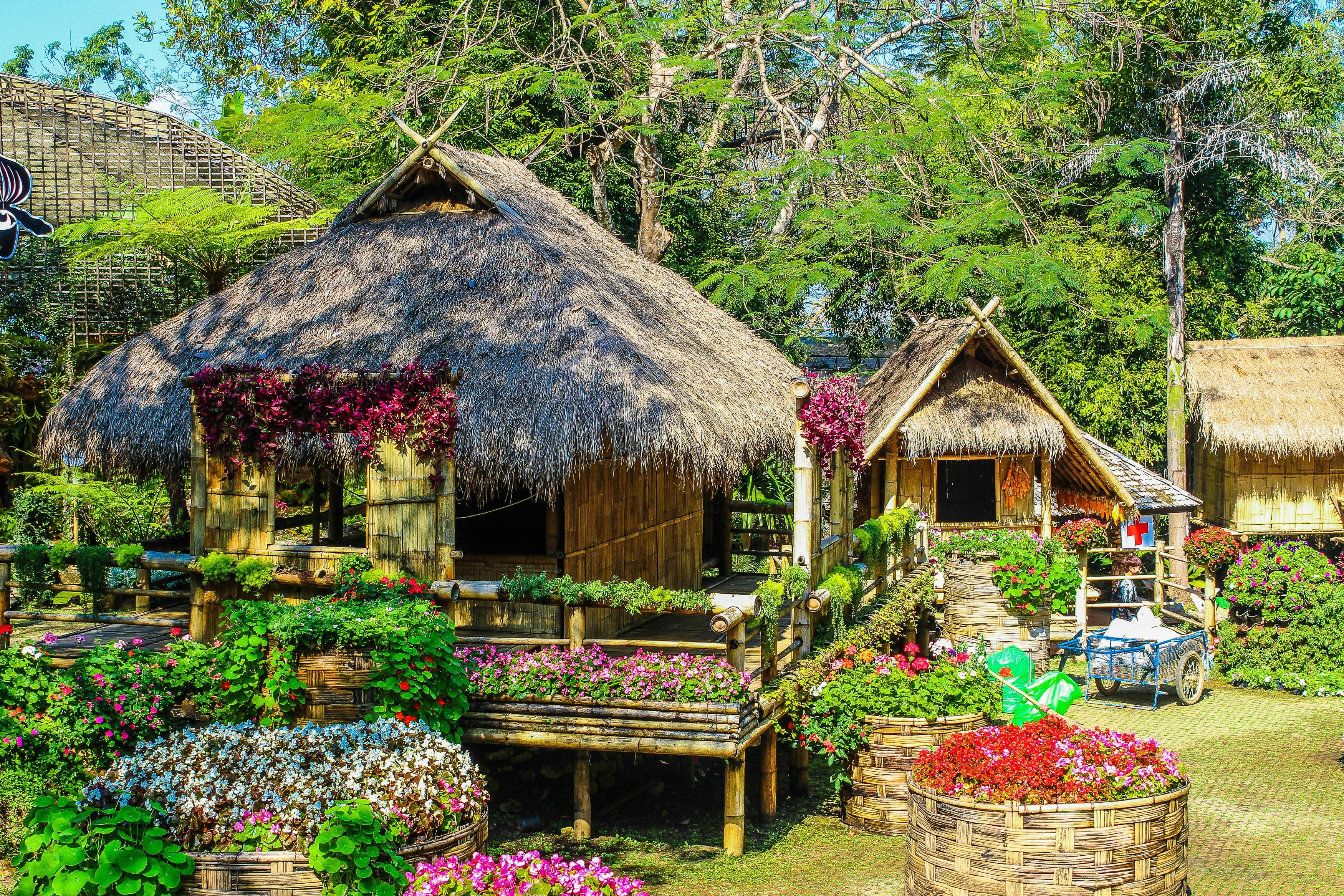
Image: Mud and bamboo huts nestled in lush greenery, offering a peaceful and serene atmosphere that blends harmoniously with nature.
You’ll end up with:
● A home that breathes with the seasons
● Walls that feel soft but hold strong
● Pride in every fingerprint and smudge
● A build that taught you more than any classroom ever could
But more than that?
You’ll build confidence. You’ll learn to solve problems creatively. You’ll step into a totally different pace of life.
And that’s something you won’t find in most buildings today.
Essential Tips for Your First Mud and Bamboo Construction
Avoiding Mistakes in Your Mud and Bamboo Building Journey
Why Cardboard Fails in Mud and Bamboo Construction
Cardboard might look harmless—maybe even helpful. But when it’s mixed into natural building systems like mud and bamboo, it quickly becomes a problem.
● It traps moisture → Mud walls need to breathe. Cardboard stops that. It holds water, leading to mold, rot, and collapsing wall sections.
● It breaks down fast → Mud has weight. Bamboo flexes with movement. Cardboard? It sags, warps, and disintegrates—especially in humid climates.
● It doesn’t bond with earth or lime → Unlike straw or hemp, cardboard doesn’t integrate well. It separates from the mud over time, creating cracks and weak spots.
● It attracts pests → Termites, ants, mice—they love cardboard. Tuck it in your walls and you're basically inviting them in.
● It adds zero structural value → Bamboo offers tensile strength. Mud offers mass and insulation. Cardboard offers… headaches.
So no—don’t layer cardboard behind bamboo, between earth plasters, or inside walls. Use breathable, durable natural materials instead: straw, hemp, wool, or wood chips all work with mud, not against it.
Natural Materials That Actually Work With Mud & Bamboo
If you want your walls to last, breathe, and hold together under real-life conditions, use materials that naturally bond with mud and match bamboo’s flexibility.
Here’s what works beautifully:
● Straw or rice husk – Classic for a reason. It adds tensile strength and binds well with earth. Cheap, local, and reliable.
● Chopped hemp or jute fibers – Great for reinforcement and thermal performance. Works well in interior plasters too.
● Sisal or coir (coconut fiber) – Strong, rot-resistant, and ideal for mixing into base coats or in-fill walls.
● Animal hair (goat, horse, cow) – Old-school, but still effective in finish layers for crack control.
● Wood shavings or fine sawdust – Works in small amounts as insulation filler or binder—just make sure it’s dry and untreated.
Bonus for insulation-only sections:
● Sheep wool, cork, or hemp batts – Perfect for stuffing between bamboo frames (if protected from water exposure).
What to Avoid Like the Plague
These might sound clever at first—but in practice, they create more harm than help:
✖ Cardboard – Traps moisture, rots fast, weak structure
✖ Plastic sheeting – Blocks breathability, leads to condensation and mold
✖ Fiberglass insulation – Not breathable, gets soggy, and nasty to work with
✖ Old foam panels – Crumble over time, non-biodegradable, and kill your wall’s ability to “breathe”
✖ Any modern paint or varnish on bamboo – Seals it too tight, causes internal moisture and cracking
FAQs: Building Hybrid with Bamboo
Q: Is bamboo legal to use in commercial buildings?
Yes, but it depends on your region. You’ll likely need to submit detailed plans, treatment certifications, and sometimes third-party structural tests.
Q: Does hybrid mean I have to compromise on natural design?
Not at all. It just means you're adding smart support systems. Your space can still feel raw, honest, and deeply connected to nature.
Q: How long does treated bamboo last?
20 to 50 years depending on exposure, maintenance, and treatment quality.
Q: Can I use bamboo for multi-storey buildings?
Yes, but not alone. Pair it with concrete or steel frames and use bamboo for cladding, walls, or interiors.
Best Books on Building with Bamboo & Natural Materials
Here are top books worth keeping in your toolkit:
1. "Building with Bamboo" by Gernot Minke
→ A must-read. Covers design principles, treatment, joints, and modern applications.
2. "The Barefoot Architect" by Johan van Lengen
→ Great for understanding low-cost, sustainable building techniques, including earth and bamboo.
3. "Bamboo Architecture & Design" by Chris van Uffelen
→ Real-world examples, lots of hybrid city projects, and tons of visual references.
4. "The Art of Natural Building" edited by Kennedy, Smith & Wanek
→ A full guide for mixing materials, techniques, and natural design ethics.
Related
- Mud and Bamboo Architecture: Benefits and Methods
- Natural Building Materials: A Comprehensive Guide for Builders and Students
- Natural Insulation Materials: Types, Benefits, and Practical Tips
- Impact of the Built Environment on the Natural Environment
- How Nature Teaches Balance: A Guide for Architects and Designers
- Natural Stone for Architecture: Types, Benefits, and Design Insights
- Natural Stone Benchtops: What You Need to Know
- Organic Parametric Architecture: Fluid Forms Inspired by Nature
- Biophilic: Nature-Inspired Living and the Power of Design
- Biophilic Design: Transforming Cities with Nature-Inspired Architecture
- 14 Patterns of Biophilic Design: Merging Nature with Cutting-Edge Architectural Trends
- Biophilic Interior Design: Nature’s Influence on Indoor Spaces
- Nature in Parametric Design: Harnessing the Beauty of Organic Forms
- Building with Vernacular Materials: What You Should Know
- Understanding Vernacular Architecture: A Beginner’s Guide
- Housing Concepts Explained: From Traditional Styles to Minimalist Trends
Official Resources & References
● International Network for Bamboo and Rattan (INBAR) – inbar.int
● Arup & INBAR Bamboo Construction Guidelines – Practical structural guidance
● World Bamboo Organization – worldbamboo.net
● Earthbuilders Guild – earthbuildersguild.com