

What Makes Biophilic Interiors Feel Honest
I didn’t learn it from books. I learned it because I was burning out. Architecture is a strange job. You spend your days trying to make spaces calm, balanced, and uplifting for other people. Then you go home and realize your own place is stiff, cold, and not working for you at all.
It hit me one night after another long day. My drawings were full of plants, soft light, and open views. My apartment had none of it. That gap made the stress louder. So I finally stopped overthinking and built it for myself. Small place. Nothing flashy. Just wood, air, and enough greenery that the walls felt less like walls.
The change was blunt. I started coming home and actually recovering. Not scrolling, not forcing it. Just letting the room carry some of the weight I had been dragging around all week.
I did not call it biophilic design at the time. I just wanted a place that did not drain me more than the office already did. The plants, the wood, the air. They worked. Simple as that.
If you want to see the bigger field, Biophilic Design in Action: How Nature Shapes Better Cities connects personal interiors to city planning. And Nature-Inspired Architecture: Real Examples and Lessons for Designers shows how simple, honest moves play out in practice.
Core moves that matter
- Daylight control first. Windows, shade, orientation. One floor plan adjusted reveal depth. Ceiling plaster got changed once so light would bounce instead of burn.
- Views with purpose. Trees seen from where people sit. Sky where they stand. Exterior planting considered early saves weeks of shade fixes.
- Tactile authenticity. Real wood, stone, plaster. Surfaces that age, not synthetic veneers that peel. Your hands should find story.
If you want theory to name what you see, pick up Biophilic Design: The Theory, Science and Practice by Kellert.
Biophilic Moves That Actually Work Indoors
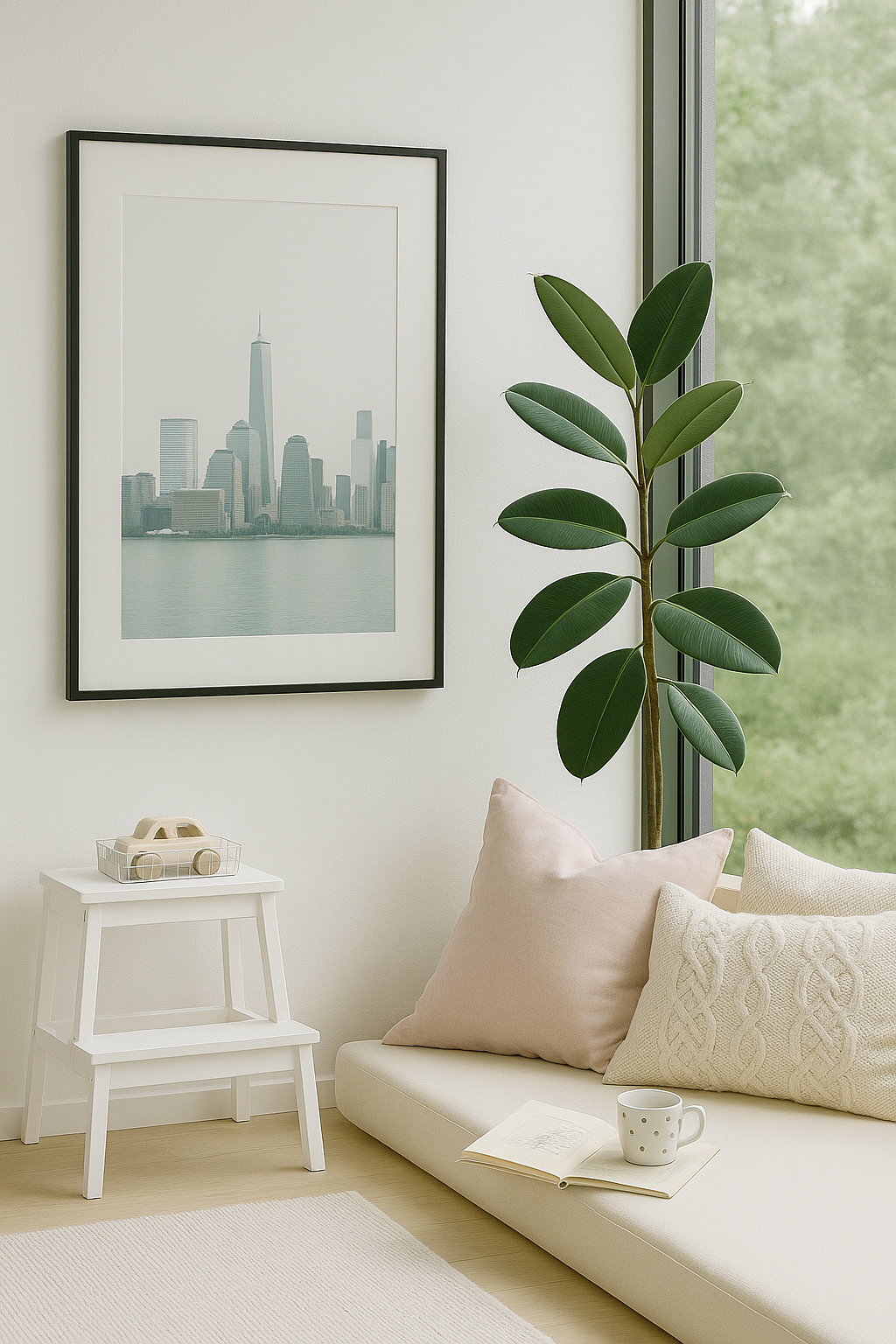
Most interiors fake it. A couple of potted plants, maybe a moss wall, and someone stamps it “biophilic.” Honest moves are quieter and daily. They show up in what people see, touch, and breathe every day.
- Views matter more than spectacle. On an office job we skipped the jungle atrium. Instead, clusters of desks looked out to a small bamboo and stone garden. Staff liked having a calm pocket view more than a lobby showpiece.
- Wood at hand level. Oak rails, timber desktops, stone underfoot. Natural feel at touch points survives longer and carries more honesty than fake greenery meters away.
- Refuge beats display. A quiet nook with filtered light calms people more than a giant green wall ever will.
If you want examples across scales, see Biophilic Architecture. For office lessons that actually land, the guide on Biophilic Office Design: Creating Healthier, Happier Workspaces is the playbook I wish clients read earlier.
FIELD PICK: Nature Inside: A Biophilic Design Guide by Oliver Heath. Clear details from someone who actually builds, not just theorizes.
Elements That Hold Up on Site
Principles don’t mean much if the details fail. The honest moves only survive when systems and costs are handled right.
- Daylight you can live in. Clerestories angled wrong once flooded the wrong wall at noon. We fixed it with higher windows and lighter finishes. Light on surfaces, not headaches.
- Air, texture, sound. One workplace used wood ceiling slats, operable windows, and a small water feature. The mix softened acoustics and gave people real comfort.
- Plant systems that last. At one site, plants fried under bad lighting. Another site budgeted irrigation, grow lights, and pruning. Two years later, that installation still works.
Mistakes to avoid
- Big glass without shading. Glare, heat, higher bills.
- No maintenance plan. Green walls collapse under neglect.
- Fake materials. Vinyl plants and cheap prints age badly.
- No refuges. People drift when there’s nowhere quiet.
Costs in the field
A planned $5,000 living wall became $12,000 per year in upkeep. We switched to exterior trees and bigger windows. Staff were happier.
A CA$4,000 set of wood slats behind desks reduced glare and noise. Cheaper than the thick carpets the client first wanted, and far more effective.
For workplaces specifically, reference Biophilic Office Design: Creating Healthier, Happier Workspaces. It shows where the details hold under daily use.
Pro Moves and Quick Wins
Pin this on the wall and work through it. Uneven on purpose. Do what you can this week.
- Move views early. Draw sight lines from real seats. Keep them clear of storage and signage.
- Protect refuges. A small bench under a good window beats any decorative tree in the lobby.
- Control glare with shade. Exterior overhangs and light shelves beat interior blinds. Softer light, fewer complaints.
- Wood at touch points. Oak rail. Stone threshold. Timber desk edge. Cheap, durable, and noticed every day.
- Pick one signature move. A stair washed with filtered light, a corner with depth and calm. Do one thing well.
- Write the maintenance plan before plants arrive. Irrigation, lighting, pruning. Without it, keep the design simple.
- Choose materials that age well. Real wood, real stone. Avoid veneers that peel within a year.
- Watch how people actually use the room. Fix the hot spots and harsh light first. The rest follows.
MUST READ: Nature Inside: A Biophilic Design Guide by Oliver Heath. Practical, not decorative. Good field reference.
Where Biophilic and Sustainable Split
Clients often blur the two. They hear “eco” and assume plants and low carbon are the same package. They are not. Sustainability is about numbers—energy use, carbon, durability. Biophilia is about how a room makes people feel. The mistake is chasing one while ignoring the other.
A school retrofit I worked on hit every energy metric: airtight envelope, triple glazing, efficient systems. Yet classrooms felt flat. No outdoor views, harsh light, restless kids. Only after carving daylight slots and small courtyards did the rooms calm down. That was biophilia fixing what sustainability alone couldn’t.
Flip side: a co-working space dropped a fortune on a green wall and waterfall. Photos looked great. Six months in, pumps clogged, plants browned, bills doubled. Meanwhile the building leaked heat. Biophilia without sustainability becomes spectacle and waste.
For clean comparisons, see Biophilic Architecture vs. Sustainable Architecture and Biophilic vs Sustainable Architecture: Where They Meet and Where They Clash. Both show where the overlap works—and where it doesn’t.
WORKBENCH PICK: The Emergence of Biophilic Design by Jana Söderlund. A clear story of how this grew from scattered ideas into a real practice you can build with.
Homes vs Offices
Homes. One good window you can live near beats a dozen pots in the wrong place. Real materials under hand and foot. Plants only where you will water them.
Offices. You control seating and policy. Set daylight and view targets on the plan. Build at least two quiet refuges. Tie facilities to plant care—green walls won’t water themselves. For tested field lessons, see Biophilic Office Design: Creating Healthier, Happier Workspaces.
MUST READ: Biophilic Design: The Theory, Science and Practice by Stephen Kellert. Still the core reference when you need theory to back your field calls.
Closing Notes
Biophilic interiors are not about decoration. They are about where people sit, what they see, and how the room carries weight for them. If you chase spectacle, you will burn cash and end up with dead plants. If you chase numbers without feeling, you will get efficient boxes nobody likes. The work is in holding both.
You know it works when people stop hiding under blinds or fleeing to stairwells. The air feels lighter. The room holds them instead of draining them. That is the test worth building for.
FAQ
-
Do biophilic interiors always mean filling rooms with plants?
-
No. Start with light, views, and touch points. Plants come last. A single window with depth beats ten pots in the wrong place.
-
Are living walls worth the cost?
-
Only if you budget for lighting, irrigation, and a service contract. Typical installed costs run CA$110–175 per square foot before upkeep. If that hurts, move the budget outside and into better views or exterior planting.
-
Do biophilic moves actually improve performance?
-
Yes, when tied to air quality and daylight. Studies like The COGfx Study link better indoor air and light to stronger cognitive scores. Not magic, just measurable baselines.
-
How is biophilic interior design different from sustainable design?
-
Biophilia targets how people feel. Sustainability targets carbon and resource math. They overlap in light, air, and materials. Use both, but do not swap one for the other.
-
What mistakes kill most “green” interiors?
-
Glare from unshaded glass, dead plants from no maintenance plan, and fake greenery that ages badly. Fix the physics first. Then add life.
Related
- Biophilic Design in Action: How Nature Shapes Better Cities
- Nature-Inspired Architecture: Real Examples and Lessons for Designers
- Biophilic Architecture for Architects: Practical Methods That Work on Site
- Biophilic Architecture vs. Sustainable Architecture
- Biophilic vs Sustainable Architecture: Where They Meet and Where They Clash
- Biophilic Office Design: Creating Healthier, Happier Workspaces
- Why Biophilic Cities Are the Future of Urban Planning
- Timothy Beatley and Biophilic Cities
Sources
- "The Economics of Biophilia: Why Designing with Nature in Mind Makes Financial Sense," Terrapin Bright Green.
- "Biophilic Design: The Architecture of Life," Stephen R. Kellert and Elizabeth F. Calabrese. Island Press.
- "Biophilic Urbanism: Designing Cities for Nature and People," Tim Beatley, University of Virginia Press.
- "The Business Case for Biophilic Design," Human Spaces Report. Interface.
- "The Global Impact of Biophilic Design," International WELL Building Institute. WELL Building