

Biophilic Cities with Timothy Beatley
What happens when a city doesn't just make room for nature—but puts it at the center?
That’s the question Timothy Beatley has spent his career answering. An urban planner, author, and professor, Beatley is one of the leading voices behind the biophilic cities movement—a vision where green isn’t an afterthought, it’s the foundation.
Through his work, he’s shown how reconnecting urban life with nature isn’t just good for the planet—it’s better for our health, our cities, and our future.
Let’s look at how his ideas are reshaping how we build, live, and think about urban design.
Who Is Timothy Beatley?

Timothy Beatley isn’t just writing about greener cities—he’s helping build them.
A leading voice in urban planning, he’s the founder of the Biophilic Cities Network, a global initiative rethinking how cities and nature connect. Beatley’s work focuses on urban ecology, resilience, and sustainability, but what sets him apart is how he makes the case for everyday access to nature—not as a luxury, but as a basic design principle.
His research has shaped how planners, architects, and policymakers approach everything from parks and green roofs to urban forests and nature-based infrastructure.
Books by Timothy Beatley
Biophilic Cities: Integrating Nature into Urban Design and Planning
Why it’s worth reading:
This isn’t just a theory book—it’s a practical guide for anyone who wants to bring more nature into urban life. From case studies to planning strategies, Beatley shows how cities can become healthier, more livable, and more human by making room for the wild.
Why Biophilic Cities Matter
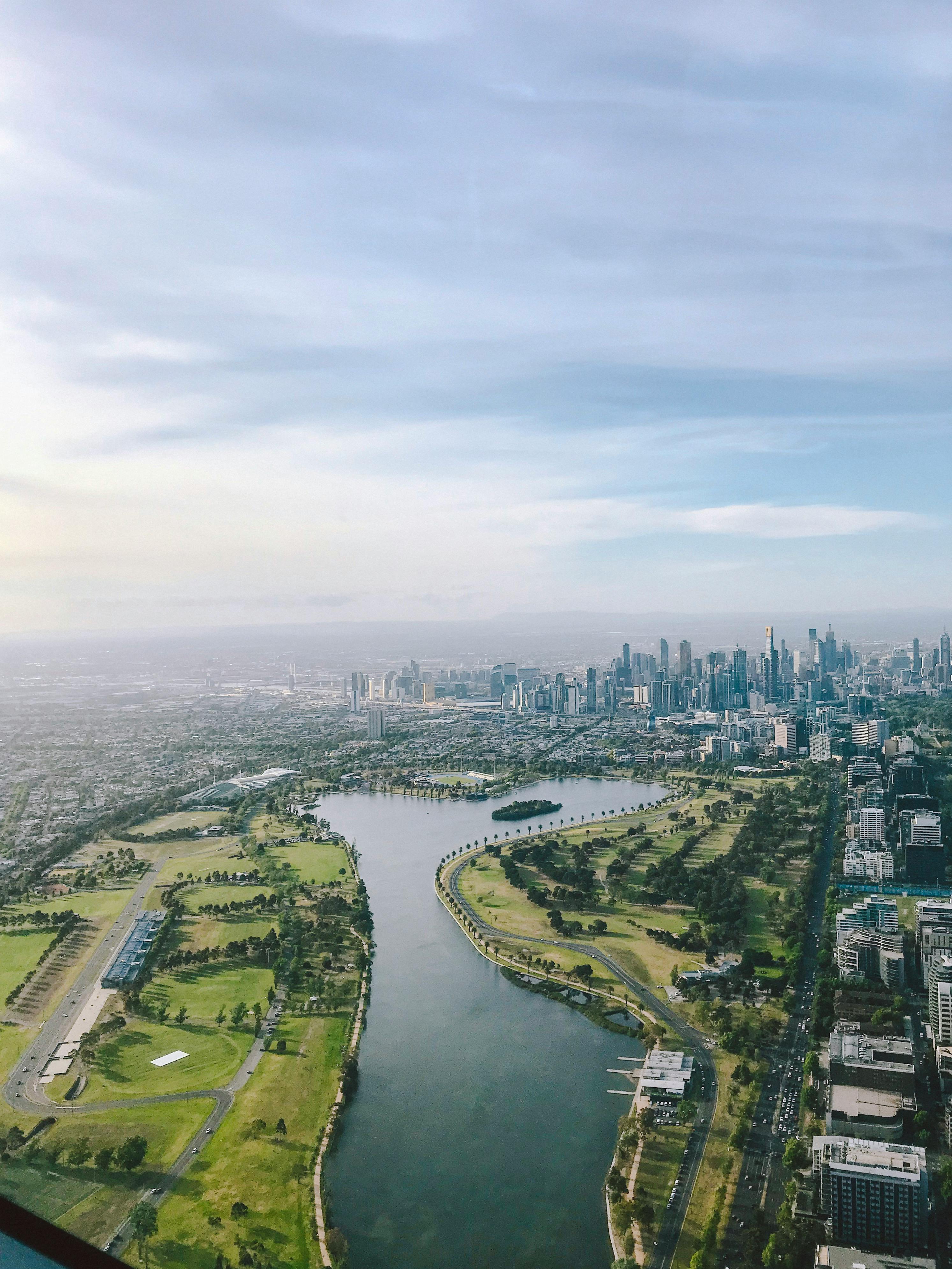
Timothy Beatley’s vision for cities that thrive with nature, not in spite of it.
The Core Idea

Urban life doesn’t have to mean concrete everywhere.
Beatley’s work shows that cities can (and should) reconnect people with nature—not just for aesthetics, but for health, biodiversity, and climate resilience.
He’s spent decades writing, teaching, and working directly with cities to turn this vision into reality—founding the Biophilic Cities Network and inspiring planners around the world to embed nature into the blueprint of urban life.
What Biophilic Cities Actually Do
Beatley’s advocacy focuses on three pillars that define biophilic urbanism:
1. Human Well-Being
Access to green space isn’t optional—it’s essential.
Parks, trees, water, and even rooftop gardens boost both mental clarity and physical health.
→ Reduced stress
→ Lower urban heat
→ More walkable, livable streets
2. Biodiversity in the City
Cities can be habitats too.
By designing with nature in mind, urban areas can support pollinators, birds, and native species.
→ Green corridors
→ Urban forests
→ Living roofs & facades
3. Ecological Resilience
Biophilic cities help absorb shocks—from flooding to heatwaves.
Nature-based infrastructure can slow stormwater, clean air, and create buffers against climate extremes.
→ Better stormwater management
→ Cooler microclimates
→ Long-term adaptability
Beatley’s Influence in Action
From policy to pavement, Beatley’s work shows up in real projects—from Singapore’s green walls to Oslo’s urban forests.
Through books, lectures, and partnerships with global cities, he’s helped mainstream biophilic thinking across architecture, planning, and policy.
MUST READ
Start with Beatley’s Biophilic Cities (book)
A go-to resource for professionals designing with nature in mind.
A Vision for Nature-First Cities

Timothy Beatley sees cities not as escapes from nature—but as places where nature can thrive. His vision reimagines urban environments with green space as infrastructure, and nature as a central design principle, not an afterthought.
It’s not just about beauty—it’s about biodiversity, public health, and long-term resilience.
Beatley advocates for cities that embed nature into everything—from sidewalks and rooftops to public squares and stormwater systems. The goal? Urban environments that feel alive, support ecosystems, and make daily life healthier for everyone.
Key Design Moves from the Biophilic Playbook

1. Green Spaces & Parks
Accessible, everyday nature.
Parks, gardens, and wild pockets built into neighborhoods—spaces for walking, resting, playing, and reconnecting.
2. Urban Forests
Trees are more than decoration.
Beatley’s model includes city-wide tree canopies that clean the air, support bird and insect life, reduce heat, and buffer noise.
3. Green Infrastructure
Nature as structure.
Green roofs, living walls, bioswales, and water features that manage runoff, cool buildings, and reconnect people with seasonal rhythms.
The Biophilic Cities Network
Founded by Timothy Beatley, the Biophilic Cities Network connects cities that are serious about weaving nature into the fabric of urban life. It’s not just a think tank—it’s a working alliance of cities sharing what works, what doesn’t, and what’s next.
The goal? Build a global movement of cities that treat nature as infrastructure, not ornament.
Through workshops, field projects, and global events, the network helps cities scale their biophilic efforts—whether it’s green roofs in Oslo, tree canopies in Singapore, or pollinator corridors in San Francisco.
What the Network Focuses On
1. Collaboration
Cities don’t need to reinvent the wheel.
The network connects urban planners, designers, and policymakers to share strategies, tools, and lessons learned.
2. Innovation
From living walls to data-driven park access, members showcase new ways to integrate nature into dense urban systems.
3. Education
The network runs lectures, media campaigns, and public initiatives to show why biophilic design isn’t a trend—it’s a shift in how we build.
Beatley’s Impact on Cities That Work with Nature

Timothy Beatley didn’t just write about biophilic cities—he helped shape the way we design them.
Through decades of teaching, research, and advocacy, he’s pushed city-makers to ask better questions:
→ Where does nature live in this plan?
→ How does it support both people and ecosystems?
→ What happens if we don’t design for connection?
The answers have led to real change—from city policies to street-level design.
What Beatley’s Work Has Actually Changed
-
Policy Shifts
Cities are rewriting zoning codes, setting tree canopy goals, and investing in nature-based infrastructure thanks in part to the awareness his work created. -
Planning Frameworks
Planners are rethinking how green fits into every layer of a city—from stormwater systems and sidewalks to rooftops and transit corridors. -
Global Networks
Beatley didn’t keep the vision local. Through the Biophilic Cities Network, he’s helped cities from Singapore to Wellington share strategies and scale what works.
Conclusion
Timothy Beatley made biophilic design part of the real conversation in planning rooms and city halls.
His work isn’t about trends—it’s about giving urban life a future that feels healthier, more human, and more alive.
More trees, more clean air, more connection. Less stress, less heat, less sprawl.
That’s not legacy talk. That’s design that works—for now, and for what’s next.
FAQ
Biophilic Cities + Beatley’s Work
What exactly is a biophilic city?
A city that actively designs with nature—not just preserving it, but weaving it into streets, buildings, and infrastructure to support human health and biodiversity.
Why does Beatley focus on cities and not just conservation?
Because most of the world lives in cities. If nature doesn’t exist there, we lose the chance to connect with it daily. His work shows that cities and nature can coexist—and thrive.
Is this just about planting more trees?
No. It’s about deep integration: green roofs, living walls, wildlife corridors, clean air zones, and even policies that treat access to nature as public health.
Where is the Biophilic Cities Network active?
Global. Cities like Oslo, Singapore, San Francisco, Wellington, and Birmingham (UK) are members—each applying biophilic ideas in different ways.
How can cities start applying these ideas?
Start small: map your tree canopy, audit public green access, build a native plant policy. Beatley’s framework is scalable—whether you’re planning a block or a region.
Books by Timothy Beatley:
Why you should read it: Discover how cities can incorporate nature to improve the quality of urban life.
Related
- Biophilic: Enhancing Well-being Through Nature in Architecture and Interior Design
- Biophilic Design: How Biophilic Design is Reshaping Our Cities
- Biophilic Architecture
- Biophilic Architecture vs. Sustainable Architecture
- Biophilic Interior Design: Nature’s Influence on Indoor Spaces
- Biophilic Office Design: Enhancing Workspaces with Nature
- Biodegradable Cement: Berst Sustainable Alternatives to Traditional Concrete