
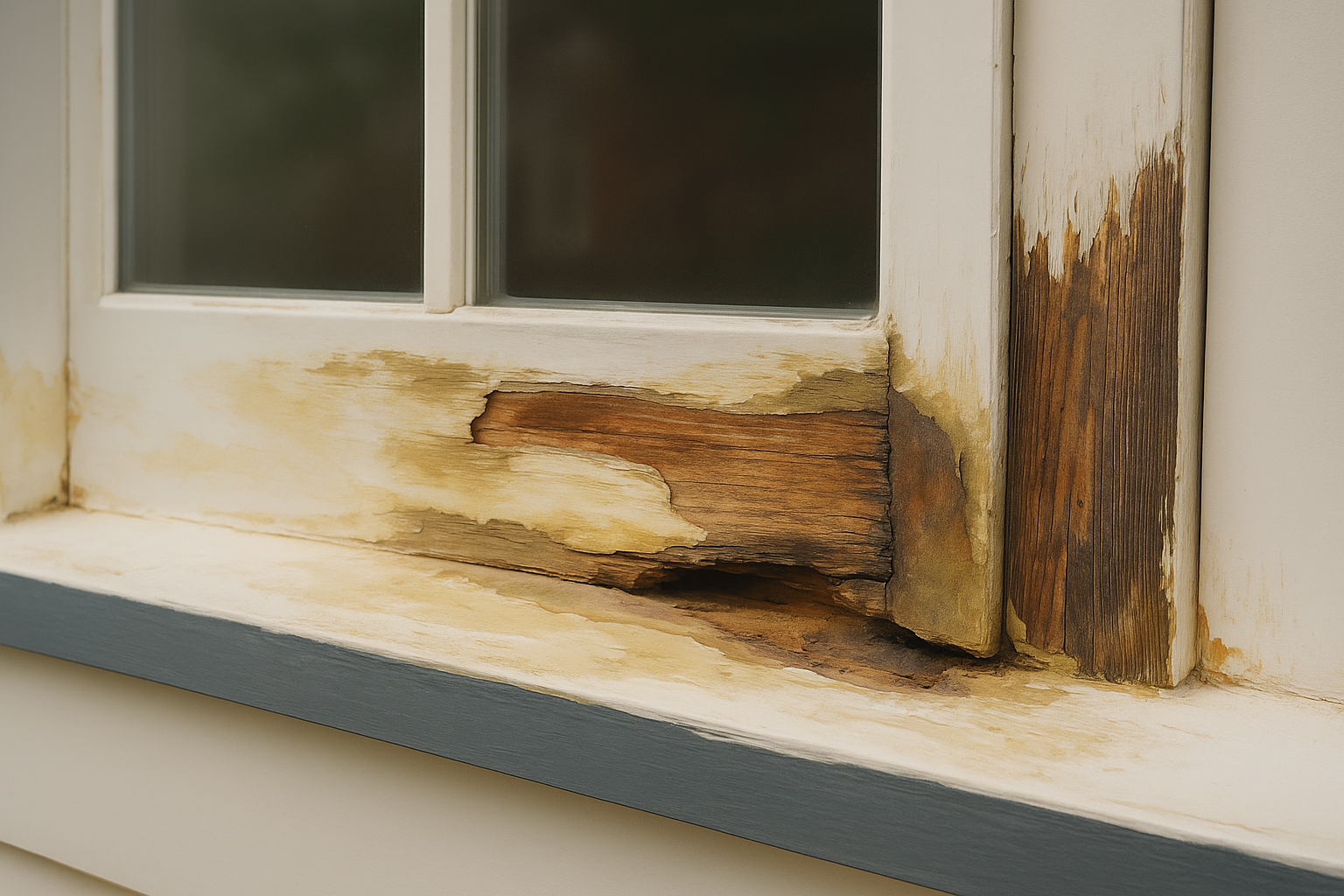
How to Replace Wooden Window Frames
Wood frames insulate without tricks, carry finishes with depth, and can be repaired instead of scrapped. They bring warmth when touched, hold proportion in both lofts and row houses, and stay square through years of weather. The rules that keep them working are straightforward: pick species that behave, cut profiles that shed water, and maintain seals before damage sets in. Replacements, retrofits, and even swaps to aluminum all hinge on those basics.
What Works and What Wastes Money
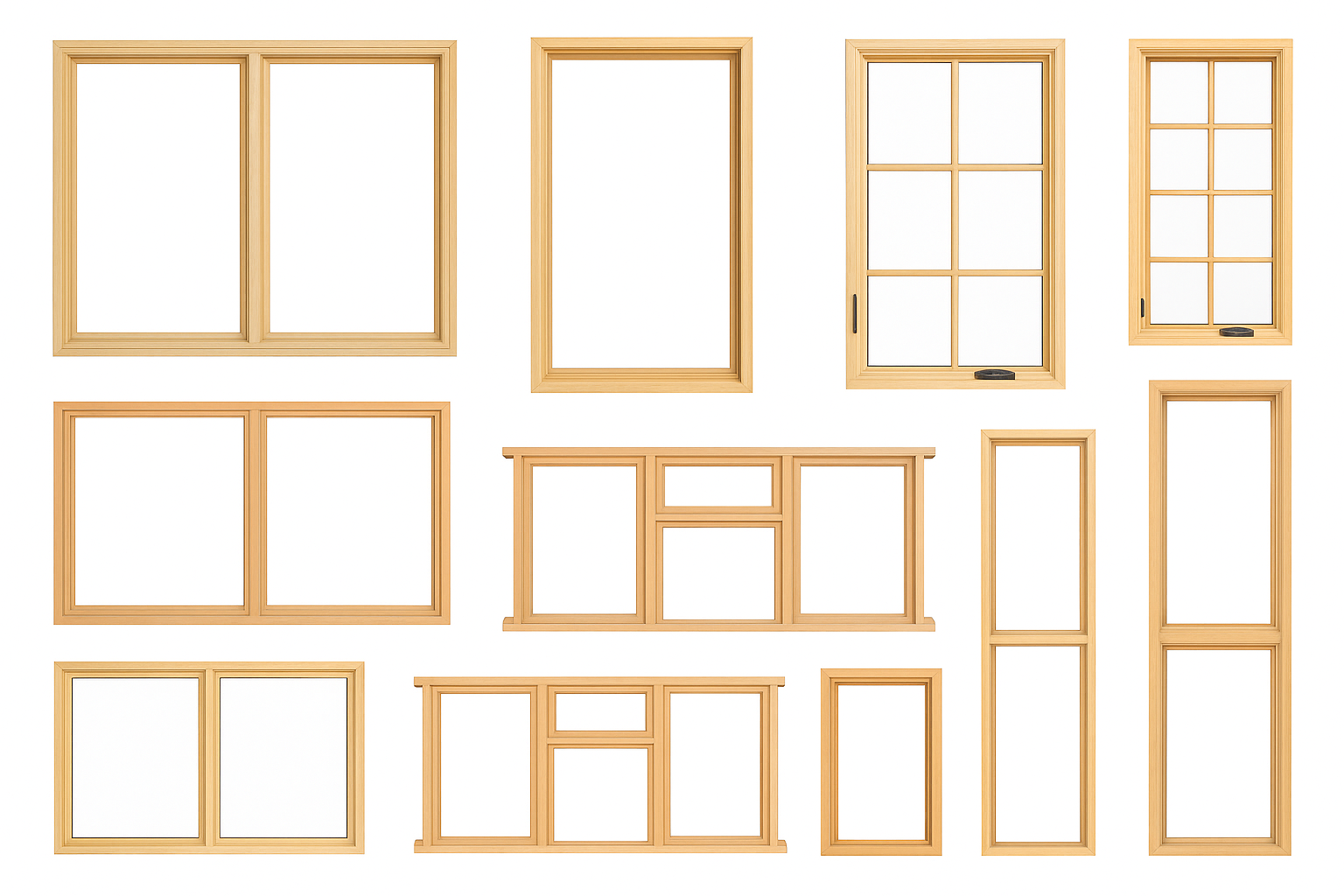
Why Wood Frames Still Beat the Alternatives
Natural warmth and texture The grain reads as part of the architecture, not an afterthought. In living rooms and street façades, oak and mahogany feel like furniture built into the wall, clients read that as quality the moment a hand touches the sill.
Thermal edge without engineered breaks Wood is a natural insulator, so interior surfaces run warmer and resist condensation at the perimeter when paired with modern IGUs. That keeps paint intact and trim dry through winter cycles.
Flexible finish and profiles From slim modern sections to deep historic horns, wood machines cleanly and accepts paint or stain without fighting you. Site adjustments are straightforward when walls or openings aren’t perfect.
Renewable and repairable (FSC-certified stock) Rails, sills, and beads can be replaced or spliced instead of trashing the whole unit. That keeps material out of skips and budgets in line over decades.
Longevity with correct detailing Back-primed end grain, sloped sills, and flashings tied into the WRB turn “maintenance” into a quick cycle instead of a rebuild. Do the small moves right and the frame keeps earning its place for a very long time.
Planning context: see Window Design: Complete Guide and Modern Windows: From Frames to Glass.
Shop reference: → Building Construction Illustrated – Francis Ching
The Carpenter’s Guide to Wooden Window Frame Replacement
What Works, What Fails, What Pays Off
Repairs and Retrofits
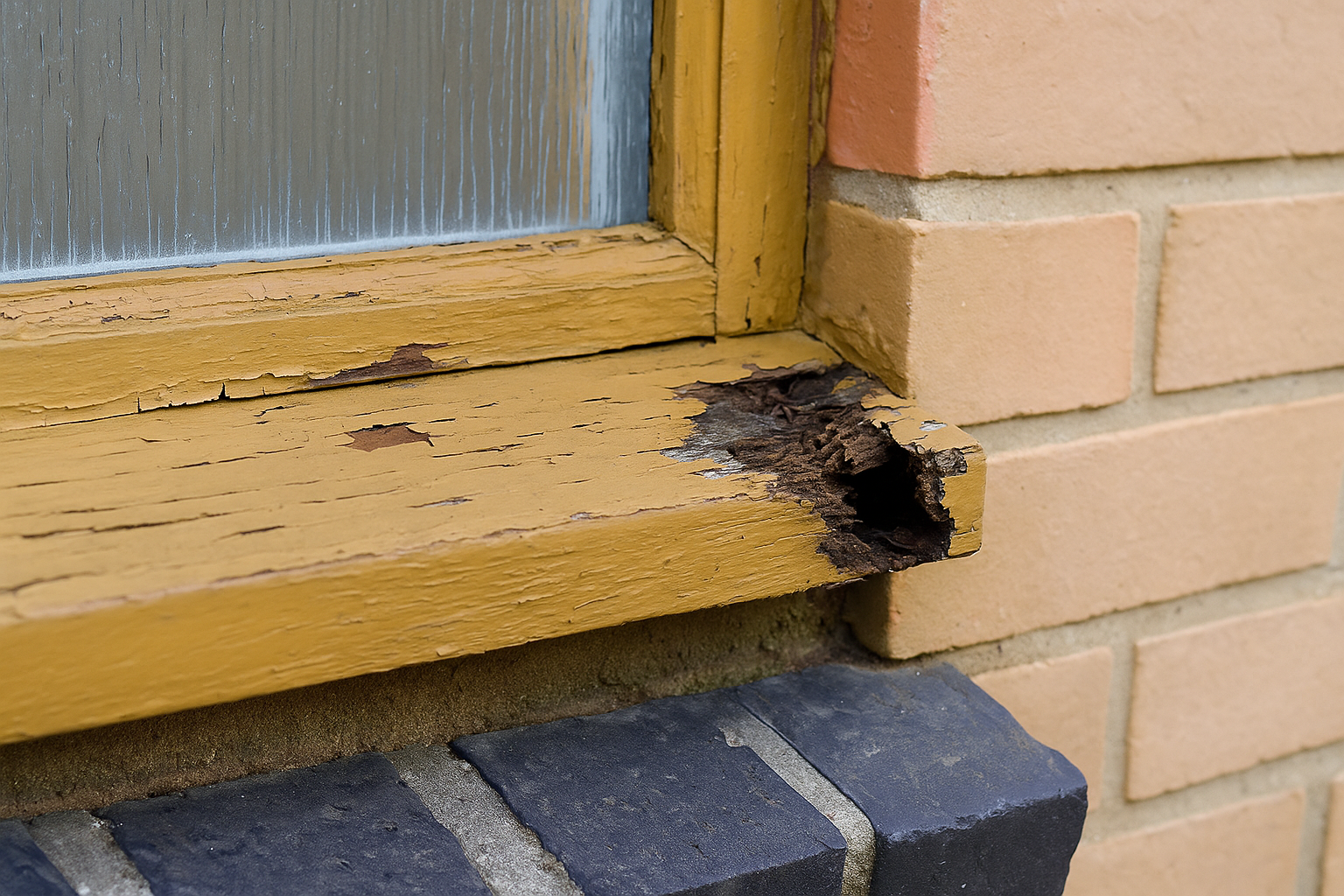
Repairs only work when the frame has enough sound stock left to hold detail and loads. Anything else is throwing money after rot. We approach repairs as triage: what can be saved, what needs splicing, and when to stop.
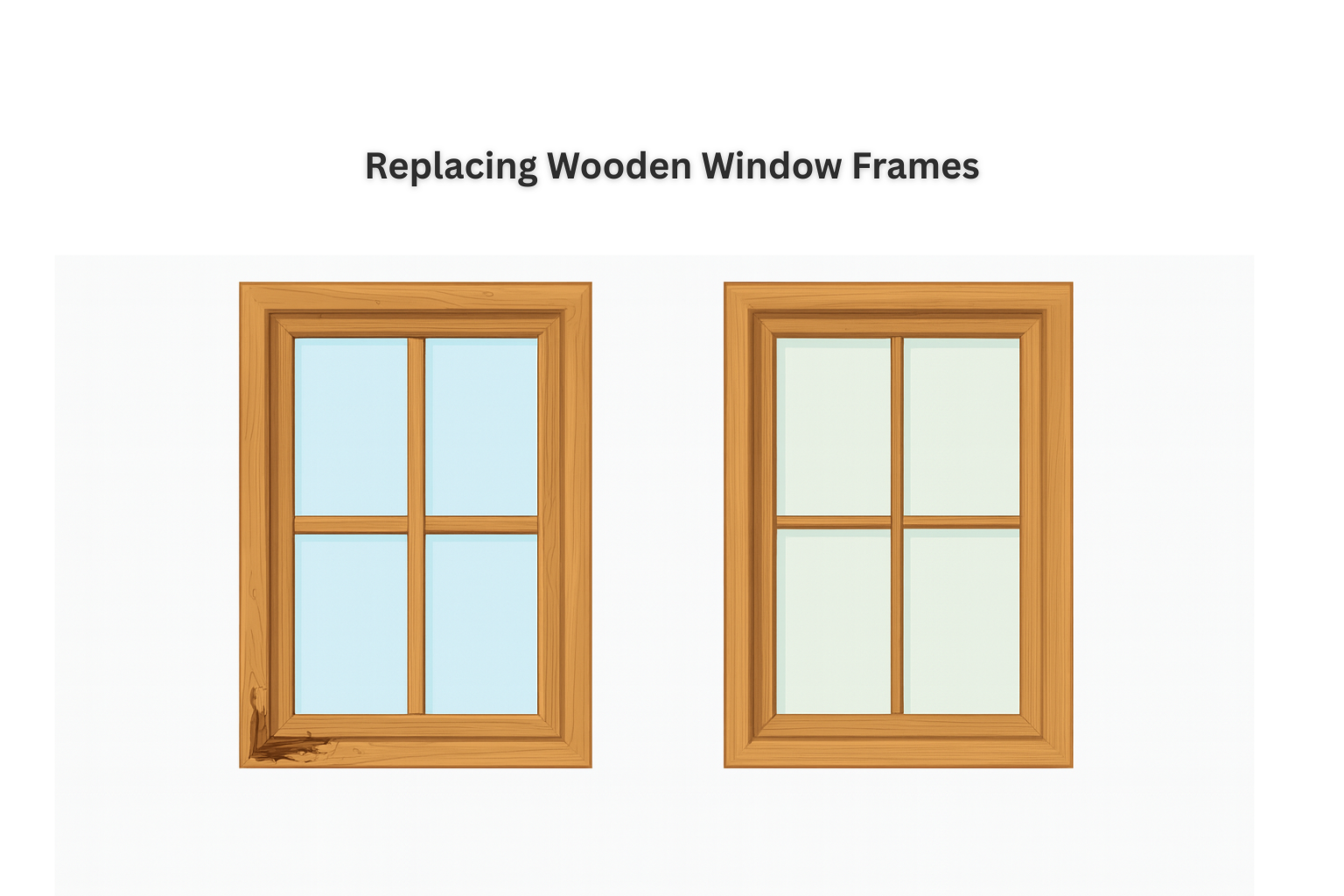
Wood frame window replacement can be partial. If sills and jambs still carry their weight, only sash or head sections get swapped. Done carefully, the wall finish stays intact and costs stay down.
Retrofit double glazing in timber sashes takes routing and counterweights. We’ve cut deeper rebates, added new glazing beads, and rebalanced sash cords with lead or steel to keep movement smooth. When done right, old casements gain modern performance without losing character.
Repairing rotten timber frames means knowing when epoxy consolidants can save stock and when you splice in new wood. Epoxy buys time but fails in high-exposure sills. We cut out and scarf new cedar or fir into the frame when durability matters.
Replacing glass in wood windows comes down to detail. Modern glazing beads work fast, but traditional putty with back-primed rebates seals longer and looks right on historic work.
Sealing frames is more than caulk. Backer rod and sealant geometry build an air seal first, weather seal second. This keeps movement joints flexible and stops drafts for decades.
Rotted frames hit a point where repair is wasted effort. If knife probes sink deep across sills and mullions, full replacement beats patching.
For repair mistakes and fixes, see Build Your Own Windows: DIY Tips and Common Mistakes.
FIELD PICK
Woodworking: The Complete Step-by-Step Manual
Joinery and repair steps that hold up under real use, not just shop demos.
→ Buy on Amazon »
Wooden Window Frame Replacement: Step-by-Step Basics
Replacement pays off when it’s scoped with triage, clean removal, and details that keep water moving out. Below is the field sequence we use to decide, demo, rebuild, and seal without tearing up finished walls.
Step 0: Triage the Opening
Probe and meter. Pick at sill ends, lower jambs, and mullion bases. If a knife sinks deep across multiple faces, plan on full replacement. Use a moisture meter to log readings at the same points one week apart. → General Tools Moisture Meter
Decide the scope.
Keep frame, replace sashes only when sills and jambs are sound and square.
Partial frame replacement when a sill or lower stile rails are compromised but head and jamb cores are solid.
Full frame replacement when decay or racking is widespread, or the WRB can’t be tied in cleanly.
Check geometry. Measure diagonal corner-to-corner; over 3 mm difference on typical residential units signals racking you’ll fight forever if left in place.
Hands-on prep context in Build Your Own Windows: DIY Tips and Common Mistakes and Make Your Own Windows: What to Know Before You Start.
Step 1: Protect Finishes and Soft-Demo
Score paint lines at casing and stool to avoid tearing paper face on gypsum.
Remove interior stops and sash in sequence. Bag and label hardware.
Set temporary weather protection at the exterior if rain is in the forecast.
Step 2: Partial Replacement When the Frame Stays
Sash-only swap. Order sashes to your frame’s clear opening and hinge geometry. Dry-fit first; reveals should run even top to bottom.
Lower sill rebuilds. Cut back to sound stock. Scarf new cedar or fir with long-grain joins; avoid end-grain butting. Back-prime every face before install.
Jamb foot repairs. Where splashback rotted the first 150 mm, splice in new material and continue the factory drip detail through the patch.
Step 3: Full Frame Replacement When the Opening Fails
Remove the frame without prying against plaster corners; cut fasteners and roll the frame inward.
Install a sloped pan with back dam and end dams tied into the WRB. This is the make-or-break for future leaks.
Set the new frame dead true. Shim at structure only, never voids. Fasten jambs first, then head. Target even reveal and smooth sash travel.
Head flashing laps the WRB. Side flashings overlap the head, not the other way around. Faces get sealant only after the water path is established.
Step 4: Retrofit Double Glazing in Timber Sashes
Route deeper rebates to accept insulated units; keep sightlines consistent. Back-prime the raw wood.
Balance the weight. For corded double-hungs, increase weights to match the heavier IGU. For friction stays, verify hinge torque against sash mass.
Glaze with warm-edge spacers and new glazing beads or traditional putty where historic appearance matters. Tool clean, then paint to lap the edge slightly for weather.
Step 5: Rot Repair That Holds Up
Consolidate small checks with epoxy on protected faces only. Avoid relying on epoxy for high-exposure sills that take standing water.
Splice new stock where decay compromises structure. Use matching species or stable modified wood for better movement control. Prime every surface before assembly.
Step 6: Replacing Glass in Wood Windows
Choose the detail. Modern clip-in beads are fast and serviceable. Traditional putty suits historic units and seals longer when back-primed.
Back-prime rebates and the first paint coat under putty lines to block moisture wicking into end grain.
Finish the edge with paint just lapping the glass to close micro-gaps without smearing sightlines.
Step 7: Sealing That Stays Tight
Air seal first. Backer rod sized at about two-thirds joint depth with a clean hourglass sealant profile. This keeps movement joints working.
Weather seal second. Exterior bead ties into flashing edges. Leave drainage paths open at the sill; do not seal weeps shut.
Step 8: Commissioning Checks
Cycle test. Open and close a dozen times. Look for hinge bind, uneven reveals, or latch misalignment.
Water path test. Light spray at head and jambs, watching for backflow at the sill. If water stalls, rework the pan or end dams now, not after casing.
Thermal and air check. Smoke pencil around interior seals on a windy day. Any draw means the air seal profile needs correction.
When Repair Is a Money Pit
If probes sink across the sill, both jamb feet, and the lower mullion, or if the opening is racked beyond easy correction, replace the entire unit and tie a new pan and head flashing into the WRB. Patching won’t buy more than a season.
FIELD PICK
Woodworking: The Complete Step-by-Step Manual — joinery and repair sequences that hold up in service
→ Buy on Amazon »
SHOP REFERENCE
Building Construction Illustrated — sill and flashing clarity when drawings get vague
→ Buy on Amazon »
For common pitfalls and field fixes see Build Your Own Windows: DIY Tips and Common Mistakes and coordination notes in Modern Windows: From Frames to Glass.
Replacing Wooden Windows with Aluminum
Full swaps from wood to aluminum happen in towers, coastal projects, and low-maintenance builds. It solves upkeep, but the trade-offs are real.
Sightlines change. Aluminum frames go thinner, but the look is colder. Interiors lose the depth and shadow that wood brings.
Thermal performance suffers unless thermal breaks are built in. Even then, condensation risk rises in cold seasons where wood stayed warm.
Comfort and resale drop more often than clients expect. Buyers walk in and sense the loss of warmth, even if they cannot name why.
Cost cycles trade one set of problems for another. Aluminum with proper breaks costs more upfront. Maintenance is lighter, but the feel never recovers.
Field lesson: we have replaced aluminum with wood in more renovations than the other way around. Owners who lived with the “cold” interiors wanted the character back.
For a full breakdown of metal performance, see Aluminum Window Frames: Everything You Need to Know.
Installation Rules That Prevent Callbacks
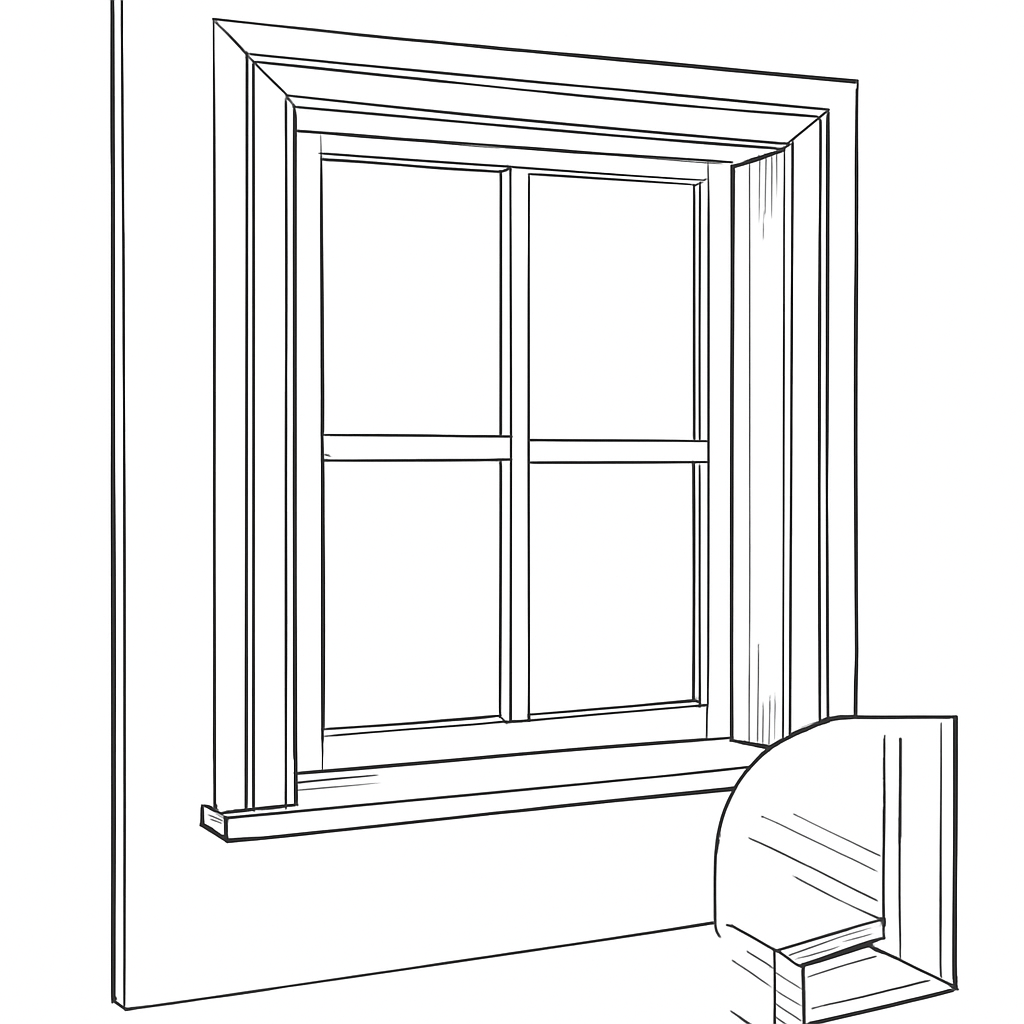
Frames fail more from install than material. The wood can be flawless, but if the cavity isn’t prepped or the flashing is wrong, you’ll be back tearing trim off. We’ve stood in 200-year-old houses where sashes still run because the carpenters set slope, tied flashings, and trued the jambs right the first time.
Start with clean cavities. No ducts or wiring in the bay. Every surprise triples labor and ruins alignments. Always open the cavity before bringing the frame.
Frame heavy. Double studs, stiff headers. Weak framing flexes and leaves daylight where it shouldn’t. Owners only see the draft years later, but it’s always the framing.
Use a laser, not a tape. One-eighth out of plumb over six feet binds a sash forever. We run lasers on every jamb. Tape and eye checks miss it.
Seal and flash right. Caulk-only joints fail in a season. Metal or membrane flashings tied into the weather barrier last. Good detailing shows up in resale inspections.
Test before trim. Run the sash a dozen times before casing hides the work. Adjust then, not after paint.
See Make Your Own Windows: What to Know Before You Start and Build Your Own Windows: DIY Tips and Common Mistakes.
DETAILING GUIDE
Architectural Detailing – Edward Allen
Still the best way to tie frames into brick or block without ugly caulk lines.
→ Buy on Amazon »
Operators, Locks, and Smart Kits
Hardware is where most calls come from. A sash that sticks or a crank that slips erases good joinery in a week. We’ve rotated through enough brands to know which ones survive real use.
Casement operators need dual-arm for larger sashes. Cheap gears strip under daily cranks. Truth and Prime-Line still deliver smooth pulls.
Single-arm operators fit narrow casements but torque is critical. Under-sized hardware fails in the first storm.
Smart openers retrofit onto frames where reach is tough. Stairwell or sunroom installs benefit most. Always test pinch-stop sensors before trim closes the cavity.
Locks make the difference in weather and security. Multi-point systems pull sashes tight. Stainless strike plates stop corrosion in coastal air.
Amazon field picks we’ve trusted:
- Prime-Line EntryGard Dual Arm Operator
- Truth Ellipse Casement Operator
- Prime-Line TH23027 Single-Arm Operator
- Prime-Line TH23031 Single-Arm Operator
- Tuya Smart Motorized Window Opener
- MySmartWindows Retrofit Kit (QuietCool)
Finish Systems and Maintenance
Wood survives when coatings are layered correctly and maintained on a cycle. Most failures we see are from skipped back-priming or delayed repainting, not from the wood itself.
Coating stacks start with primer, two build coats, and a topcoat. Every cut end must be sealed. Frames fail fastest where painters skipped this step.
Orientation matters. South and west faces burn coatings quickest. In coastal zones, we spec marine-grade topcoats and stainless fasteners.
Seasonal checks save frames. Sealant beads, putty, and sill end grain need touch-ups twice a year. Small fixes early avoid full rebuilds later.
Hardware care is part of finish. Lubricate cranks, check screws, and wipe down operators. Neglected hardware can crack sashes by binding.
For broader context, see Simple Window Design: Ideas for Every Home and New Window Design Inspirations for Home Exteriors.
Working in Historic Fabric
Historic windows are more about proving restraint than showing skill. Review boards read profiles down to fractions of an inch. We have seen submittals rejected over horn lengths off by 3/8 in.
Profiles and mouldings must match existing lines. Anything too flat or simplified reads false and gets flagged. Oak and mahogany carry the weight and finish close to original stock.
Reversible installs are the preservation standard. We fit concealed anchors and membranes so frames can be removed without scarring the masonry.
Concealed membranes keep performance up without showing modern layers. We’ve slid WRBs and flashing behind trim and kept the exterior unchanged.
Avoid caulk tells. Nothing signals fake repair faster than smeared sealant across old trim. Clean joinery and putty keep the work authentic.
Context for adapting old work in Expansive Window Design Examples and History of Expansive Windows in Architecture.
SPEC DESK
Architectural Graphic Standards (AIA)
Profiles and sections still accepted by preservation reviewers.
→ Buy on Amazon »
Energy, Comfort, and Noise
Performance is not only about the wood. Glass and seals drive results, but the frame sets the conditions for success.
Thermal. Wood’s U-values outperform aluminum, but glazing dominates. Low-e glass and warm-edge spacers prevent condensation where wood carries the edge.
Acoustics. Wood density cuts vibration, but compression gaskets and insulated glass units deliver the real noise reduction. We’ve dropped traffic noise 20 dB in retrofits with the right seals.
Solar control. Deep reveals, horns, and canopies control heat gain better than coatings alone. Simple overhangs have kept living rooms livable where tinted glass failed.
For detailing, see Window Canopy Design That Blocks Sun and Adds Style and Modern Windows: From Frames to Glass.
DIY vs. Shop-Built vs. Custom Millwork
The scale and tolerance of the job decide who builds the window. We’ve seen students succeed with small casements, and we’ve seen pros fail when historic profiles were handed to the wrong shop.
DIY scope. Small casements in pine are manageable with hand tools if expectations stay low. Finish cycles are short, but it teaches joinery.
Shop-built frames. Standard double-hungs, tilt-turns, and large casements are best left to shops with machinery. Joinery comes square and weather seals fit tight.
Custom millwork. Curved heads, oversized sashes, or historic replicas need full shops. Knives get ground to match originals, costs spike, but approvals pass.
Training help in Master Windows in Construction for Free: Step by Step Training and Make Your Own Windows: What to Know Before You Start.
Detailing Big Openings
Large spans expose frames to deflection and joint failure. Success depends on sizing structure and sealing every joint.
Mullions. Solid timber alone will creep. Laminated stock or steel inserts carry loads across wide spans.
Heads. Any sag shows up fast. A half-inch deflection over ten feet binds sashes. Structural lintels independent of the window frame keep operation smooth.
Seal continuity. More joints mean more failure points. Backer-rod and sealant geometry must follow mullions and transoms without gaps.
Context in Expansive Windows in Contemporary Architecture and Expansive Window Design Examples.
Species and Engineered Options
Softwoods: pine, Douglas fir
Pine machines easily and takes paint clean, but it bruises and needs finish discipline in wet zones. Douglas fir stays straighter, carries longer spans, and is worth the bump when openings are wide or traffic is heavy.
Hardwoods: oak, mahogany, teak, walnut, cherry
Oak delivers strength and crisp details for traditional profiles. Mahogany resists rot and humidity with a rich tone that finishes beautifully. Teak shrugs off coastal air and daily condensation. Walnut and cherry bring interior-grade finishes where the frame is part of the room’s furniture language.
Cedar as a balanced mid-point
Naturally resistant to decay and insects, cedar keeps weight down and tools well. Left natural it silvers; finished, it holds color with moderate cycles—good for cabins, chalets, and rural façades that see weather.
Engineered stock: Accoya and laminated timbers
Acetylated woods and LVL/GLT sections control movement and swelling, so gaskets stay compressed and sightlines stay tight. Use when exposure is harsh, spans grow, or review boards want wood without seasonal drift.
Coordination with glass and performance: Modern Windows: From Frames to Glass.
Must-read joinery: → Make Your Own Handcrafted Doors & Windows
Profiles and Details That Keep Water Out
Sightlines: thin vs reinforced
Lean modern frames can drop to ~45 mm and still behave, but mullions need reinforcement or laminated stock where panes get large. Keep glass setting blocks and gasket compression in mind before you chase ultra-thin looks.
Sills: pitch, horns, and end dams
Ten degrees of slope with horns that kick water clear of the cladding, plus end dams that return into the jambs. Back-prime all cuts. That trio is what stops stained plaster and swollen rails a season later.
Head flashings tied into WRB
Metal or membrane head flashings must shingle into the weather-resistive barrier, not just sit proud with caulk. Tie the return legs behind the cladding so the joint sheds without relying on a bead that will open in the sun.
Jamb grooves and drip details
A simple 5 mm drip under the nose breaks surface tension and stops water running back. Add backer-rod and the correct sealant geometry at the jamb/clad joint so the bead flexes instead of tearing.
Clad hybrids and venting
If you specify aluminum-clad wood, vent the cavity and give water a way out. Unvented cladding traps moisture and rots the frame where you can’t see it—leave weeps and keep the drainage path clean.
Design and glass coordination: see How to Design Glass Windows: Materials, Frames, and Finish and Modern Window Designs for Homes That Work.
Detailing guide: → Architectural Detailing – Edward Allen
Where Wood Frames Fit Different Styles
Styles aren’t just visual—they dictate how wood needs to perform. We specify different species, profiles, and finishes depending on whether the building is a century-old townhouse, a rural cabin, or a concrete loft. Get it wrong, and the frame either fights the architecture or fails under the conditions.
Traditional builds keep divided lights, sash horns, and trim that matches historic profiles. Oak and mahogany work here because they carry weight and detail without looking false. Cheap pine replacements in Victorian houses always read as thin and out of place.
Rustic and rural work benefits from cedar or pine where knots and grain aren’t defects but part of the character. These woods weather into barns and farmhouses naturally. We’ve reused salvaged pine for cabins, and the patina outperformed any stain.
Modern projects demand slim lines and neutral stains. Teak, walnut, or engineered stock can handle large panes without bowing. We’ve brought sightlines down to 45 mm mullions in lofts where glass, not trim, was the point.
Contemporary mixes blend wood with steel or aluminum. Cherry or maple paired with asymmetrical layouts reads warm but precise. Done right, it avoids the “faux-modern” look of thin vinyl with fake grains.
For deeper breakdowns, see Architectural Window Types for Modern and Old Homes and Modern Window Designs for Homes That Work.
FIELD PICK
Woodworking: The Complete Step-by-Step Manual
Straight methods for shaping profiles and trims that align with both old and new work.
→ Buy on Amazon »
Costs, Bids, and Reality Checks
Numbers matter because clients remember costs longer than they remember specs. We’ve seen plenty of projects lose trust because the wood package doubled midstream. Knowing what frames run and what the life cycle looks like avoids those calls years later.
Softwoods like pine land around $200–350 per opening. Affordable, paint-friendly, but they dent and need repainting sooner than owners like. Budget builds accept it, but repaint cycles frustrate clients.
Oak or cedar runs $400–750. These species carry traffic and handle weather well. They justify themselves in both suburban builds and high-use interiors where durability pays back.
Mahogany or walnut sits $700–1,000+. These are finish woods. They resist rot and hold depth, chosen for projects where detail and tone are non-negotiable.
Teak hits $1,200–1,800. Pricey, but it survives coastal air and wet climates with minimal maintenance. We’ve specified it in marinas and coastal houses that still run clean after decades.
Labor adds $200–500 on standard installs. Move pipes or reframe walls, and the bill climbs into the thousands.
For context, see Simple Window Design: Ideas for Every Home and New Window Design Inspirations for Home Exteriors.
SPEC DESK
Architectural Graphic Standards (AIA)
We pull window sections straight from here when pricing jobs. Baseline numbers that hold up in bid reviews.
→ Buy on Amazon »
| Wood | Avg Cost (per frame) | Durability | Maintenance | Best For |
|---|---|---|---|---|
| Pine | $200–350 | Moderate | Frequent paint | Budget interiors |
| Oak | $400–600 | High | Periodic sealing | Traditional, heavy use |
| Cedar | $500–750 | High | Low | Rustic, exterior |
| Mahogany | $700–1,000 | Very High | Low | High-end, coastal |
| Teak | $1,200–1,800 | Extreme | Very low | Luxury, wet climates |
Shading, Canopies, and Overhangs
Shading saves finishes, cuts cooling loads, and protects façades. It is one of the cheapest details with the biggest payoff.
Depth rules. A canopy with depth equal to half the window height blocks summer sun while keeping winter light.
Rain control. Proper drip edges stop streaks and extend paint life. We’ve seen façades ruined in five years where overhangs were skipped.
Energy savings. Fixed shading can cut peak cooling demand by 20 to 30 percent. No moving parts, no service calls, just geometry.
Reference in Window Canopy Design That Blocks Sun and Adds Style.
Troubleshooting and Aftercare
Maintenance cycles fail when details get ignored. Most callbacks trace to skipped checks or cheap repairs.
Drafts. Failed seals or poor compression show up as rattles. Smoke pencils point to gaps. Fix before repainting locks the problem in.
Sticking operators. Cranks and shoes slip when alignment is off. Reset torque or replace parts before sash corners crack.
Finish failures. South and west faces burn coatings first. Spot sand and recoat before wood grays and repair costs multiply.
Cross-reference Modern Windows: From Frames to Glass.
FAQ
Are wooden frames energy-efficient?
Yes. Wood insulates naturally. Pair with low-e glass and warm-edge spacers for full benefit.
How long do they last?
With repaint cycles kept up, 30–50 years is common. Teak and mahogany stretch further.
Paint or stain?
Paint protects longer. Stain shows grain but needs shorter maintenance intervals.
Best species for coastal, cold, and sun-heavy sites?
Cedar and teak in coastal work. Oak and fir for freeze–thaw. Any south-facing frame needs tougher finishes.
Can wood retrofit into aluminum storefronts?
Possible with inserts or hybrids. For wide spans, reinforcement is required.
What stops drafts and rattles?
Compression gaskets, backer rod, and sealant geometry. Seasonal checks keep them tight.
Realistic installed cost?
Pine units land $400–600 installed. Hardwoods and custom profiles run $1,000+ per opening.
DIY or shop-built?
DIY works for small pine casements. Larger units or historic profiles belong in a shop.
Do wood frames help with noise?
Wood’s density cuts vibration. Combined with IGUs, reductions of 20 dB are possible.
Can I automate existing wood windows?
Yes. Retrofit kits like MySmartWindows work if frames are square and pinch-stop tested.
Resources
Every project benefits from clean references. These categories and field picks cover planning, detailing, and on-site execution.
Windows: Categorized Guides and Resources
Materials & Frames
Core Guides & Planning
- Window Design: Complete Guide
- Modern Windows: From Frames to Glass
- Simple Window Design: Ideas for Every Home
- New Window Design Inspirations for Home Exteriors
- How to Design Glass Windows: Materials, Frames, and Finish
- Modern Window Designs for Homes That Work
Styles & Regional Types
- Architectural Window Types for Modern and Old Homes
- Hacienda Style Windows: How to Blend Tradition with Modern Design
Shading & Canopies
Expansive Window Design
- Expansive Window Design Examples
- Expansive Windows in Contemporary Architecture
- History of Expansive Windows in Architecture
DIY & How-To
- Make Your Own Windows: What to Know Before You Start
- Build Your Own Windows: DIY Tips and Common Mistakes
Training & Courses
Books & Products
MUST READ
Make Your Own Handcrafted Doors & Windows
Joinery details that hold up on site. Cuts that save lumber and pass review.
FIELD PICK
Woodworking: The Complete Step-by-Step Manual
Old manual, square joints with hand tools. Still my first check when matching stock.
SHOP REFERENCE
Building Construction Illustrated – Francis Ching
Flashing and sill drawings that settle detail questions in minutes.
DETAILING GUIDE
Architectural Detailing – Edward Allen
Tied frames into brick without caulk. Clean, durable details.
SPEC DESK
Architectural Graphic Standards (AIA)
Sections and profiles we pull when submittals are on deadline.