

Getting Exterior Windows Right
Exterior windows decide how the house breathes, looks, and lasts. When design and detailing go wrong, leaks, glare, and wasted money follow. Good window design starts early. Plan it before wall framing and the flashing plan.
If you need a broader primer before you dive in, see Window Design: Complete Guide. For a quick scan of styles and parts, use Modern Windows: From Frames to Glass.
Purpose and First Choices
Why Exterior Windows Matter
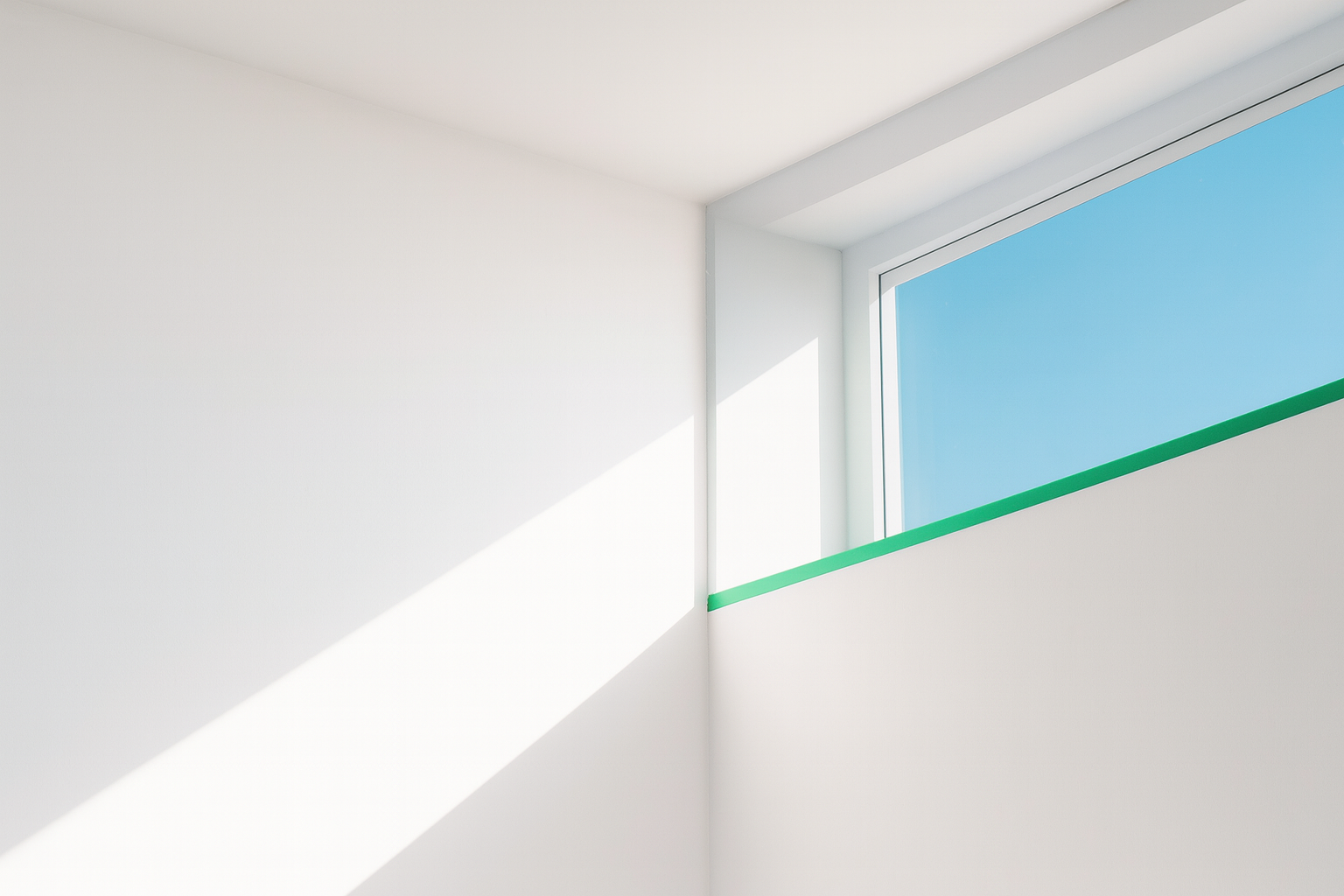
Windows set proportion. They shape daylight. They change insulation and the way a wall drains water. One bad alignment or a weak sill pan can break a clean facade. Start with intent. What the room needs. What the wall can carry. Then pick the frame and glass that serve that plan.
For layout basics and sightline rules, see Simple Window Design: Ideas for Every Home.
Match the Window to the Wall and Climate
Match window type to wall type and climate. A south wall in Texas is not a north wall in Maine. Wind, rain, sun, and salt all change the spec. Choose frame material, glazing, and flashing details that fit exposure and code zone. Do not reuse the same detail set across every elevation.
If you are working in hot or high sun regions, pair this section with Window Canopy Design That Blocks Sun and Adds Style.
Frame Styles and Material Logic
Sleek and Minimal Frames
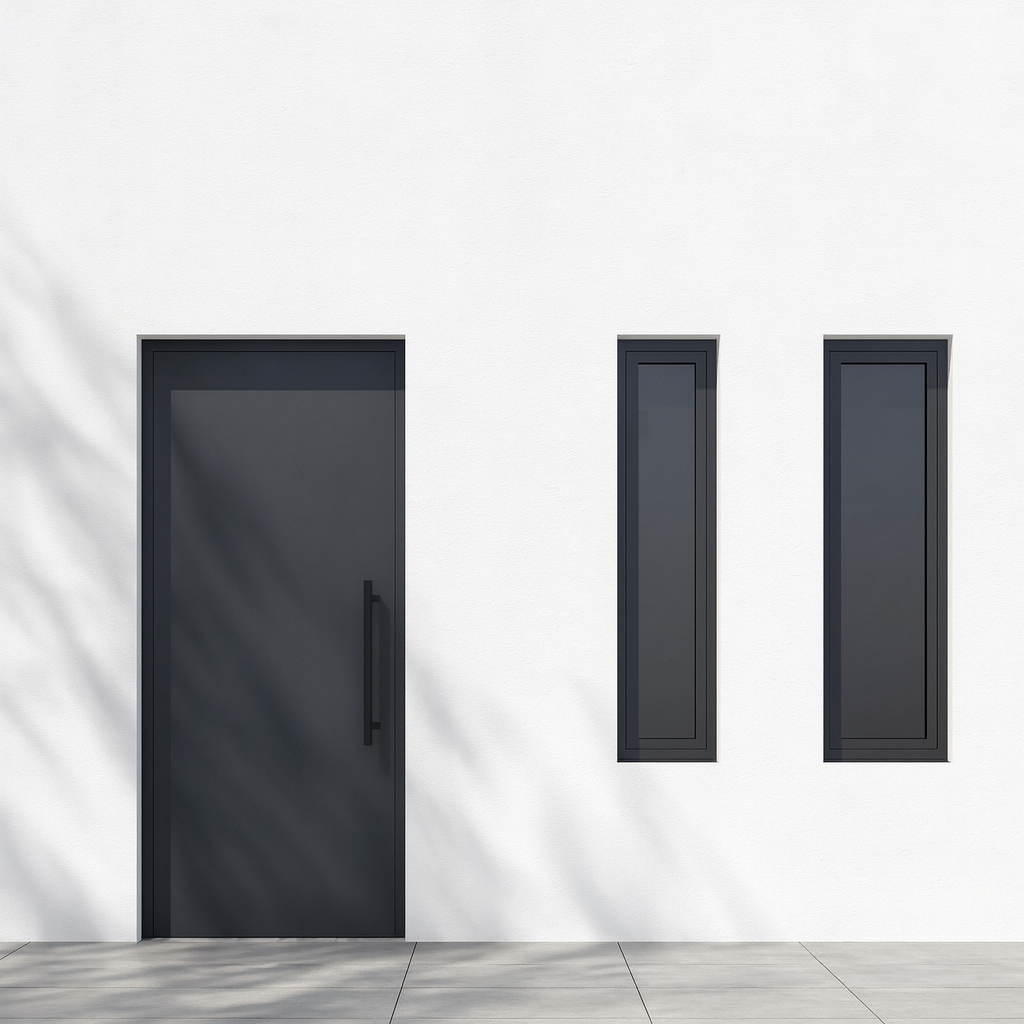
Full height or near floor glass only works when the frame can take load, movement, and water. Aluminum or fiberglass with a real thermal break gives clean lines without warping. Keep frame depths consistent across the facade. Align heads where you can so the elevation reads calm.
Compare base materials here: Aluminum Window Frames.
Wood, Clad, and Composite Frames
Wood looks warm and is repairable. It needs finish care. Clad and composite balance upkeep and performance. Check expansion rates, finish warranty, and sealant compatibility. Use backer rod and the right sealant profile so joints move without tearing.
For a deep dive on wood specifics and upkeep cycles, see Wooden Window Frames: Complete Guide.
Louvered and Vent Windows
Best in humid or tropical regions. Louvers move air without a full opening. Pick stainless or coated hardware. Use screens sized to the blade pitch. Plan for cleaning. Salt and dust collect fast on coastal sites.
If you are mixing louver units with fixed glass, keep frame profiles consistent. See pattern options in Modern Window Designs for Homes That Work.
Glass Types and Daylight Control

Glass Choice and Energy Rating
Read the label. U-factor, SHGC, and visible transmittance tell you how the unit handles heat and light. Low E coatings plus gas fill improve comfort and bills. In cold zones use lower U. In hot sun use lower SHGC and plan shading.
Use this as a planning partner piece: Modern Windows: From Frames to Glass.
Multi Panel and Grid Systems
Steel look grids and slim mullions can work if you respect structure and condensation breaks. Land mullions on framing where possible. Keep pane sizes sane for cleaning and service. Do not let a pretty grid cut through a view line you need inside the room.
For style fit across eras, see Architectural Window Types for Modern and Old Homes.
Frameless Glass Walls
Frameless still needs structure. Plan the head and sill to drain. Use movement joints. In exposed climates add overhangs or deeper sills. Keep track widths to what two people can handle. Service access matters later.
See large opening tactics in Expansive Windows in Contemporary Architecture.
Transom and Clerestory Windows
High glass evens light across a room and frees up wall space. Flash above doors with care. Water follows gravity and finds small laps. Keep head heights consistent when possible so the facade reads as one system.
Pair this with pattern and proportion notes in Simple Window Design.
Shape and Composition
Geometric and Custom Shapes
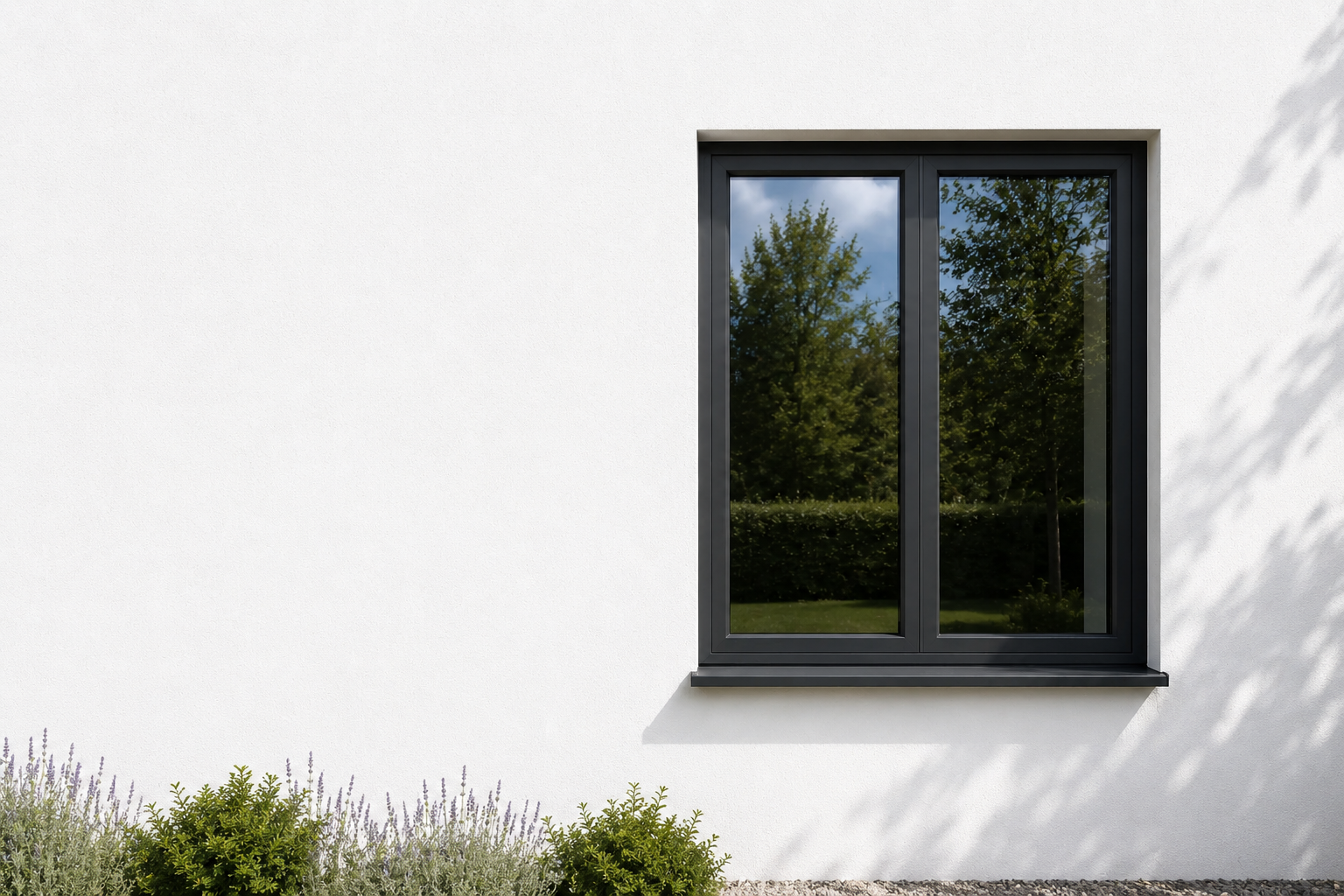
Hexagon, trapezoid, or triangle windows can lift a facade and add interest. They need proper framing and flashing. Odd shapes increase cost and leak risk if seals are not perfect. Use treated jambs and backer rod corners that can flex without pulling.
See how custom forms fit into older and modern homes in Architectural Window Types for Modern and Old Homes.
Bay and Bow Windows
Bay and bow windows project light and add a small alcove inside. The seat must be insulated and sloped. The rooflet flashing must tuck under siding or brick. The deeper the projection, the bigger the thermal bridge. Plan brackets or framing that carry the load to the foundation, not just the wall studs.
Modern Detailing and Function
Integrated Blinds and Shading
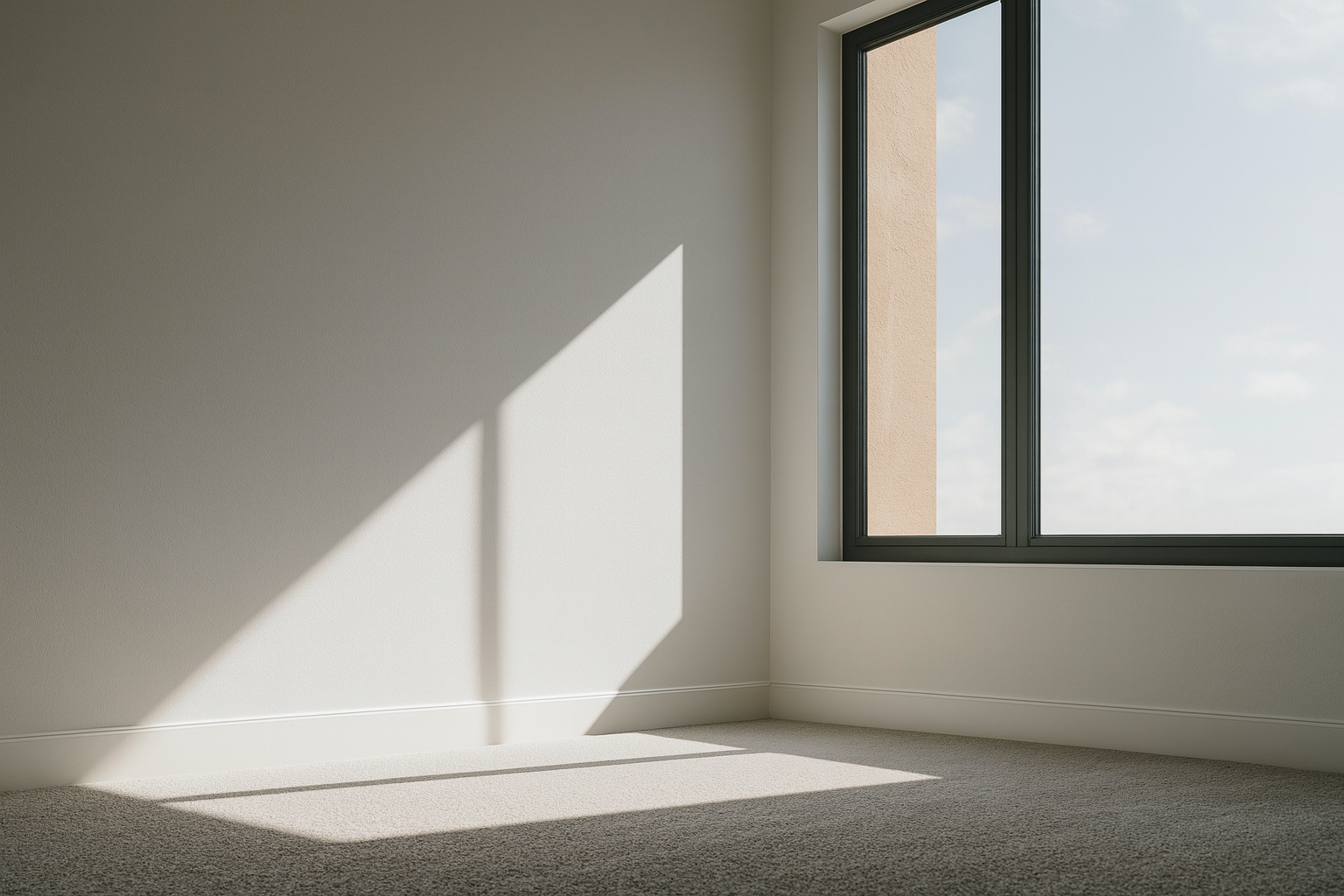
Built-in shades keep lines clean but add service risk. Motors and seals fail. Leave access to replace parts later. In humid zones, sealed blinds prevent mold and dust buildup. Make sure replacement parts are available from the same supplier.
Smart and Automated Windows
Self-tinting or motorized systems need power and calibration. Always include a manual override. Avoid hiding power cords behind fixed trim. Label circuits and protect controllers from moisture. These systems can improve comfort but add maintenance work.
Shading and Canopies
Overhangs and canopies lower heat gain and protect frames. Even a short projection above south glass can drop room temperature and extend paint life. The canopy should connect to framing, not siding. Use flashing to tie it into the weather barrier.
Find design angles and depth examples in Window Canopy Design That Blocks Sun and Adds Style.
Detailing That Prevents Failures
Flashing and Drainage
Use sill pans and flashing that integrate with the WRB. Tape corners tight and add weep holes where needed. Never depend on caulk as your only barrier. A good sill detail drains water forward and out, not into the wall cavity.
Installation Sequence That Works
Set the flange first. Check plumb. Fasten next. Trim last. Always test with a light hose before covering with insulation or drywall. Check for leaks now, not after paint.
Finishes and Sealants
Use UV-stable sealants. Match finish type to exposure. Light colors reflect heat better than dark paint. Keep edges clean; rough sealant attracts dirt and breaks down faster. Periodically inspect joints and touch up before cracks open wide.
Style and Character
Exterior Windows That Fit the House
Every house style has its rhythm. Head heights should align. Frame thickness should stay consistent. Avoid mixing too many profiles on one elevation. Modern, craftsman, or colonial — each has proportion rules that hold the facade together.
Compare window types and proportions in Architectural Window Types for Modern and Old Homes.
Custom Glass and Pattern Work
Stained or frosted glass adds texture and light variation. Keep patterns subtle. Avoid full walls of color that block daylight. Use insulated units if possible to keep energy performance consistent. Small inserts or sidelights add charm without breaking the envelope.
Maintenance and Longevity
Regular Checks
Inspect paint, sealant, and drainage once a year. Clear weep holes. Replace cracked glazing seals before leaks reach insulation. Keep hardware lubricated and free of grit.
Replacement Windows
Measure from frame to frame, not trim to trim. Keep sightlines close to original so the new units don’t look forced. Match color and depth to the existing facade.
Read step-by-step replacement basics in Wooden Window Frame Replacement.
Choosing the Right Setup
What to Know Before Replacing Exterior Windows
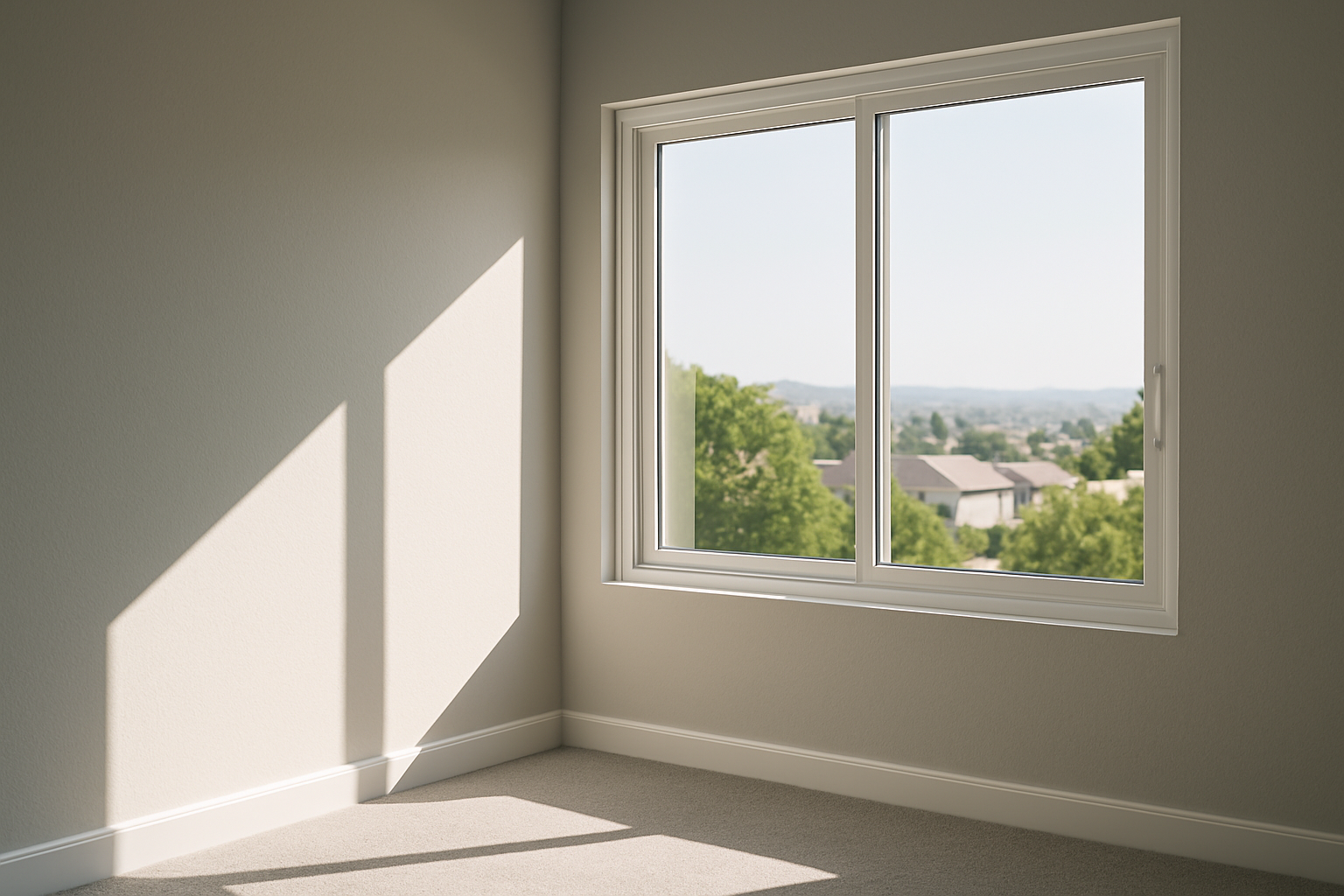
Inspect wall condition and insulation before ordering replacements. Exterior work is easier before new cladding goes on. Plan flashing tie-ins early. If your wall sheathing is damaged, fix it before installing new windows.
Window Frames and Finishes That Last Outside
Pick anodized aluminum, marine-grade coatings, or fiberglass frames for salt or sun exposure. Cheap finishes fade fast. UV, salt air, and wind all break weak paint films. Spend on surface prep; it pays back in years of service.
Turning an Old Brick House Into a Clean Modern Statement
Why It Works
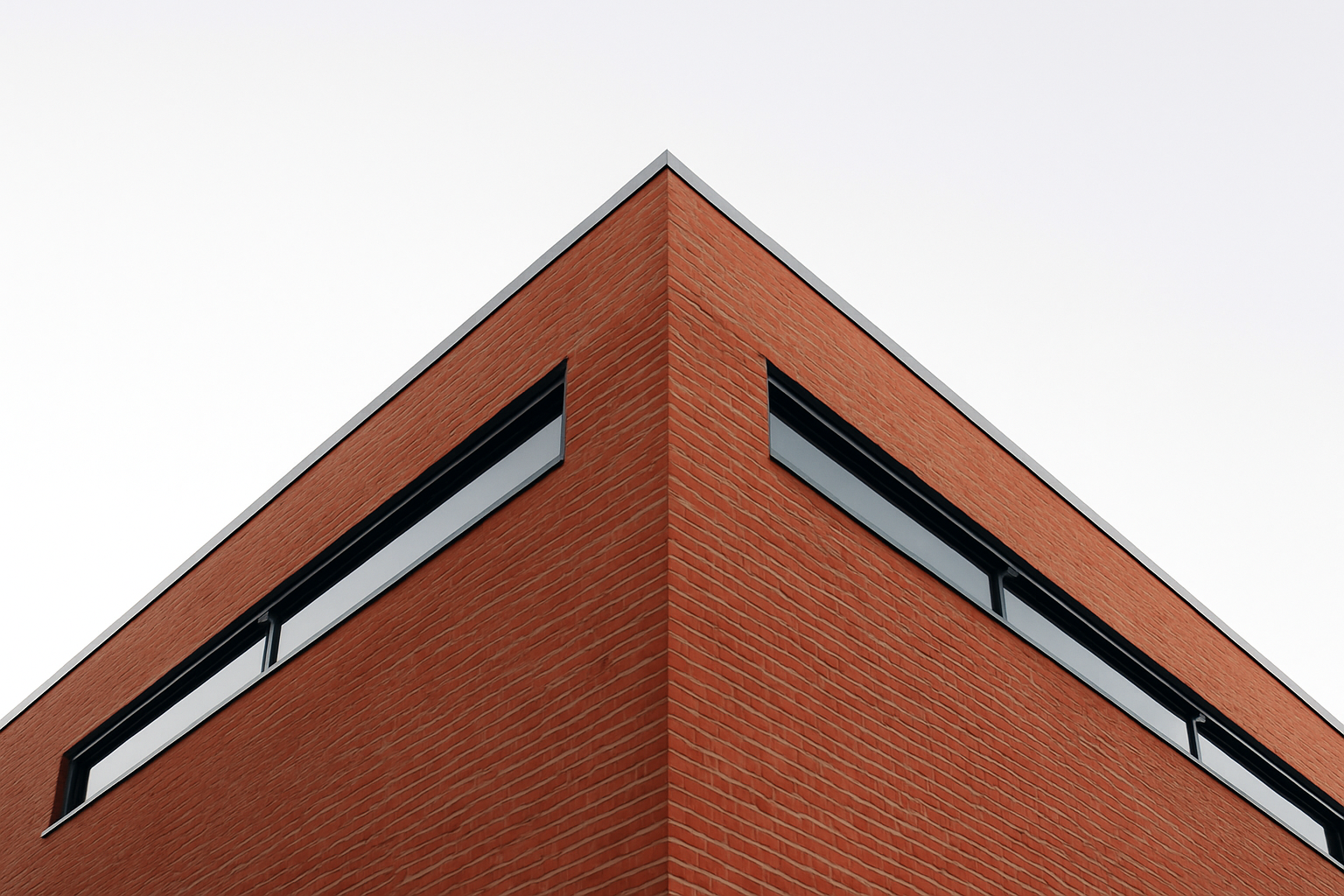
Old brick houses age well, but many look heavy and dated. Adding long, narrow exterior windows cuts that weight fast. These thin vertical or horizontal strips break up the brick mass and pull in clean daylight lines. The contrast between old masonry and modern glass turns a plain wall into a sharp, simple facade without tearing everything down.
How to Do It
Start with wall direction. South or east walls bring light that shows texture. Mark window bands where brick joints stay level and structure allows clean cuts. Frame with slim aluminum or fiberglass to keep edges crisp. Set sills flush with brick courses so the window feels built-in, not pasted on. Use dark frames for contrast or tone-on-tone if you want a quiet update.
What It Costs and Why It’s Fast
Narrow openings mean smaller glass, easier flashing, and cheaper hardware. You can add one or two new windows without major wall rebuilds. A mason cuts brick, frames it, and flashes in days, not weeks. It’s one of the few upgrades that changes the house’s face instantly and still fits old foundations.
Common Mistakes
People oversize the opening or use chunky trim. That kills the modern feel. Keep it lean. Use continuous sills, no fake lintels. Align all heads and sills on the same plane. Do not mix frame colors or depths. Modern rhythm depends on repetition and restraint.
When to Skip It
If the brick is structural and load bearing, you need lintels engineered for the cutouts. In that case, limit to one or two windows and get a structural check. Old lime mortar can crumble when disturbed. Reinforce with steel angles or a concealed lintel before inserting the frame.
End Result
The wall reads taller, lighter, and cleaner. The brick texture stays, but the house stops looking tired. Light inside improves, energy loss stays low, and curb appeal jumps without fake siding or paint. It’s an honest, low-cost way to modernize without losing the house’s story.
For layout logic and proportion help, see Simple Window Design: Ideas for Every Home.
Shadow Lines and Depth
Why Shadow Depth Changes Everything
Old brick walls can look flat once paint or weather dulls the joints. When you add new modern windows with deeper sills or recessed frames, light starts doing the work. The shadow line adds shape. It turns the wall from a flat plane into a surface that changes every hour as the sun moves.
How to Control Light and Depth
Pull the frame two to three inches back from the outer brick face. Use dark reveals to exaggerate the contrast. Inside, keep trim flush so daylight feels clean. Deep sills invite that thin line of light you see in high-end modern builds, even on small homes. In short, you’re drawing with light instead of paint.
Where It Works Best
On south or west walls, deep reveals stop glare and make the brick texture pop. On east walls, the morning light creates softer edges. You don’t need giant openings — just a consistent depth. Once you get the rhythm right, even an old facade starts to read like new work.
Retrofit Tricks That Don’t Ruin the Wall
How to Cut Without Breaking Structure
Most old brick homes use the outer wall as structure. If you start cutting randomly, you lose bearing strength. Always work between vertical joints when widening an opening. Insert temporary angles or a lintel plate to carry load before removing bricks. Do not cut bricks in half; pull full units and reuse where possible.
Flash and Fit Without Trim Clutter
Skip bulky trim. Use backer rod and color-matched sealants that sit clean in the joint. Pre-flashed pocket frames slide into openings without exposed tape or silicone blobs. Inside, tie the frame to plaster or drywall with flexible seal. The wall looks original but functions like new.
Keep the Brick Honest
Never fake mortar joints after the fact. Match mortar color, keep tooling sharp. When it rains, you’ll see the difference between a patch job and a clean retrofit. Good brickwork doesn’t need to hide behind fake trim.
For deeper install references, crosscheck Wooden Window Frame Replacement: Step-by-Step Basics.
The Honest Fix vs the Fake Modern Patch
What’s an Honest Fix
An honest modern update uses real materials that show what they are. Brick stays brick. Glass stays glass. Steel or aluminum stays visible. You add precision, not disguise. The goal is alignment and proportion, not cover-up. When done right, the new windows look like they belonged there from the start.
What’s a Fake Patch
A fake modern patch hides behind glued foam panels, vinyl trim, or painted grids that try too hard. You can spot it from the street — no depth, no shadow, no craft. These patches fade, peel, and fail within a few seasons. They cost more long-term than proper framing and flashing.
Why It Matters
Modern design depends on truth in materials. If you fake one layer, the rest feels wrong. When you let brick stay rough and glass stay sharp, the tension between them is what makes the facade strong. That honesty is what separates a clean upgrade from a trend.
Light Direction and Privacy Logic
Where to Add and Where to Hold Back
Not every wall should get a new opening. Light and privacy fight each other if you don’t plan the angles. Add windows where daylight adds value — kitchens, stairwells, living rooms facing open sky. Avoid new cuts facing neighbors, streets, or western glare unless you design for control.
Tricks for Privacy Without Darkness
Use narrow vertical strips close to edges of walls to allow light without full view lines. Frosted glass or high clerestories give daylight without exposure. If you need cross-breeze, use awning or hopper windows high on the wall. Keep sightlines to ceilings, not furniture.
Light Behavior and Mood
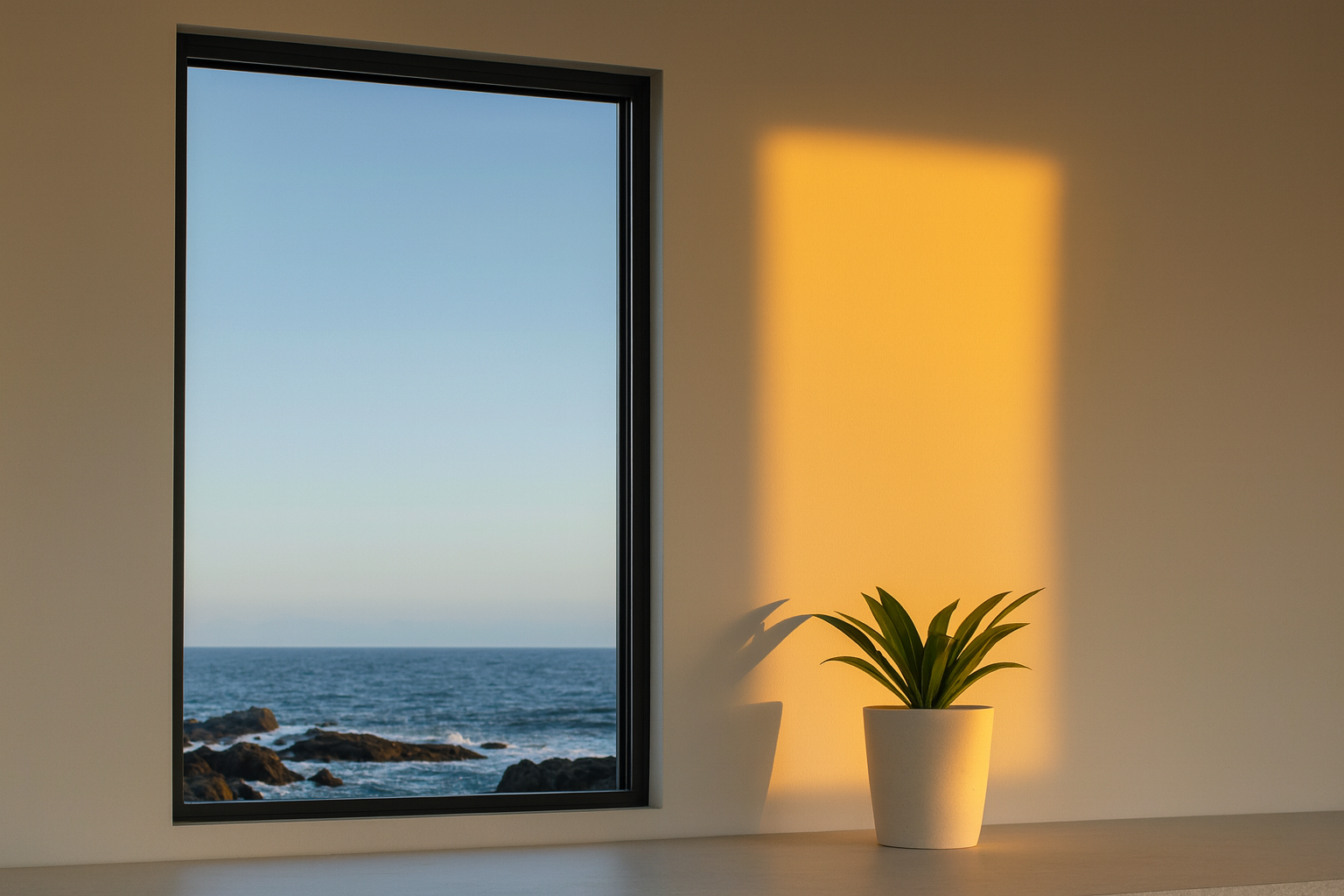
Morning light through east windows warms brick tones and makes interior textures pop. Afternoon sun from the west can bake interiors unless shaded. Design to your rhythm. A small frosted slot can feel like art if the shadow line lands right.
Field Lessons: One That Worked, One That Failed
When It Worked
1950s ranch in Ohio. Brick facade, dark and closed. We cut three vertical slots between studs, lined them with black anodized aluminum frames, and tied flashing into existing brick joints. Cost under five thousand. The change was instant — lighter rooms, calmer exterior, and no leaks after two winters.
When It Failed
1930s Tudor with arched brick openings. Homeowner wanted square modern inserts. The crew cut arches flat, but left old brick above unbraced. Within a season, cracks ran along the lintel. The new aluminum frames stood proud and looked alien. Lesson: modern can’t just overwrite history. You have to find a line between clean and forced.
Takeaway
Modernizing old walls is about precision and respect. Every house tells you what it can handle. Listen to the structure first. A small clean cut beats a full rebuild that fights gravity and age.
Final Notes: What Fits the House
Exterior windows don’t need to impress anyone. They need to fit, seal, and age well. Choose what matches your wall, climate, and upkeep habits. Avoid designs that need ladders to clean or constant gasket replacements. A solid sill line and tight flashing last longer than trends.
FAQ
1. How do I make old brick walls look modern without repainting?
Cut in long, narrow modern windows. Keep frames dark and slim. Let the shadow lines do the modernizing. The contrast between rough brick and clean glass makes the wall feel new without hiding its age.
2. What’s the cheapest way to update exterior windows fast?
Replace only the visible frames. Keep the existing rough opening if it’s solid. Use insert replacements with clean trim and neutral colors. Skip fake grids and decorative mullions. You’ll gain years of life for a fraction of the cost.
3. How deep should exterior window recesses be for a modern look?
Two to three inches minimum. The recess adds shadow and visual calm. Anything flush with the wall looks flat and cheap. Deeper frames read as custom work even on a small budget.
4. What frame materials last longest outside?
Fiberglass and thermally broken aluminum lead the list. Wood works if maintained but fails fast when neglected. Avoid thin vinyl on full-sun walls. Salt and UV destroy weak coatings first.
5. Can I mix old wood windows and new aluminum ones?
Yes, but keep the sightlines consistent. Match head heights and sill lines. Color-match trim and use similar reveal depths. If they align, no one notices the mix. If they don’t, the house looks patched together.
6. How can I add privacy without losing daylight?
Use high clerestory windows, frosted glass, or narrow vertical strips. Keep the glass clear above eye level. Privacy works by controlling the view, not the light.
7. What’s the biggest mistake when cutting new openings into brick?
Skipping lintel support. Once you remove brick below a load point, the wall weakens. Always add steel angles or reinforced lintels. Never assume the brick can span on its own.
8. Are smart windows worth it?
For most homes, no. The tech costs more than the benefit. Use exterior shading and low-E glass instead. Smart systems make sense in high-end builds or large glass walls where automation saves real energy.
9. Why do new windows fog up inside the panes?
The seal failed. Moisture entered the insulated glass unit. It’s not a cleaning issue; it’s a factory defect or age. Replace the glass, not just the frame. Fog means insulation loss and reduced clarity.
10. How often should I inspect exterior windows?
Once a year. Early fall or spring works best. Check sealant, paint, and flashing. Clean weep holes and remove dirt buildup. Small fixes then save full replacements later.