
Windows That Don’t Bite You Later
What Actually Holds Up
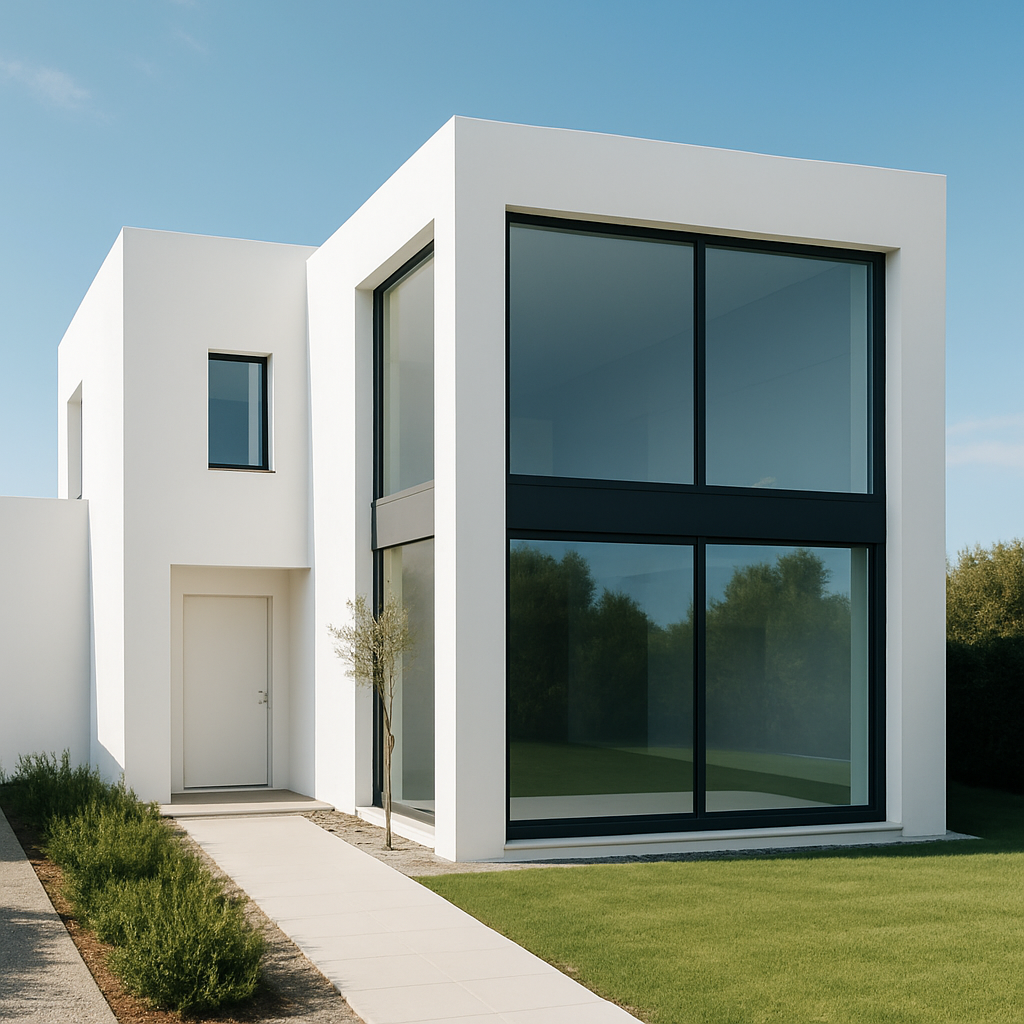
Fiberglass frames stay true through temperature swings. They don’t bow the way vinyl often does, especially on darker colors that face strong sun. They take paint well and keep their shape over time.
Thermally broken aluminum is the workhorse when spans get large or when the design calls for sleek corner glass. The strength is unmatched, but it only works if the thermal break is respected. Anchors or fasteners that punch through the break will carry cold inside and cause condensation or distortion. The fix is warm-edge spacers in the IGU and breaks that are continuous. Frames also need enough play to “float” without stress at the corners.
Glass Builds That Still Work on Real Jobs
“Double is fine until you live on a street with trucks at 5 a.m.” – a client’s rueful comment. In mild zones, a solid double pane with a well-chosen Low-E is still serviceable. The key is spacer quality and seal integrity. Cheap doubles fog out in less than a decade, while well-specified units keep their clarity. See Window Design: Complete Guide for baseline sizing and performance numbers.
Triple glazing isn’t luxury in harsher climates—it’s basic insurance. Clients in Minnesota, Quebec, and northern New York report one thing over and over: less draft, warmer interior surfaces, and bedrooms that feel stable through winter nights. It also adds real acoustic relief in urban corridors. Pairing triple glazing with Expansive Windows in Contemporary Architecture shows how large panes can still perform if glass choice matches climate.
Low-E coatings are never one-size-fits-all. Wrong orientation is the common fail. A family in the Northeast used the same Low-E stack everywhere; west-facing glass cooked their rooms every afternoon. The retrofit: spectrally selective glass on east and west, higher solar gain Low-E on south for winter heat. Don’t pick Low-E by brand label—study the SHGC and VT numbers and apply them wall by wall.
See also: House Design: How New York, Toronto, and London Build Differently
Big Openings Without Living with Leaks
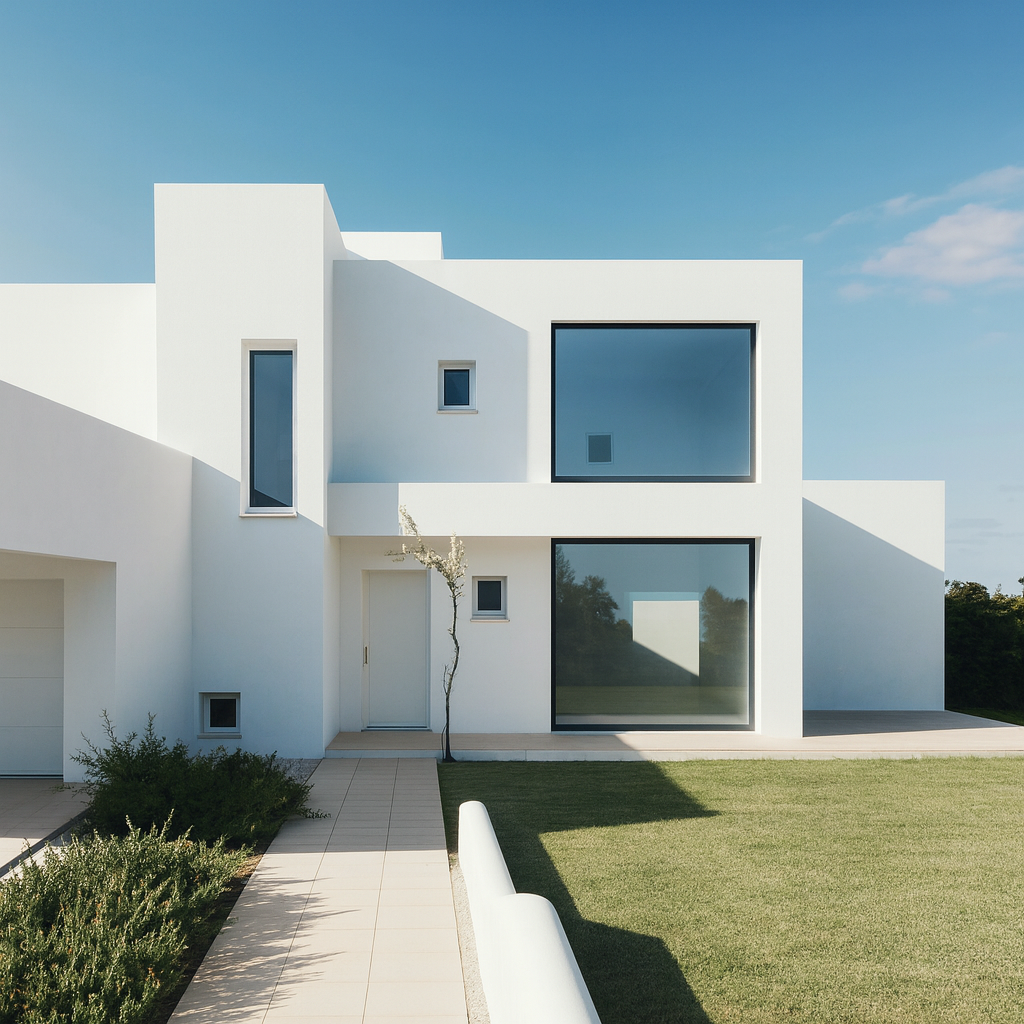
Skip sill pans and you’ll be tearing drywall. One project had damp stains under a living room window only six months in. Diagnosis: flat sill, tapes peeling, no end dams. The fix was re-installing with a 5° back slope and metal pans lapped into the WRB. That stopped it cold. For step-by-step integration, How to Design Glass Windows has detailing that helps avoid rookie errors.
Lift-slides beat bi-folds for keeping water out. On exposed coastal jobs, bi-folds leaked at the sills in every storm while lift-slides compressed seals evenly and stayed tight. Bi-folds belong under deep porches or where exposure is minimal. If you’re not shading properly, choose lift-slides. For shading strategies, pair with Window Canopy Design That Blocks Sun and Adds Style.
Head and sill joinery eats budget fast if it’s not clear on paper. I’ve watched framers spend hours improvising with caulk where a clean detail would have saved time. Keep lines straight, corners square, and don’t lean on field caulk as the main defense. It fails. Reference details from Architectural Detailing – Edward Allen (FIELD PICK) to keep the assemblies watertight without ugly fixes.
The Case for Narrow Windows
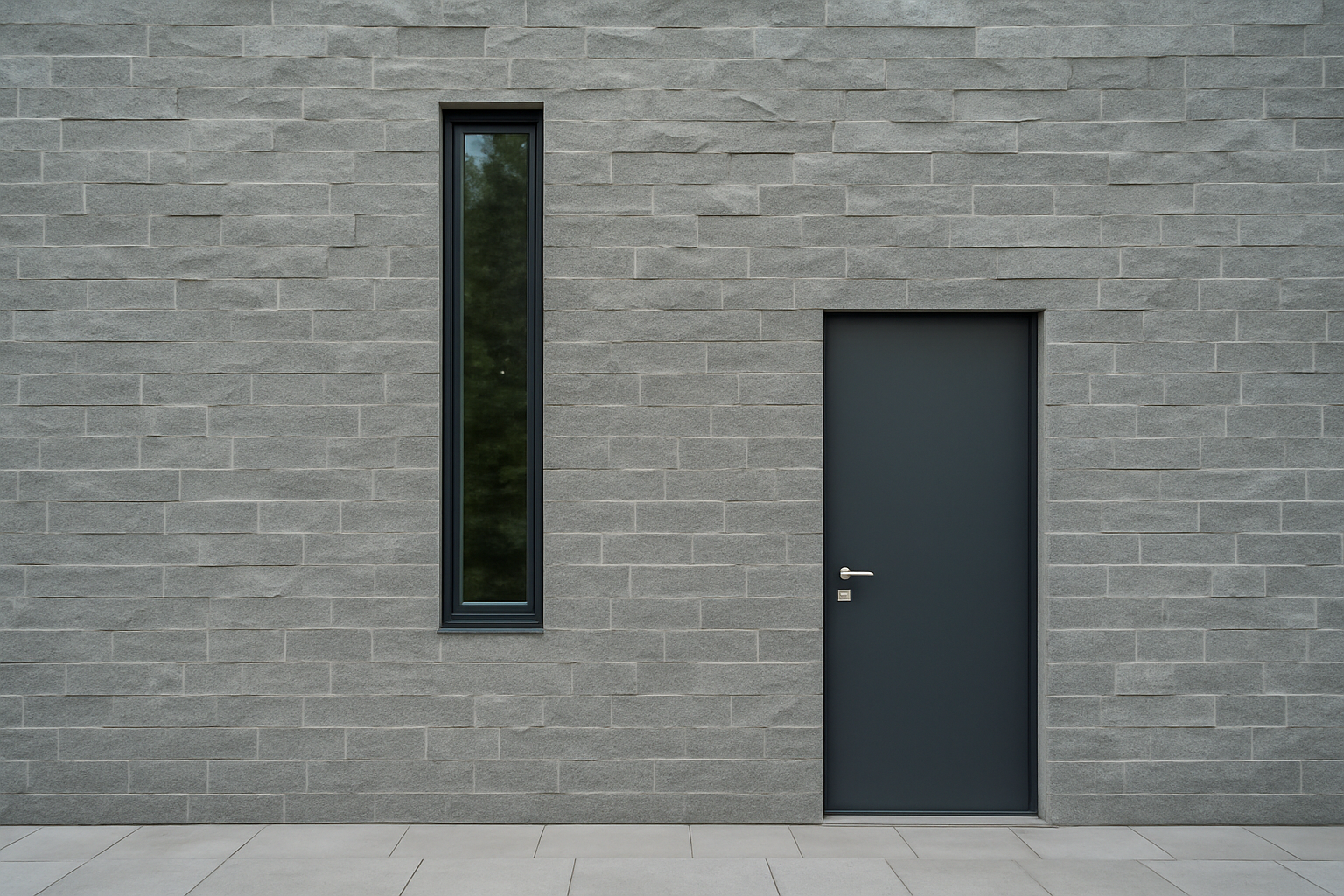
Small, vertical windows show up in more projects than clients expect. They read “contemporary” because the line is clean and disciplined. On the inside, they frame a slice of view instead of dumping the whole wall open. In tight urban lots, that control matters—privacy without killing daylight.
In practice, narrow windows balance privacy and sun. A bank of vertical slots can pull light deep into a hall while hiding sight lines from neighbors. In one townhouse row I worked on, the rear façades faced each other less than 20 feet apart. Full glass would have felt like living in an aquarium. Slot windows with carefully placed Low-E kept daylight flowing without turning daily life into a show.
Watch orientation. On east and west walls, tall narrow glass catches brutal low-angle sun. Without exterior fins or deep returns, you’ll get glare bands that crawl across rooms. On north walls, they perform beautifully—soft, even light with no overheating. South-facing? If shaded, they act like daylight blades; if not, they dump heat faster than wide windows because the sun rakes straight through the full height.
Another trade-off: ventilation. Narrow fixed slots look elegant, but if every unit is sealed, bedrooms end up stuffy. I’ve seen people regret the “gallery wall of slits” when they realize none of them open. The fix is mixing fixed with a casement or awning module so air still moves.
If you want a modern but livable feel, narrow windows are a tool—not a default. They give privacy, rhythm, and light without full exposure. But they demand smart placement, good glazing, and sometimes shading depth. For more layout strategies, see Simple Window Design: Ideas for Every Home.
FIELD PICK
Frosted Privacy Film Roll
Cheap, quick fix when narrow slots face neighbors too close. Keeps daylight but blocks direct views.
Where Projects Blow Up When Corners Get Cut
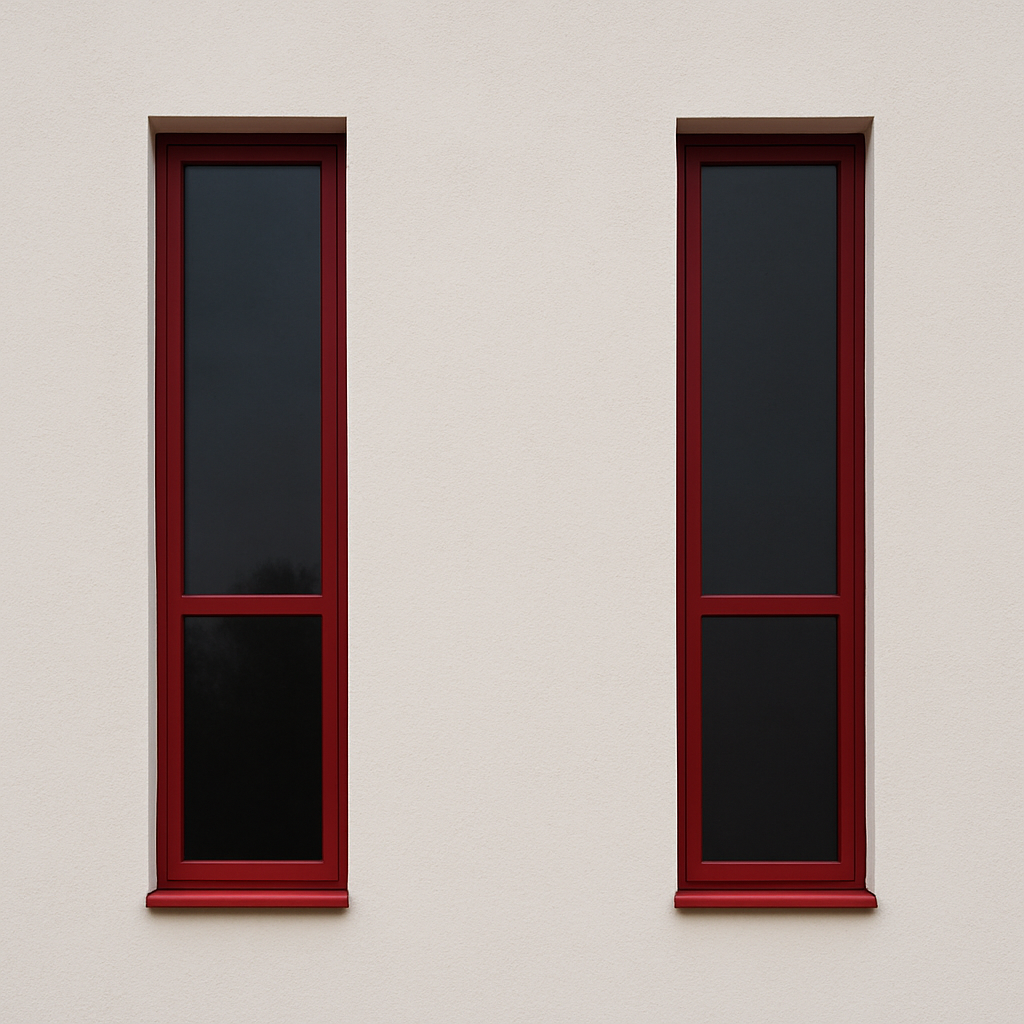
Black vinyl frames facing west or south are a recipe for callbacks. I’ve seen entire façades warp inward after two summers. Hardware binds, seals rip, glass edges stress. The remedy was a full swap to thermally broken aluminum. If you’re set on dark colors, stick with fiberglass or aluminum. See Aluminum Window Frames: Everything You Need to Know for trade-offs.
Over-tinted Low-E is another pitfall. A northern glass wall with heavy solar control coatings turned into a dim cave. The retrofit was swapping to lighter coatings. Match SHGC and VT to orientation, not fashion.
“Smart” glass with bad controls is the last big trap. One office tower had electrochromic units tied only to exterior light levels. They lagged, tinted late, and left meeting rooms dark when not needed. Occupants taped over sensors. The fix was tying controls to both daylight and occupancy, with a manual override for meetings. Without that, expensive smart glass is just expensive tinted glass. For alternatives, see Modern Window Designs for Homes That Work where simpler shading solutions often outperform tech fixes.
Silence That Sneaky Noise

A homeowner moved into what should’ve been a quiet street, only to hear traffic like it ran under their bedroom window. The upgraded glass was good, triple pane with high STC, but sound still bled in. What changed everything was switching to an asymmetric IGU (one pane thicker than the other) and adding a laminate layer on the interior. That mix breaks vibration paths.
Glass specs alone won't save you. If the perimeter gasket or the seal alignment is off by ½ mm, the rating vanishes. Every joint matters. For more on sealing and material detail, see How to Design Glass Windows.
You Might Like
BDF S8MC Window Film Security and Safety 8 Mil Clear
Combines clarity with safety and noise dampening. Useful when you need one pane laminate + one clear in an IGU.
Comfort You Actually Feel
You’ll hear it from occupants: window edges that feel cold, drafts near the frame, shivering next to a glass wall. All that often points to the spacer and edge design, not the main glass. Using a warm-edge spacer pulls the cold inward, making that perimeter glass less of a “cold ring.”
In practice: install warm-edge spacers, don’t depend on metal ones. They keep that glass surface warmer and reduce interior condensation risk. Technoform’s hybrid warm-edge spacers are a good reference—they mix insulating plastics with steel backing for durability.
I push triple glazing first for rooms where people linger—bedrooms, studies, living rooms with big glass walls. The difference in radiant comfort is noticeable. You can lower setpoint, and the room doesn’t feel “glass cold.”
For more on what warm-edge does at the glass perimeter, check Window Design: Complete Guide. And here’s good industry reading on warm-edge performance: Swisspacer: What is a warm edge?.
Install Smarter, Skip the Callbacks
Heavy IGUs set on just two shim points will flex and twist over time. Lay them on continuous shim rails so the weight spreads evenly. After glass is seated, check plumb, level, square in that exact order. Nothing gets hidden after trim goes on.
Test weep holes before covering them. A clogged weep behind the exterior finish leads to water stains and rot later. I’ve traced leaks back to hidden weeps more than once.
On brick or stucco walls, don’t rely on sealant alone as your backup. Use flashing, WRB laps, backup angles. Too many installs I inspect show fat caulk lines failing while the rest of the system is fine. Caulk should be cosmetic, not structural.
For a reference on joinery and moisture detail, Wooden Window Frames: Complete Guide helps when wood or clad systems are involved.
When to Stretch and When to Hold Back
On most homes, put the budget where it buys the most comfort: glass. A solid insulated glass unit with the right Low-E coatings makes more difference than any frame upgrade alone. Triple glazing in cold zones, carefully tuned double in milder ones. Once glass performance is set, pick frames that can carry the load without warping, leaking, or fading. Frames follow the glass, not the other way around.
High-tech options like electrochromic glass sound exciting but often miss the mark in daily life. They shine in big west-facing walls or meeting rooms where glare control is critical. In residential projects, an overhang or exterior screen often beats the same problem at a quarter of the cost. Don’t chase gadgets when orientation and shading can do the heavy lifting. For more layout rules, see Window Design: Complete Guide.
Lessons Pulled from Field Voices
Homeowners and builders leave trails of mistakes online, and they’re worth reading before you spec. A DIY remodeler once skipped bottom caulk, trusting trim to block rain. Within months, water found its way inside and stained the drywall. Another contractor installed units in a 2×6 wall with 2×4 jambs—then spent a weekend retrofitting jamb extensions just to finish trim flush.
One homeowner tried saving money with low-cost vinyl windows. Within two winters, drafts pushed in around bowed frames, seals failed, and condensation spread. They tore them out and paid again for fiberglass units. The second install held straight, sealed tight, and proved that cutting corners on frames often costs twice. If you’re weighing frame choices, match these notes against Aluminum Window Frames: Everything You Need to Know or Wooden Window Frames: Complete Guide.
What to Do Before You Order
Scope your orientation and loads first. Walk the site. Watch the sun angles, wind, and neighboring shadows. Choose glass performance to fit that context. Then build your frame system around the glass, not the other way around. Review specs against regional energy codes and always confirm sill pan details before you sign off drawings.
A useful desk tool: Architectural Detailing – Edward Allen. Clear line drawings that show how to tie windows into walls without relying on caulk. Saved me more than once on brick and stucco jobs.
FAQ
Are black windows just a fad?
No. Black frames are popular because they draw clean lines against most façades. But the material matters. Black vinyl on hot south or west walls warps and fails fast. Use fiberglass or thermally broken aluminum for dark colors. For frame comparisons, see Aluminum Window Frames: Everything You Need to Know.
Do triple-glazed windows really pay off?
In cold climates, yes. Triple reduces drafts and surface chill, especially in bedrooms where radiant comfort matters. In milder U.S. zones, high-quality double glazing with smart Low-E coatings is often enough. Don’t buy a blanket “triple is better” line—match glazing to climate and orientation. More detail in Window Design: Complete Guide.
Which frame lasts the longest?
Fiberglass holds shape best across temperature swings and takes paint well. Thermally broken aluminum is next—strong and slim, but detail it right or you’ll chase condensation. Wood-clad is warm but needs upkeep. Vinyl is fine for budget jobs, but it moves and fails sooner. Expect 30–50 years from good fiberglass.
Why are picture windows expensive?
Size and glass quality. Large fixed panes need heavy insulated units and custom handling. They also require stronger frames and transport logistics. The glass itself is costly, and install is harder. If you want uninterrupted views, budget accordingly. Pair with operable units for ventilation.
What’s the cheapest modern option?
Single-hung and sliders. Simple mechanics, easy to manufacture. They work but lose efficiency fast compared to casements or awnings. Sliders also collect dirt in tracks. Cheap up front often means higher heating/cooling bills later.
Are frameless windows safe?
Yes, when engineered properly. Structural glazing uses laminated and tempered glass tied into hidden frames. It’s common in curtain walls. The danger is sloppy install—sealant gaps, poor anchors. Always demand tested assemblies, not improvised site fixes. Example builds: Expansive Windows in Contemporary Architecture.
How long do modern windows last?
Quality units: 20–30 years minimum, 40–50 if well-detailed and maintained. Vinyl usually ages out first. Fiberglass and aluminum push longer. Failure usually starts at seals—fogging, condensation, or hardware wear—not the frame itself.
Should I bother with smart glass?
Only in specific cases. Full glass conference rooms, west façades with no shading, or labs where privacy flips matter. Everywhere else, exterior shading and blinds are cheaper, easier to control, and don’t break. Smart glass also needs reliable controls or users will override it.
MUST READ: Tuya Smart Motorized Window Opener. Tested retrofit kit that works better for most homes than a $10K smart glazing order.
What’s the weakest part of a window?
Glass and seals. Single glazing is brittle. Insulated glass fails when seals break—moisture creeps in, fog appears. Frames rarely collapse unless mis-specified. Always check perimeter detailing, sill pans, and weeps. That’s where failures start.