
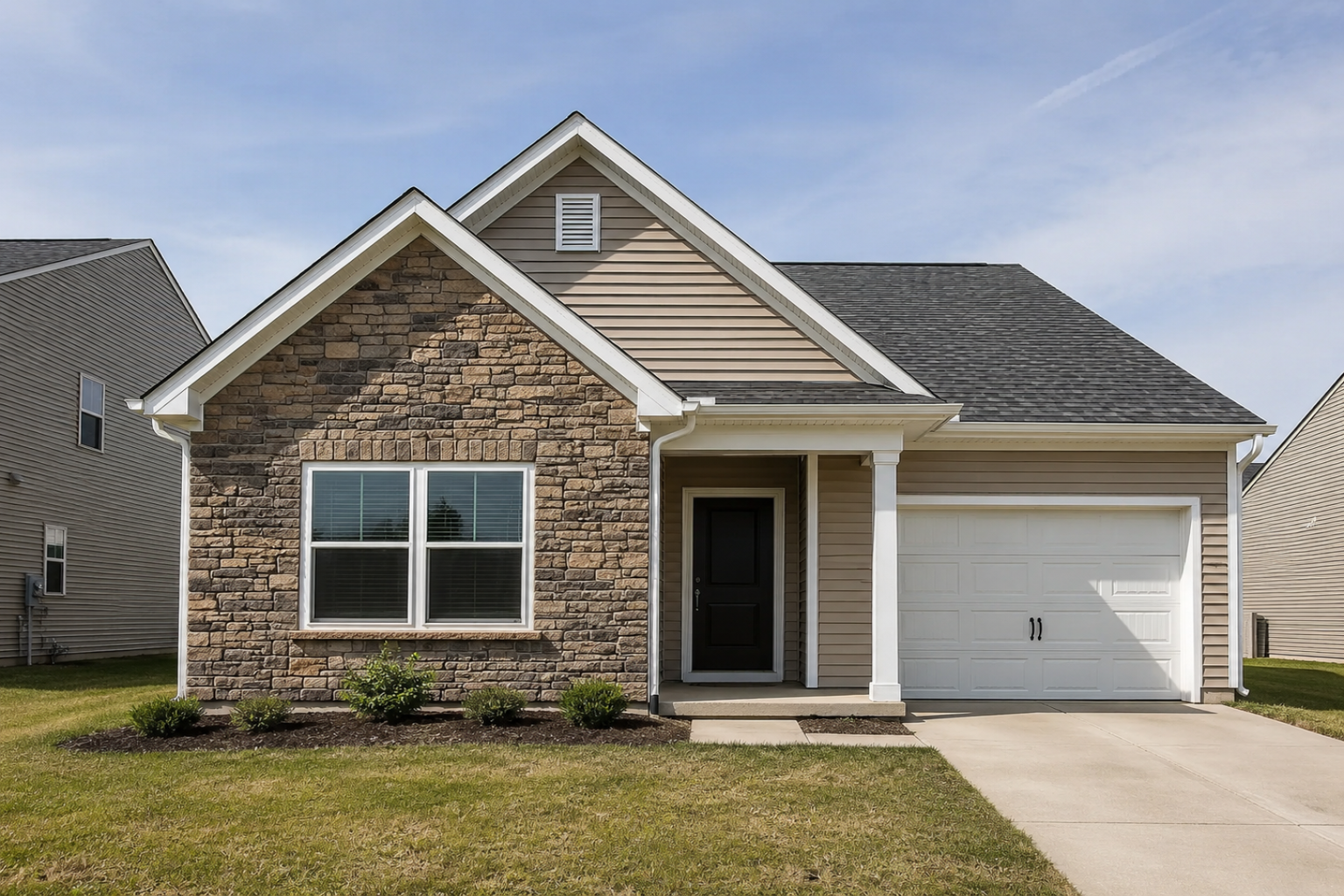
I learned gable rooflines on ladders, not in lecture halls. The first time I framed a gable stacked on another gable, the wind pushed the ridge like a sail and the whole thing hummed. We braced, checked the plumb cut, and I understood why this roof form has survived storms, snow, and a thousand plan changes. This guide is the notebook I wish I had then. It reads like shop talk, because that is how roofs get built right.
What a Gable-on-Gable Roof Is
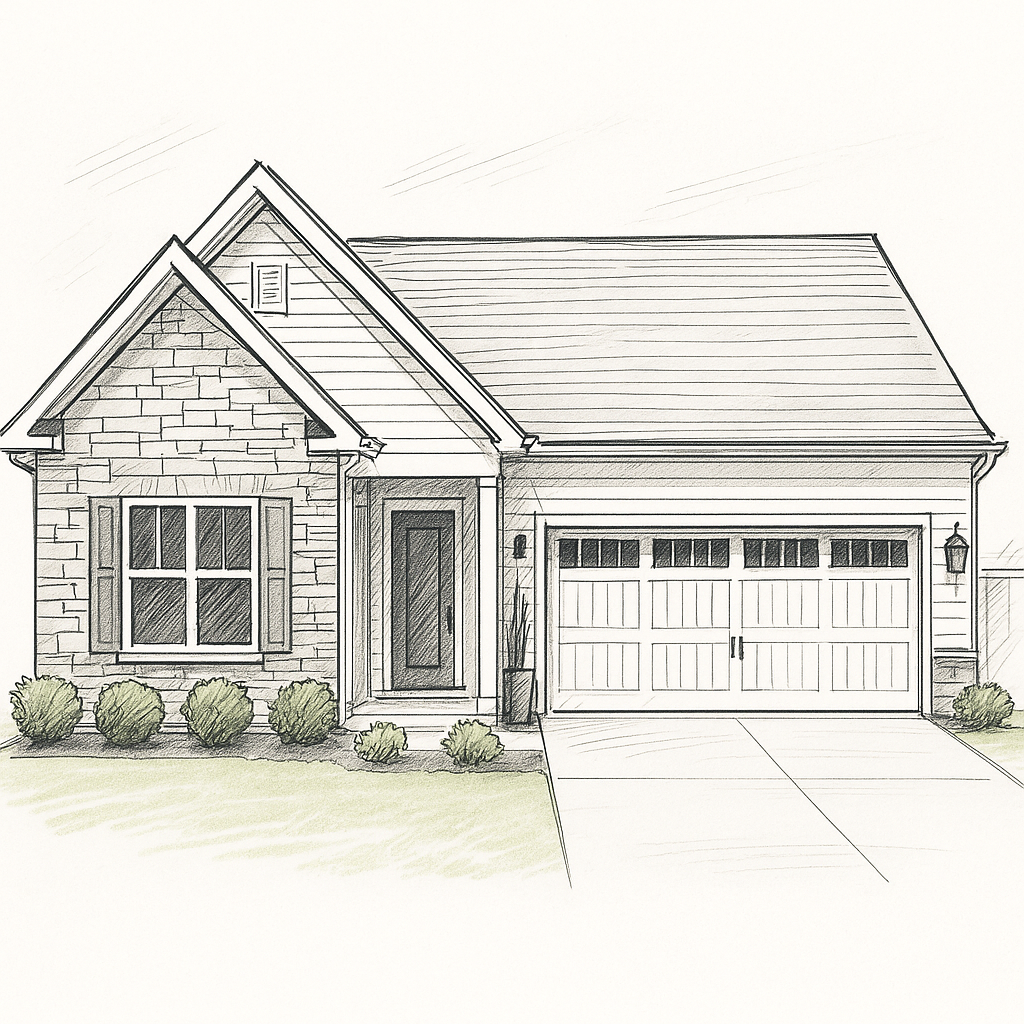
A gable-on-gable is a primary gable roof with a second, smaller gable intersecting it. Think of a main house volume with a front or side cross piece that has its own triangular end wall. The secondary gable can face the street to mark an entry, sit over a bay or porch, or run perpendicular to form a T or L plan. Water breaks at the intersection, loads transfer at the ridge and valleys, and the façade gains depth without resorting to fake trims.
If you need a quick refresher on the families of gabled forms, start with this clear primer on gable roofs explained. For projects that mix hips and gables for wind protection or massing control, this overview of hip and gable combinations shows where that blend shines.
Where This Roofline Works Best
Use a gable-on-gable when the plan has a natural cross axis. It marks a front door with honest volume. It can give a kitchen or great room more head height without popping up awkward boxes. In snow country the steep planes clear easily if the valleys are detailed to move melt. In humid climates the open gable ends ventilate well when soffit and ridge vents are continuous and not blocked by insulation baffles. In high wind zones the end walls and overhangs need careful restraint, but the form is still reliable with the right hardware and sheathing schedule.
Reading the Loads before You Draw a Line
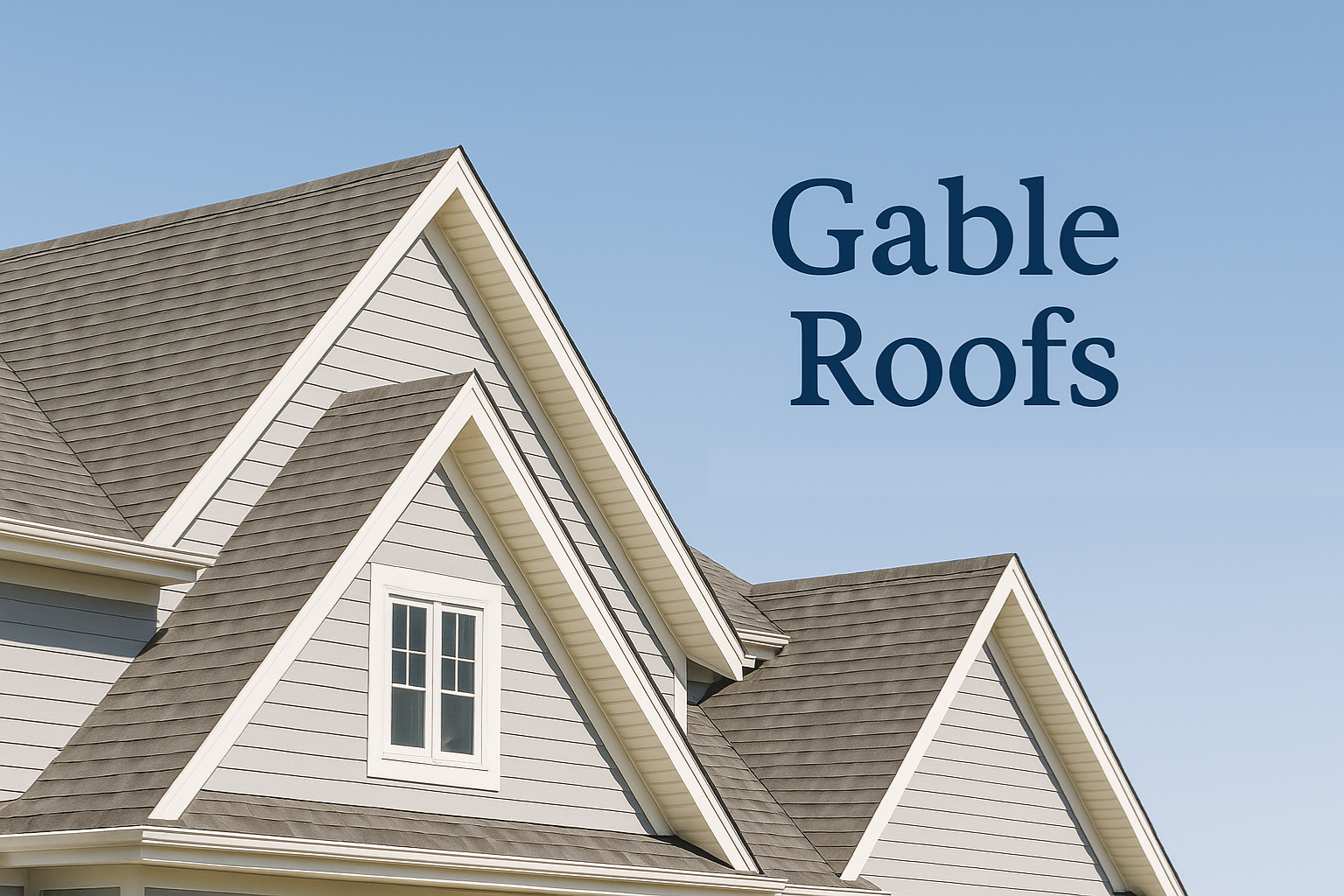
Every clean roof begins with a load path sketch. The main gable carries down to its end walls. The secondary gable adds two valleys that funnel weight into the bearing walls or beams below. The intersection area is where sag and leaks begin if the structure is vague. Decide early if you are using stick framing or trusses. When spans grow, a ridge beam takes vertical load and frees you from depending on opposing rafters for thrust. A collar tie keeps uplift under control near the ridge. A rafter tie resists wall spread down at the plate line. If those terms are fuzzy, take five minutes with rafter ties versus collar ties and the role of ridge beams in framing.
Framing Approaches that Do Not Fail
Stick framing with site-built valleys. Frame the main gable first. Snap the valley layout on the roof deck. Cut valley jack rafters to land tight against a solid valley rafter. Support that valley with studs all the way down to bearing. Do not dump the valley on random sheathing. Where the secondary gable meets the main ridge, give yourself real bearing or a steel hanger sized for the load.
Trusses for the main span, hand-framed cross gable. Many crews drop simple Fink or Howe trusses for the main roof then stick-frame the smaller gable. Order the truss shop drawings early and tell them where the cross gable lands. They will give you a beefed up top chord or a dropped chord for the valley saddle.
Full truss package with piggybacks. On larger houses a truss package will include piggyback trusses for steep pitches and special gable trusses at the ends. Read the bracing notes carefully. If bracing confuses you, this walk-through on truss bracing and roof support reduces mistakes on site.
Need a deeper dive on the families of trusses and how to set them safely. Here is a straight guide to roof truss details and connections.
Pitches, Overhangs, and Why Your Valleys Matter
Pitch choice is not fashion. It sets the whole water story. A 6 in 12 is a friendly worker with good drainage. A 9 in 12 begins to read as tall and sheds snow fast. Very steep planes change wind forces and hardware needs. If you are new to high pitches, these notes on steep roof design and upkeep will save knees and budgets.
Valleys are gutters that you cannot clean with a ladder. They deserve the best membrane you can afford and clean framing so metal lays without bumps. I run peel-and-stick from eave through the valley and at least 18 inches past the centerline each way, then set pre-bent valley metal with hemmed edges. Shingles are cut and slipped, not forced. Keep the nails away from the valley center. Granules hide sins for a season, then the drip tells the truth.
Useful Reference
NRCA Roofing Manual is worth having nearby when you are checking valley, flashing, eave, and roof-intersection details.
See the roofing manual on Amazon
Water Management at the Intersection
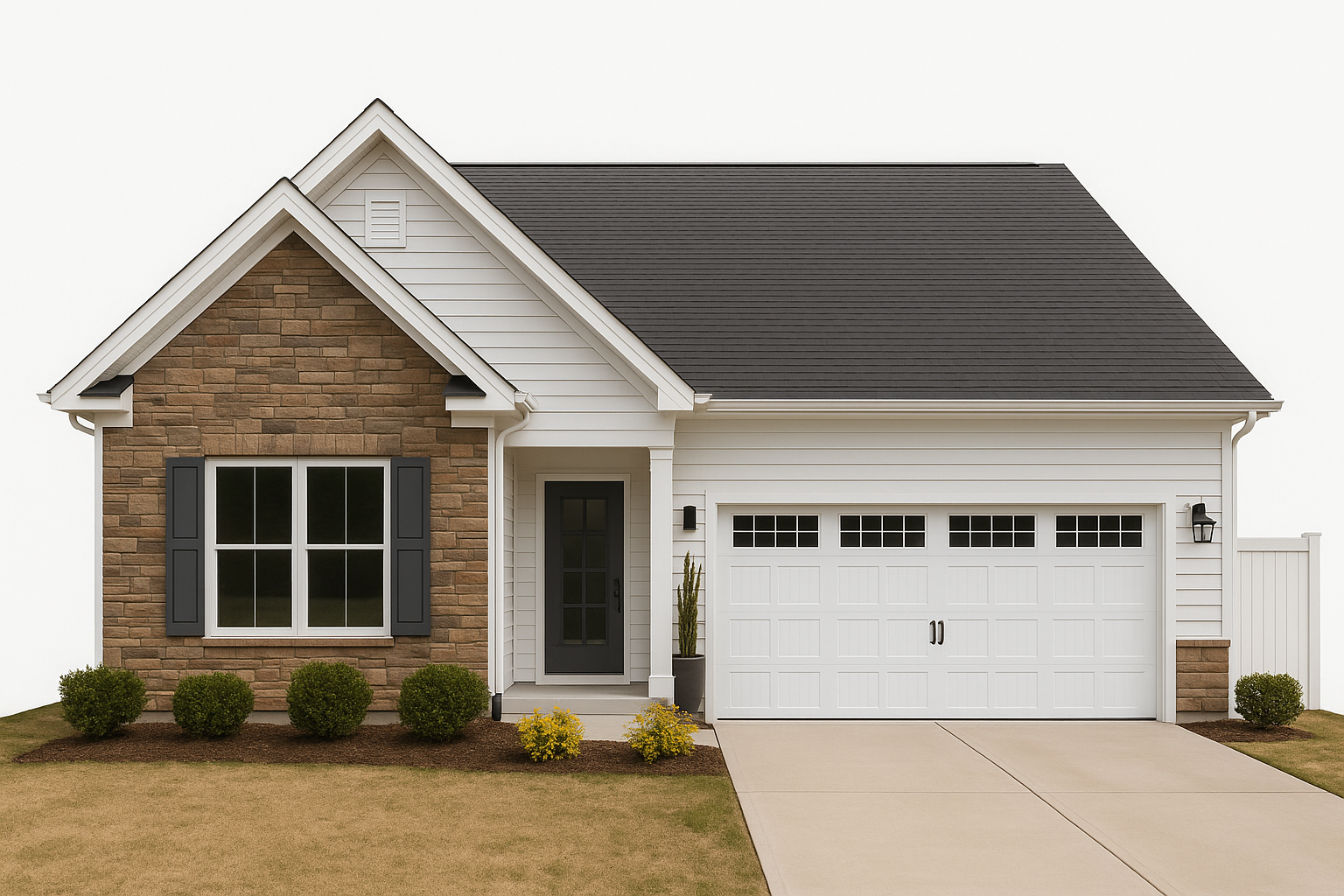
The splice between two gables is where anxiety lives. Here is the sequence that keeps ceilings dry. Deck flat and tight. Self-adhering membrane in a continuous run under the valley pan. Valley metal with a raised center crimp in heavy gauge. Starter shingles set so the cut line is clean. Step flashing wherever the cross gable dies into a wall or chimney. Kickout flashing at the base so water hits daylight, not the siding. Gutters that start before the valley dump and end with a real outlet. Pay a gutter pro to add a drop where the water load spikes. It costs less than replacing fascia and the first floor window trim.
Ventilation, Insulation, and the Quiet Roof
A gable-on-gable is easy to vent if the baffles are continuous from soffit to ridge in every bay. Do not block the airflow at the valley saddle. If code pushes you to unvented assemblies, spray foam against the deck or rigid above the deck both work when detailed. Keep the dew point in the foam layer, not the cavity. Short eaves still need intake so add hidden vents in the frieze, or run a continuous strip vent at the soffit. Noise goes down when air moves up. Fans become optional when the thermal and ventilation logic is sound.
Sheathing, Underlayment, and the Surface You Trust
Sheathing is not a random board. Thickness and fastening pattern control racking and nail holding. If you are replacing or upgrading, skim this guide to exterior roof sheathing before you order delivery. On top of the deck I run synthetic underlayment for the whole field. It grips boots and does not wrinkle in heat. Felt still works, but seams telegraph through light shingles and slow crews on hot days. In ice country I extend peel-and-stick along the eaves to a line past the exterior wall by at least two feet. At skylights and chimneys I double the membrane width and keep flashing visible and serviceable.
Common Variations and How They Behave
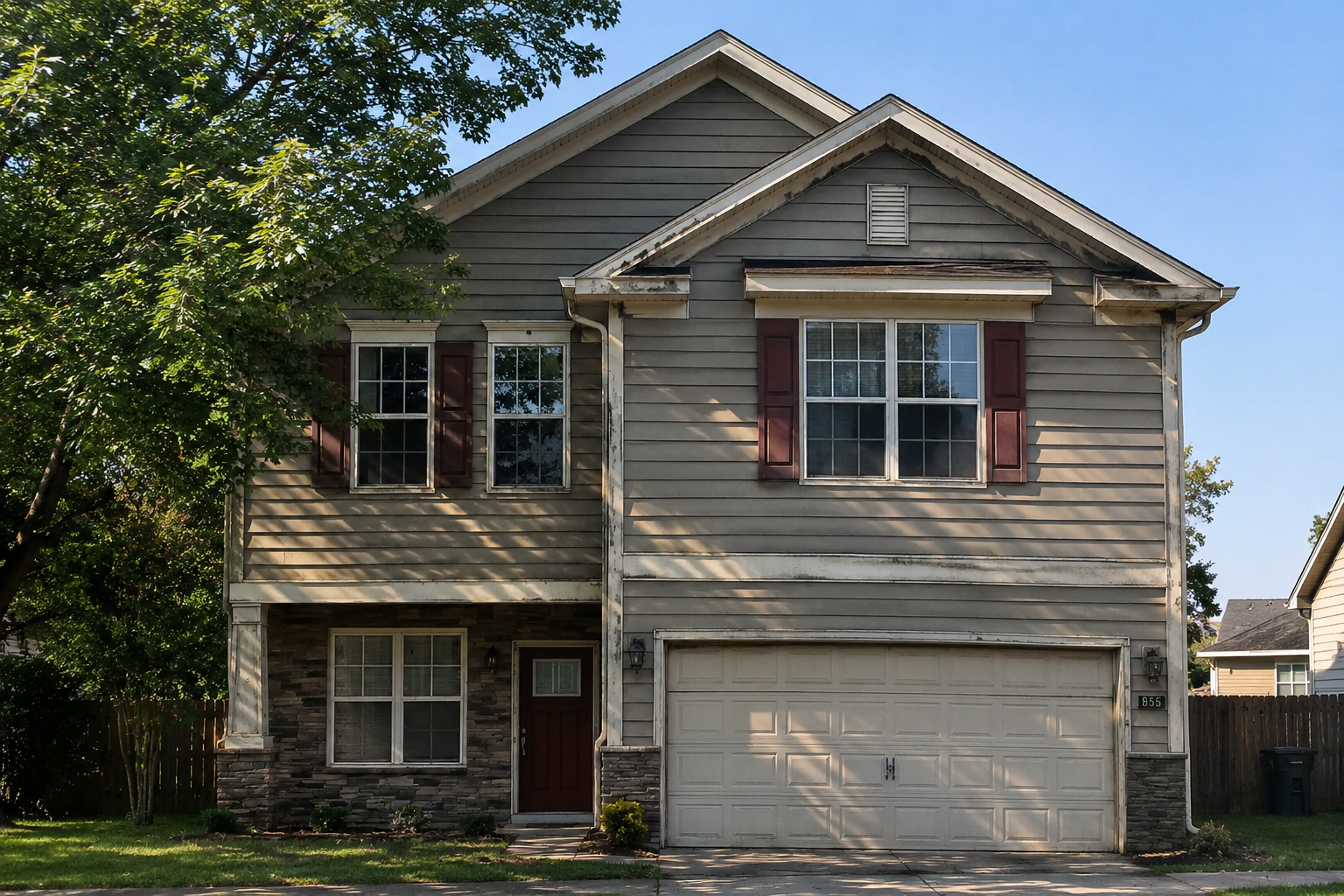
Front-facing gable on a main gable. The classic move for an entry. Set the cross ridge a touch lower than the main to keep hierarchy clear. The façade reads calm, the door gains weather cover, and the interior gets height where people arrive.
Side gable intersecting near midspan. This forms a clean L plan. The valley runs long. Install cricket framing at the inside corner of the eaves so water exits. Without the cricket the downspout floods that joint every storm.
Cross gable, near equal height. Two big gables meeting in the middle feels muscular. It also multiplies valleys and snow loads. Add bearing under both valleys and upgrade the membrane. Keep overhangs modest in wind zones.
Gable on gable over a porch. Light, friendly, and very American in feel. Run the porch gable shallow to avoid fighting the main roof. Airflow is great, rain noise soft, and the street elevation gets scale intimacy.
Dutch gable cousin. A hip roof topped with a small gable. It lowers wind lift at the eaves and gives you a gable face for attic vents or windows. If that hybrid interests you, the primer on hip roof lines explains why some neighborhoods prefer them.
Modern Takes that Respect the Old Logic
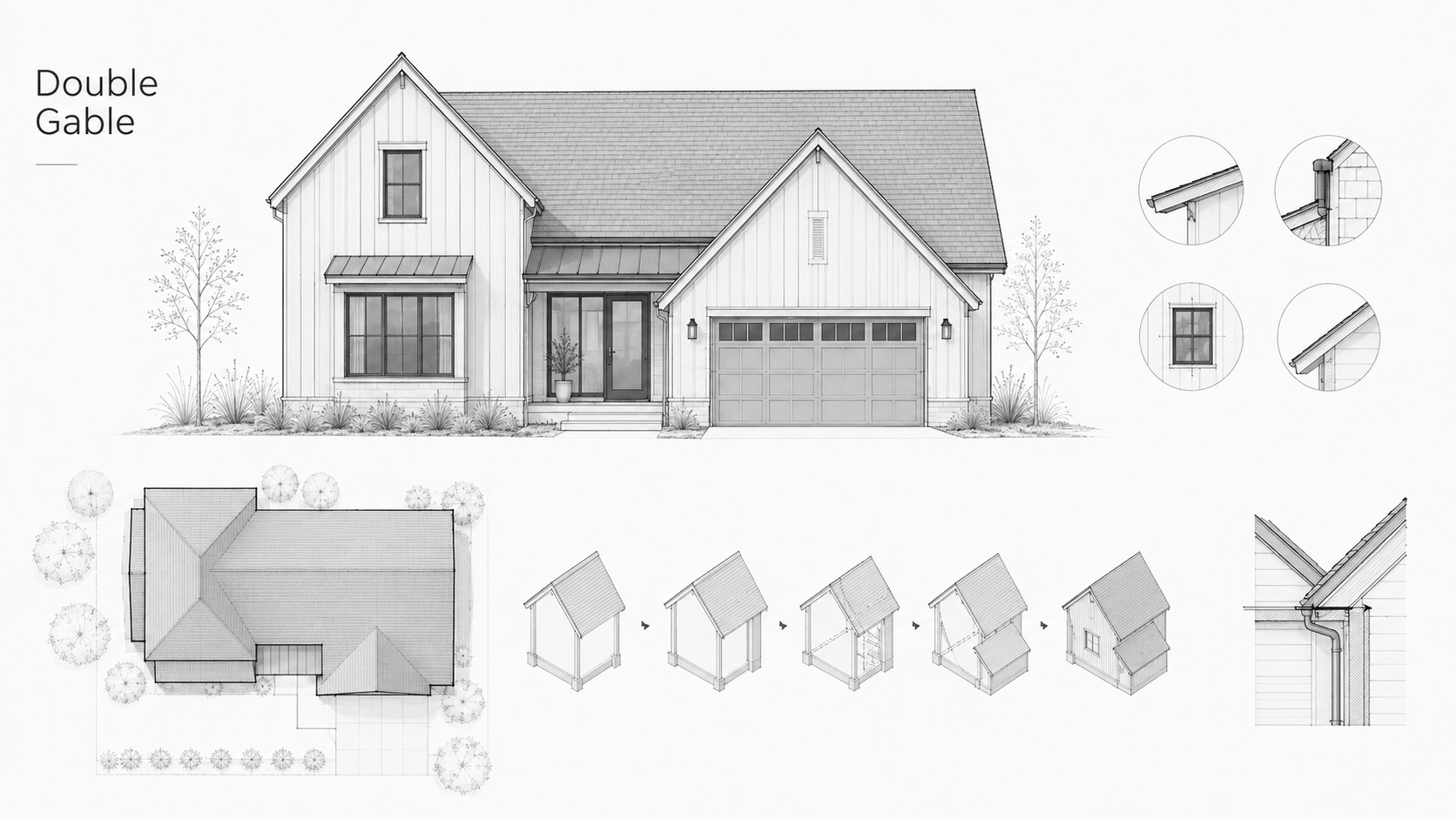
Contemporary builders keep the main box simple, then use a clean cross gable to mark a living core. Glass lives between the volumes to create daylight halls. Metal roofs are common on the secondary gable for a subtle contrast with shingles on the main. Keep profiles thin and flashings expressed. The roof can be modern and still shed like a New England barn. If you are pairing a gable-on-gable with low slopes elsewhere, this guide on why and when to choose a low pitch helps keep one language across the house.
Adding a Gable to an Existing Roof
The smartest additions start with a survey of bearing. Open the soffit and attic to find the wall lines that can accept new load. Sister rafters where the old deck is tired. Frame the new gable on the ground when possible and lift in a clean piece. Tie valleys into studs that land on foundation or beams, not just on ceiling joists. Match the pitch of the old roof or choose a clear contrast. A near miss looks like a mistake. Align eave heights so gutters run continuous without weird steps. On houses with trusses, never cut a truss chord without an engineer and the truss manufacturer’s repair detail.
Material Choices that Fit the Roof
Asphalt shingles remain the value pick for gable-on-gable. Architectural profiles handle valleys and ridges cleanly. Metal is excellent where snow slides or where fire risk is high. Cedar is beautiful, likes to breathe, and needs real overhangs and sun. If you are weighing options, this quick roofing materials list summarizes pros and cons without fluff.
Details that Separate Good from Great
Rakes and eaves. Keep the secondary gable rakes flush with a shadow reveal or a simple frieze. Deep boxed rakes on every face make the elevation noisy. Eaves benefit from consistent projection around the house. When the cross gable needs a different depth, hide the change near a corner or a plane shift.
Gable vents and windows. A round vent stacked over a square window rarely sings. Either align centers on a vertical line or group them in a balanced triangle. Set the trim flush with the siding plane for a modern read, or project it a bit for a traditional shadow.
Snow management. Use snow guards above entries under steep secondary gables. Keep the fall line away from walks. Warm roof edges with proper insulation, not electric cables, unless local ice storms force the exception.
Cost Drivers You Can Control
Complexity costs more than square footage. Every valley adds framing time, membrane, metal, and flashing. Steeper pitches slow production. Scaffolding and fall protection add days. Material choices move the needle but rarely as much as the drawing itself. The simplest way to hit a number and keep quality is to maintain a clear main box and limit the number of cross gables to the moves that help plan and light. A tidy gable-on-gable often costs less than a muddled roof with random dormers.
Field Mistakes and How to Dodge Them
Starved valleys. Crews rush the membrane and nail too close to the centerline. The fix is discipline. Mark a no-nail zone and inspect before shingles go down.
Overbuilt overhangs at the cross gable. A deep overhang on the smaller gable looks heavy and lifts in wind. Keep projections modest, and add blocking and hardware at the end wall.
Missing bearing under the valley. A valley that lands midspan on a ceiling joist is a future crack. Stack studs to a beam or wall. If you cannot find a path, add one.
Vent paths blocked by insulation. Baffles must be continuous. Do not choke the valley saddle. Consider a vented nail base if the cavity route is messy.
Design Moves that Make the Elevation Work
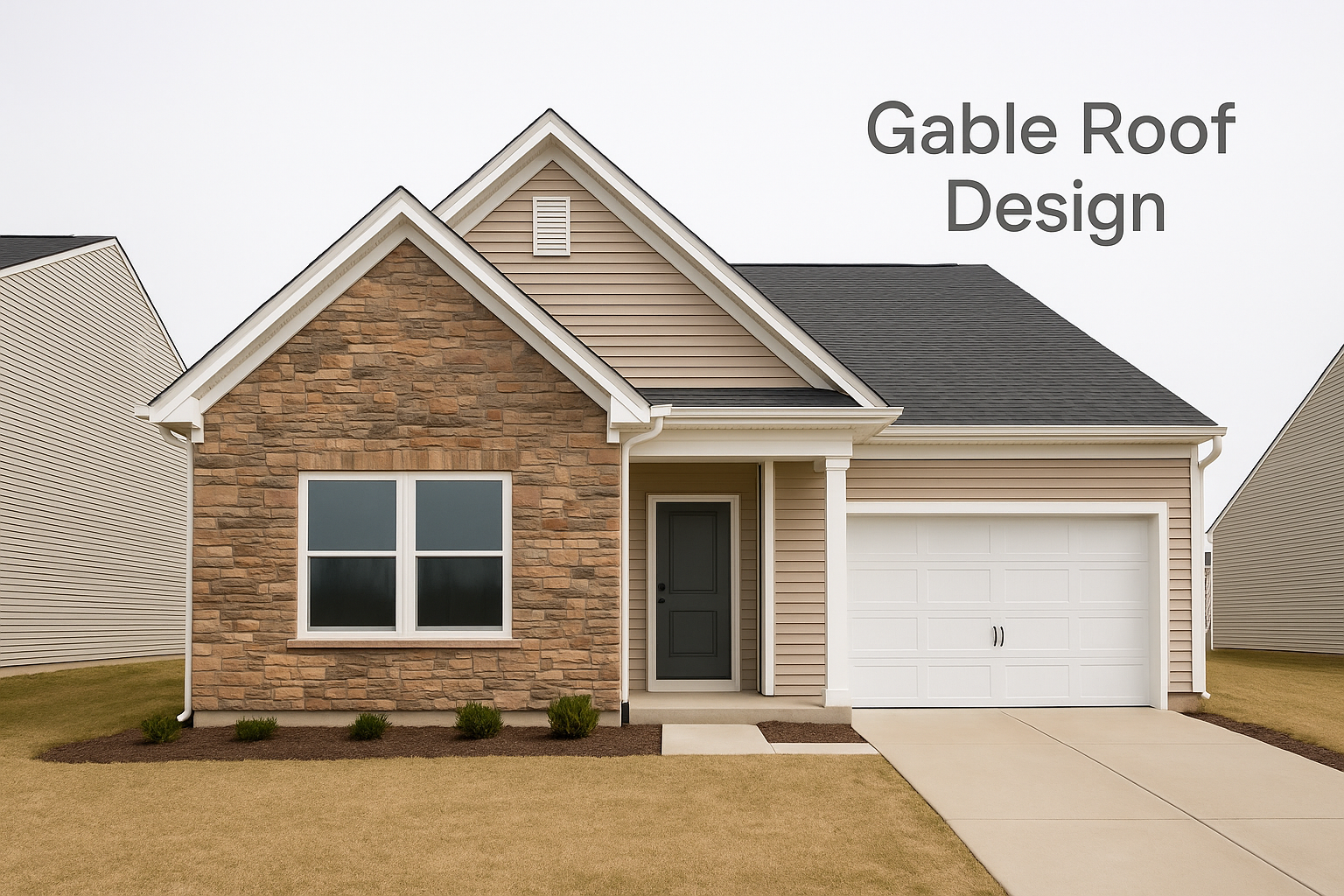
Let the main ridge read as the boss. Drop the cross ridge an inch or two or shorten the overhang to show hierarchy. Align window heads under the gable eaves so the façade breathes with the roof. If you paint the gable end a slightly lighter body color than the main mass, the cross piece comes forward in a calm way. Materials can shift too. Board-and-batten on the small gable and lap on the main body is a classic farmhouse read. Brick main with shingle-clad cross is a New England move that ages well. If you want context on how to balance these decisions inside the house, this plain guide to home roof design choices links exterior and interior logic.
Gable-on-Gable vs Non-Gable Roofs
Versus hip roofs. Hips are calm in wind and clean at the eaves. They do not gift you big end walls for windows or the clear triangular mark of an entry gable. A gable-on-gable is stronger for natural light and rhythm on the street. A hip reads quieter and rounds corners nicely. Mix them when the site pushes wind hard, but keep the gable legible at entries.
Versus shed roofs. Sheds give bold, modern lines, great solar faces, and easy framing. They also push tall walls on one side and can look top heavy on small lots. A gable-on-gable is more neutral and plays well with traditional streetscapes.
Versus flat roofs. Flat can be elegant in dry climates and on tight urban sites with parapets and drains. Maintenance is different. A gable-on-gable is friendlier for water, snow, and do-it-yourself work.
Two Quick Case Notes from the Field
Lake cottage. The main 8 in 12 gable ran north to south. We added a small 6 in 12 cross gable to mark the porch and pull light into the living room. Ridge dropped two inches below the main. Valleys landed on a new LVL with posts hidden in bookcases. The elevation gained character, the plan gained daylight, and the cost impact was modest because the detailing stayed simple.
Snowbelt farmhouse. The owner wanted a dramatic cross gable over the kitchen. We kept the main ridge dominant, used standing seam in the valley zone, added snow guards above the mudroom door, and doubled the membrane. No ice dams the first winter and the kitchen got morning sun under the peak.
Maintenance that Pays Off
Walk the roof from the ground after big storms. Look where valleys meet gutters. Clean debris at the inside corners. Touch up sealant around step flashing only if the metal is intact. Replace, do not smear, when flashing fails. Every five to seven years, check paint on the fascia and rakes. Refasten loose ridge caps before the next wind finds them. A roof that is inspected twice a year lasts far longer than one that never gets a look.
Eco and Code Notes in Plain Language
Cool roofs help in hot, bright regions. In cold regions, focus on airtightness and insulation before fancy coatings. Rainwater collection wants a clean valley layout and leaf protection. Solar panels work well on the main gable faces. Keep valleys free of racks. If you are comparing roof systems beyond asphalt and metal, this digest of roofing systems lays out options and where they make sense.
FAQ
Quick Answers for Busy Homeowners
Is a gable-on-gable more expensive than a plain gable? A little. The extra gable adds valleys, flashing, and framing time. You can control cost by keeping the intersecting gable modest and the details consistent.
Will this roofline leak? Any roof will leak if the valleys and step flashing are sloppy. With good membranes, metal, and fasteners set back from the valley centerline, it stays dry for decades.
What pitch should I choose? Match your region and style. Moderate pitches are easiest to build and maintain. Very steep faces shed snow well but need better fall protection and sometimes engineered hardware.
Can I add one to a ranch house? Yes. It is a common upgrade to give a porch, entry, or great room more presence. Just respect the existing bearing and tie new loads to real structure.
Checklist
- Valleys land on bearing and are skinned with membrane before metal.
- Step flashing has a clean lap at every shingle course and a true kickout at the base.
- Vent baffles are continuous, and ridge vents are not choked by shingle cement.
- Gutters begin before the valley discharge and drain to a real downspout, not a guess.
- Secondary gable reads as a support act. Main ridge remains the leader.
Read Next
- If you want one more angle on rooflines across the house, this roundup of common roof line types is a fast scan. For complete exterior decisions that tie roof to walls, a short stop at home roof design tips is time well spent.
- roof truss details and connections
- eco roofing options that hold up
Sources & Reference
- NRCA: Roofing Manual, Steep-Slope Roof Systems
- International Residential Code: Chapter 9, Roof Assemblies
- International Residential Code: Sidewall Flashing
- Structural Building Components Association: BCSI Truss Guide
- ENERGY STAR: About Attic Ventilation
- U.S. Department of Energy: Air Sealing Your Home