
How to Start Learning Urban and Landscape Design Before College
The Best Courses for Students Interested in Urban and Landscape Design
Ever notice how good design changes the way a city feels? A well-crafted park or smart street layout doesn’t just look sharp—it improves well-being, air quality, social cohesion, and even local business. This field blends art, ecology, engineering, and civic politics to make cities healthier and more beautiful.
Why 2025 Is the Year to Study Urban and Landscape Design
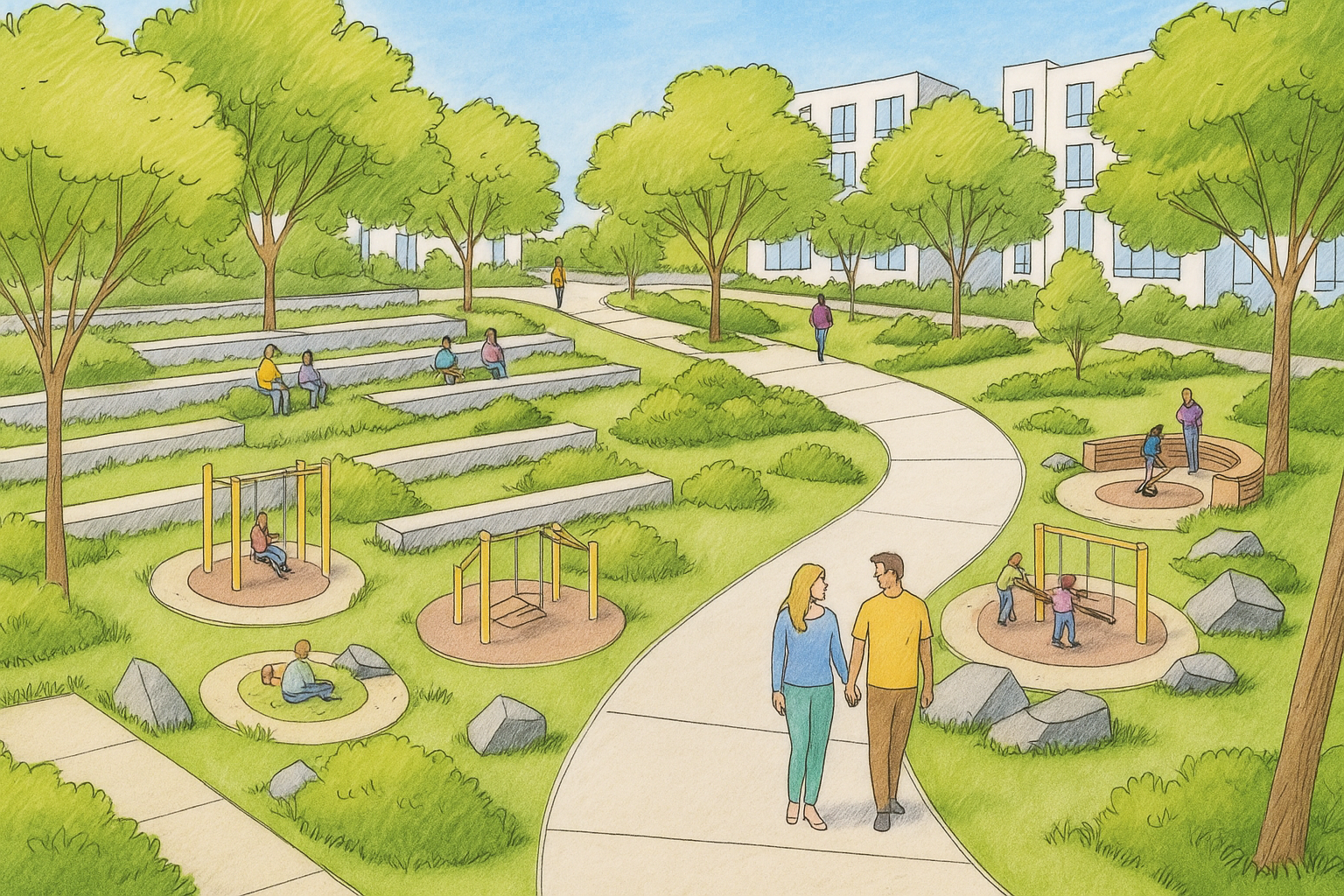
Cities are shifting fast. Climate change, housing pressure, and post-pandemic public space use are rewriting how we think about design. In 2025, universities are not just teaching theory—they’re treating their cities as live labs. Students at UCL work inside London regeneration projects. At Berkeley, you map wildfire risk into housing plans. In Singapore, you study vertical gardens as part of infrastructure.
This field is no longer niche. Governments are pouring money into green infrastructure, transit-oriented development, and resilient landscapes. That means students graduate into real demand. If you want a career that blends design with impact, there’s no better moment. The next generation of urban and landscape designers aren’t drawing for the shelf. They’re delivering frameworks that may decide how millions live, move, and breathe.
You might like: Kevin Lynch's 5 Elements of a City | Guide to Urban Design
Top Programs to Watch in 2025
Urban Design & Planning
-
UCL Bartlett, London – Ranked #1 globally for architecture and the built environment. Think rigorous, theory-led studios that mix tech, policy, and public space design.
-
UC Berkeley MUD – A one-year STEM-designated master for those with prior professional degrees. You work at neighborhood to territorial scales with a critical, research-infused lens.
-
Taubman College at University of Michigan – A three-semester theme-based MUD (justice, tech, climate) for designers, planners, and architects.
-
Harvard Graduate School of Design – Offers everything from M.Arch and MLA to urban planning and Urban Design, all under one storied roof.
-
MIT DUSP – Their urban planning and design department leads in innovation, especially with data, transit, and housing.
Landscape Architecture & Green Systems
-
Wageningen University (Netherlands) – Europe’s #1 for Landscape Architecture. Sustainability and environmental systems are core.
-
Arizona State University – Ranked #1 in North America for landscape architecture. Focus on urban ecology and climate-responsive design.
-
University of Massachusetts Amherst – Ranked #2 in North America. Strong on environmental and community landscapes.
-
University of Toronto’s Daniels Faculty – Canada’s flagship for architecture, urban design, and landscape programs, with generous scholarships built in.
Urban Planning Accreditation (North America)
-
The Planning Accreditation Board (PAB) accredits about 80 master's programs across 84 universities—key if you want professional planning or AICP certification later on.
See also: How to Choose a Master’s in Architecture and Urban Design: Schools, Costs, Careers
Real Course Picks You Can Apply Right Now
-
Introduction to Urban Planning & Design – MIT
Foundation course working through zoning, public realm, and city form. -
Landscape Architecture I – Harvard GSD
The basement studio: form-making in outdoor space, materials, and human scale. -
Sustainable Urban Development – UC Berkeley
Hybrid course mixing ecology, energy systems, and future-proof form. -
Public Space Design – UCL
Studio-based—craft plazas, streetscapes, and 3D town spaces. -
Green Infrastructure – NYU (via Coursera/online)
Rain gardens, green roofs, urban forestry—practical and digitally approachable. -
Transportation Planning & Policy – Stanford
Move beyond “what a street looks like” to “how it works for people.” -
Environmental Impact Assessment – University of Toronto
Evaluate real-world projects, design mitigation plans that agencies will actually accept.
Career Paths That Actually Exist

-
Urban Planner – Write development codes, maps, and policies that shape cities.
-
Landscape Architect – Design gardens, campuses, streets, and parks with ecological savvy.
-
Sustainability Consultant – Work on climate-resilient, energy-smart city systems.
-
Developer or Design Director – Lead design on mixed-use or transit-driven urban projects.
-
Academic or Researcher – Publish new frameworks in climate-responsive urbanism or co-design with communities.
Insider Tips for High School Students
-
Dive into art, geography, or environmental science.
-
Join eco-clubs or local design nonprofits.
-
Map your city—how do streets, parks, plazas, and buildings flow?
-
Start sketching or making quick models, even in cardboard.
-
Visit local campuses with strong programs to get a feel for the studio vibe.
Continuing Education & Fast Skills Upgrades
-
Industry certifications through APA or IFLA boost credibility.
-
Online platforms like edX or Coursera offer real design theory courses (e.g. green infrastructure).
-
Always stay plugged into local design workshops, webinars, and professional forums.
Final Take
This guide gives you a real snapshot of where urban and landscape design education actually happens—and why it matters. From theory-heavy studios at Bartlett to climate-first infrastructure at Wageningen, these programs aren’t about marketing— they are where walking through a future city starts today.
FAQ
1. Do I need an architecture background to apply?
Not always. Many MUD or landscape programs accept students from planning, geography, or environmental science if you show spatial design ability in your portfolio.
2. What software should I learn before starting?
Get comfortable with Rhino, GIS (QGIS or ArcGIS), and Adobe Suite. Many programs expect at least baseline skills so you don’t lose time in studio.
3. How heavy is the studio workload?
Studios are the core. Expect 20–30 hours a week minimum on drawings, models, and critiques. Nights in the studio are common.
4. Are there strong career paths outside private design firms?
Yes. Public agencies, NGOs, sustainability consultancies, and development firms all hire grads. Landscape grads often lead climate and water management projects.
5. How much does fieldwork matter?
A lot. Many programs require site visits, mapping, and community workshops. Some even send you abroad—like Delft’s urbanism studios in Asia or Africa.
6. What’s the job market like in 2025?
Demand is strong in climate adaptation, housing, and mobility. U.S. and Canada are hiring through public investment, while Europe emphasizes sustainability research.
7. Which programs are best if I want to work internationally?
Look at UCL Bartlett, TU Delft, ETH Zurich, Harvard GSD, and Melbourne. Their alumni networks open doors globally.
Related
- How to Choose a Master’s in Architecture and Urban Design: Schools, Costs, Careers
- Master of Urban Design Degree: What You’ll Study, Where to Apply, and How to Get In
- Kevin Lynch's 5 Elements of a City | Guide to Urban Design
- Urban Planning Essentials: What Every Architect Gets Wrong
- Tips for High School Students Considering Urban and Landscape Design
- Why Biophilic Cities Are the Future of Urban Planning
- History of Landscape Architecture: From Ancient Gardens to Urban Parks
- Urban Planning in Ancient Rome: Roads, Forums, and Aqueducts
- What are the 5 Points of Urban Design?
- Diploma in Architecture: Your Guide from High School to Advanced Diplomas
- Free Online Architecture Courses for High School Students
- Introduction to Architecture For High School Students
- Architecture Schooling: From High School Prep through B.Arch to PhD
- Classes to Take in High School for Architecture