

Thinking About Urban & Landscape Design in High School? Here’s What You Actually Need to Know
Most high schoolers I talk to think this field is about sketching pretty trees or designing parks. It isn’t. It’s about reading land, fixing problems, and shaping spaces people actually use. Here’s how to get started without wasting time.
Why This Path Wins
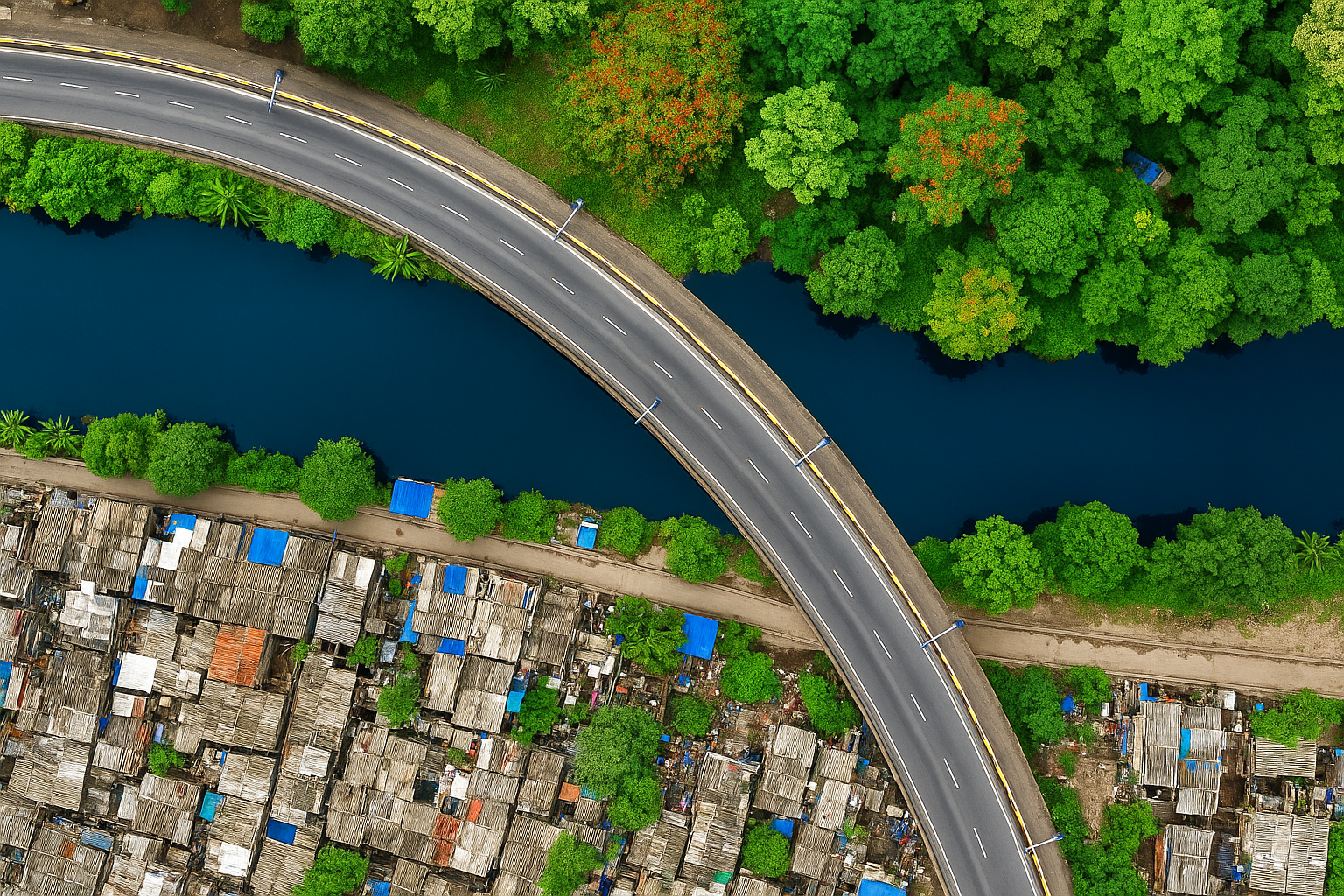
Urban and landscape design gives you a skill most students never get: you learn how places actually work. While others chase shiny renderings, you’ll know how to read ground, cost a bench, and sketch a street that drains. That makes you useful fast.
I’ve seen students walk into first-year architecture with a portfolio of nothing but pretty sketches. Then I’ve seen others bring photos of a school garden they built, receipts of materials, and a simple 3D model of their own block. Guess who got the internship?
Design is about proof. Build one thing that lasts—a bench, a planter, even a bus-stop mock-up—and you’ll carry that lesson into every drawing. That’s what sets apart the kids who get noticed early.
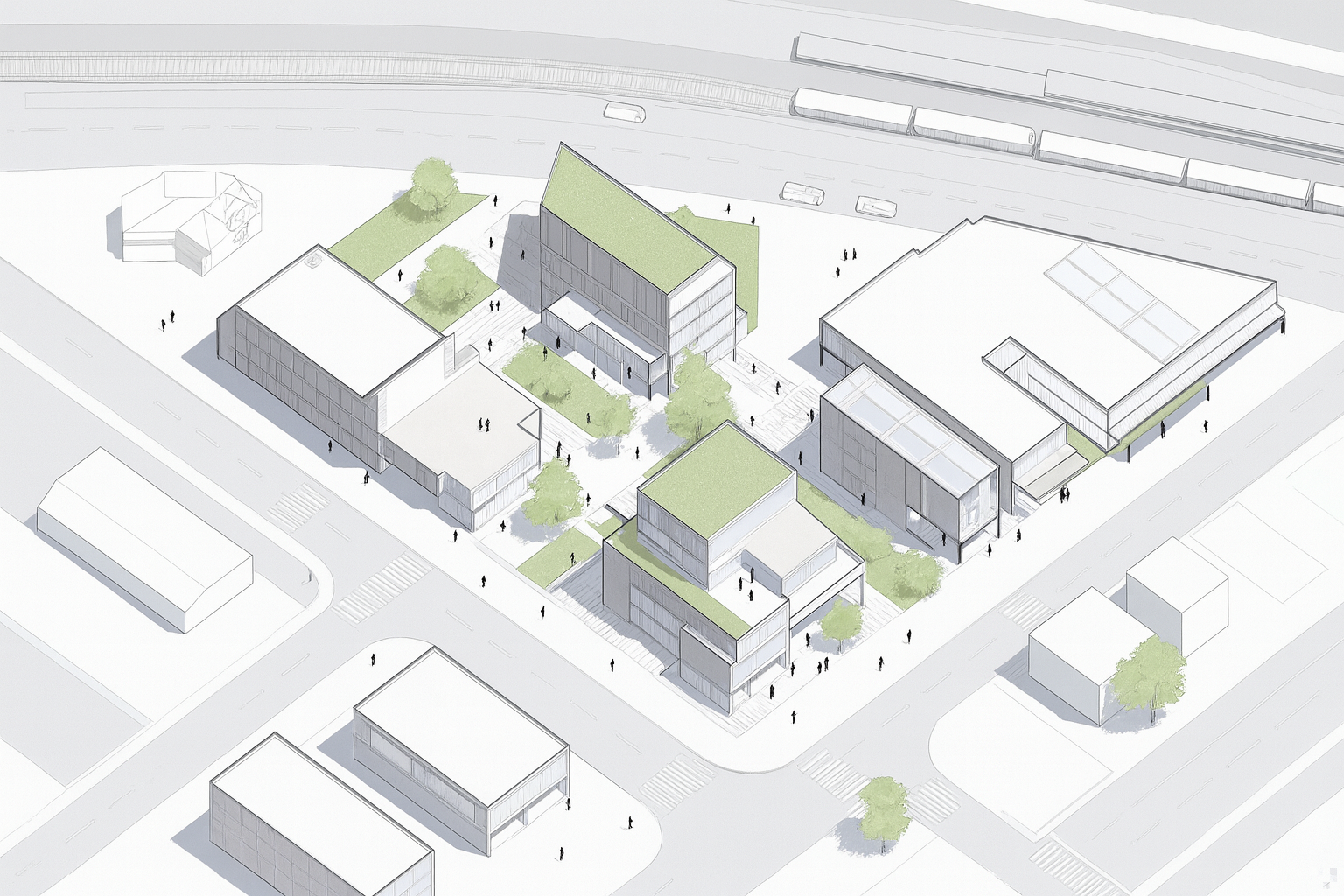
Take Courses That Matter
Forget filler electives. Choose classes that teach how places really work.
Geography and environmental science will give you tools to understand slopes, drainage, sun, and soil. That’s the baseline for every landscape plan. Art keeps your eye sharp—sketch your own street in the morning and again at sunset and you’ll see how light changes everything.
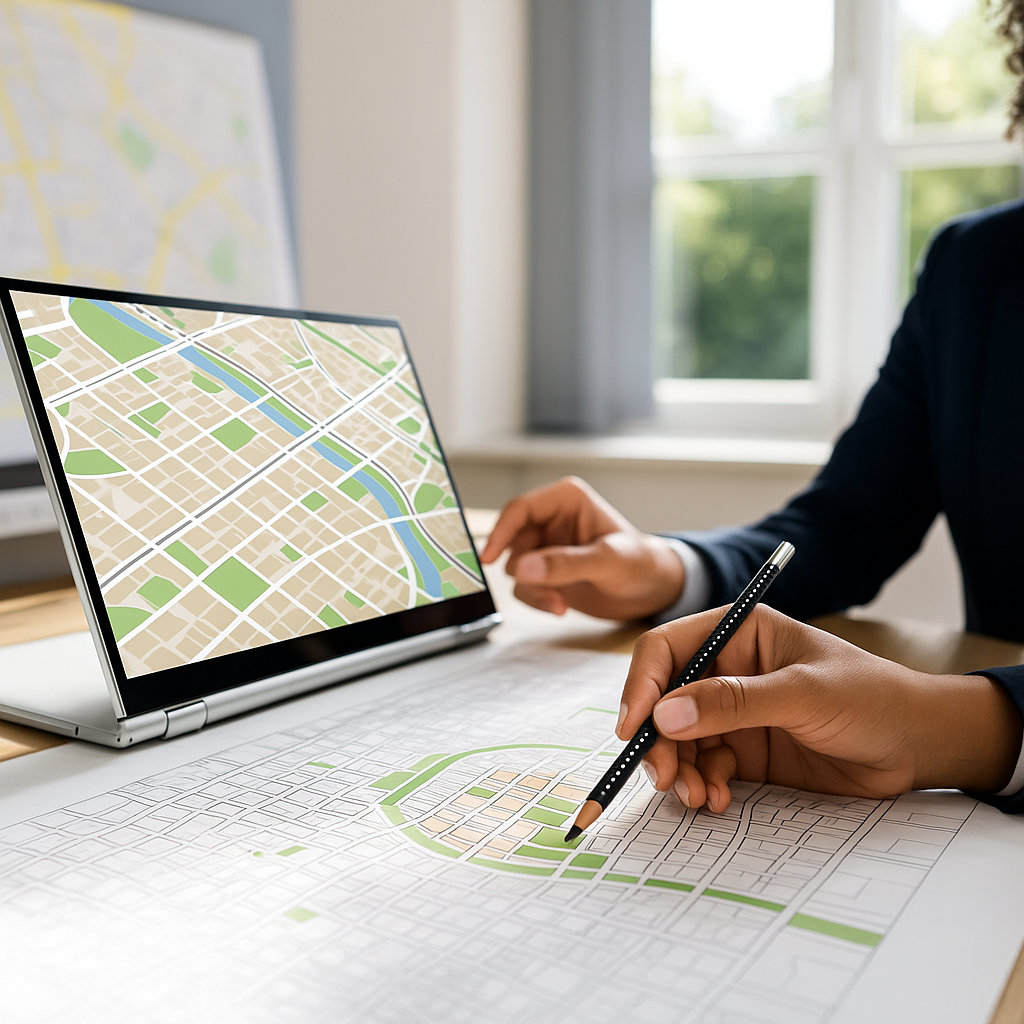
Don’t ignore basic tech. Learn software like SketchUp or GIS now. Even a simple project, like redesigning your school courtyard digitally, will make you stand out later. By college, you’ll already have the muscle memory that others are scrambling to build.
Get Out of the Classroom
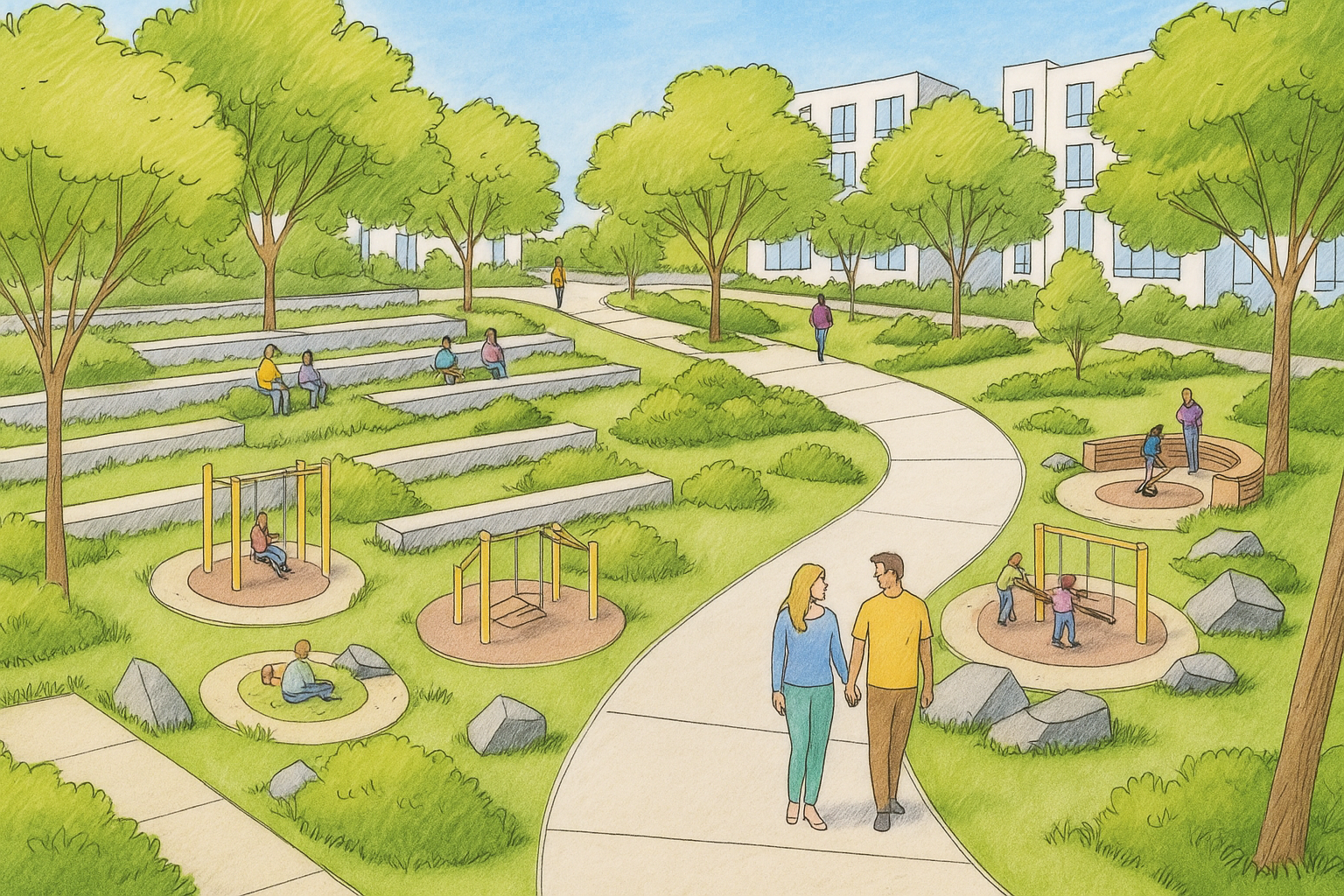
You won’t learn design by staring at slides. Walk through neighborhoods. Watch how people move, where they sit, and which paths they actually take. The bench no one uses is as important as the one everyone fights for.
Volunteer for real work—school gardens, community cleanups, tree planting. The best lessons come from digging holes, moving soil, and trying to make something last through a season of rain and sun.
Hands-On Programs Over Extra Credits
If you get the chance, join a design studio, summer program, or community workshop. Building models, presenting ideas, and working with mentors teaches more than any extra AP class.
Those experiences matter more in portfolios and interviews than another line on your transcript. A portfolio that shows you tested an idea, failed, fixed it, and tried again is worth more than perfect grades with no proof of applied work.
Related: Kevin Lynch's 5 Elements of a City | Guide to Urban Design
Build Something Yourself
Don’t wait for permission. Start with small projects: a backyard planter, a pallet bench, or even a pop-up parklet in your driveway. The point is to measure, cut, fail, and fix.
A single weekend build will teach you more about scale, stability, and cost than months of theory. And when you sit in that chair or lean on that bench, you’ll feel design in a way no drawing can teach.
Research Colleges the Smart Way
When the time comes, look for programs that connect design, ecology, and cities. Big names sound nice, but what you really need are professors who push fieldwork, studios that link to real communities, and opportunities to build both digitally and physically.
Visit campuses if you can. Pay attention to the student work pinned on walls. If it’s only shiny renders with no sign of process or fieldwork, that program might not prepare you for the messy reality of design.
How to Stand Out
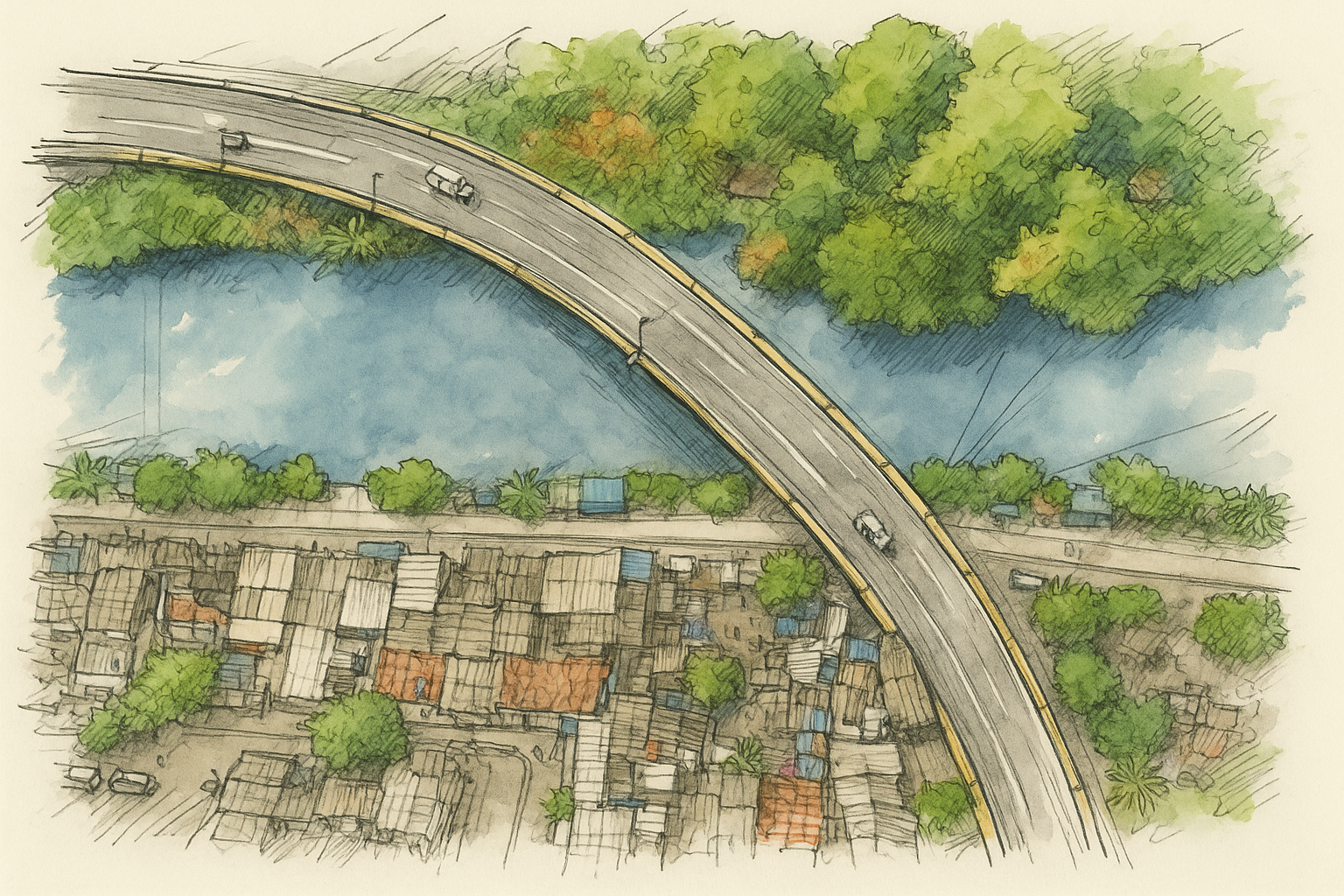
Join or start a club that does actual projects—gardens, recycling systems, courtyard redesigns. Document everything. Show the before, the after, the mistakes, and what you’d fix next time.
That process is what separates real design work from empty talk. A photo of you knee-deep in soil or standing by a bench you actually built says more than ten pages of theoretical diagrams.
Learn the Language of Cities Early
Design isn’t only about objects—it’s about systems. Learn why streets flood after storms. Learn how zoning rules decide where parks and shops go. Pick up books that break down how neighborhoods are built and rebuilt. Even short reads will help you see your own town with new eyes.
See also: What are the 5 Points of Urban Design?
Ask Professionals Directly
Reach out to landscape architects, planners, or city engineers in your area. Most are willing to talk if you ask thoughtful questions. Shadowing someone for even a day can show you how much negotiation, codes, and client management goes into this work.
Train Your Eye Everywhere
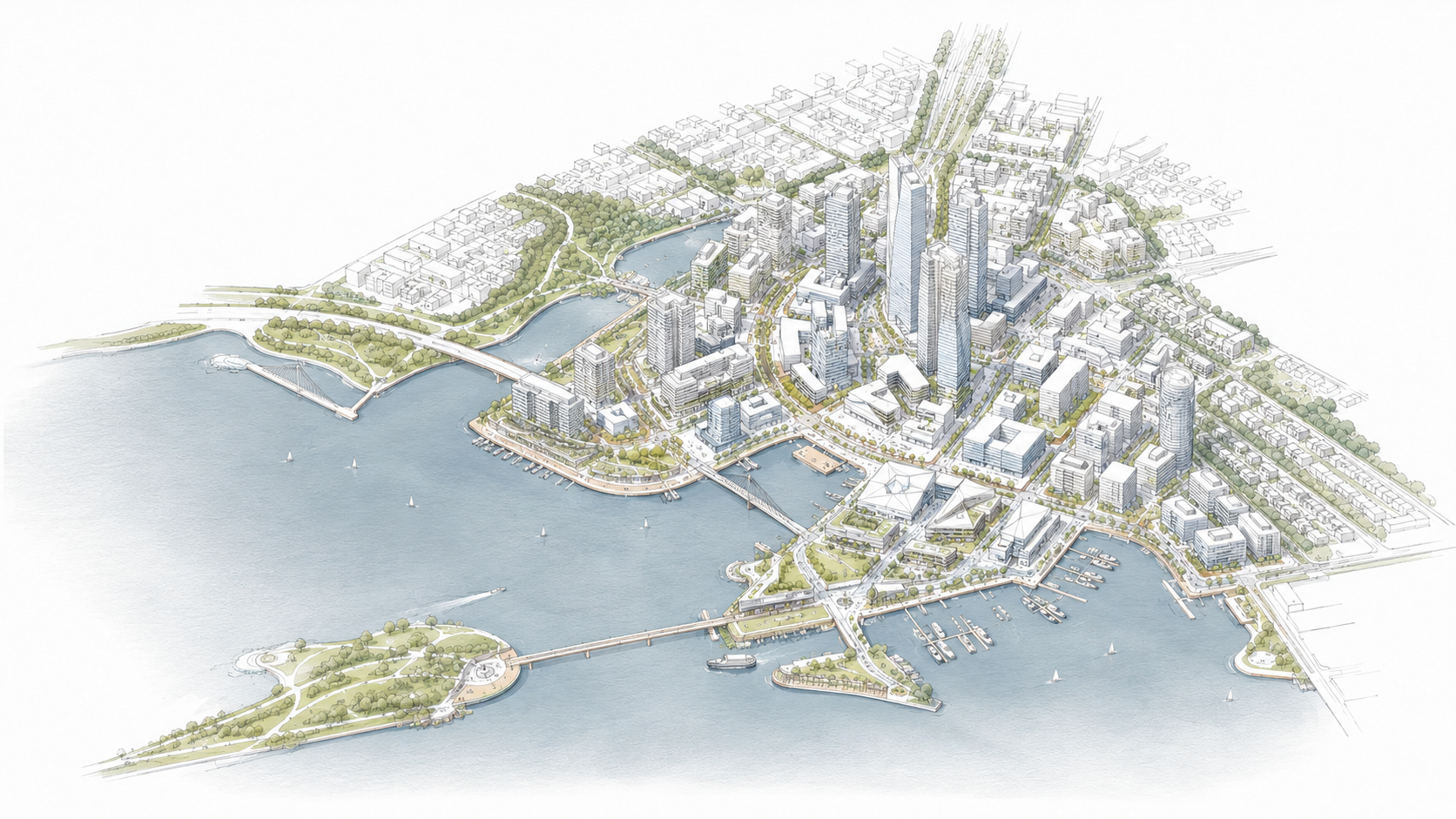
Ride the bus. Walk a trail. Sit in a plaza for an hour. Notice what makes people linger, what makes them leave. If you can explain why a street corner feels alive while another feels dead, you’re already practicing design thinking.
Final Word
Urban and landscape design is not about drawing pretty parks. It’s about designing spaces where people live better, safer, and healthier. Start small. Test yourself. Learn what fails. The sooner you get your hands dirty, the sooner you’ll figure out if this field is really for you.
FAQ
1) Do I need to be good at math for urban or landscape design?
You need enough math to handle scale, area, slope, and cost. It’s not calculus-heavy, but you can’t dodge numbers.
2) Which is better for high school prep: art or science?
Both. Art trains your eye, science trains your logic. Skip one and your work will show it.
3) Do I need to buy expensive software now?
No. Start with free tools like SketchUp Free, Blender, or GIS QGIS. Learn habits, not shortcuts.
4) What’s one DIY project I can start in high school?
Redesign your backyard or school courtyard. Even moving dirt, setting plants, or building a simple bench counts.
5) Will volunteering help me get into design school?
Yes—if it’s hands-on. Planting trees, laying paths, or designing small community spaces shows initiative.
6) How do I make my portfolio stand out before college?
Show process. Sketches, site photos, mistakes, fixes, and the final result. Schools want to see how you think, not just pretty drawings.
7) Is this career only about drawing parks?
No. It’s about solving real problems—flooding, housing density, safe streets, and public spaces people actually use.
Related
- How to Choose a Master’s in Architecture and Urban Design: Schools, Costs, Careers
- Master of Urban Design Degree: What You’ll Study, Where to Apply, and How to Get In
- Kevin Lynch's 5 Elements of a City | Guide to Urban Design
- Urban and Landscape Design Courses
- Urban Planning Essentials: What Every Architect Gets Wrong
- Why Biophilic Cities Are the Future of Urban Planning
- History of Landscape Architecture: From Ancient Gardens to Urban Parks
- Urban Planning in Ancient Rome: Roads, Forums, and Aqueducts
- What are the 5 Points of Urban Design?