

(You Definitely Went to School with at Least 5)
architecture school is basically a zoo. And every zoo has its species. You’ll see yourself in at least one of these. Or worse—your roommate.
1. The Design Addict

They breathe concept. Live in their sketchbooks. Obsessed with light, shadow, and asking, "But what's the narrative here?"
- Always using weird materials like charred driftwood and eggshells.
- Designs look like they belong in an art museum, not a building code book.
- Says things like, "Form follows feeling."
2. The Detail Psycho
This person re-checks the door swing alignment at 3 a.m. because "the margin's off by 0.01mm."
- Lives in AutoCAD.
- Obsessed with sections and joinery.
- Makes you feel like your work is made of duct tape and hope.
3. The Wikipedia Worm
Knows everything about everything.
- Spends more time in theory class than studio.
- Quotes Le Corbusier and Ibn Khaldun in the same sentence.
- Designs rarely make sense—but they’ve got context.
4. The Eco-Warrior
Solar panels on everything.
- Every project involves rainwater harvesting.
- Will fight you over the embodied carbon of your render.
- Kind of a genius. Kind of exhausting.
5. The Group Project MVP
Never complains. Always delivers. Probably keeps snacks for everyone.
- Handles the boring parts so others can make fancy diagrams.
- Somehow keeps their cool through every crisis.
- Lowkey the reason your group passed.
6. The Illustrator
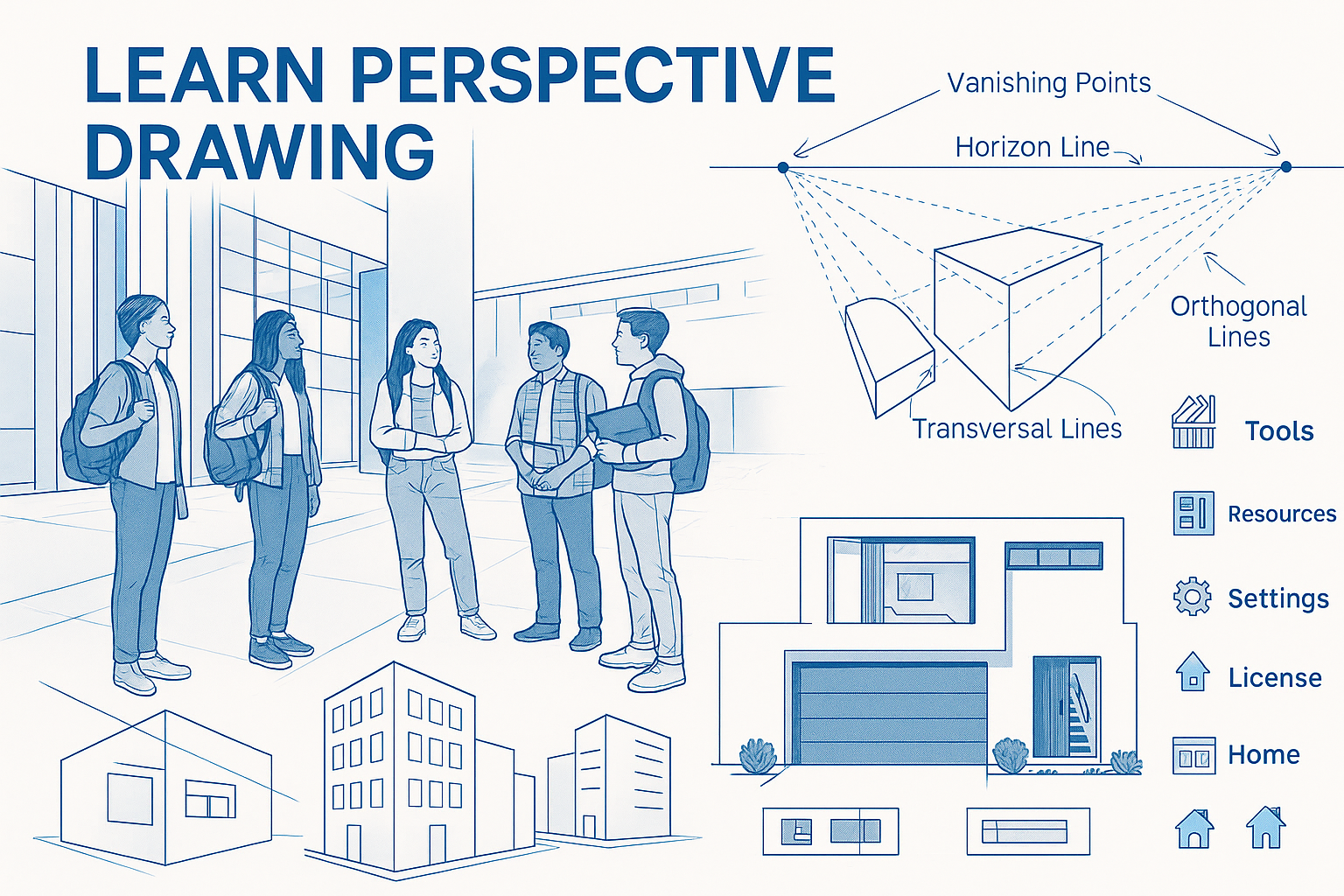
The kind who render like AI on steroids. Drawings so sharp, they shut critics up.
- Everything looks like a magazine cover.
- Spends 12 hours perfecting a single axonometric.
- Doesn’t know what a codebook is. Doesn’t care.
7. The Chaos Solver
Shows up late but saves the day.
- Designs wild stuff that somehow works.
- Spaghetti process, genius result.
- Thrives on last-minute panic.
8. The Urban Planner in Disguise
Always thinking 10 blocks ahead.
- Cares more about sidewalks and zoning than facades.
- Talks about cities more than buildings.
- The only one who knows what a "smart mobility hub" is.
9. The Tech Wizard
If you don’t know how to do something in Rhino or Revit—ask them.
- Built a Grasshopper script that could replace half your team.
- Printing 3D models while you cry over foam core.
- Kind of terrifying, but you need them.
10. The Do-Gooder
Thinks design can save the world—and might be right.
- Projects always involve refugees, climate, or access.
- Applies for every fellowship, wins most of them.
- You’ll be working for them one day.
What No One Tells You About Focus in Architecture School

You’ll hear “focus is important” a lot. But no one tells you how brutal it really is.
-
Studio will eat your time like a black hole.
-
Notifications, side hustles, drama—constant distractions.
-
Half your classmates will burn out trying to “do it all.”
Here’s the truth: focus isn’t about working longer. It’s about protecting your attention like it’s gold. Because it is.
Why Focus Actually Matters
-
Design Requires Depth: Surface-level thinking makes for shallow buildings. Focus gives you the brain-space to think deeper, build smarter, and actually innovate.
-
You’ll Waste Less Time: Reworking stuff because you weren't really there? That’s hours down the drain.
-
Crits Get Easier: When you're dialed in, your concept holds. You won't get wrecked in front of the jury.
How to Sharpen Your Focus (Without Losing Your Mind)
-
Shut Down Distractions: One tab. One tool. One task. That’s the rule. No music with lyrics, no YouTube “in the background.”
-
Set 90-Minute Deep Work Blocks: No breaks, no interruptions. Then take a real 15-minute reset.
-
Don’t Multitask During Studio: It’s not efficient. It’s just anxiety in disguise.
-
Know Your Best Hours: Some people sketch best at 2 a.m. Others at 9 a.m. Use your peak zone for your toughest thinking work.
-
Say No (Sometimes): You don’t need to attend every event or help with every group thing. Protect your project time.
Bottom line: Good design comes from depth. And depth comes from focus. Guard it like your life depends on it—because your sanity definitely does.
10 Brutally Honest Tips for Architecture Students
Forget the sugarcoating. Here’s what you really need to know.
- Your First Year Sets the Tone → Get your habits, mindset, and workflow sorted early. Lazy now = chaos later.
- Don’t Just Sketch—Think Structurally → Learn how your designs actually stand up. Sexy doesn’t matter if it collapses.
- Crits Are War Rooms, Not Therapy → Defend your work. Listen, don’t break. Everyone bombs a crit—it’s how you come back.
- Time Will Betray You → Start early. No one finishes clean. All-nighters aren’t a flex—they’re failure to plan.
- Learn the Tools Like a Pro → Master Rhino, Revit, Adobe, and the printer. Yes, even the printer.
- Know When to Let Go → Perfect doesn’t exist. Sometimes done is better than perfect.
- Your Classmates Are Your Network → That guy you ignored might run a firm someday. Be decent.
- Take Breaks. Real Ones. → Burnout is real. Touch grass. Hug your mom. Breathe.
- Read Beyond Pinterest → Get your head in real architecture books. Look at precedent, not just pretty things.
- Passion is Not Optional → This is hard. If you don’t love it—even when it’s awful—you’ll hate this path.
Related
- Architectural Sketching for Beginners: From Tools to Techniques
- The Art of Drawing a Simple Line in Architectural Sketches
FAQ
Q: What’s a student of architecture, really?
→ Someone willingly choosing four years of pain for the joy of designing things most people won’t even notice. It’s more than drawing—it’s obsession, endurance, and an unhealthy relationship with your laptop.
Q: Are there different types of architects?
→ Tons. Residential, commercial, landscape, interior, sustainable, restoration... pick your poison. Or mix a few. The best ones know when to specialize—and when to break the rules.
Q: What are the four main types of architecture?
-
Residential (homes and housing)
-
Commercial (offices, malls, hotels)
-
Institutional (schools, hospitals, museums)
-
Industrial (warehouses, factories, data centers)
Each has its own stress level, client headaches, and budget nightmares.
Q: Which type of architect is “best”?
→ The one that makes you want to wake up and sketch. Some chase prestige. Some chase money. The smart ones chase meaning—and sleep when they can.
Keep Going:
- Introduction to Architecture: A Beginner’s Guide to Building Design
- Architectural Sketching for Beginners: From Tools to Techniques
- The Art of Drawing a Simple Line in Architectural Sketches
- Types of Architecture Courses: From B.Arch to BIM
- Understanding Architecture Education: Programs, Opportunities, and Trends
- Architecture Specializations: What to Focus On
- Materials Selection: Best Practices for Architectural Design and Sustainability
- Why Architects Still Matter in the AI Age: Craft vs Code
- 10 Architecture School Mistakes You’ll Definitely Make
- Best Laptops for Architecture Students 2025
- Real Projects You Should Try in Your Final Year
Final Tip: Architecture school will push you to your edge—and then ask for one more render. Laugh through the breakdowns. Back up your files. And never trust the plotter after midnight.